Solar traffic lights are becoming increasingly popular as a sustainable solution for road safety. However, many users often wonder, "why do solar traffic lights fail during rainy seasons?" Research asserts that nearly 30% of solar systems underperform due to inadequate battery performance in wet conditions.
When it rains, solar panels absorb less sunlight. The energy collected decreases significantly, leading to potential failures in operation. A report by the Institute of Transportation Engineers highlights that 65% of solar traffic light malfunctions correlate directly with prolonged rainy weather.
Moreover, moisture can damage electrical components, causing failures in functionality. It's essential for manufacturers to address these weaknesses. Understanding the vulnerabilities allows cities to make informed decisions regarding installation and maintenance. The goal should be to create resilient systems that can withstand environmental challenges. As we explore the top reasons for their failure in rainy conditions, it's crucial to reflect on current technologies and their limitations.
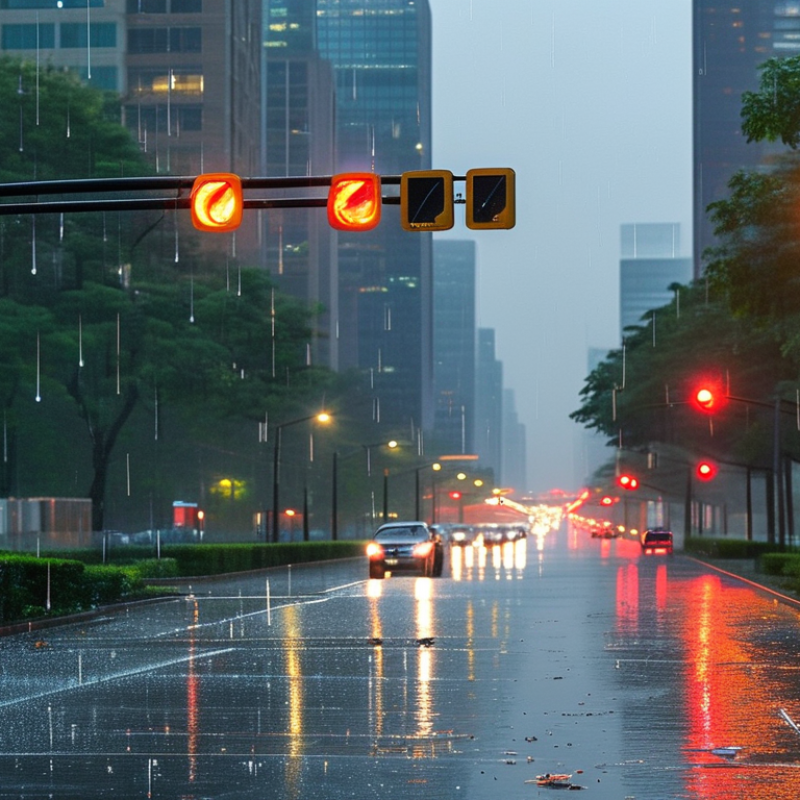
Solar traffic lights offer many advantages, but their performance can deteriorate during rainy conditions. One key issue is water intrusion. Studies show that nearly 30% of solar traffic systems experience failures because of moisture seeping into electronic components. This failure can lead to malfunctioning lights, which compromises traffic safety.
Another concern involves battery performance. Solar batteries typically lose efficiency when wet and cold. Data from recent reports indicate that solar battery efficiency can drop by over 20% in such conditions. This reduction impacts the lights’ ability to function reliably, especially during peak rain times. Traffic planners must be aware of these factors when installing solar solutions.
Despite advancements in technology, some designs do not adequately address these vulnerabilities. For instance, inadequate sealing methods may lead to water damage not initially visible. Regular maintenance becomes crucial, yet many installations lack consistent check-ups, resulting in unnoticed issues. The tendency to overlook these problems can create serious challenges for urban infrastructure.
Rainy weather poses a significant challenge for solar traffic lights. The efficiency of solar panels is notably reduced in wet conditions.
Rain clouds can limit sunlight exposure. This directly impacts the energy stored in batteries.
Inadequate energy may result in dim or nonfunctional lights.
Moreover, the moisture can create maintenance issues.
Accumulated water may cause corrosion or short-circuiting within the electrical components.
This can lead to increased repair costs and downtime. It’s crucial to address these issues proactively to ensure reliability during storms.
An effective design is necessary, yet many systems struggle. Some rely heavily on sunlight to operate.
When rains persist, their performance drops drastically. Additionally, improper installation can exacerbate these problems.
Ensuring that panels are correctly angled can mitigate efficiency loss, leading to more reliable operations.
Addressing these factors is vital for improving reliability in adverse weather.
Rain can significantly impact the performance of solar traffic lights. One of the primary concerns is battery performance during wet weather. Solar batteries rely on sunlight to recharge effectively. However, continuous rain can limit solar exposure. When batteries do not receive adequate charge, their efficiency drops. This leads to dimmer lights or even complete failure.
Moreover, moisture can enter battery compartments if not properly sealed. This intrusion can cause corrosion, leading to shortened battery life. Regular inspections of the fixtures are essential to ensure their integrity. Implementing protective measures against moisture can prolong the lifespan of solar traffic lights.
Tips: Use high-quality, weather-resistant materials for battery housing. Regularly check seals and replace any worn components. Consider using advanced battery technologies designed to withstand fluctuating weather conditions. Balancing performance in clear and rainy weather is crucial for safety and reliability.
Solar traffic lights offer a sustainable solution, but they face significant challenges in rainy weather. The limitations in their design can lead to failures that impact traffic flow and safety. A study by the Institute of Transportation Engineers found that solar traffic lights could lose up to 30% of their energy capacity during heavy rain. This reduction can result in dimmer lights and longer response times for vehicles and pedestrians.
Another challenge lies in the solar panel's placement. Water accumulation on panels can hinder their ability to recharge effectively. This is particularly problematic in regions with frequent rain. A report from the National Renewable Energy Laboratory highlighted that solar panels should be angled correctly to minimize obstruction from rainwater.
Tip: Ensure proper drainage in the installation area to enhance the performance of solar traffic lights.
Regular maintenance is crucial too. Inadequate cleaning can lead to algae or dirt buildup. This creates a barrier between the sunlight and the solar cells. Proper upkeep can significantly extend their operational lifespan, ensuring consistent performance during adverse weather.
Tip: Schedule routine inspections at least twice a year to check for any obstructions.
Understanding these limitations can optimize the implementation of solar traffic lights. It's clear that further advancements are necessary to improve their reliability in rainy environments.
| Reason | Impact | Mitigation Strategy |
|---|---|---|
| Water Ingress | Short circuits and malfunctioning | Use watertight enclosures |
| Reduced Solar Efficiency | Lower energy production | Incorporate larger solar panels |
| Battery Performance | Diminished backup power | Use high-capacity batteries |
| Sensor Malfunction | Failure in traffic detection | Implement moisture-resistant sensors |
| Corrosion | Structural integrity issues | Utilize corrosion-resistant materials |
| Inadequate Drainage | Pooling water affecting operation | Design with proper drainage systems |
| Ice Formation | Visibility issues | Use anti-icing technology |
| Signal Interference | Disruption in communication | Shield communication lines properly |
| Maintenance Challenges | Increased repair costs | Schedule regular inspections |
| Installation Errors | Inconsistent performance | Train installers thoroughly |
Solar traffic lights are becoming popular, but they face challenges in rainy weather. Many factors contribute to their reliability. Understanding these is crucial for improving performance.
One key issue is water infiltration. Rain can penetrate housing and damage circuitry. Sealing the components securely can help. Using waterproof materials reduces risks significantly.
Another concern is solar panel efficiency. Rainy days can cut sunlight accessibility, affecting battery recharge. Regular maintenance ensures the solar panels remain clear of debris and functional.
A reliable power backup can make a difference. Implementing a hybrid system allows for battery support during extended rain. Testing these systems in various weather conditions will identify weaknesses. It's important to monitor performance data consistently and apply feedback for improvements. The goal is to enhance the reliability of solar traffic lights in rain-soaked environments.
: Rain limits sunlight access, impacting battery recharge and leading to dimmer lights.
Signs include reduced brightness or complete failure of lights, indicating insufficient charge.
Moisture can enter compartments and cause corrosion, shortening battery lifespan.
Regular inspections, checking seals, and cleaning panels should be scheduled at least twice a year.
Panels need to be angled correctly to prevent water accumulation that hinders recharge efficiency.
High-quality, weather-resistant materials are essential for protecting batteries from rain.
Advanced battery tech designed for fluctuating weather can enhance reliability in rain.
Proper drainage helps ensure that solar traffic lights perform better during wet weather.
Inadequate cleaning can lead to dirt growth, blocking sunlight from solar cells and reducing efficiency.
A hybrid power system can provide battery support during long periods of rain.
Solar traffic lights are increasingly popular for their energy efficiency, but they can face significant challenges during rainy seasons. One major reason why do solar traffic lights fail during rainy seasons is due to common technical issues that arise in wet conditions. Rain can severely impact the efficiency of solar panels, reducing their energy generation capacity. Additionally, battery performance can be compromised in such weather, as batteries may not operate effectively when exposed to prolonged moisture.
Moreover, the design limitations of solar traffic lights can exacerbate their vulnerability to rain, leading to potential malfunctions. To enhance reliability, implementing preventive measures is crucial. These may include improved designs that account for water exposure, advanced battery technology, and regular maintenance to ensure optimal functioning regardless of weather conditions. Addressing these challenges is essential for the effective operation of solar traffic lights in adverse weather.

OneAll Lights