High-efficacy, industrial-grade photovoltaic systems engineered by Yangzhou OneAll Lights Co., Ltd. for extreme outdoor durability and precision light distribution.
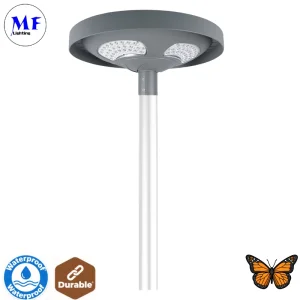
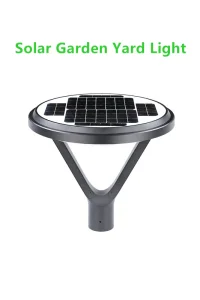
In the contemporary landscape of municipal master planning and urban design, the integration of solar plaza lights has shifted from an eco-friendly optional asset to a core structural mandate. Public plazas, pedestrian squares, and transit hubs represent the heart of communal life. Standard grid-tied illumination schemes in these expansive areas demand continuous, high-wattage electricity, requiring extensive cabling, trenching, and grid sub-stations that significantly inflate public infrastructure budgets.
Industrial solar plaza illumination systems break this grid dependency entirely. By deploying high-performance monocrystalline photovoltaic arrays combined with advanced Lithium Iron Phosphate (LiFePO4) storage, modern solar plaza configurations deliver uninterruptible security lighting from dusk to dawn. This is achieved while contributing zero carbon emissions, fulfilling municipal ESG compliance requirements, and dramatically reducing operating expenses (OPEX) over a minimum design lifespan of 10 to 15 years.
Understanding why the world’s leading engineering firms, distributors, and municipalities source their high-power solar plaza light arrays from Yangzhou, Jiangsu Province.
Yangzhou, specifically the Guoji industrial zone, is the global epicenter for outdoor lighting fabrication. This ecosystem clusters specialized component manufacturers (poles, LED drivers, optics, PV panels, battery packs) within a 30km radius, yielding unmatched cost efficiencies and rapid customization turnarounds.
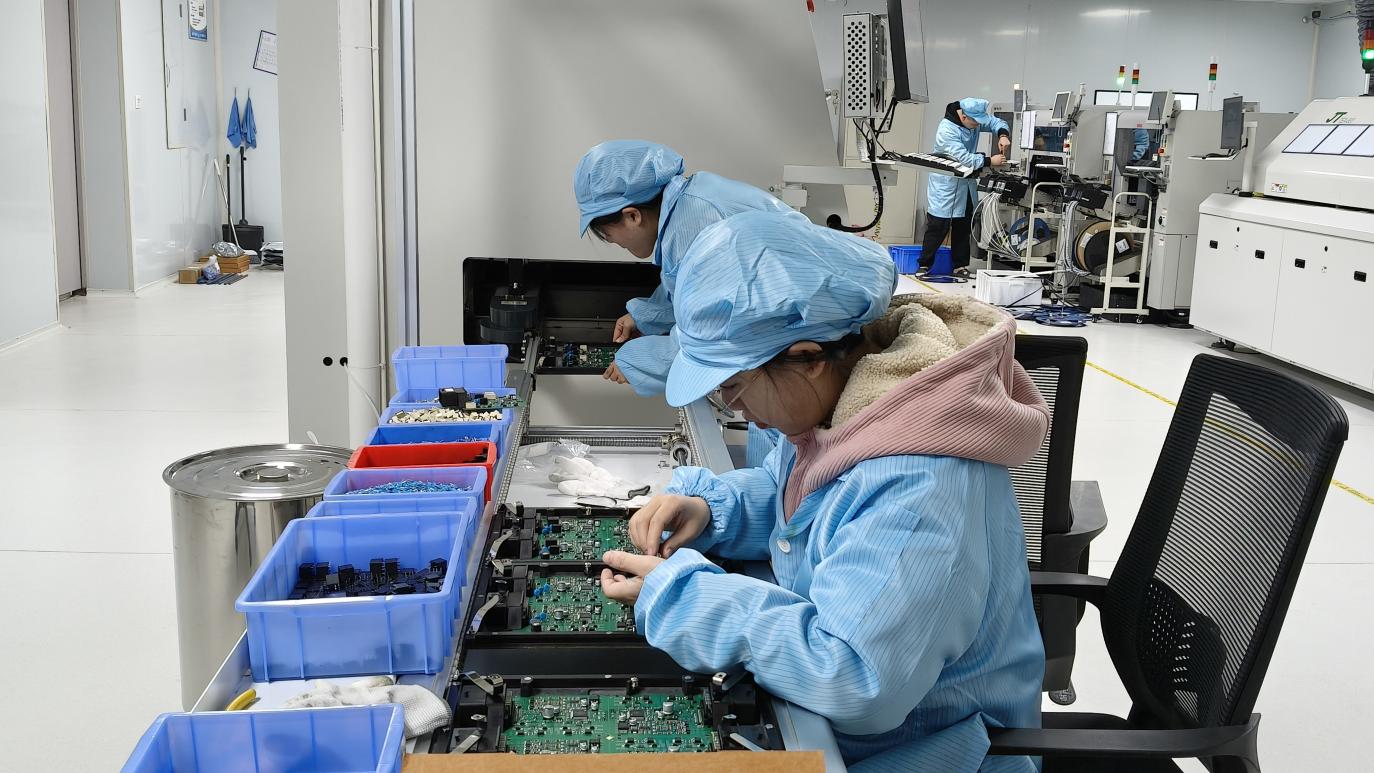
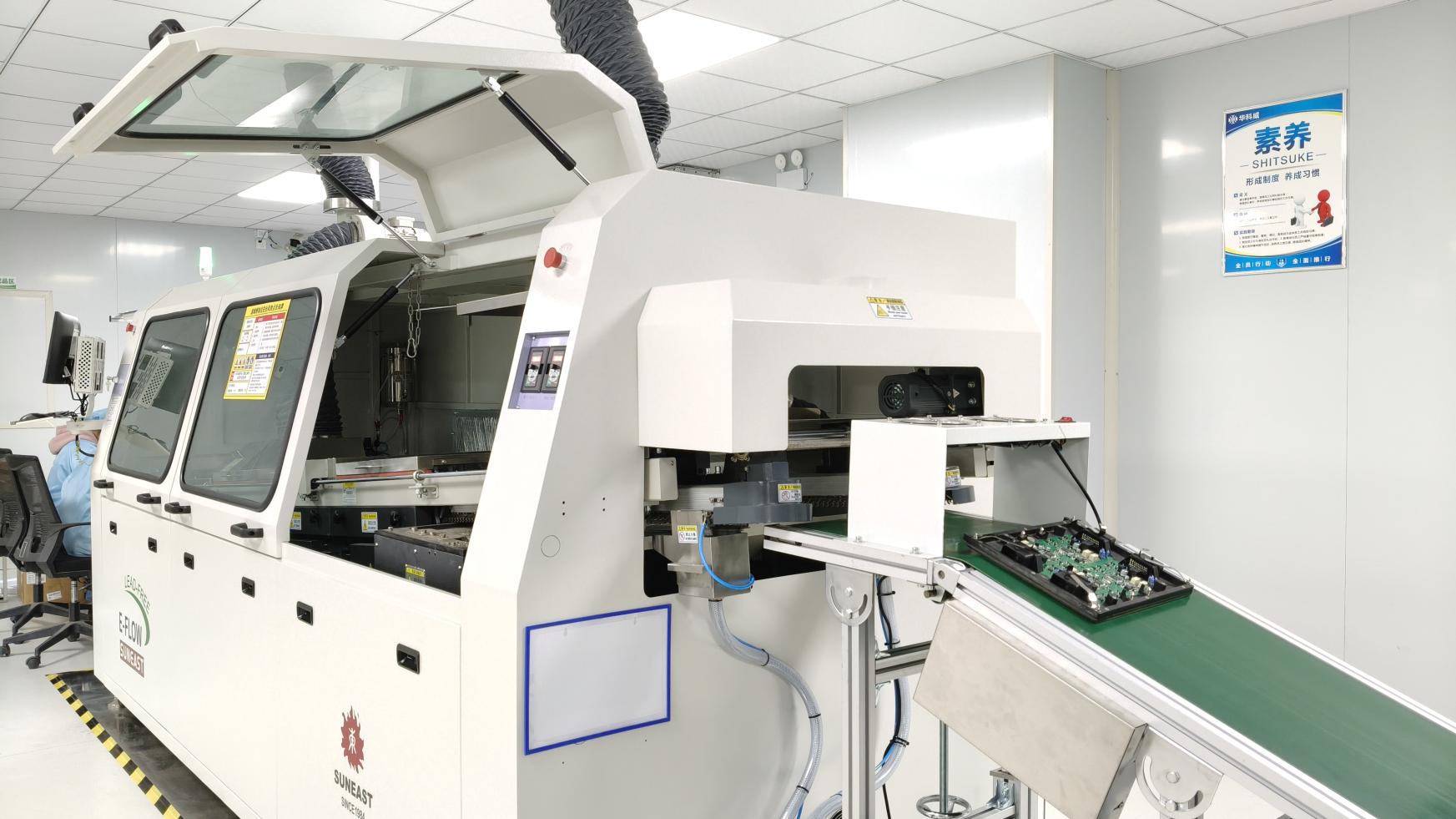
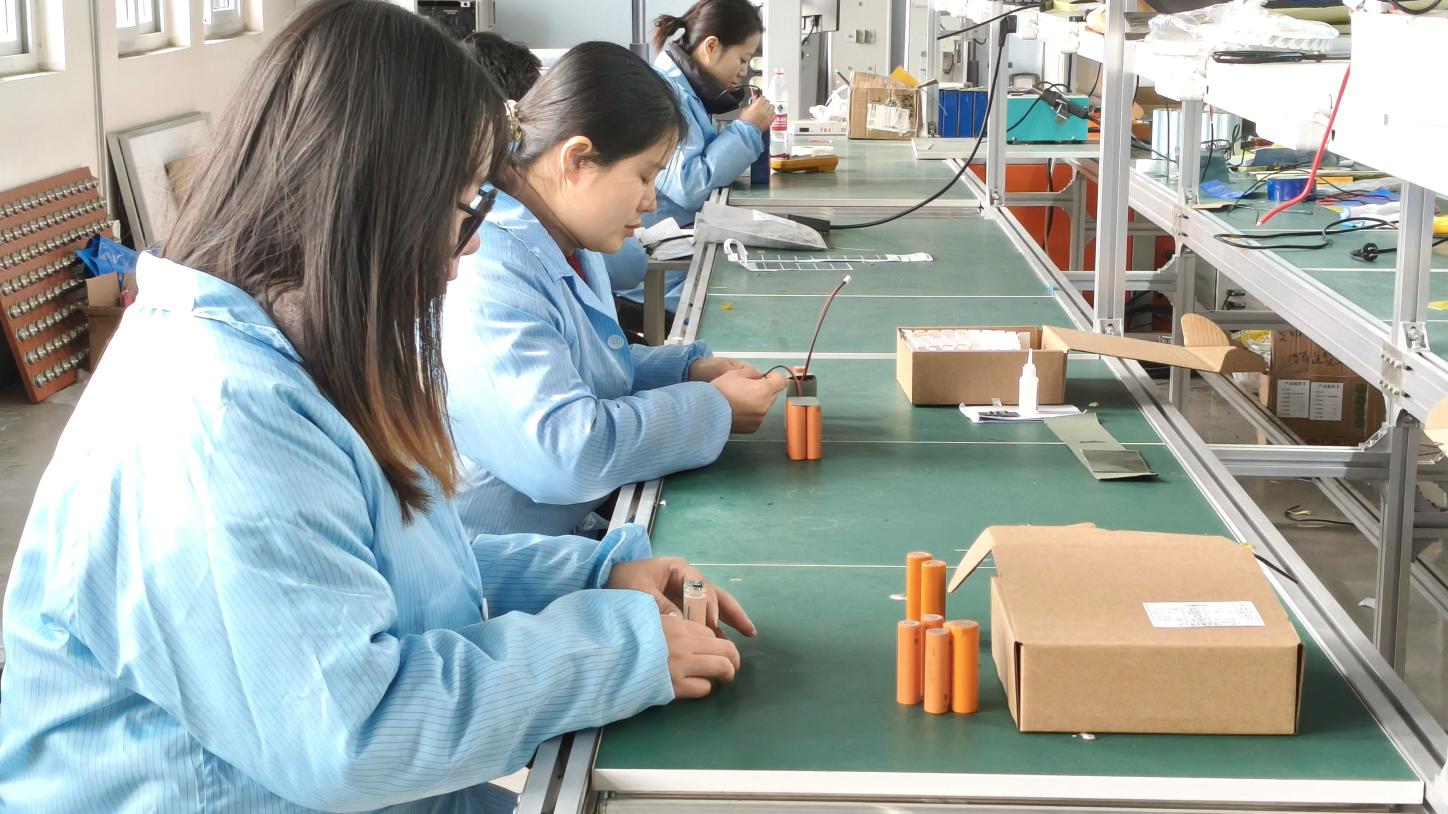
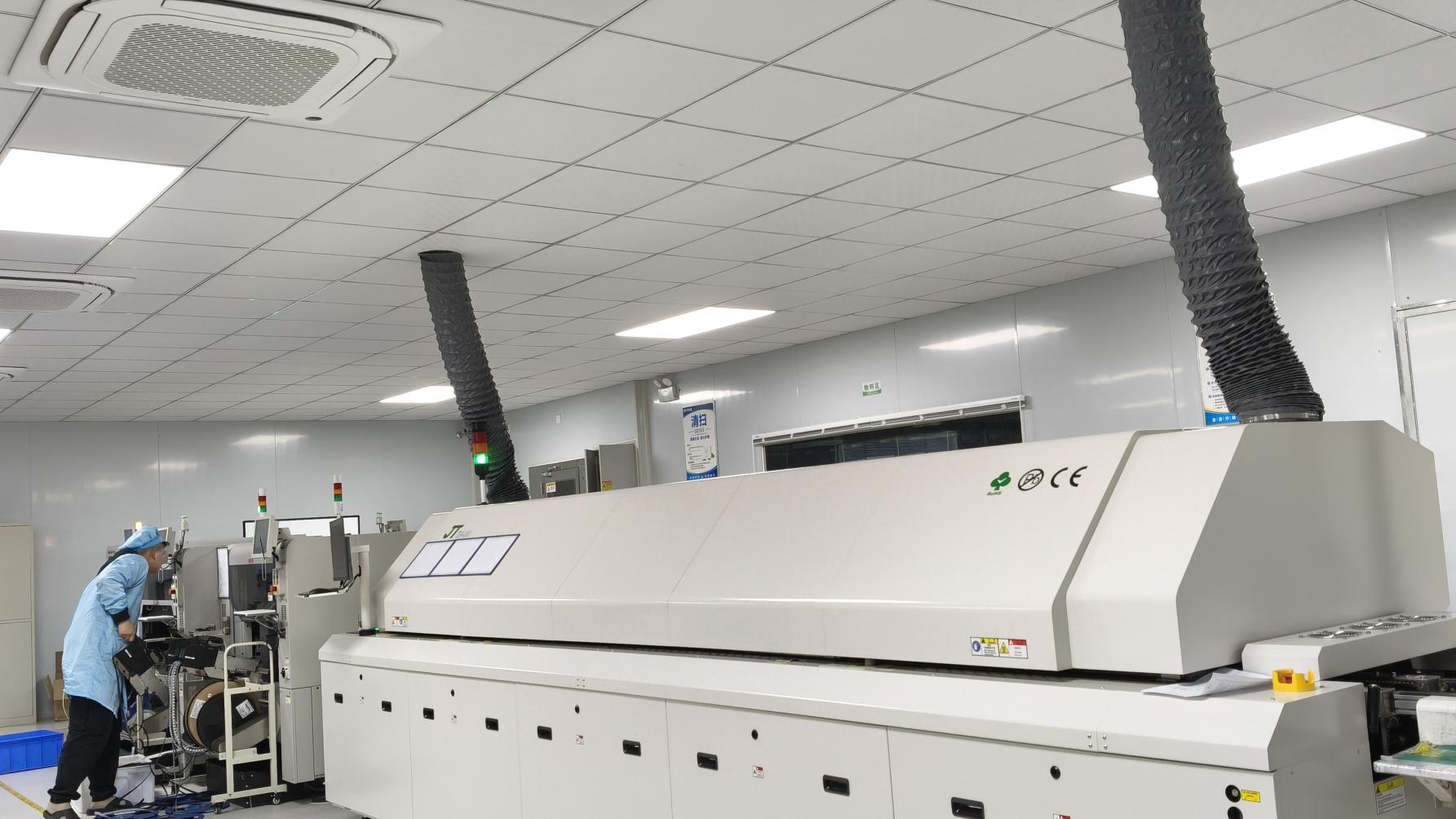
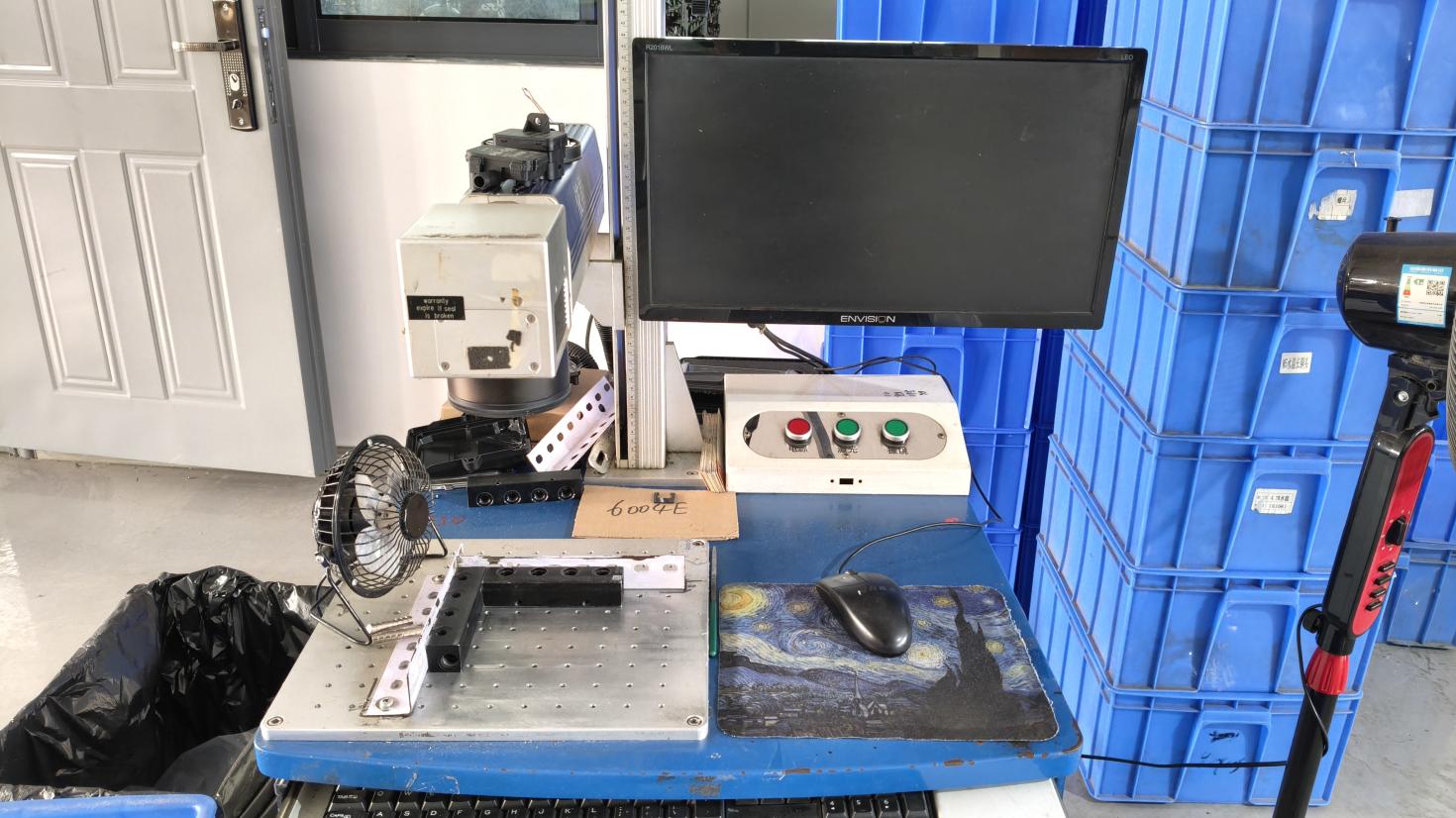
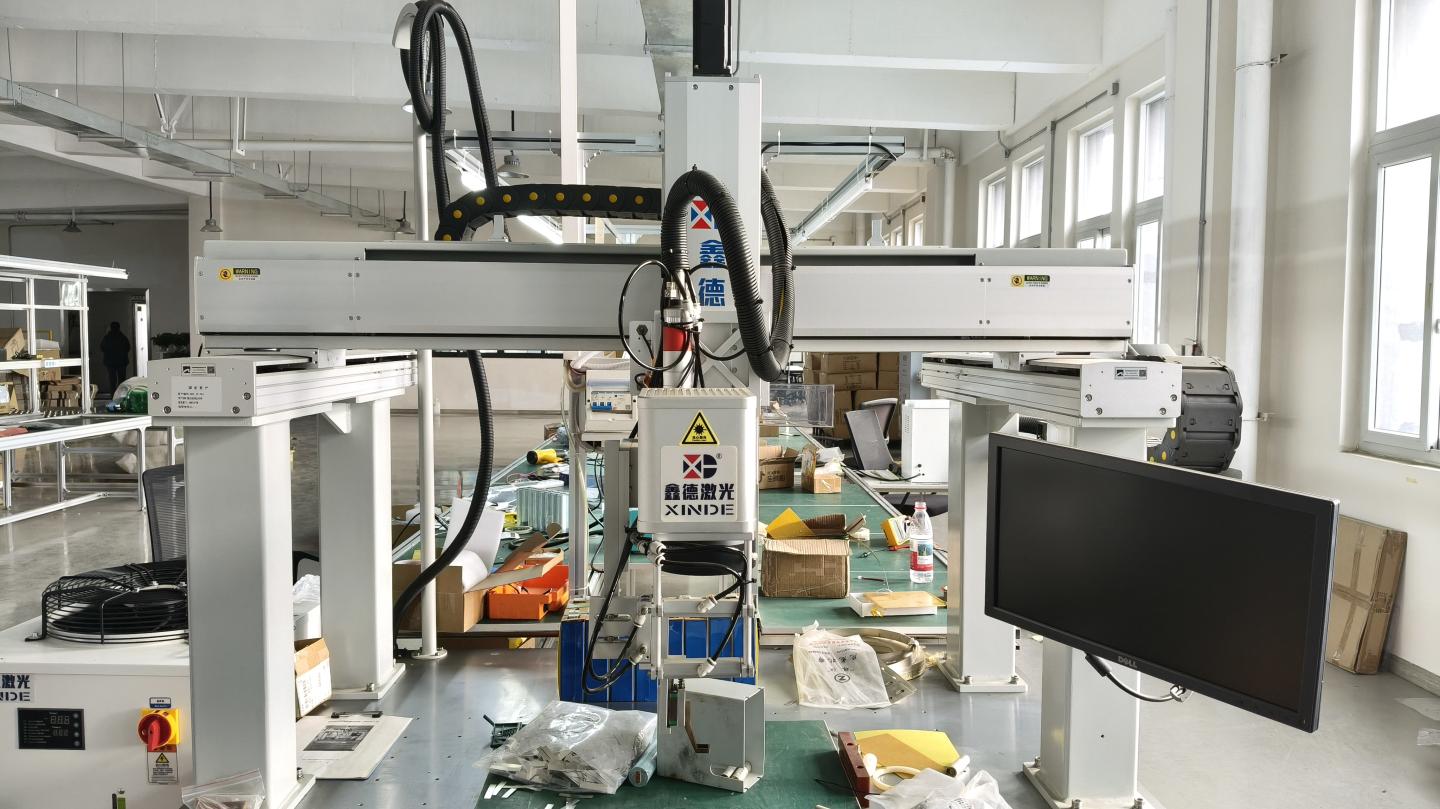
Advanced manufacturers like Yangzhou OneAll Lights Co., Ltd. integrate state-of-the-art CNC bending, automatic submerged arc welding, SMT production, and automated gluing/screwing machinery. This high-degree automation ensures micro-precision repeatability and high daily yield rates.
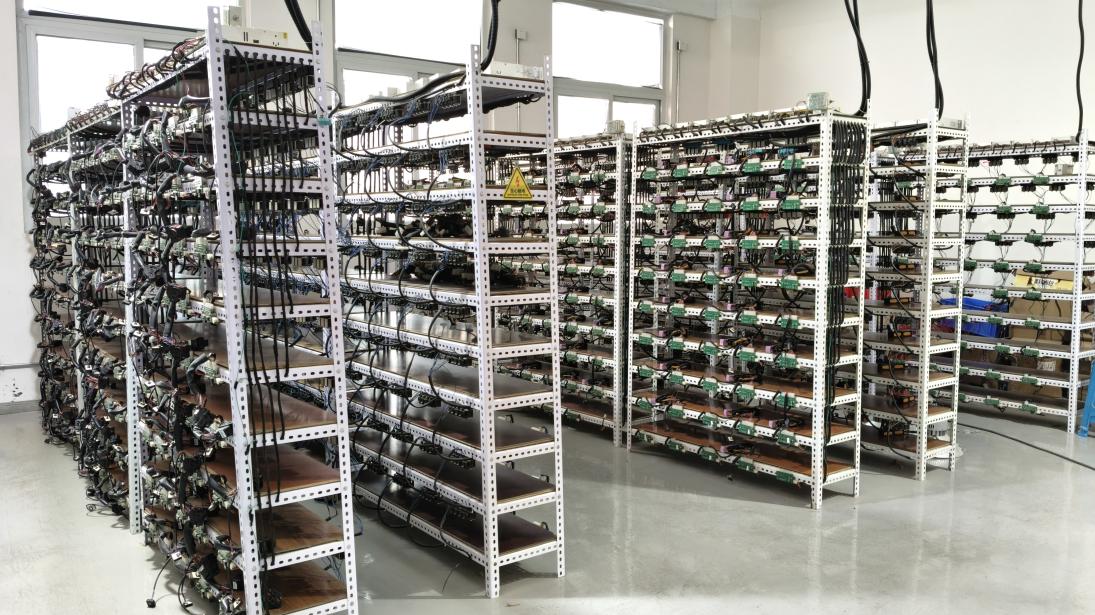
From initial raw material inspection (IQC) to strict long-duration aging tests, ISO9001/14001, CE, CQC, and CCC guidelines govern every stage. Certified IP66 and IK08 testing guarantees that the luminaires withstand extreme coastal winds, sandstorms, and heavy monsoons.
A Premier Global Exporter & Heavy-Duty Outdoor Lighting Manufacturer Since 2003
With continuous investment in advanced manufacturing technology, our factory is equipped with modern production facilities, including CNC bending machines, automatic submerged arc welding systems, laser cutting equipment, electrostatic powder coating lines, fluorocarbon painting workshops, and precision testing instruments. Supported by multiple automated production lines and a skilled technical team, we are able to provide efficient production, stable quality, and reliable delivery for projects of all sizes.
Innovation and quality are the driving forces behind our growth. We have established an experienced R&D team dedicated to developing energy-efficient, environmentally friendly, and intelligent lighting solutions that meet the evolving needs of global markets. From product design and engineering to manufacturing and quality inspection, every production process is carried out under strict quality control standards to ensure excellent performance, durability, and long service life. Our company has obtained ISO9001 Quality Management System Certification, ISO14001 Environmental Management System Certification, CCC, CQC, CE certification, and various product testing reports, demonstrating our commitment to international quality and safety standards.
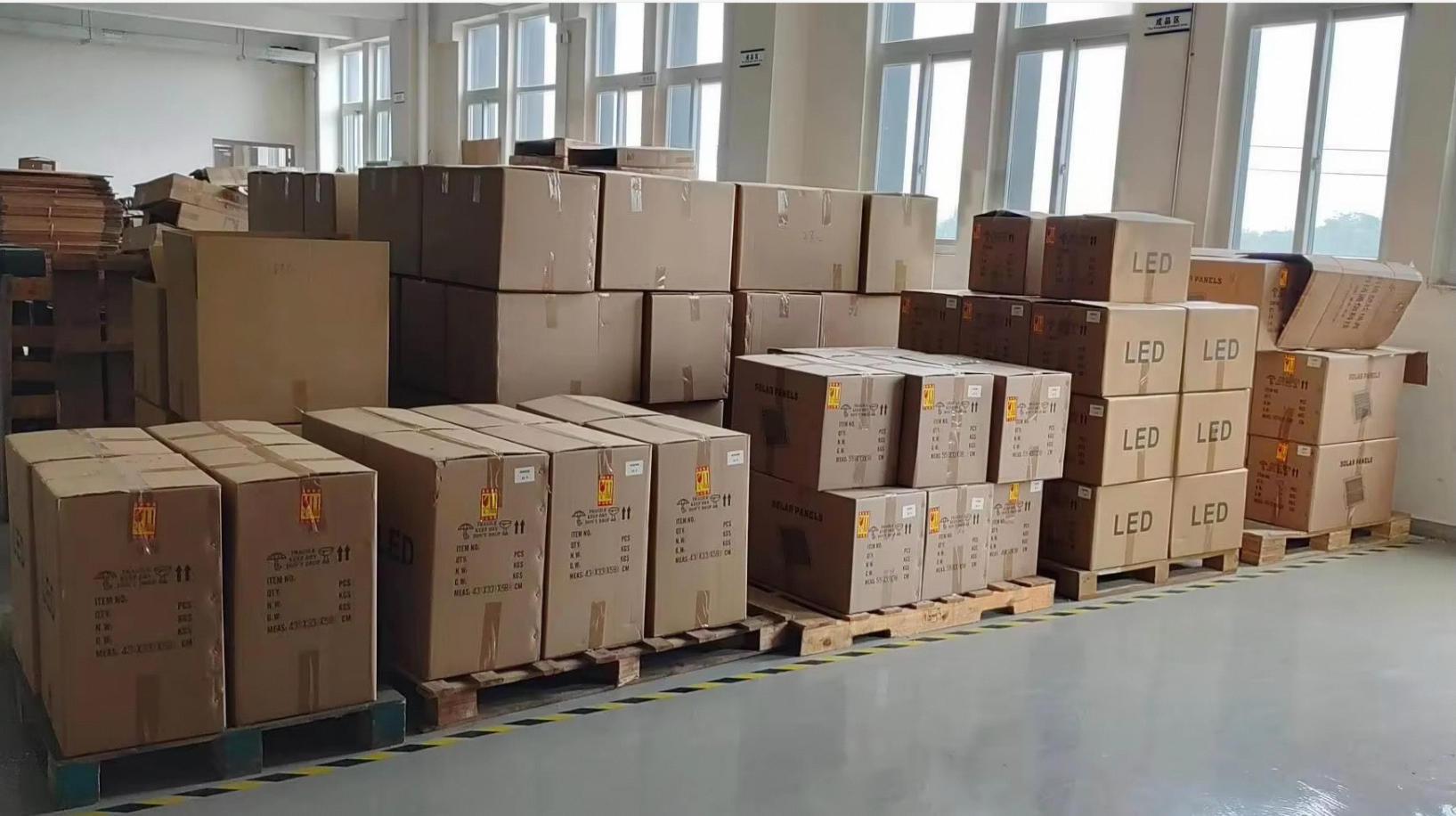
Ensuring structural integrity, optimal thermal management, and zero component failures through automated production and exhaustive optical/aging tests.

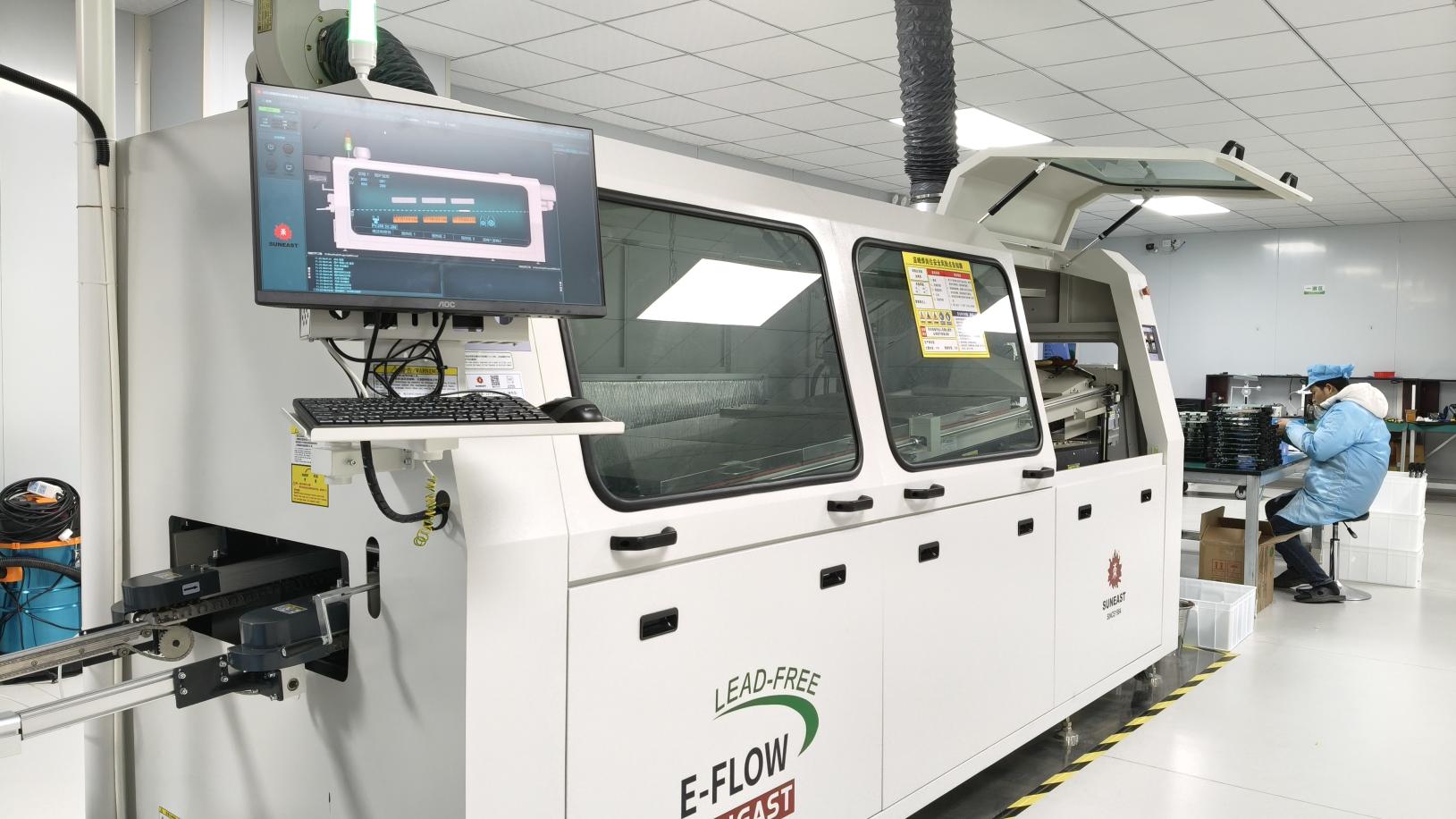
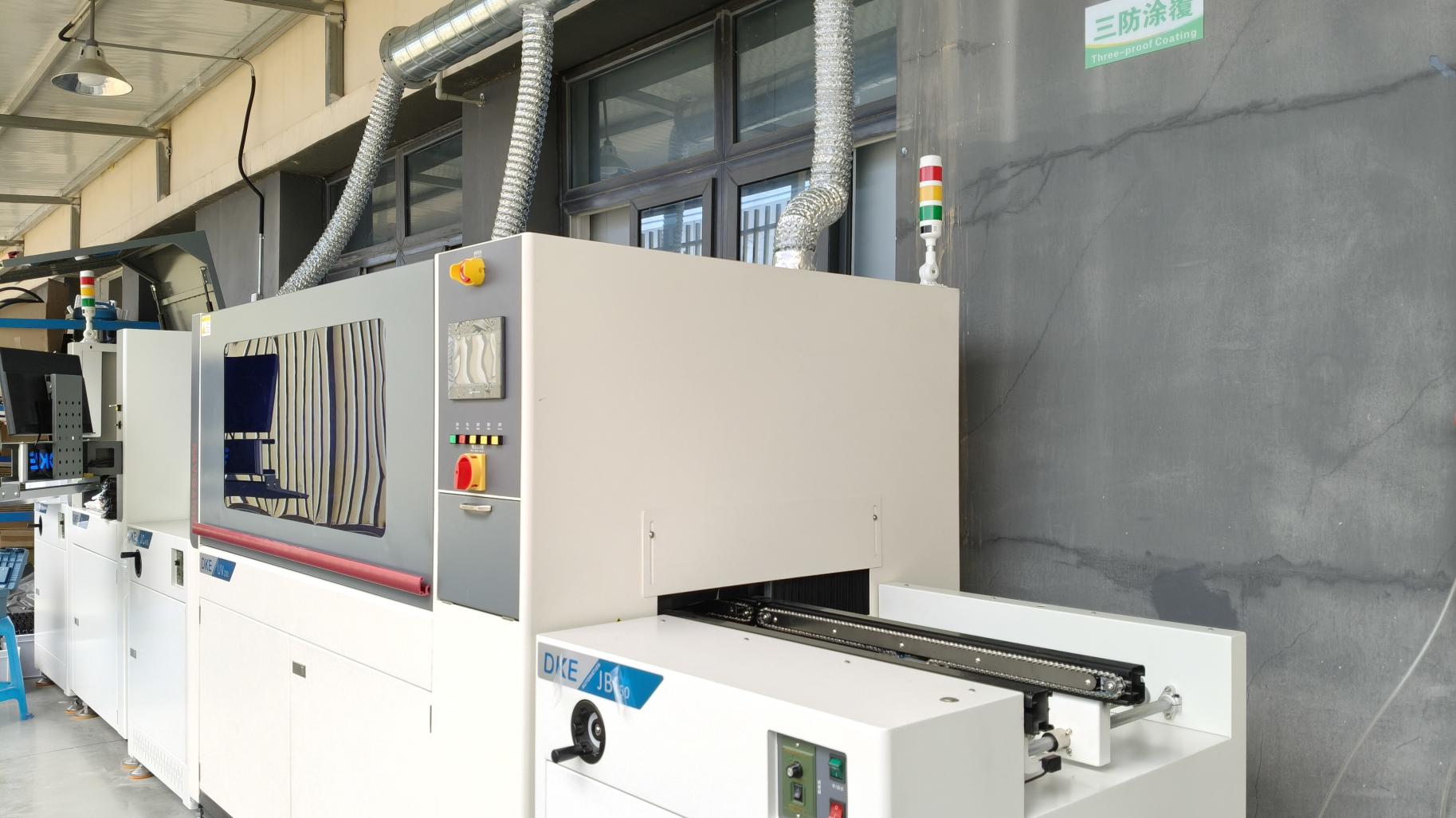
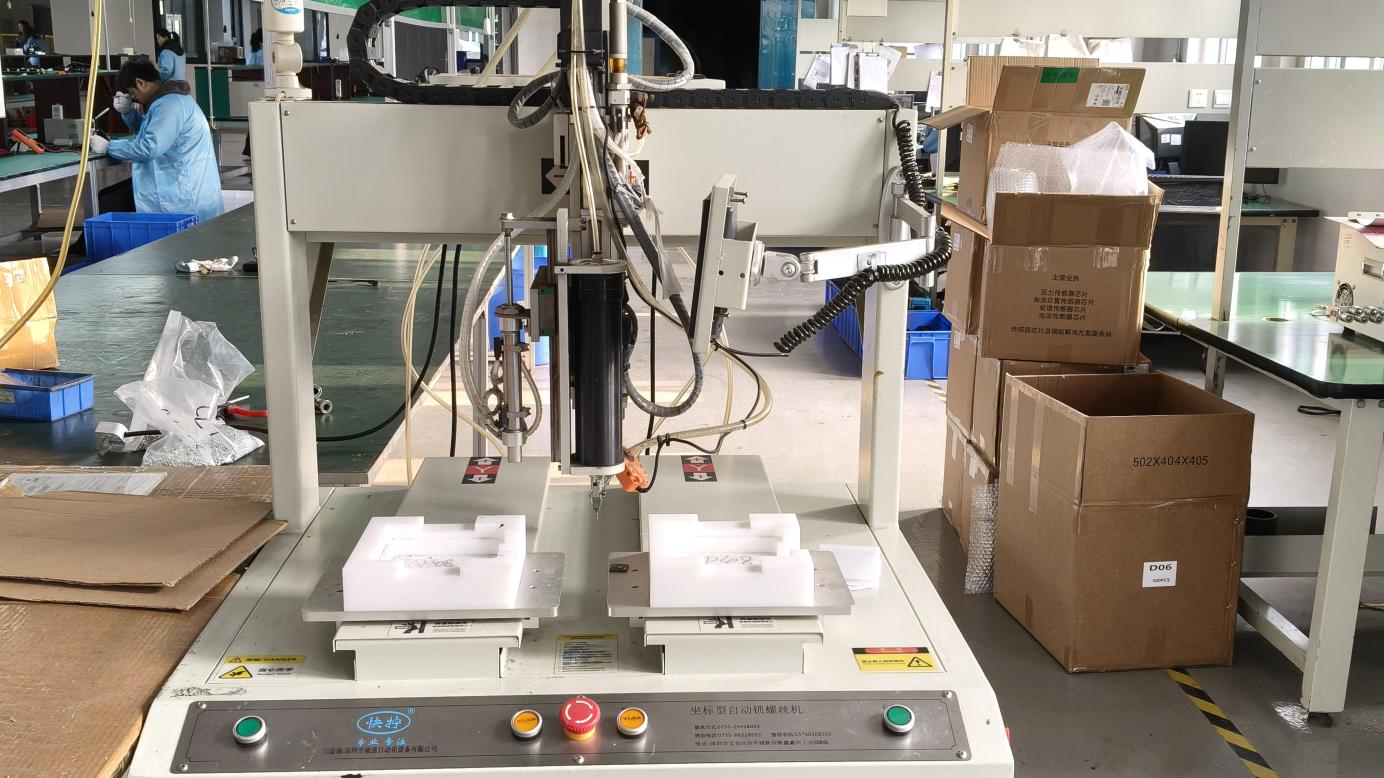
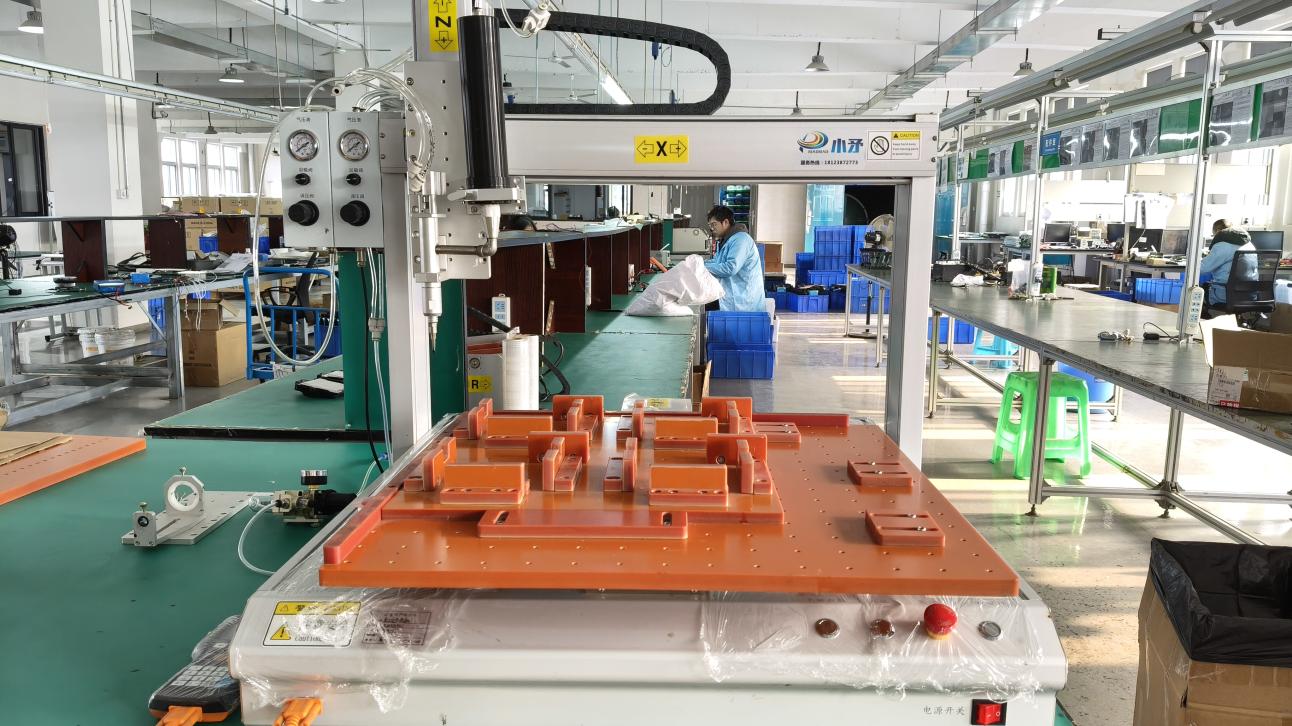
Different plaza layouts demand highly specialized light distributions, pole heights, and battery back-up capacities to maintain optimum lighting uniformity.
| Application Scenario | Typical LED Wattage | Optical Distribution Class | Battery Autonomy (Days) | Recommended Solar Plaza Light Type |
|---|---|---|---|---|
| Metro Transit & Station Plazas | 100W – 200W split system | Type III asymmetric lens | 3 – 5 rainless days | All-in-One Separated/Split Street Light |
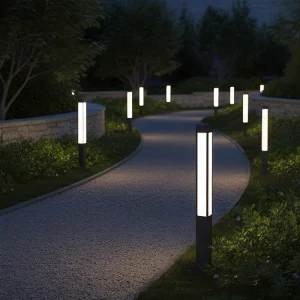
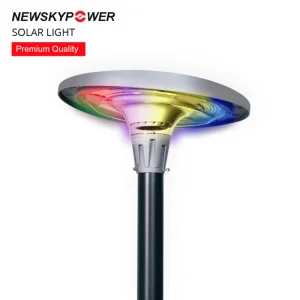
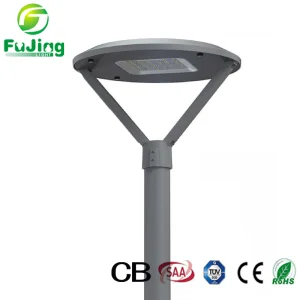
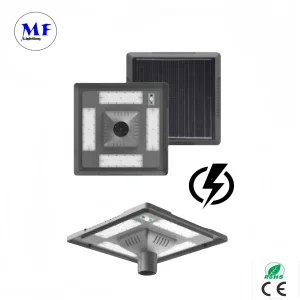
| Pedestrian Squares & Parks | 30W – 80W decorative/pole top | Type V omnidirectional / 360° UFO | 3 – 4 rainless days | Modern UFO LED Solar Street Light / Pole-Top |
| High-Latitude / Alpine Plazas | 100W – 300W wind hybrid | Type II medium reach | 5 – 7 days (Wind-solar hybrid) | Wind-Solar Hybrid Integrated system |
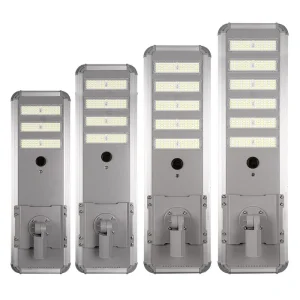
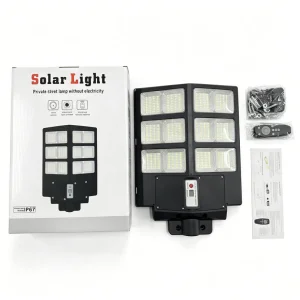
| Coastal Parking & Commercial Plazas | 200W – 600W high power | Type III or Type IV wide-angle | 4 – 5 rainless days | 600W/800W High Brightness Integrated Solar Light |
| Sidewalk Access & Overpasses | 20W – 50W slim wall mount | Type II asymmetric | 3 rainless days | Plaza Lamp Wall Light (190 lm/W) |
Enterprise-level buyers (EPC contractors, municipal planners, large-scale importers) prioritize supply chain resilience and technical compliance above all else. Procurement criteria for solar plaza projects mandate that all components meet strict international benchmarks:
The solar plaza lighting sector is undergoing a rapid technological convergence with Smart City IoT frameworks. Key developments include:
Critical engineering details answered by the senior engineering and design department at Yangzhou OneAll Lights.
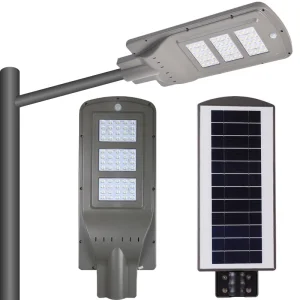
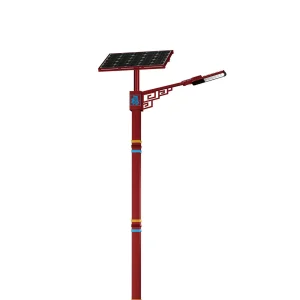
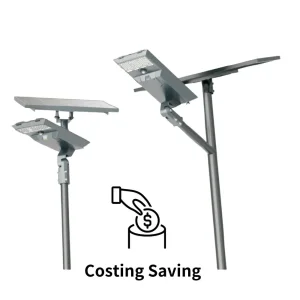
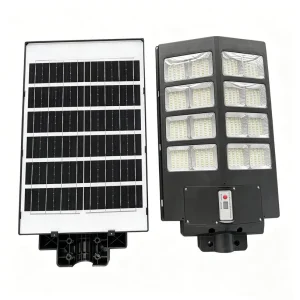
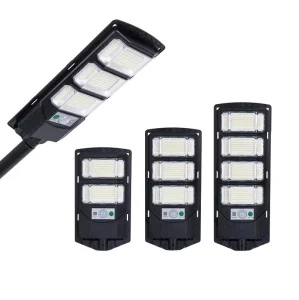
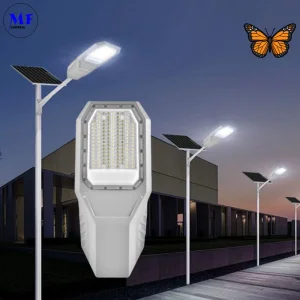
An integrated (All-in-One) system consolidates the PV panel, LiFePO4 battery pack, LED source, and MPPT controller into a single housing, streamlining installation and minimizing wind resistance. In contrast, a split/separated solar design isolates the solar panel, mounting it independently at the optimal angle to face direct sunlight. This setup is ideal for high-power demands or heavily shaded areas where the panel must be oriented independently of the LED luminaire’s light direction.
LiFePO4 (Lithium Iron Phosphate) chemistry offers up to 2,500 to 3,500 deep discharge cycles (DOD 80%) compared to only 500 cycles for lead-acid and 1,000 for ternary lithium. Additionally, LiFePO4 is non-combustible and has a high thermal runaway threshold (up to 60°C), preventing explosion risks in high-temperature equatorial climates. It is also environmentally friendly, containing no toxic heavy metals.
Monocrystalline panels are sliced from single-crystal silicon, achieving a higher conversion efficiency of 21% to 23%. This means they generate more power per square meter, making them ideal for spaces with limited mounting real estate. Polycrystalline panels are cheaper but have lower efficiencies (17% to 19%), requiring larger dimensions to match the same output.
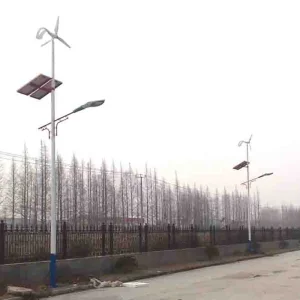
Wind-hybrid lighting systems integrate a small, highly efficient wind turbine (typically 100W-300W) with the solar PV array. In high-latitude regions or coastal zones where winter solar irradiance is minimal, the system charges the battery using wind energy. This ensures continuous security lighting even during prolonged stormy or overcast periods.
Yangzhou-manufactured lighting poles use high-tensile Q235 or Q345 steel. Designed using finite element analysis, they feature a tapered octagonal structure that can withstand wind velocities up to 160 km/h (equivalent to a Category 12 typhoon/hurricane) without structural deformation. Customized poles can be engineered to resist up to 200 km/h for extreme hurricane-prone coastal regions.
We offer comprehensive OEM & ODM services, tailoring pole heights, battery capacities, and solar panel angles to match local peak sun hours. Our quality control system is ISO9001 certified. We run raw materials through incoming inspections and subject all finished fixtures to a 24-to-48-hour continuous burn-in/aging test. Waterproofing (IP66) is verified using high-pressure water spray booths, and impact strength is tested with specialized IK-rating impact hammers.
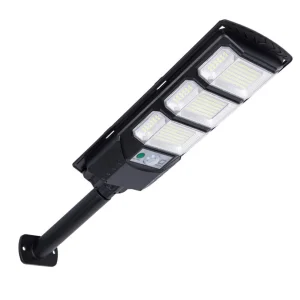
Heavy-duty, high-output options for expansive parking structures, metropolitan intersections, parks, and high-visibility urban squares.
 OneAll Lights