Engineered for extreme environments, commercial building envelopes, and sustainable landscape architectures.
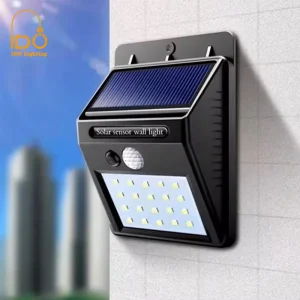
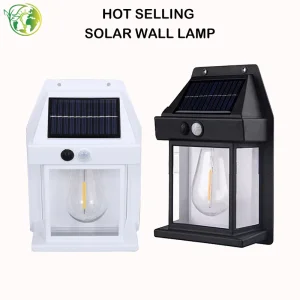
Decarbonization, Architectural Integration, and the Shift to Grid-Independent Exterior Illumination.
The global outdoor lighting landscape is undergoing a critical transition. Driven by international carbon reduction targets, escalating energy tariffs, and the push for ESG (Environmental, Social, and Governance) compliance, commercial real estate developers, municipal bodies, and industrial facility managers are shifting rapidly to off-grid solar illumination. Among these solutions, solar wall lights represent one of the fastest-growing sectors due to their ease of installation, safety (no trenching or high-voltage wiring), and dual aesthetic-functional roles.
In regions such as North America and Europe, local building codes and green initiatives like LEED (Leadership in Energy and Environmental Design) actively incentivize grid-independent building designs. Solar wall lights contribute directly to achieving credits under "Sustainable Sites" and "Energy and Atmosphere" parameters. By eliminating standard electrical conduits, projects reduce construction carbon footprints while eliminating ongoing operational power costs. Modern architectures require fixtures that deliver both continuous security lighting (dusk-to-dawn) and decorative, ambient illumination, which demands solar panels with high energy conversion rates and long-cycle batteries.
For B2B buyers and engineers, the decision to install commercial-grade solar wall luminaires centers on LCOE (Levelized Cost of Energy) and upfront capital expenditure (CAPEX) reduction. Traditional grid lighting requires deep-trenching, laying copper conduits, sub-panel upgrades, and specialized labor. Solar installation cuts installation labor expenses by up to 80% and eliminates cabling hardware. Within 12 to 18 months, the saved energy expenses and zero maintenance costs render solar options substantially more profitable than conventional alternatives.
Decoding High-Precision Assembly, Thermal Management, and Quality Assurance Ecosystems.
China's industrial clustering—particularly within Yangzhou and surrounding regions—has created a highly integrated ecosystem for solar lighting technology. The integration of structural hardware manufacturers, semiconductor packaging facilities, and high-energy battery cell fabricators allows top-tier manufacturers to offer unmatched performance-to-cost ratios. Understanding these technical components is critical for global buyers searching for reliable partners.
Reliable performance under changing ambient temperatures relies heavily on the reliability of the control board. Modern manufacturing utilizes high-speed SMT (Surface Mount Technology) lines to mount LED chips and driver components onto aluminum PCBs. This is followed by automated wave soldering machines, which generate solid solder joints that eliminate risk from micro-fractures caused by thermal expansion. Manual soldering is limited to non-critical connectors to maintain consistent structural integrity.
One of the principal failure points in outdoor solar lighting is battery and LED driver degradation due to high operating temperatures. Standard plastic housings offer poor thermal dissipation. Leading manufacturers implement aluminum heat sinks with calculated fin configurations, enhancing heat conduction. By separating the battery housing from the hot LED module with physical air-gaps, internal battery temperatures stay below critical aging thresholds even in desert installations.
Achieving a reliable IP66 or IP67 rating requires advanced sealing technologies. Modern factories utilize automated gluing machines that apply uniform polyurethane or silicone seals around the outer casing. To prevent long-term environmental degradation, PCBs receive a specialized three-proof conformal coating, which forms a thin film protecting delicate traces from moisture, chemical corrosion, and salt-spray in coastal environments.
A Tier-1 OEM/ODM Manufacturing Facility Specialized in High-Performance Outdoor Lighting.
Established in 2003 and situated in the industrial center of Yangzhou, Jiangsu Province, China, Yangzhou OneAll Lights Co., Ltd. is a leading manufacturer and exporter specializing in professional-grade outdoor lighting systems. With over two decades of engineering and manufacturing experience, our facility supplies reliable lighting to commercial, industrial, and municipal projects globally.
We invest heavily in state-of-the-art manufacturing hardware. Our 40,000 m² factory is equipped with advanced CNC bending machinery, automated submerged arc welding systems, high-precision fiber laser cutters, electrostatic powder coating lines, and comprehensive photometric and durability testing systems. Backed by automated SMT lines and a specialized engineering team, we deliver consistent, high-capacity production with reliable lead times.
Quality and continuous innovation are the core of our operations. Our products comply with strict international standards, backed by certifications including ISO9001 Quality Management System, ISO14001 Environmental Management System, CCC, CQC, and CE. Our customizable OEM and ODM services allow partners to customize lighting fixtures to their exact architectural, photometric, and climate requirements.
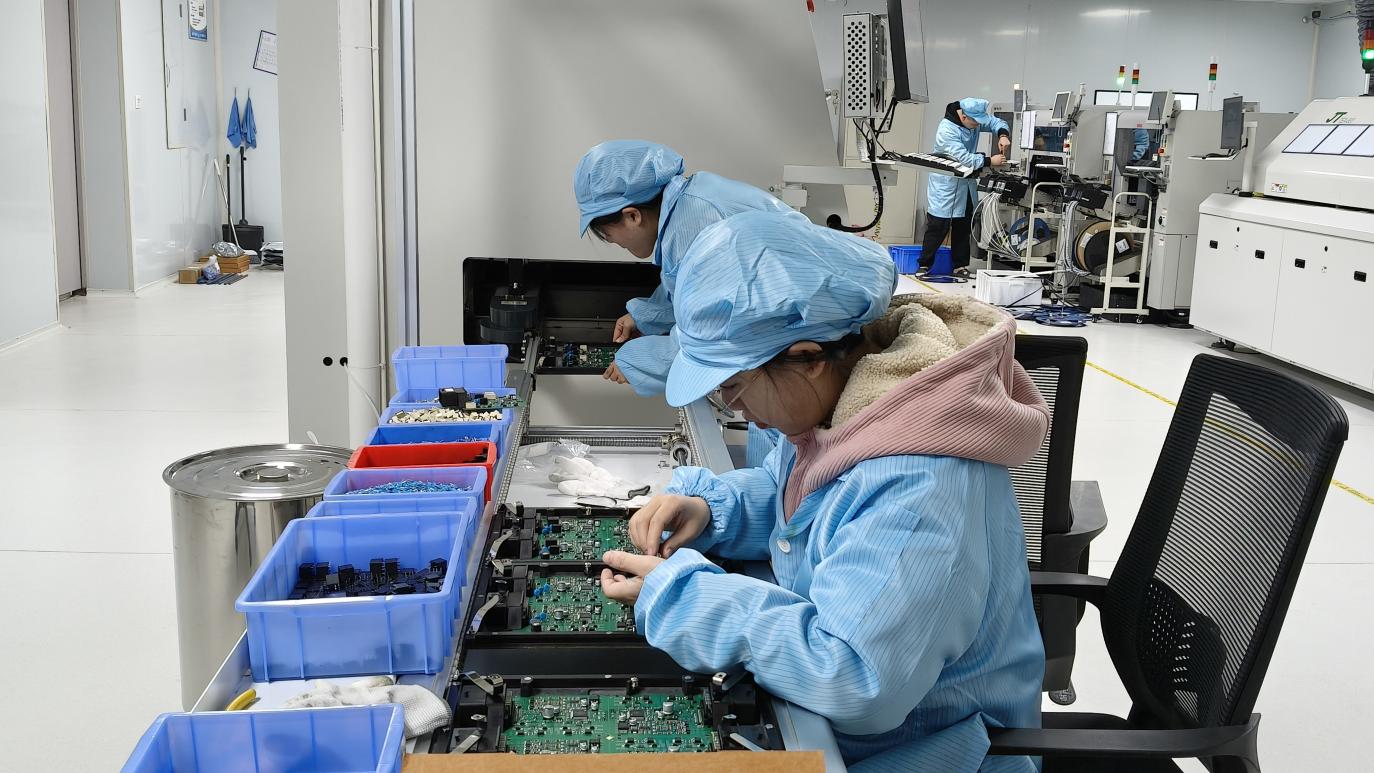
Plug-in Component Assembly
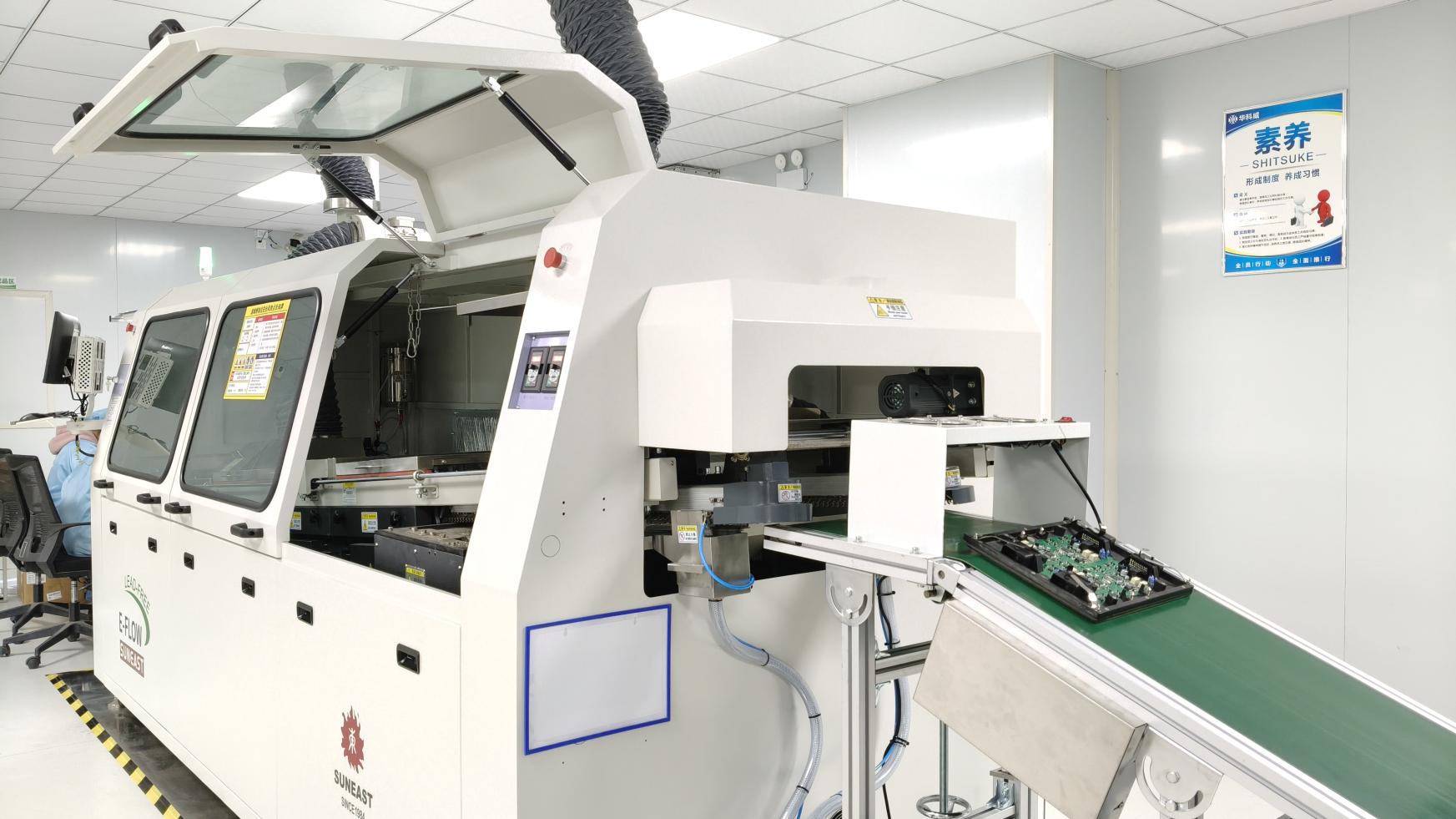
Manual Welding

Assembly - Line 1
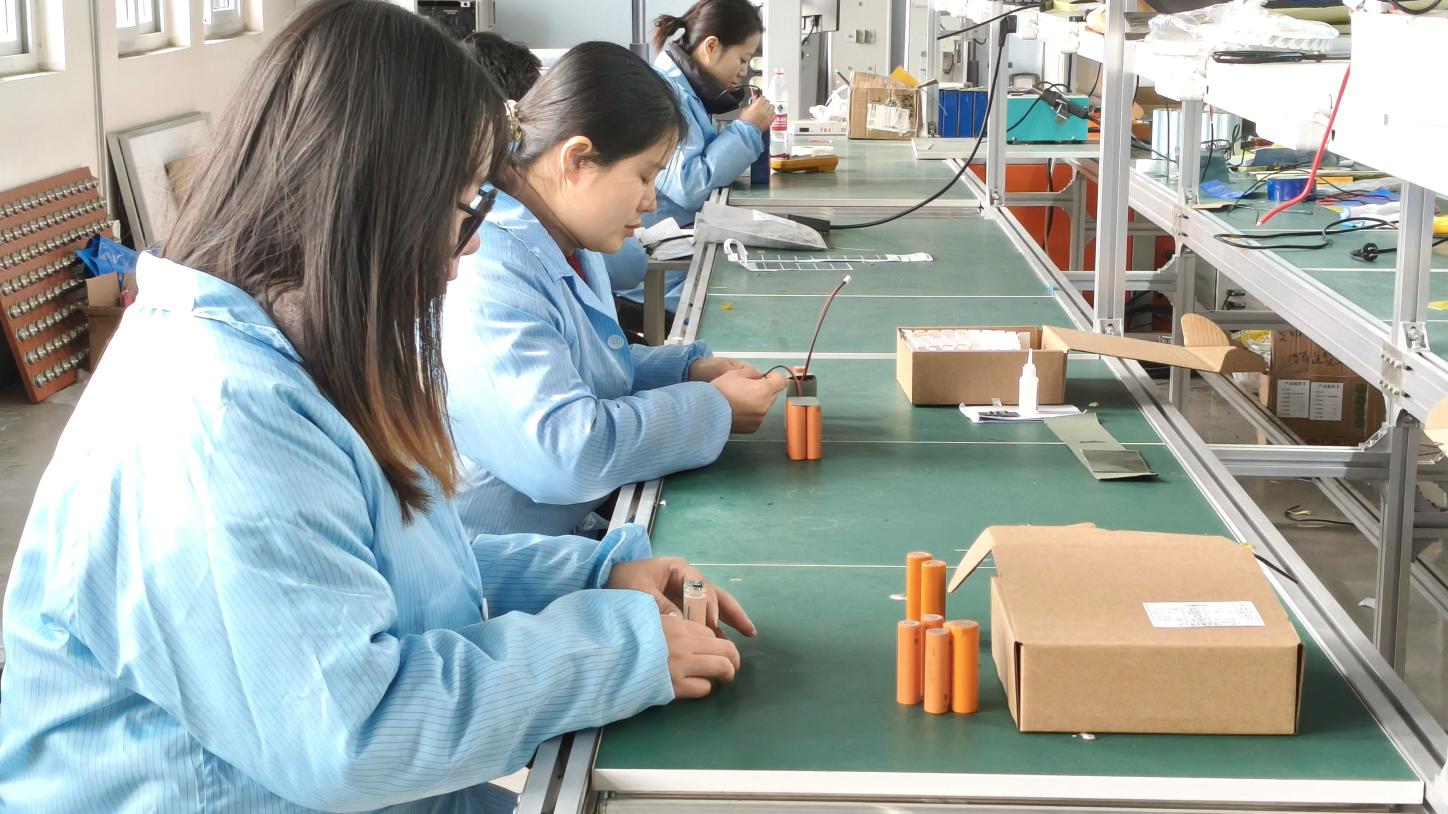
Assembly - Line 2
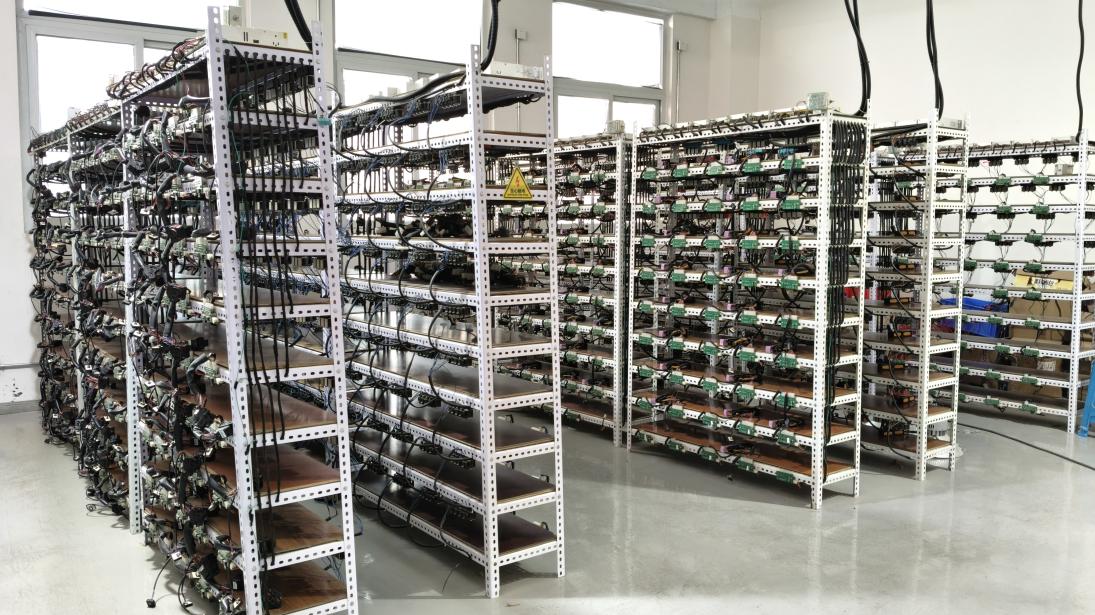
Aging Testing
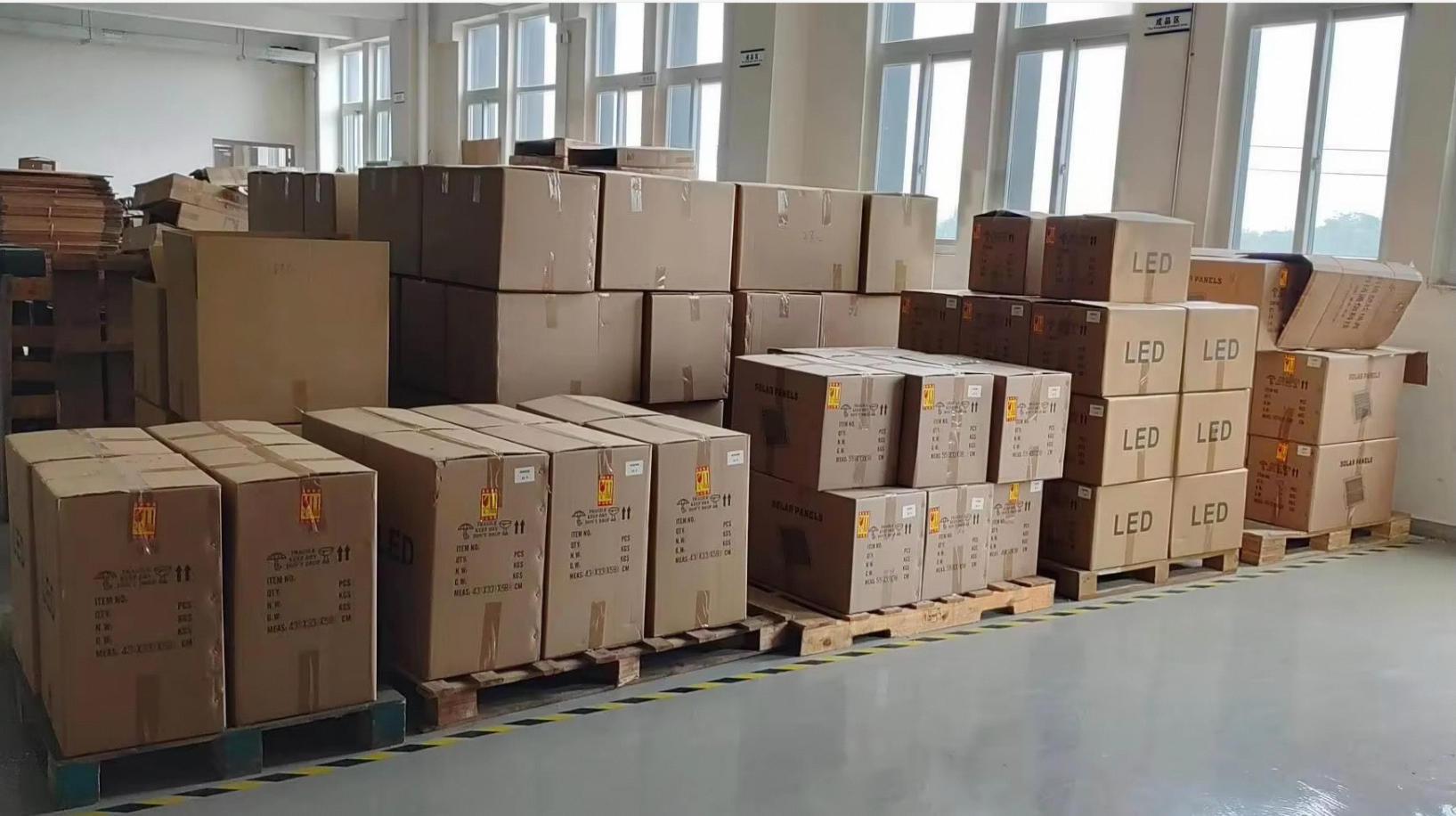
Packing
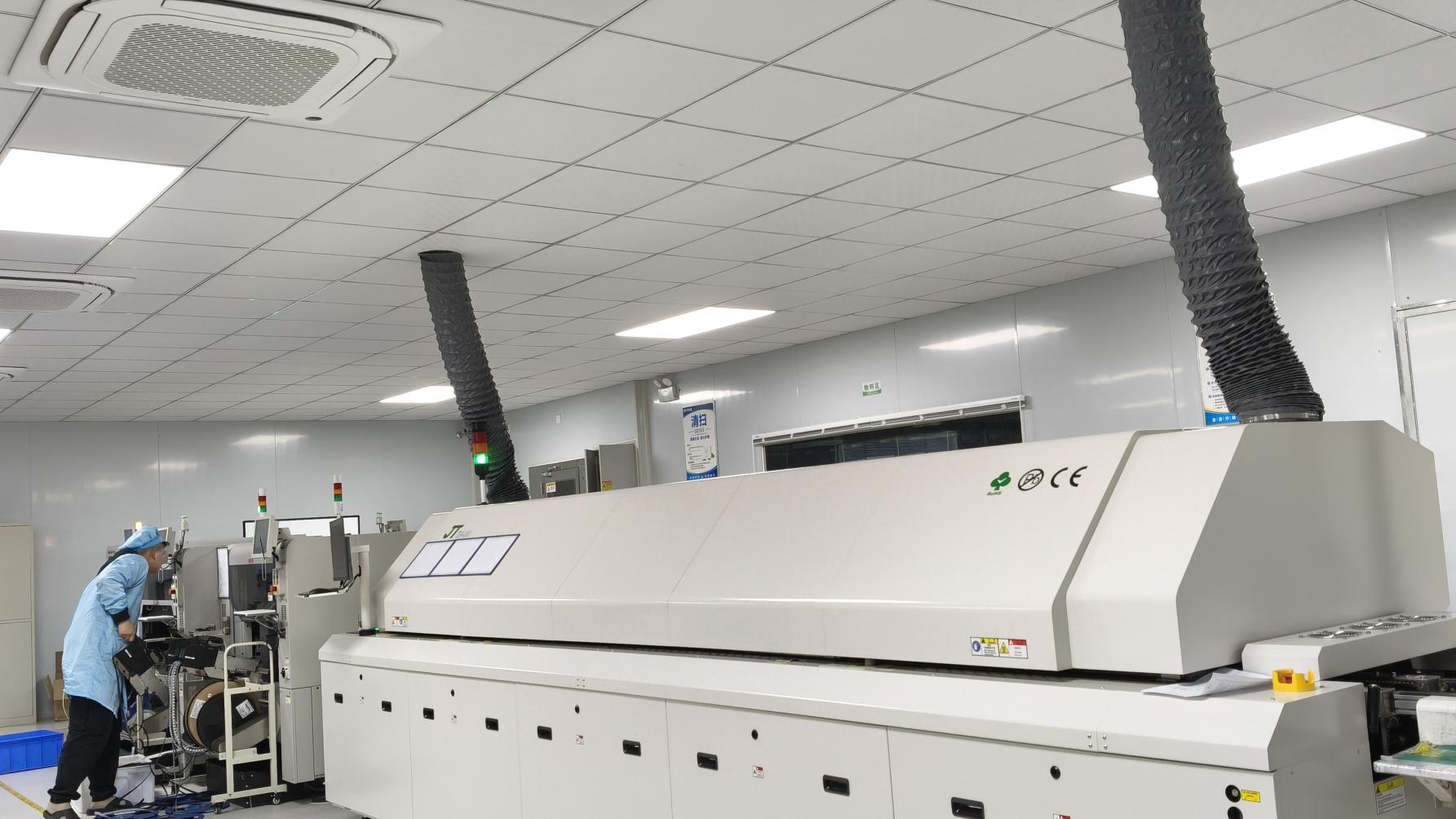
SMT Production Line
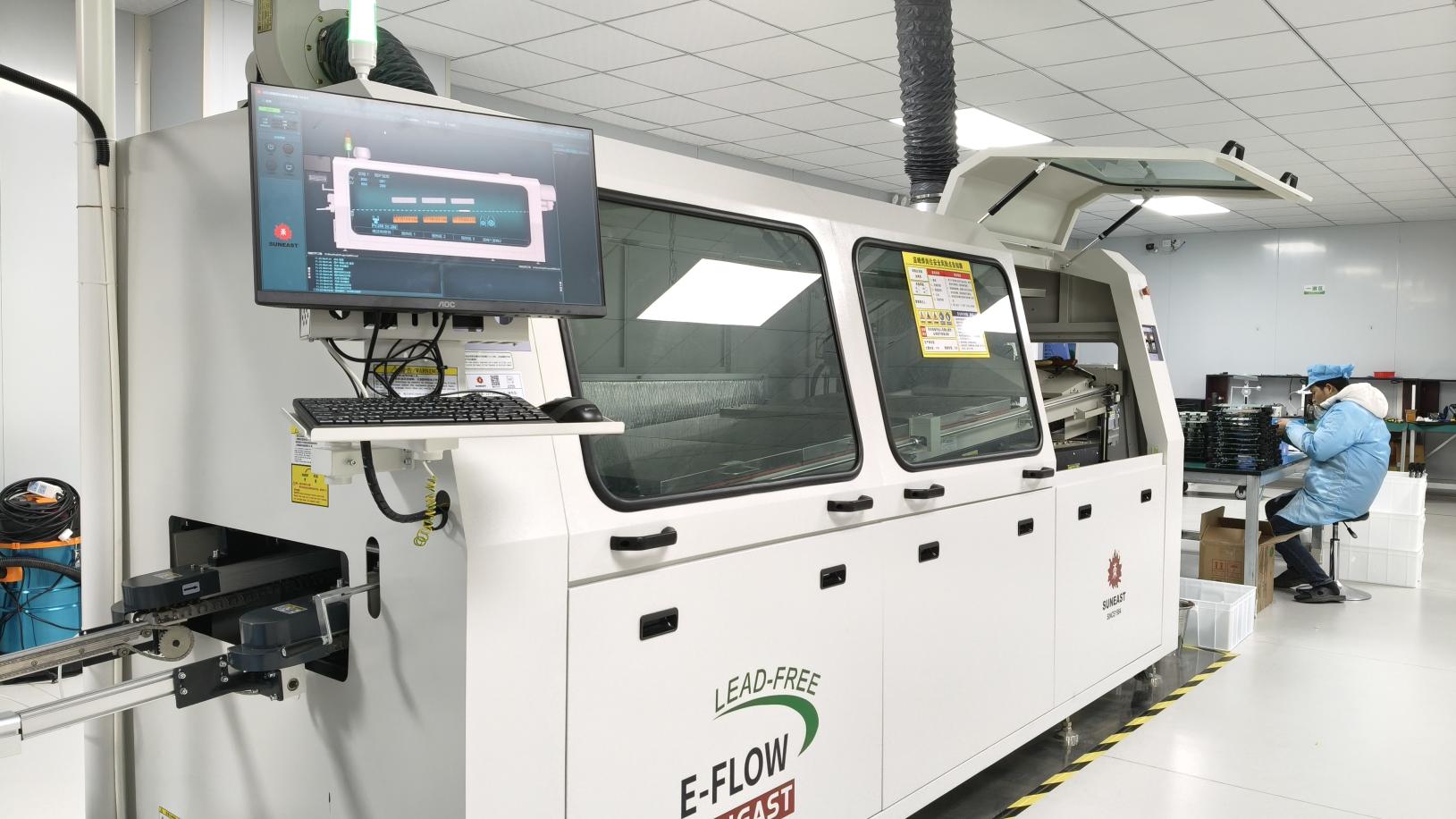
Wave Soldering Machine
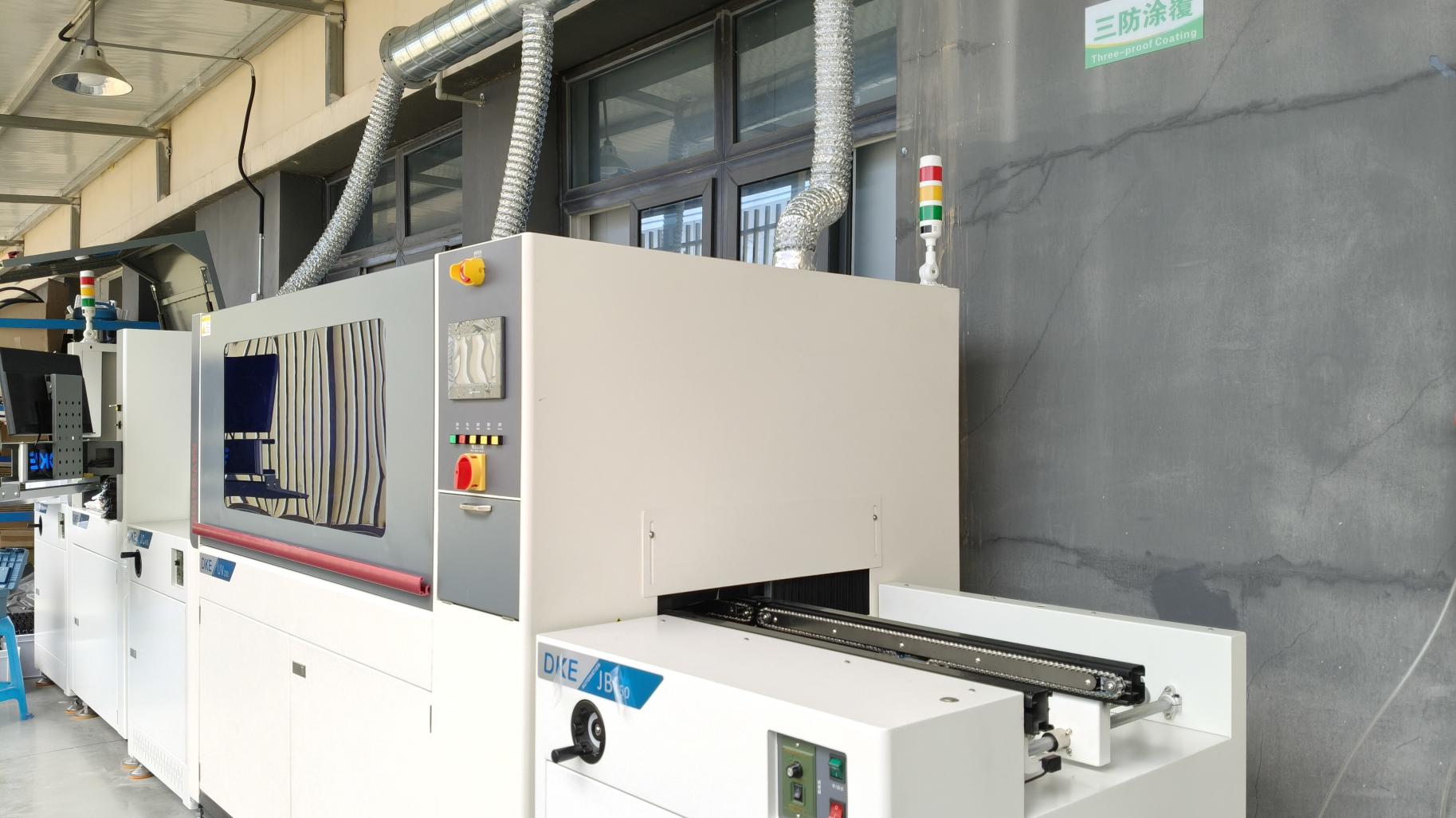
Three-proof Coating Equipment
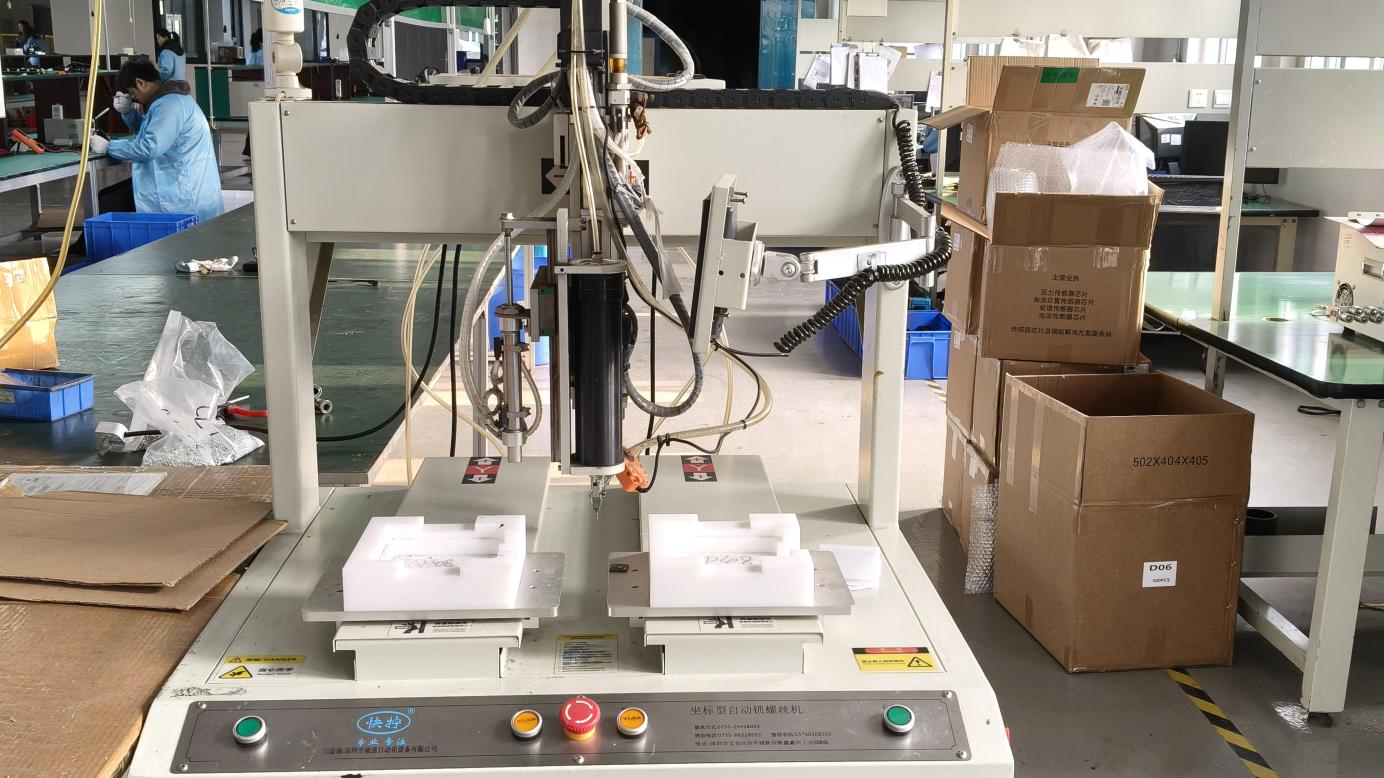
Automatic Screw Locking Machine
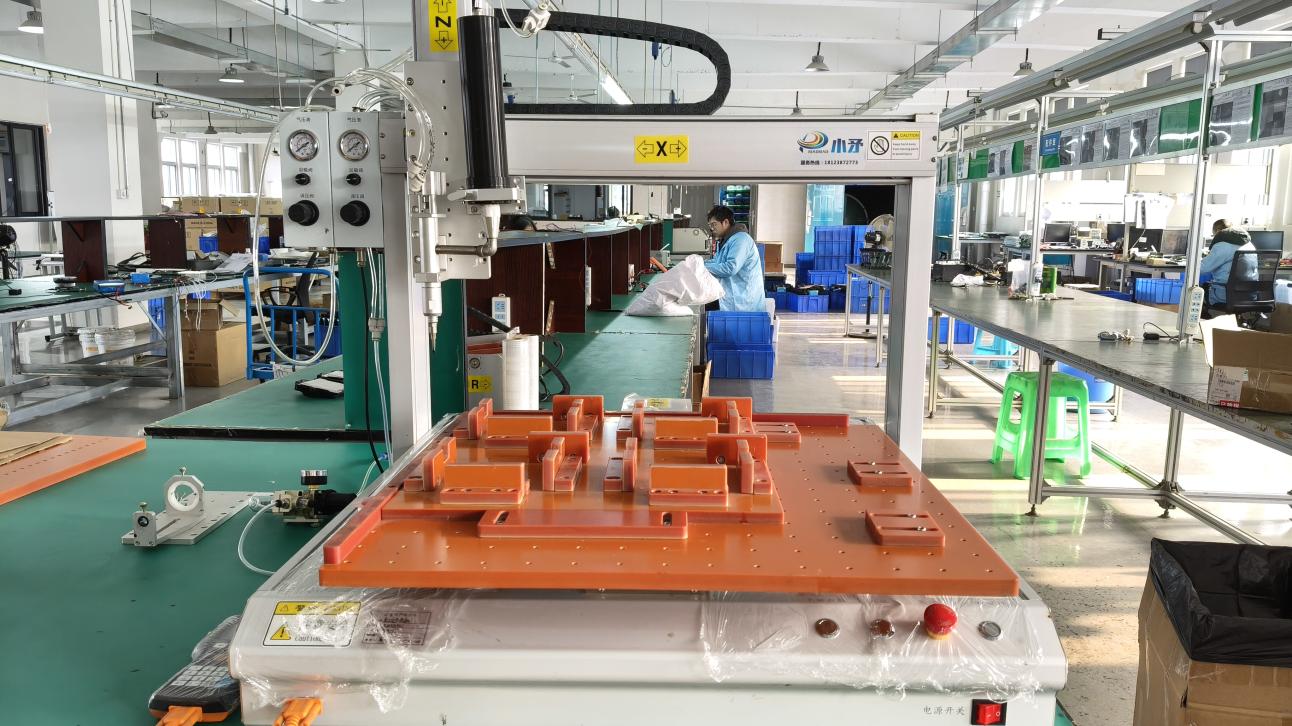
Automatic Gluing Machine
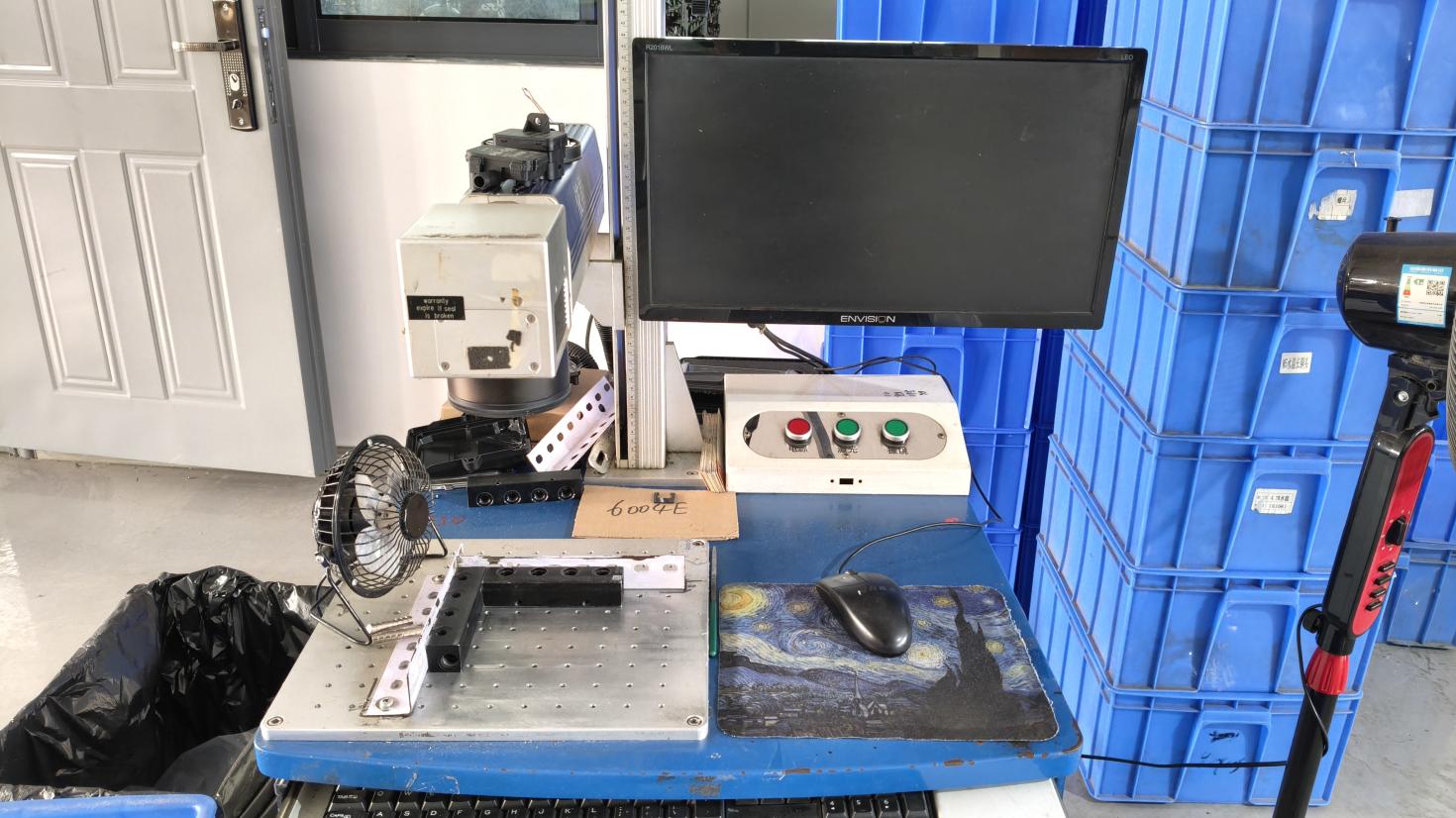
Laser Marking Machine
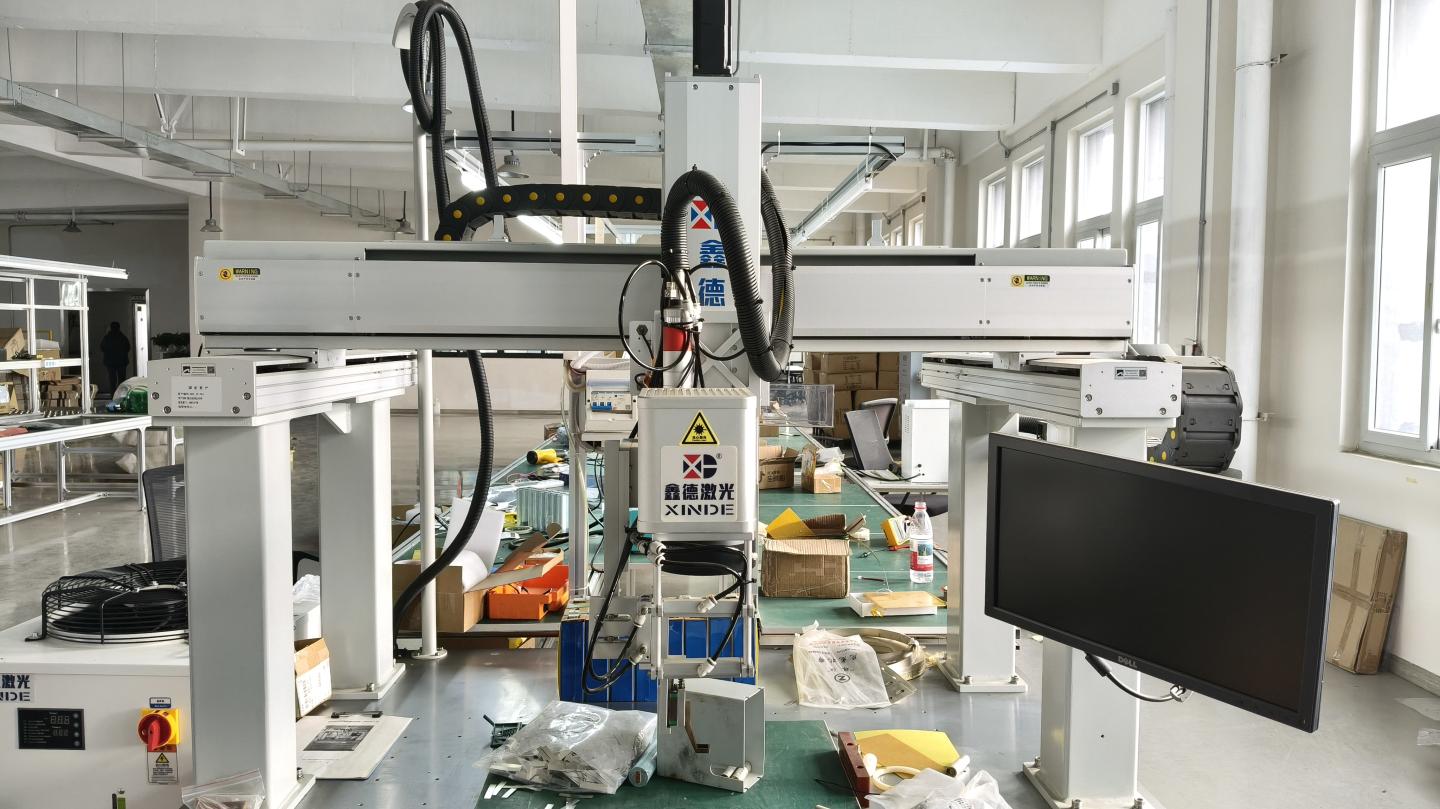
Structural Metal Welding Machine
Adapting Photovoltaic and Energy Storage Assemblies for Extremes of Heat, Cold, and Humidity.
Outdoor lighting installations encounter a wide range of climatic conditions. Standard consumer-grade solar lights often fail within months when deployed in extreme industrial environments. Ensuring long-term durability requires custom mechanical engineering tailored to the installation location.
In high-temperature areas, ambient temperatures can exceed 45°C, driving solar panel surfaces up to 75°C. Under these conditions, the efficiency of standard lithium batteries declines, and early thermal runaway can occur. To counter this, our specialized Heat-Dissipating Solar Wall Light utilizes an aluminum heat sink backplate, coupled with a ventilated battery pocket lined with aerogel thermal insulation. This design prevents thermal stress, keeping internal battery cells operating within their rated safety parameters.
For installations in regions like Northern Europe or Canada, short winter days and low solar angles present substantial charging challenges. Standard monocrystalline panels cannot capture sufficient ambient light to sustain dusk-to-dawn operation. To address this, we implement smart MPPT (Maximum Power Point Tracking) algorithms paired with oversized, high-sensitivity solar panels. The controller continuously monitors the panel's electrical current and adjusts charging profiles to capture energy under heavy overcast skies.
Salt mist and humidity degrade protective coatings, corrode metal components, and fog lenses. Our coastal fixtures are built with marine-grade materials including powder-coated aluminum (meeting ASTM B117 salt spray standards), PMMA lenses that resist yellowing under UV exposure, and dual-layer silicone gaskets. This construction prevents salt intrusion and moisture ingress, maintaining clear, reliable operation over long service lives.
Key Criteria for Quality Control, Battery Chemistry, and Lifecycle Performance Metrics.
Evaluating solar wall light manufacturers involves analyzing key component specifications and quality metrics to ensure reliable project performance and long-term return on investment.
Battery quality is a primary factor in overall luminaire lifetime. Low-cost manufacturers often use recycled ternary lithium (NMC) cells, which degrade quickly under heat and offer only 500-800 charge cycles. High-specification products utilize brand-new Lithium Iron Phosphate (LiFePO4) cells. These deliver over 3,000 charge cycles at 8% depth of discharge (DOD), meaning they can operate reliably for up to 8-10 years without significant capacity loss, even under varying ambient conditions.
Panel efficiency determines the speed and consistency of battery charging. Polycrystalline panels, recognizable by their blue color, offer only 15-17% efficiency. High-performance systems use grade-A monocrystalline silicon cells with efficiencies between 21% and 24%. These cells perform significantly better in low-light and overcast conditions, charging the battery system faster to ensure reliable security lighting throughout the night.
Our OEM and ODM capabilities allow partners to integrate advanced functionalities, including 4G/WiFi security cameras, motion sensors, and customized dimming profiles. By tailoring these technical configurations, we assist buyers in matching local environmental demands, municipal specifications, and architectural aesthetics, ensuring optimal reliability and performance.
Smart IoT Systems, High-Definition Camera Integration, and Advanced Energy Management.
The outdoor solar lighting sector is evolving from simple, standalone units into smart, connected devices integrated into broader municipal and commercial networks.
Next-generation solar wall lights incorporate IoT connectivity via Zigbee, LoRa, or cellular networks. This enables central monitoring, allowing property managers to check real-time battery status, adjust dimming schedules, and receive automatic fault alerts. These features reduce maintenance costs by identifying maintenance needs before a fixture goes dark, streamlining operations for large-scale installations.
Integrating security cameras and motion sensors into solar wall lights simplifies building exterior installations. By sharing a single high-capacity solar panel and battery pack, integrated camera-luminaire units provide both perimeter lighting and HD video surveillance. This dual functionality eliminates the need for separate electrical lines, improving perimeter security layouts while reducing overall installation complexity.
Technical Answers on Engineering, Battery Chemistry, and Industrial Operations.
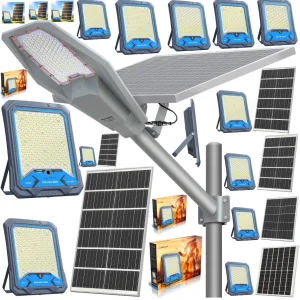
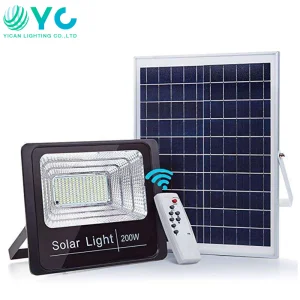
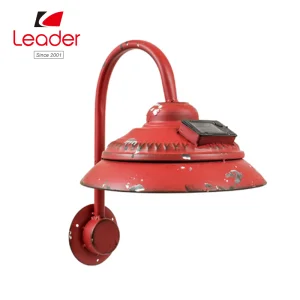
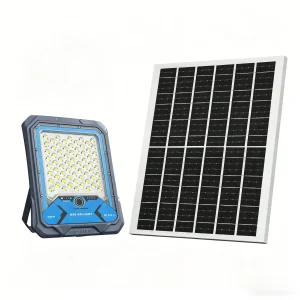
Explore our line of smart luminaires, vintage styles, and high-lumen floodlights.
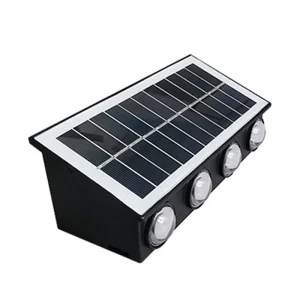
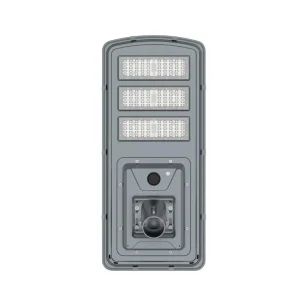
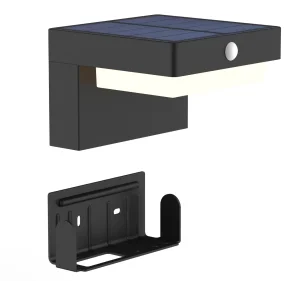
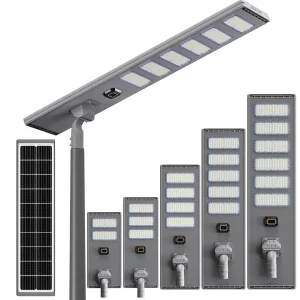
 OneAll Lights