Why Are My Solar Street Lights Not Staying On at Night?

Time:2026-06-27 Author:Isabella
0%

As urban areas increasingly adopt solar street lights, issues like "why are my solar street lights not staying on at night" become crucial. According to a report by the Solar Energy Industries Association, over 3 million solar street lights are currently in operation in the United States. This showcases their rising popularity and importance in sustainable urban planning. However, despite their benefits, users frequently encounter malfunctioning systems.

Common reasons for these problems often include insufficient sunlight exposure or battery degradation. Studies reveal that inadequate sunlight can lead to a significant loss of efficiency. For instance, a solar panel's effectiveness can drop by up to 50% in shaded areas. Users may overlook proper placement and maintenance, impacting the system's performance.

Furthermore, the lifespan of solar batteries typically ranges from three to five years, depending on usage and quality. As batteries age, their capacity diminishes, resulting in shorter operational hours. A lack of awareness about these factors may cause frustration among users. Understanding these dynamics can empower individuals to make informed decisions, leading to more effective installations and ultimately brighter nights.
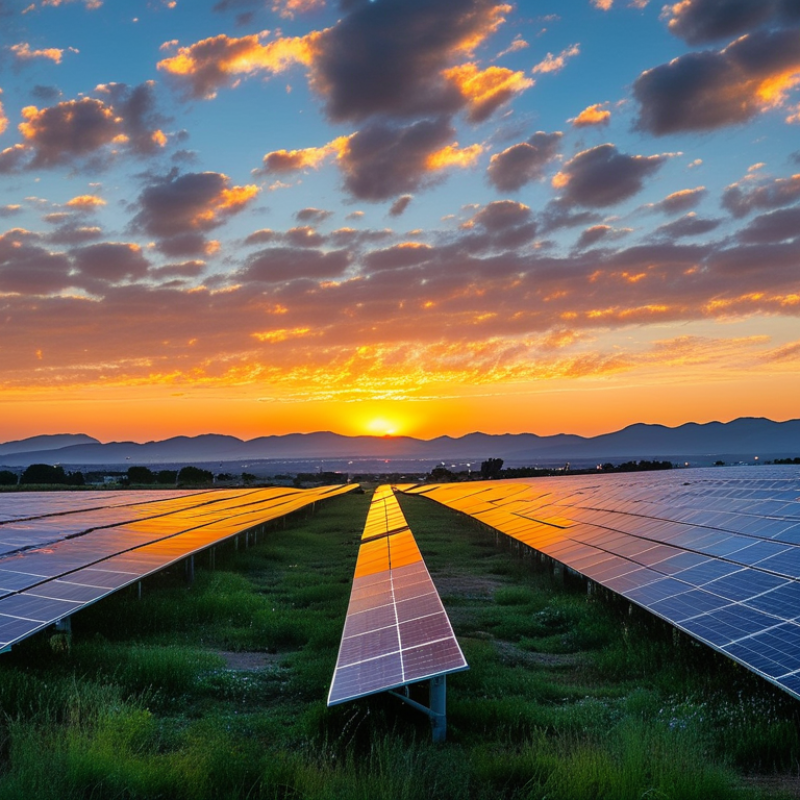
Why Are My Solar Street Lights Not Staying On at Night?

Common Reasons for Solar Street Light Malfunctions at Night

Solar street lights are designed to illuminate pathways efficiently. However, many users experience issues with these lights not staying on at night. Understanding the common reasons behind these malfunctions can help users troubleshoot effectively.

One primary reason could be insufficient sunlight exposure during the day. Solar panels typically require around 4-6 hours of direct sunlight to charge fully. If a panel isn’t positioned correctly, it might not capture enough energy. According to a report from the U.S. Department of Energy, poorly placed solar panels can result in a 20-50% reduction in energy efficiency.

Another issue stems from battery condition. Over time, batteries can degrade, leading to decreased storage capacity. A study by the National Renewable Energy Laboratory suggests that lithium-ion batteries, commonly used in solar lights, can lose around 30% of their capacity after just a few years, especially under harsh weather conditions. Checking battery performance regularly can help identify and address these issues proactively.

Battery Capacity Issues Affecting Nighttime Operation

Battery capacity issues significantly impact the nighttime operation of solar street lights. Many systems use lithium-ion batteries for storage. A study by the International Renewable Energy Agency (IRENA) indicates that poorly managed battery capacity can lead to reduced performance. When batteries do not store enough energy during the day, lights may flicker or turn off prematurely at night.

Common factors affecting battery performance include temperature extremes and aging. Research shows that extreme temperatures can reduce battery efficiency by up to 20%. Excessive heat can cause batteries to degrade faster, shortening their lifespan. On the other hand, cold temperatures can impair charging efficiency, leading to insufficient energy storage. Ensuring that solar street light batteries are appropriately rated for local conditions is crucial.

Another critical aspect is the battery management system (BMS). Inadequate BMS can contribute to charging issues and lead to inconsistent operation. Regular maintenance and monitoring are vital. Addressing these battery concerns can significantly enhance nighttime operation. Decision-makers should consider investing in quality battery solutions to ensure reliability.

Solar Panel Efficiency and Its Impact on Light Duration

When solar street lights fail to stay illuminated at night, one major factor is the efficiency of the solar panels. These panels absorb sunlight during the day, converting it into energy. If they are not efficient, the stored energy is insufficient for hours of lighting after sunset. Consider the angle of your panels, as it influences how much sunlight they capture. If they're not installed correctly, performance will suffer.

Another aspect to explore is the condition of the solar batteries. Over time, batteries can degrade, reducing their capacity to hold a charge. A shallow charge can lead to flickering or dim lights at night. Regular inspection of battery health is vital. Faulty connections can also hinder performance. Users should check for loose or corroded wires that compromise energy transfer.

Weather conditions play a significant role too. Extended cloudy days can limit energy production. If your area experiences many overcast days, you may need to adapt your expectations. Sometimes, additional energy storage solutions are necessary for consistent performance. These considerations highlight the complexity of ensuring solar street lights function reliably.

Why Are My Solar Street Lights Not Staying On at Night?

Issue Description Potential Solutions
Insufficient Sunlight Solar panels are not receiving enough sunlight during the day. Ensure panels are clean and unobstructed; consider adjusting the angle.
Battery Degradation Batteries lose capacity over time, reducing light duration. Replace old batteries with new, high-quality batteries.
Faulty Wiring Wiring connections may be loose or damaged. Inspect and repair any faulty wiring connections.
Inadequate Solar Panel Size Solar panels may be too small for the energy needs. Consider upgrading to larger or additional solar panels.
Environmental Factors Weather conditions like rain or snow can impact performance. Regular maintenance and winter preparations can help mitigate effects.

Temperature Effects on Solar Battery Performance

Temperature plays a crucial role in the performance of solar batteries. Extreme temperatures can significantly impact their efficiency. According to a report from the National Renewable Energy Laboratory, solar batteries operate optimally at temperatures between 20°C and 25°C. When temperatures rise above 35°C, battery capacity can reduce by approximately 20%. Conversely, cold conditions can lead to a similar reduction, as batteries struggle to retain charge.

In locations with fluctuating temperatures, the performance of solar street lights can be inconsistent. For example, in a region where winter temperatures drop to -10°C, solar panels may not generate sufficient energy. This results in shorter operation times at night. A study conducted by the Solar Energy Industries Association found that outdoor solar integrations are often underperforming due to neglecting temperature's impact on battery life.

It's essential to consider the environmental factors surrounding solar installations. Urban areas with heat isolation can mislead users regarding battery efficiency. Batteries may appear to charge during the day, yet, at night, they fail to provide adequate lighting. Addressing these temperature challenges can improve street light reliability. Users should regularly inspect battery performance and consider maintenance to ensure longevity.

Installation Factors Leading to Inconsistent Light Functionality

When solar street lights fail to stay on at night, installation factors often come into play. One common issue is poor placement. If lights are installed in shaded areas, solar panels struggle to gather enough sunlight during the day. This insufficient charge negatively impacts battery performance. For optimal function, aim for locations receiving at least six hours of direct sunlight daily.

Wiring and connectivity can also hinder performance. Loose connections or damaged wires can interrupt the flow of electricity between the solar panels and batteries. Poorly designed mounts may allow the lights to shift over time, affecting their ability to charge efficiently. Regular inspections of these components can prevent these issues.

Inconsistent light functionality may stem from the use of inadequate batteries. If the battery’s capacity is too low, it may deplete quickly after sunset. Furthermore, temperature can affect battery efficiency. Installing the lighting system without considering local climate conditions can lead to unexpected outages. Monitoring performance and being open to adjustments is essential for maintaining effective lighting solutions.

Common Installation Factors Affecting Solar Street Light Performance

FAQS

: Why do solar street lights often malfunction at night?

: Insufficient sunlight exposure during the day is a common reason for nighttime failures.

How much sunlight do solar panels require to function properly?

Solar panels typically need around 4-6 hours of direct sunlight to charge fully.

What happens if solar panels are poorly placed?

Misplaced panels can reduce energy efficiency by 20-50%, leading to inadequate charging.

How do temperatures affect solar battery performance?

Extreme temperatures can significantly reduce battery capacity, impacting overall performance.

What temperature range is optimal for solar batteries?

Solar batteries operate best at 20°C to 25°C for optimal efficiency.

What conditions can lead to insufficient energy generation?

Cold temperatures below -10°C can hinder solar panel energy production.

What installation factors impact solar street light functionality?

Poor placement in shaded areas can limit sunlight capture and battery charging.

How do wiring issues affect solar street light operation?

Loose or damaged connections can interrupt the electricity flow, causing malfunctions.

Why should users regularly inspect solar components?

Regular checks can help identify problems early, enhancing reliability and performance.

How can environmental factors mislead users about battery efficiency?

Urban heat islands can make batteries look effective during the day, but they may underperform at night.

Conclusion

When dealing with the common issue of "why are my solar street lights not staying on at night," several factors may contribute to this malfunction. One primary reason is battery capacity issues; if the batteries are unable to hold sufficient charge, the lights will not operate as intended during nighttime hours. Additionally, the efficiency of the solar panels plays a crucial role in determining how long the lights can stay illuminated. Poor solar panel performance can lead to inadequate energy absorption during the day, resulting in reduced nighttime functionality.

Temperature also significantly affects solar battery performance; extreme cold or heat can compromise battery efficiency, impacting how long the lights remain on after sunset. Lastly, improper installation can lead to inconsistent functionality, such as misalignment of solar panels or inadequate exposure to sunlight. Addressing these factors can help ensure that solar street lights operate reliably throughout the night.

Isabella

Isabella

Isabella is a dedicated marketing professional with a sharp focus on driving brand growth and engagement through strategic content creation. With an extensive background in digital marketing, she combines her passion for storytelling with her keen understanding of industry trends to deliver......