Explore our top-tier collection of high-efficacy LED fixtures, advanced PV controllers, and smart utility lighting systems designed for maximum durability and ROI.
An authoritative exploration of modern off-grid PV engineering, micro-grid topology, and regulatory alignment in international infrastructure development.
The global utility lighting sector is undergoing an unprecedented paradigm shift. Industrial complexes, municipal authorities, and logistics developers are rapidly moving away from traditional grid-tied high-intensity discharge (HID) and standard AC LED lighting systems. The primary catalyst is the demand for uncompromising off-grid energy resilience and the mandate to hit ambitious ESG carbon footprint reduction targets.
As a specialized CE Certified Solar Utility Light Exporter, we have observed a marked increase in demand across Europe, the Middle East, Southeast Asia, and South America. High-performance solar utility lights are no longer viewed merely as secondary illumination for pathways. Today, they serve as the primary security, roadway, and operational lighting infrastructure in megaprojects. They offer key benefits such as the elimination of extensive trenching, copper cable theft mitigation, and immunity to centralized power grid instabilities.
A true industrial-grade solar utility light is defined by its ability to operate reliably in harsh, unattended environments for more than 10 years. Unlike domestic-grade solar garden lamps, commercial utility systems feature engineered sub-assemblies built to withstand thermal cycles, wind loads, and dirt build-up.
We utilize grade-A Lithium Iron Phosphate (LiFePO4) battery packs, which offer a cycle life of >3,000 deep discharge cycles (80% DOD) and thermal runaway thresholds up to 60°C. This makes them far superior to standard lithium-ion or lead-acid batteries in extreme climates.
Our monocrystalline silicon panels feature conversion efficiencies exceeding 22.5%. They are protected by low-iron, high-transmission tempered glass, ensuring stable power generation even under diffuse light conditions.
Advanced Maximum Power Point Tracking (MPPT) logic delivers a tracking efficiency of up to 99%. Real-time temperature compensation prevents overcharging and undercharging, maximizing battery health and luminaire runtime.
Solar utility lighting must perform reliably in localized environments, which present distinct operational challenges. We engineer our products to match these requirements:
High salt-spray and humidity require marine-grade C5-M anti-corrosion electrostatic powder coatings, robust 316 stainless steel hardware, and IP66 dual-silicone sealing gaskets to prevent moisture ingress.
Extreme daytime heat up to 50°C and frequent sandstorms demand modular designs. These feature tilted, self-cleaning solar panels and external heatsinks designed to prevent sand accumulation, ensuring optimal LED cooling.
In sub-zero temperatures, standard batteries suffer from loss of capacity. Our low-temperature utility lights feature specialized battery heating pads (BMS-controlled thermal management) that maintain charging capabilities down to -30°C.
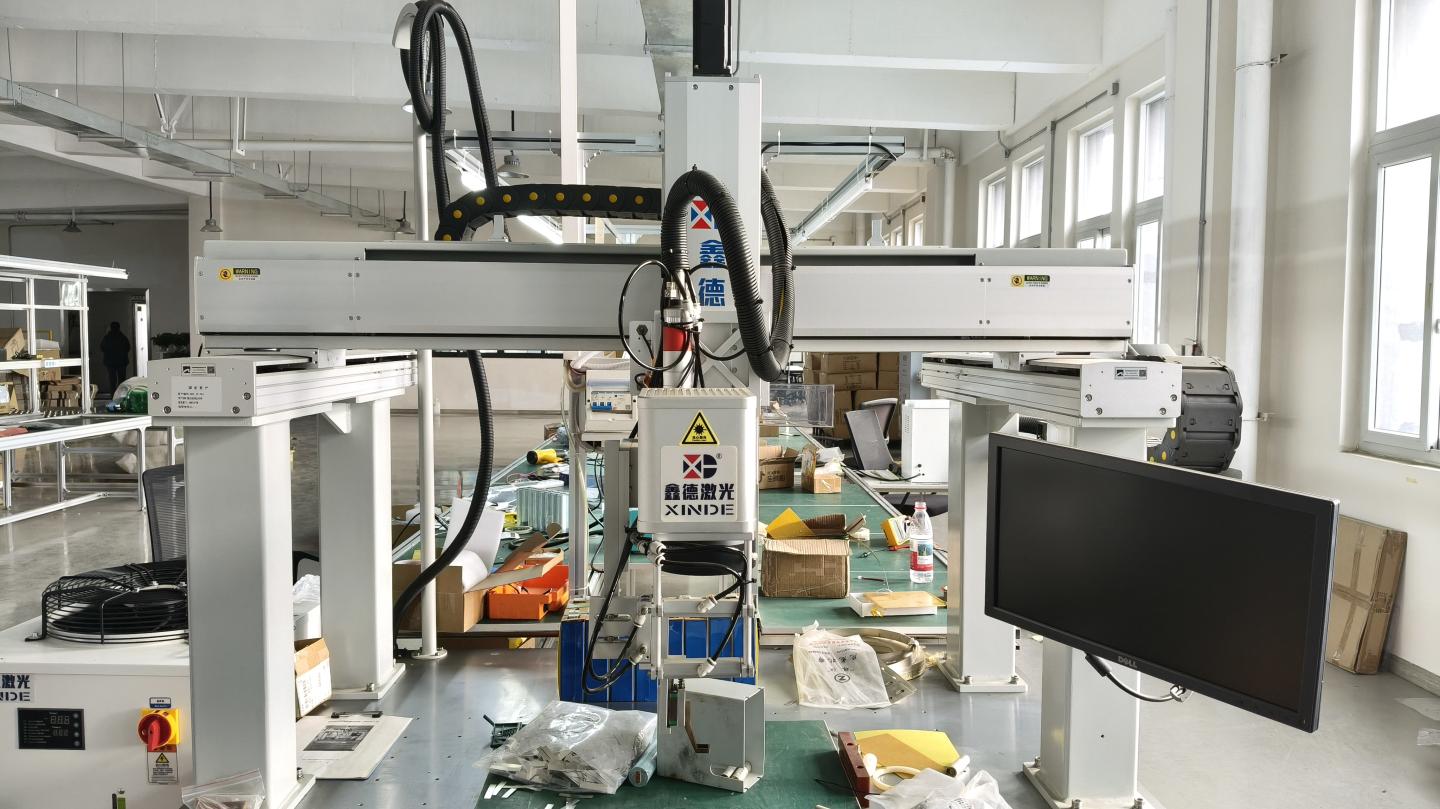
Our manufacturing base is located in Yangzhou, Jiangsu Province—the global hub of outdoor lighting production. This location provides us with integrated logistics, localized raw material sourcing, and specialized casting services. Operating as Yangzhou OneAll Lights Co., Ltd., our facilities are equipped with automated CNC bending machines, submerged arc welding, laser cutters, and advanced SMT lines.
This integration gives us direct control over the manufacturing timeline. Because we source key components locally and manage assembly in-house, we can scale production for large orders while maintaining a stable, reliable supply chain for global distributors.
Importing high-performance solar lighting systems requires strict adherence to international electrical, electromagnetic, and environmental safety regulations. Our compliance framework is built on rigorous third-party testing and verified quality standards:
Our solar luminaires fully comply with European EN standards, ensuring electromagnetically compatible driver operation and low-voltage electrical safety.
Every step of our process—from component inspection to final burn-in testing—is governed by strict quality and environmental management protocols.
Select products in our line are engineered to meet UL, ETL, and DLC requirements. This guarantees safe, compliant performance in parking garages, commercial sites, and industrial developments.
From raw steel fabrication to precise electronic assembly, we maintain rigorous quality controls at every step of production.
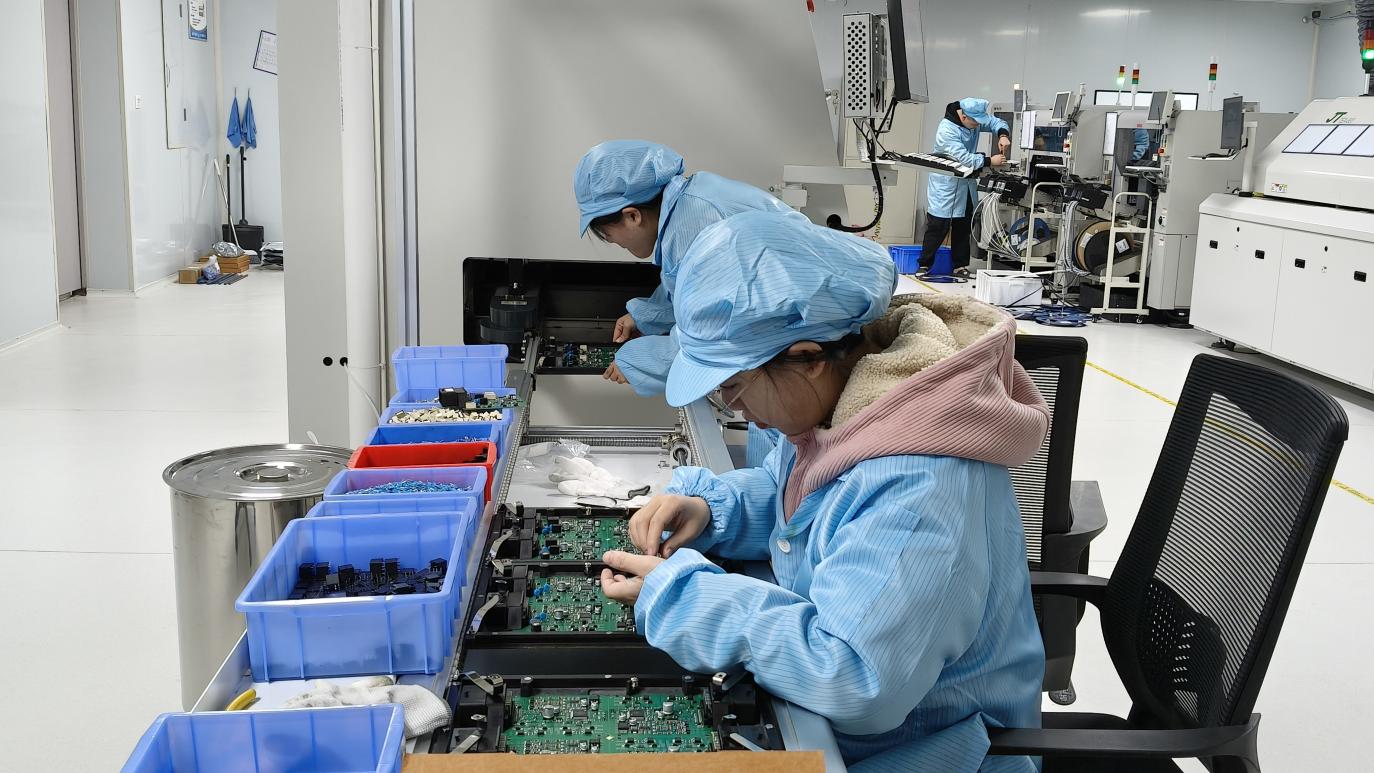
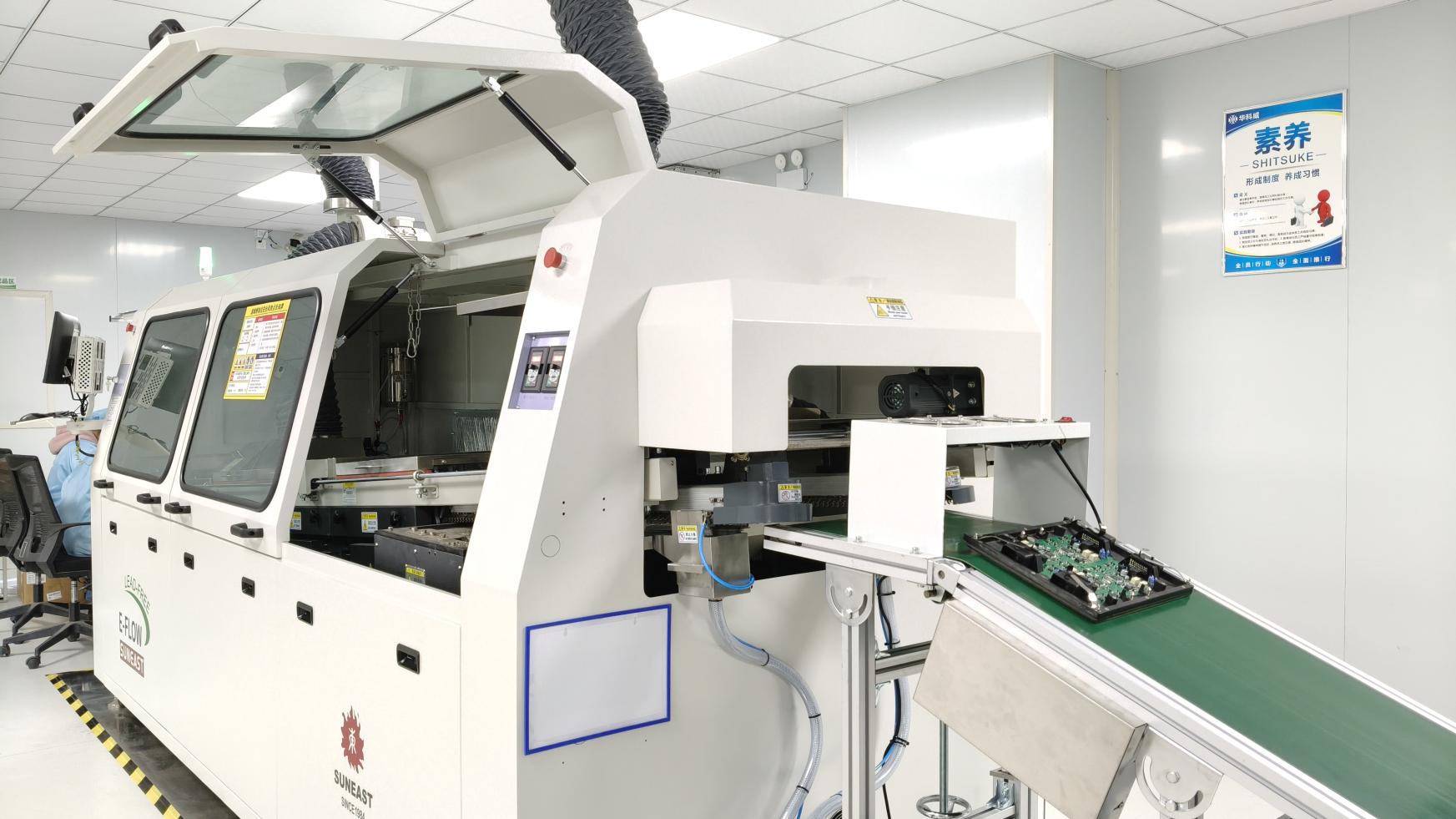

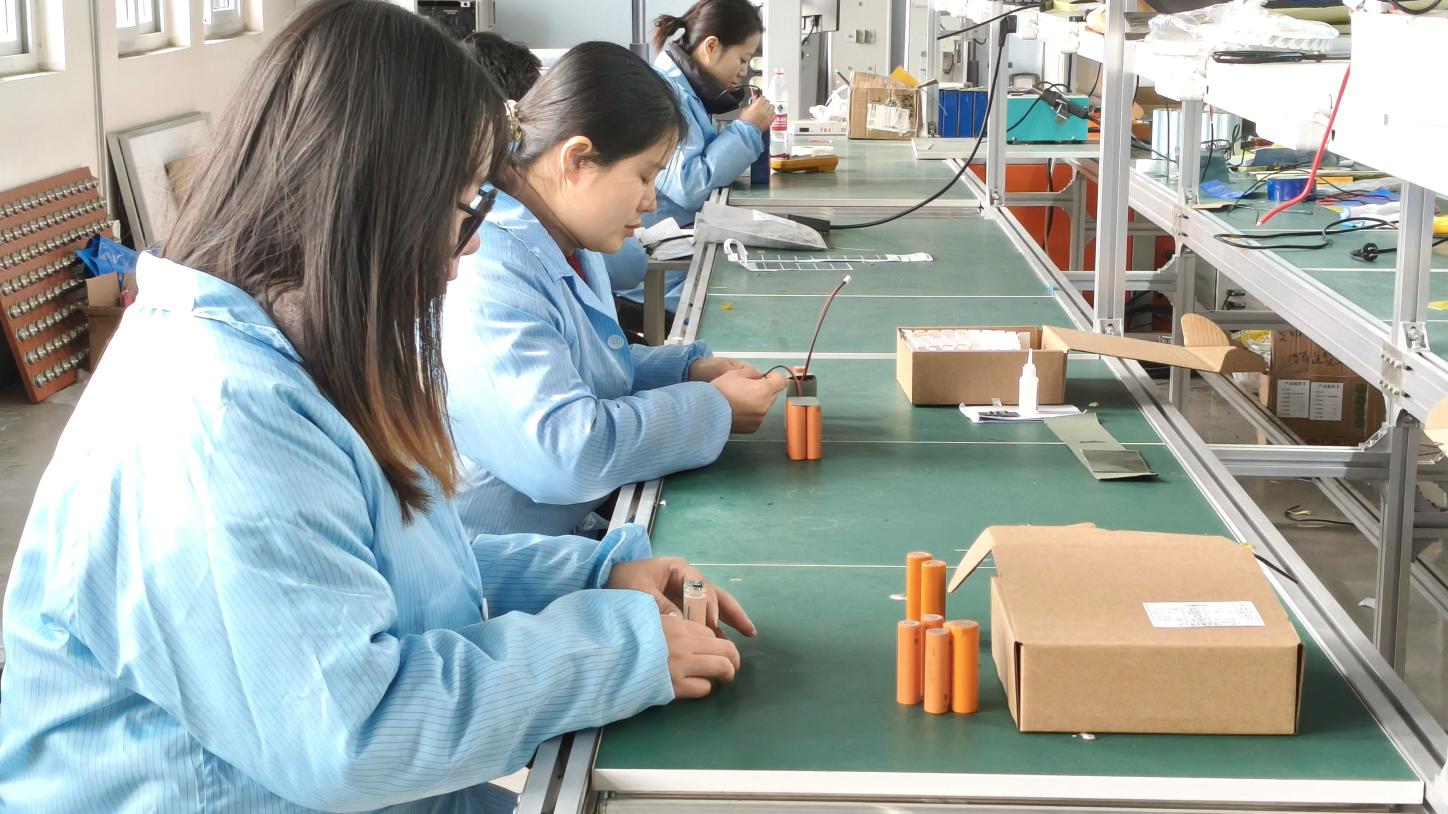
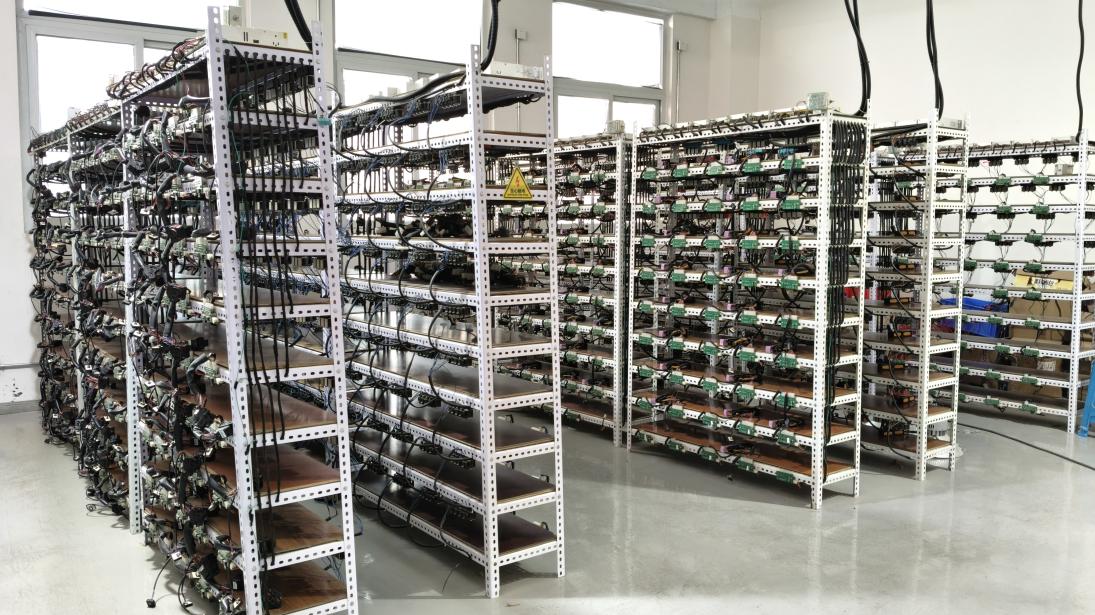
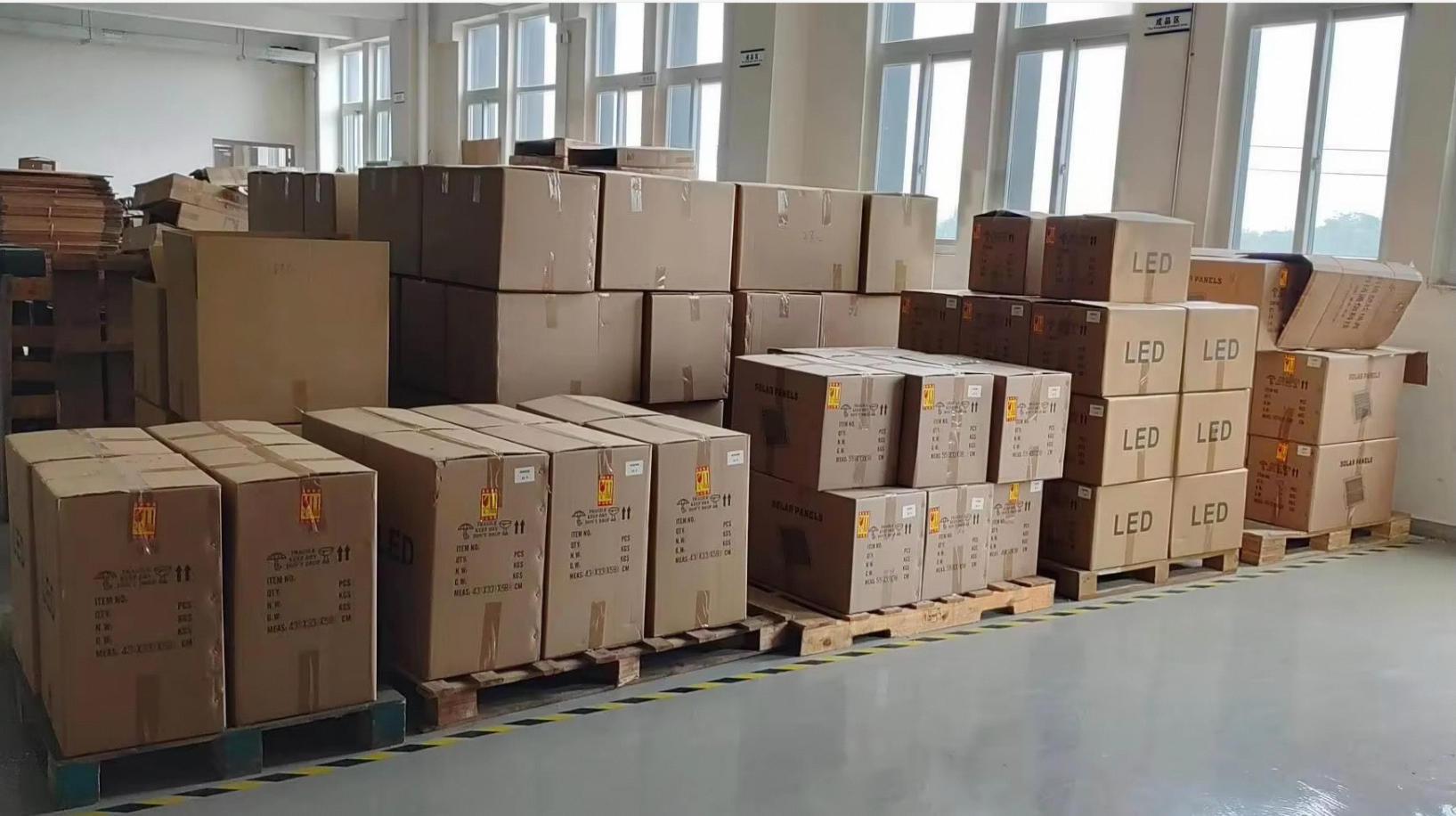
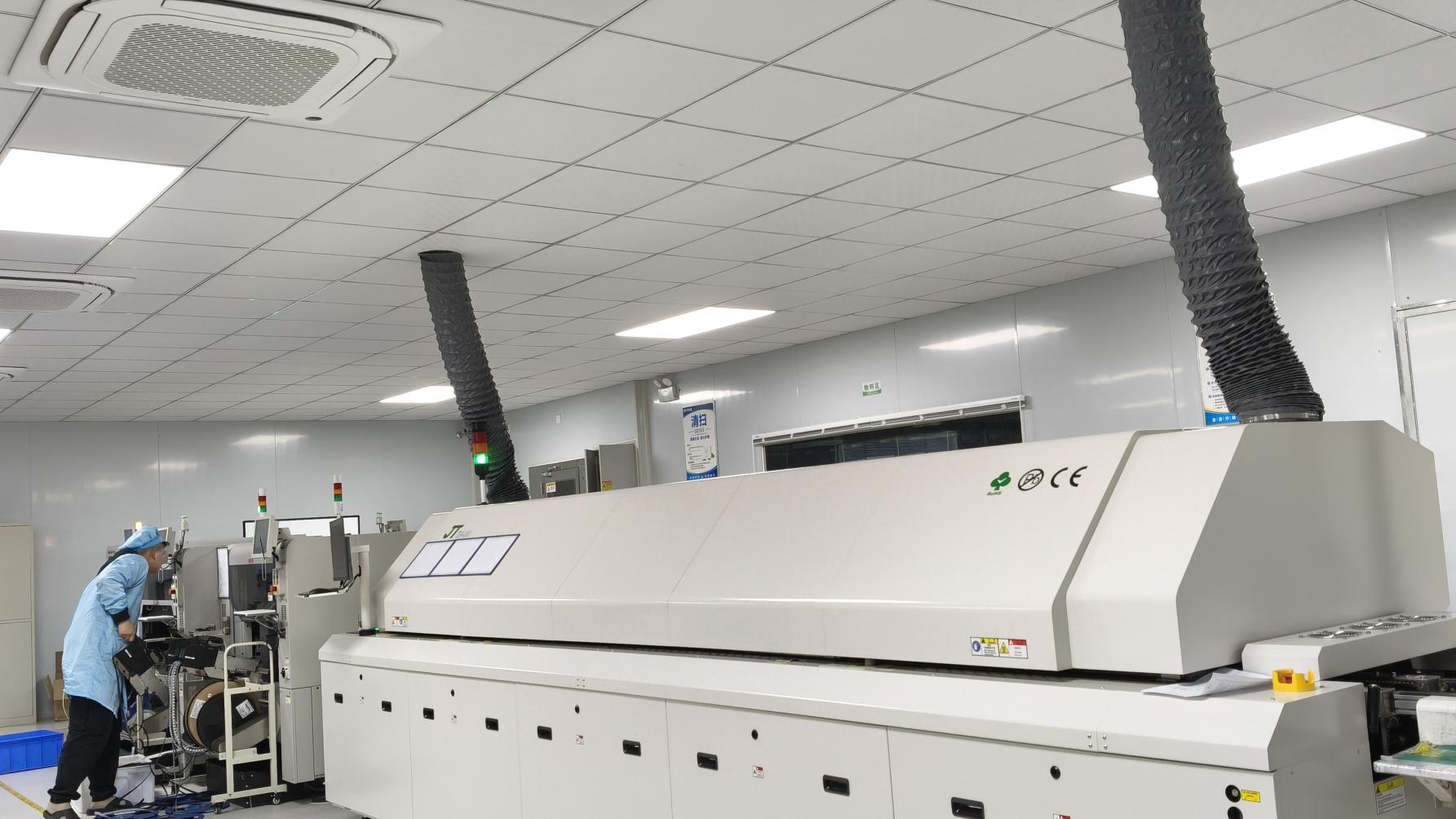
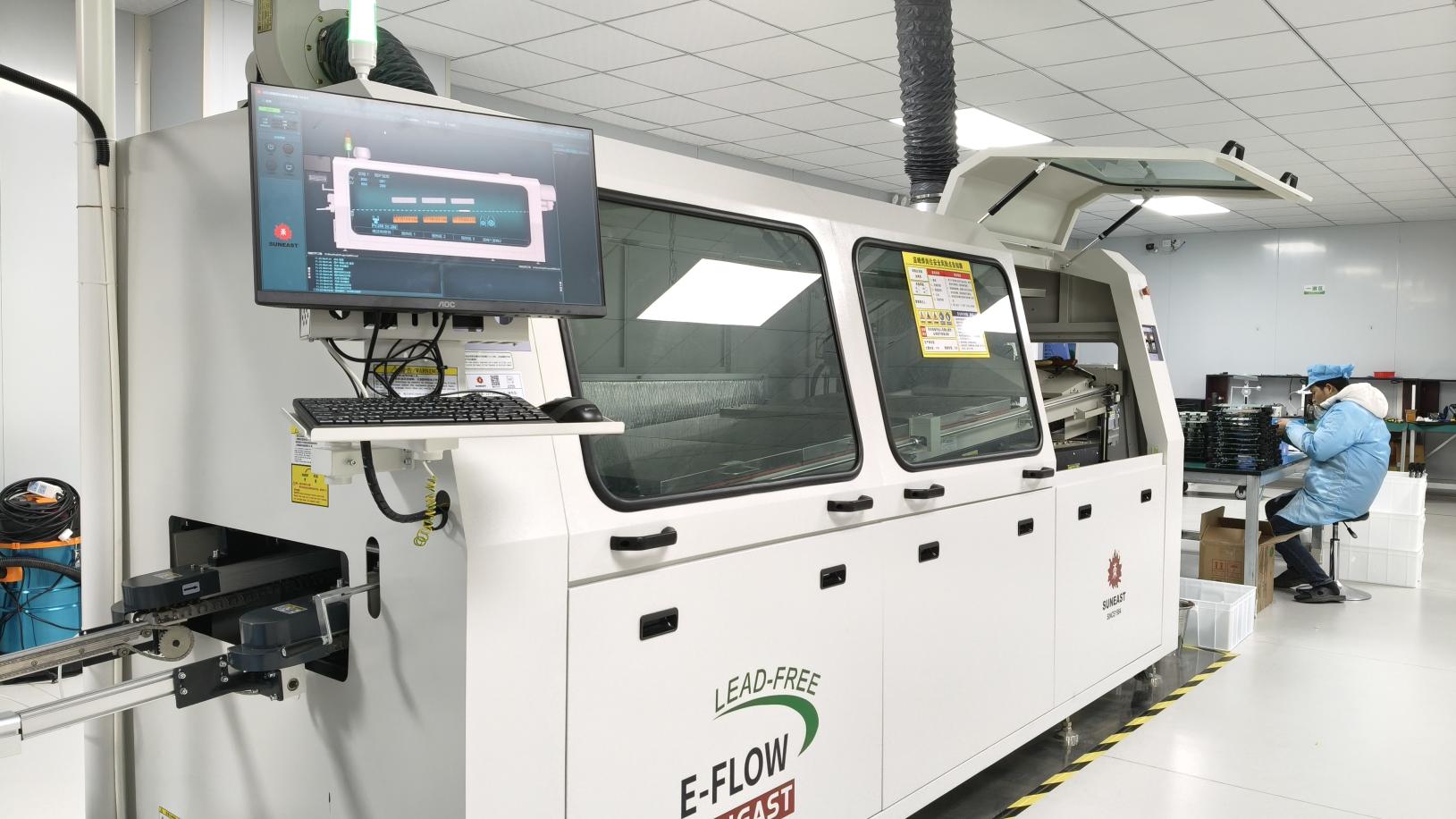
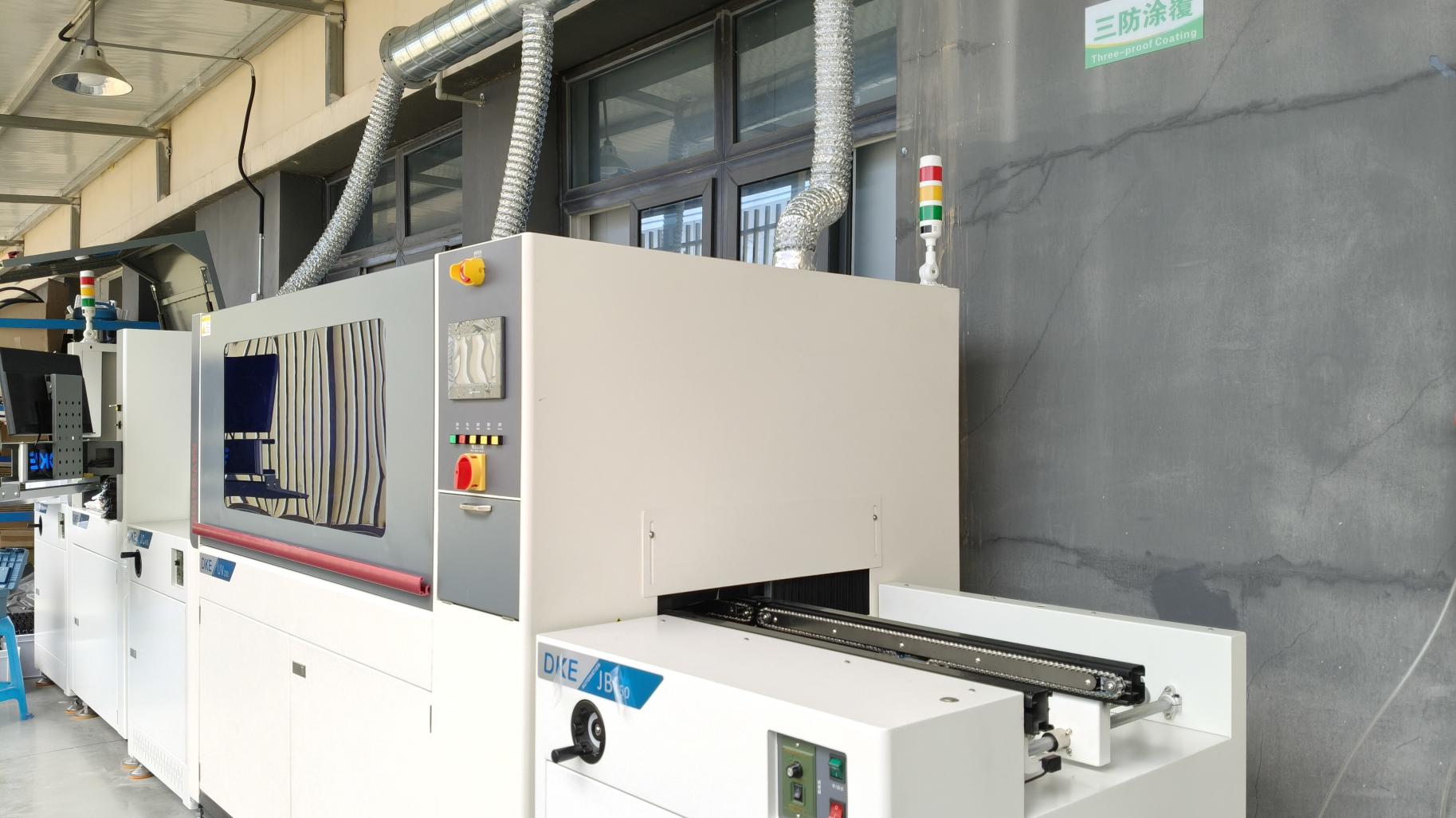
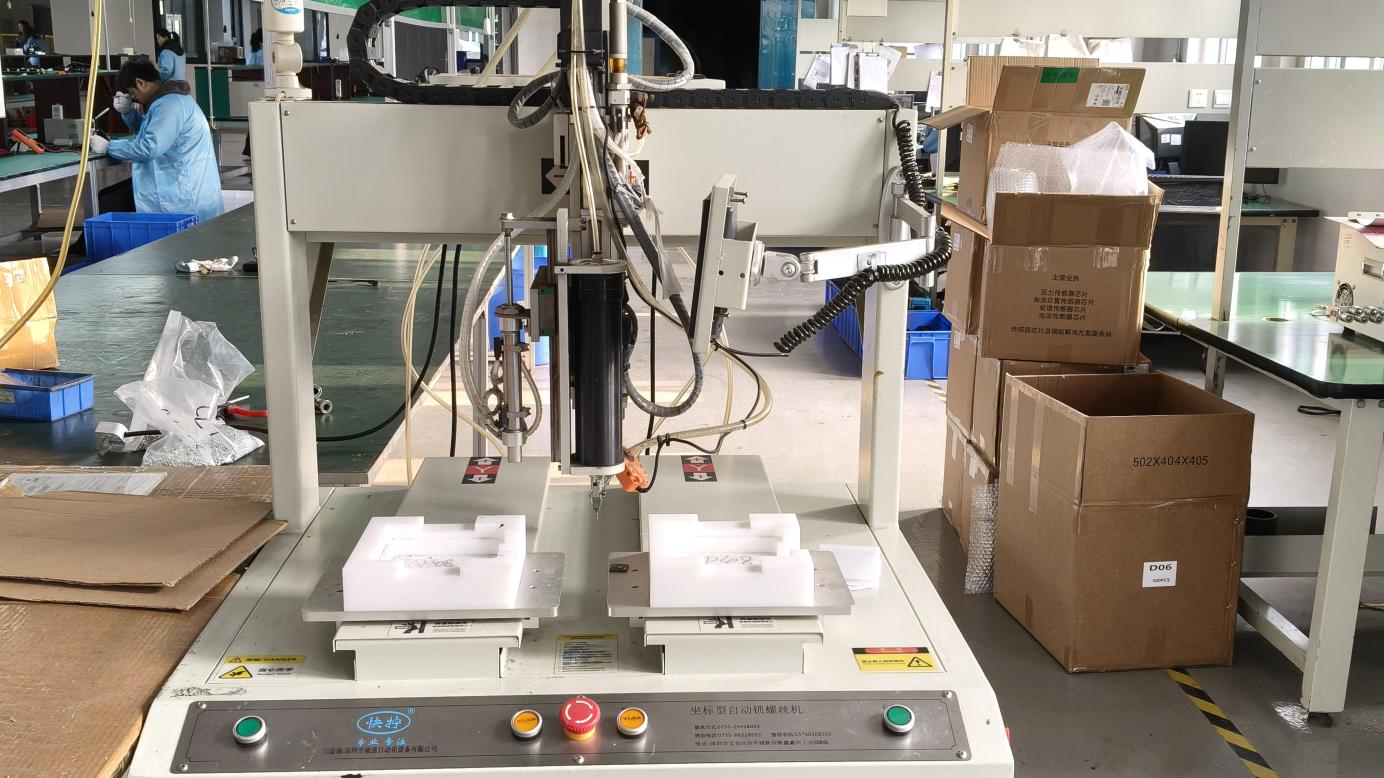
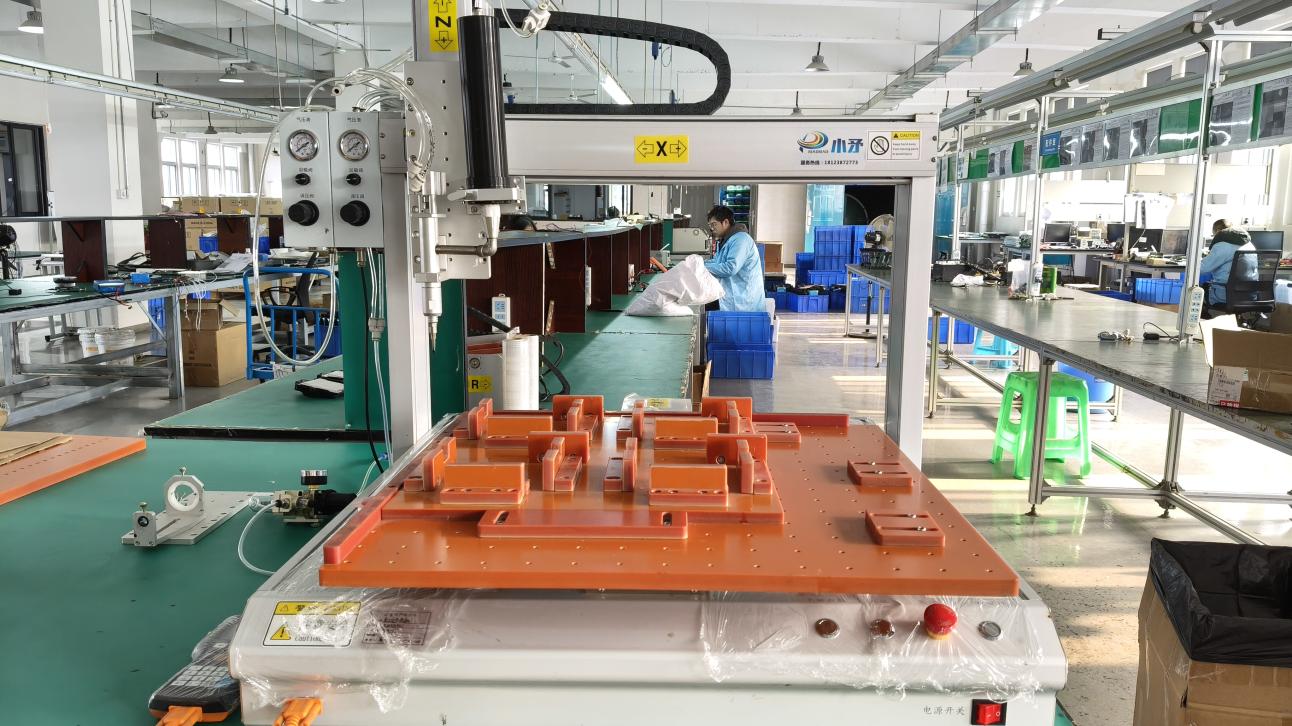
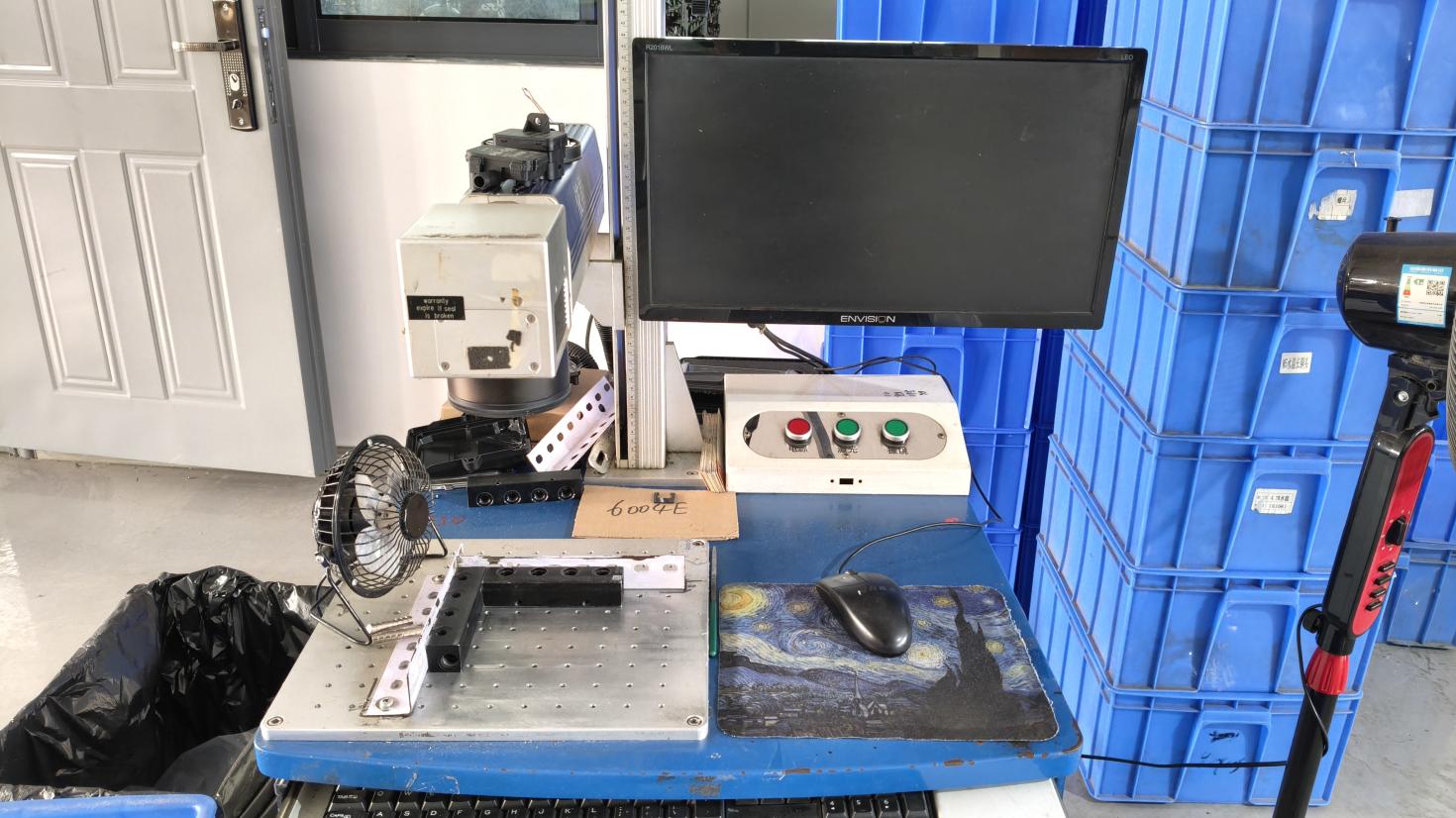
A premier manufacturer and exporter specializing in high-performance outdoor lighting solutions since 2003.
Established in 2003 and located in Yangzhou, Jiangsu Province, China, Yangzhou OneAll Lights Co., Ltd. has over 20 years of experience in the design, development, manufacturing, and supply of high-quality lighting products for customers around the world.
With continuous investment in advanced manufacturing technology, our factory is equipped with modern production facilities, including CNC bending machines, automatic submerged arc welding systems, laser cutting equipment, electrostatic powder coating lines, fluorocarbon painting workshops, and precision testing instruments. Supported by multiple automated production lines and a skilled technical team, we are able to provide efficient production, stable quality, and reliable delivery for projects of all sizes.
Innovation and quality are the driving forces behind our growth. We have established an experienced R&D team dedicated to developing energy-efficient, environmentally friendly, and intelligent lighting solutions that meet the evolving needs of global markets. From product design and engineering to manufacturing and quality inspection, every production process is carried out under strict quality control standards to ensure excellent performance, durability, and long service life.
Our company has obtained ISO9001 Quality Management System Certification, ISO14001 Environmental Management System Certification, CCC, CQC, CE certification, and various product testing reports, demonstrating our commitment to international quality and safety standards.
Over the years, our products have been exported to customers across Southeast Asia, the Middle East, Africa, Europe, South America, and many other regions. With rich experience in international projects, we also provide flexible OEM and ODM services, offering customized solutions tailored to different customer requirements and application scenarios.
At Yangzhou OneAll Lights Co., Ltd., we are committed to the philosophy of "Quality First, Innovation, Integrity, and Customer Satisfaction." We continuously strive to deliver reliable products, competitive solutions, and professional service. Looking ahead, we will continue to create greater value for our partners worldwide and contribute to a brighter, smarter, and more sustainable future.
Get answers to the most common technical questions about solar lighting systems, battery health, and regulatory compliance.
CE certification indicates compliance with European Union health, safety, and environmental protection standards. For solar utility lights, it ensures the luminaire meets the EMC Directive (2014/30/EU)—preventing electromagnetic interference with telecommunications and other devices—and the LVD Directive (2014/35/EU) for electrical safety. Importing non-certified fixtures risks customs seizure and carries significant liability for distributors.
Our intelligent Battery Management System (BMS) continuously monitors battery cell temperatures. In high temperatures, it limits charging current to prevent thermal runaway. In cold climates, the BMS activates thermal heating circuits to warm the cells above 0°C, maintaining charge acceptance and preventing the formation of lithium plating, which can cause permanent cell damage.
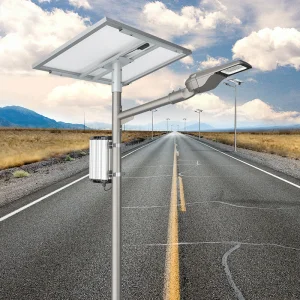
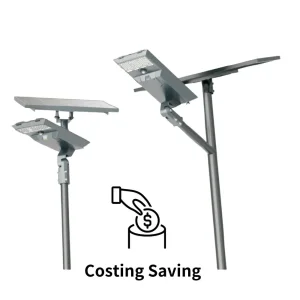
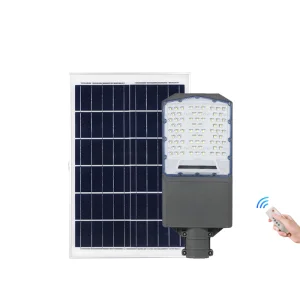
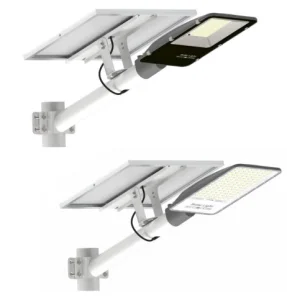
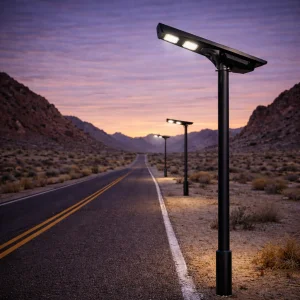
Split-type solar street lights allow you to adjust the angle of the solar panel independently of the LED module. This lets you align the panel to maximize solar gain while directing the light output exactly where it is needed. Additionally, split-type systems accommodate larger solar panels and battery capacities, which are essential for high-power, multi-day operations in high-latitude areas.
Our radar sensing technology detects motion by transmitting high-frequency electromagnetic waves. Unlike PIR sensors, microwave radar is highly sensitive and operates consistently in high ambient temperatures. When motion is detected, the fixture switches to 100% brightness. If no motion is detected within a set time, the fixture dims to 30%, conserving battery energy and extending runtime.
We use high-power LEDs from brands like Lumileds and Osram, driven by constant-current ICs. Our fixtures achieve an L70 lifetime rating of over 50,000 operating hours. With our optimized heatsink designs, junction temperatures remain low, ensuring less than 3% lumen depreciation over 10,000 hours of continuous operation.
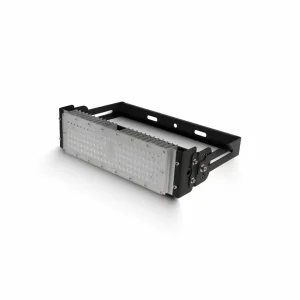
Our high-output commercial LED solutions are designed to deliver reliable performance in tunnels, stadiums, roadways, and heavy industrial facilities.
 OneAll Lights