Engineered to deliver industry-leading luminous efficacy, structural resilience, and integrated smart control arrays.
A B2B Architectural Procurement Whitepaper by Yangzhou OneAll Lights Co., Ltd.
In the contemporary landscape of global decarbonization, cities and enterprises are transitioning away from static lighting to adaptive, smart-sensing frameworks. The integration of LED Motion Sensor Lights stands as a primary catalyst in reducing urban energy loads by up to 80% while simultaneously securing public spaces. Traditional sensor products face operational bottlenecks: false triggering from foliage, high failure rates in extreme weather conditions, and low battery life in solar architectures.
As a leading China Wholesale LED Motion Sensor Light Supplier and Exporter with over two decades of technical heritage, Yangzhou OneAll Lights Co., Ltd. has addressed these pain points by developing precision-engineered systems. Established in 2003, we design and produce smart luminaires that combine advanced optics, robust thermal management, and reliable sensing technologies. This whitepaper analyzes the technology, quality systems, and engineering frameworks necessary to execute large-scale, compliant public and private sector lighting projects.
How sensing methodologies, connectivity protocols, and material sciences are reshaping modern light engineering.
Sensors are the primary decision-makers for intelligent luminaires. Traditional PIR sensors detect change in thermal patterns within their field of view. While highly cost-efficient and excellent for localized installations, PIR sensor sensitivity drops when the ambient temperature approaches human body temperature (37°C), a common issue in tropical regions.
To overcome this limitation, our advanced product lines integrate 5.8GHz Microwave Doppler Radar. Microwave sensors emit high-frequency electromagnetic waves and measure the reflected waves. They detect motion through light barriers, foliage, and structural walls, maintaining constant sensitivity regardless of ambient temperature. For municipal and stadium lighting, microwave radar ensures early presence detection at distances exceeding 15 meters.
The contemporary motion sensor luminaire is no longer an isolated node. Modern municipal grids require integration with Central Management Systems (CMS). By incorporating DALI-2 drivers, LoRaWAN, Zigbee, or 4G LTE communication interfaces, Yangzhou OneAll Lights products transmit real-time diagnostic parameters, ambient light levels, and occupancy logs back to a centralized dashboard.
This connectivity enables predictive dimming profiles. For example, if sensor "A" on an expressway detects a vehicle, nodes "B" through "E" automatically ramp up to 100% luminosity in anticipation, creating a safe illumination envelope while maintaining a low-power baseline elsewhere.
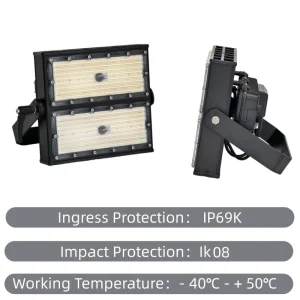
Outdoor fixtures face intense environmental stresses: UV radiation, saline air, acid rain, and physical impacts. Our production process utilizes high-pressure die-cast aluminum (ADC12/AL6063) treated with electrostatic powder coating or fluorocarbon paint. This guarantees 1000+ hours of salt-spray testing compliance, essential for coastal environments.
For optics, we deploy high-transmittance, non-yellowing PMMA and PC lenses with customized light distributions (Type II, Type III, Type IV). This channels the output directly onto roads and pathways, reducing light pollution and maximizing useful lux per watt.
Deploying smart lighting topologies to optimize safety, logistics, and capital efficiency.
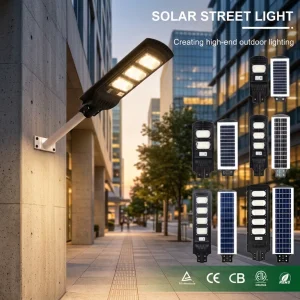
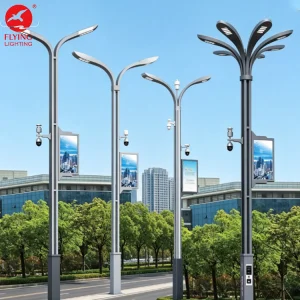
For municipal roadways, safety and energy management must be balanced. By utilizing 4G WiFi integrated smart street poles with PIR/radar modules, cities can reduce lighting output to 10% during low-traffic periods (1:00 AM - 5:00 AM). The system instantly powers up to 100% illumination upon detecting oncoming traffic or pedestrians. This cuts municipal electricity costs while ensuring illuminated pathways for active commuters.
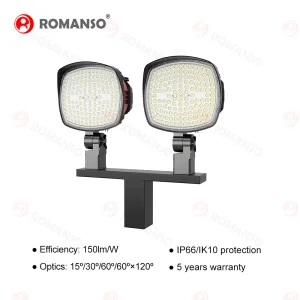
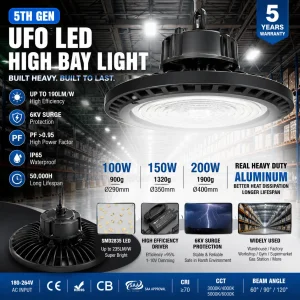
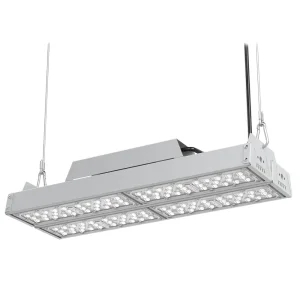
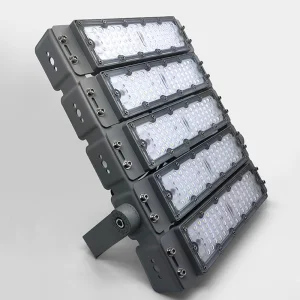
Industrial spaces operate continuously but with irregular zone occupancy. Using high bay lights with integrated high-altitude sensors (calibrated for heights up to 15 meters) ensures aisle lighting turns on only when forklifts or workers enter the zone. This optimizes warehouse utility budgets, lowers thermal output in cold storage facilities, and extends fixture lifespans to over 50,000 operational hours.
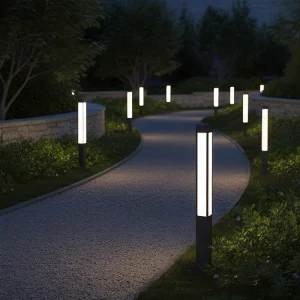
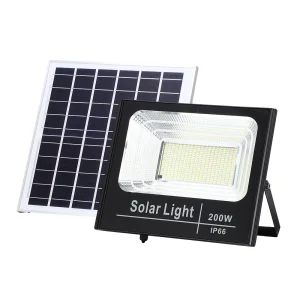
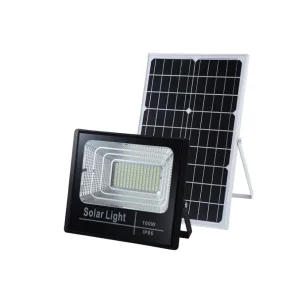
For retail park plazas, pathways, and green spaces, solar-powered PIR street and wall lights offer a zero-cable, zero-emissions solution. These autonomous units charge via high-efficiency monocrystalline solar panels during daylight hours. At night, they deliver decorative and functional security lighting, operating reliably through multiple overcast or rainy days.
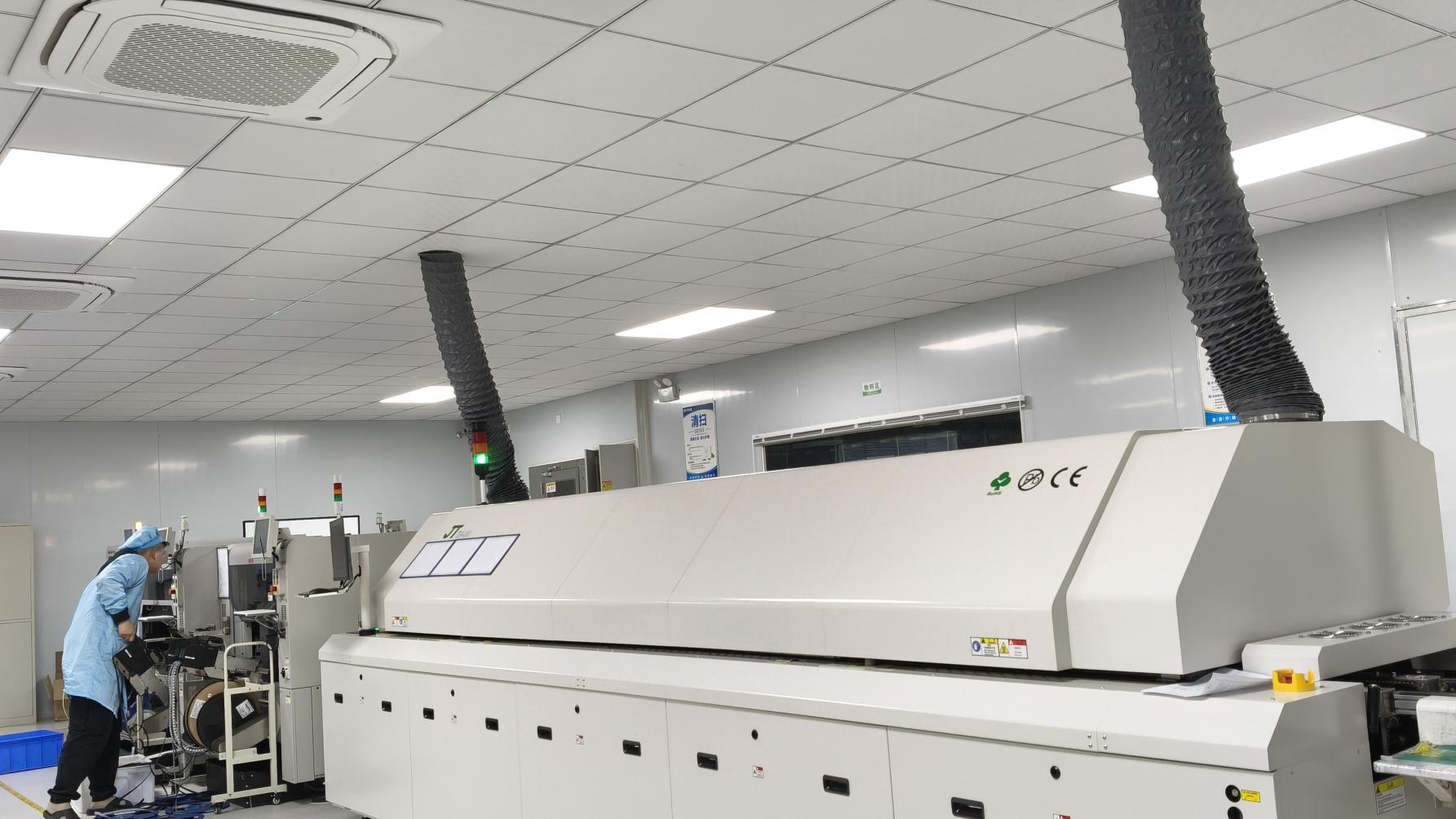
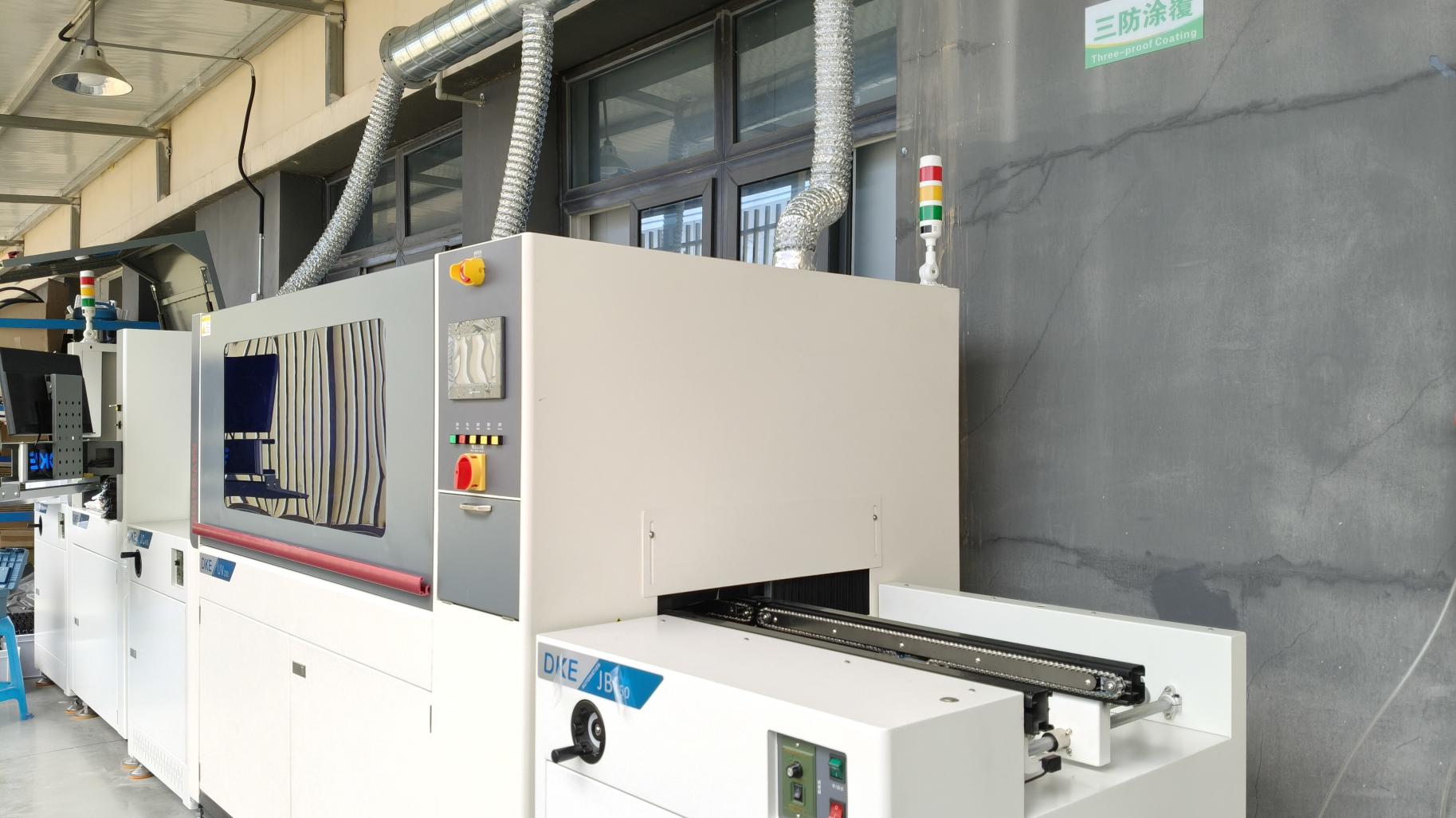
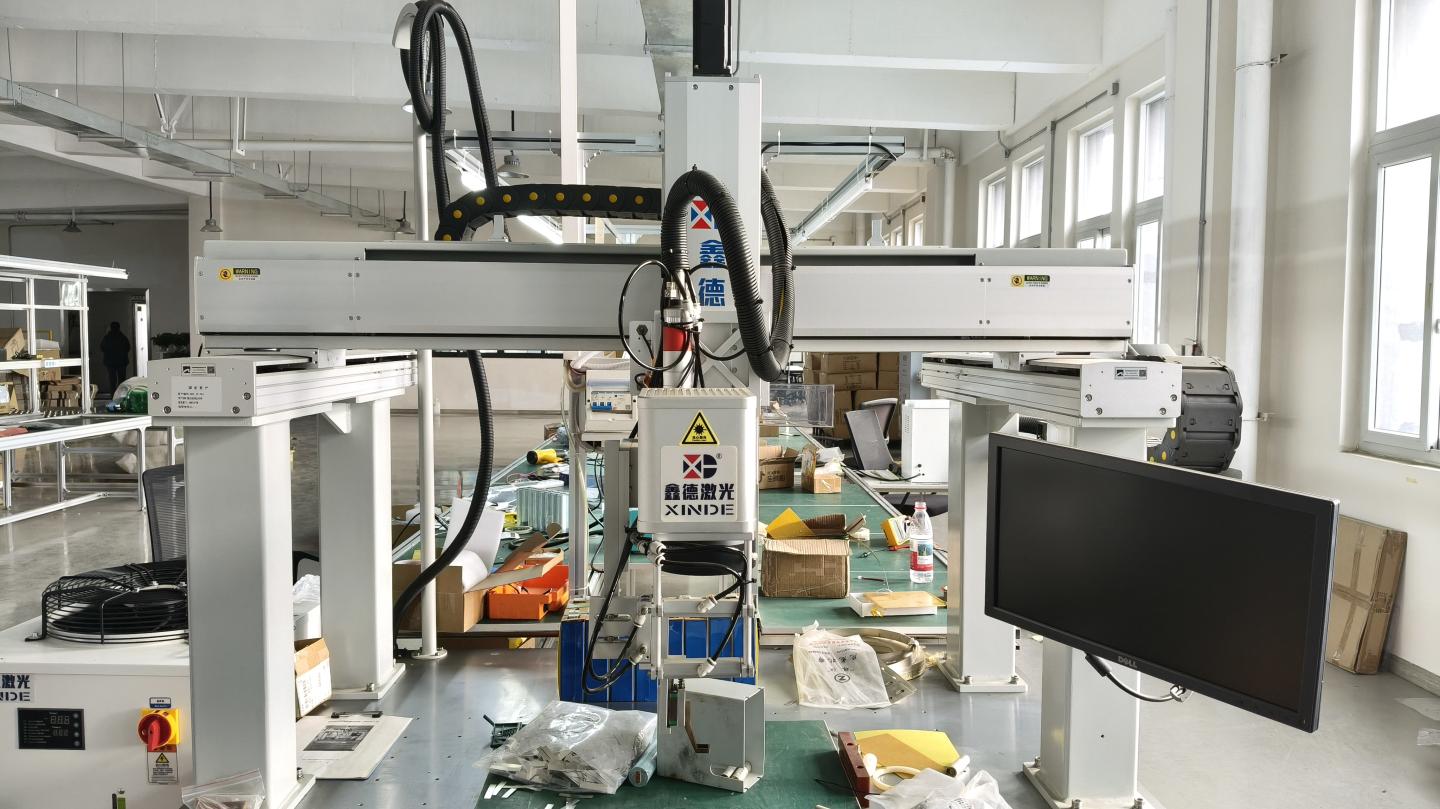
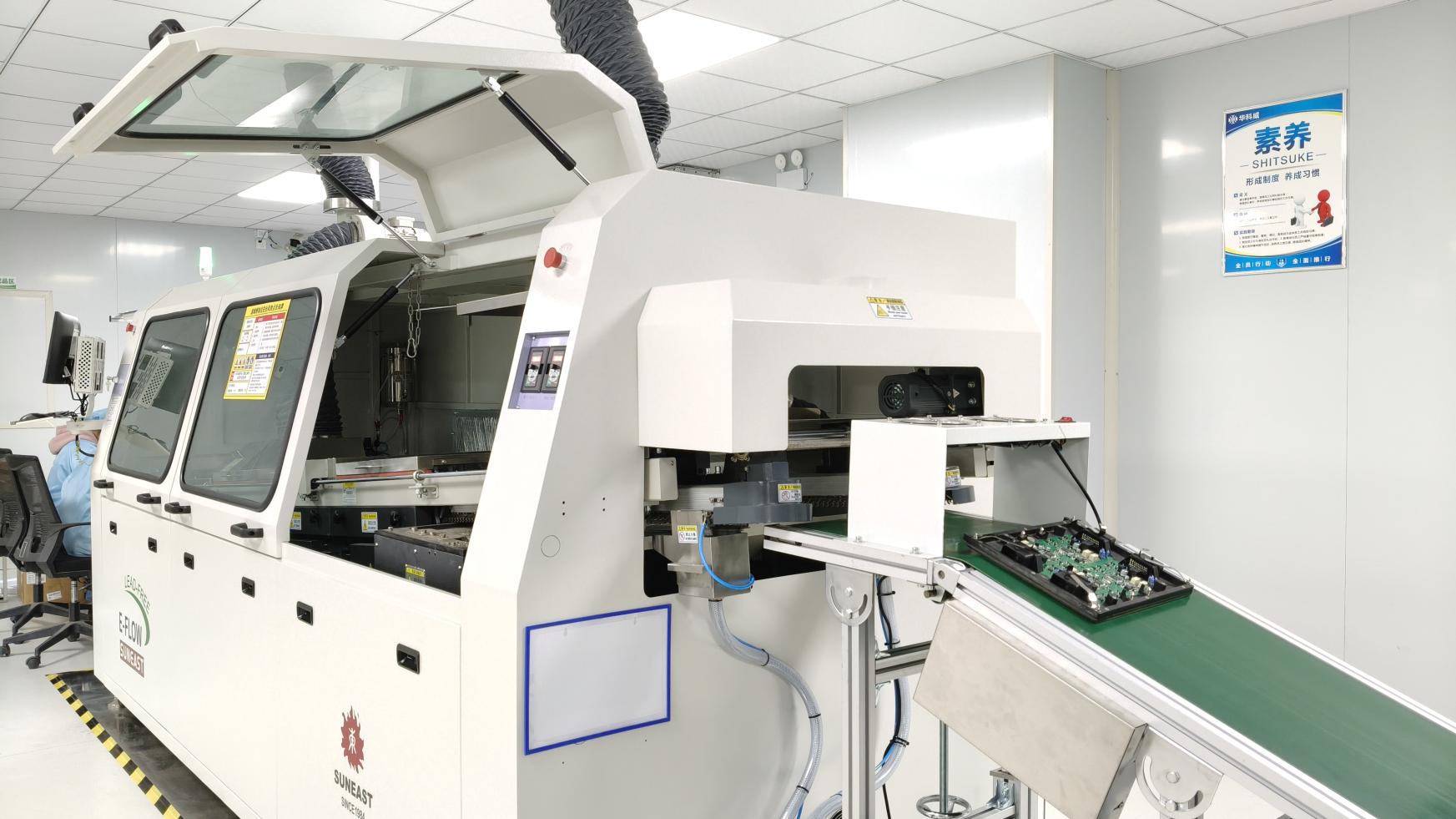
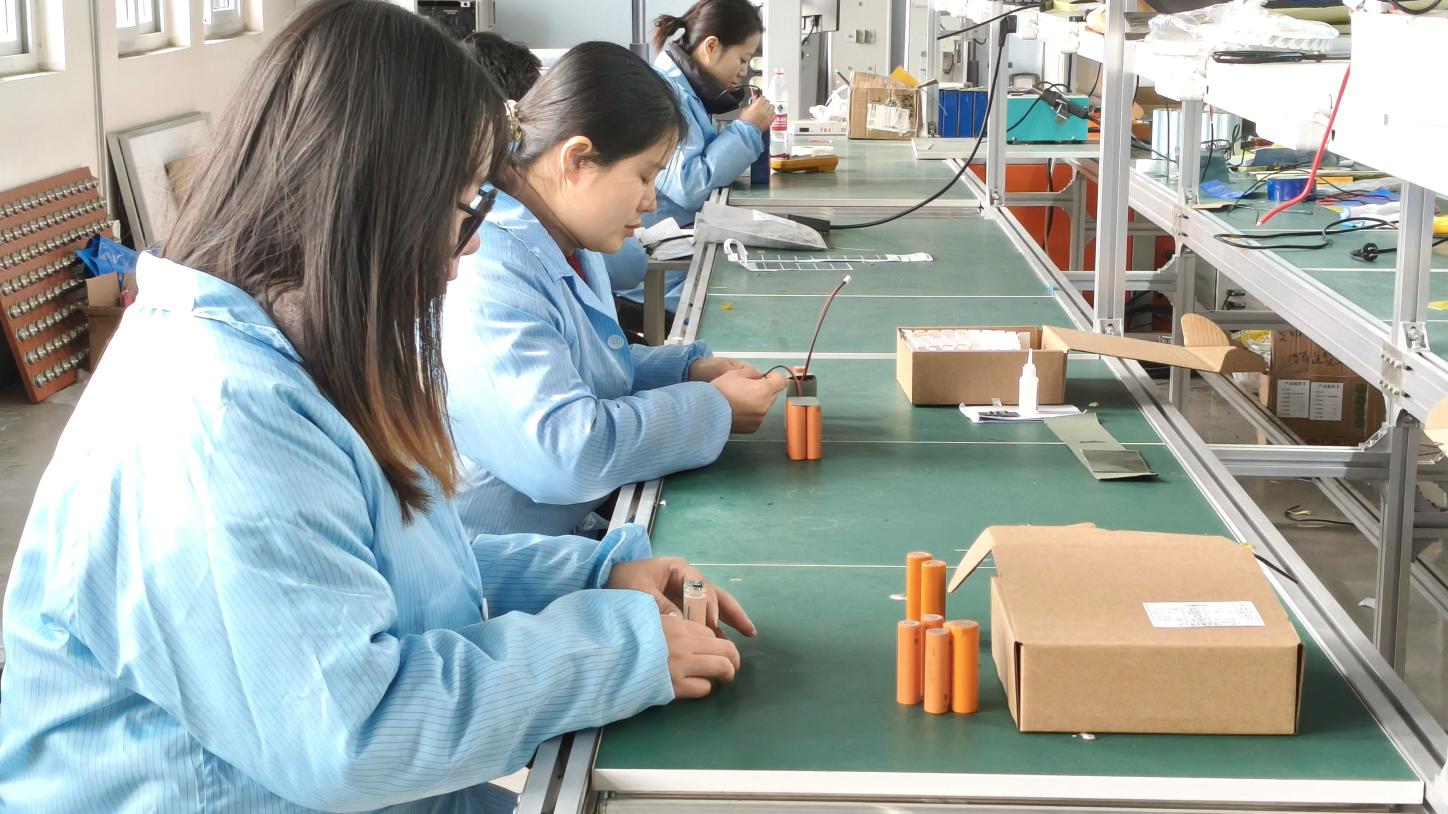
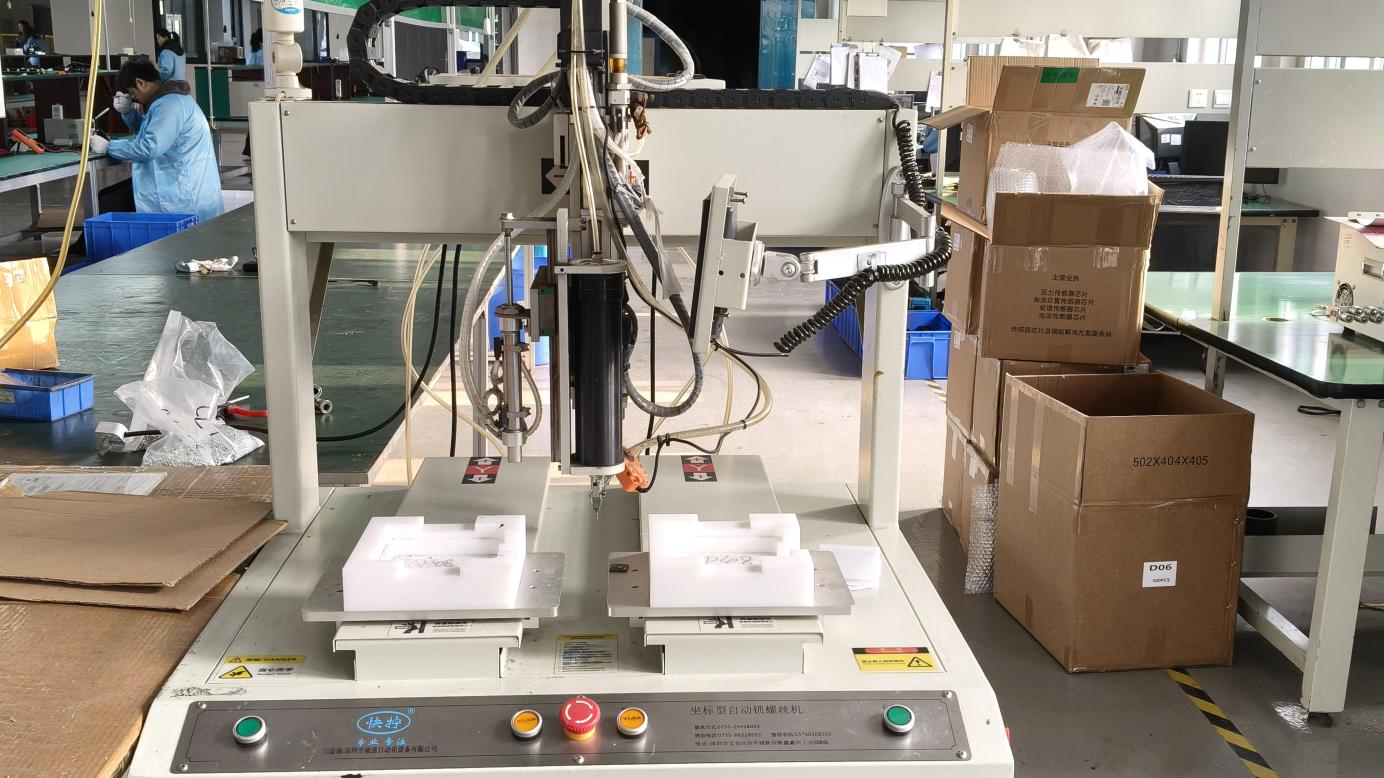
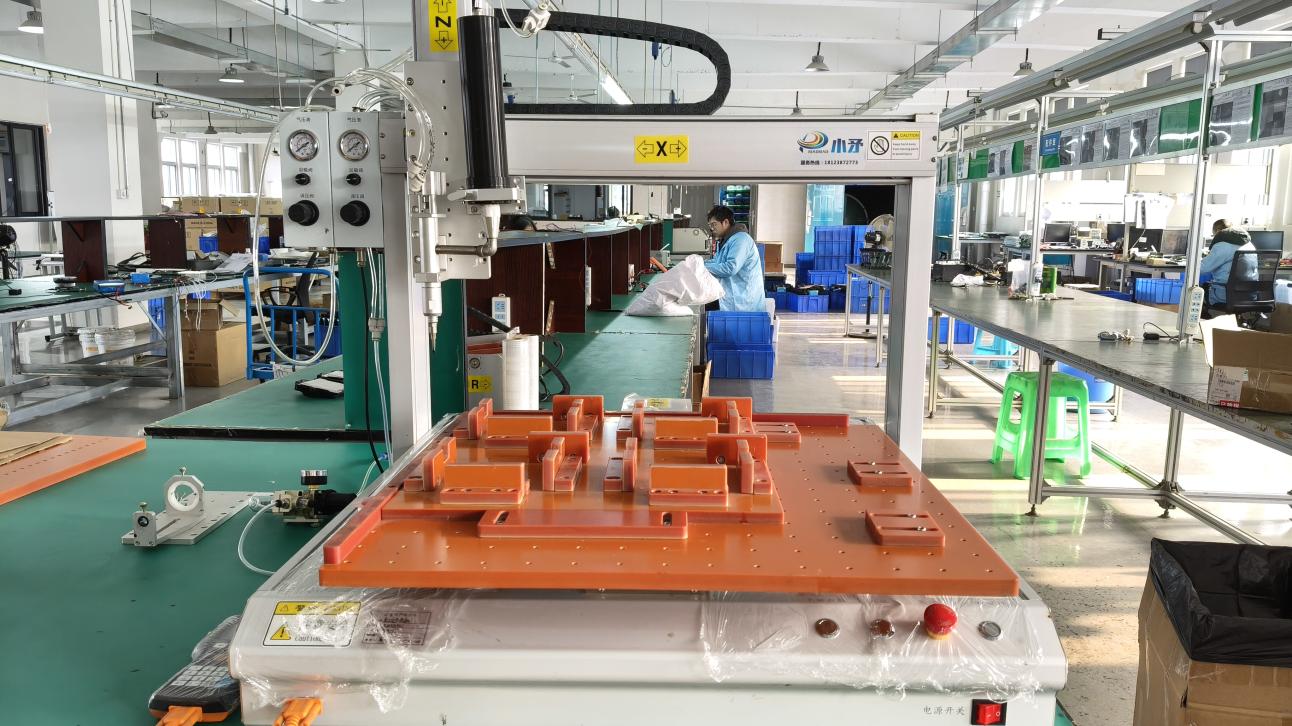
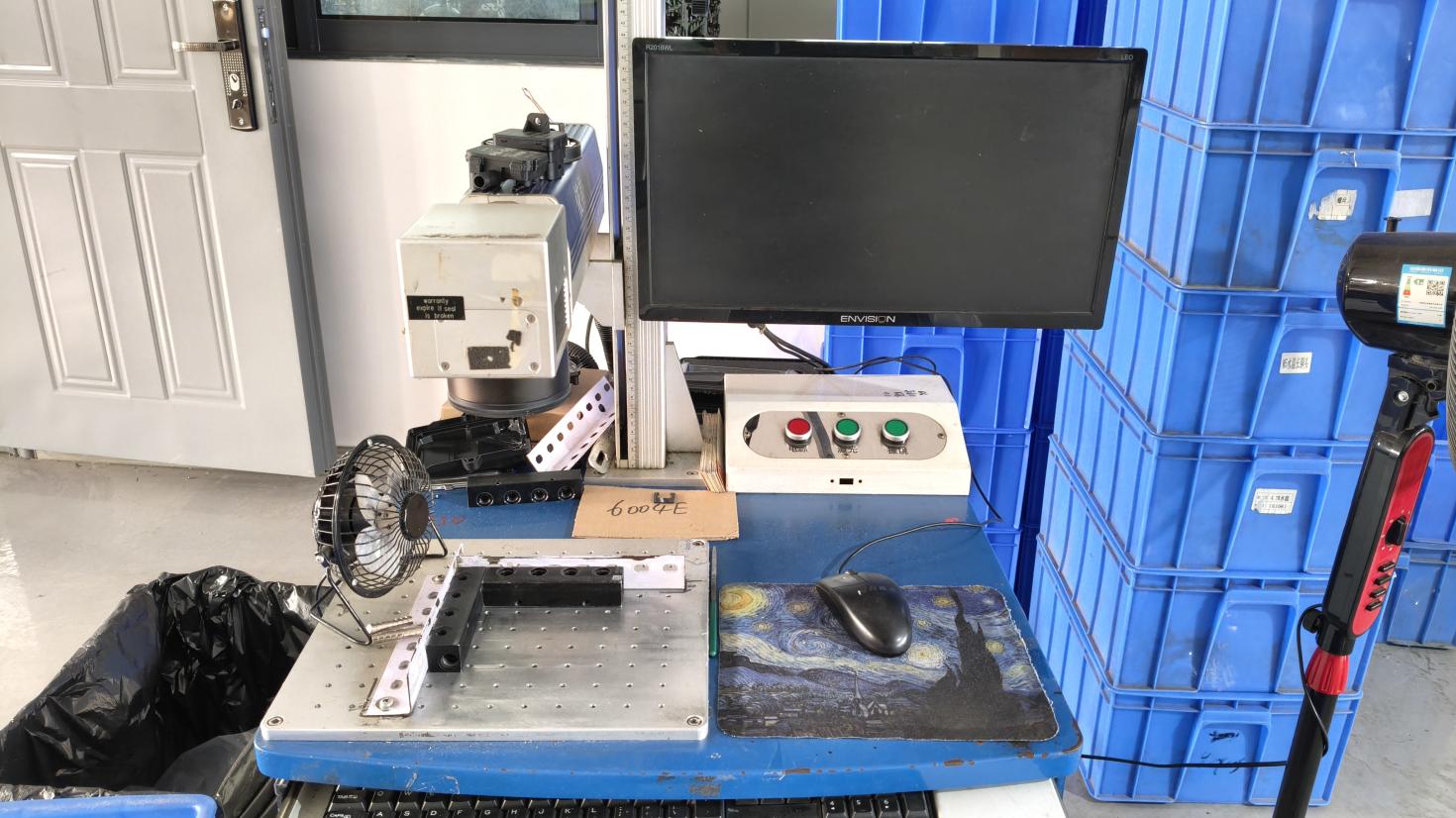
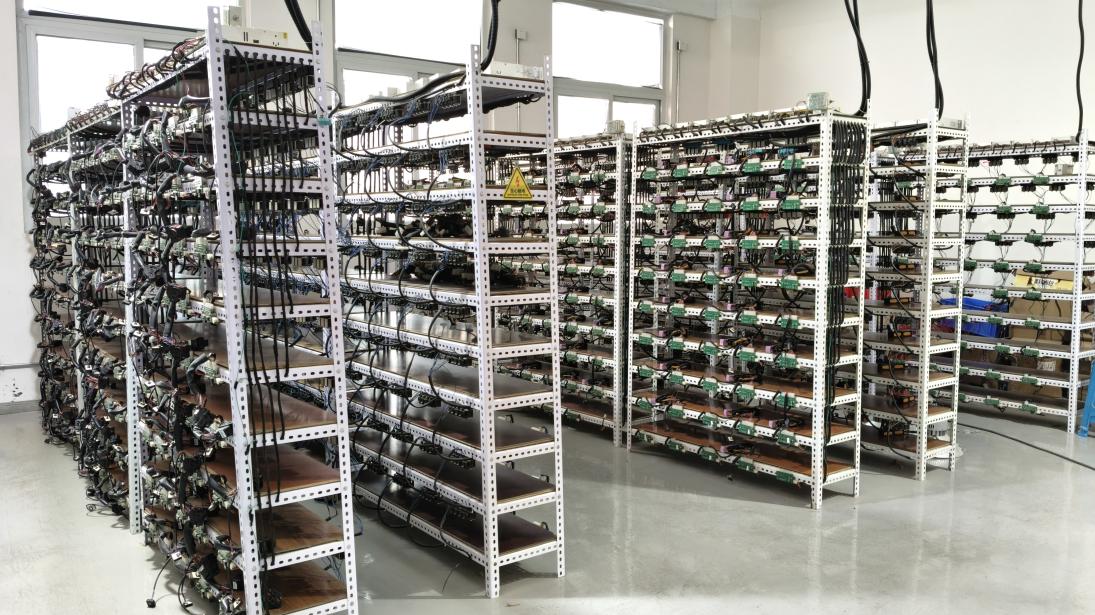
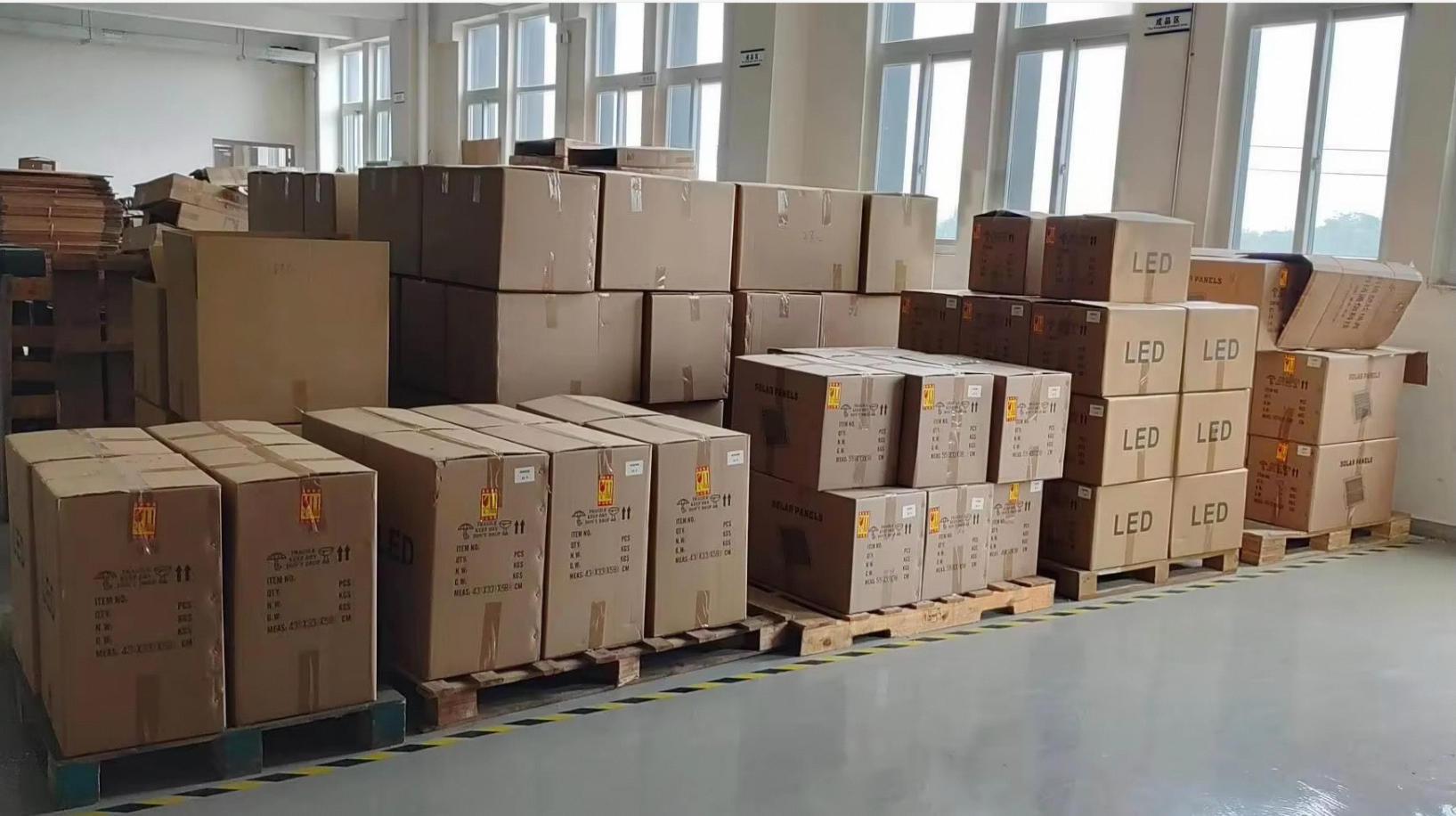
Inside Yangzhou OneAll Lights Co., Ltd. - Quality systems and advanced industrial machinery.
High-reliability luminaire manufacturing requires strict quality control at every phase of production. Operating out of Yangzhou, Jiangsu Province, our factory uses modern production tools to guarantee consistent assembly standards. By managing the entire production cycle in-house—from Surface Mount Technology (SMT) and wave soldering to automatic gluing, mechanical assembly, and multi-stage testing—we maintain supply chain resilience and deliver stable wholesale pricing.



Adhering to strict international regulatory frameworks and structural safety benchmarks.
B2B importers and engineering contractors face complex compliance landscapes. An unauthorized or non-compliant shipment can result in customs seizures, project delays, or legal liability. Yangzhou OneAll Lights maintains a comprehensive suite of international certifications to ensure seamless market entry and regulatory alignment:
Key checkpoints for procurement officers, electrical engineers, and project estimators.
Avoid stock suppliers who cannot alter driver settings, lumen packages, or optical configurations. Look for manufacturers that allow customized motion-trigger delay times, adjustable standby dimming levels (e.g., dimming down to 20% rather than turning off completely), and customized mounting brackets tailored to existing pole structures.
High lumen output generates significant heat. Inadequate thermal dissipation degrades LED junctions, causing rapid lumen depreciation and sensor malfunctions. Ensure the supplier's housings feature integrated heat-dissipating channels, independent driver chambers, and high-conductivity thermal paste.
Reliable suppliers test products under load prior to dispatch. Yangzhou OneAll Lights subjects every production run to high-voltage shock tests, salt spray evaluation, IP water-ingress simulation, and a minimum of 48-72 hours of uninterrupted burning/aging. This process eliminates manufacturing defects before packaging, preventing costly field failures.
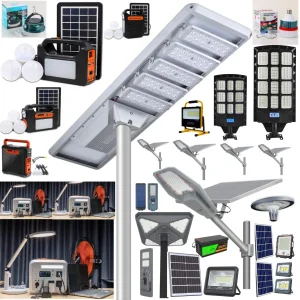
High-efficiency components engineered for industrial, municipal, and architectural installations.
Technical, compliance, and logistical questions answered by Yangzhou OneAll Lights engineering team.
 OneAll Lights