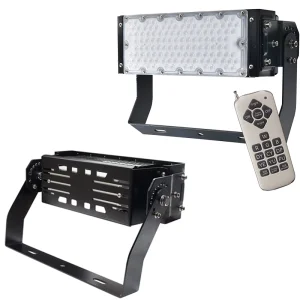
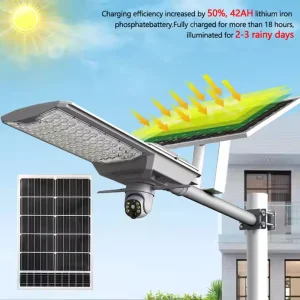
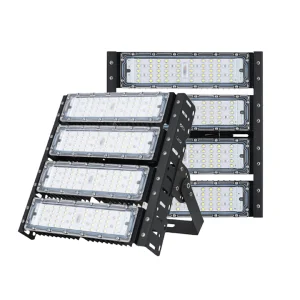
High-efficiency light engines, smart controllers, and rugged IP65/IP66 enclosures built for demanding environments.
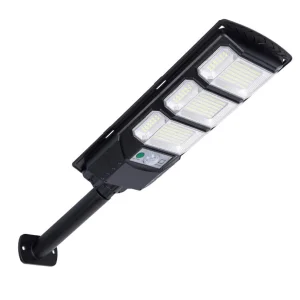
In modern architectural design, LED pavilion lighting has evolved from basic functional illumination to an integral element of nightscape design and structural expression. Standard residential gardens, commercial public squares, municipal transport hubs, and parks demand specialized luminaires that balance aesthetic values with rigorous engineering compliance. Because pavilions, gazebos, canopies, and outdoor shelters lack solid vertical walls, standard wall-packs or high-bay luminaires cannot achieve the required spatial distribution. They demand precise, high-performance light sources with wide horizontal distribution and minimal upward spill light.
As a leading custom OEM LED pavilion light manufacturer, Yangzhou OneAll Lights Co., Ltd. addresses the core challenges faced by municipal planners, developers, and electrical engineers. These problems center on glare control (UGR < 19), asymmetric light distribution to preserve nocturnal ecosystems, high luminous efficacy (>150 lm/W) to comply with green building directives, and long-term ingress protection (IP65/IP66) to resist harsh ambient conditions.
The design roadmap for pavilion lights must incorporate thermal, mechanical, optical, and electrical systems that function in harmony. Heat accumulation under a canopy or pavilion roof can significantly reduce the service life of LED chips and driver modules. Effective thermal engineering requires die-cast aluminum alloys (e.g., ADC12 grade) engineered with advanced cooling fins. These designs use natural convection currents to draw heat away from junction points, ensuring the thermal interface material (TIM) maintains optimal thermal transfer over decades of continuous operation.
Industrial procurement officers, global utility contractors, and MEP (Mechanical, Electrical, Plumbing) engineering consultants demand more than just standard catalog items. They require customized OEM solutions that match localized wind load requirements, ambient temperature extremes, specific input voltages, and smart-city control interfaces. Understanding these distinct market requirements is vital to delivering value across diverse regions:
Procuring entities in the US and Canada prioritize DLC (DesignLights Consortium) Premium QPL (Qualified Products List) status, UL/cUL safety listings, and DarkSky compliance. Optical control is critical: luminaires must feature zero uplight (U0 rating under BUG system) to minimize light pollution, alongside integrated 10kV to 20kV surge protection devices (SPD) to withstand grid instability during extreme weather events.
European Union clients demand compliance with RoHS, CE mark directives, and ERP (Energy-related Products) regulations. There is a strong preference for luminaires designed for the circular economy—featuring field-replaceable LED light engines and drivers. Systems must be compatible with DALI-2 (Digital Addressable Lighting Interface) or Zhaga Book 18 standards to facilitate smart sensor and node integration.
Project sites in regions like the Middle East require extreme temperature tolerances (ambient temperatures up to 55°C/131°F). Luminaires must feature high-grade powder coatings (exceeding 1000 hours of salt spray testing under ASTM B117) to withstand corrosion in coastal areas, as well as dustproof capabilities certified to IP66 or IP67 standards to protect against fine desert sand.
Established in 2003 and located in the historic lighting hub of Yangzhou, Jiangsu Province, China, Yangzhou OneAll Lights Co., Ltd. has spent over two decades developing high-performance outdoor lighting systems. We have expanded our operational footprint to offer advanced OEM and ODM capabilities to global contractors, developers, and municipal suppliers.
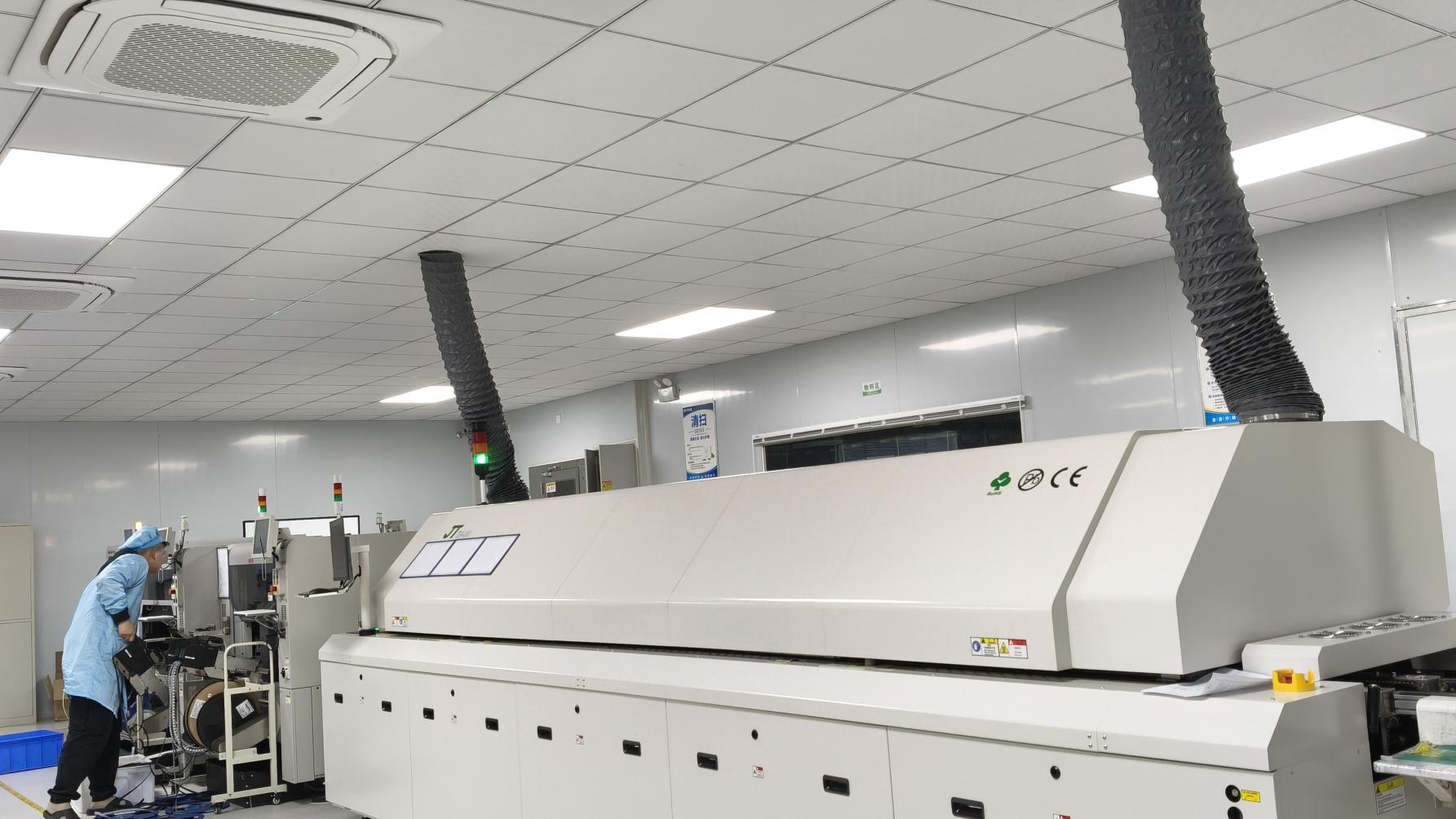
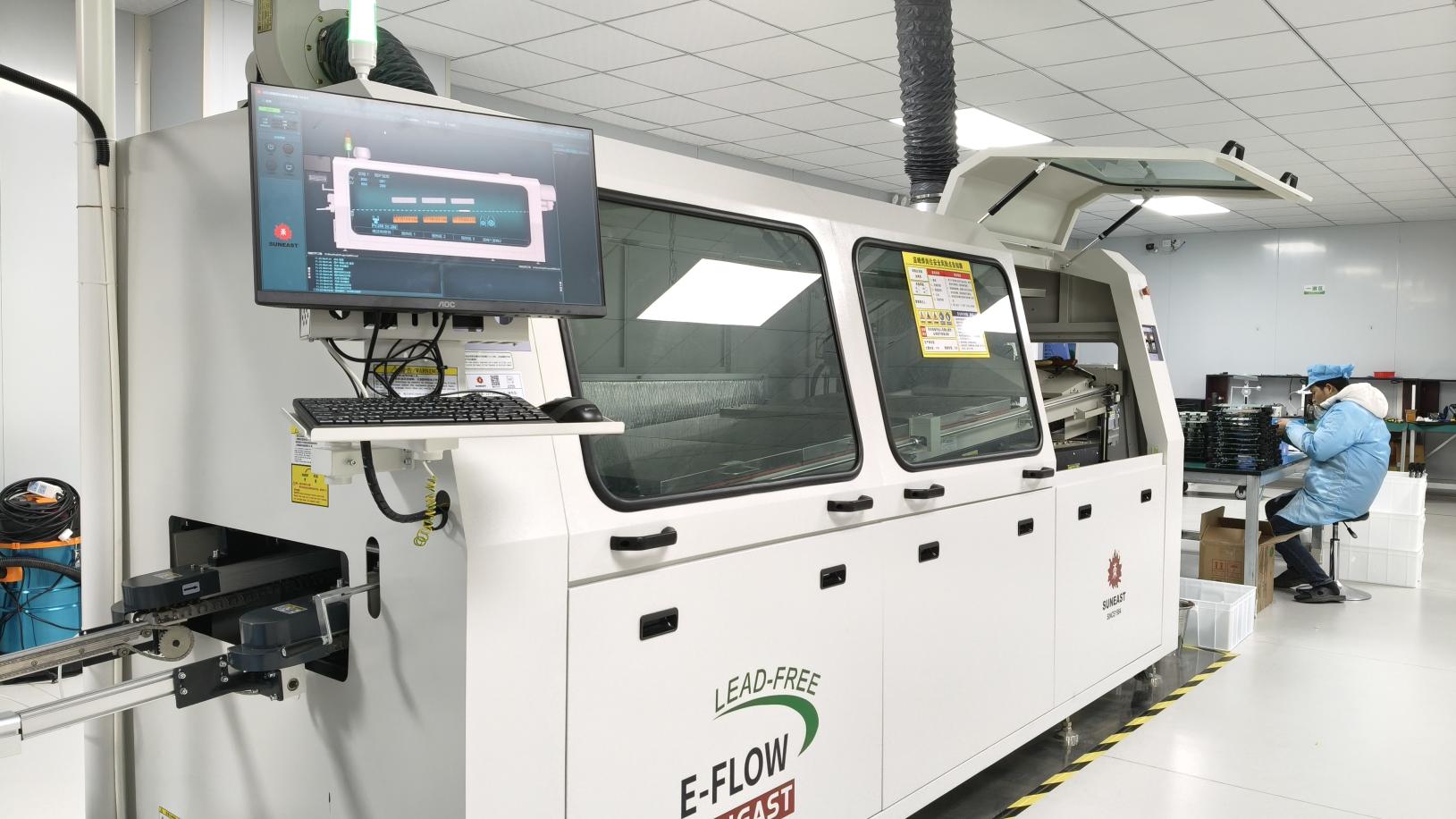
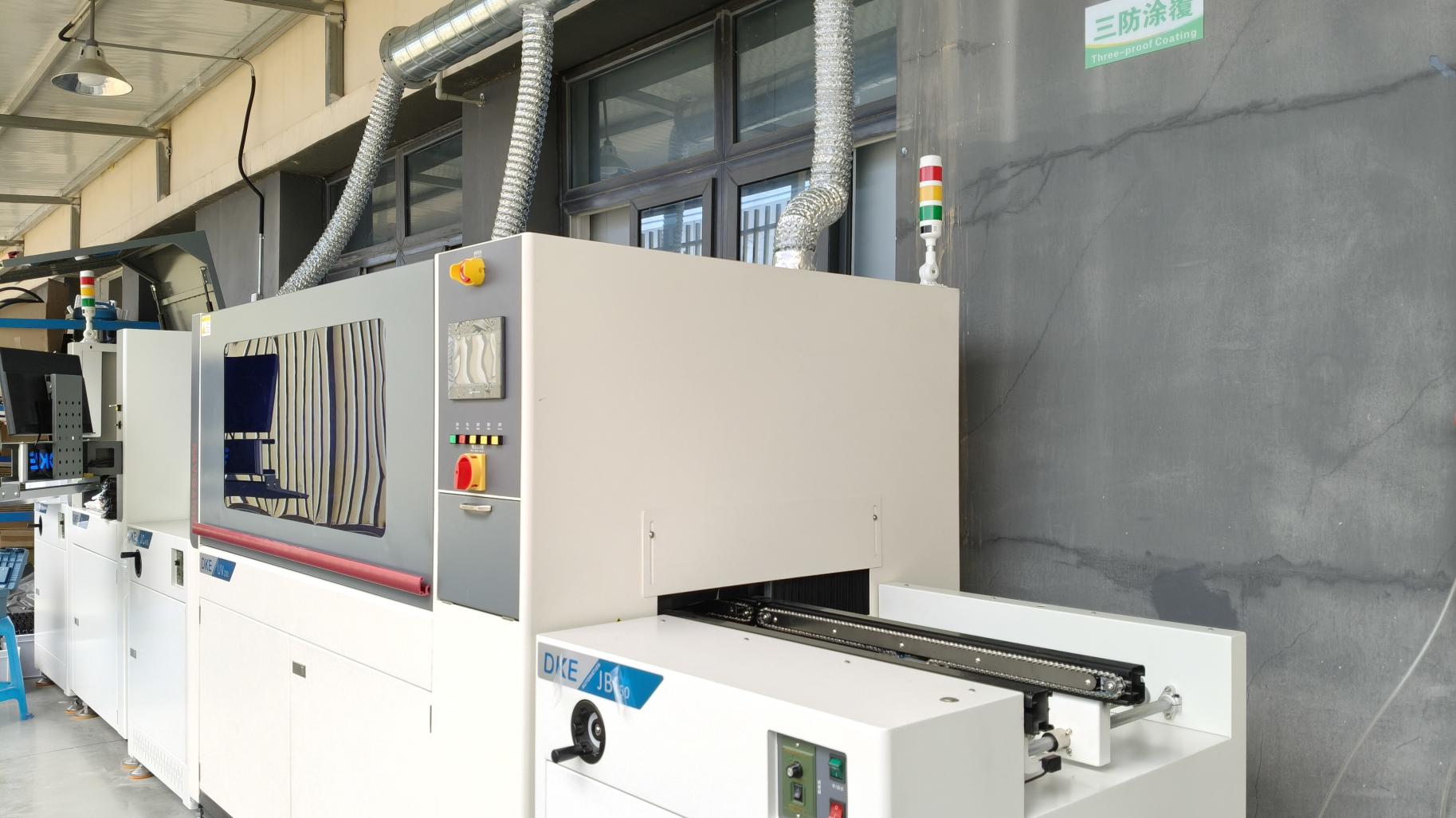
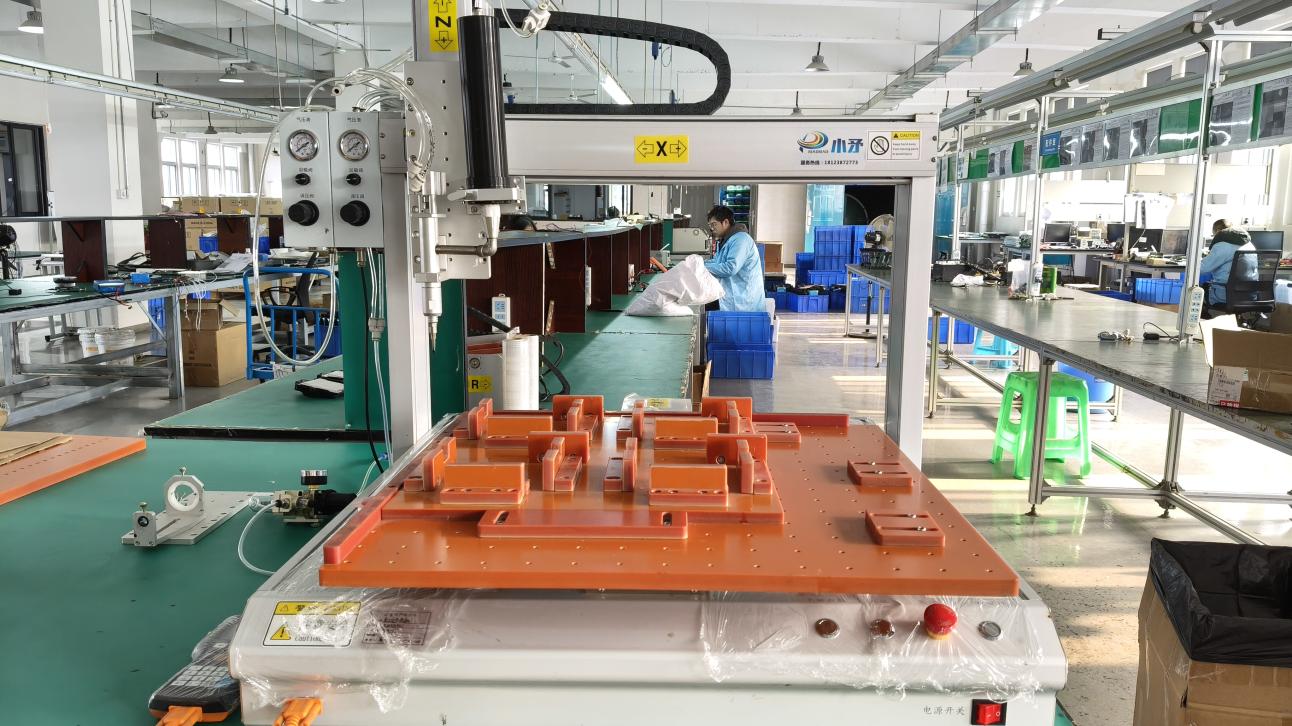
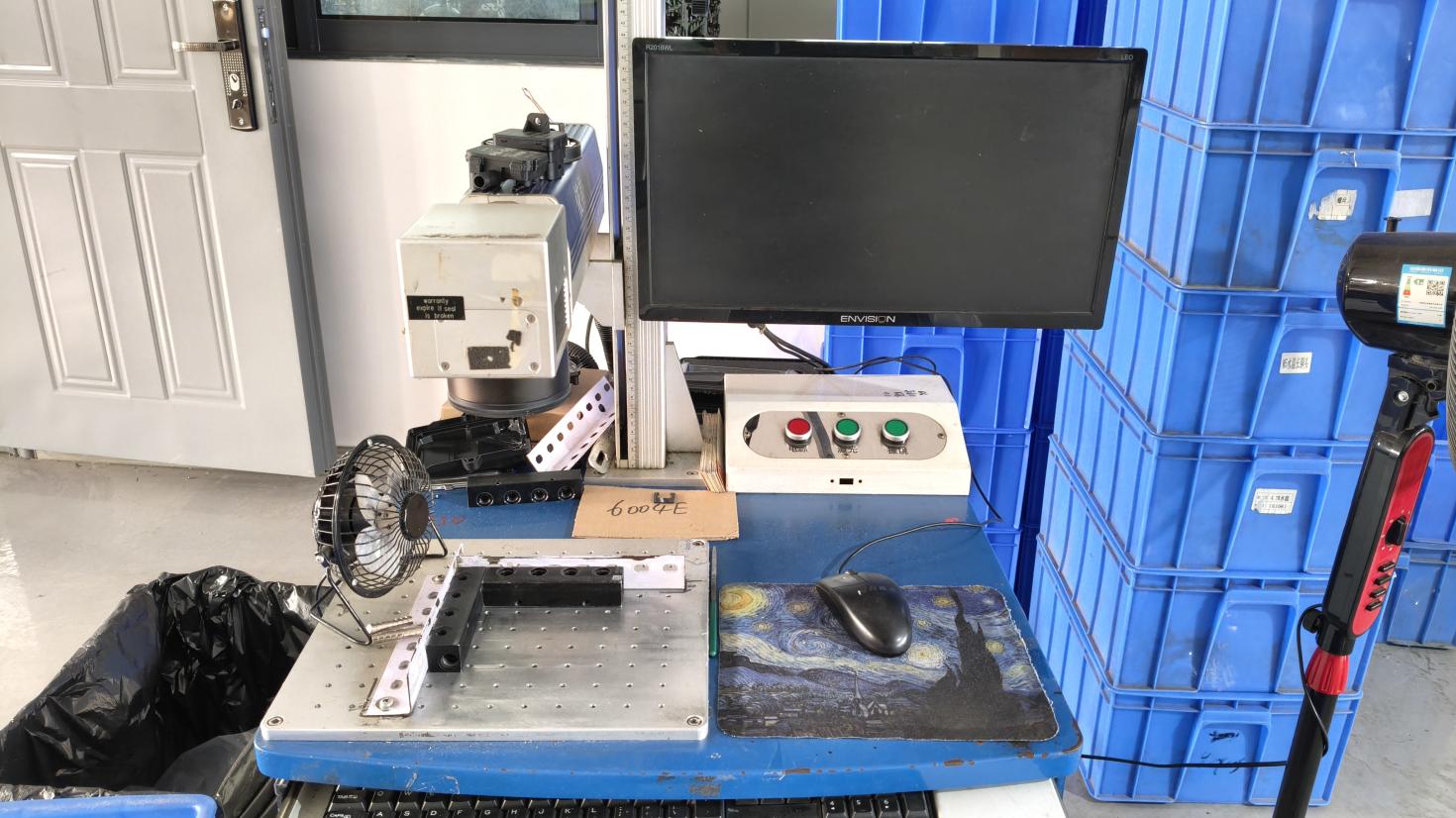
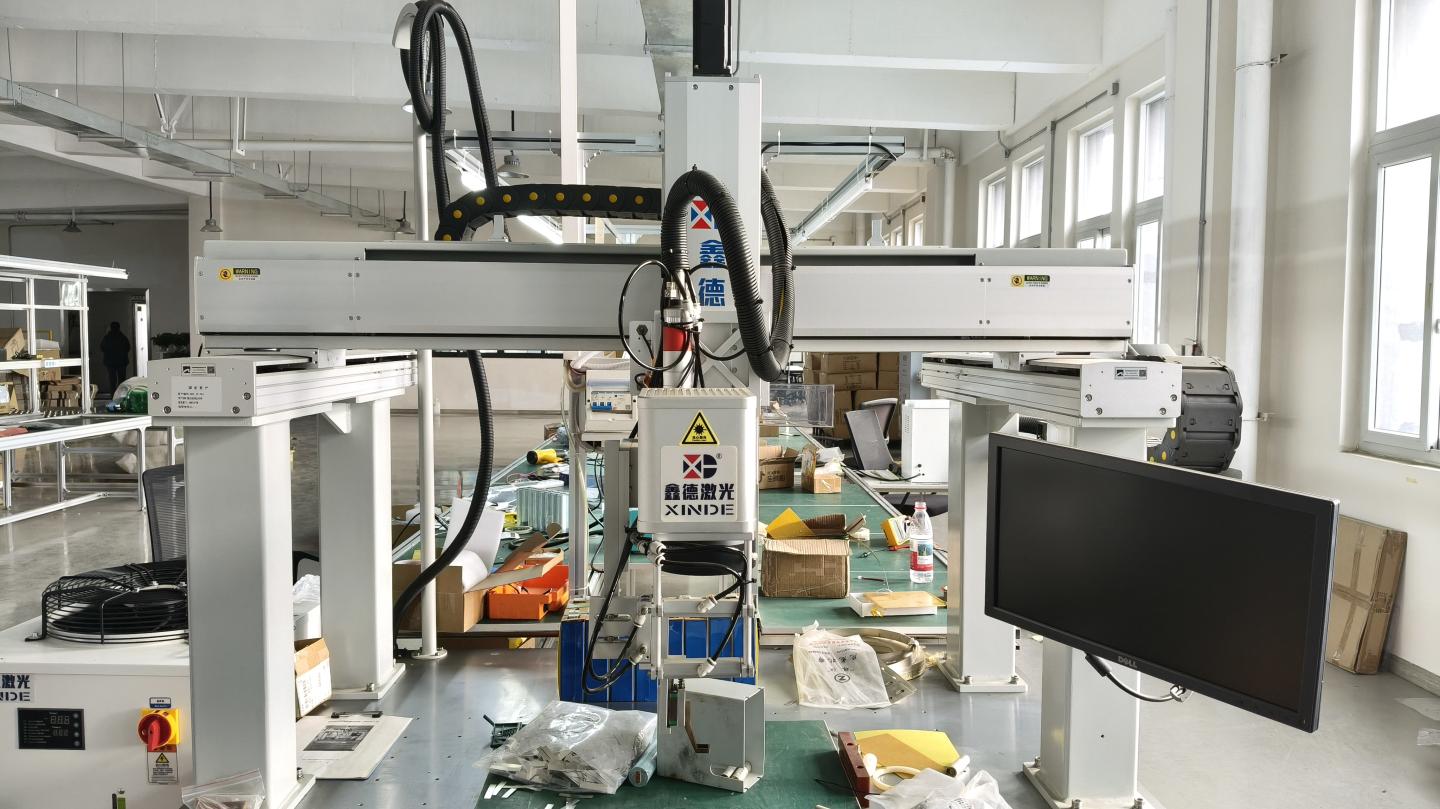
Our manufacturing facility is equipped with automated machinery to ensure repeatability, structural integrity, and long service life. We leverage CNC bending machines, automatic submerged arc welding systems, high-precision laser cutters, electrostatic powder coating lines, and dedicated fluorocarbon paint curing chambers. This internal processing control allows us to customize fixtures to project-specific dimensions, mounting configurations, and color finishes while maintaining strict quality standards.
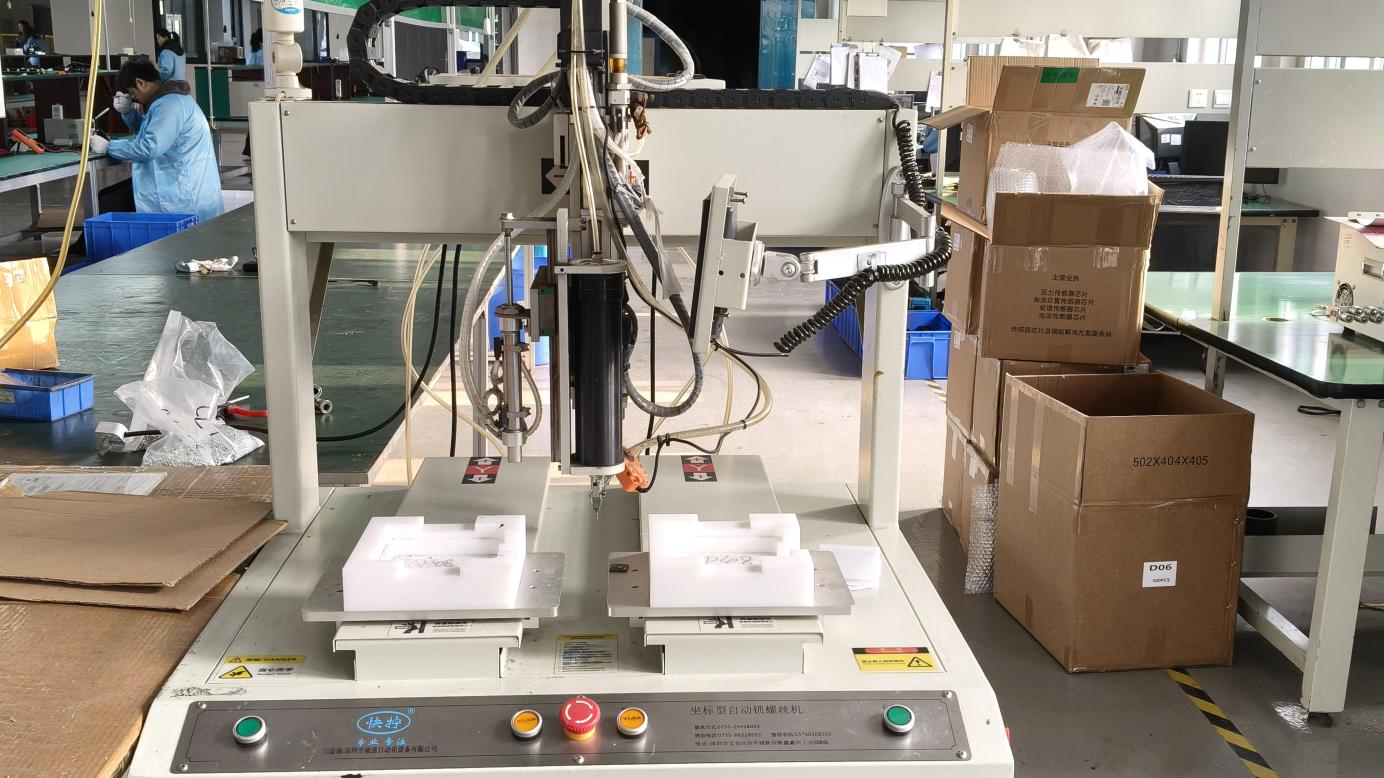
Quality assurance is backed by our ISO9001 Quality Management System and ISO14001 Environmental Management System certifications. Our product ranges have earned CCC, CQC, CE, and equivalent test markings. The complete production cycle—from incoming material inspection (IQC) to surface-mount technology (SMT) component assembly, automatic screw-locking, computerized sealing gel application, and 100% burn-in aging testing—is monitored to maintain zero-defect standards.

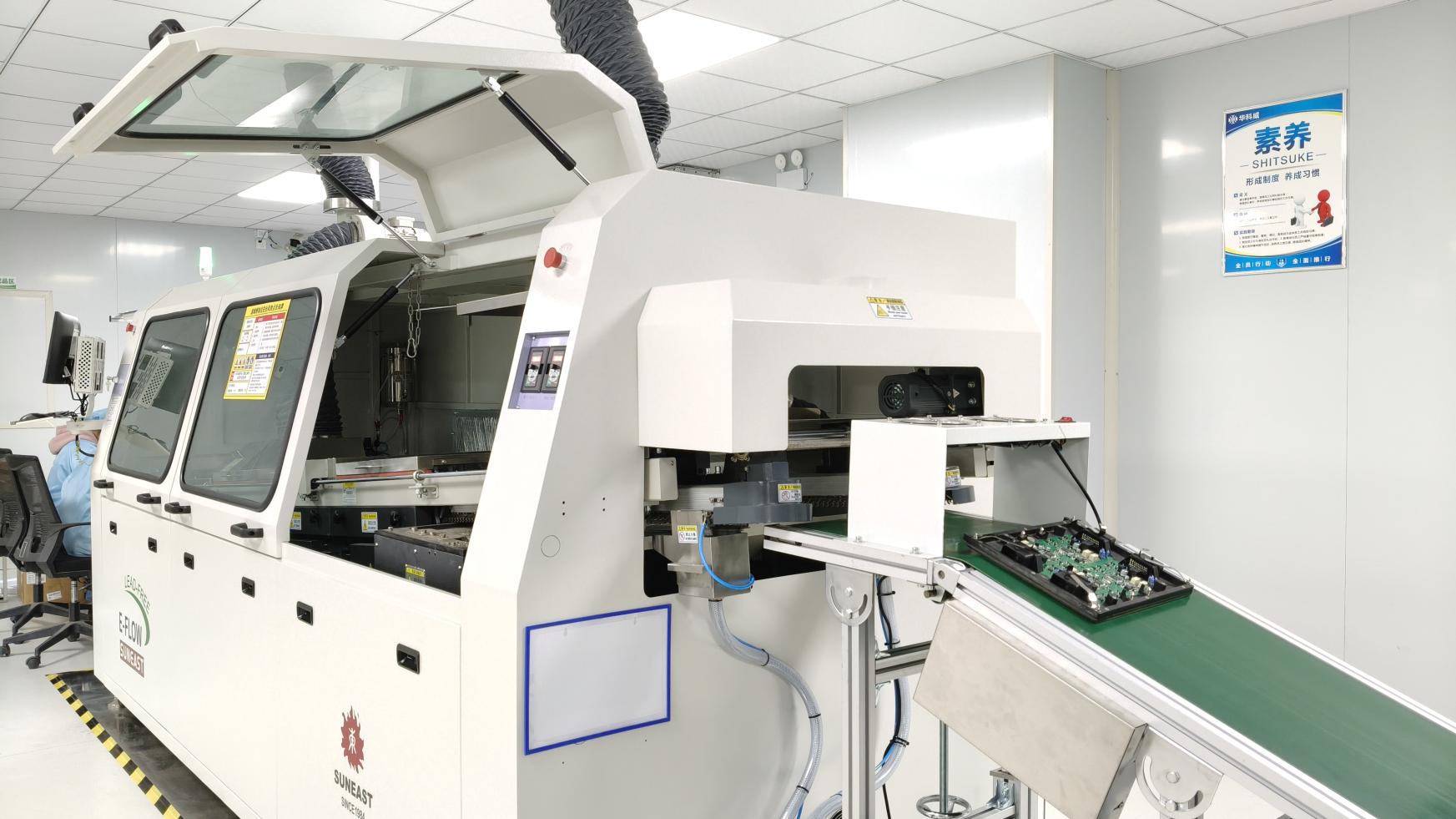

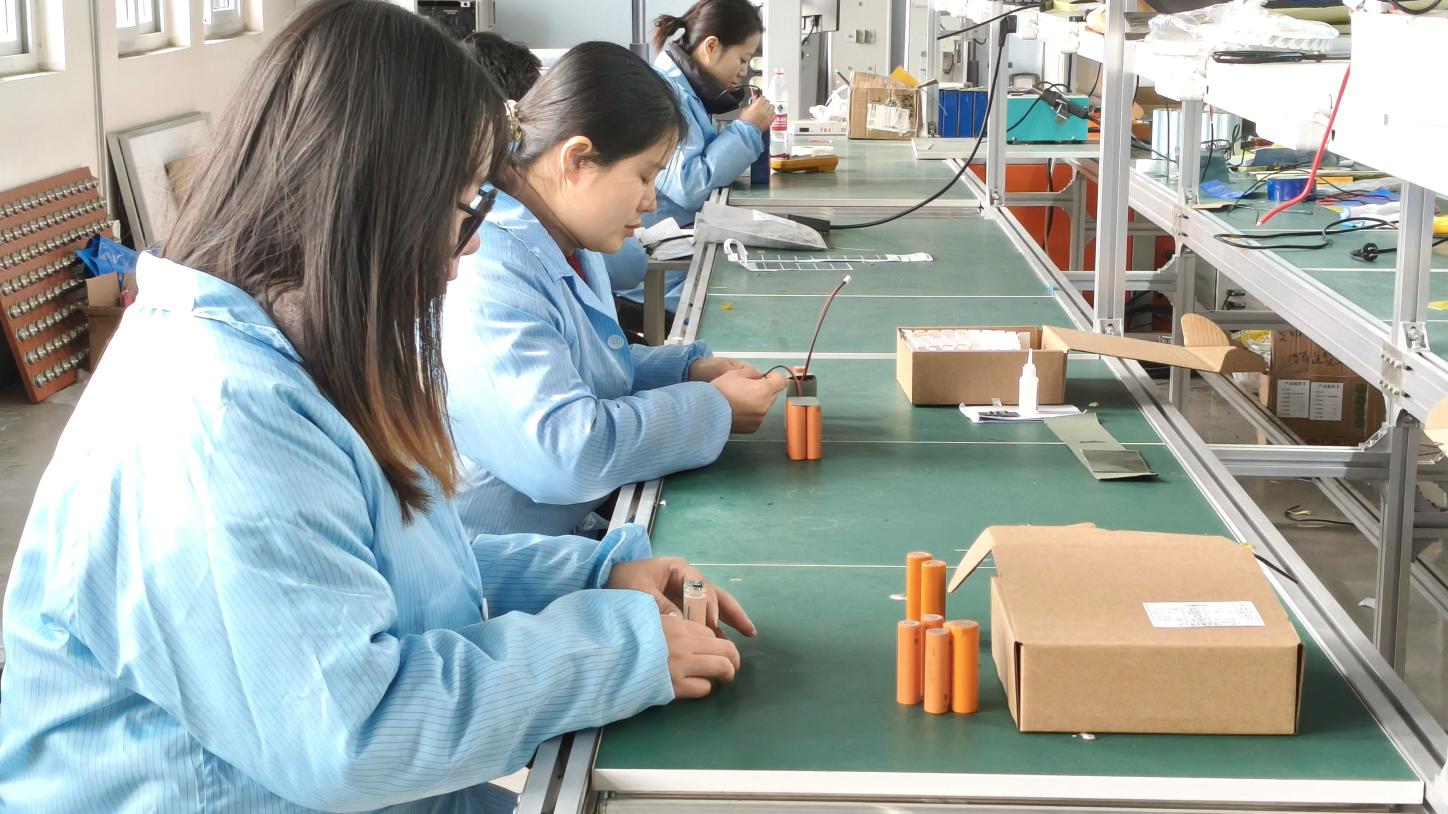
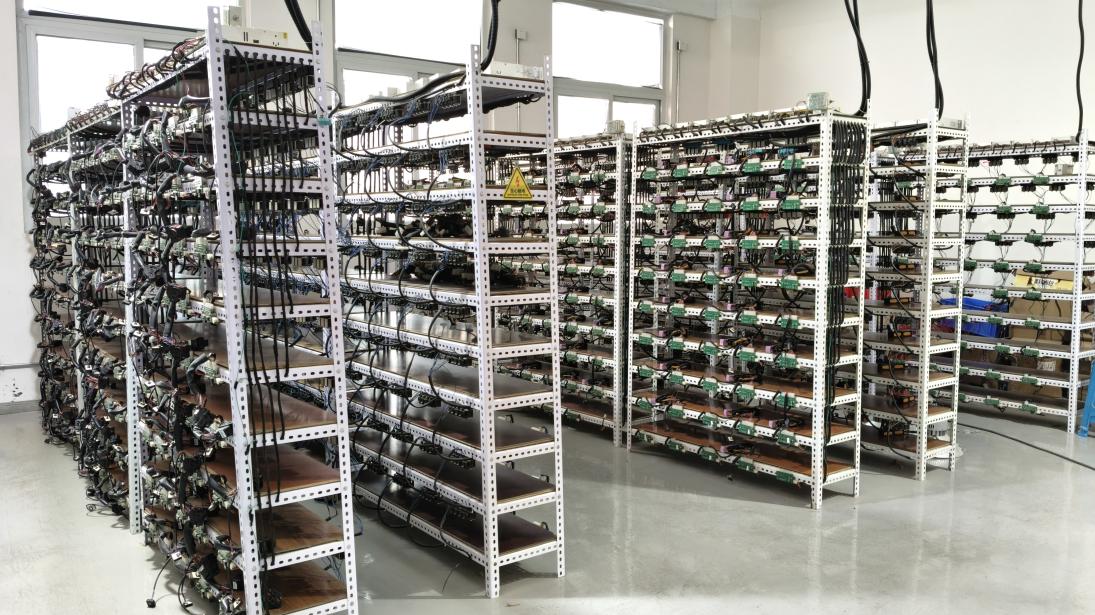
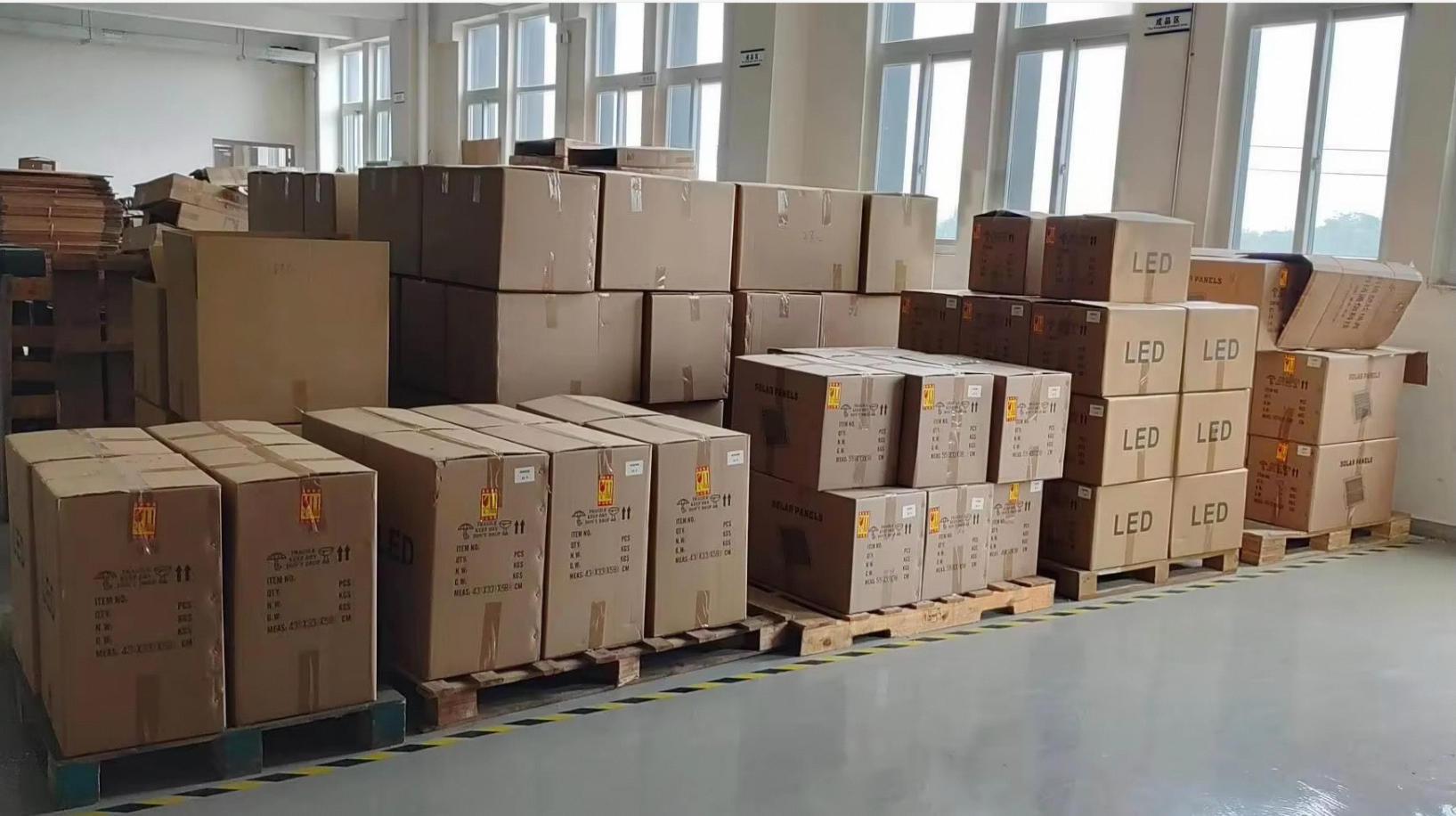
Engineering outdoor architectural luminaires requires optimizing electrical, thermal, and optical parameters. Unlike indoor light fixtures, pavilion lights operate in dynamic environments subject to relative humidity changes, thermal shocks, solar radiation, and harmonic distortion from regional power grids.
A key focus of our R&D is optical distribution. Utilizing raw polycarbonate or PMMA lenses, we design asymmetric distributions to guide light exactly where it is needed. Our specialized outdoor fixtures utilize high-efficiency LED chips, achieving system-level efficacy up to 160 lm/W. This reduces electrical loading and helps comply with local energy ordinances.
Our fixtures use thermal pathways constructed from 6063-T5 extruded aluminum or ADC12 die-cast elements. By integrating high-conductivity thermal pads (typically > 3.0 W/m-K) directly between the MCPCB substrate and the structural housing, we keep LED junction temperatures well below 75°C (under ambient temperature conditions of 40°C). This directly protects the system against premature lumen depreciation.
To support next-generation municipal infrastructure, our driver interfaces support multiple control protocols. These include 0-10V analog dimming, DALI-2 digital buses, Zhaga-D4i connectivity, and LoRaWAN or NB-IoT wireless telemetry. These options enable real-time tracking of operational metrics, predictive maintenance scheduling, and automated lux adjustments based on local motion detectors or daylight sensors.
Operating across international jurisdictions requires strict compliance with mechanical safety, electromagnetic compatibility, and environmental impact regulations. Our design verification process complies with key industry standards:
Certified to IP65, IP66, and IP67 levels, ensuring complete dust protection and high-pressure water jet resistance to prevent moisture condensation on inner lenses.
Achieves up to IK10 mechanical impact ratings. The cast aluminum housings and high-strength tempered glass protect against vandalism and debris impact.
Corrosion protection verified through 1,000 to 3,000-hour continuous salt fog exposures. This is crucial for coastal installations, marine settings, and industrial parks.
Additionally, we coordinate with accredited labs to supply local documentation, such as TM-21 lumen maintenance reports, LM-79-08 photobiological safety assessments, and standard IESNA files. This data simplifies lighting simulations and planning steps for electrical contractors during the design phase.
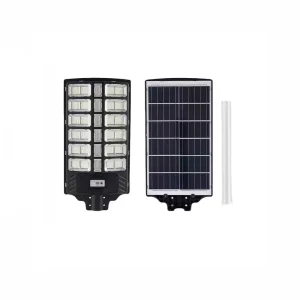
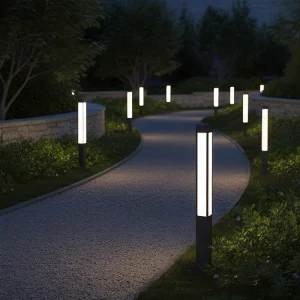
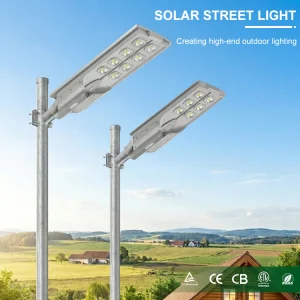
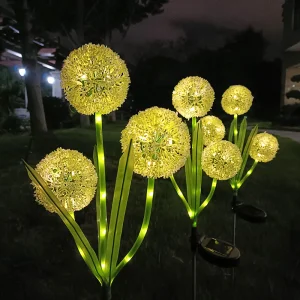
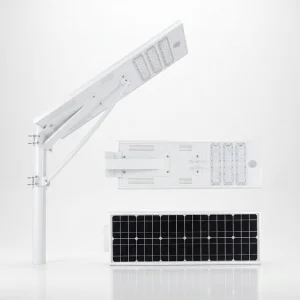
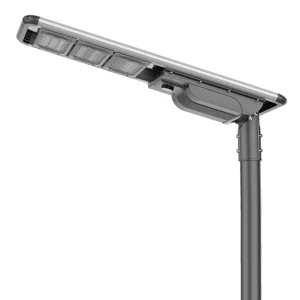
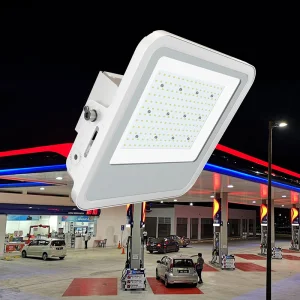
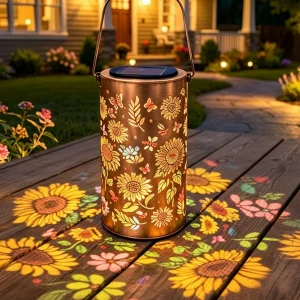
Explore our auxiliary portfolio featuring intelligent all-in-one solar street luminaires, decorative landscape lights, and high-performance canopy fixtures.
 OneAll Lights