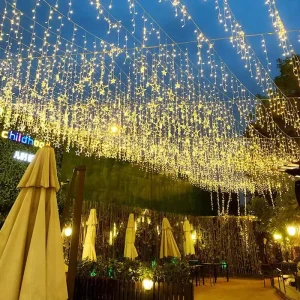
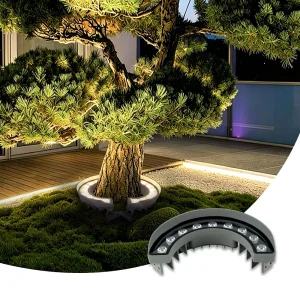
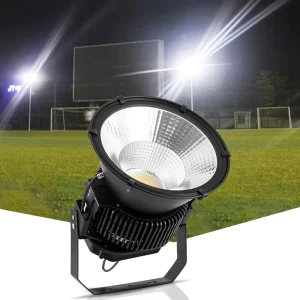
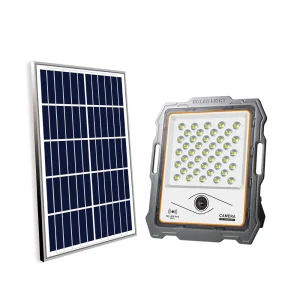
Explore our primary manufacturing selections, engineered for high-demand outdoor settings, offering high energy efficiency, durability, and IP-rated reliability.
Established in 2003 and situated in the industrial hub of Yangzhou, Jiangsu Province, China, Yangzhou OneAll Lights Co., Ltd. has grown to become a premium manufacturer and exporter of outdoor structural lighting systems. With a clear focus on the development, design, and distribution of high-efficiency luminaires, we operate on over two decades of engineering excellence. We cater to municipal contractors, large-scale commercial advertisers, industrial facility developers, and global light distributors requiring reliable OEM and ODM support.
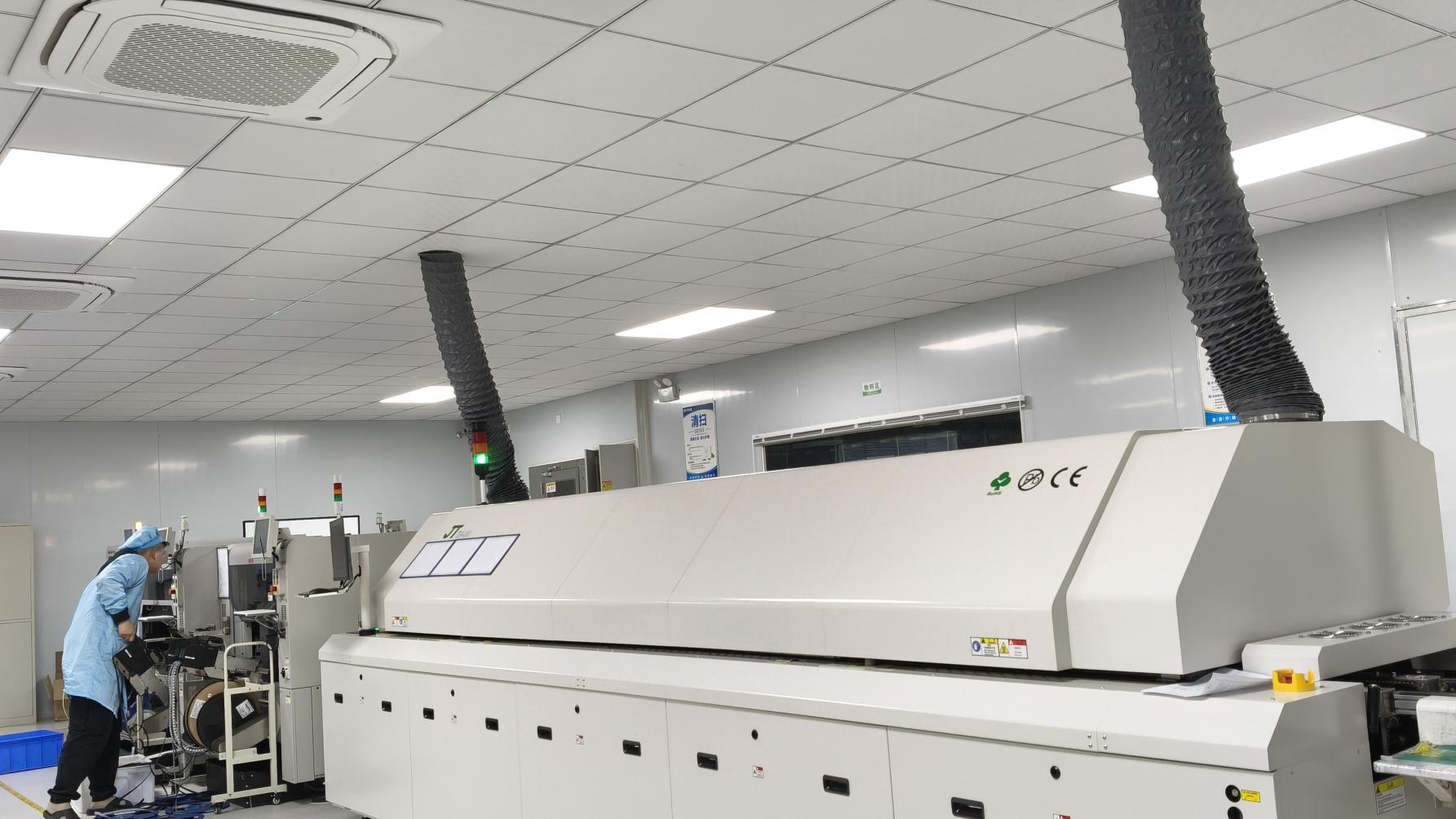
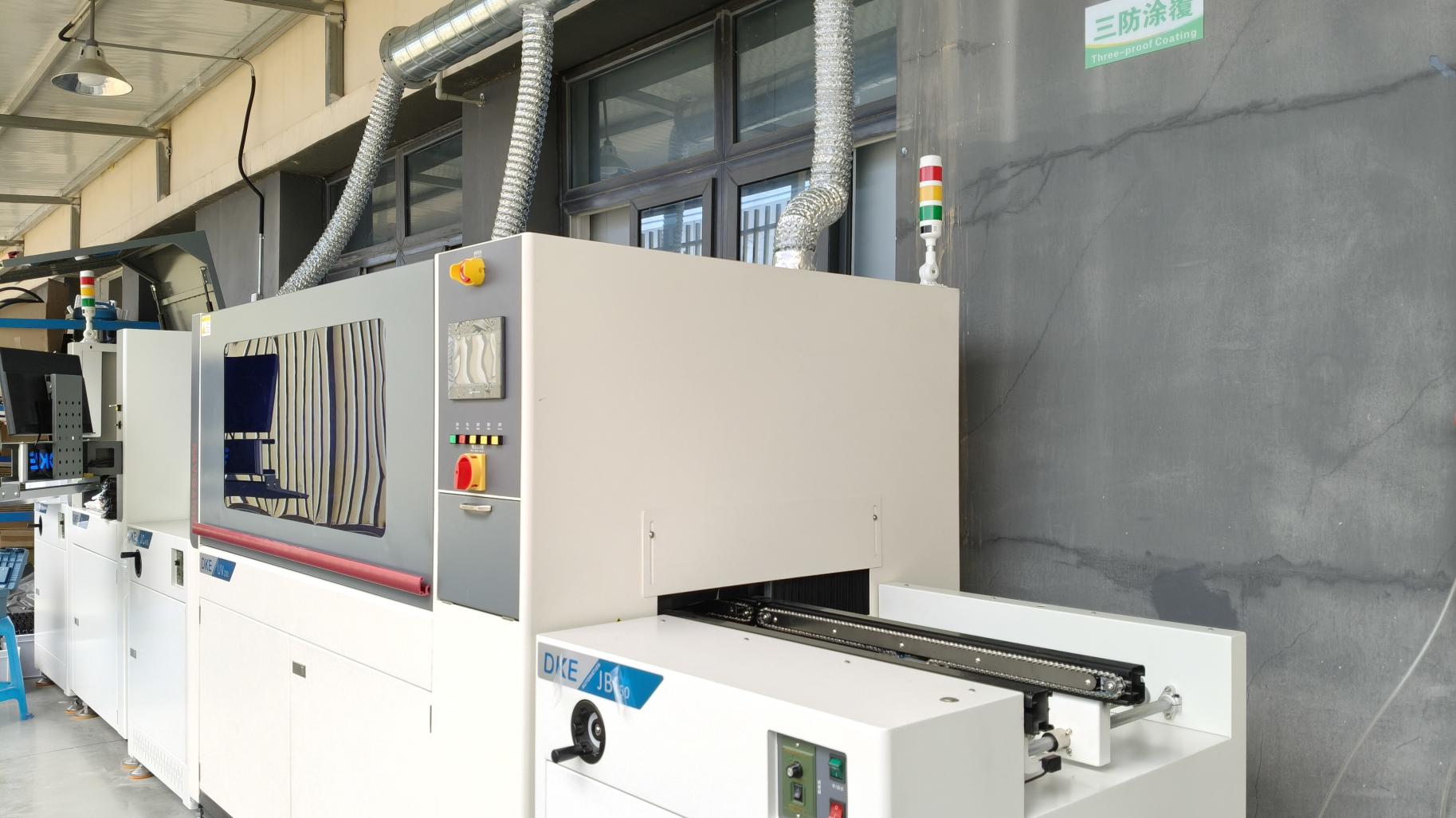
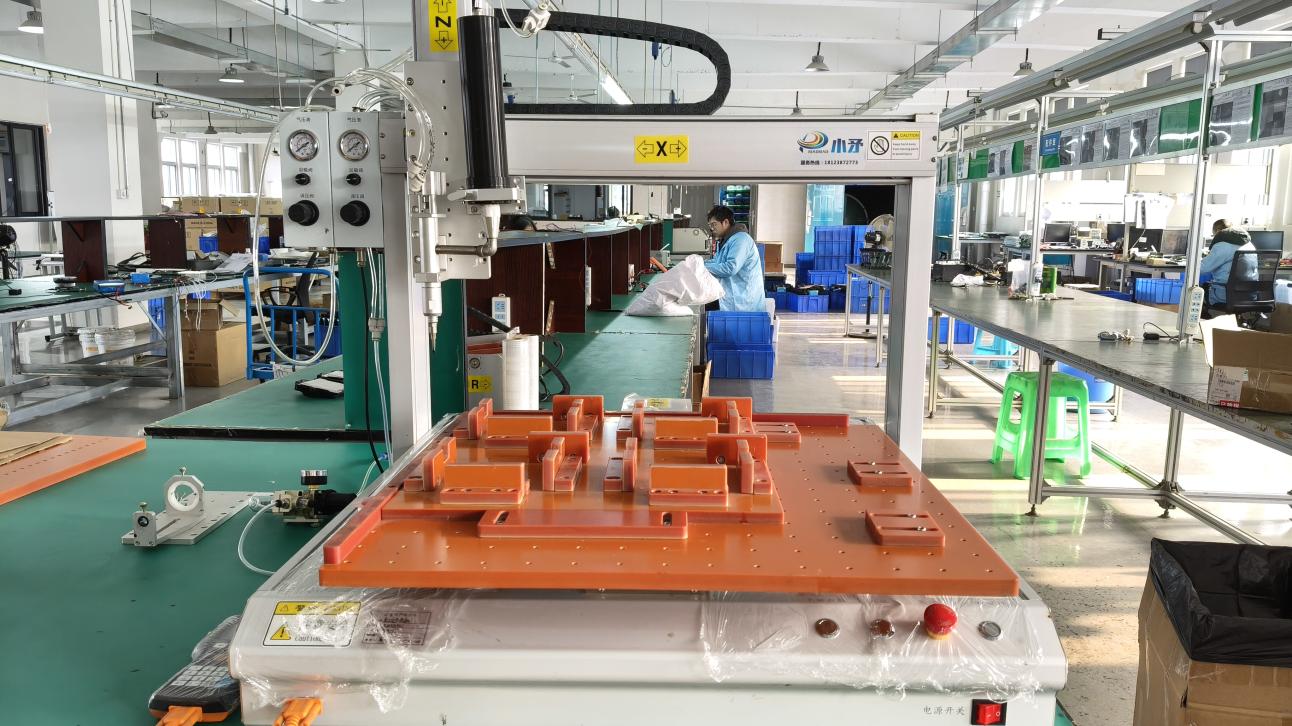
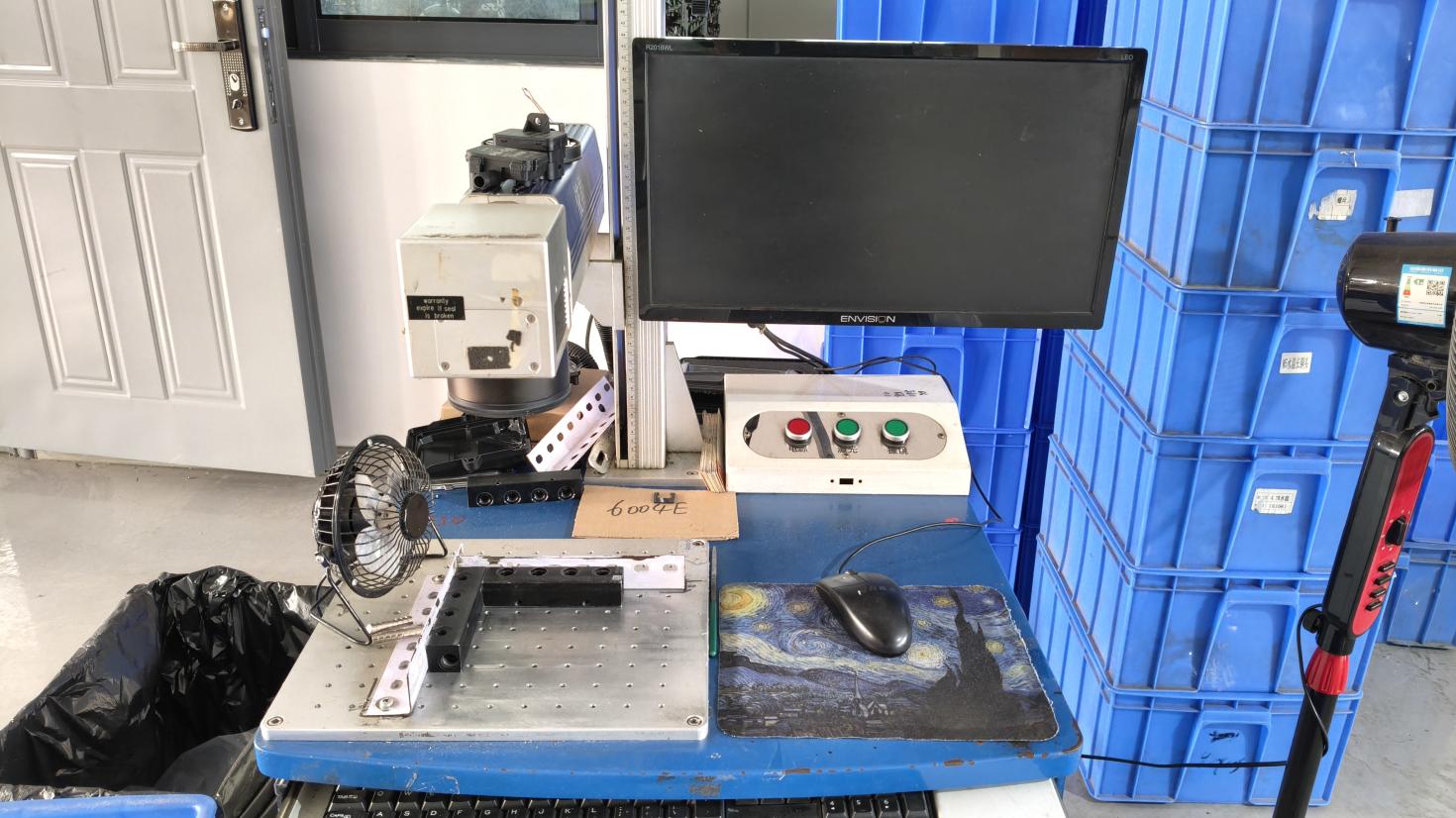
Our manufacturing complex features advanced CNC machinery, heavy-duty automatic submerged arc welding columns, automated laser cutters, high-capacity electrostatic powder coating pathways, and specialized fluorocarbon painting chambers. We do not just assemble components; we construct structural components, heat sinks, and optical arrays under one roof to ensure complete supply chain oversight.
Operating in strict compliance with quality guidelines, our production systems are audited and certified under ISO9001 Quality Management System Standards and ISO14001 Environmental Management Systems. Our products carry international regulatory compliance marks including CE, CCC, and CQC, alongside certified photometric laboratory reports indicating performance thresholds in energy conversion, optical distribution, and ingress protection.
A deep dive into structural outdoor LED illumination: analyzing wind loads, optical uniformity, and smart urban integration.
High-visual-impact B2B advertising surfaces require constant, uninterrupted luminance uniformity (expressed mathematically as a ratio of minimum to average illuminance, U0, ideally >0.4). Traditional lighting often leaves hotspots directly underneath the luminaires and shadowed regions in the center. Modern LED billboard lighting overcomes this using custom asymmetric optical lenses (often 60° × 120° or 30° × 90°) that project light obliquely across the billboard surface rather than straight down.
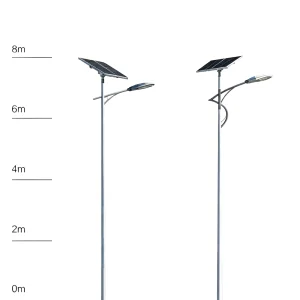
Additionally, high-mast applications, such as cargo terminals, sports stadiums, and complex highway interchanges, demand structural design that factors in natural forces. Using aerodynamic profiles with low Effective Projected Area (EPA) coefficients dramatically reduces mechanical wind load on poles and brackets, mitigating the risk of structural failure during high-velocity weather events.
Using symmetrical spot beams on wide billboards results in up to 45% wasted light spilling into the night sky, creating light pollution. Asymmetrical distribution redirects that waste back onto the advertising canvas, allowing operators to reduce wattage requirements by 30% while achieving identical lux levels on target.
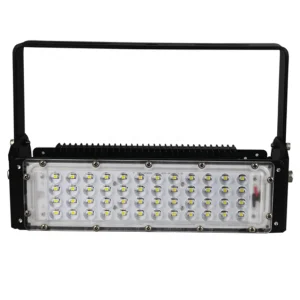
The performance of high-power outdoor LED floodlights is directly determined by the efficacy of their heat dissipation structures. When driver units push currents through LED semiconductor junctions, up to 70% of the energy is converted into heat rather than light. If the junction temperature exceeds 85°C, phosphorus degradation accelerates, leading to rapid color temperature shifting (chromaticity drift) and early lumen degradation.
At Yangzhou OneAll Lights, our engineering teams address this by utilizing die-cast A380 structural aluminum with integrated thermal chimneys. These vertical cooling channels promote natural convection, carrying heat away from the PCB. Furthermore, the integration of premium thermal interface materials (TIMs) with thermal conductivities exceeding 3.0 W/mK ensures that heat generated at the chip level is immediately conducted to the external radiator fins.
As cities move toward smart networks, outdoor lighting installations must comply with strict regional energy standards. In Europe, ErP (Energy-related Products) directives require high levels of luminous efficacy (lm/W), while the DLC (DesignLights Consortium) standards in North America dictate strict performance criteria for utility rebate eligibility. Additionally, IDA (International Dark-Sky Association) parameters specify strict limits on upward light output (U-rating in the BUG system: Backlight, Uplight, and Glare) to preserve natural night environments and protect wildlife.
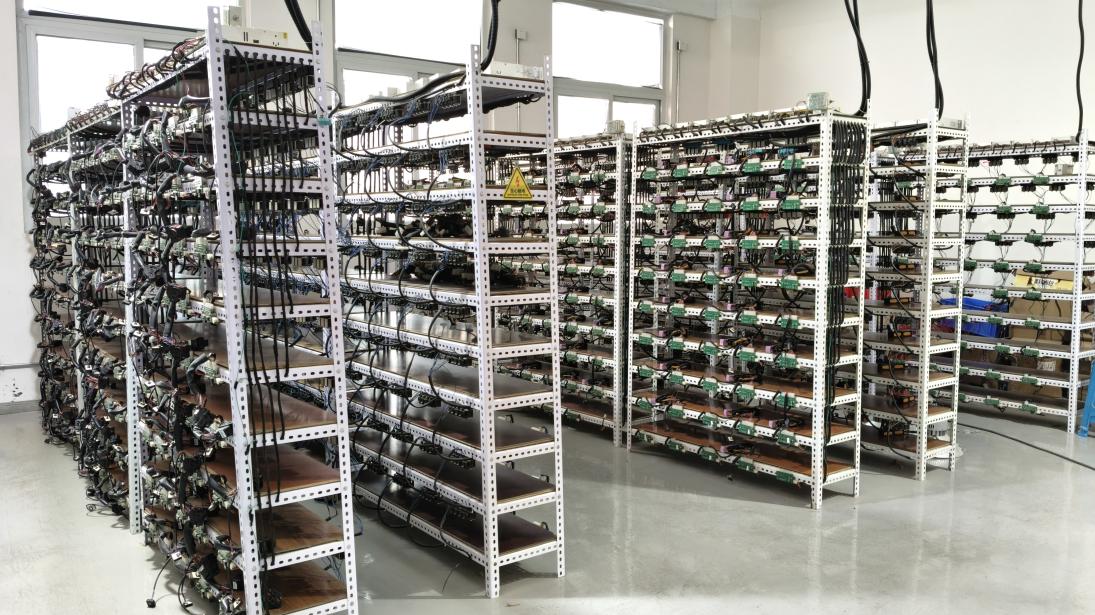
Every stage of production—from the automated placement of SMT diodes to heavy metal structural fabrication and high-pressure sealing—is completed under rigorous quality control standards.






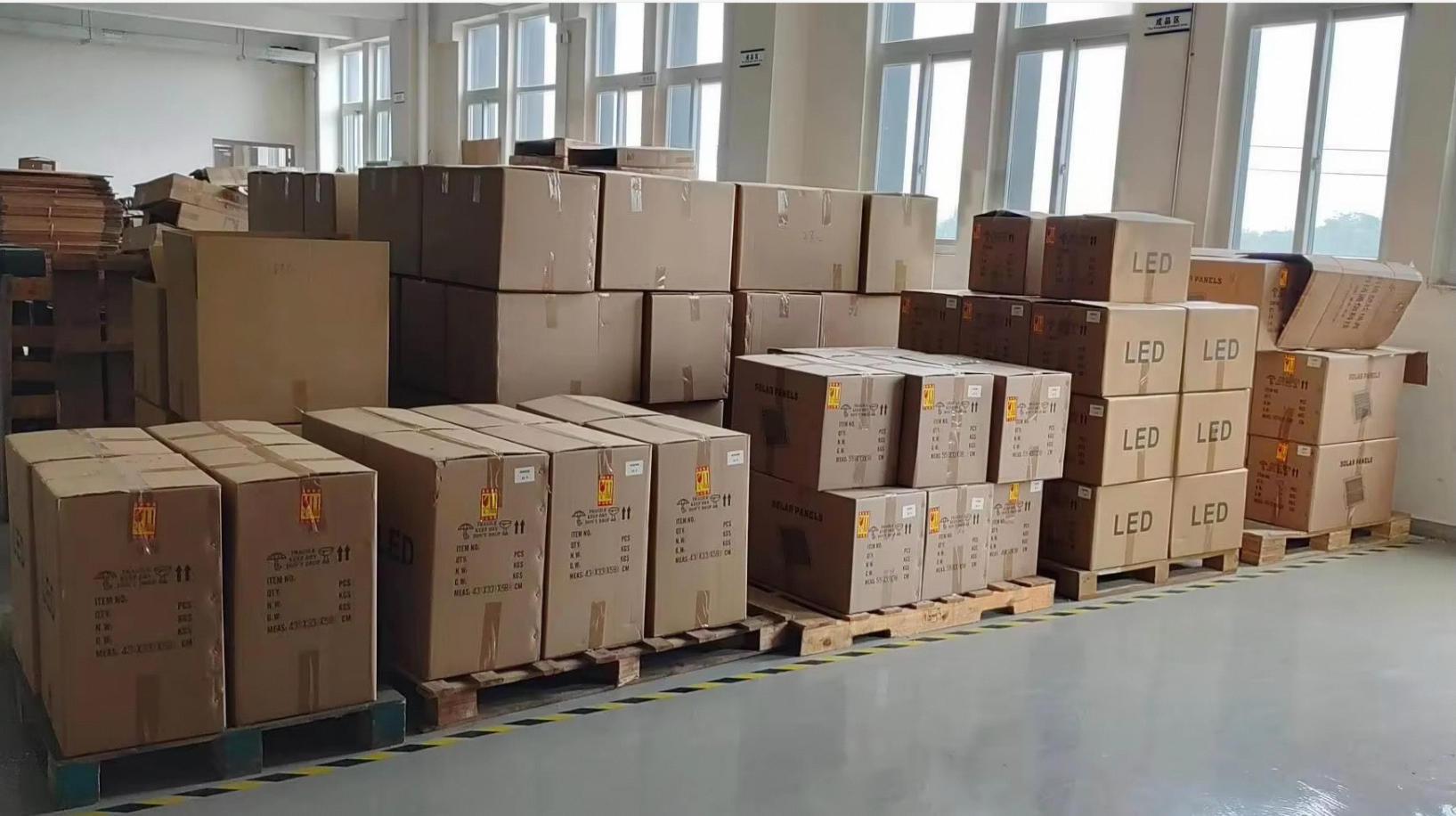

Innovating for the next generation of smart city structures, focusing on high energy density, modular electronics, and adaptive lighting.
To achieve high efficiency, we are transitioning our product lines to high-power, multi-junction LED arrays that deliver up to 210 lm/W at the chip level. By coupling these chips with high-performance PMMA (Polymethyl Methacrylate) lenses, we achieve beam patterns tailored to asymmetrical street, tunnel, and highway structures.
Our outdoor lighting products support modern control systems. By incorporating standardized NEMA (7-pin) and Zhaga receptacles, our luminaires can be fitted with photocell sensors, motion sensors, and central management nodes utilizing LoRaWAN, Zigbee, or cellular NB-IoT communication protocols.
Coastal highways, high-salinity shipping ports, and high-humidity industrial zones expose lighting fixtures to intense oxidation. Our structures are treated with multi-layer powder coatings that pass the 1000-hour ASTM B117 salt spray test, ensuring structural integrity over long operational lifespans.
| Operating Temp | -40°C to +55°C |
| Surge Protection | 10kV / 20kV (IEC61000-4-5) |
| Color Rendering | Ra > 70 / 80 / 90 Options |
| Maintenance Ratio | L90B10 > 50,000 Hours |
Clear answers to technical specifications, sourcing procedures, customization, and logistics support.
Discover additional outdoor lighting models designed for municipal pathways, commercial squares, industrial yards, and high-mast installations.
 OneAll Lights