Engineered for high-mast public lighting, stadiums, urban roadways, and industrial zones worldwide.
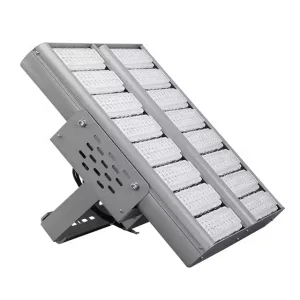
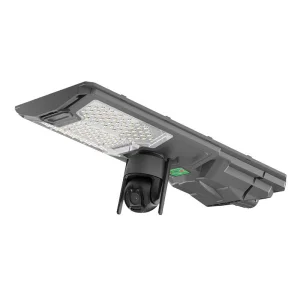
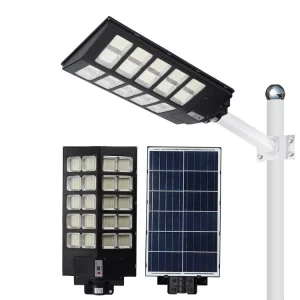
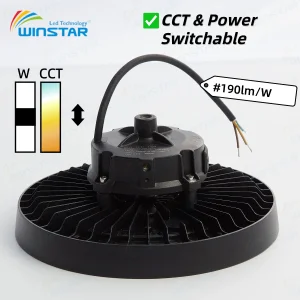
Why modern infrastructure demands Split Solar Photovoltaic Systems over legacy integrated designs.
In high-output photovoltaic projects, thermal management is the leading factor limiting system lifespan. Integrated (All-in-One) solar configurations inherently suffer from concentrated thermal stresses. Placing the battery pack, charge controller, and high-wattage LED arrays directly behind the solar panel subjects the system to high temperatures, reducing lithium-ion battery efficiency and shortening solar panel lifespan.
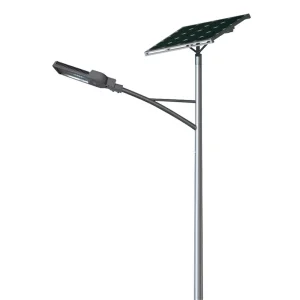
By contrast, Split Solar Systems isolate key components. Decoupling the photovoltaic panel from the luminaire and battery enclosure yields significant thermodynamic advantages:
For municipal installations where continuous uptime is critical, split architectures offer a distinct advantage. Because the solar panel is not fixed to the chassis of the light pole or fixture, it can be adjusted to match regional solar angles, boosting annual power generation by 20% to 35% compared to integrated panels.
Our heavy-duty aluminum mounting brackets are structured to endure coastal typhoons and wind loads up to Class 14 (160 km/h) without deformation. Additionally, our specialized fluorocarbon coatings resist UV radiation, salt spray, and chemical degradation in harsh conditions.
As governments and commercial enterprises globally push toward carbon neutrality, split solar power systems have moved from niche solutions to primary infrastructure standards. Key application areas include:
Standard solar designs can struggle in diverse global environments. At Yangzhou OneAll Lights, we analyze local meteorological data to customize each split solar configuration:
Sub-Saharan Africa & Middle East (High Dust & Heat): We configure panels with high-dust-tolerance anti-reflective coatings, paired with deep-cycle LiFePO4 batteries buried in ventilated, heat-insulated sub-surface vaults to prevent thermal degradation.
High-Latitude Nordic and Canadian Regions (Low Sunlight & Snow): Systems are engineered with specialized steep-angle adjustable mounts (up to 60°) to shedding snow naturally and capture low-angle winter sunlight. In addition, low-temperature heating elements are integrated into the Battery Management System (BMS) to support efficient charging in sub-zero environments.
Coastal & Marine Zones (Corrosion & Hurricanes): We use anodized aluminum (6063-T6) and 316 stainless steel mountings, protected by anti-corrosive marine paints, to resist persistent salt-spray and high humidity.
Moving from traditional P-type Perc cells to next-generation N-type TOPCon monocrystalline cells, raising conversion efficiency from 20% to 22.8% and improving performance in low-light conditions.
Integrating 4G, WiFi, and LoRaWAN transceivers into our charge controllers. This allows municipal operators to monitor battery health, dim lights remotely, and retrieve real-time energy production data via a centralized platform.
We are researching solid-state lithium-metal technologies to replace liquid electrolytes, aiming to double energy density and extend the operating temperature range from -40°C to +80°C.
A closer look at our advanced production systems, automated processing lines, and strict quality control workflows in Yangzhou, China.
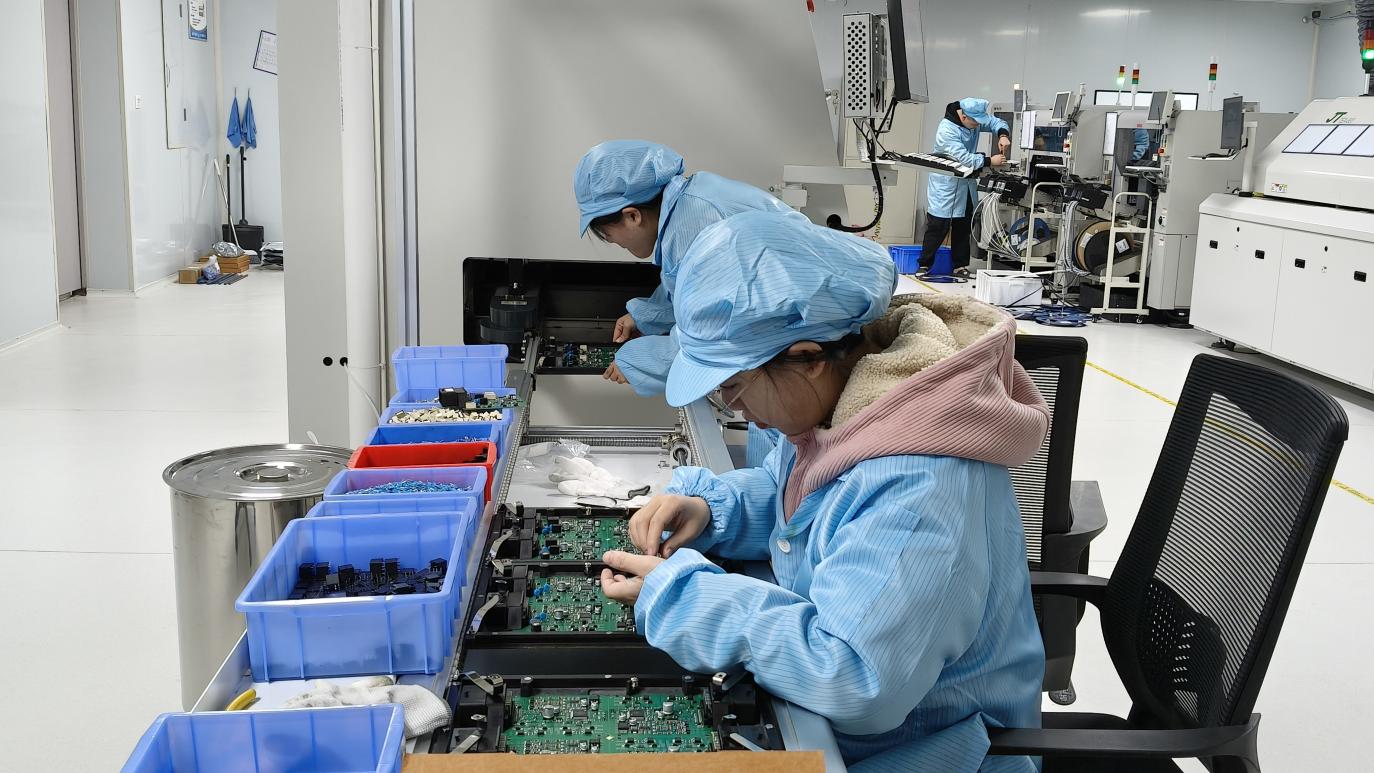
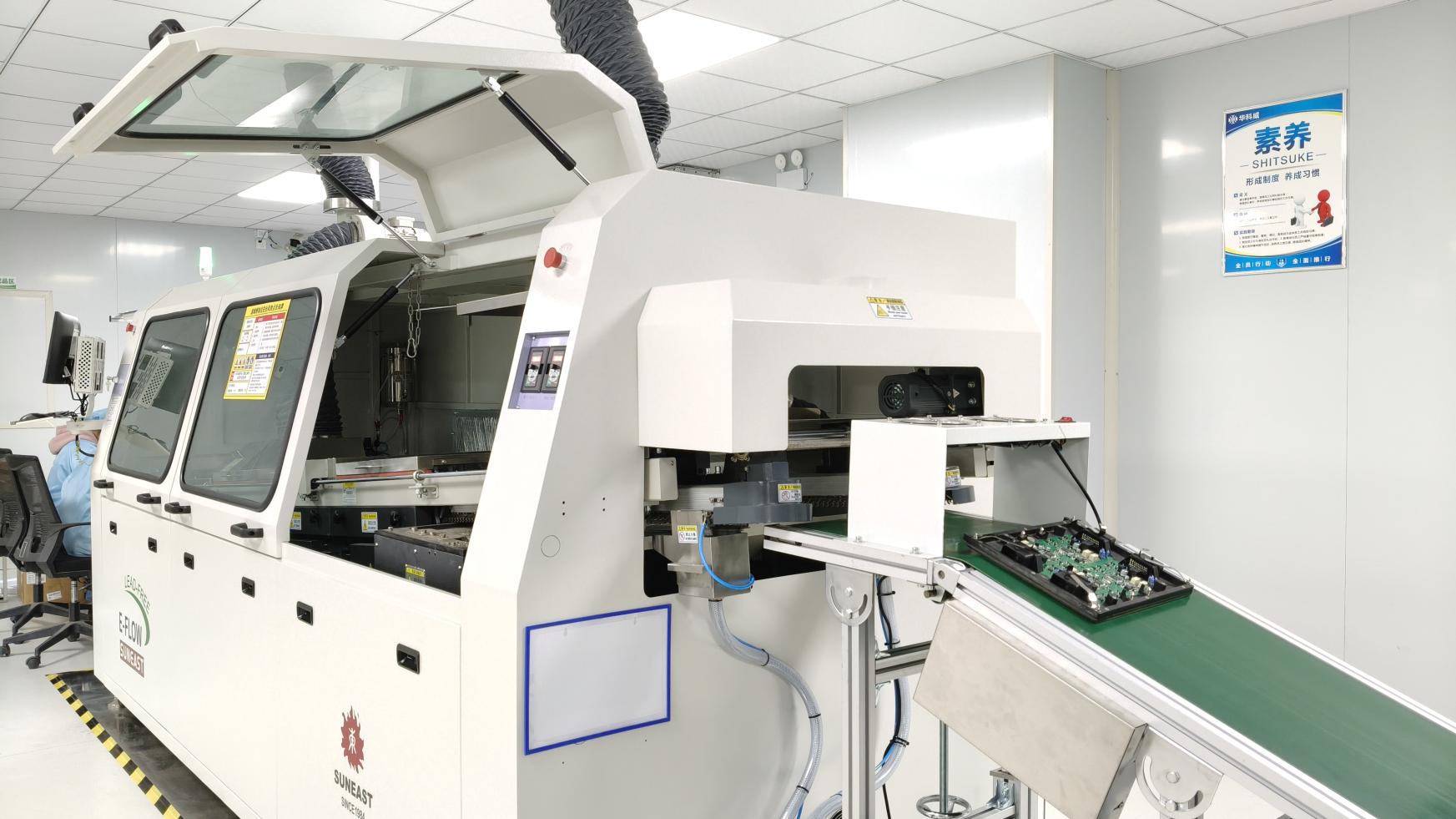

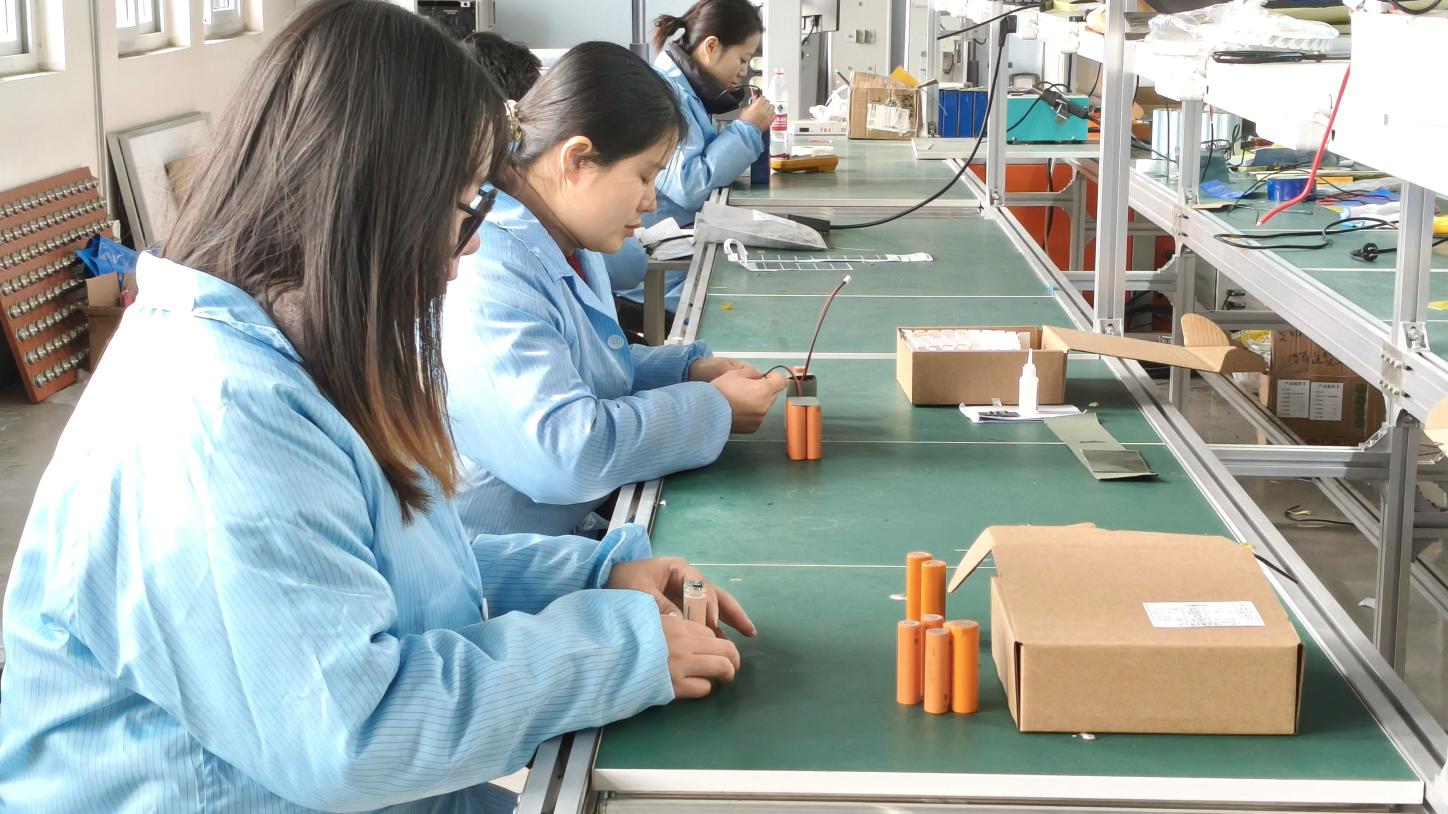
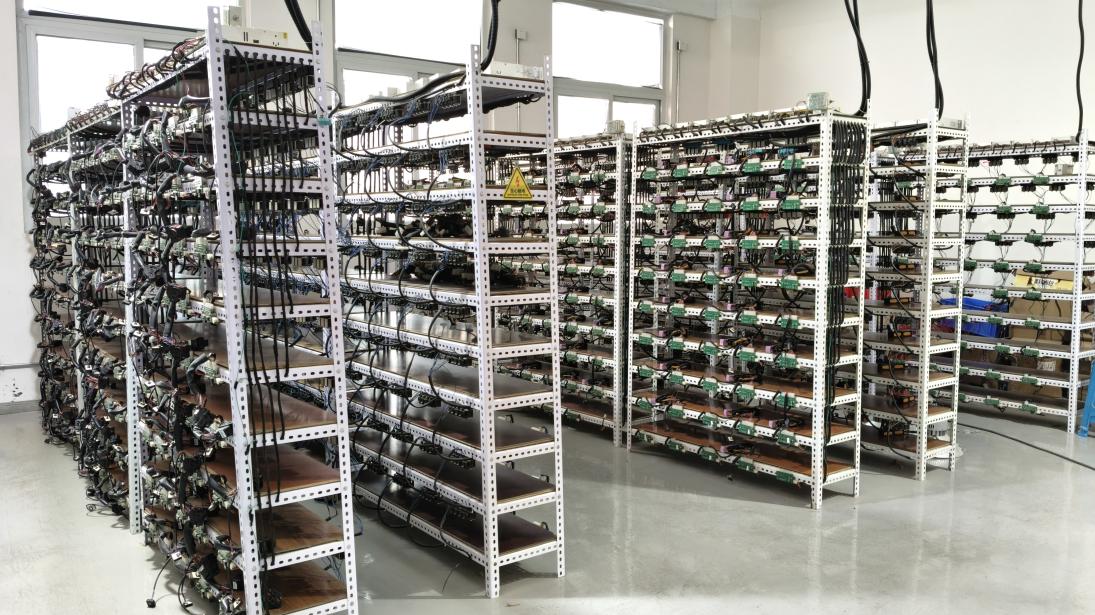
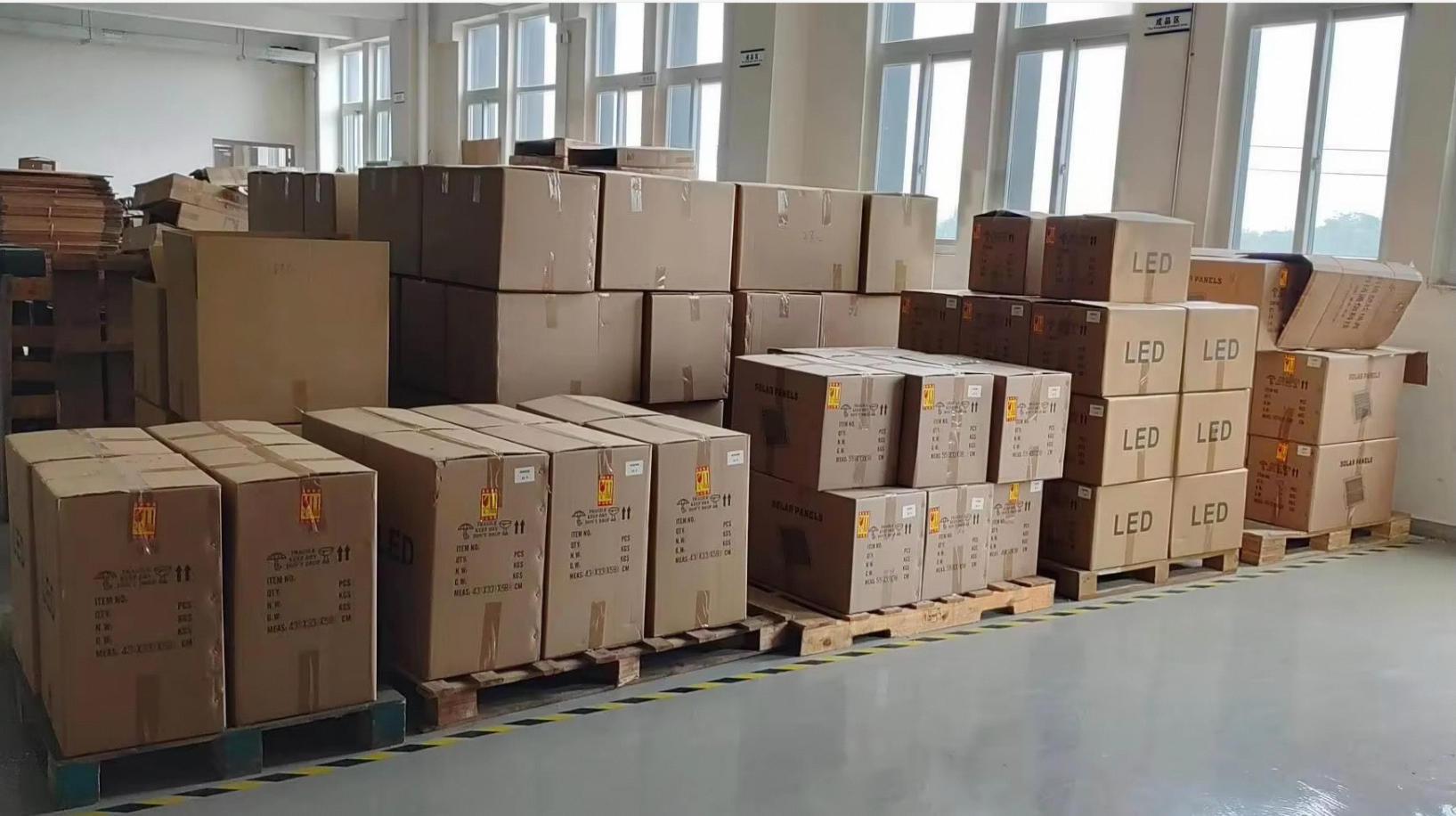
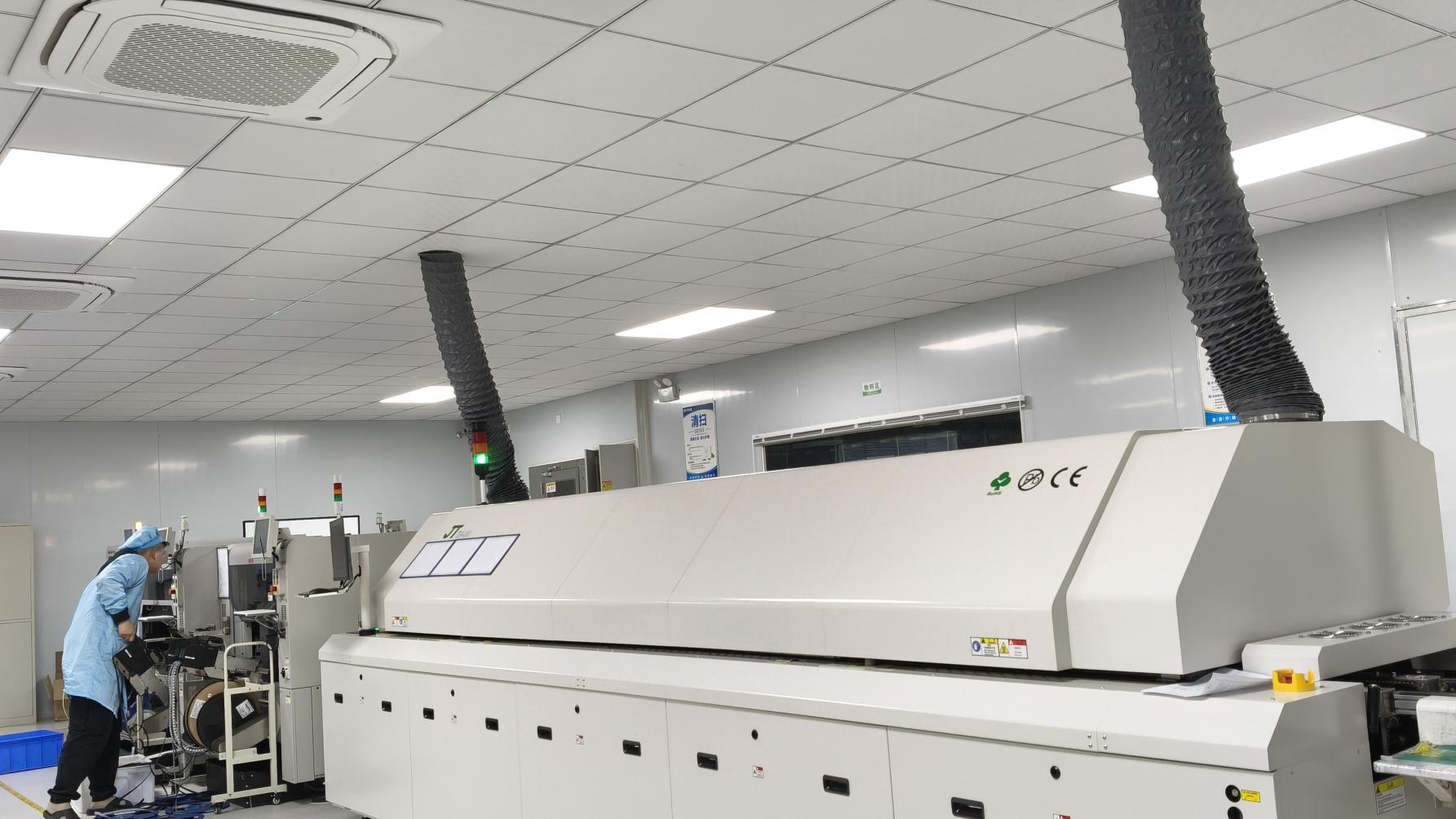
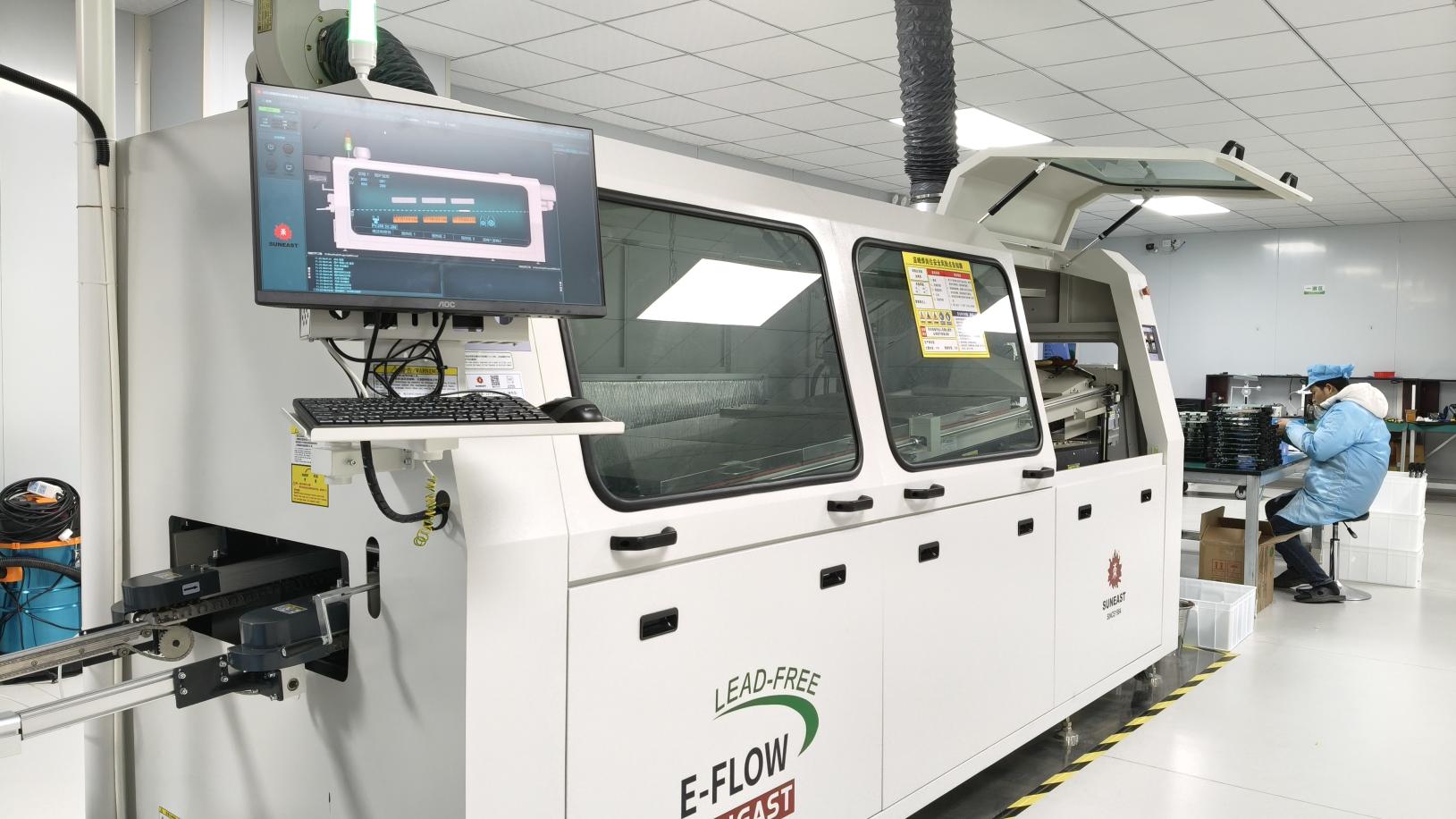
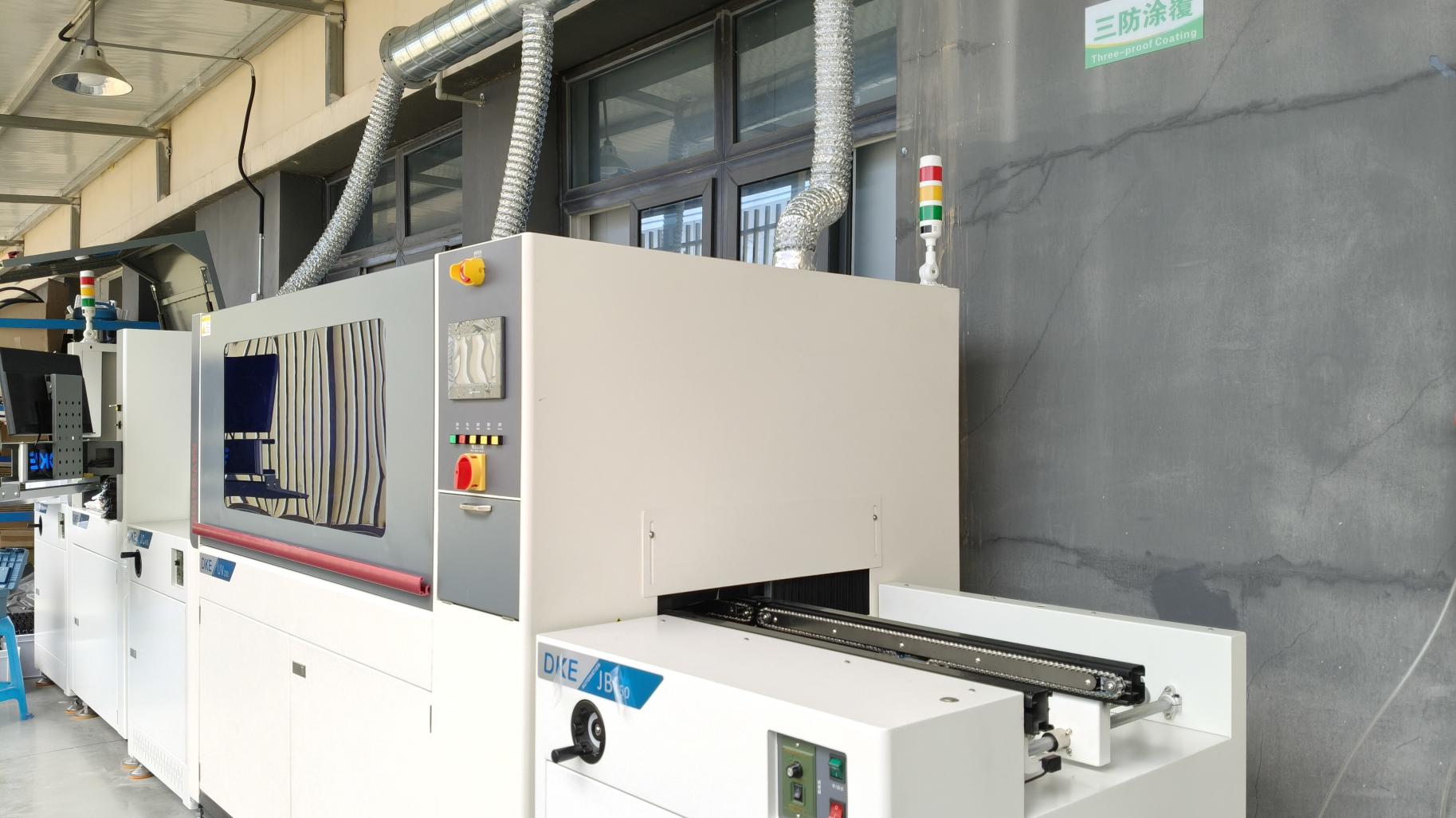
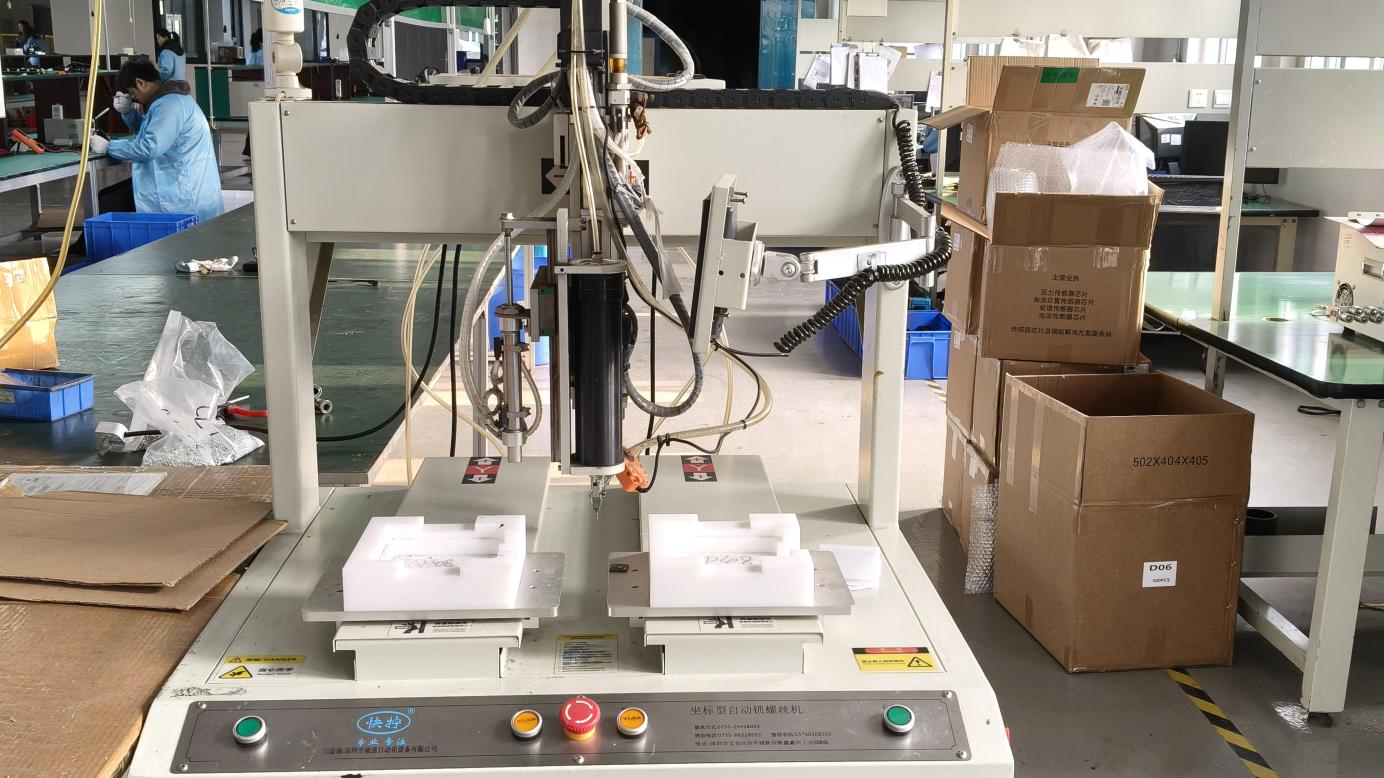
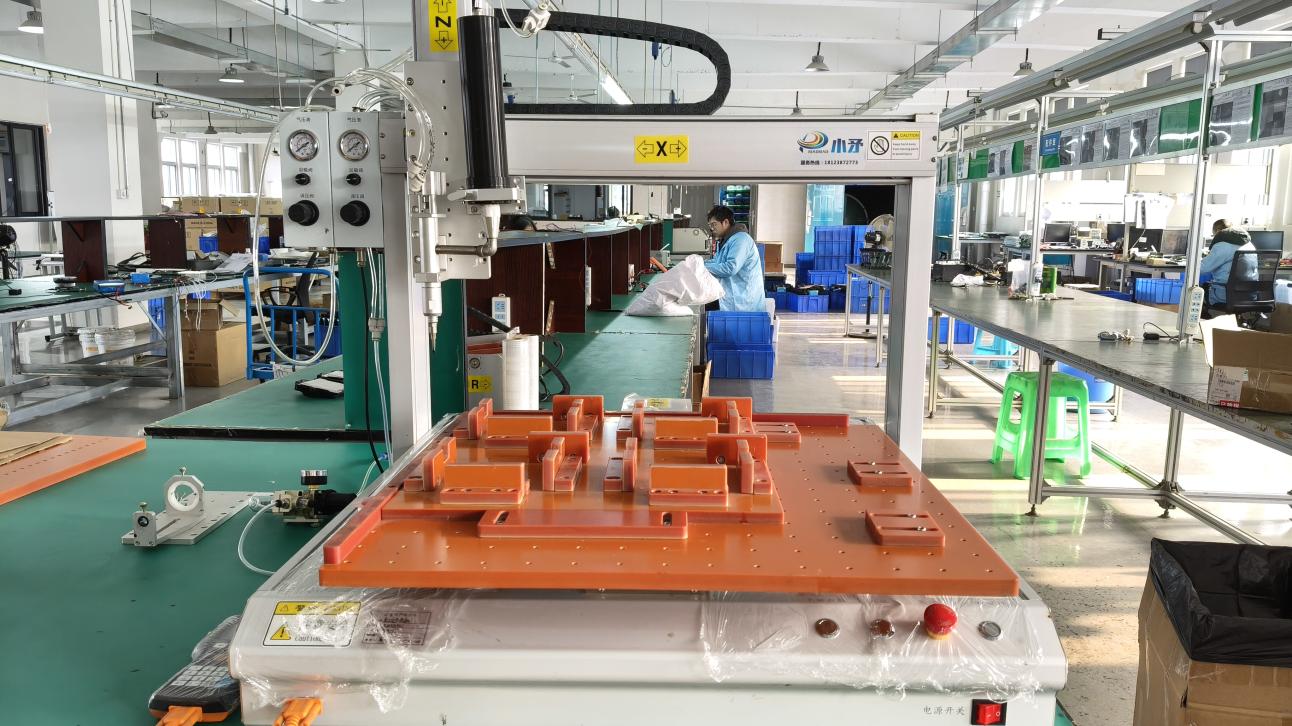
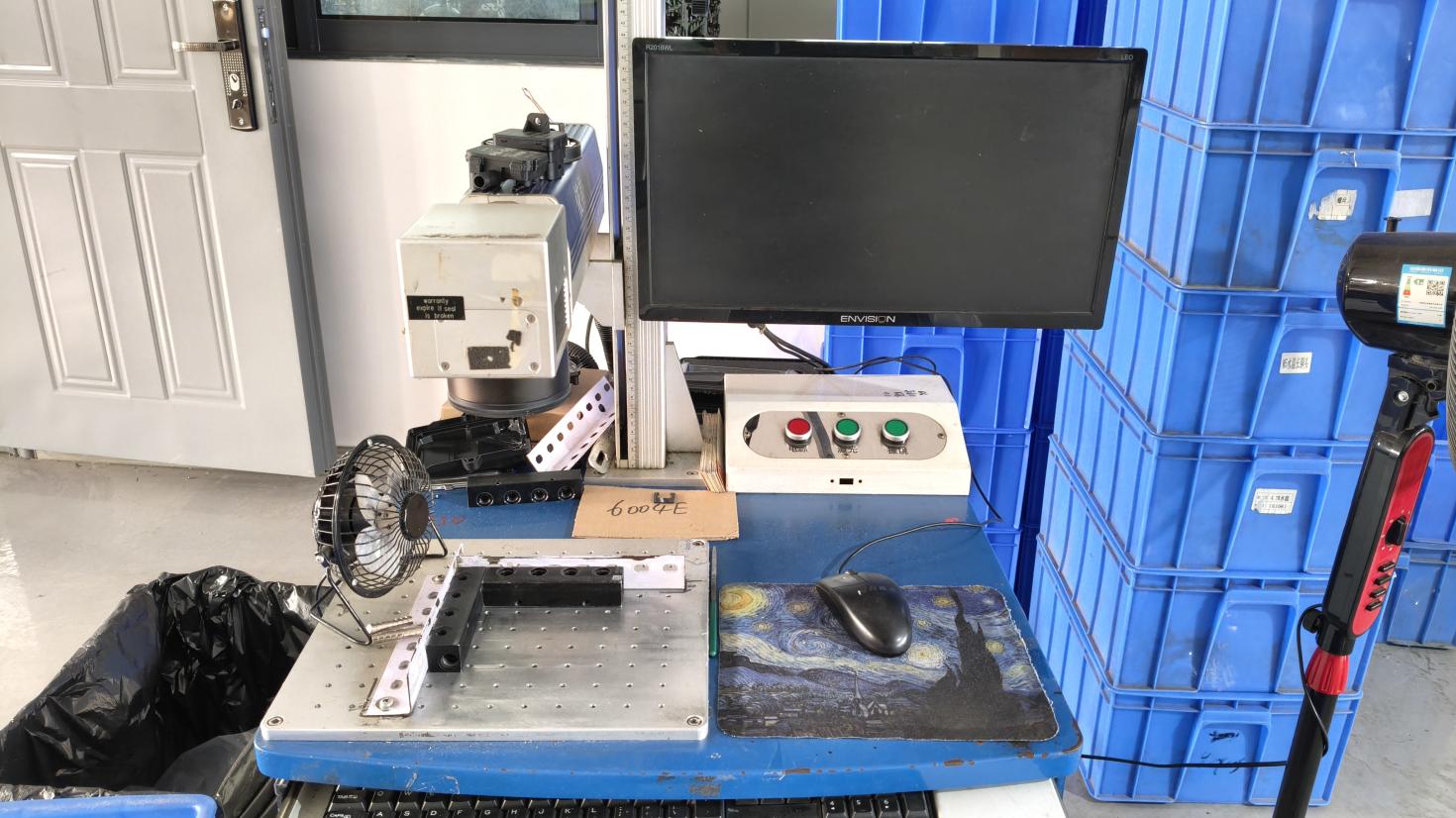
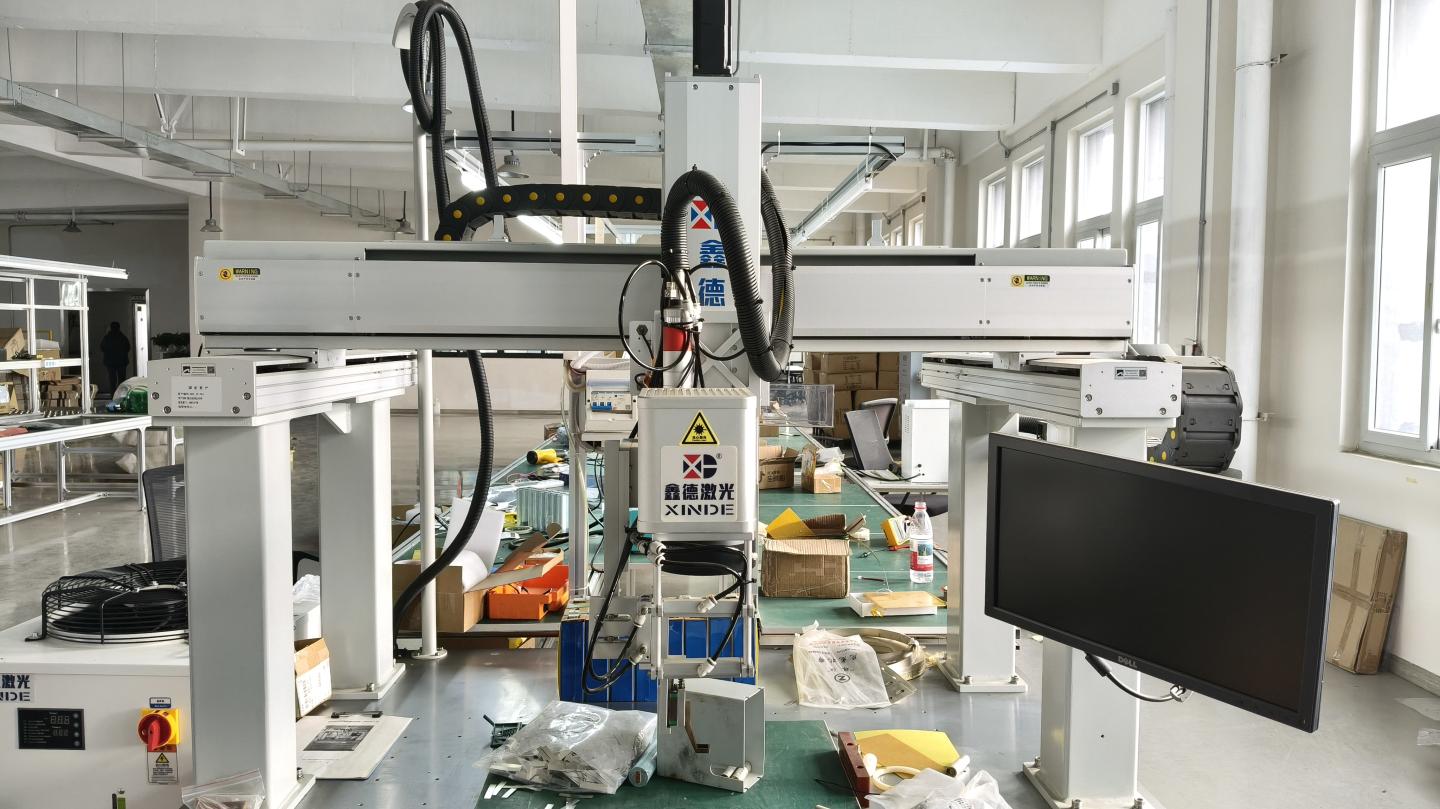
Founded in 2003 in Yangzhou, Jiangsu Province, China, Yangzhou OneAll Lights Co., Ltd. has grown into a leading manufacturer of premium outdoor lighting and photovoltaic solutions. Over the past two decades, we have continuously upgraded our manufacturing capabilities, investing in advanced automated production lines.
Our facility is equipped with automated CNC bending machines, submerged arc welding systems, high-precision laser cutters, and electrostatic powder coating lines. By managing these critical manufacturing processes in-house, we maintain complete control over quality and lead times. Our automated SMT lines, wave soldering machines, and automated gluing stations ensure consistent precision across all electronic sub-assemblies. Every batch undergoes rigorous testing, including IP66 ingress checks, spectrophotometric evaluations, and thermal-cycle aging tests, to guarantee long-term reliability in the field.
How we help international EPC contractors, distributors, and municipal buyers meet local regulations.
All products are certified to meet international safety and performance standards. Our factory maintains ISO9001 and ISO14001 certifications, and our products carry CE, CQC, CCC, and RoHS markings, ensuring smooth customs clearance and local regulatory approval.
We support project planners with detailed DIALux lighting simulations. By calculating illuminance levels, pole spacing, and uniformity ratios before production, we help ensure your project meets municipal road and safety standards.
We offer full OEM and ODM customization. Whether you require specific housing colors, integration with smart city controllers, or high-capacity batteries for long autonomy times, our engineering team can design a solution for your needs.
Explore our high-power solar streetlights, landscape floodlights, and horticultural lighting solutions.
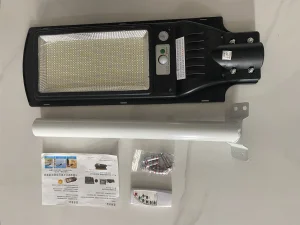
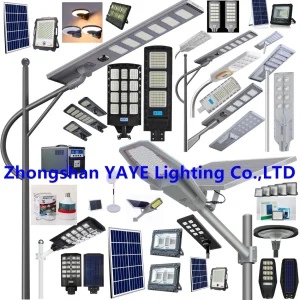
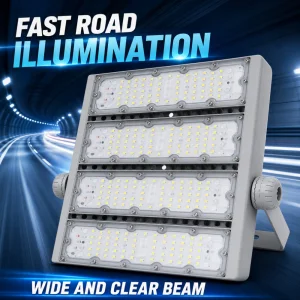
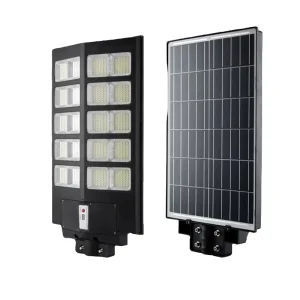
Get answers to common questions about configuring, installing, and importing split solar systems.
 OneAll Lights