Engineered to deliver exceptional luminous efficacy, long-term durability, and smart-grid compatibility.
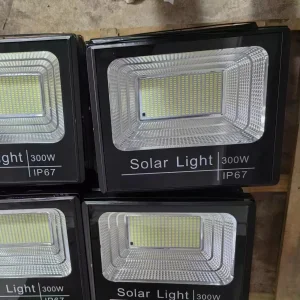
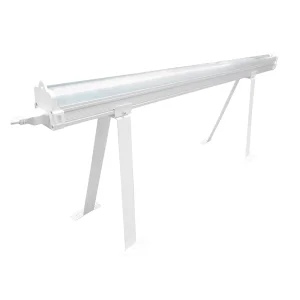
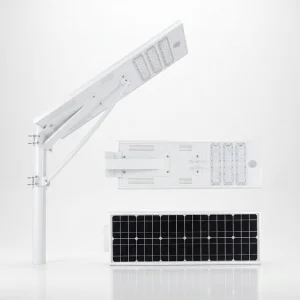
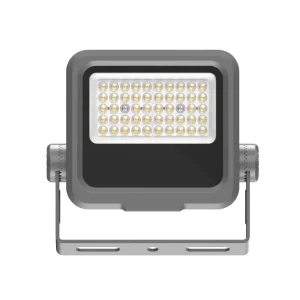
Unveiling technical requirements, manufacturing ecosystems, and optical technologies shaping high-mast structures.
In municipal and industrial infrastructure engineering, high mast lighting (poles generally exceeding 15 meters) acts as the backbone for high-risk, high-occupancy locations such as international marine terminals, airport aprons, multi-tier freeway interchanges, and professional sports arenas. Modern system designers are navigating a rapid technological transition from traditional High-Pressure Sodium (HPS) and Metal Halide (MH) systems to advanced solid-state LED systems. This paradigm shift involves critical factors including thermodynamic management, optical beam shaping, power supply reliability, and mechanical structural engineering.
Junction temperature (Tj) directly correlates with lumen maintenance. Advanced heat sinks using ADC12 grade die-cast aluminum with multi-channel air convection design prevent thermal throttling, ensuring a verified L70 lifetime exceeding 100,000 hours.
High mast luminaires require specialized asymmetric lenses (e.g., Type III, Type IV, or specific 30°/60°/90° beam angles) to control beam distributions, eliminate spill-over light, avoid glare in sensitive zones, and maximize uniformity ratios.
By implementing standard NEMA 3-Pin, 5-Pin, or 7-Pin receptacles, high mast fixtures can interface with DALI-2, Zigbee, or LoRaWAN nodes for remote dimming, real-time power measurement, and predictive failure analysis.
Key parameters engineering departments must review when comparing global suppliers.
| Evaluation Parameter | Industrial Grade Requirement | Critical Engineering Impact |
|---|---|---|
| Luminous Efficacy | 140 lm/W to 180 lm/W | Minimizes operational energy usage and system loading on structural electrical circuits. |
| Surge Protection Device (SPD) | 10kV / 20kV (IEC 61643-11) | Protects the integrated solid-state LED driver from catastrophic grid surges and lightning strikes. |
| Impact Protection (IK Rating) | IK08 to IK10 certified | Determines resilience against high winds, airborne debris, and vibrations in stadium/harbor areas. |
| Ingress Protection (IP Rating) | IP66 or IP67 dual-chamber design | Ensures absolute exclusion of dust, moisture, and water vapor from optical and electronic compartments. |
| Total Harmonic Distortion (THD) | < 15% (Typical < 10%) at full load | Reduces structural power losses and electromagnetic interference on sensitive communications gear. |
| Color Rendering (CRI / TLCI) | CRI > 70 (Industrial), CRI > 90 / TLCI > 90 (Sports Broadcasting) | Supports high-resolution camera tracking, slow-motion TV replay, and worker safety during night operations. |
An objective, tech-centric analysis of leading global manufacturers based on optical engineering, supply chain capabilities, and structural reliability.
Core Focus: Enterprise Smart-Cities & Sport Venues.
Technical Edge: High integration with their proprietary Interact City management software. Their high-mast floodlights feature custom multi-lens plates providing optimized horizontal and vertical light distributions with UGR (Unified Glare Rating) below 19. Excellent thermal dissipation through engineered composite heat dissipation systems.
Core Focus: Extreme Efficacy & High-End Optics.
Technical Edge: Cree's proprietary silicon carbide LED chips provide industry-leading lumens-per-watt (up to 180 lm/W). Their optical platforms minimize spill-over light, making them the standard choice for airports and wildlife-sensitive coastal zones where strict light pollution controls are enforced.
Core Focus: Stadium and Large-Scale Arena Illumination.
Technical Edge: Musco is renowned for temporary and permanent sports installations. They specialize in glare control (Total Light Control - TLC) using custom reflector setups that concentrate light precisely onto the target playing surface while maintaining dark sky compliance overhead.
Core Focus: Commercial, Industrial, and Marine Terminals.
Technical Edge: Hubbell manufactures heavy-duty fixtures engineered with salt-spray resistant, TGIC polyester powder coat finishes. Their high mast lights feature rugged copper-free aluminum housings, ideal for seaside port terminals subject to continuous corrosive atmospheres.
Core Focus: Custom Pole & Luminaire Integrated High Mast Systems.
Technical Edge: With over 20 years of manufacturing experience, they integrate high-mast structural steel pole engineering directly with state-of-the-art LED optical fixtures. Their modern production base leverages robotic submerged arc welding and advanced electrostatic powder lines to deliver custom, wind-resistant structural solutions (up to 60m/s) with full OEM/ODM flexibility.
Core Focus: Smart Infrastructure & Dynamic Architectural Lighting.
Technical Edge: Schréder’s Owlet IoT control system is a leader in dynamic light scheduling. Their high mast solutions feature customizable modular optical engines, enabling engineers to tailor the photometric profile of a single fixture to match variable roadway widths and terminal layouts.
Core Focus: European Infrastructure & Transit Hubs.
Technical Edge: Thorn emphasizes optical precision with their patented asymmetric distributions. Their luminaires are certified to reduce skyglow and are highly valued in European logistics parks and high-speed rail freight yards for safety-compliant uniformity ratios.
Core Focus: Municipal Roads & Industrial Operations.
Technical Edge: Known for the McGraw-Edison series, they use modular light square configurations that simplify maintenance. Should an individual LED array fail, it can be hot-swapped at the mast head without removing the entire luminaire, reducing long-term maintenance costs.
Core Focus: Hazardous Areas & Heavy Industry (ATEX/IECEx).
Technical Edge: Dialight specializes in intrinsically safe, explosion-proof high mast lighting. Designed for refineries, offshore oil rigs, and chemical processing facilities, their housings feature copper-free die-cast aluminum with a 10-year warranty on both drivers and optical systems.
Core Focus: Commercial Infrastructure & Rail Terminals.
Technical Edge: GE Current relies on advanced Daintree wireless controls, making large-scale dimming schemes effortless. Their high mast units feature high-efficiency light engines designed to perform under high ambient operating temperatures up to 55°C.
Why China remains the global epicentre for high mast structural and electrical engineering.
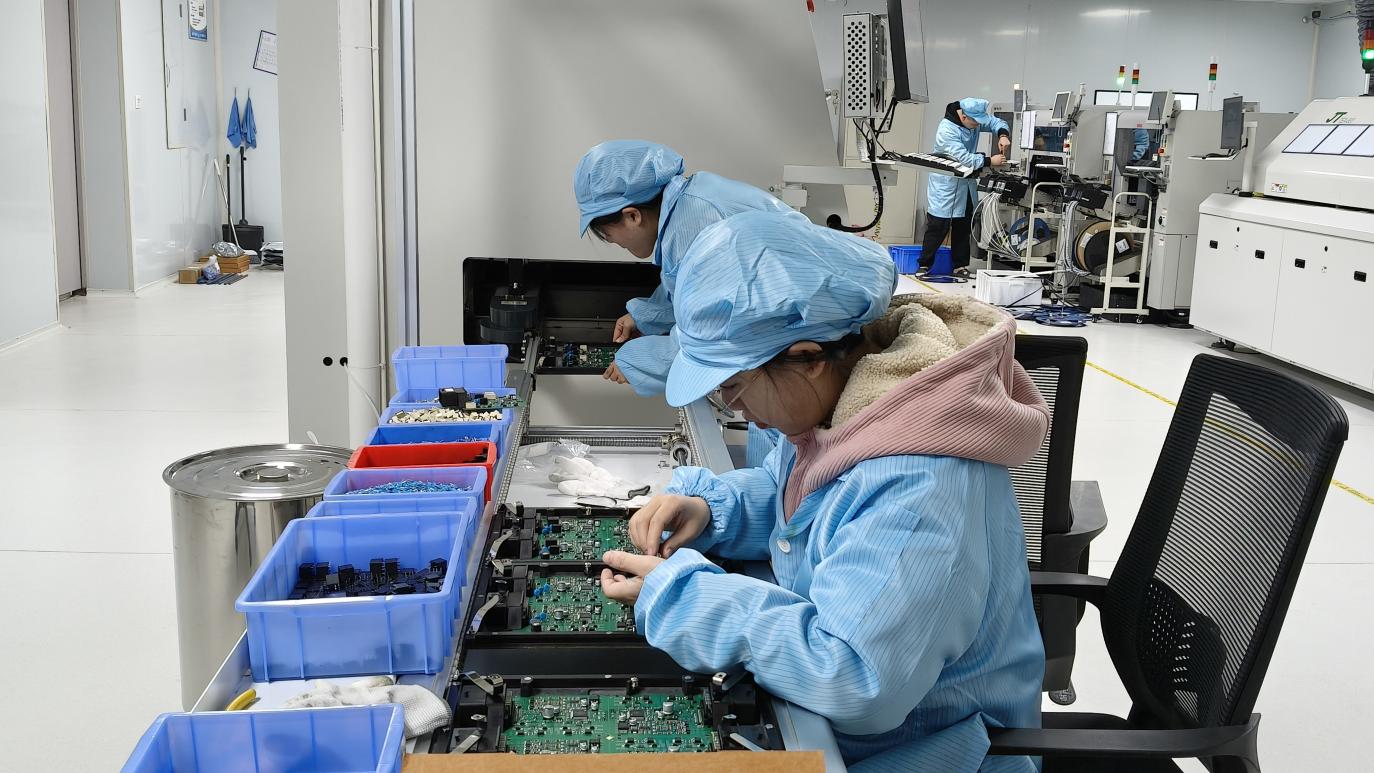
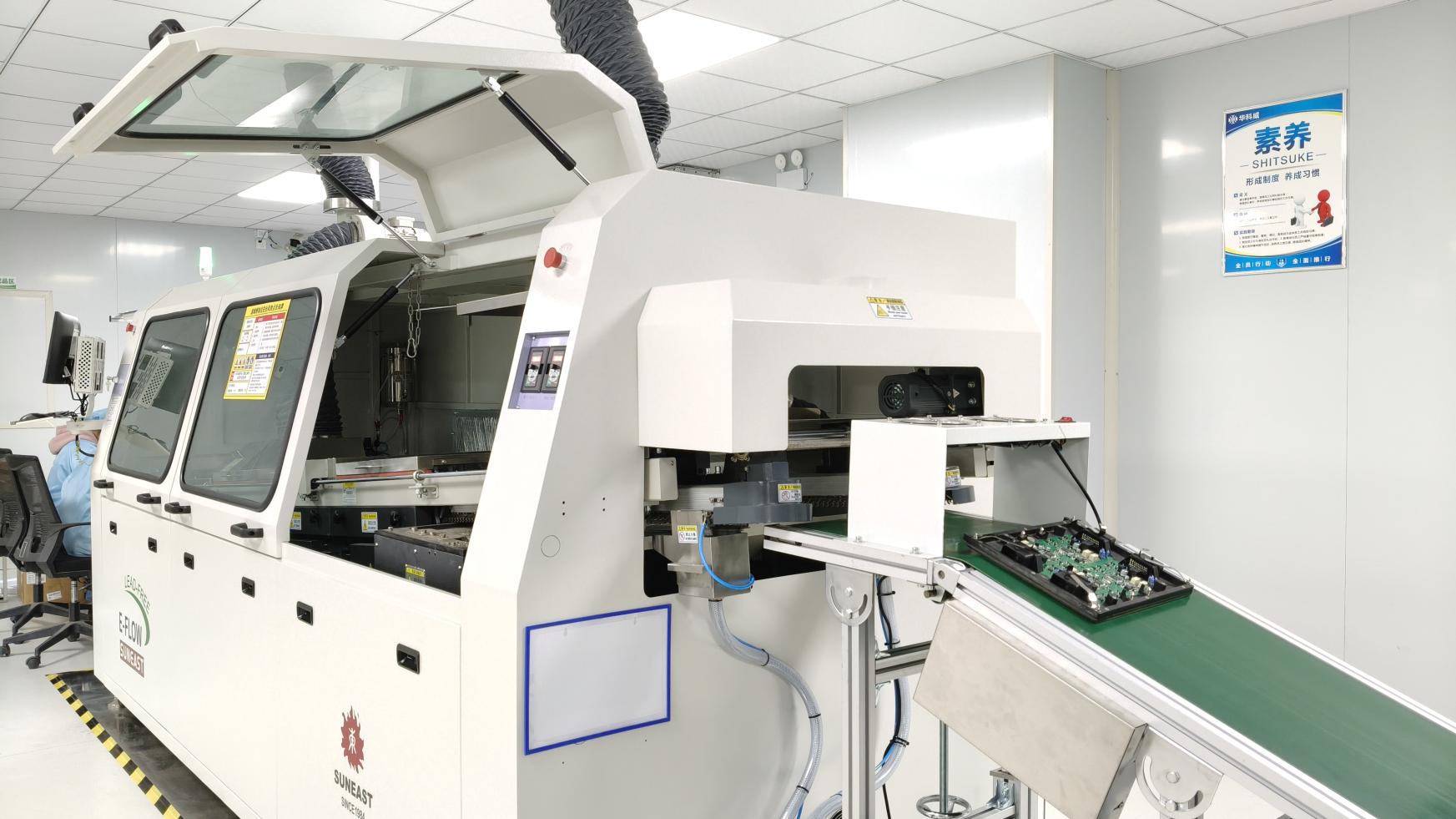
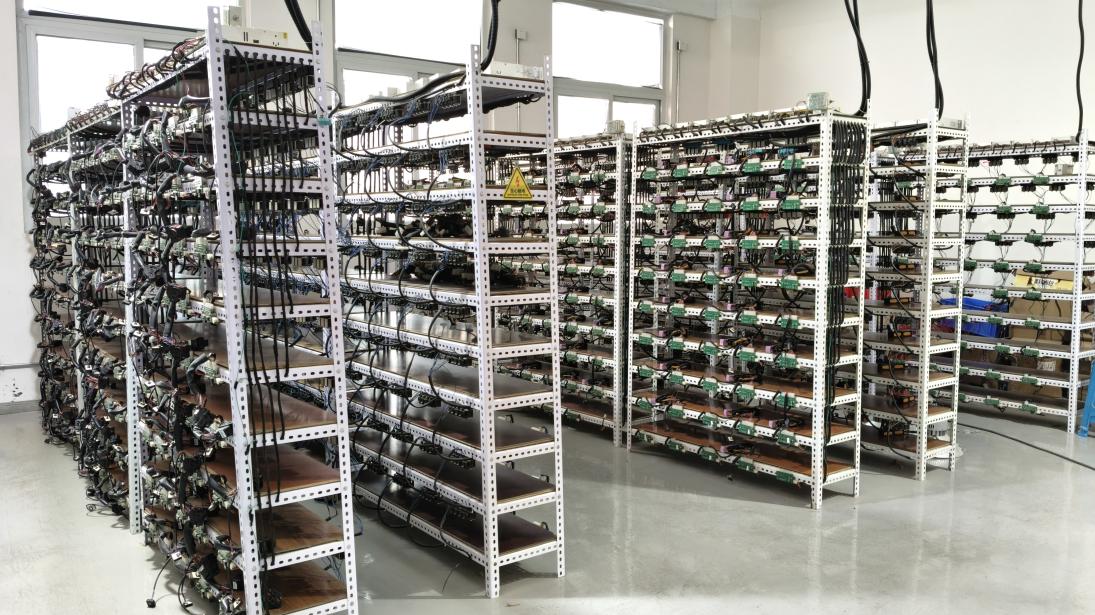
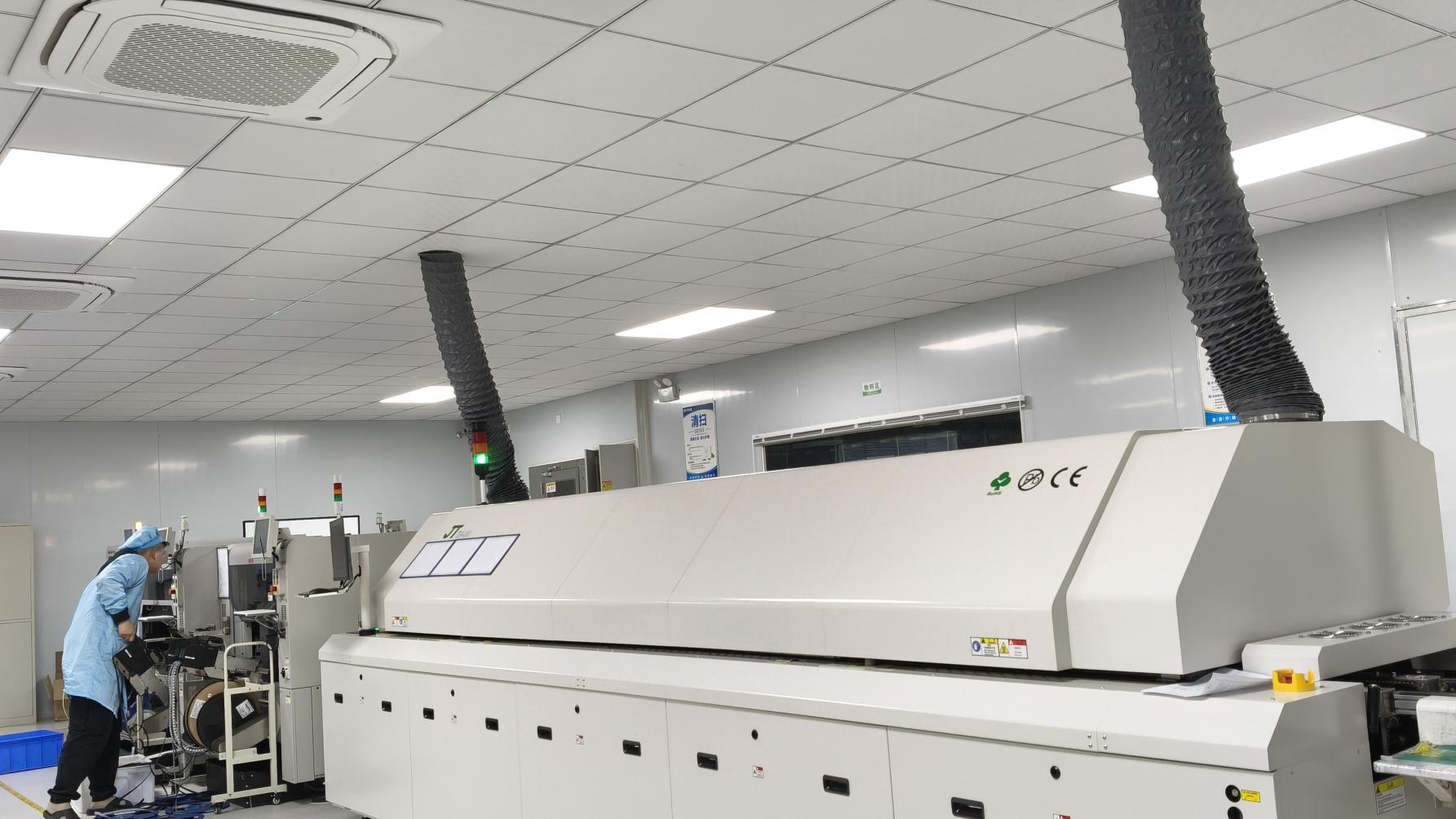
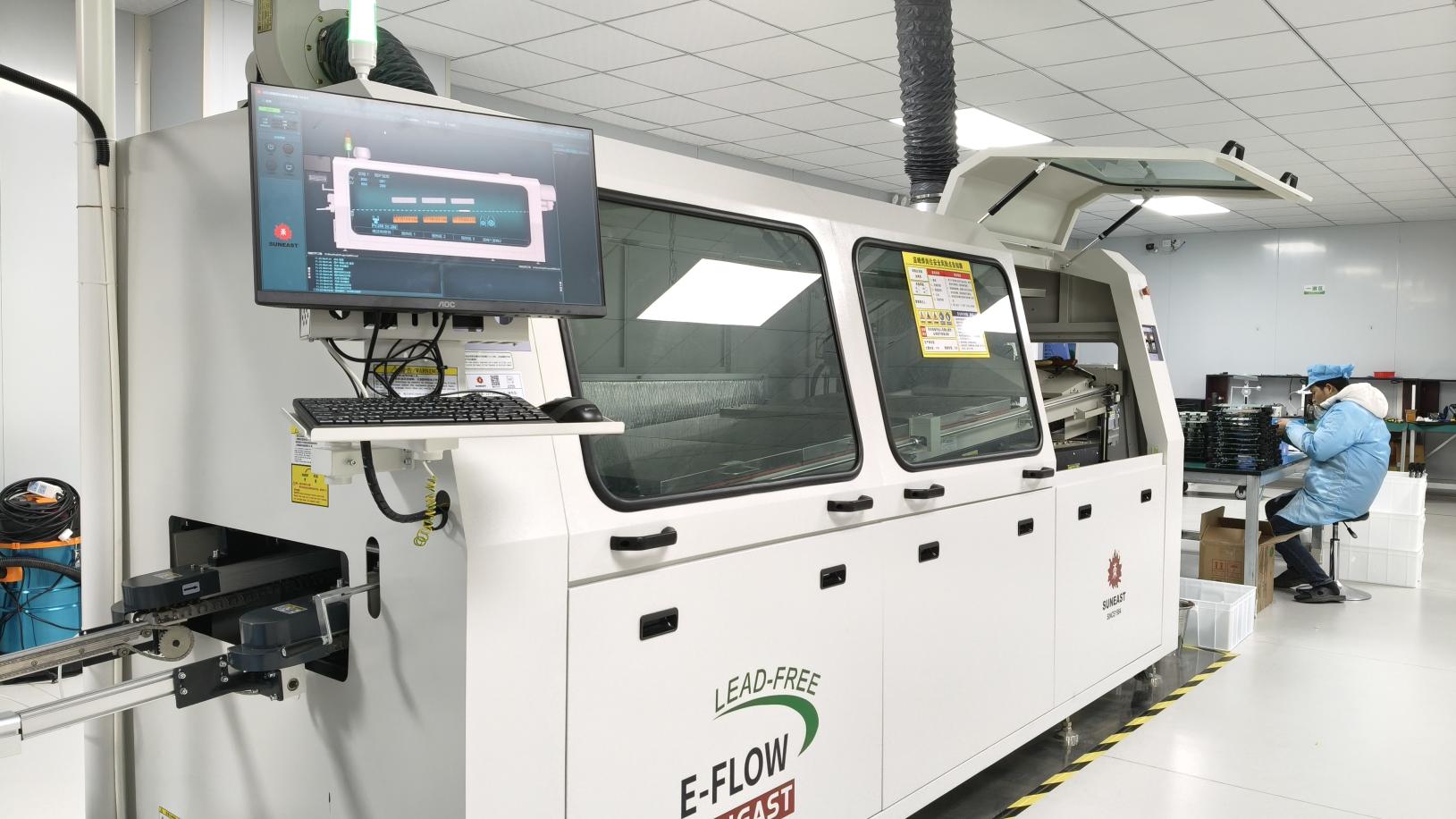
Sourcing high mast systems from China goes beyond simple unit economics; it is driven by a deep, localized supply chain ecosystem. Unlike regional assembly lines, industrial hubs such as Yangzhou (the lighting pole manufacturing capital) and Jiangsu Province offer vertical integration that covers raw steel processing, automated roll-forming, hot-dip galvanization, surface powder coatings, and advanced optoelectronic SMT production.
From the sourcing of high-grade Q355B structural steel to the integration of premium electronic components (such as Inventronics drivers and Lumileds LED chips), the entire manufacturing process is executed within a 50km radius. This efficiency translates to shortened lead times and competitive pricing.
High mast installations require custom structural engineering to withstand dynamic wind loads. Chinese manufacturers utilize automated high-tonnage CNC bending machines and robotic submerged arc welding to ensure structural integrity and consistent weld penetration throughout the pole shaft.
High-mast luminaires are exposed to severe atmospheric conditions. The proximity to advanced hot-dip galvanizing and electrostatic fluorocarbon coating facilities ensures that all metal parts achieve a rust-resistant barrier, capable of passing 1,000-hour salt spray testing.
Tailored lighting designs customized for diverse global industries and environments.
Conditions: Severe salt-spray, constant moisture, and structural vibration from heavy machinery.
Technical Solution: Systems require marine-grade C5-M anti-corrosion coating, IK10 structural impact protection, and asymmetric beam distributions to cast light between stacked cargo containers, ensuring worker safety and efficient crane operations.
Conditions: Strictest glare regulations (UGR < 19) to prevent pilot and air traffic control distraction.
Technical Solution: Sharp-cutoff, zero-uplight optical designs. These fixtures direct lumens downward to light the apron while avoiding upward light scatter, which interferes with navigational instruments.
Conditions: Fast-moving action, HD television broadcasting, and high spectator density.
Technical Solution: Flicker-free drivers (ripple current < 1%), high color rendering (CRI > 90, TLCI > 90), and targeted narrow-beam optics to project light across large field play areas without creating distracting shadows.
Over two decades of excellence in designing, manufacturing, and supplying global outdoor lighting systems.
Yangzhou OneAll Lights Co., Ltd. is a professional manufacturer and exporter specializing in outdoor lighting solutions. Established in 2003 and located in Yangzhou, Jiangsu Province, China, we have over 20 years of experience in the design, development, manufacturing, and supply of high-quality lighting products for customers around the world.
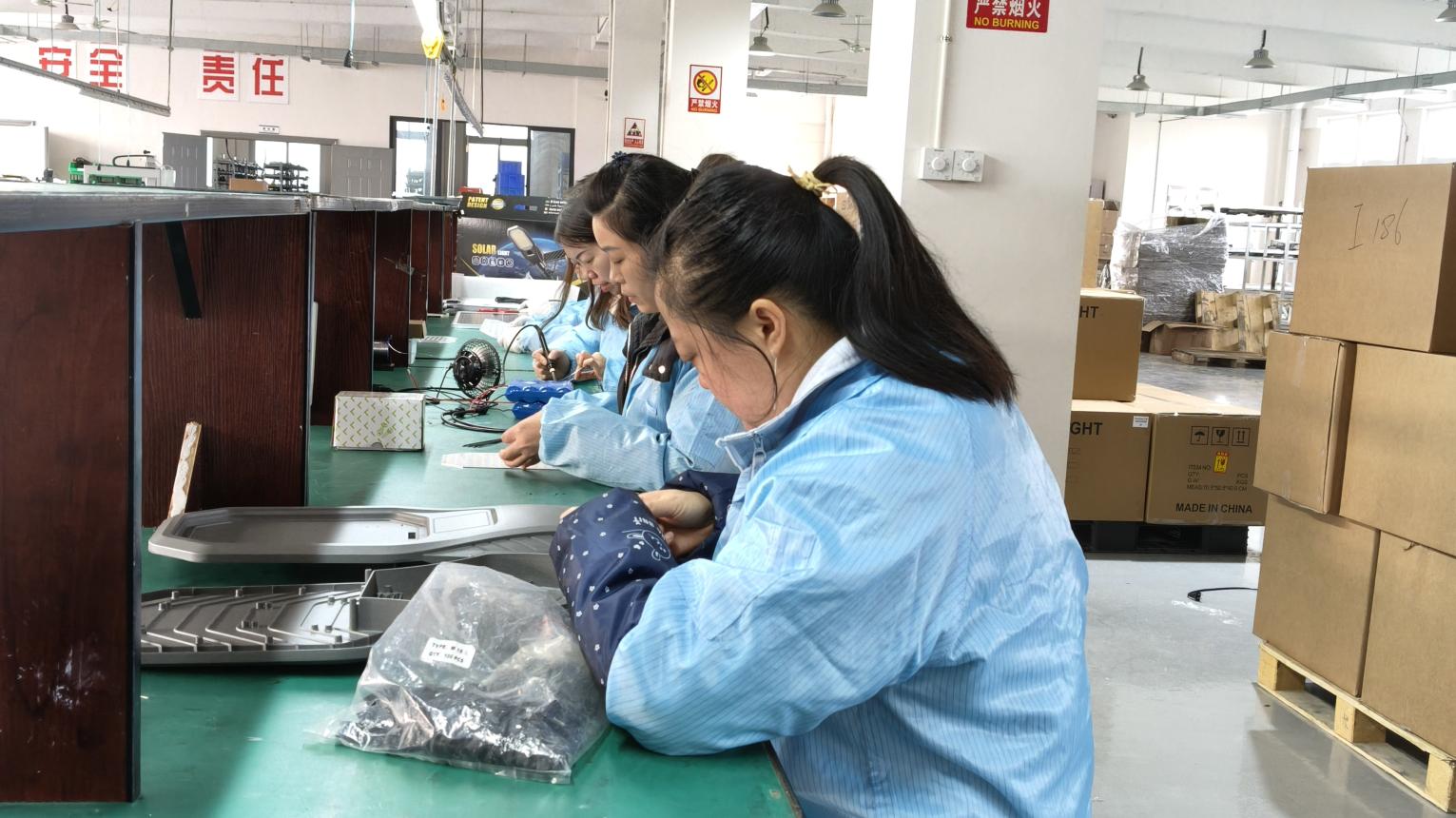
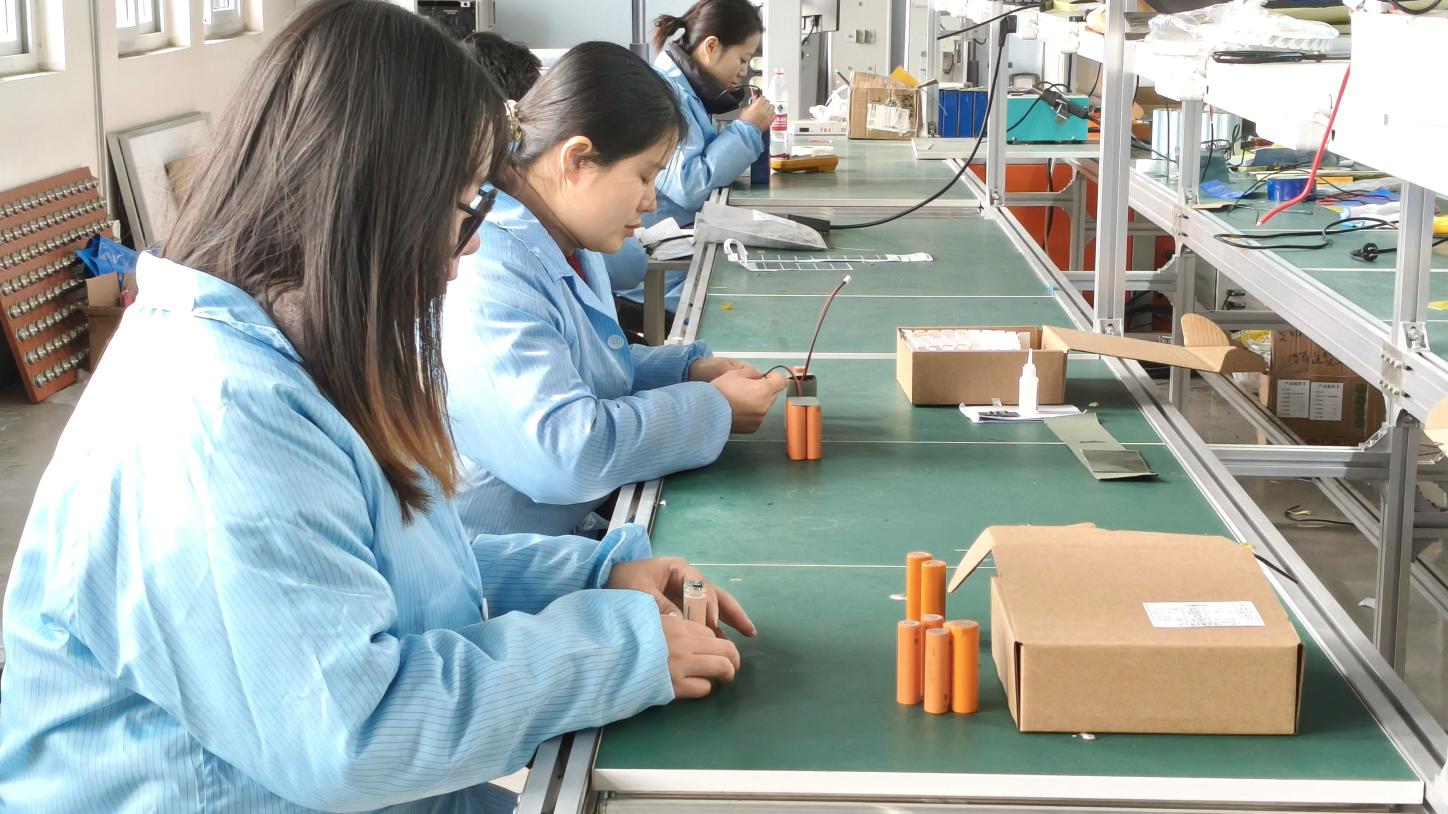
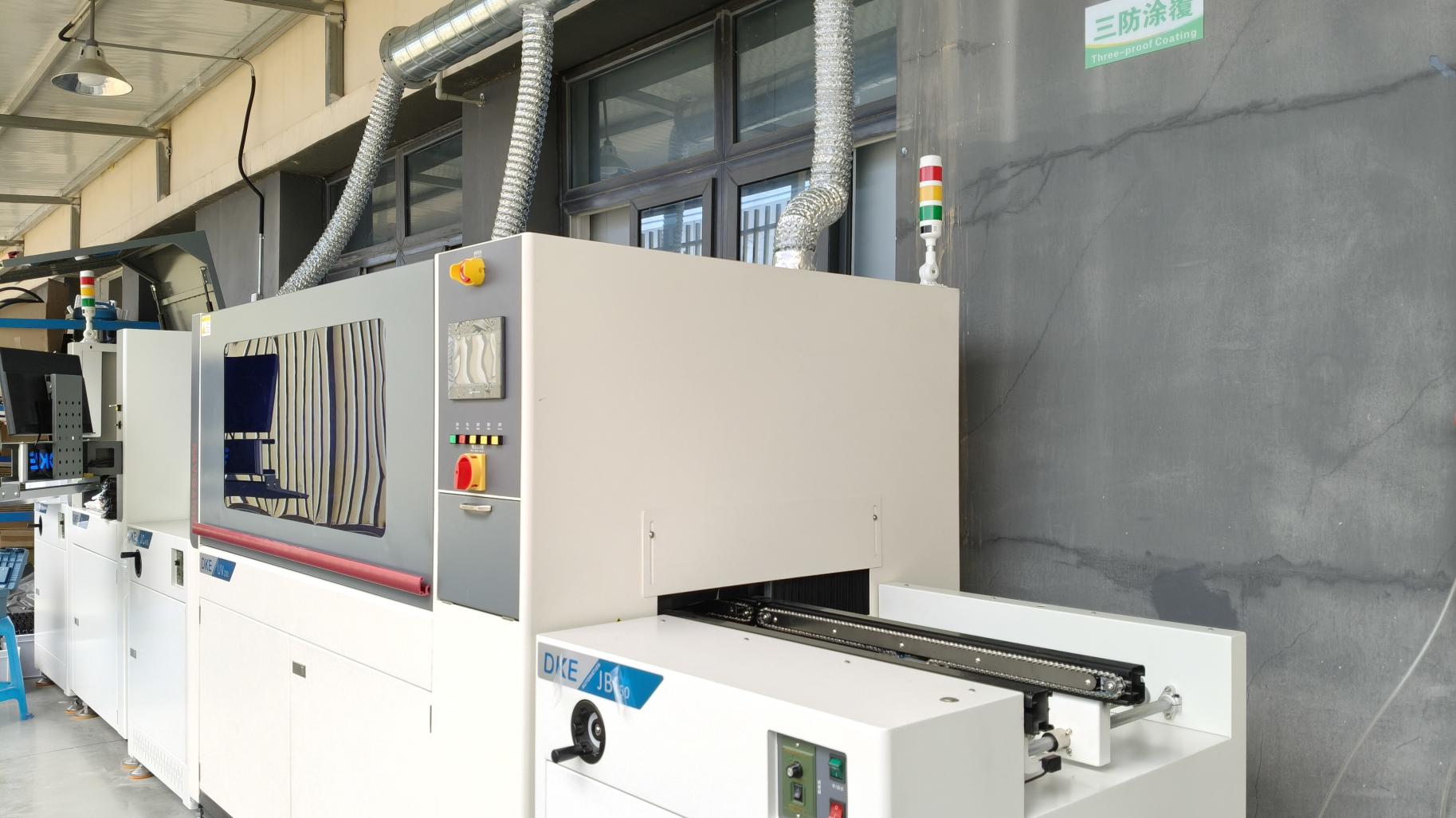
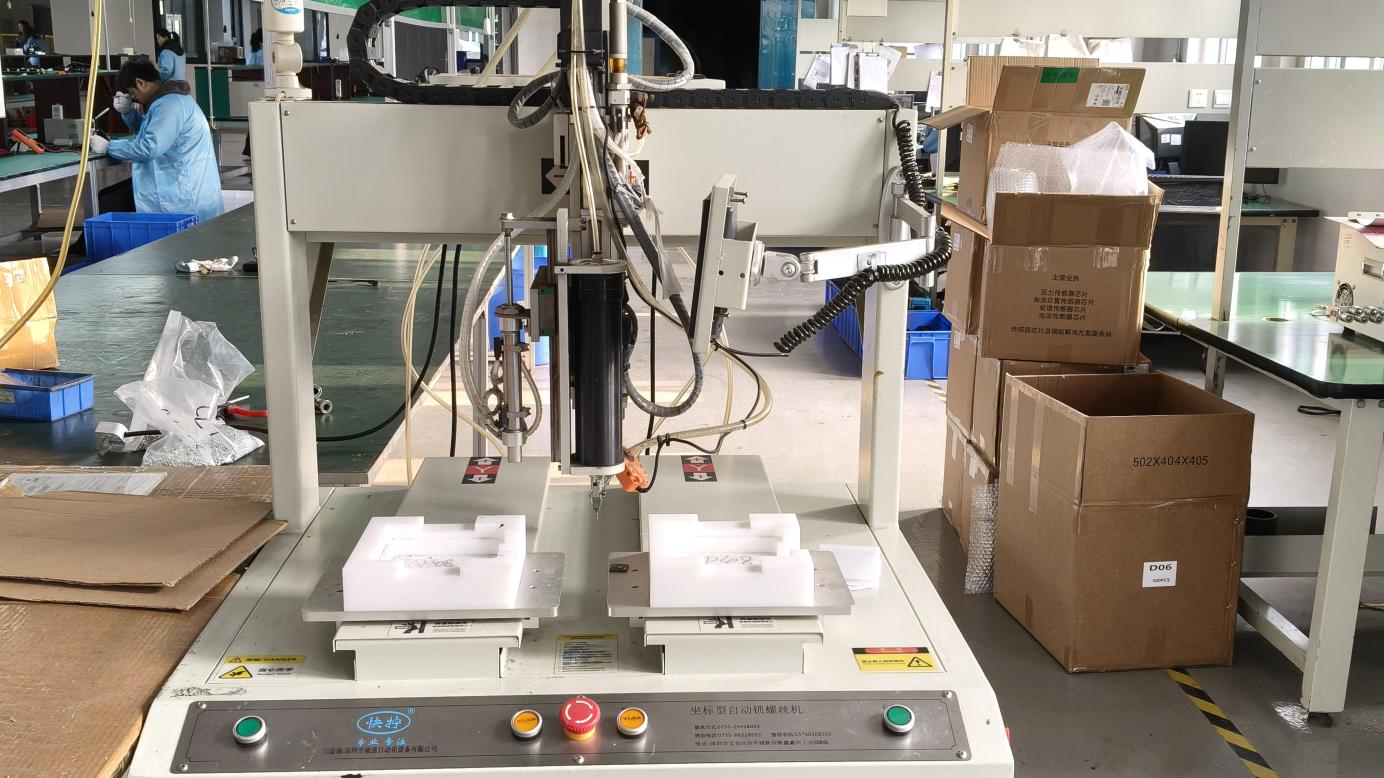
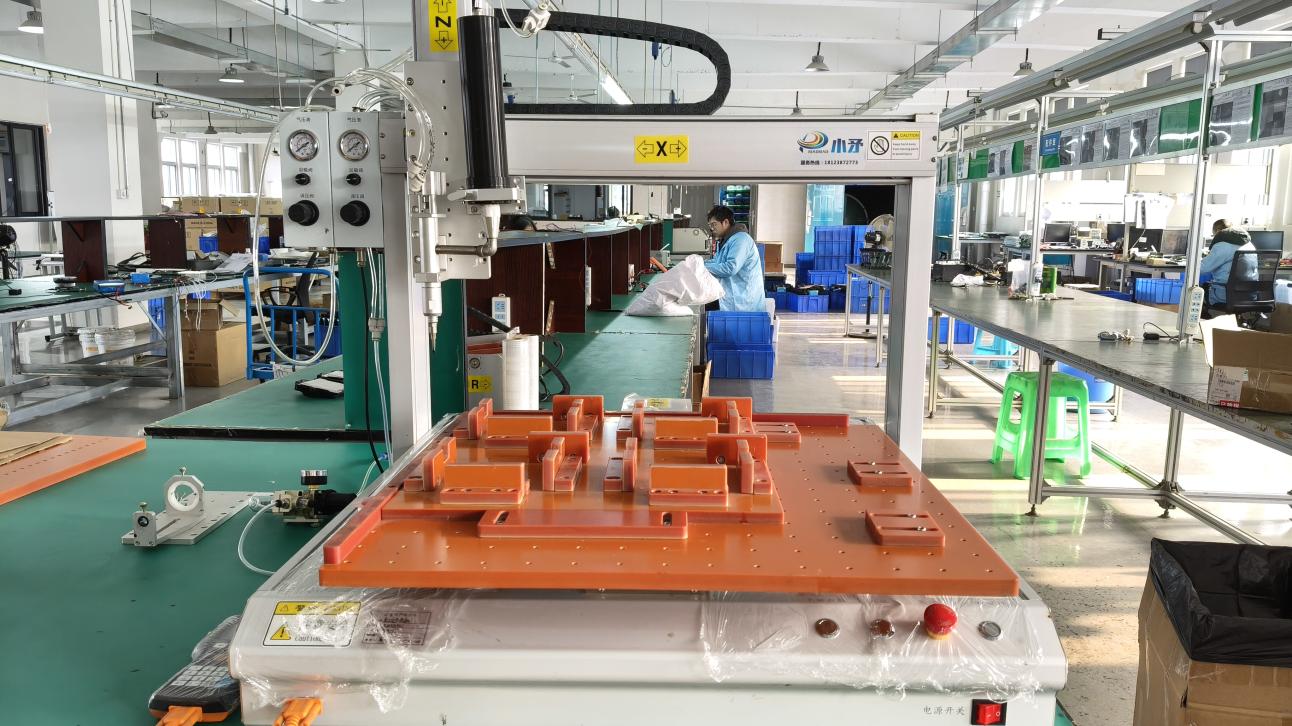
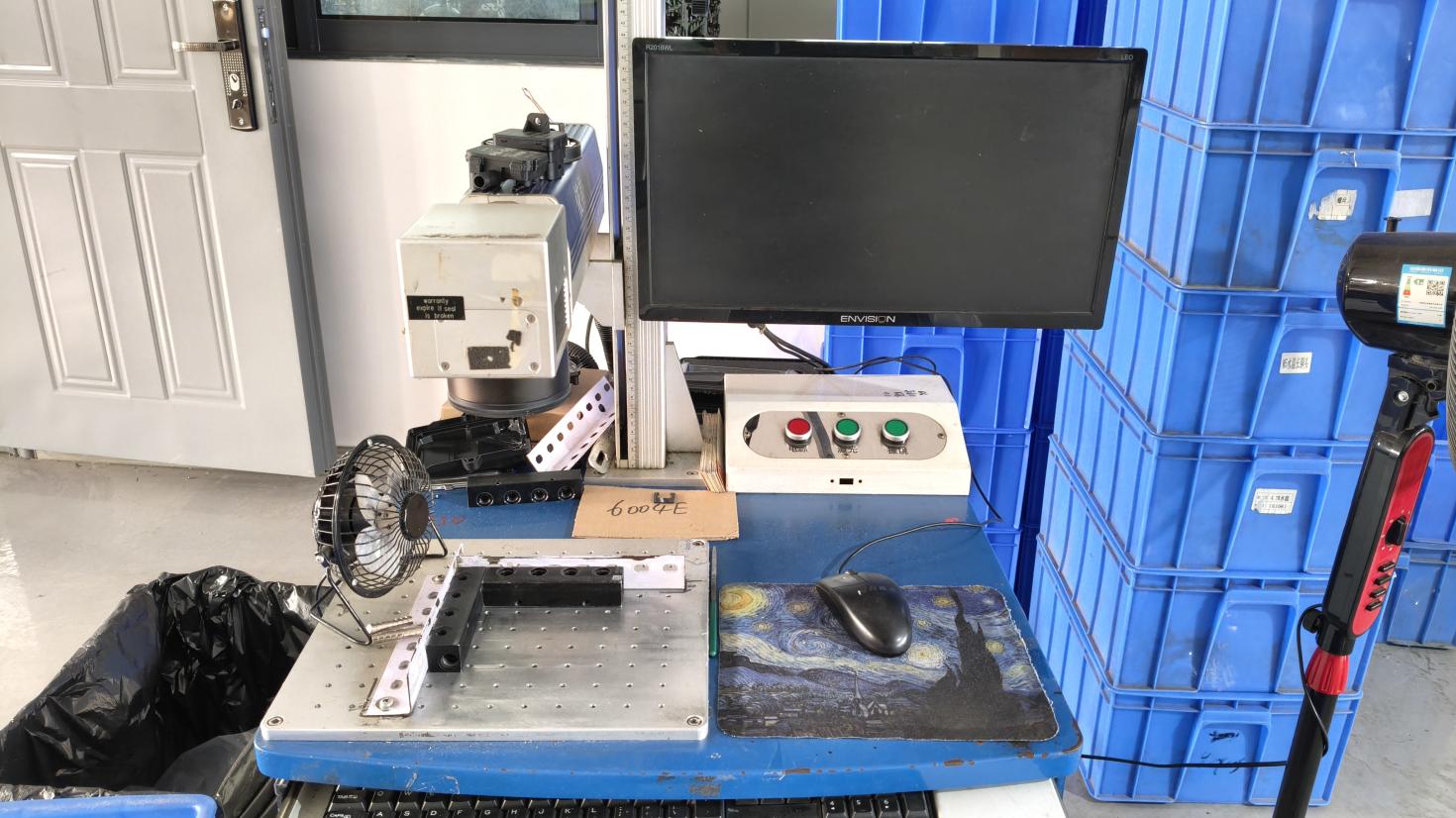
With continuous investment in advanced manufacturing technology, our factory is equipped with modern production facilities, including CNC bending machines, automatic submerged arc welding systems, laser cutting equipment, electrostatic powder coating lines, fluorocarbon painting workshops, and precision testing instruments. Supported by multiple automated production lines and a skilled technical team, we are able to provide efficient production, stable quality, and reliable delivery for projects of all sizes.
Innovation and quality are the driving forces behind our growth. We have established an experienced R&D team dedicated to developing energy-efficient, environmentally friendly, and intelligent lighting solutions that meet the evolving needs of global markets. From product design and engineering to manufacturing and quality inspection, every production process is carried out under strict quality control standards to ensure excellent performance, durability, and long service life.
Our company has obtained ISO9001 Quality Management System Certification, ISO14001 Environmental Management System Certification, CCC, CQC, CE certification, and various product testing reports, demonstrating our commitment to international quality and safety standards.
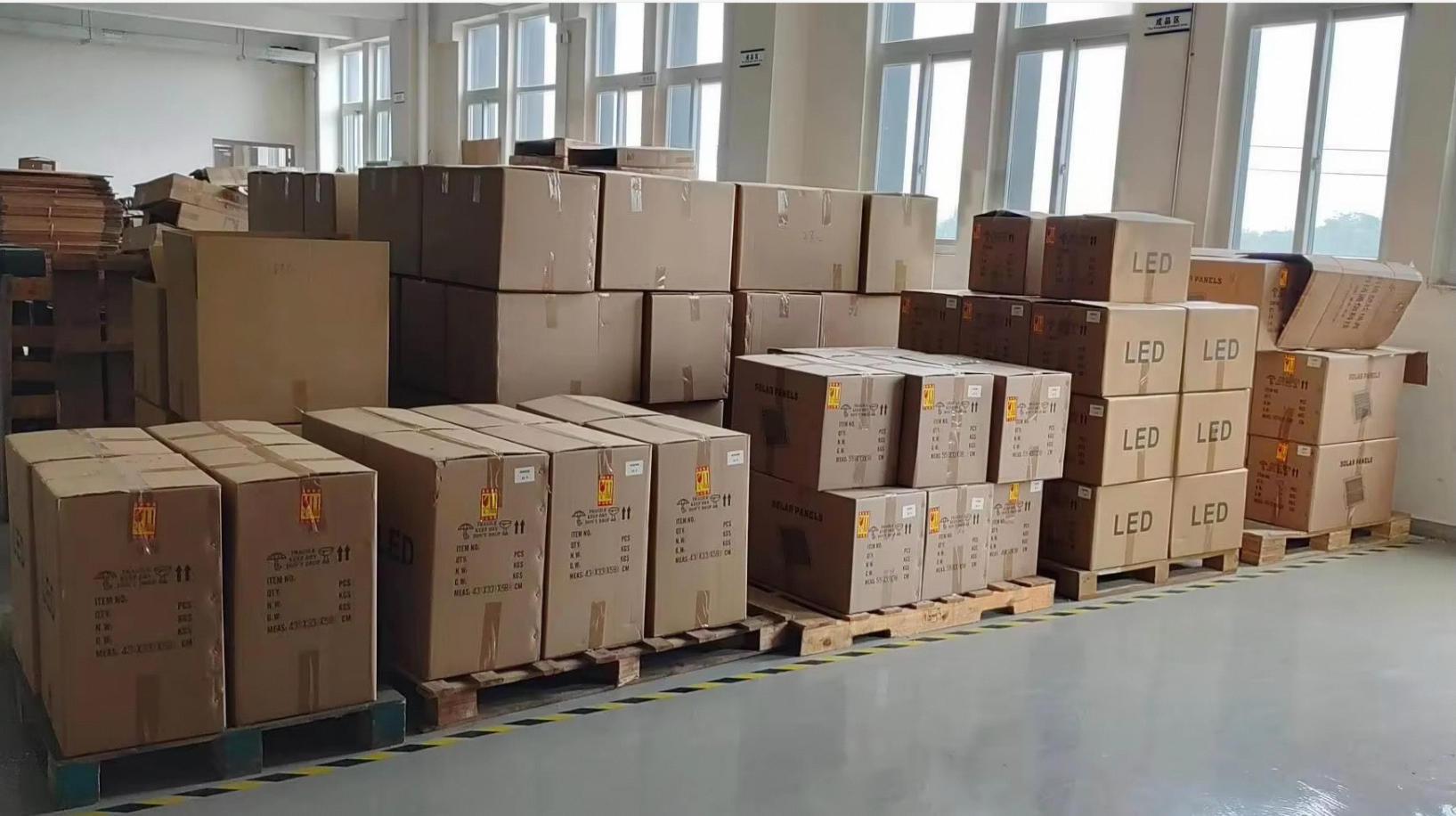
Over the years, our products have been exported to customers across Southeast Asia, the Middle East, Africa, Europe, South America, and many other regions. With rich experience in international projects, we also provide flexible OEM and ODM services, offering customized solutions tailored to different customer requirements and application scenarios.
At Yangzhou OneAll Lights Co., Ltd., we are committed to the philosophy of "Quality First, Innovation, Integrity, and Customer Satisfaction." We continuously strive to deliver reliable products, competitive solutions, and professional service. Looking ahead, we will continue to create greater value for our partners worldwide and contribute to a brighter, smarter, and more sustainable future.
Expert answers addressing the primary design and installation challenges of high-mast LED fixtures.
A: High mast assemblies, especially those ranging from 20 to 50 meters, are prone to mechanical oscillation induced by steady winds and gusts. To counter this, reputable manufacturers perform Finite Element Analysis (FEA) on both the luminaire brackets and the pole structure. High mast LEDs are tested to withstand vibrations under standard ANSI C136.31 tests. Structurally, the fixtures are built with high-grade aluminum alloys, reinforced mounting brackets, and double-locked structural bolts to withstand wind speeds of up to 60 meters per second (equivalent to Category 5 hurricanes).
A: High mast lights are elevated metallic structures, making them targets for lightning strikes and grid surges. An integrated LED driver’s internal electronics are sensitive to voltage transients. Standard high mast installations require a minimum of 10kV surge protection, though 20kV SPD is highly recommended. The SPD should feature an indicator light or remote monitoring capability to notify maintenance crews when the protection module has reached its end-of-life and needs replacement.
A: Symmetric optics throw light equally in all directions, which is inefficient when poles are located along the perimeter of an area (such as terminal borders or highways). Asymmetric optics redirect backward light forward and sideways, focusing the lumens onto the target area. This improves the target utilization factor, reduces the overall fixture count needed, minimizes glare, and prevents light trespass onto adjacent properties.
A: Traditional systems require frequent bulb and ballast replacements, requiring crane lifts or automated pulley lowering systems. High-quality LED luminaires reduce maintenance cycles due to their 100,000-hour life. However, cleanings may still be necessary in heavy industrial or marine environments to maintain light output. Using self-cleaning glass surfaces and vertical cooling fins that resist dust accumulation can further extend maintenance intervals.
Precision-engineered products designed for industrial sites, municipal roads, and off-grid solar projects.
 OneAll Lights