Discover commercial-grade outdoor luminaires built for harsh environments, featuring superior photometrics, advanced heat-dissipation, and sustainable solar options.
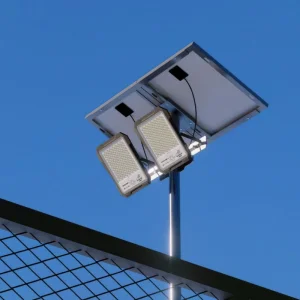
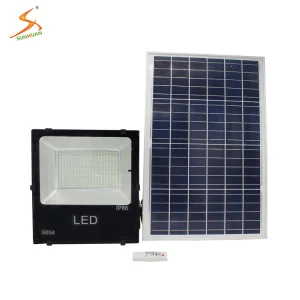
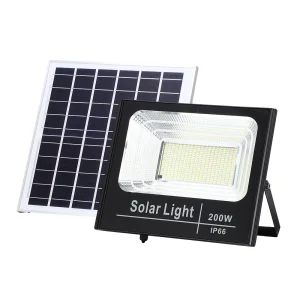
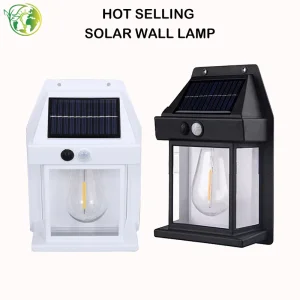
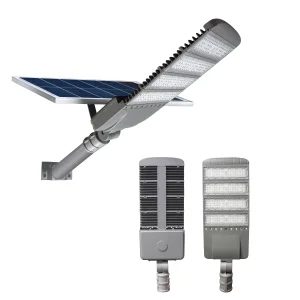
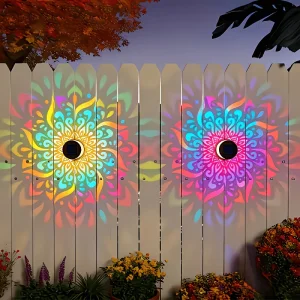
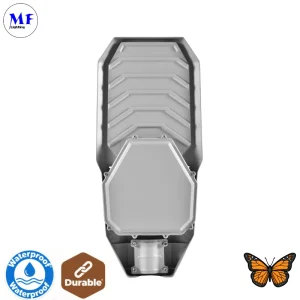
For commercial lighting specifiers, architectural designers, and large-scale industrial buyers, selecting the right manufacturing partner for LED wall pack lights is not merely a question of price per unit. It is a critical risk mitigation process. Global demand for perimeter, security, and facade lighting has evolved from simple illumination to highly demanding requirements involving photometric precision, smart system integration, and extreme weather resiliency.
When looking for the top 10 LED wall pack light factories, procurement officers must look beyond generic marketing materials. True industry leaders distinguish themselves through their investment in optical engineering, compliance standards, metallurgical precision in housing design, and long-term driver reliability. This blueprint serves as an exhaustive, technical guide to evaluating manufacturing structures, understanding technological vectors, and maximizing return on investment.
Industrial architectural luminaires are undergoing rapid technological shifts. The traditional wall pack is being replaced by integrated smart systems that act as crucial edge nodes in commercial environments.
Modern design calls for Zero-Uplight (U0) geometries. Manufacturers are utilizing precision-engineered PMMA or polycarbonate refractive lenses to eliminate glare and light trespass. This ensures compliance with International Dark-Sky Association (IDA) guidelines while maximizing target area lux levels.
Future-proof luminaires incorporate NEMA receptacle standards (3-pin, 5-pin, or 7-pin) enabling plug-and-play installation of photocells, motion sensors, and wireless nodes. Integrated Bluetooth Mesh and Zigbee allow facility managers to customize scheduling, dimming profiles, and monitor diagnostics remotely.
Heat is the primary cause of LED degradation. Next-generation wall packs feature advanced die-cast aluminum heat sinks with flow-through ventilation, utilizing computational fluid dynamics (CFD) to optimize air currents. This design maintains junction temperatures well below 85°C to preserve driver and chip longevity.
The standard system luminous efficacy has surpassed 130 lm/W, with premium offerings reaching 160 lm/W. Furthermore, field-adjustable features—such as selectable power (wattage) and color temperature (3000K, 4000K, 5000K CCT)—reduce distributor SKU counts by up to 75% and offer unprecedented installer flexibility.
To achieve both cost efficiency and absolute product consistency, leading manufacturers rely on modern industrial engineering. Yangzhou OneAll Lights Co., Ltd. exemplifies this manufacturing paradigm. Established in 2003 and located in the lighting manufacturing hub of Yangzhou, Jiangsu Province, China, the company has dedicated over two decades to perfecting the design, engineering, and mass production of outdoor lighting systems.
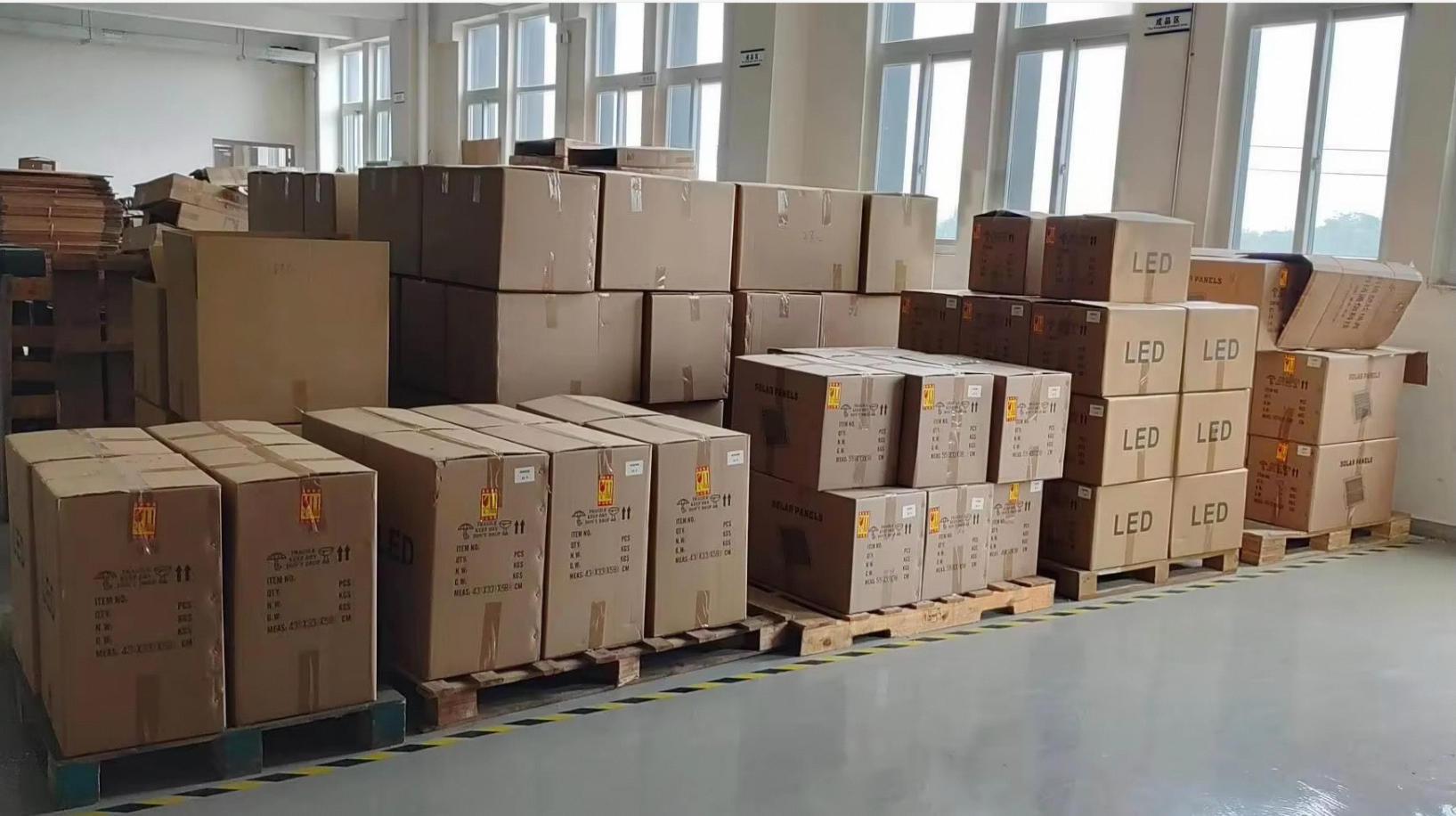
The factory features vertical integration of production processes. Rather than relying on secondary outsourcing, Yangzhou OneAll Lights possesses modernized, in-house production facilities designed to control quality at every phase. The infrastructure boasts CNC bending machines, automated submerged arc welding networks, high-precision laser cutting equipment, electrostatic powder coating lines, fluorocarbon painting workshops, and precision electronic diagnostic instruments. This extensive tooling guarantees that physical housings, mounting brackets, and optical fixtures remain protected against corrosion and mechanical stresses over decades of service.
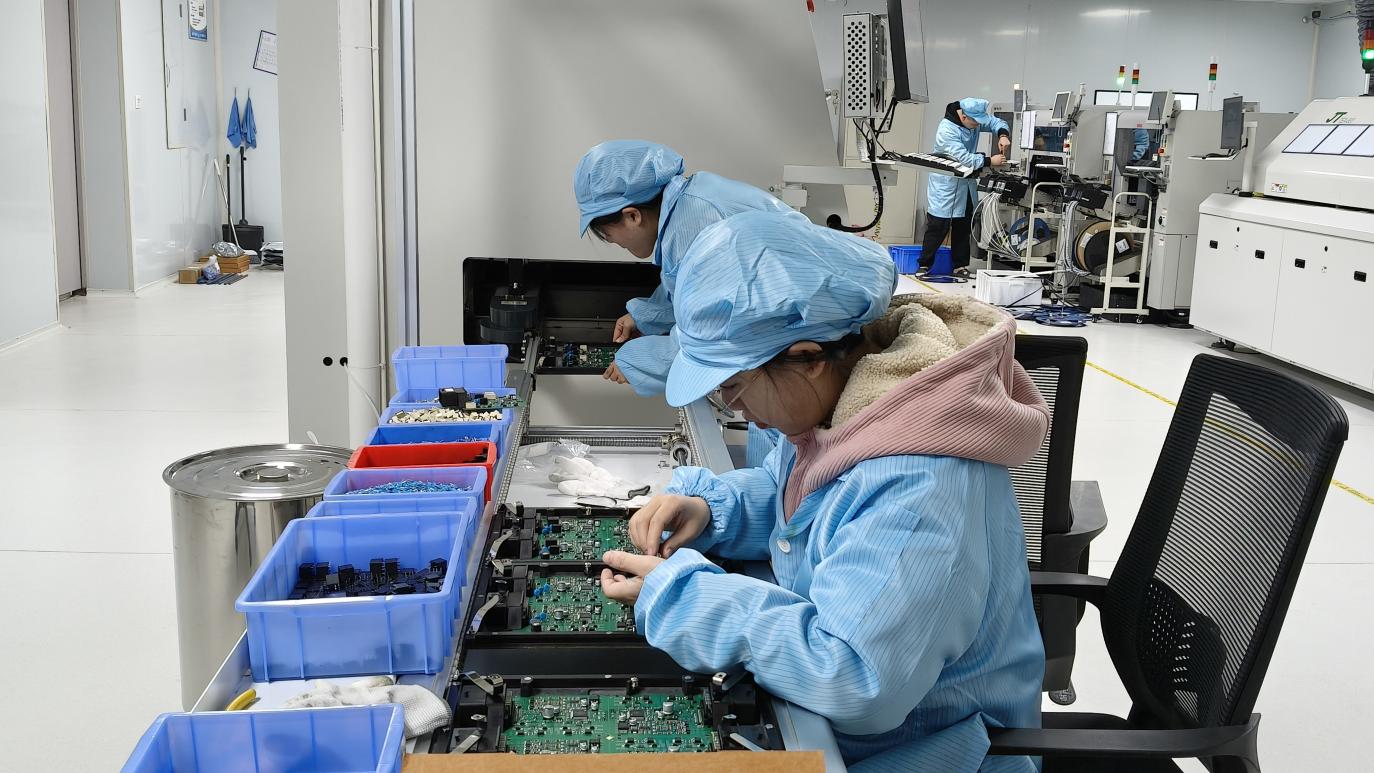
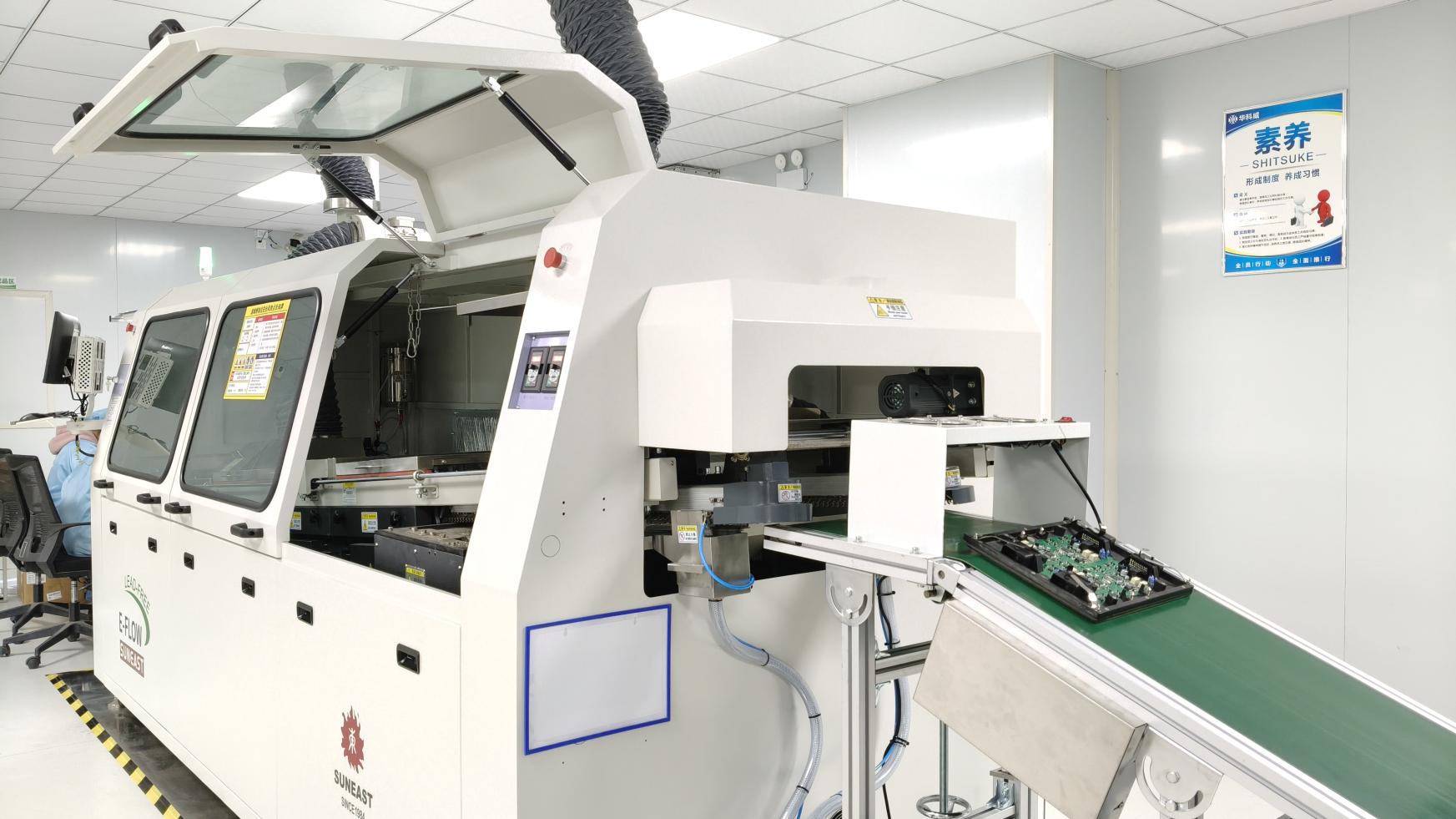

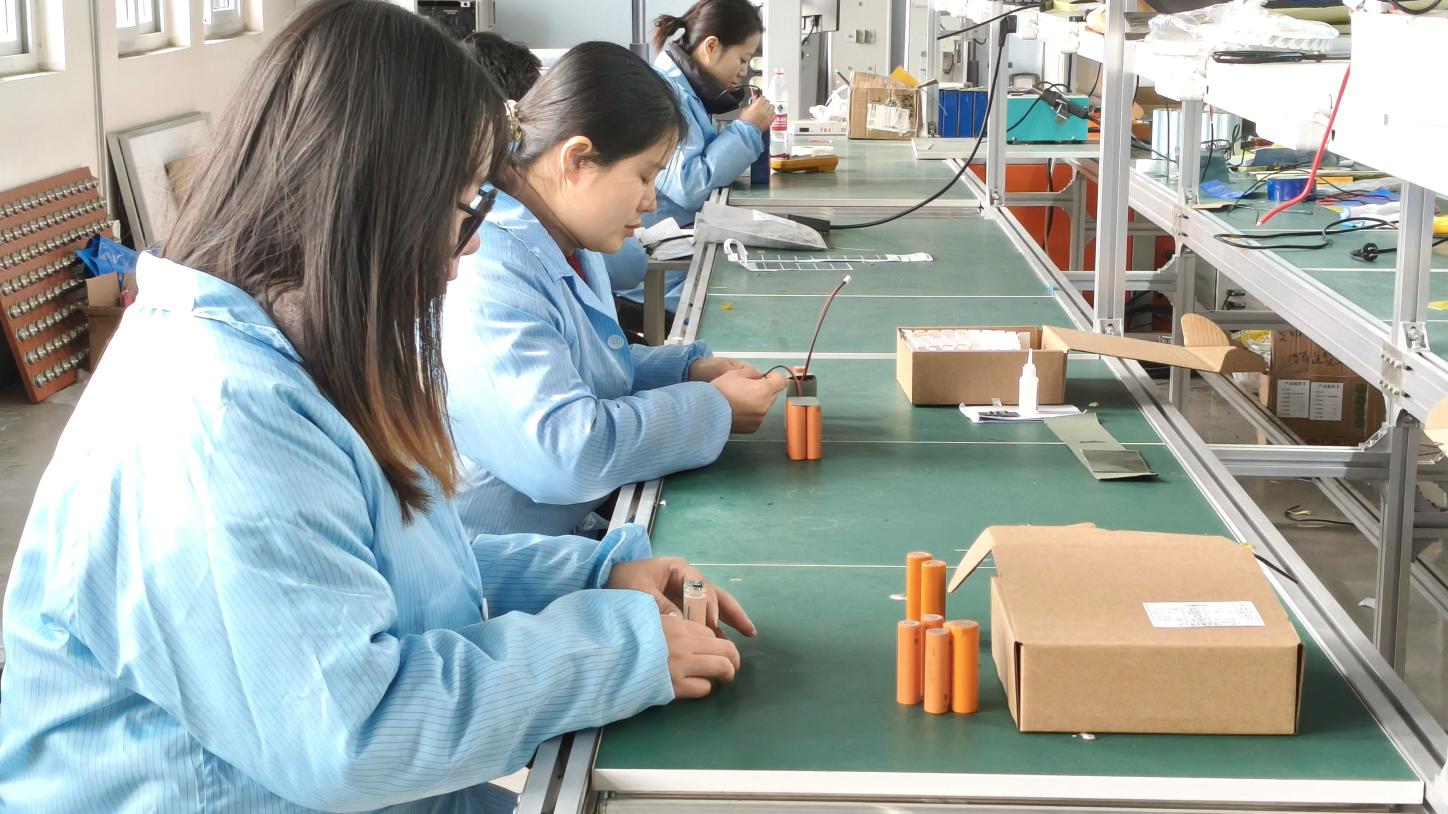
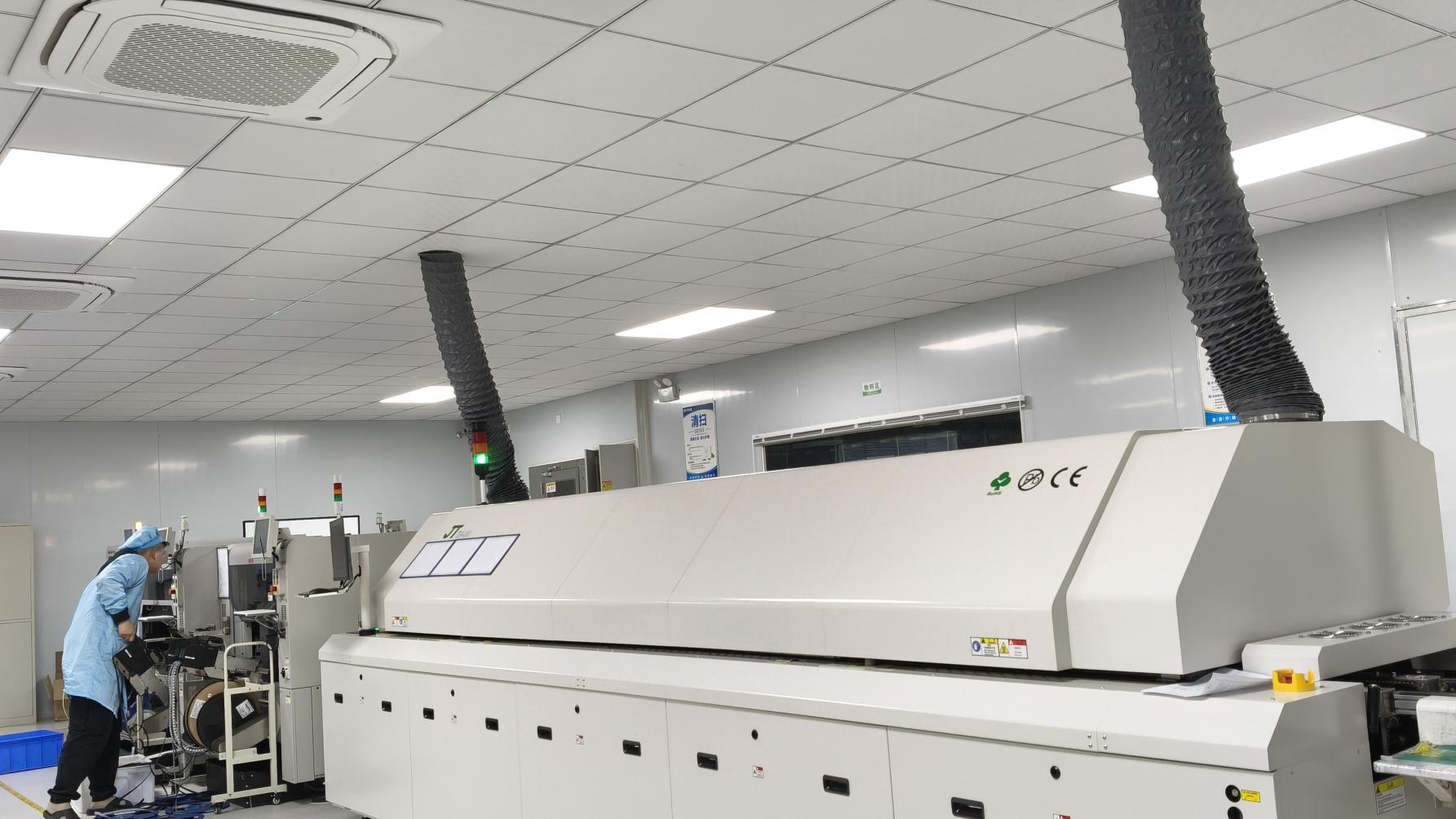
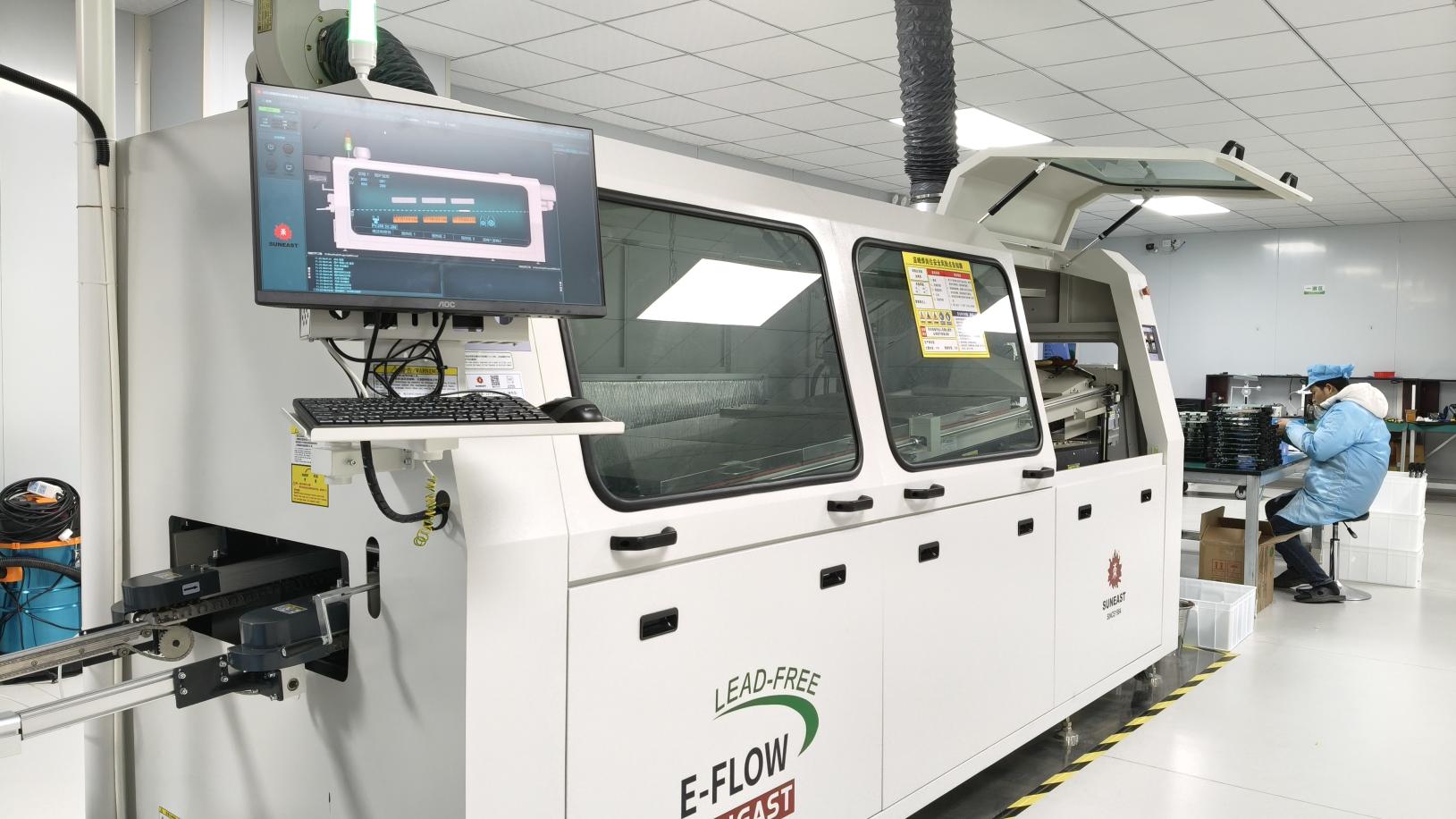
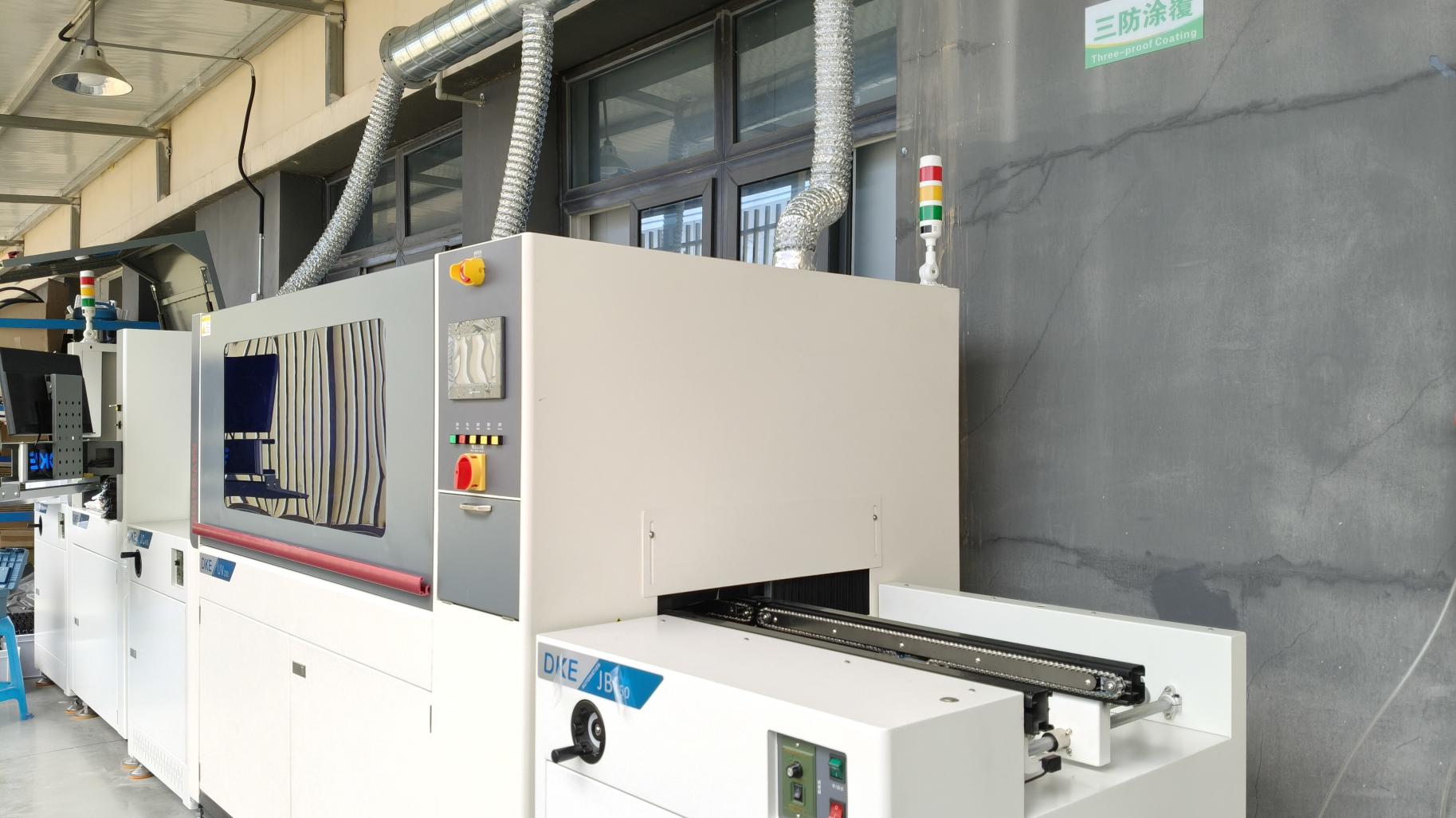
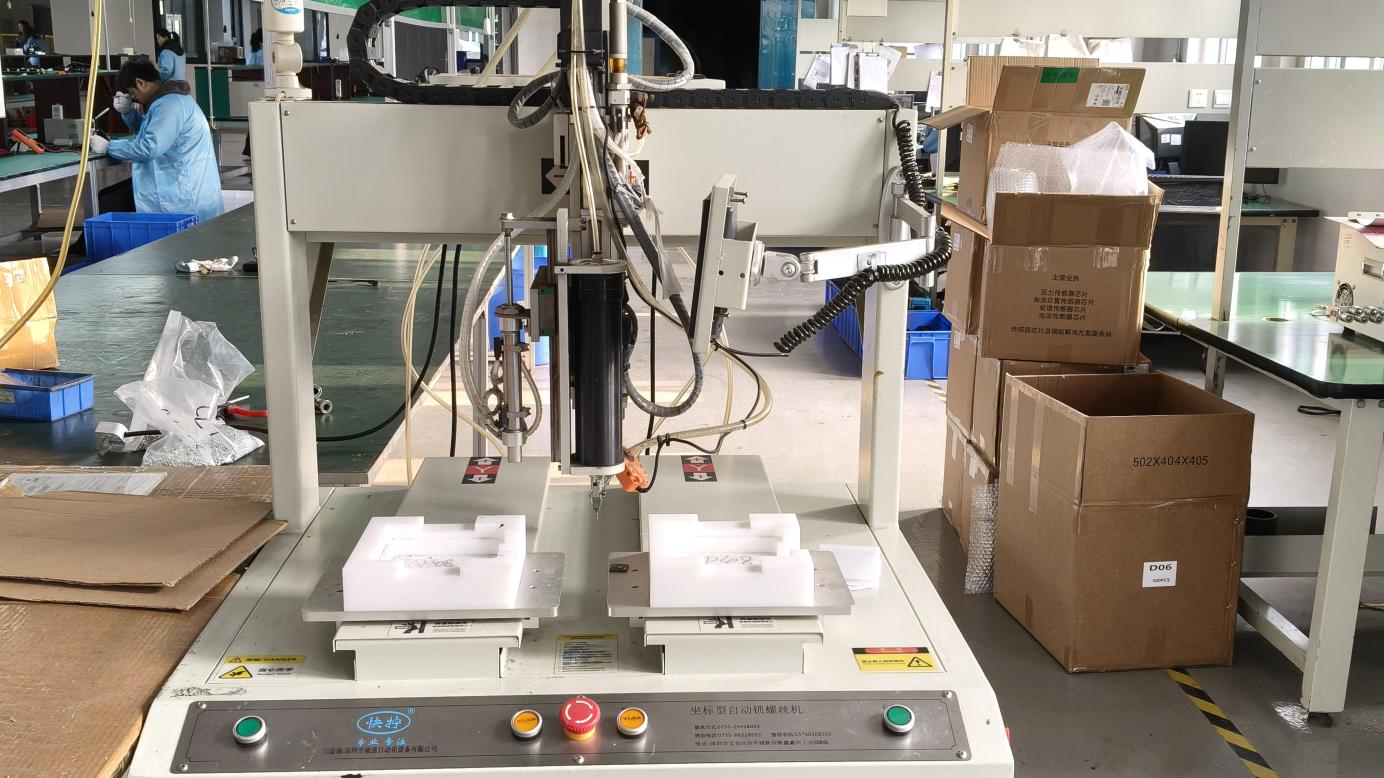
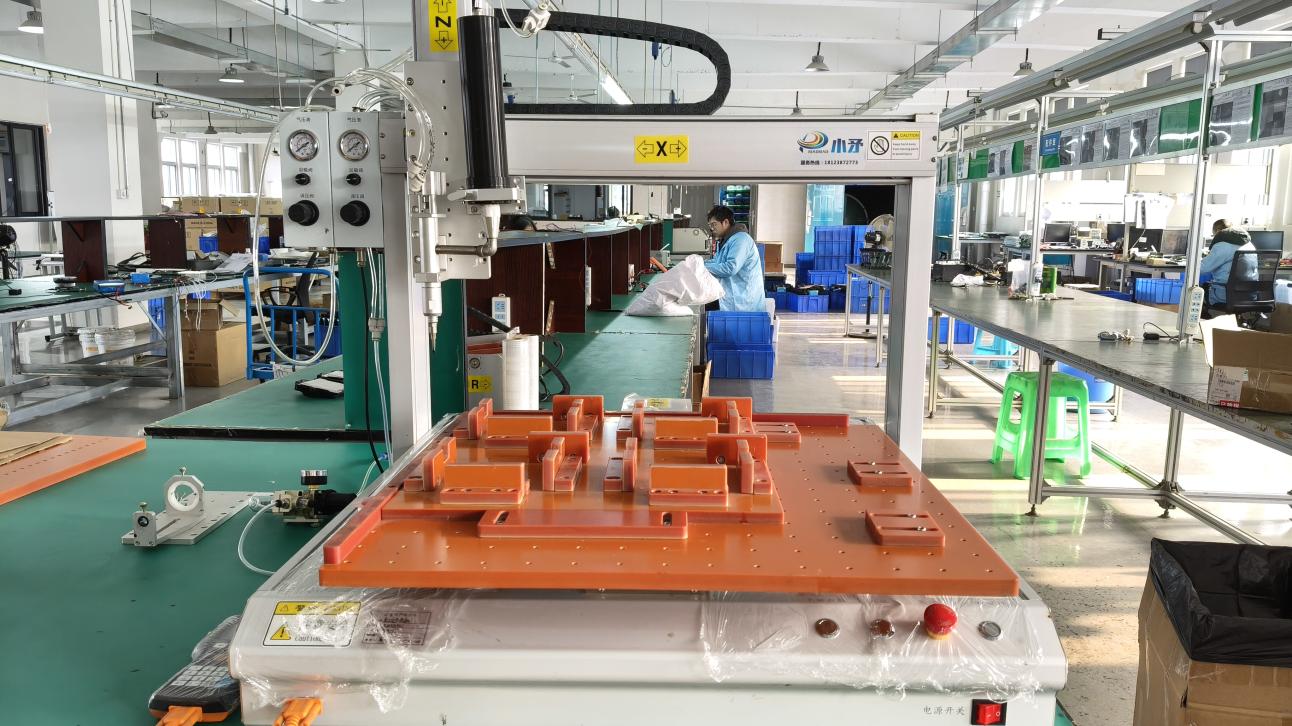
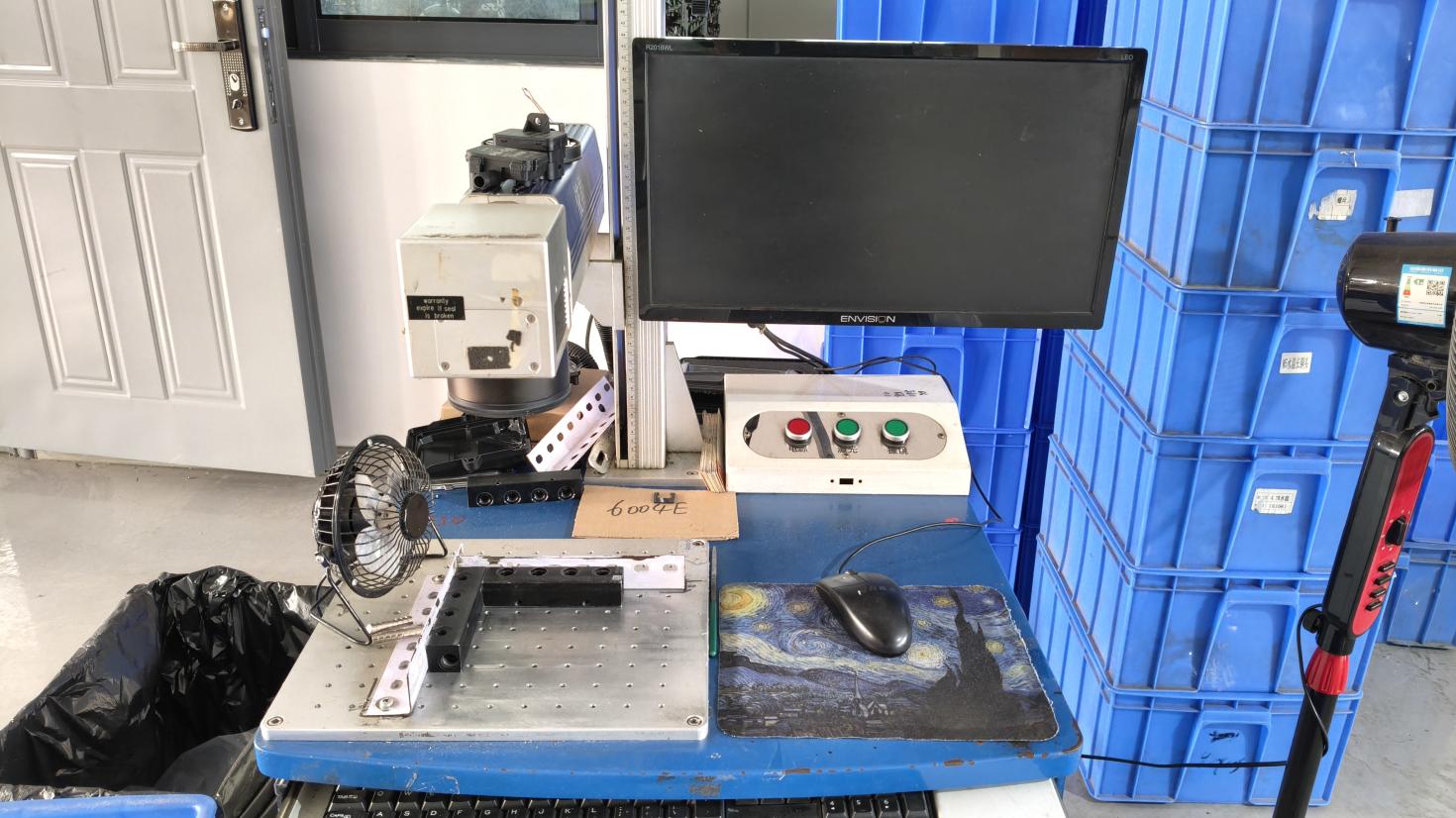
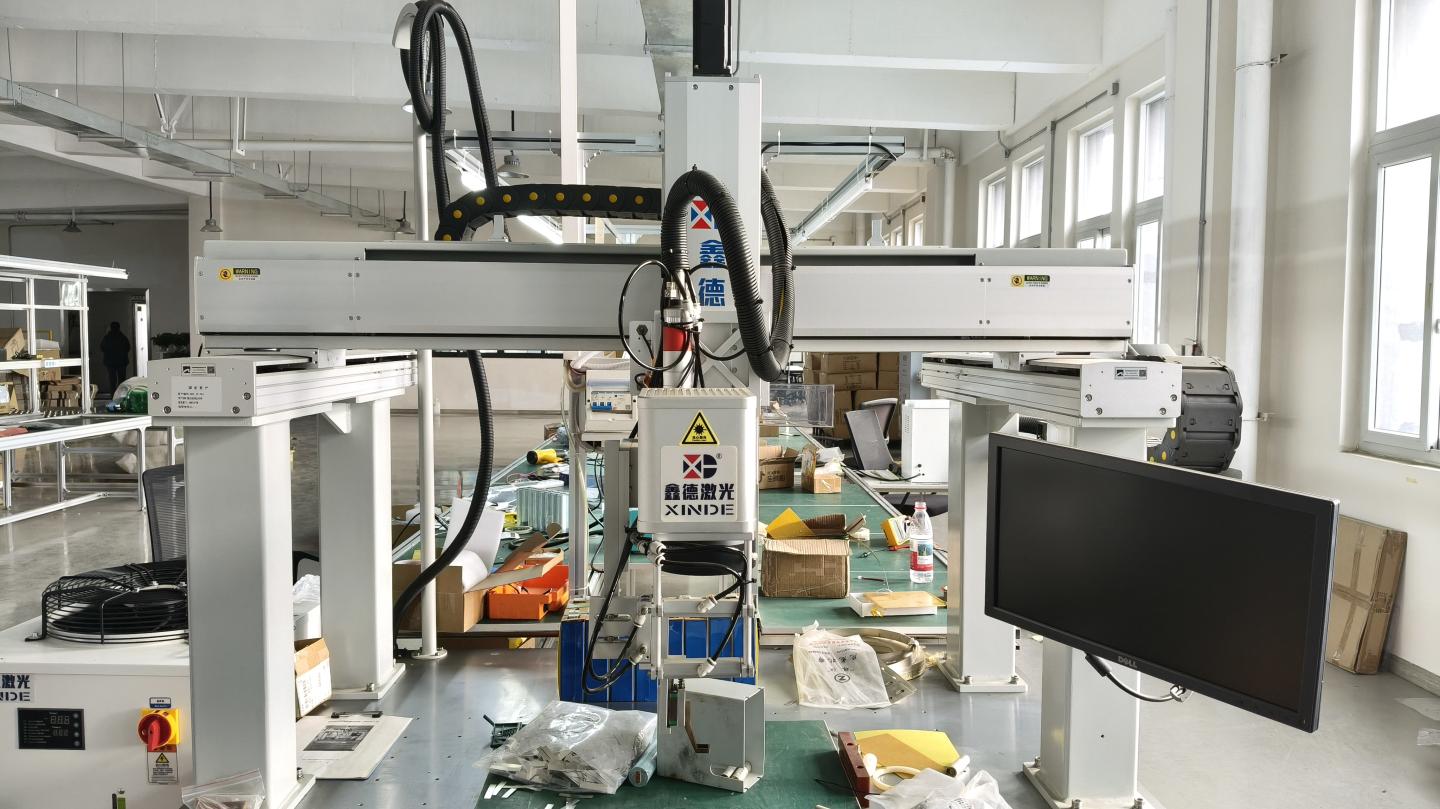
Crucial to Yangzhou OneAll Lights' operations is their deployment of computerized surface mount technology (SMT) and wave soldering machinery. SMT lines allow for the high-speed, precise positioning of LED emitters on aluminum-core printed circuit boards (MCPCBs), reducing solder joint failures. Following component mounting, wave soldering and automatic conformal coating machines apply a protective barrier over the PCB assemblies. This "three-proof coating" process blocks moisture, salt spray, and atmospheric corrosive elements, preserving driver circuits from early catastrophic failures in seaside or chemical environments.
Wall pack luminaires serve as the primary security layer for multiple commercial typologies. Proper implementation relies on deploying the correct technical layout for the specific application environment.
Logistical environments demand robust loading dock lighting. High-output wall packs featuring adjustable optics focus light downwards over loading bays, mitigating shadows that could impact warehouse operations, while remaining vibration-resistant against heavy truck movements.
Marine environments require salt-mist-resistant housings. High-grade ADC12 aluminum structures subjected to ASTM B117 salt spray testing for up to 1000 hours, paired with marine-grade coatings, protect the internal circuitry against galvanic corrosion and environmental ingress.
For metro terminals and airport corridors, constant operation and extreme safety are non-negotiable. Luminaires must feature high IK ratings (IK08 to IK10 impact protection) to deter vandalism, coupled with surge protection devices (SPDs) rated for at least 10kV to survive power fluctuations.
Navigating import processes requires an understanding of regional compliance frameworks. Certified products ensure smooth site inspections and qualify projects for local utility rebates.
The certification architecture of LED wall pack lights is divided into three key regional zones:
Importing into the US and Canada mandates UL (Underwriters Laboratories) or ETL certifications according to UL 1598 standards. To qualify for utility rebates, products must be registered on the DLC (DesignLights Consortium) QPL, preferably meeting DLC Premium V5.1 requirements for high efficacy and color stability.
Luminaires shipped to Europe require the CE Mark, representing compliance with the Low Voltage Directive (LVD 2014/35/EU) and Electromagnetic Compatibility Directive (EMC 2014/30/EU). In addition, RoHS (Restriction of Hazardous Substances) and ErP ecological design directives govern material selection and efficiency minimums.
ISO9001:2015 Quality Management Systems and ISO14001:2015 Environmental Management Systems form the backbone of factory audits. Global installations also demand standard ingress protection (IP65/IP66) testing for water jets and IK ratings for impact performance.
To qualify as an elite B2B manufacturing partner, a supplier must exhibit specific operational practices. The top 10 LED wall pack light factories globally are evaluated based on a 4-part quality matrix:
Possession of in-house goniophotometer systems and integrating spheres to issue certified IES photometric files directly.
Automated pick-and-place lines ensuring clean solder pads, minimizing early LED chip failures and thermal transfer losses.
Utilization of established, tier-one driver brands (Mean Well, Inventronics, Sosen) with built-in thermal fallback protection.
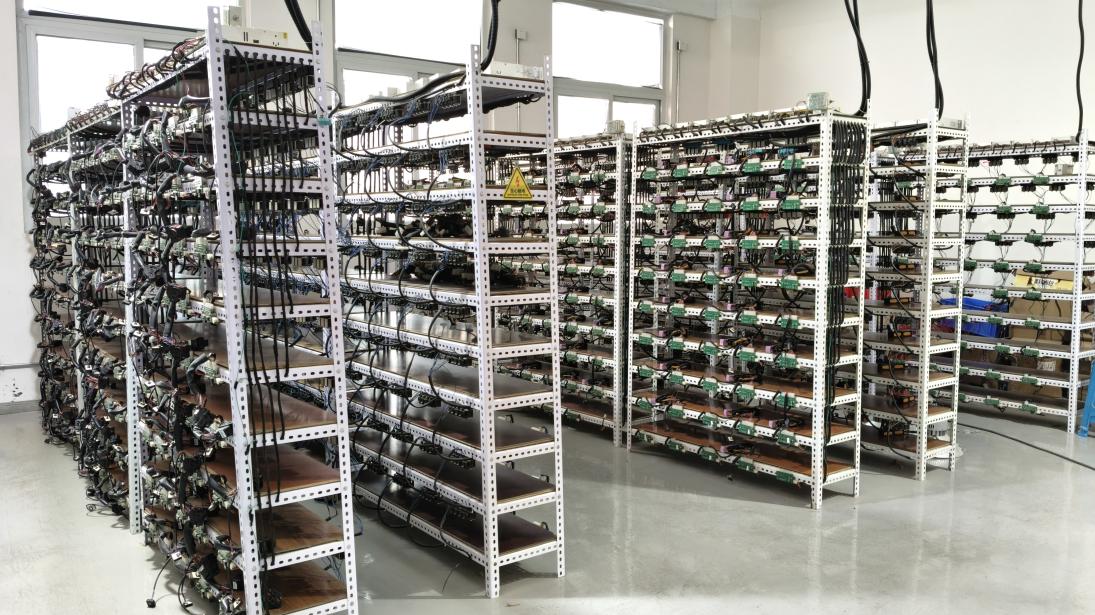
100% mandatory high-voltage surge and burn-in testing protocols (minimum 24-48 hours) under fluctuating ambient temperatures.
Answers to complex technical questions encountered by procurement officers, electrical engineers, and lighting estimators.
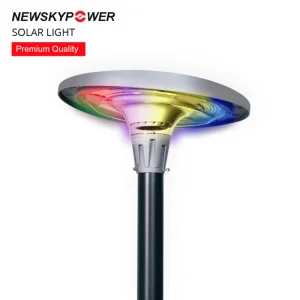
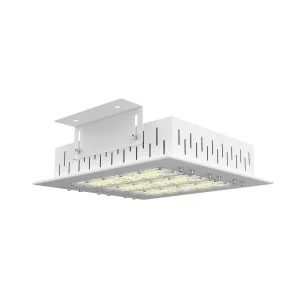
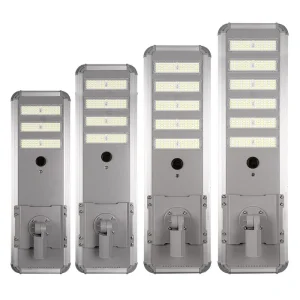
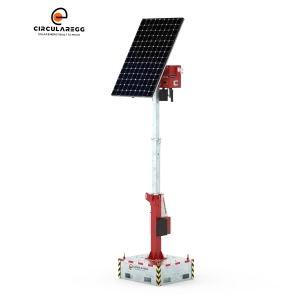
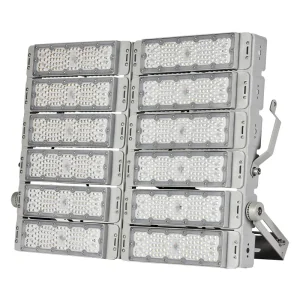
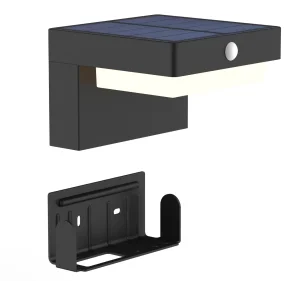
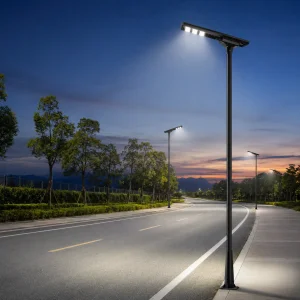
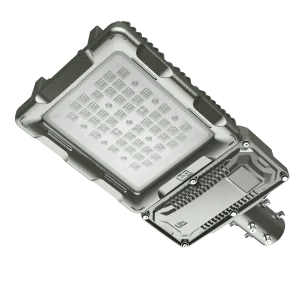
Explore our full-featured street, tunnel, canopy, and solar-integrated fixtures designed to withstand challenging outdoor applications.
 OneAll Lights