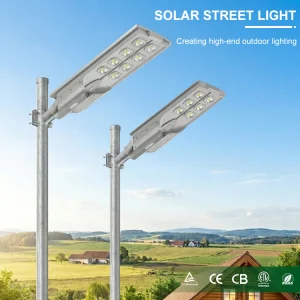
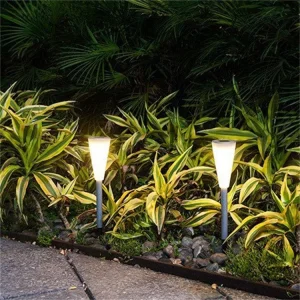
Explore our top-performing outdoor solar illumination portfolio, engineered for maximum optoelectronic efficiency and high weather-resistance thresholds.
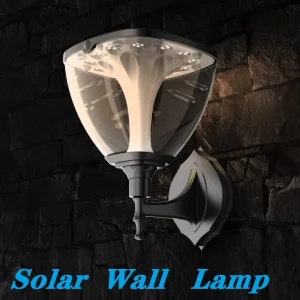
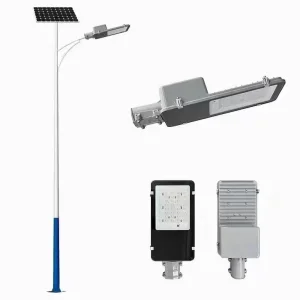
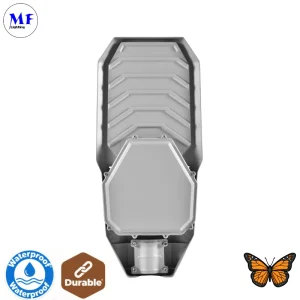
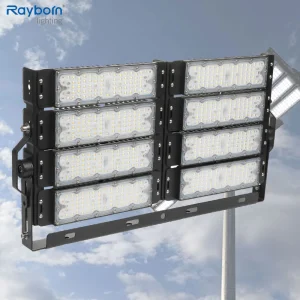
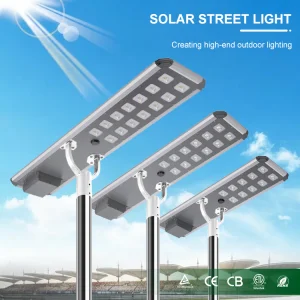
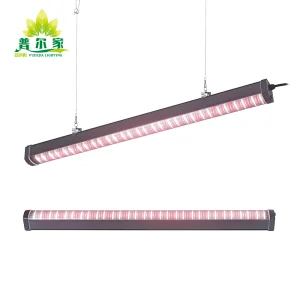
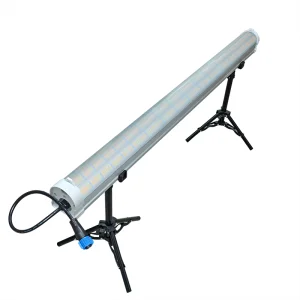
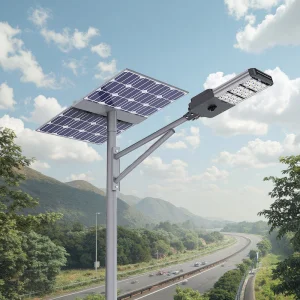
The global shift toward sustainable architectural engineering and green infrastructure has catalyzed a technological revolution in outdoor decorative illumination. Once relegated to low-performance consumer residential applications, solar decorative lanterns have evolved into high-reliability, municipal-grade fixtures. Leading global enterprises, hospitality conglomerates, and urban planners now demand sophisticated solar decorative solutions that offer seamless structural integration, high aesthetic value, and unparalleled mechanical durability.
This industry intelligence report focuses on the elite segment of solar decorative lighting manufacturers and exporters. We dissect the design paradigms, optoelectronic technologies, and supply chain frameworks required to deliver systems that perform predictably under extreme environmental stresses. The benchmark of top-tier manufacturing relies not only on the raw luminescent output of fixtures but on the holistic engineering of the solar system: energy harvesting, high-density storage capacity, smart controller logic, and advanced thermal management.
The trajectory of modern solar engineering is defined by breakthroughs in materials science, battery chemistry, and Internet of Things (IoT) connectivity.
Modern professional fixtures have moved entirely from amorphous or polycrystalline panels to premium N-Type monocrystalline silicon arrays integrated with PERC (Passivated Emitter and Rear Cell) technology. This raises solar conversion efficiency parameters to up to 23%, ensuring sufficient energy harvesting even in high-latitude or heavily shaded urban configurations.
Lithium Iron Phosphate (LiFePO4) has replaced traditional ternary lithium and lead-acid counterparts due to its superior safety matrix, wide thermal adaptability (-20°C to +65°C), and cyclic longevity exceeding 3,000 cycles at 80% Depth of Discharge (DoD). This is coupled with Maximum Power Point Tracking (MPPT) charge controllers that boost charging efficiency by 15-30% compared to PWM units.
Modern deployments leverage LoRaWAN, Zigbee, or Bluetooth Mesh protocols to form intelligent lighting networks. This allows facility managers to monitor battery health, adjust brightness thresholds dynamically based on local meteorological feeds, and execute predictive maintenance schedules remotely, reducing site operational costs.
Integrating custom driver arrays allows for automated multi-stage dimming, ambient light sensing, and thermal foldback protection. The incorporation of high-efficiency LED chips (such as Lumileds or Osram chips) delivers up to 180 lm/W luminous efficacy, maximizing optical output while minimizing battery strain.
Industrial decorative lanterns are no longer viewed simply as decorative accents; they are foundational infrastructure components. In municipal developments, solar lights serve as off-grid public safety features along pathways, greenways, and city plazas. In historical preservation zones, custom-designed solar lanterns recreate classic gas-lamp designs while eliminating the invasive trenching and cabling that can damage historically sensitive soil and root systems.
"By removing grid dependencies, commercial developers can realize up to a 60% reduction in civil installation costs. Furthermore, the exclusion of high-voltage wiring mitigates electrical hazards in high-foot-traffic and coastal applications."
In resort and hospitality architecture, especially in remote eco-tourism sites, grid extensions are economically unfeasible. Modern, high-end solar decorative lanterns offer the dual benefit of low-impact, sustainable luxury and extreme mechanical resilience against corrosive marine atmospheres. Anodized marine-grade aluminum, SUS316 stainless steel fasteners, and UV-stabilized polycarbonate diffusers ensure these systems function without cosmetic or functional degradation in high-salinity shoreline locations.
Yangzhou OneAll Lights Co., Ltd. is a professional manufacturer and exporter specializing in high-performance outdoor lighting solutions. Established in 2003 and located in the lighting manufacturing cluster of Yangzhou, Jiangsu Province, China, the company has accumulated over 20 years of experience in the design, development, manufacturing, and supply of global-grade lighting products.
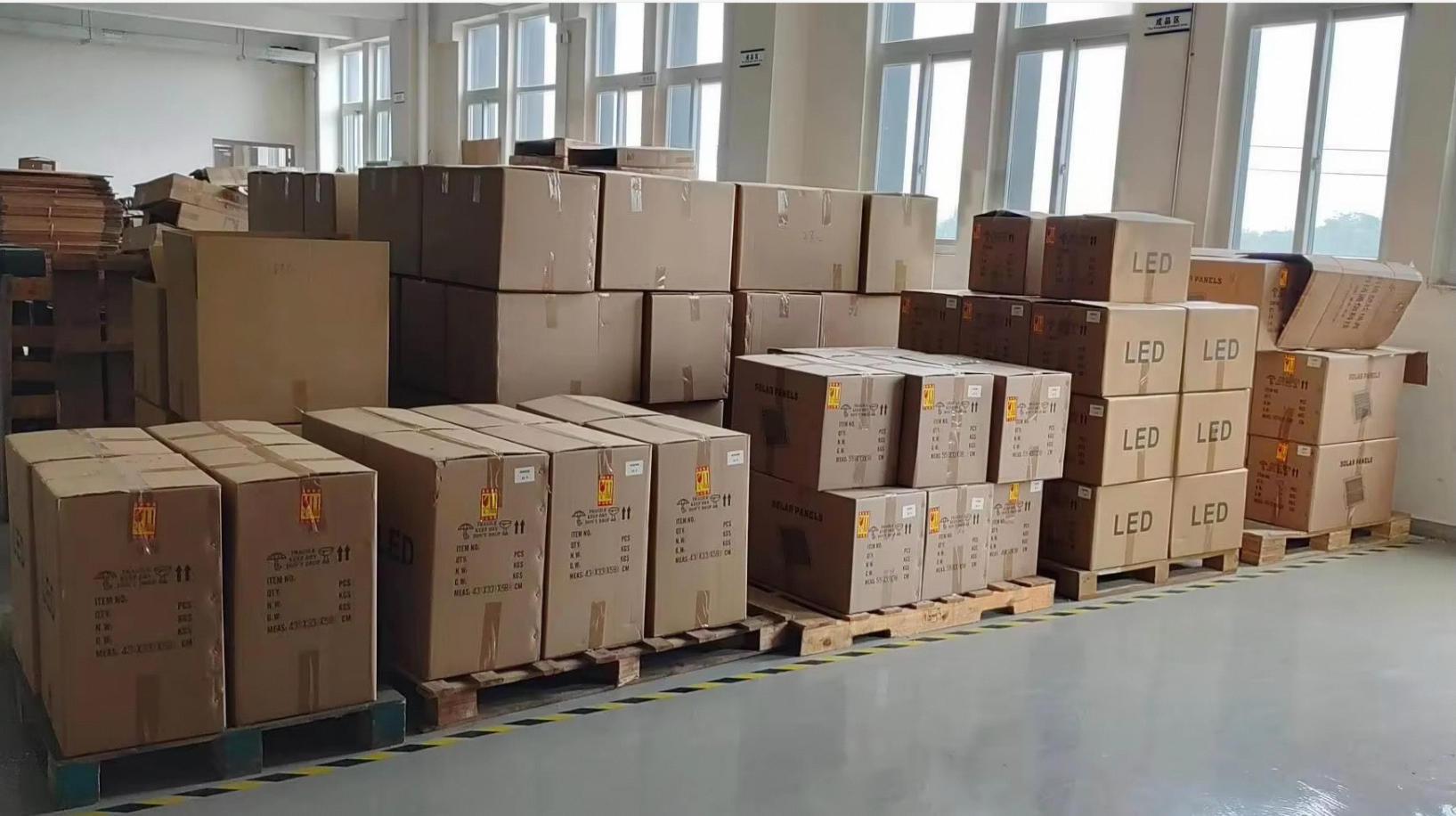
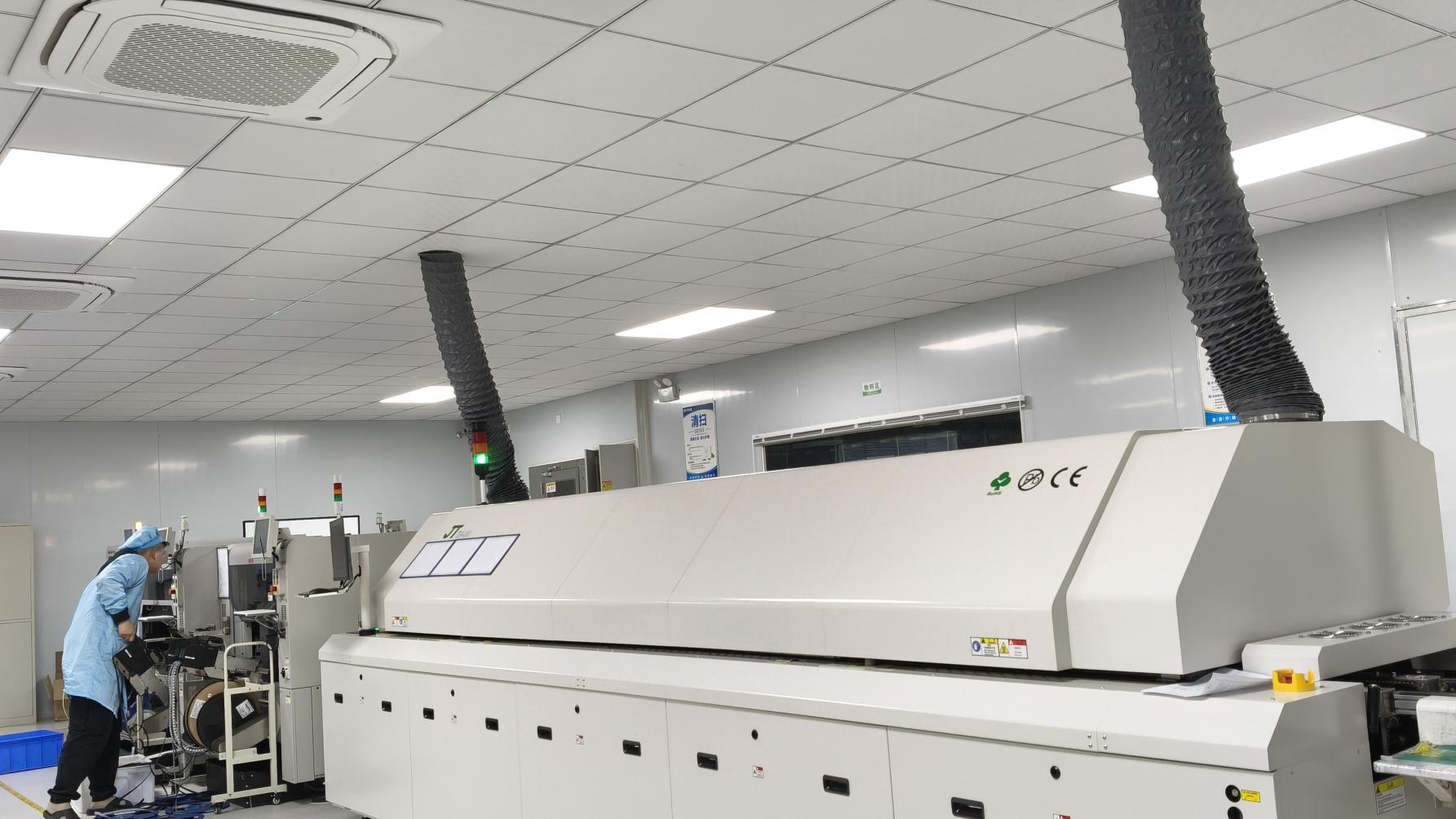
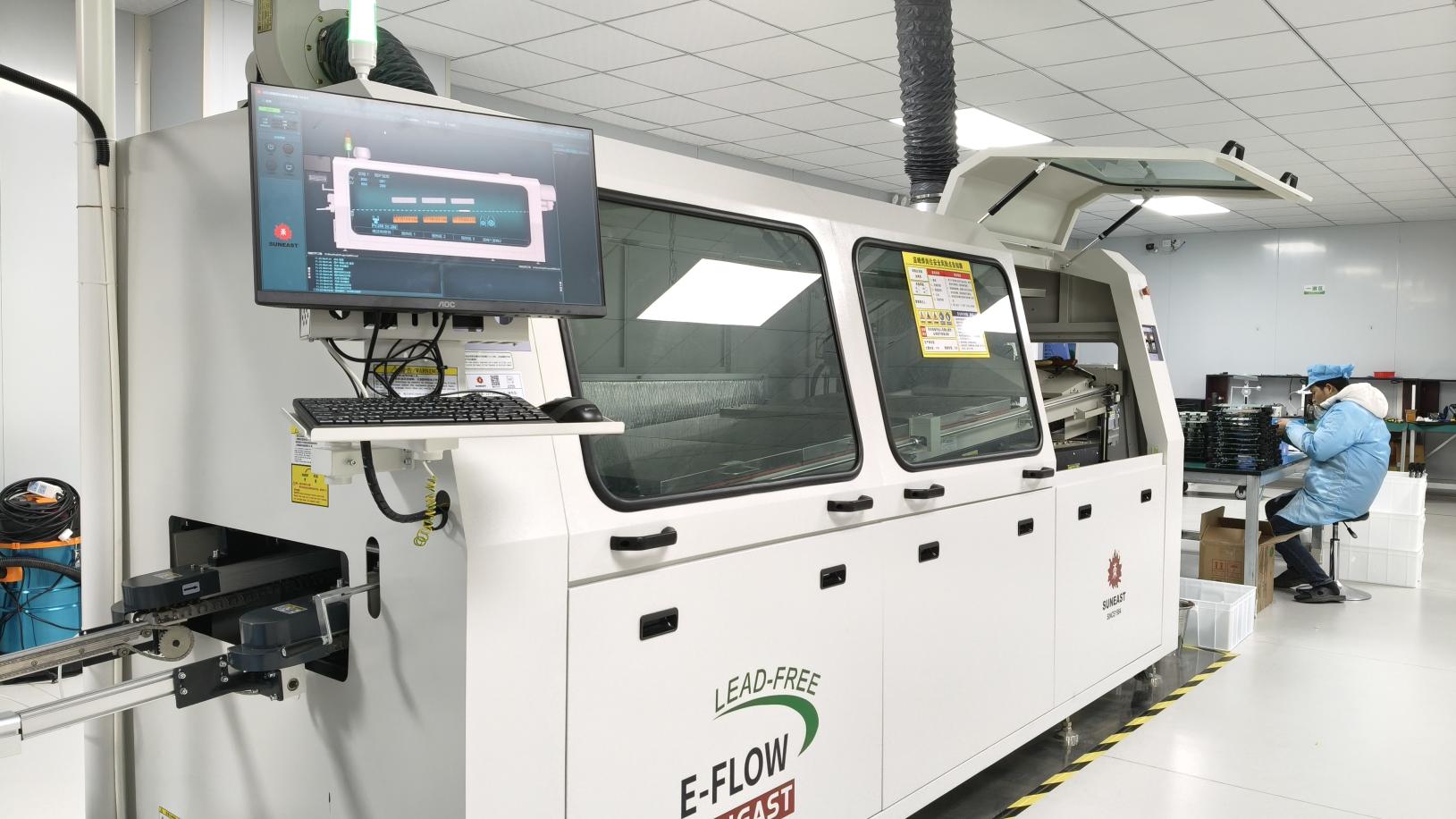
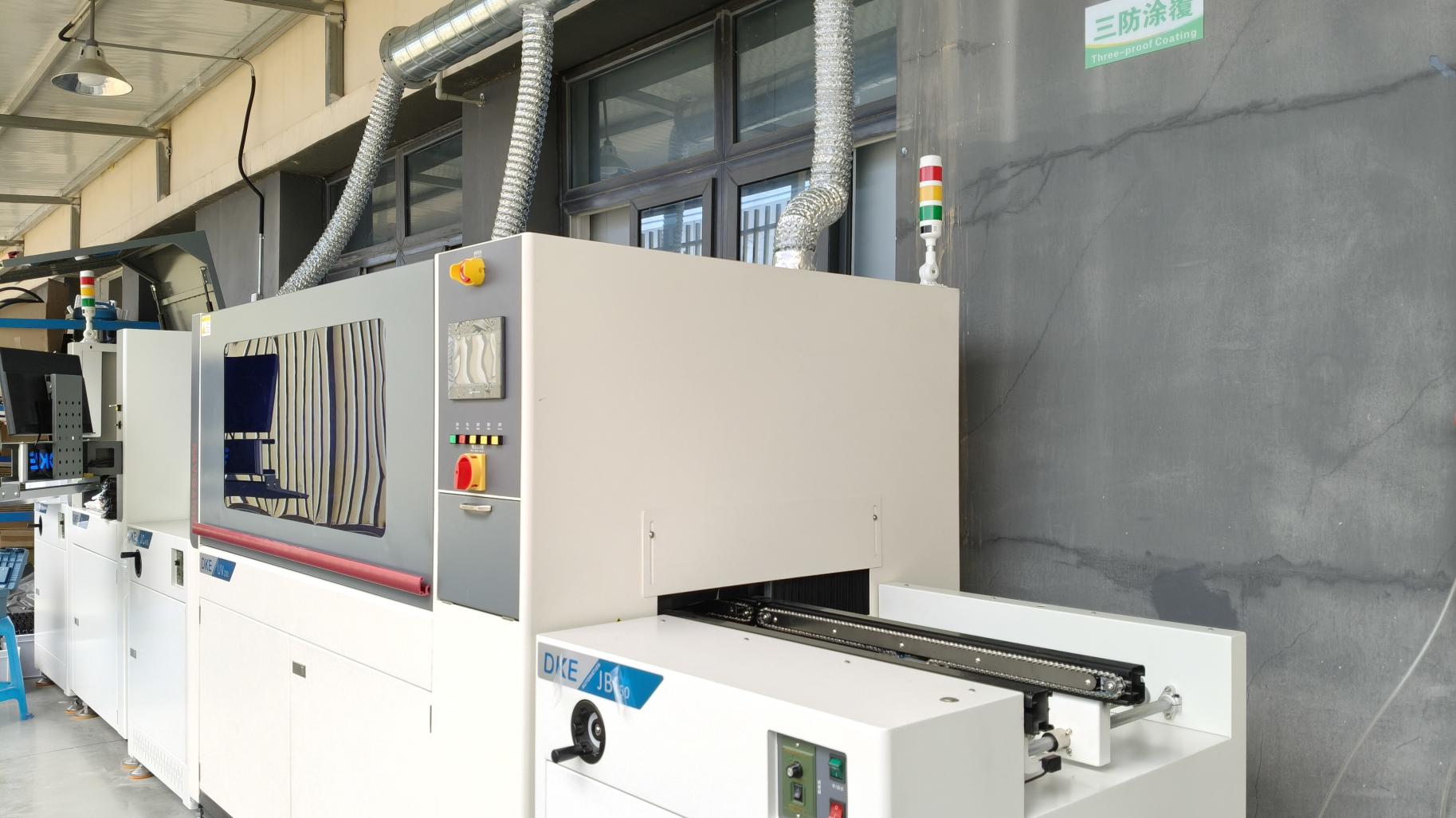
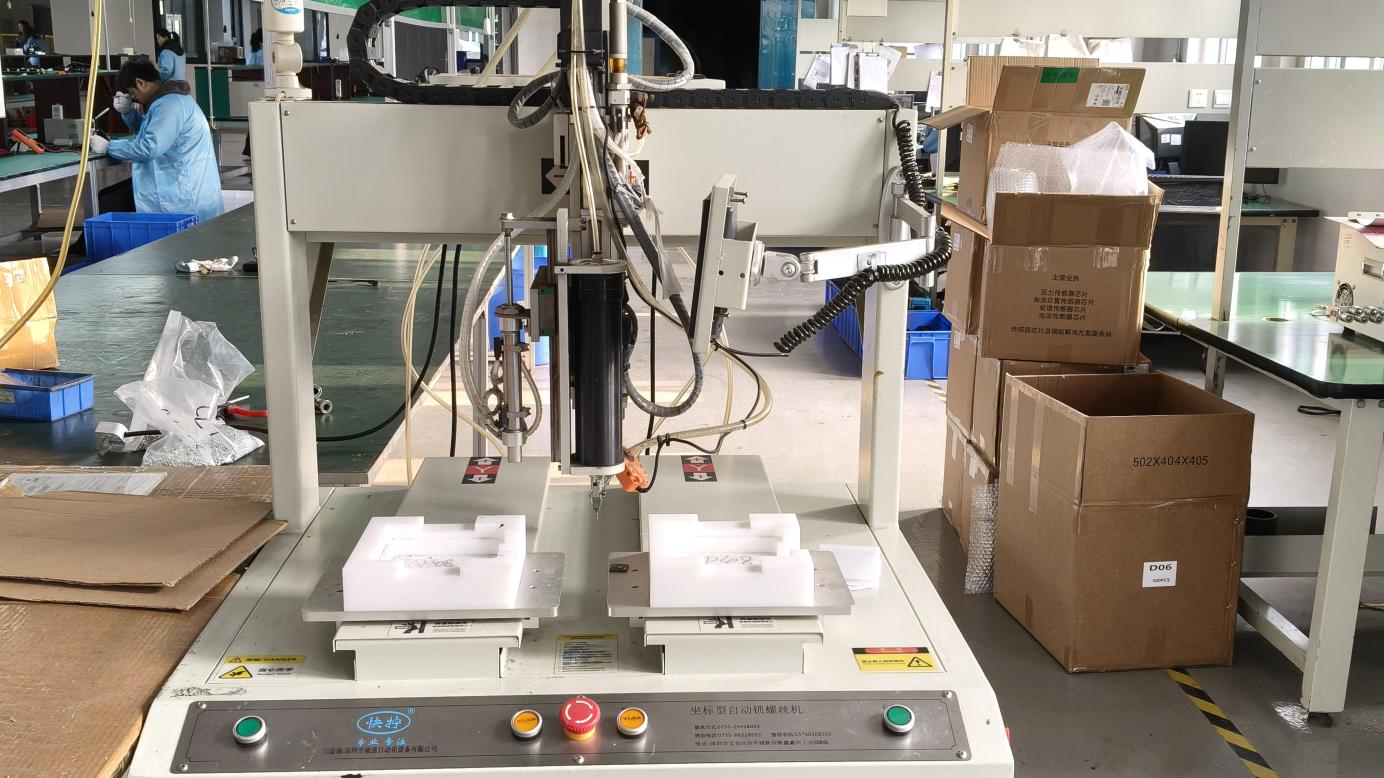
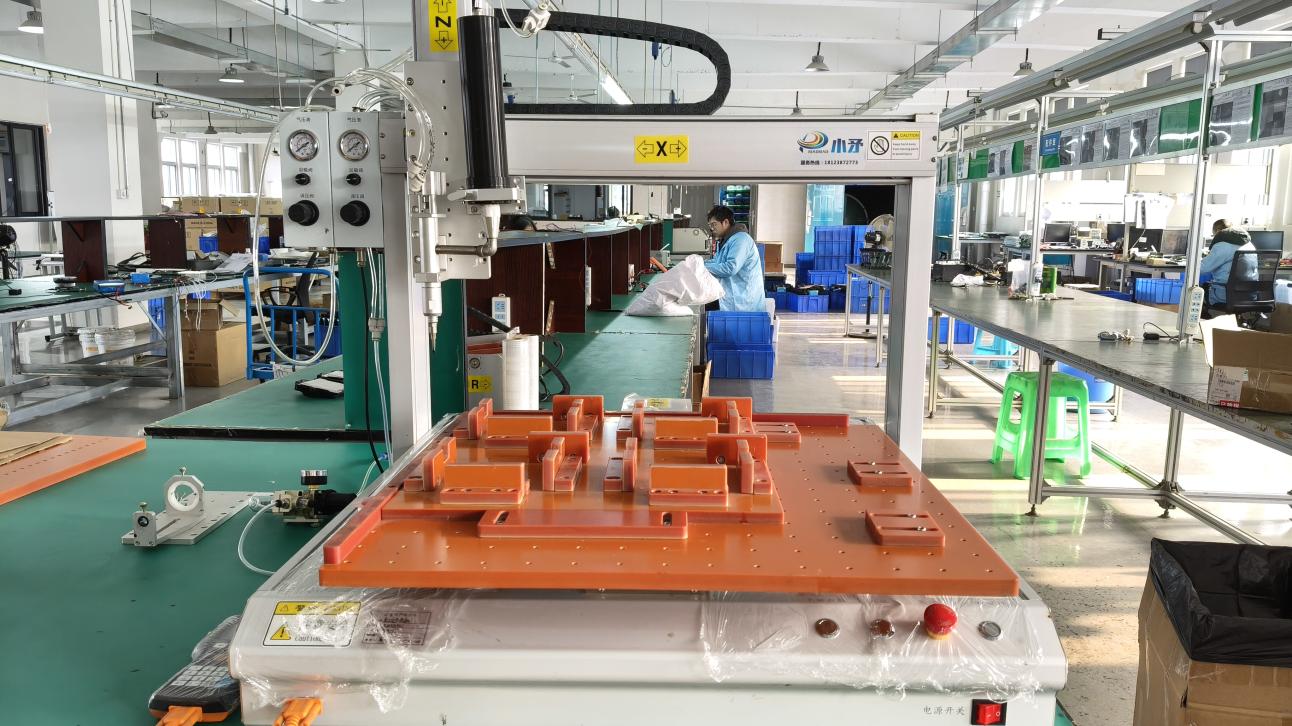
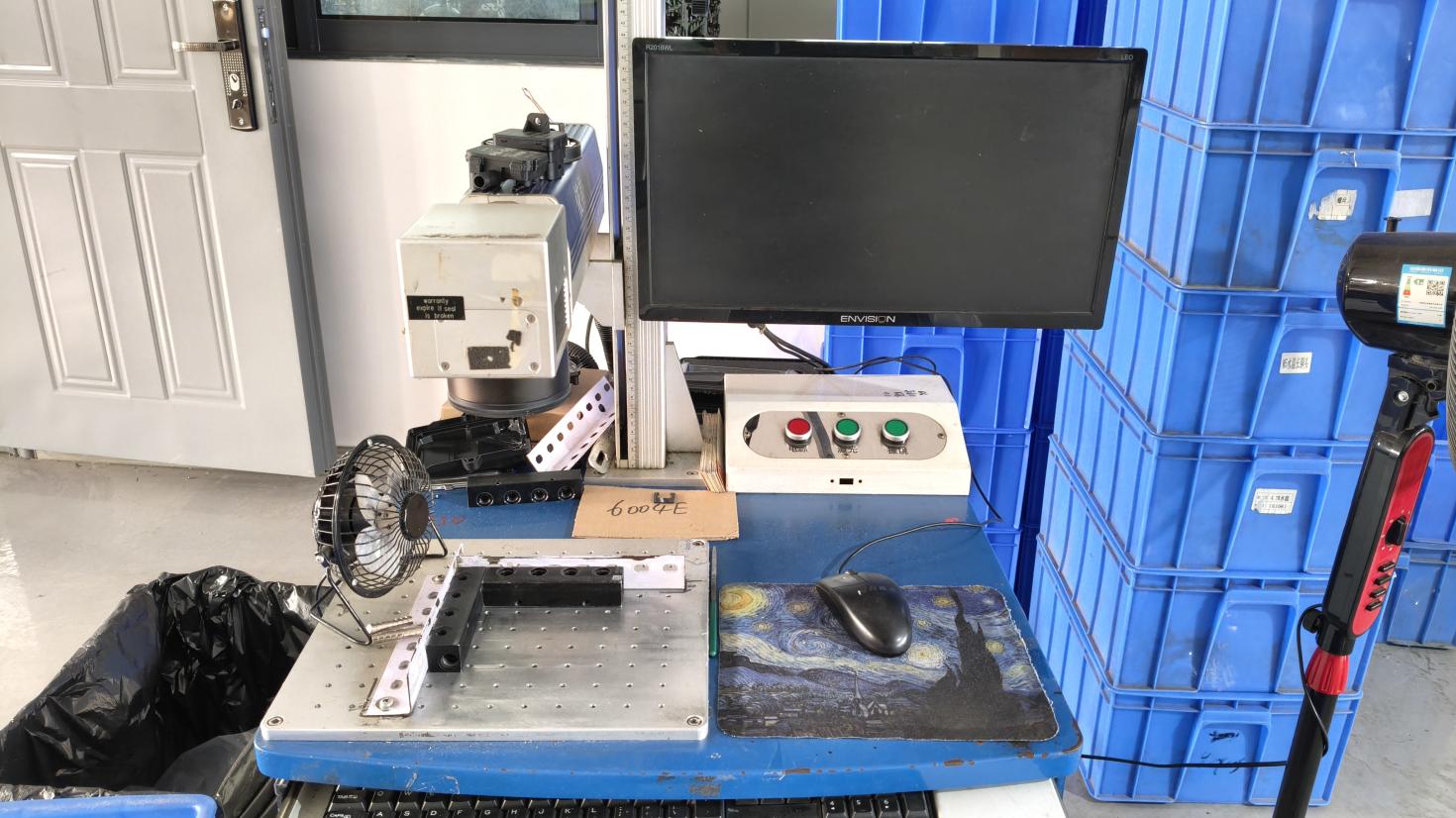
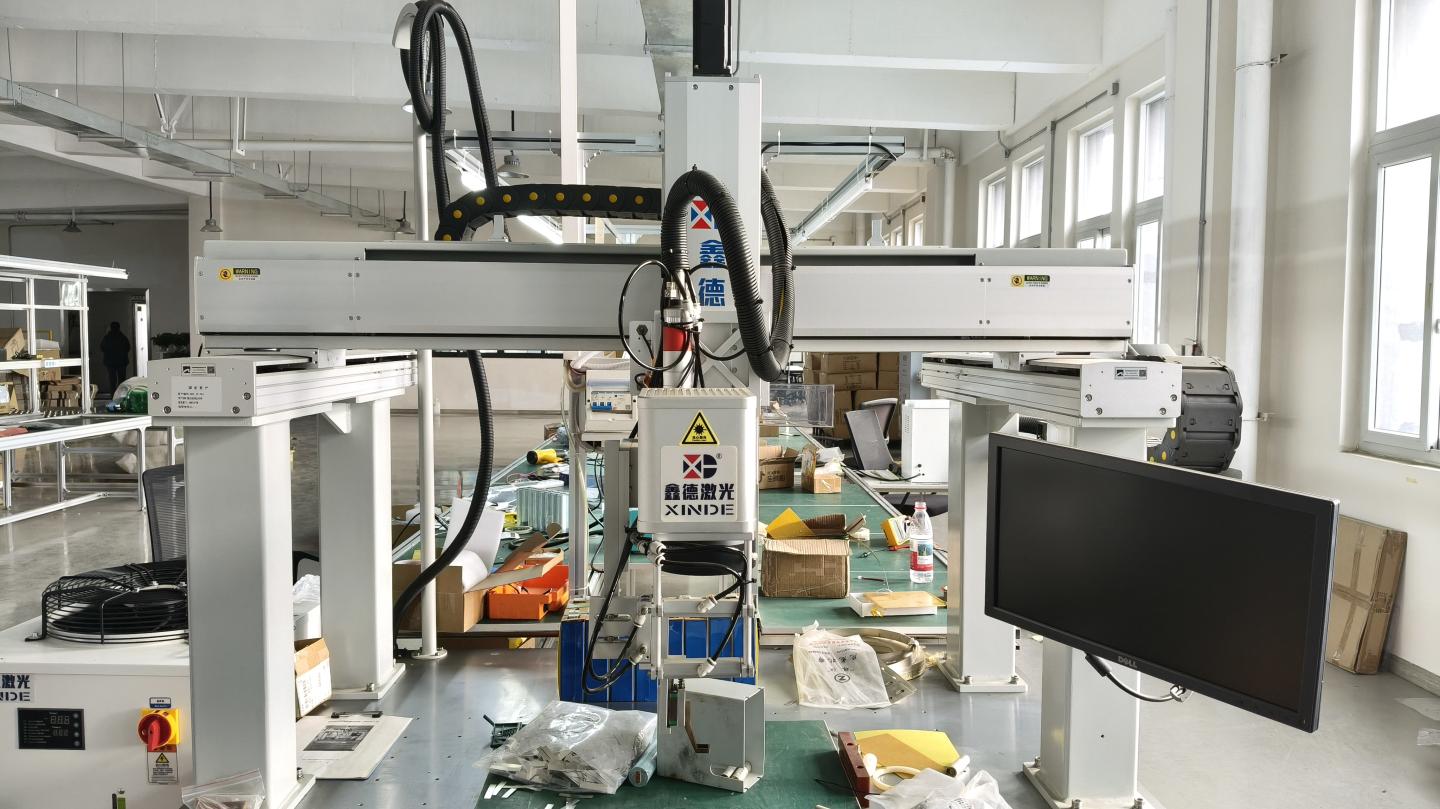
With continuous investment in advanced manufacturing technology, the Yangzhou OneAll facility is equipped with modern, heavy-duty production machinery. This infrastructure includes CNC bending machines, automatic submerged arc welding systems, precision laser cutting equipment, electrostatic powder coating lines, fluorocarbon painting workshops, and precision optoelectronic testing instruments. Supported by multiple automated production lines and a highly specialized technical team, Yangzhou OneAll executes end-to-end quality control to ensure delivery capabilities for large-scale projects.
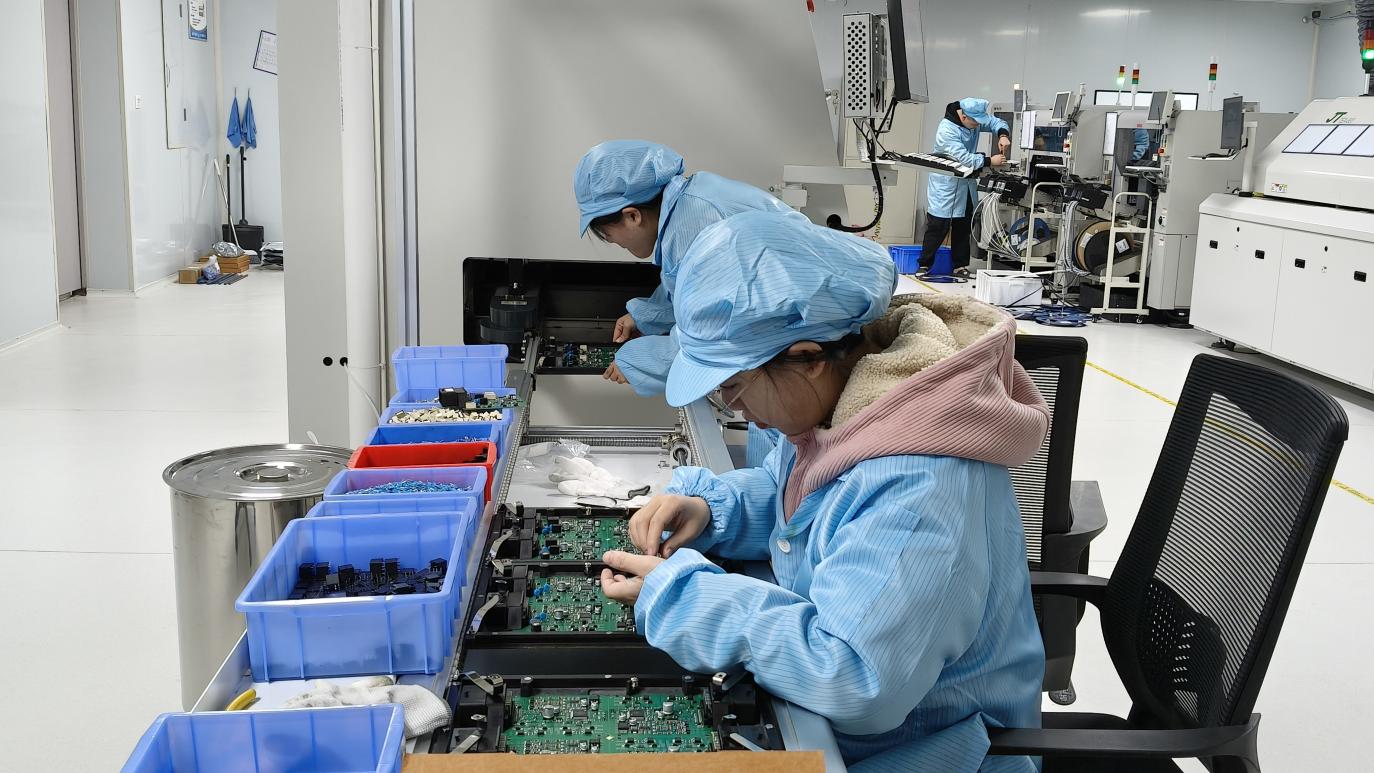
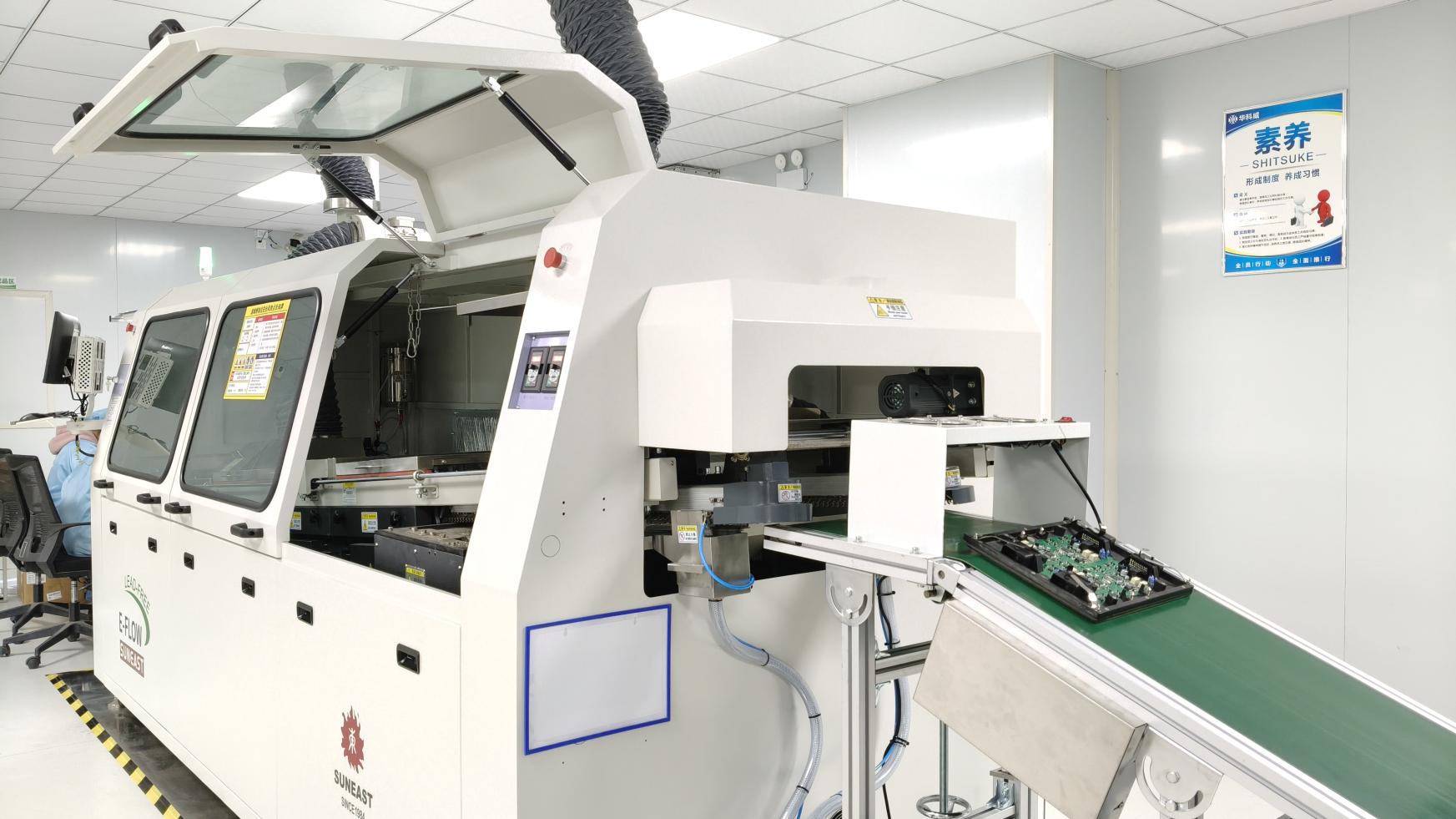

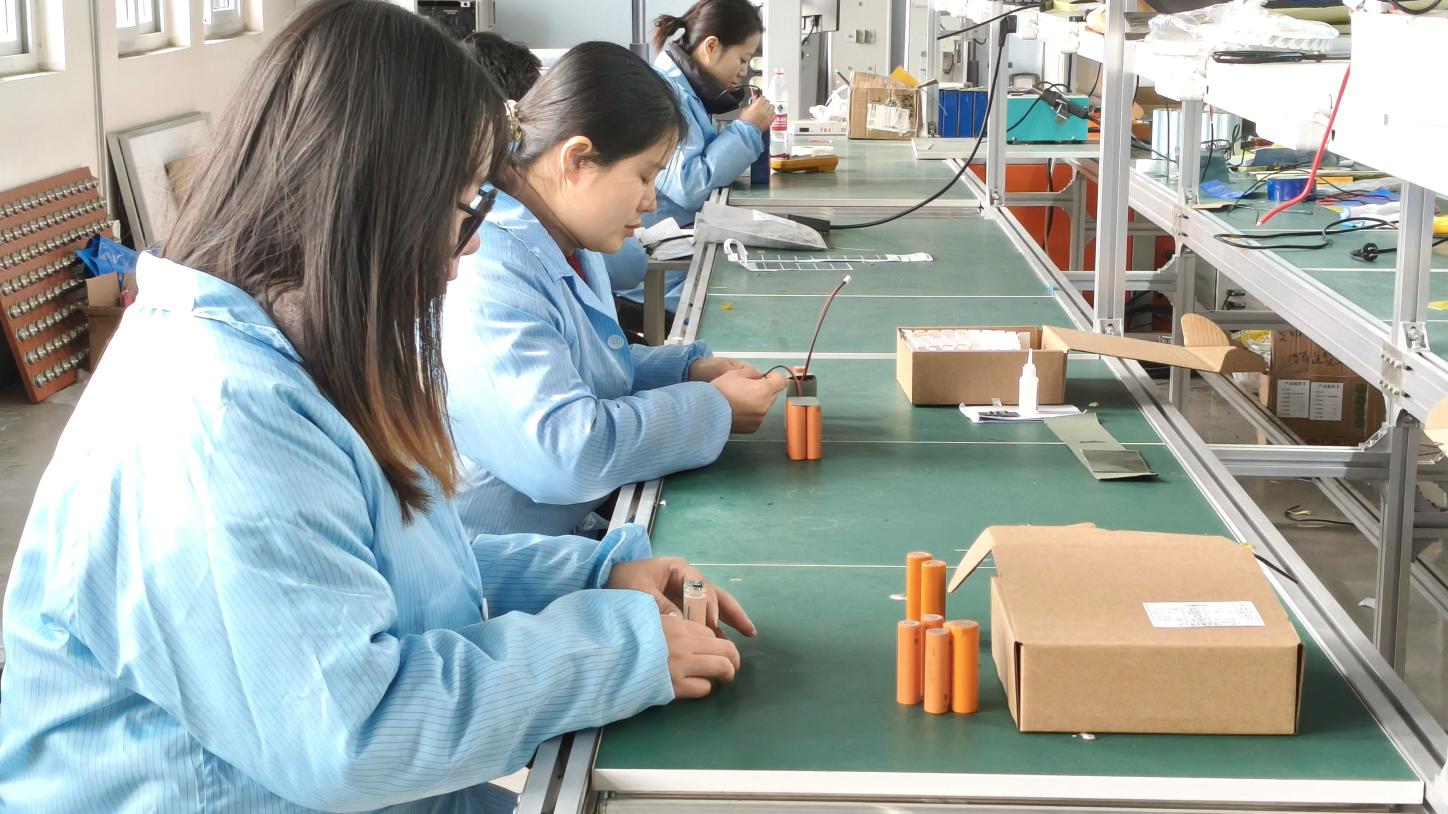
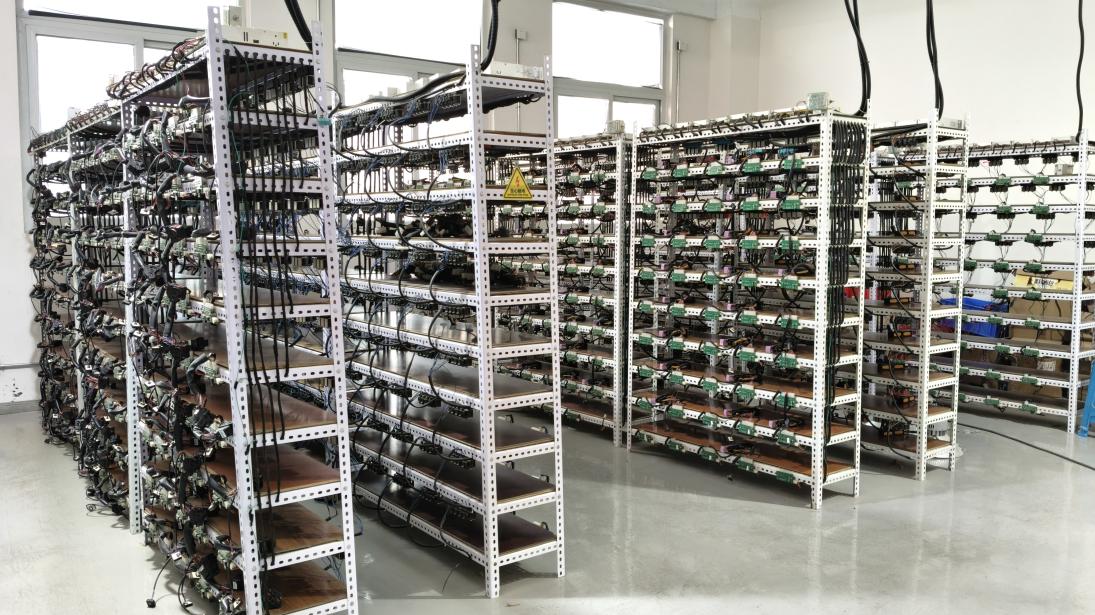
Deploying lighting infrastructure internationally requires strict alignment with region-specific codes and environmental policies. Mechanical robustness must be validated through official third-party certifications. Yangzhou OneAll Lights maintains a robust quality management framework certified to ISO9001 and ISO14001 standards. Additionally, our product systems are certified to CE, CCC, and CQC standards, reflecting a commitment to safety and engineering compliance.
Beyond certifications, localization requires addressing regional weather dynamics. For coastal deployments in areas prone to typhoons, structure calculations are executed to withstand high wind loads. In northern regions with limited winter sunlight, smart power systems dynamically adjust run-time schedules. Navigating complex import tariffs and compliance pathways is facilitated by structured documentation, comprehensive photometric files (IES), and export compliance protocols.
For B2B buyers, purchasing managers, and landscape architects, the unit cost of a solar decorative lantern represents only a fraction of the product's Total Cost of Ownership (TCO). Procurement evaluation processes should prioritize long-term durability and operational efficiency:
Expert technical responses addressing the common concerns of municipal procurement officers, MEP engineers, and commercial developers.
Autonomy (the number of continuous operating days without sunlight) is determined by battery capacity, PV panel size, and controller logic. Top-tier lanterns utilize smart controllers with adaptive dimming profiles (e.g., dimming after midnight or using PIR motion sensors) to conserve power, allowing the system to operate for 3 to 7 consecutive rainy days.
LiFePO4 batteries offer a superior thermal runway threshold (up to 60°C) compared to NMC batteries (which pose risks above 55°C). Additionally, LiFePO4 supports 3,000+ charge cycles at 80% DoD, providing an operational lifespan that aligns with the 50,000 to 100,000-hour rating of high-quality LED drivers.
Salt spray accelerates structural corrosion and causes fogging on polycarbonate diffusers. To prevent this, fixtures must feature powder-coated cast aluminum with specialized primers, SUS316 stainless steel fasteners, and tempered glass or UV-stabilized PMMA optics. Internal electronics should also be protected with a conformal three-proof coating to seal out moisture.
Standard configuration orders typically require a lower MOQ (e.g., 50 to 100 units) with a lead time of 20-30 days. Custom structural fabrications or color modifications require an average MOQ of 200 units, with an engineering design phase that adds 10 to 15 days to the standard manufacturing timeline.
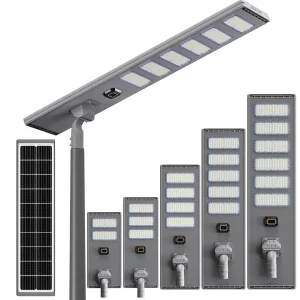
Engineered for heavy-duty commercial zones, public roadways, and large-scale industrial facility applications.
 OneAll Lights