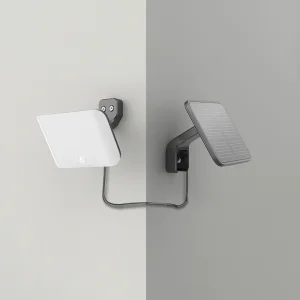
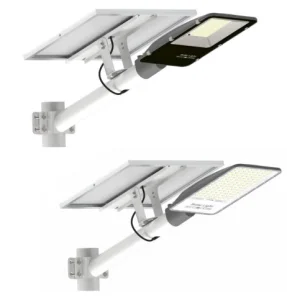
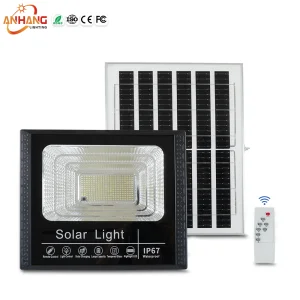
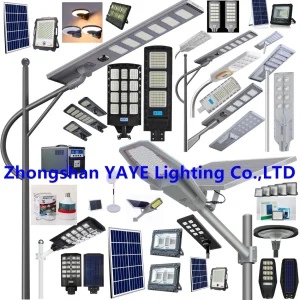
Explore our premium grade solar, flood, and architectural lighting configurations designed for low carbon footprints and maximum reliability.
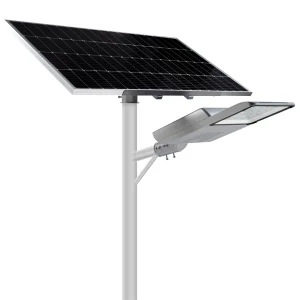
The global lighting industry is experiencing an unprecedented structural transition. Across Europe, North America, and parts of the Asia-Pacific, regulatory mandates targeting energy consumption reduction and hazardous material phase-outs are accelerating the extinction of traditional fluorescent tubes. Regulations like the European Union's Restriction of Hazardous Substances (RoHS) directive have effectively banned mercury-containing T5 and T8 fluorescent lighting elements, forcing procurement teams to seek high-reliability, long-lifetime solid-state alternatives.
Within this regulatory framework, modern LED Tube Lights stand out not merely as direct replacements, but as high-utility upgrades. Incorporating advanced semiconductor packaging, optimized driver topologies, and sophisticated optical diffusers, LED tubes offer a minimum of 50% energy savings over legacy fluorescent lamps, alongside operating lifetimes that regularly exceed 50,000 hours (L70/B50 standards).
China is the manufacturing hub for over 80% of the world's solid-state lighting products. The mature electronic cluster ecosystem in coastal regions yields unparalleled advantages in design-to-delivery speed, vertical integration of SMD component placement, and comprehensive compliance capabilities.
From die-casting aluminum substrates to high-throughput Surface Mount Technology (SMT) packaging and automated injection molding of polycarbonate diffusion covers, Chinese factories leverage dense supply networks to deliver high levels of cost control without compromising technical performance.
Top-tier exporters ensure structural, thermal, and optical compliance through systematic engineering. Partnering with a manufacturer holding verified ISO certifications ensures that raw inputs are free from toxic additives and tested for high dielectric strength under real-world industrial loads.
A professional manufacturer and exporter specializing in high-performance outdoor and industrial lighting systems with over two decades of technical evolution.
Established in 2003 and strategically situated in Yangzhou, Jiangsu Province, China, Yangzhou OneAll Lights Co., Ltd. has spent over 20 years developing, engineering, and manufacturing robust architectural and industrial lighting products. We provide energy-efficient, environmentally friendly lighting configurations for a global base of municipal, commercial, and wholesale distribution clients.
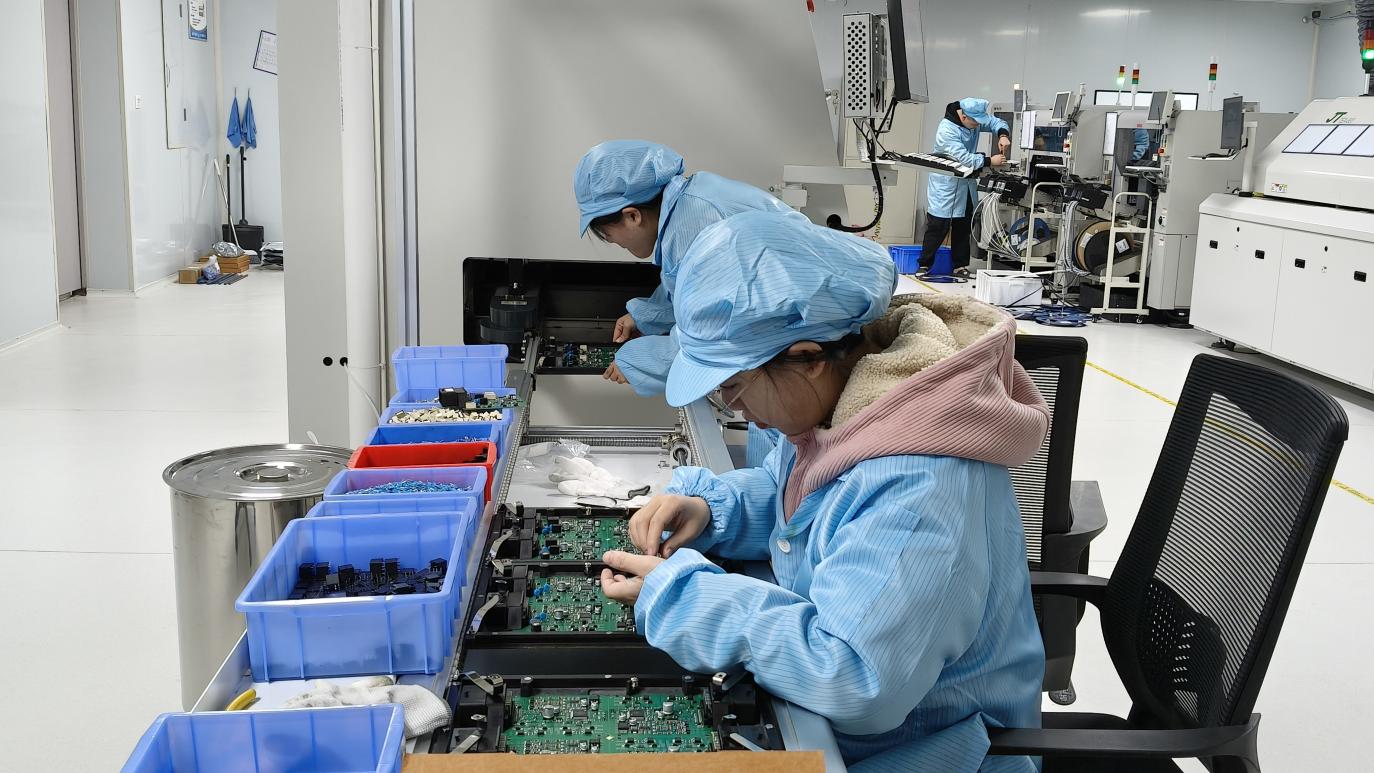
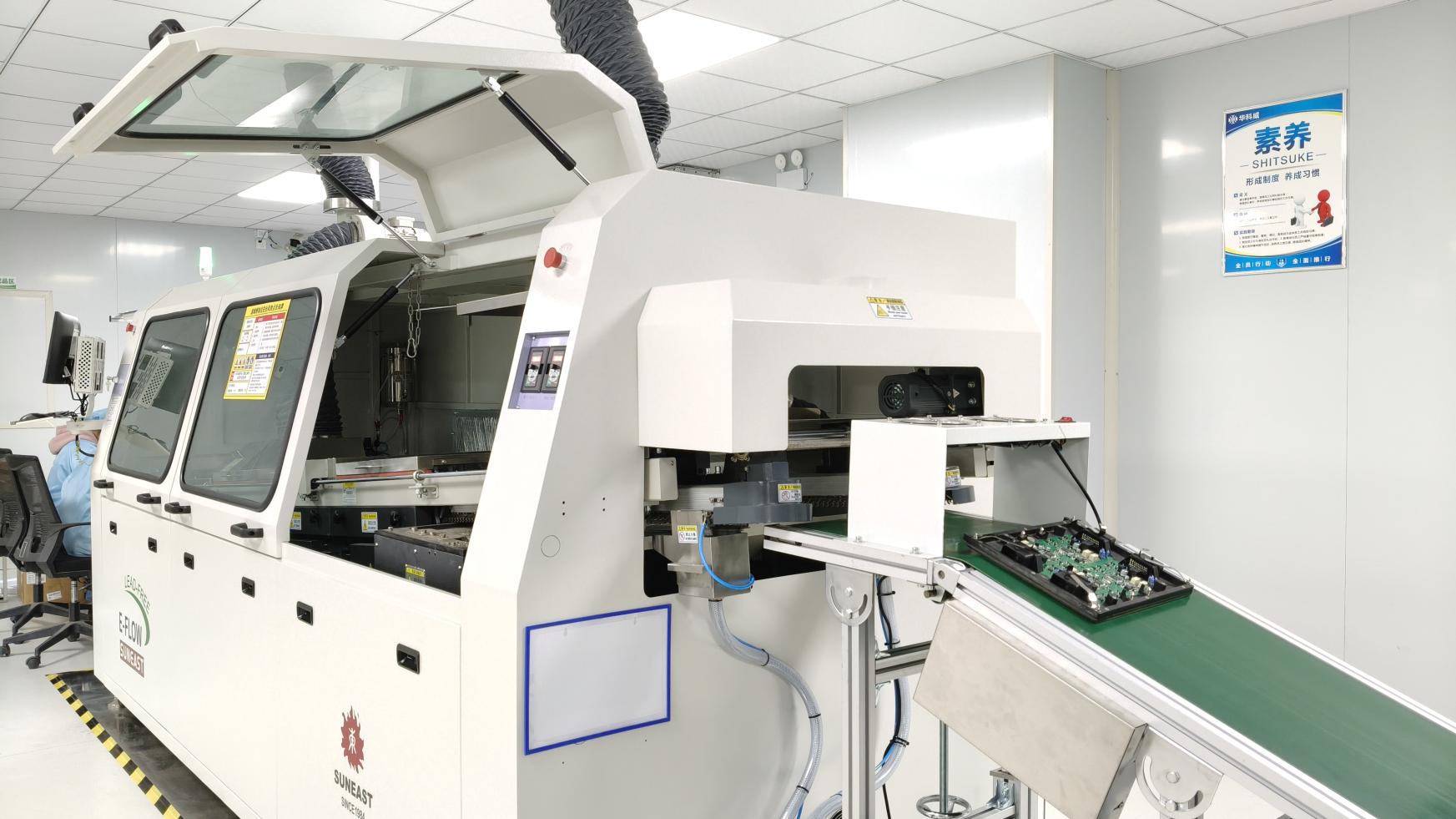
We continuously invest in advanced manufacturing capabilities. Our production facility features heavy CNC bending machines, automatic submerged arc welding systems, high-precision laser cutters, electrostatic powder coating facilities, fluorocarbon painting lines, and specialized laboratory testing instruments. Backed by automated assembly lines and an expert engineering team, we deliver projects on time while maintaining strict quality control.
Our operation is certified to ISO9001 Quality Management Systems and ISO14001 Environmental Management Systems. Our products carry CCC, CQC, and CE certifications, alongside accredited lab test reports, guaranteeing compliance with local safety standards across Southeast Asia, the Middle East, Africa, Europe, and South America.
"Our company operates on the core belief of 'Quality First, Innovation, Integrity, and Customer Satisfaction.' We continuously upgrade our manufacturing technologies to deliver resilient products and reliable services to our partners worldwide."
A transparent look inside our Jiangsu production lines, showing our quality control steps from raw component SMT mounting to environmental stress chamber runs.
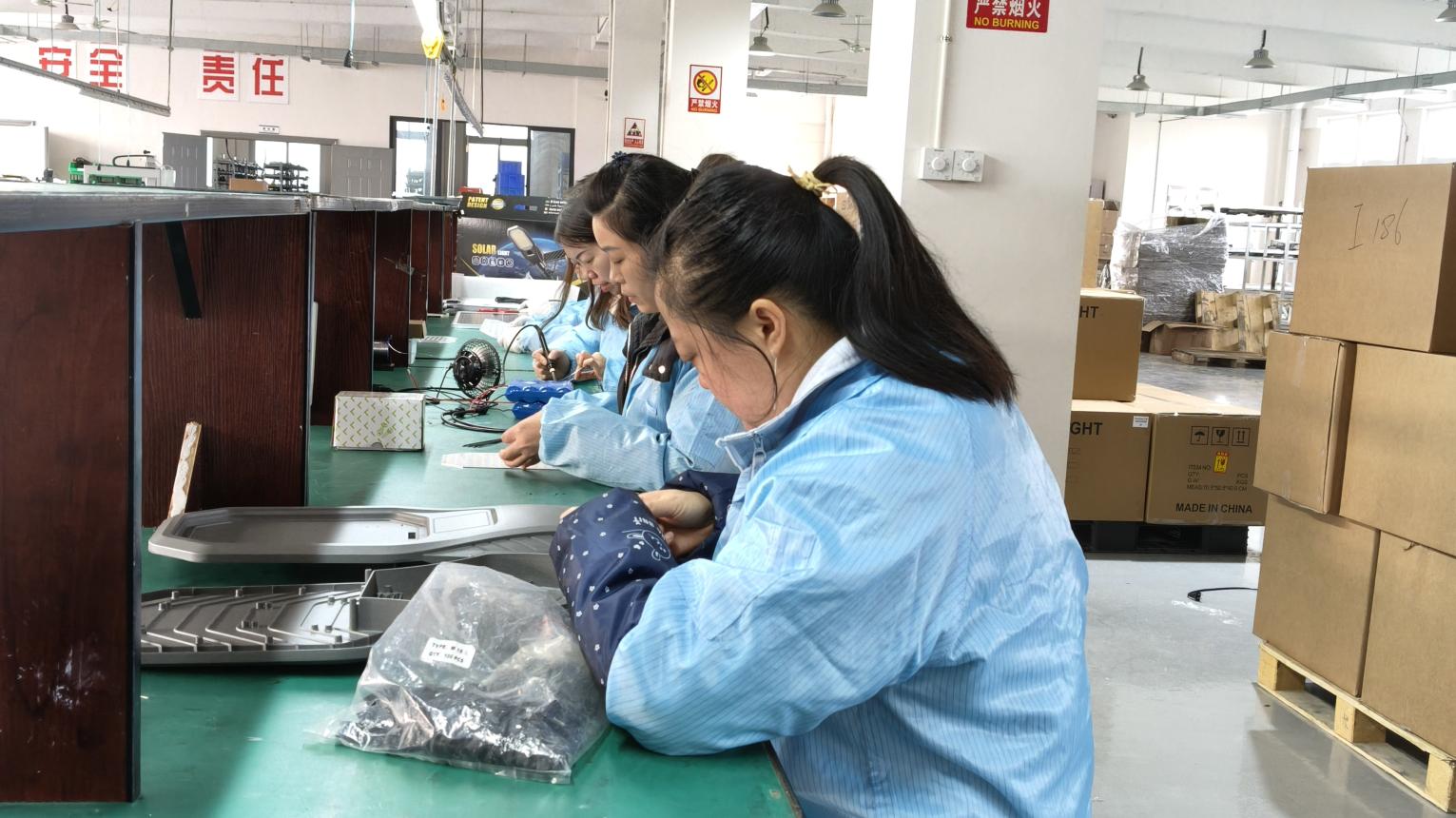
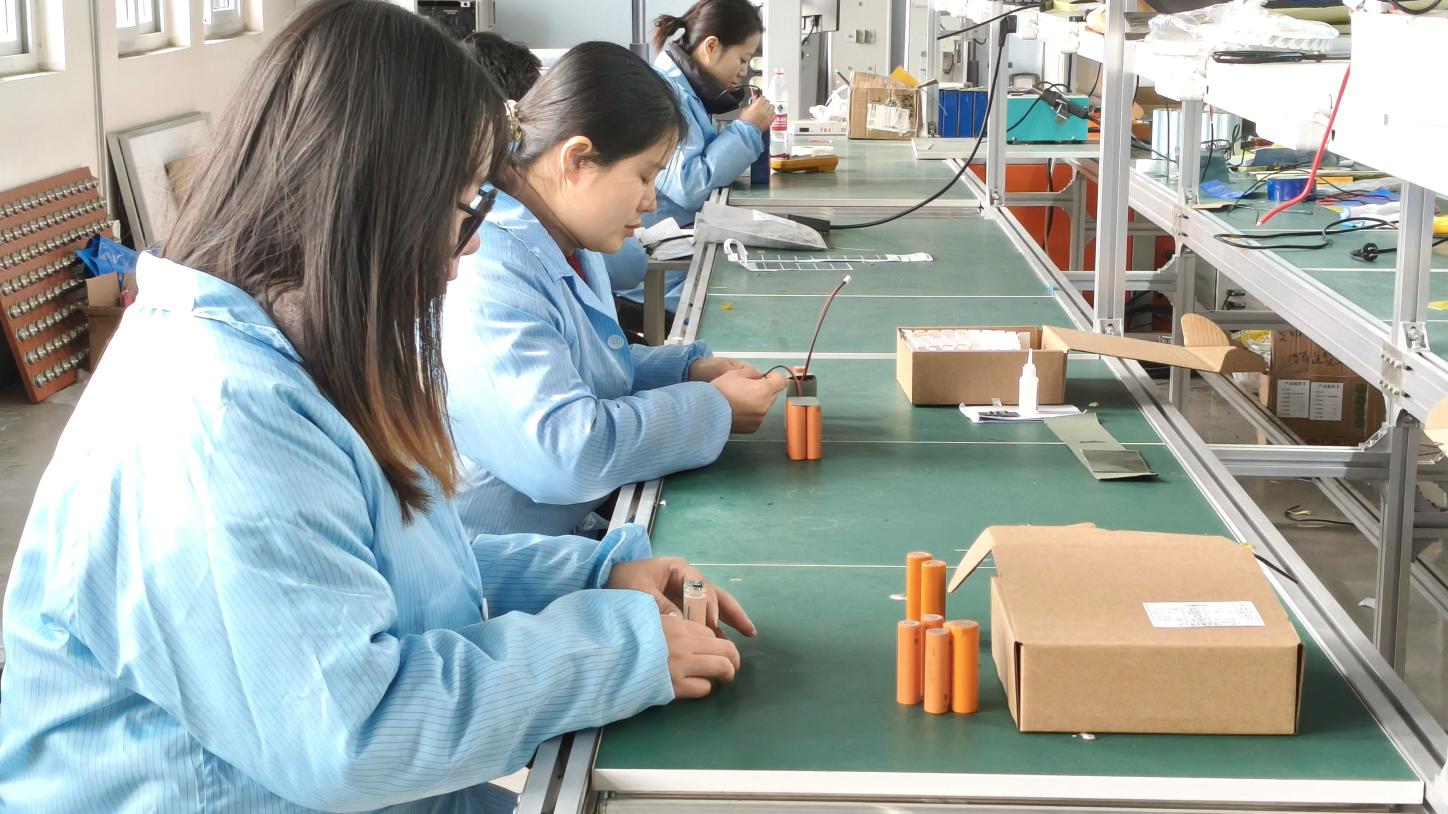
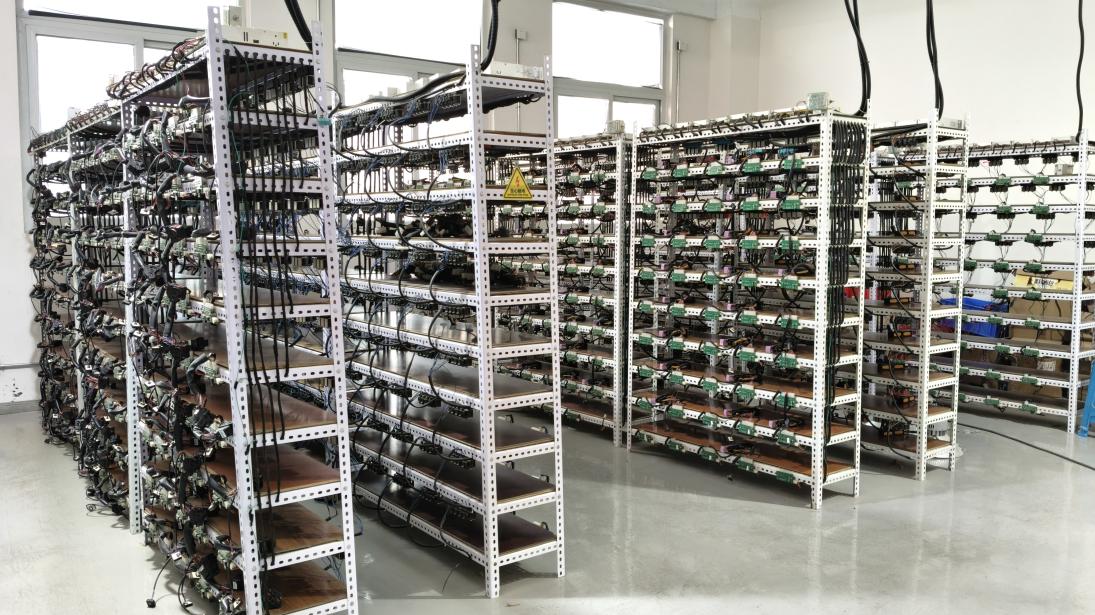
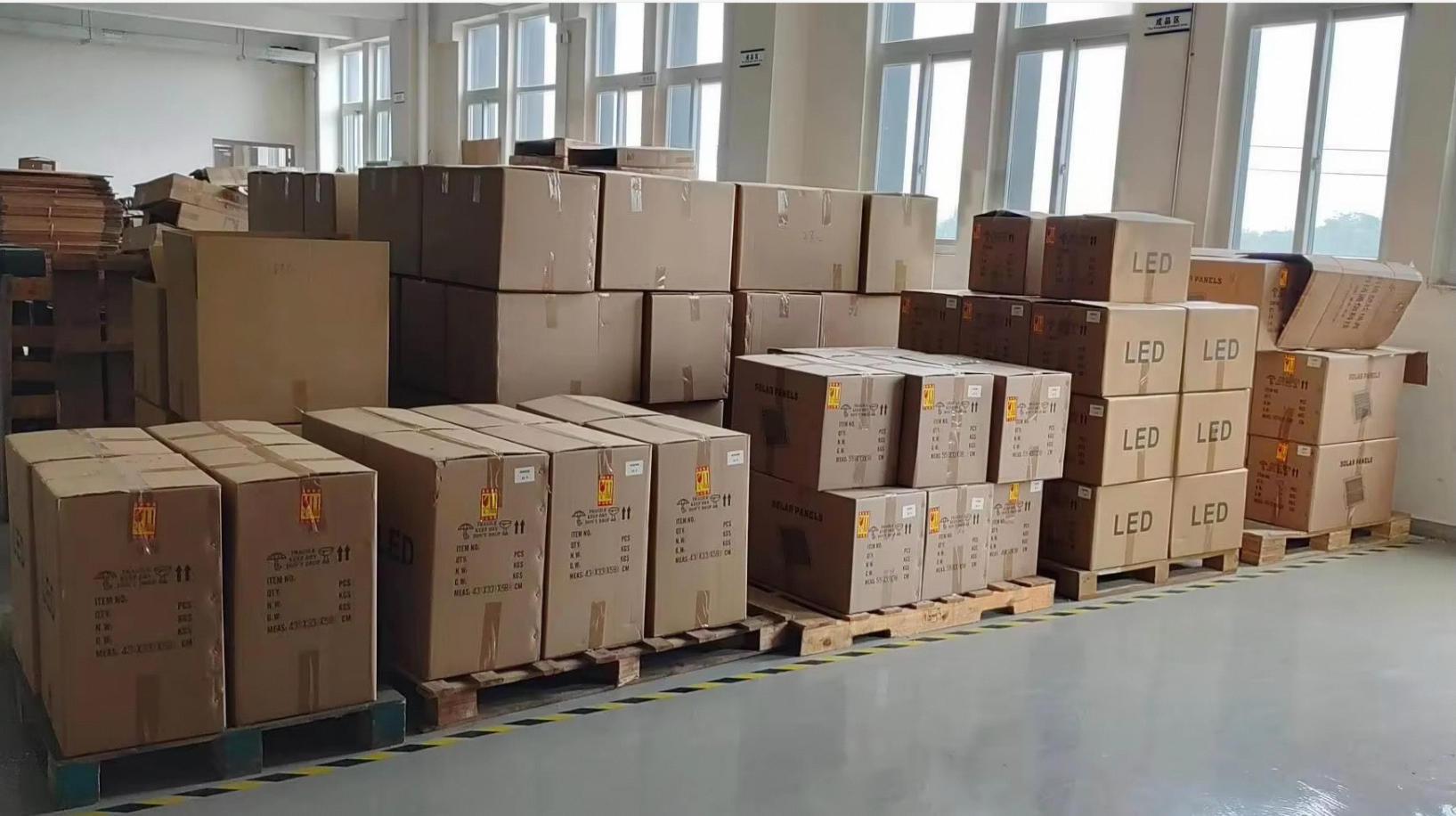
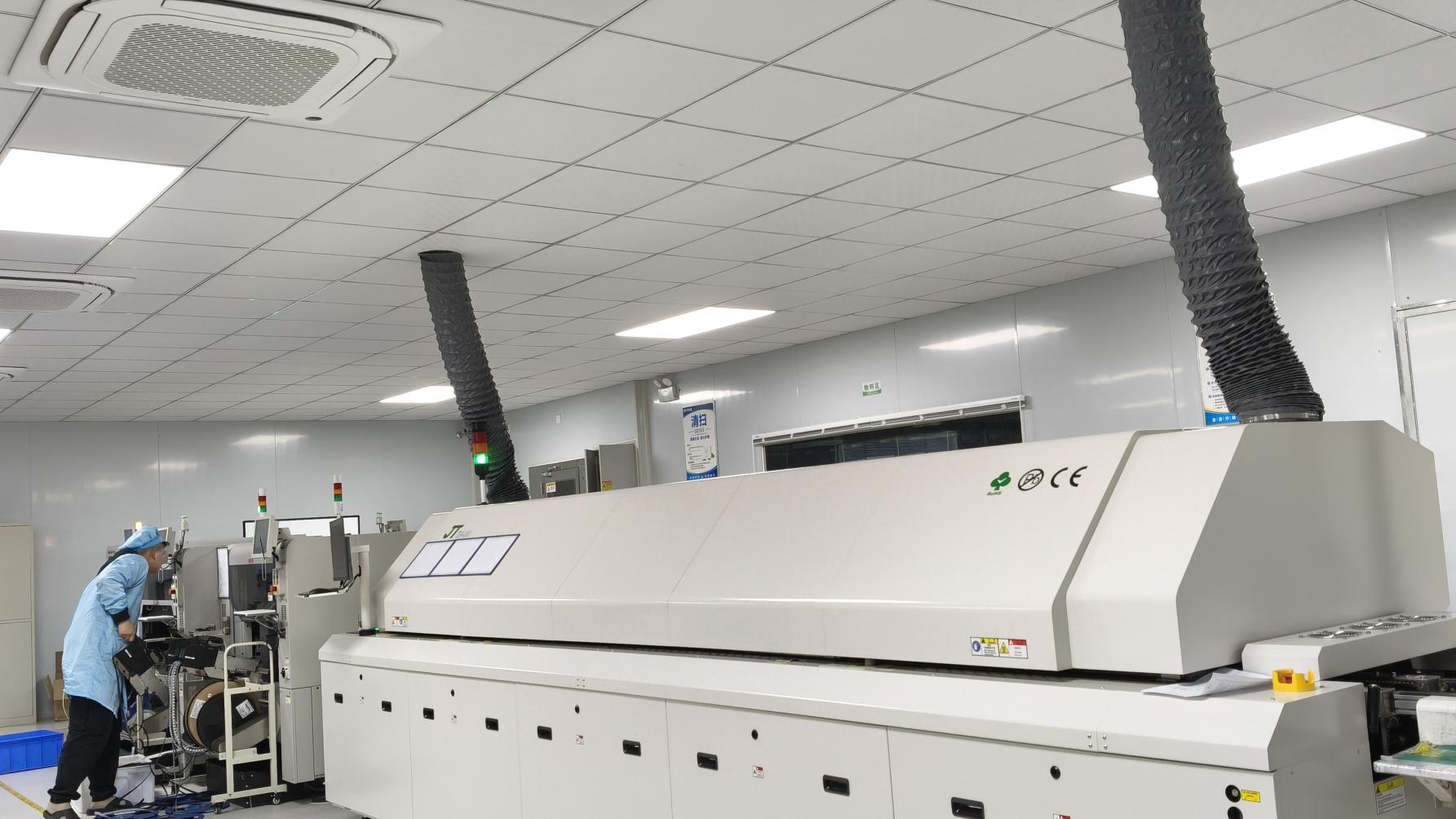
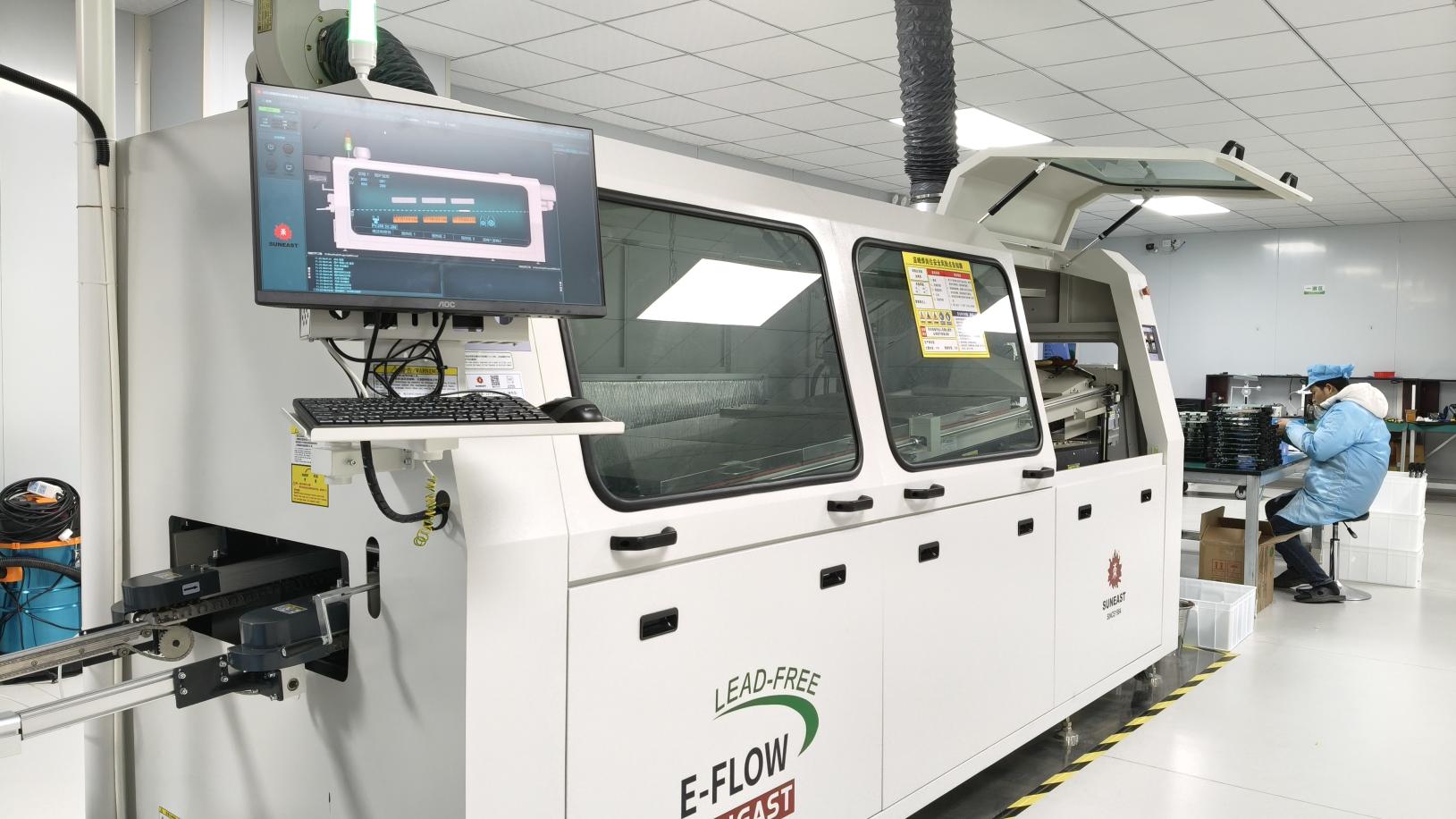
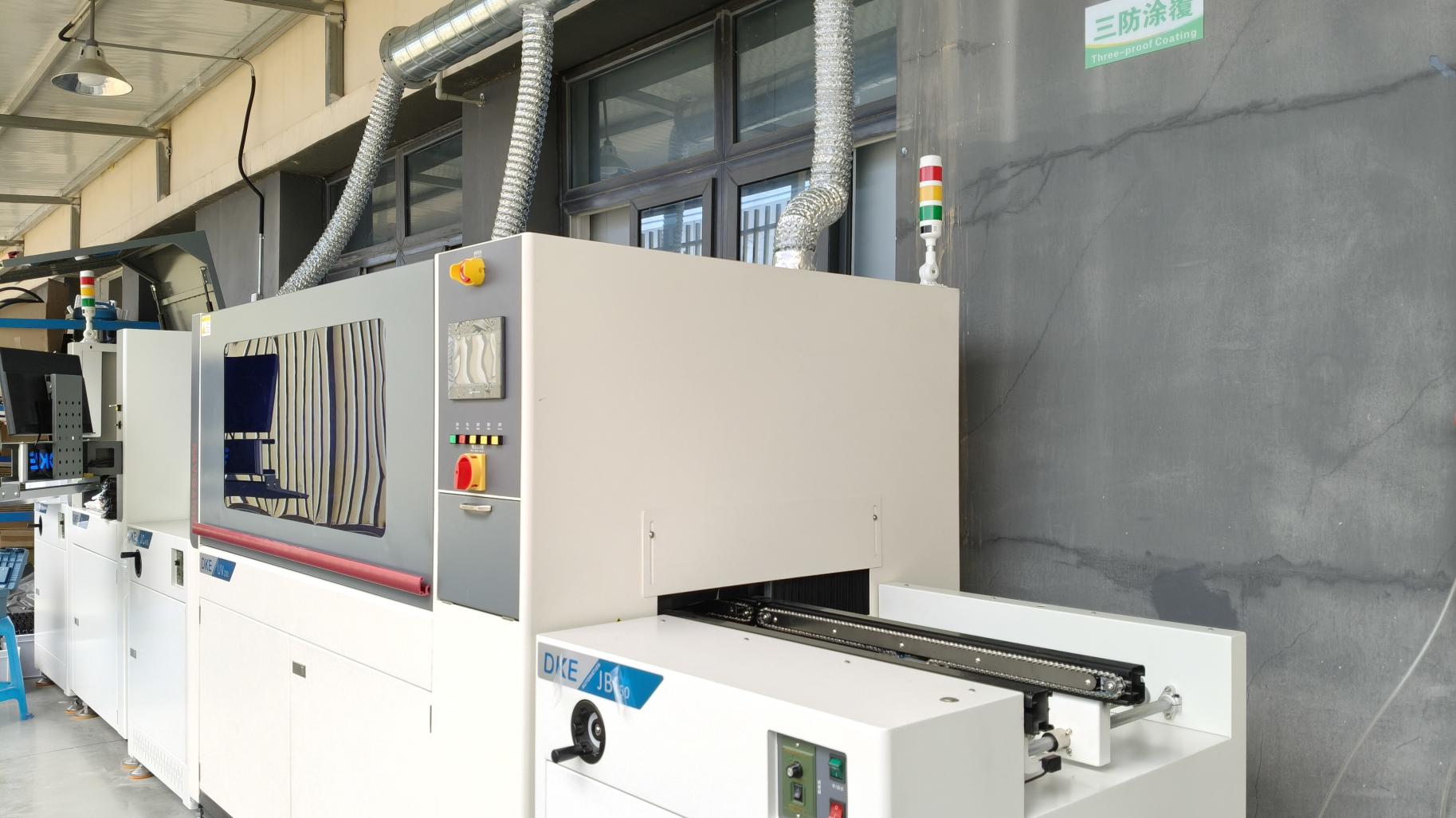
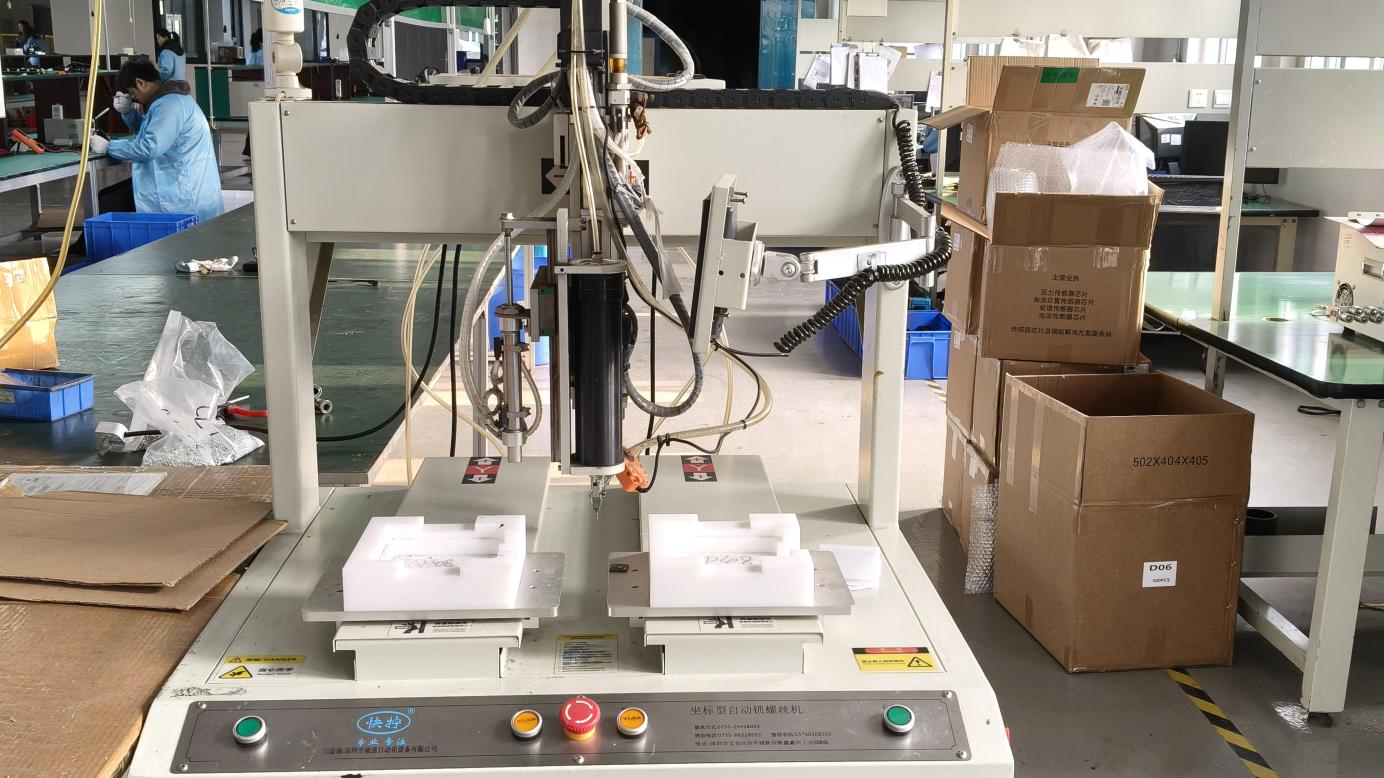
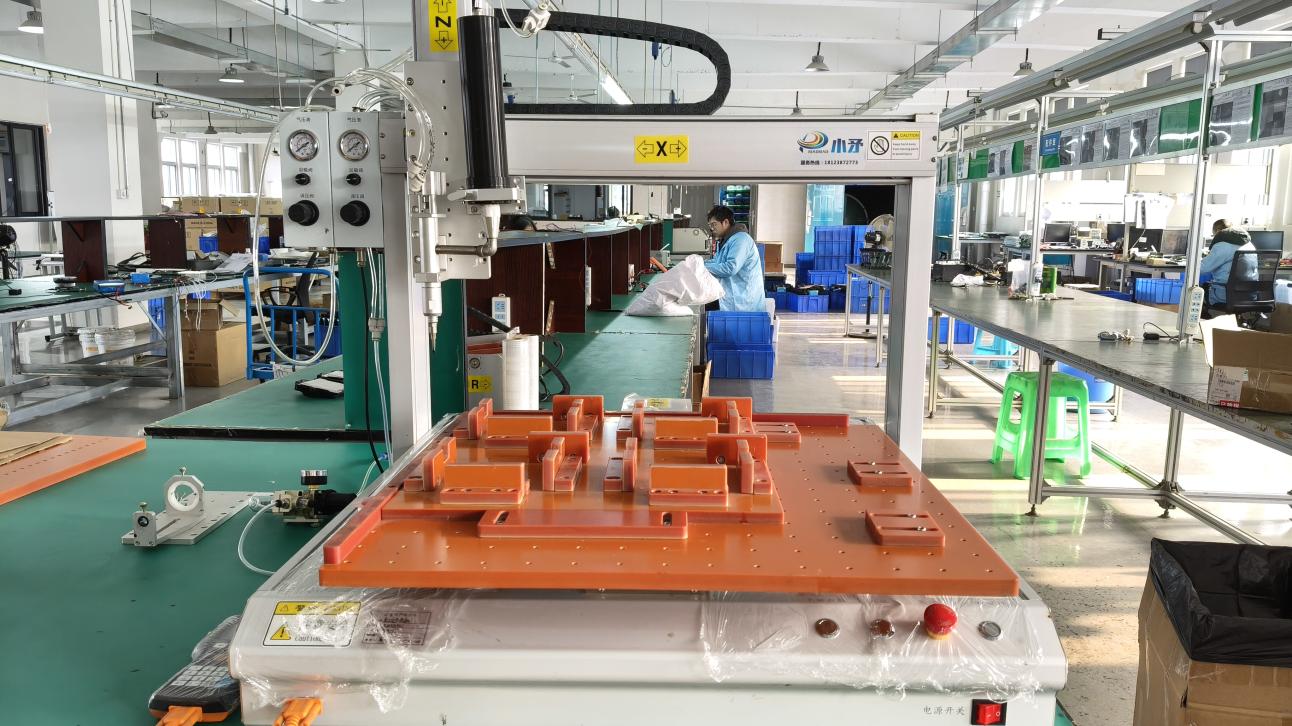
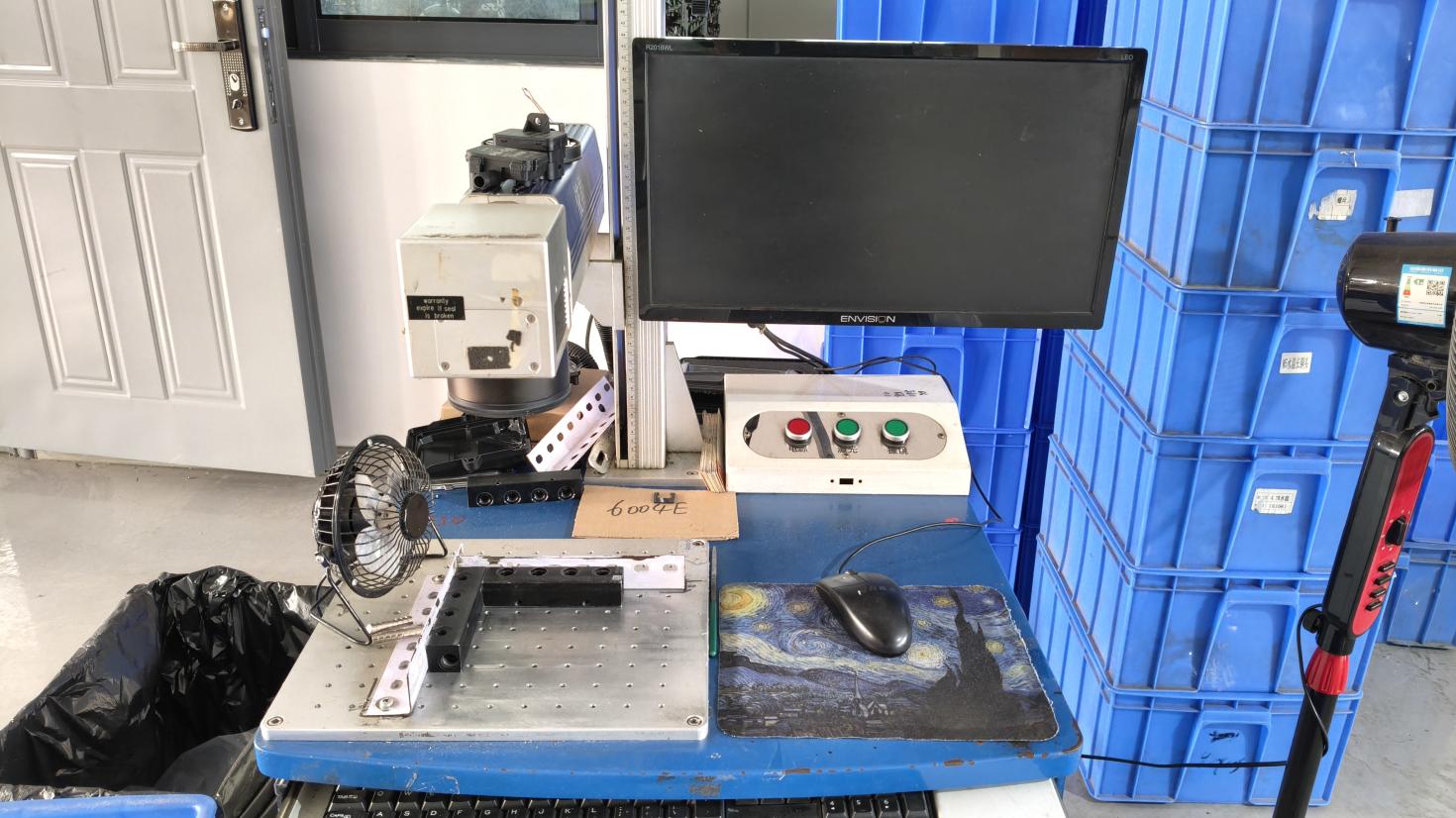
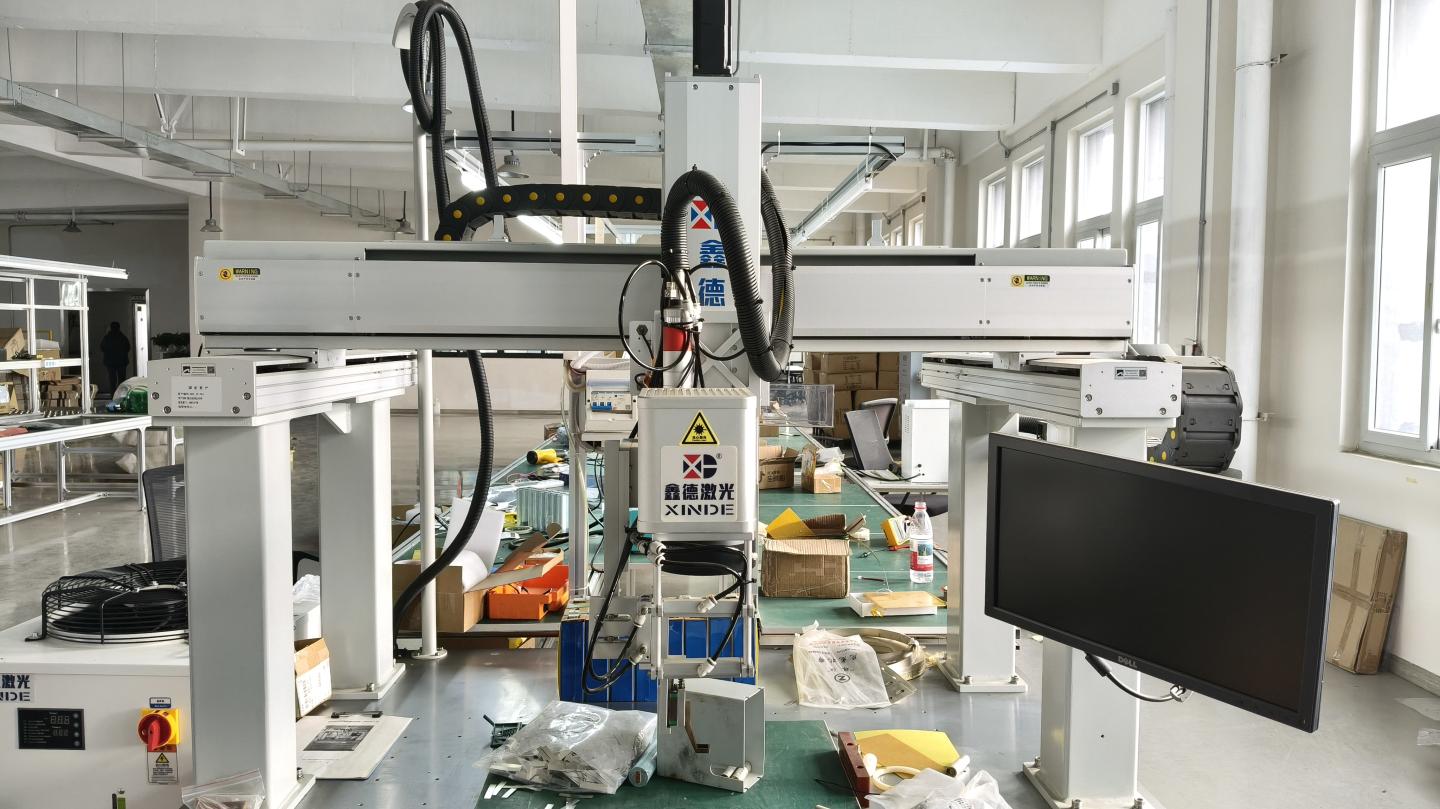
Understanding the core electronic and structural configurations of modern linear LED systems is crucial for large-scale procurement and safe installation.
These tubes integrate an internal driver designed to run on the high-frequency AC output of existing fluorescent ballasts. While they offer the lowest upfront labor cost during retrofitting, their long-term reliability is tied to the lifespan of the fluorescent ballast. They are common in quick tenant improvements.
Engineered to connect directly to the main AC line voltage (typically 120-277V or 347V). The existing ballast is cut out and bypassed. This configuration eliminates ballast maintenance costs and potential failure points, delivering high efficiency and electrical reliability for industrial operations.
Utilizes an external driver mounted inside the luminaire housing, outputting low-voltage DC directly to the LED tubes. Type C systems offer the highest efficiency, lowest operating temperatures, and best compatibility with smart dimming protocols (0-10V, DALI, Zigbee).
When drafting specifications, engineers should prioritize these four key indicators to ensure compatibility and visual comfort:
How specialized LED linear systems are implemented to meet localized lighting demands, safety codes, and environmental conditions.
In high-vibration and chemically active environments, standard glass lighting tubes present containment risks. Industrial facilities deploy shatterproof polycarbonate (PC) clad LED tubes featuring vapor-tight IP65 to IP67 enclosures. These prevent exposure to moisture, dust, and corrosive vapors, maintaining constant lumen output in demanding conditions.
Fluorescent lighting suffers from reduced light output and shortened lifespans in freezing temperatures. In contrast, LED performance improves in cold environments. Solid-state tubes run cooler, reduce HVAC cooling loads, and require no warm-up time. For food safety compliance, NSF-certified shatterproof housings are used to prevent food contamination.
Invisible light flicker from low-quality drivers can cause eye strain, headaches, and reduced concentration. For school classrooms and hospital patient wards, specify ripple-free, flicker-free constant current drivers (Pst LM ≤ 1.0, SVM ≤ 0.4) combined with a Color Rendering Index of 90+ to help reduce fatigue and improve visibility.
Industrial scale and vertical integration are essential for mitigating global supply chain risks. Top China exporters maintain component stocks to cushion against raw material price swings and shipping bottlenecks.
By sourcing raw materials from local suppliers in the Yangtze River Delta, we keep freight times short and material costs predictable. This close integration allows us to quickly scale production for large projects.
Additionally, keeping production steps in-house—from SMT component mounting to automatic gluing and dynamic burn-in testing—helps ensure consistent build quality. Automated optical inspection (AOI) and automated packing systems reduce human error and speed up container loading, keeping shipping schedules on track.
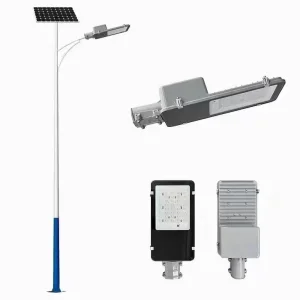
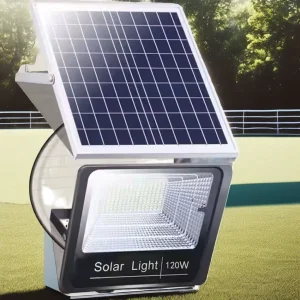
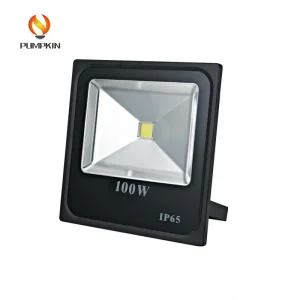
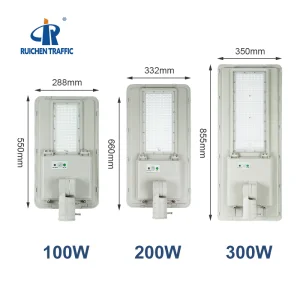
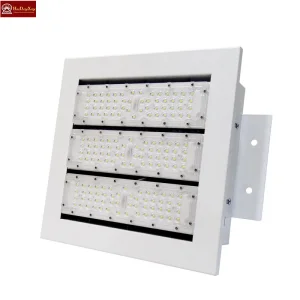
Premium outdoor canopy fixtures, high bays, and architectural accent lights built to withstand harsh environments and reduce operating costs.
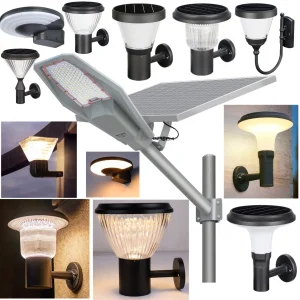
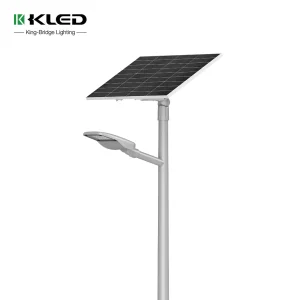
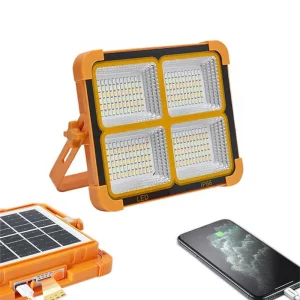
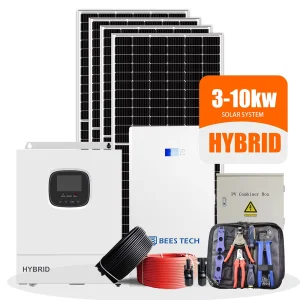
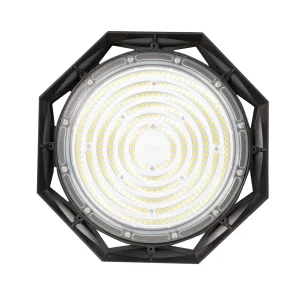
We design and manufacture our products to meet the safety, environmental, and electrical codes of major global import markets.
Our CE and RoHS marks confirm that our products meet EMC Directives and strict limits on hazardous materials. This makes them suitable for commercial use across EU member states.
We supply products designed to meet UL/ETL electrical safety requirements, as well as DLC parameters. This helps project operators qualify for utility energy rebates.
Our drivers are engineered to handle voltage swings from 90V to 305V. This ensures reliable operation across different grid environments, from dense urban networks to remote industrial sites.
Technical guidance for global importers, distributors, and engineering contractors.
The numbers denote the diameter of the tube in eighths of an inch: T5 is 5/8" (16mm), T8 is 8/8" (1" or 26mm), and T12 is 12/8" (1.5" or 38mm). T8 tubes are the most common standard for retrofitting typical commercial and office spaces. T5 tubes are generally shorter and thinner, commonly used in under-cabinet fixtures or shallow direct/indirect lighting. T12 lamps are older, less efficient, and are usually replaced by T8 LED systems with bypass drivers.
For shipping glass tubes overseas, we use thick double-wall corrugated cartons and custom foam end-caps for shock protection. We also offer nano-plastic and polycarbonate co-extruded tubes, which are highly impact-resistant and simplify shipping and installation.
Power factor measures how efficiently electrical power is used. A low PF (under 0.90) draws more current than necessary, which can lead to utility penalty charges for large facilities. We design our industrial LED drivers to maintain a PF greater than 0.95 and limit Total Harmonic Distortion (THD) to under 15% to help ensure grid stability and lower operating costs.
Yes. We provide complete OEM/ODM options, including custom color temperatures (2700K to 6500K), custom lengths, high-efficacy LED configurations, specific beam angles, integrated motion sensors, and emergency battery backup systems.
 OneAll Lights