Engineered for maximum optical performance, high thermal stability, and integrated smart control architectures.

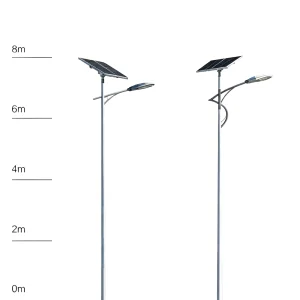
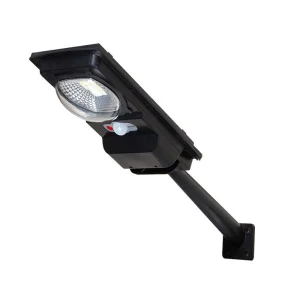

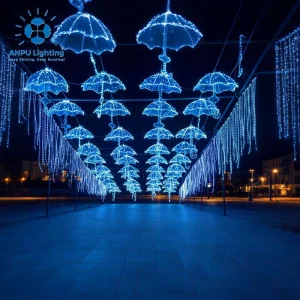
The global transition toward green infrastructure has elevated solar street lighting from a simple off-grid convenience to a crucial component of modern smart cities. Supported by strict carbon neutrality frameworks (such as the EU Green Deal and global Net-Zero pledges), municipal bodies and industrial developers are replacing outdated high-pressure sodium (HPS) and standard LED fixtures with intelligent, self-powered lighting networks. According to global industrial analyses, the smart solar street lighting market is expected to expand at a compound annual growth rate (CAGR) of over 15% through 2030.
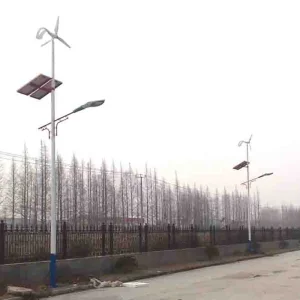
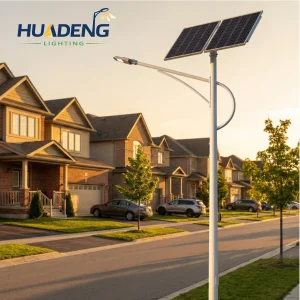
This growth is driven by significant improvements in solar cell technology, solid-state lighting efficiency, and energy storage systems. Modern smart solar lights operate as independent energy stations, combining high-efficiency monocrystalline solar panels, high-density Lithium Iron Phosphate (LiFePO4) battery packs, and smart MPPT (Maximum Power Point Tracking) controllers. When connected via IoT communications protocols like LoRaWAN, NB-IoT, or Zigbee, these systems allow municipalities to monitor power levels, dim fixtures based on actual usage, and schedule preventive maintenance dynamically. This integration helps reduce overall operating costs by up to 70% compared to traditional wired systems.
Established in 2003 and located in Yangzhou, Jiangsu Province, China, Yangzhou OneAll Lights Co., Ltd. is a leading manufacturer and exporter of outdoor and smart solar lighting systems. With over 20 years of experience, we specialize in custom OEM and ODM services, delivering durable, energy-efficient lighting solutions tailored to diverse commercial, industrial, and municipal projects worldwide.
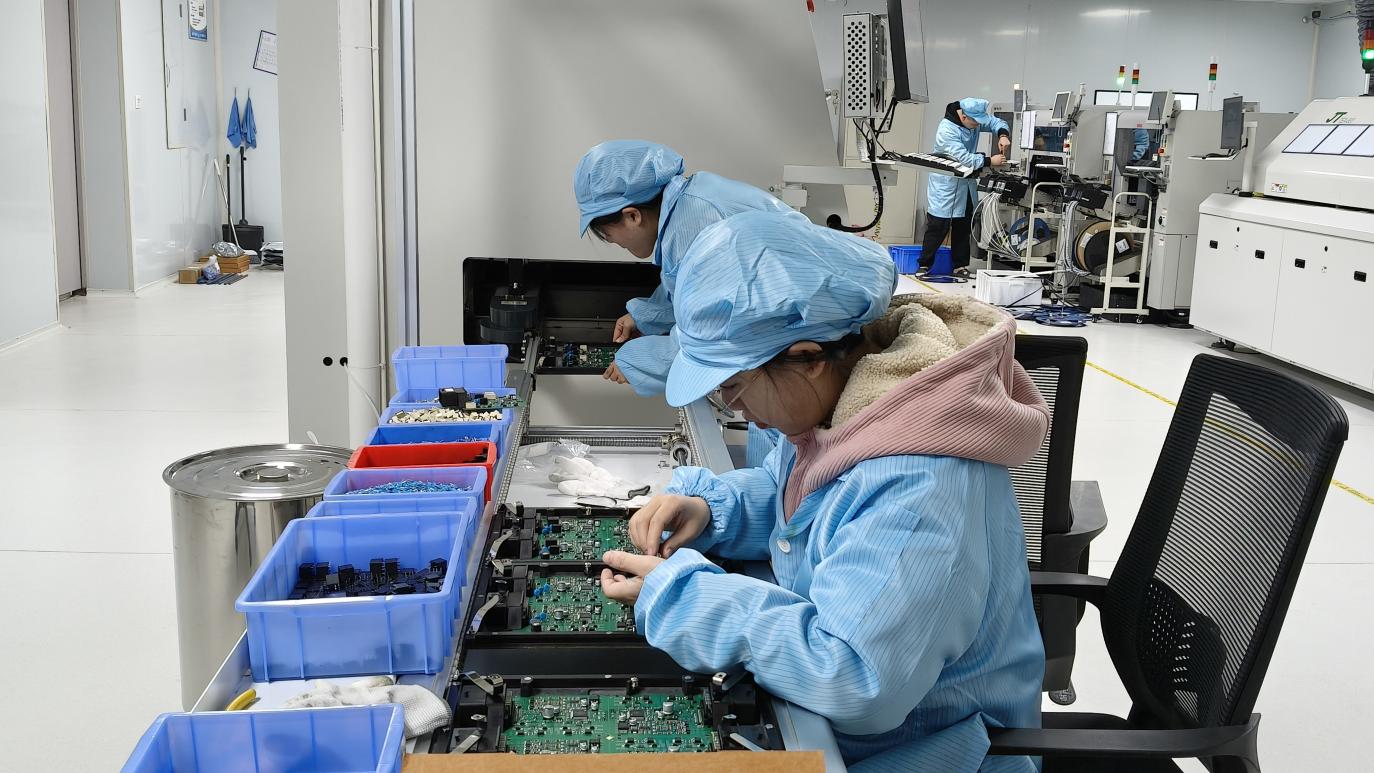
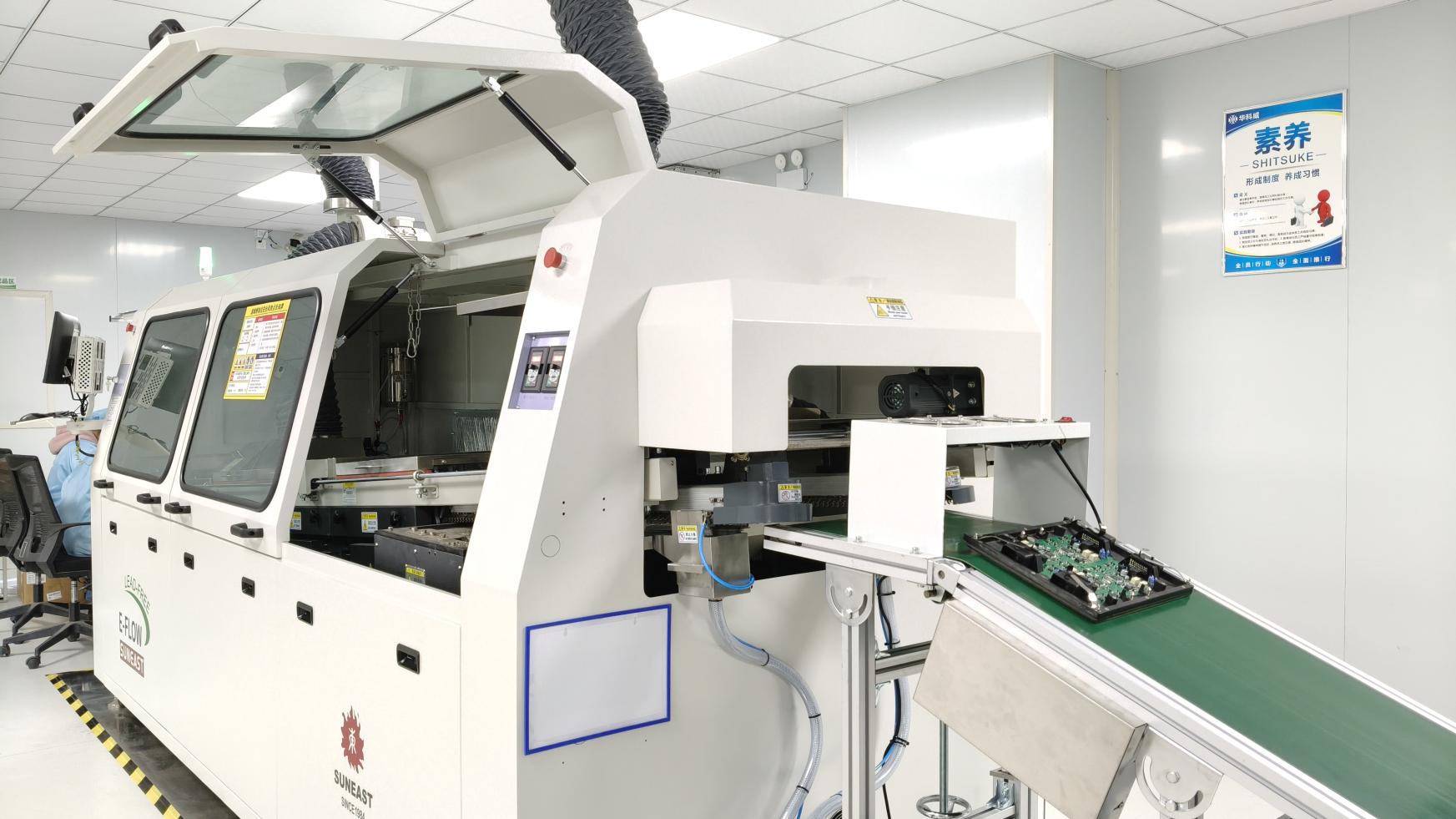
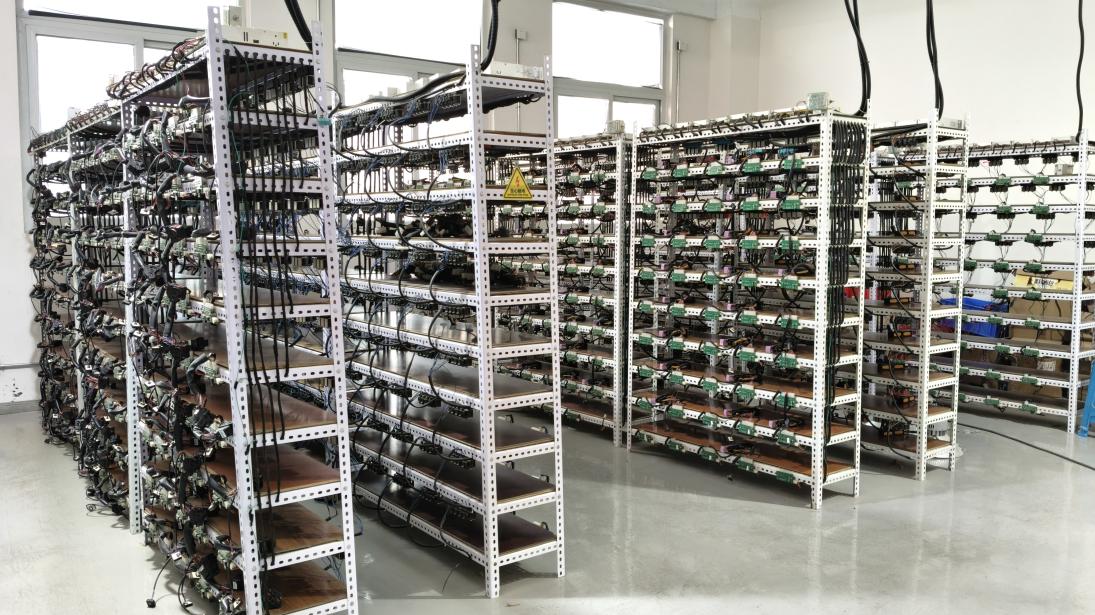
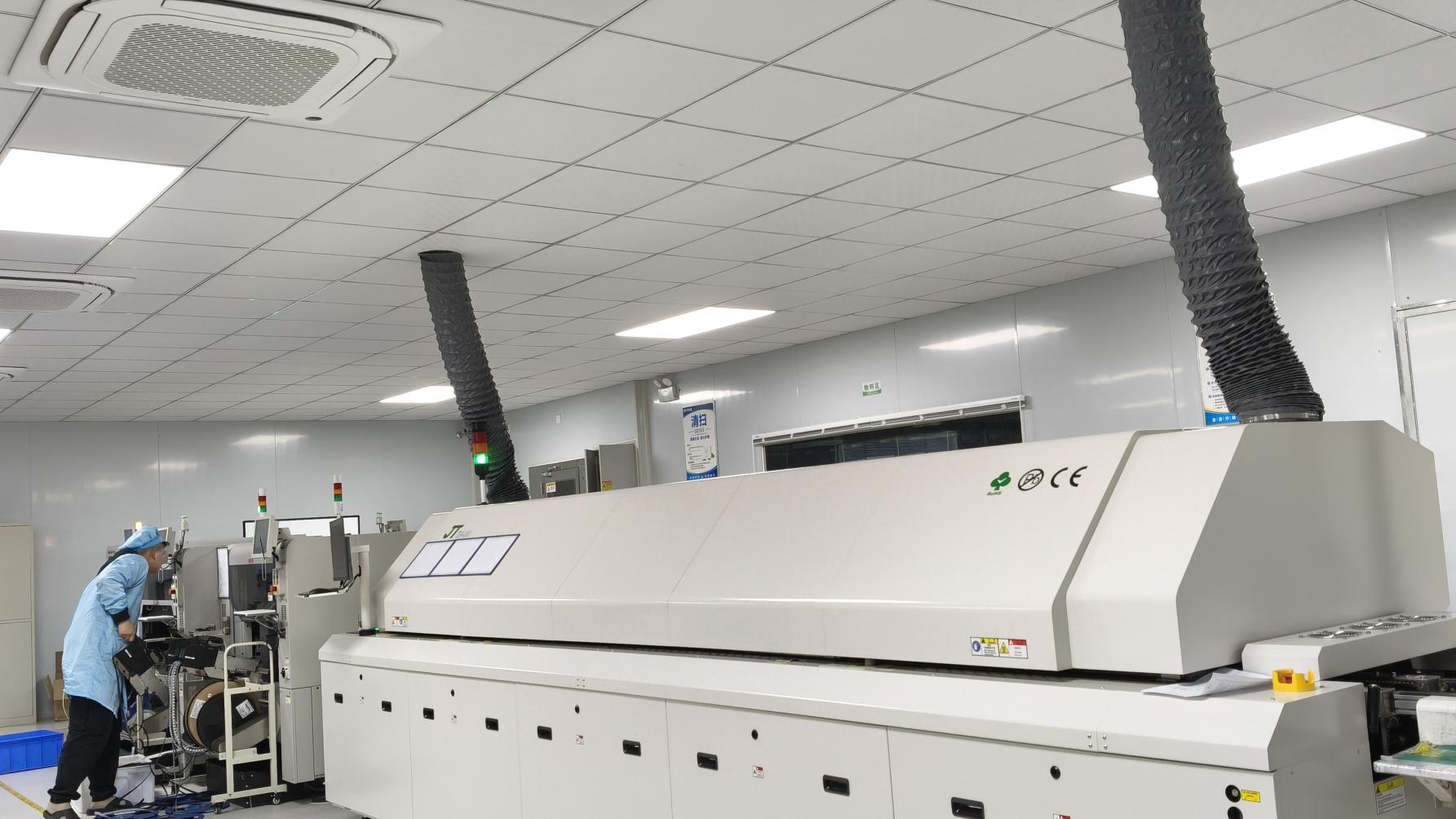
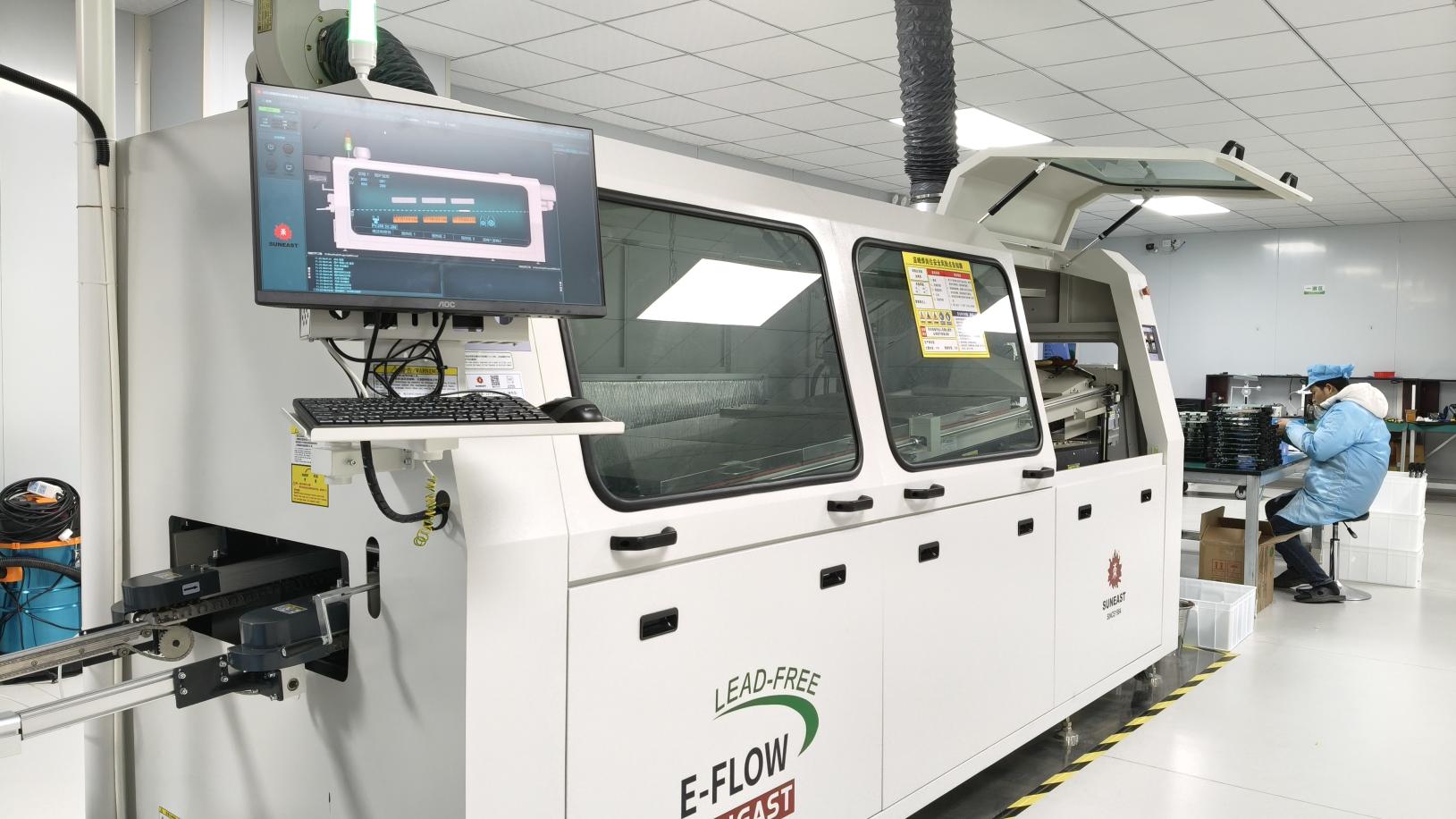
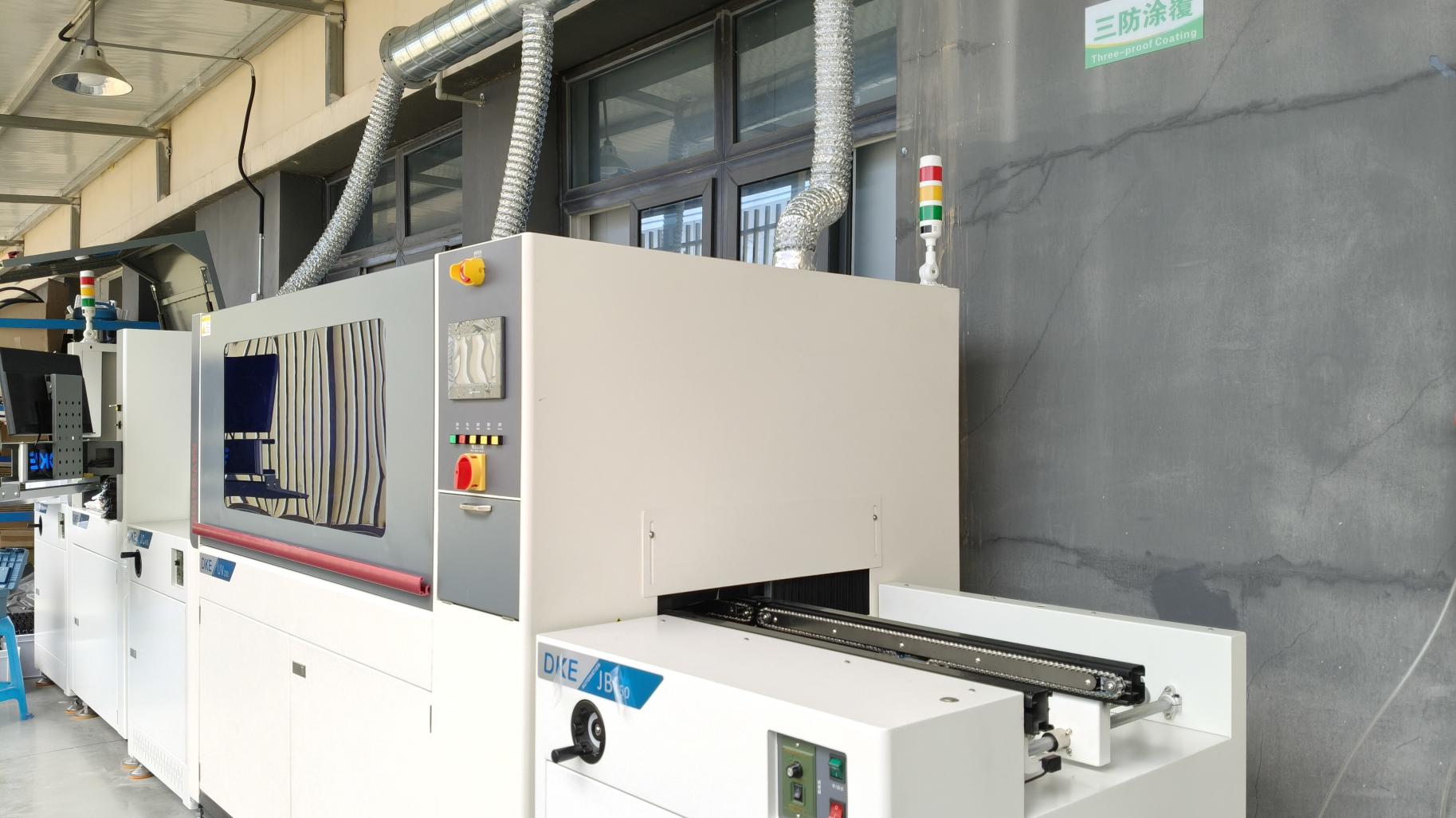
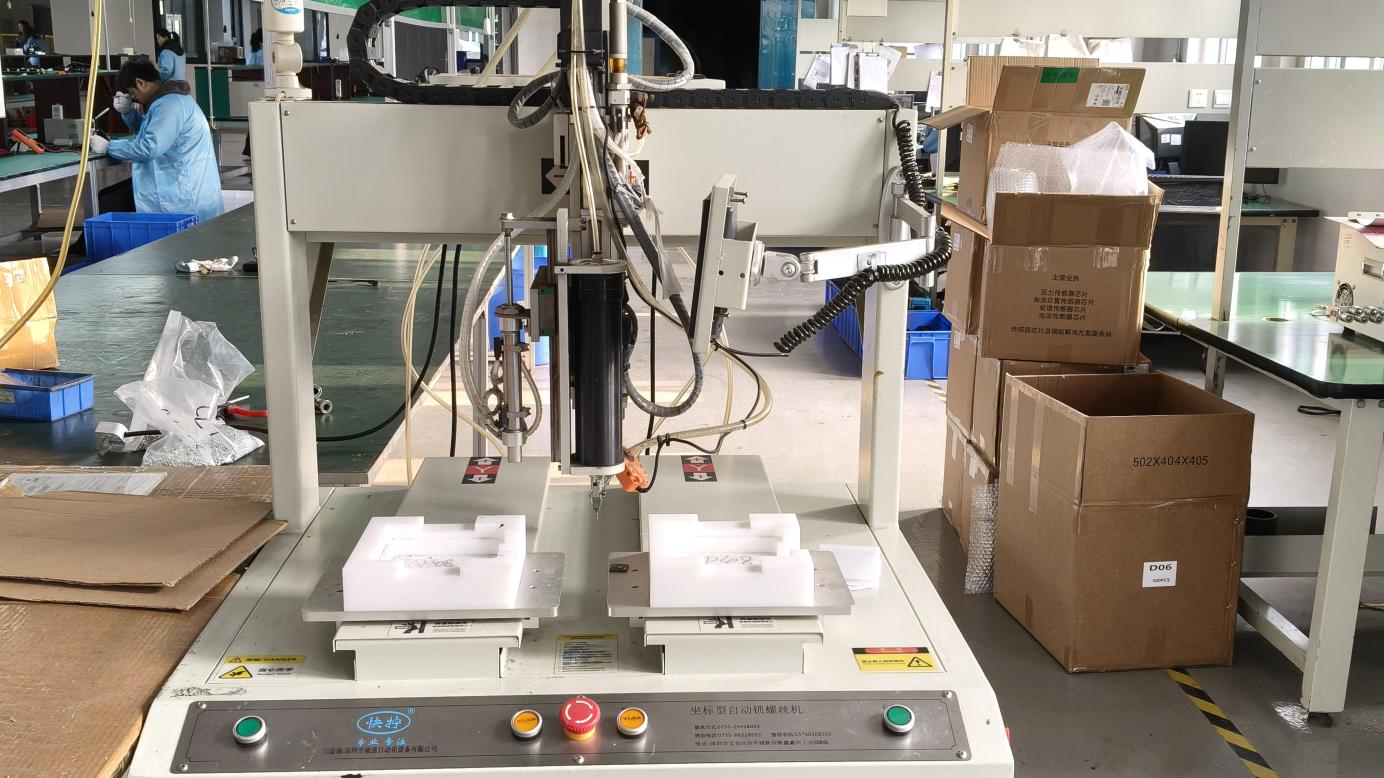
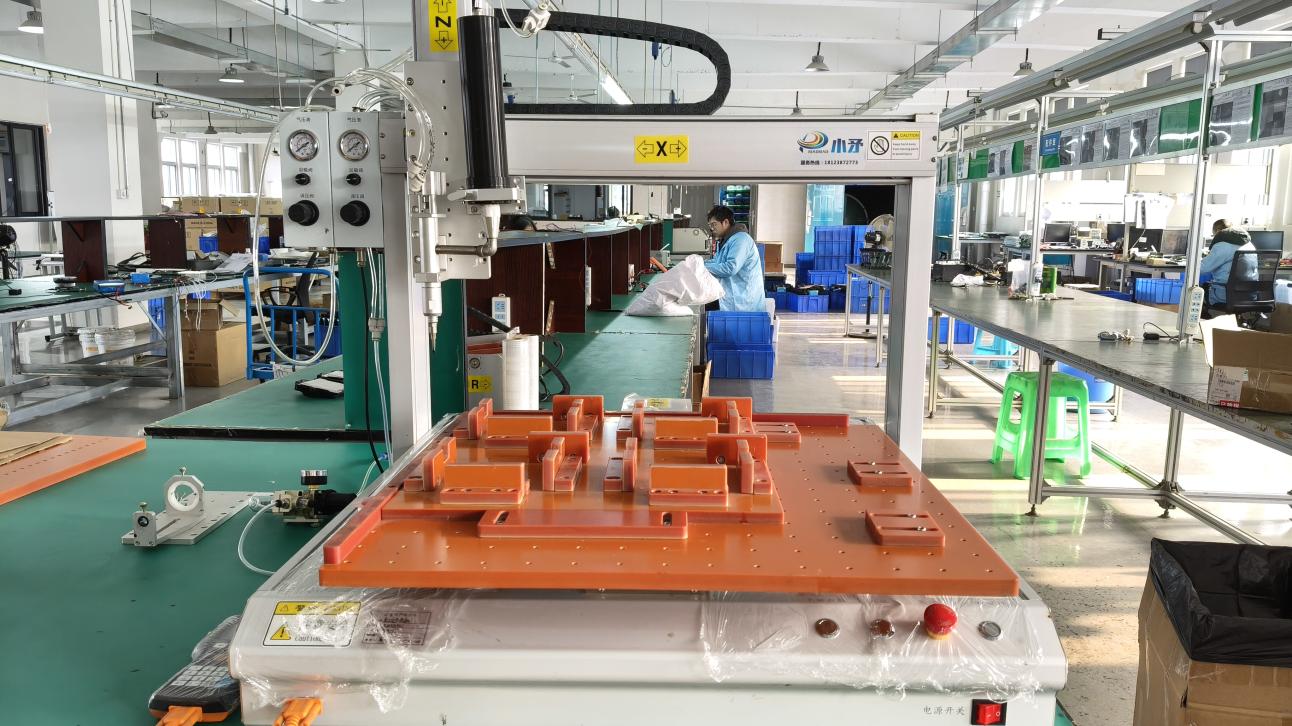
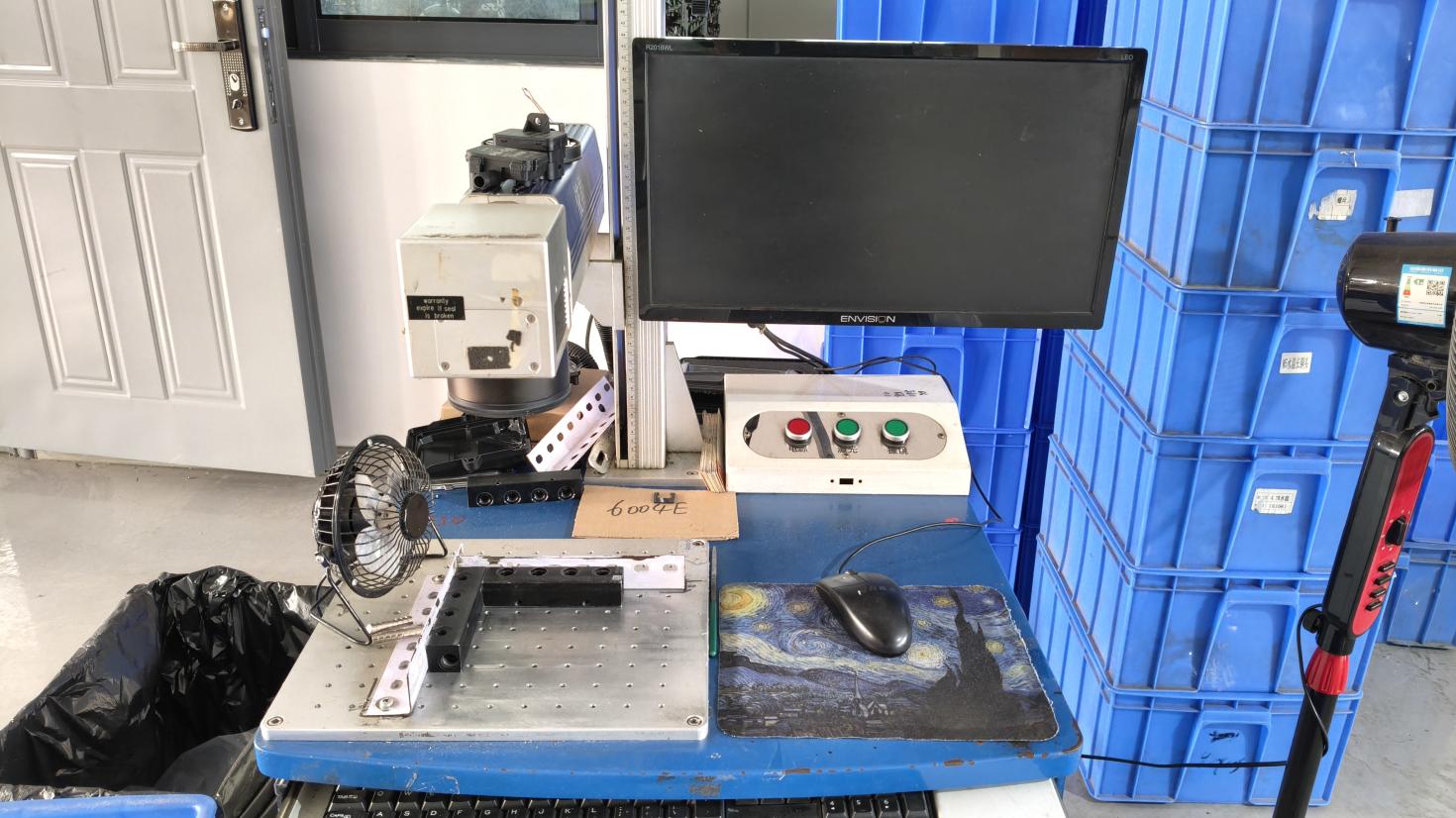
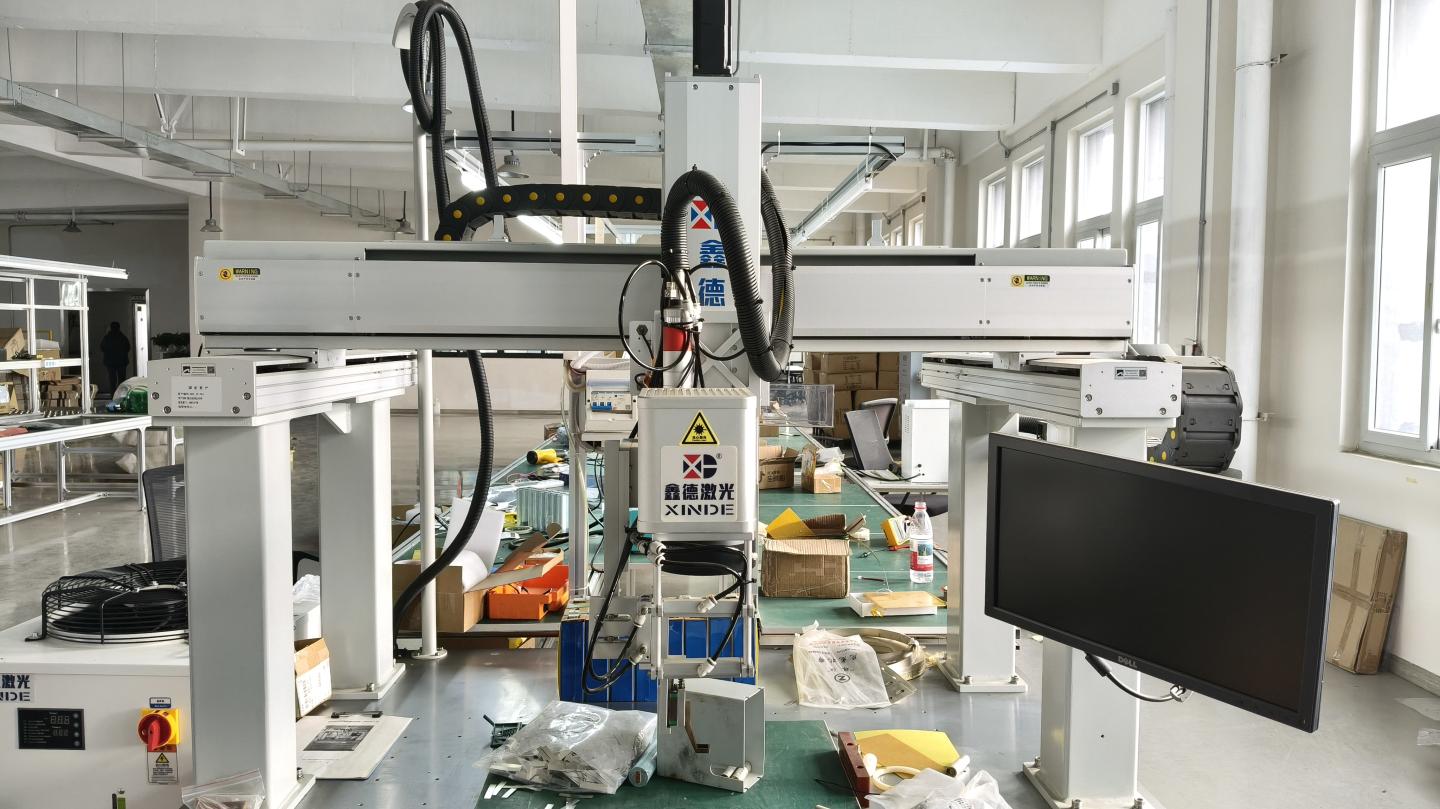
Our manufacturing facility features advanced production and testing technologies, including CNC bending machines, automatic submerged arc welding systems, high-speed laser cutting equipment, electrostatic powder coating lines, and specialized aging testing areas. Supported by automated SMT lines and wave soldering machines, we maintain consistent production quality, timely delivery, and precise product finishing across all order sizes.
Our commitment to international engineering standards is backed by ISO9001 Quality Management System Certification, ISO14001 Environmental Management System Certification, along with regional and product certifications including CE, CCC, CQC, and comprehensive IP65/IP66/IK08 testing approvals. Through continuous investment in research and development, we combine solar power generation, battery energy storage, and smart LED illumination into unified systems that perform reliably in challenging climates.
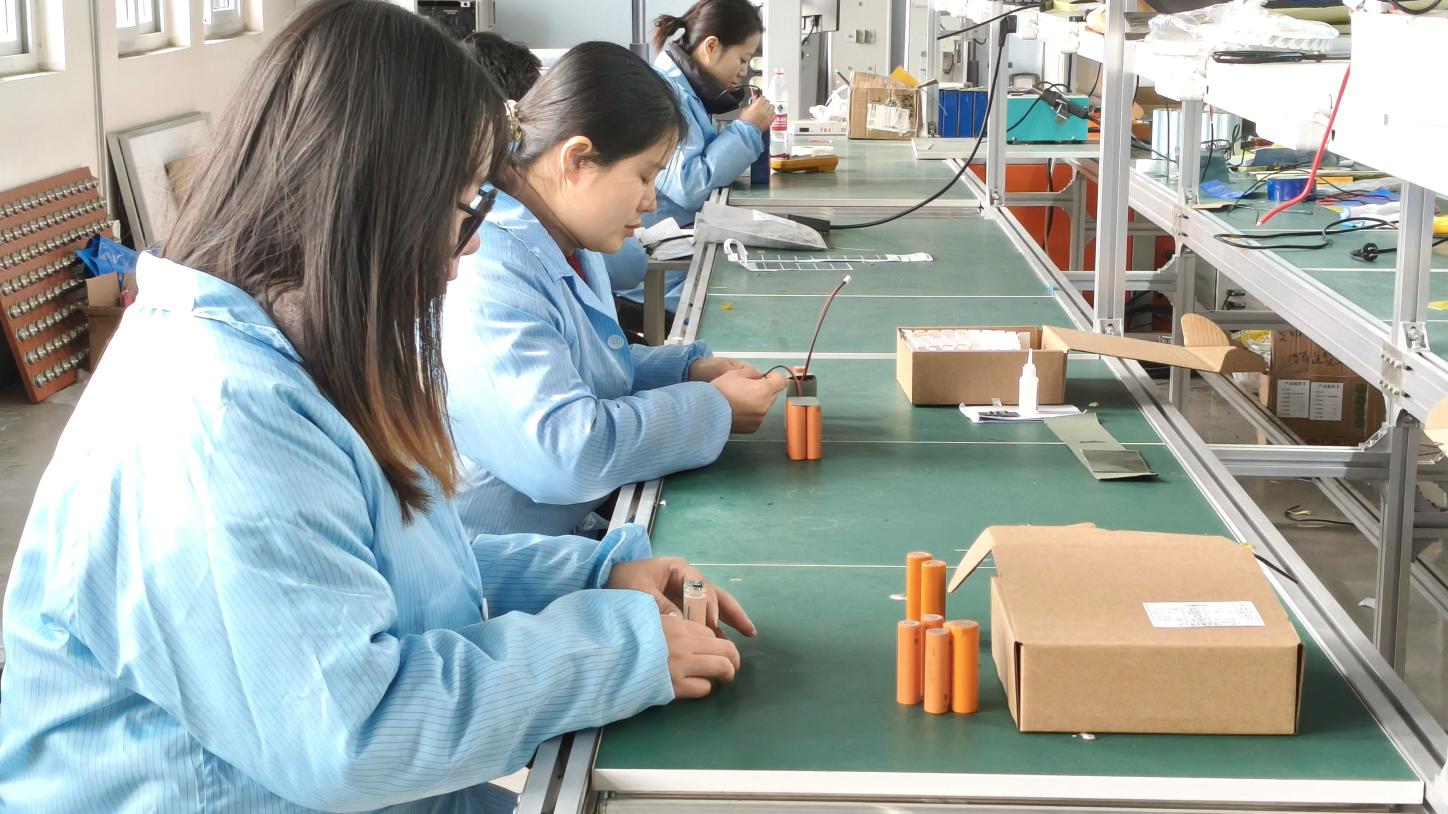
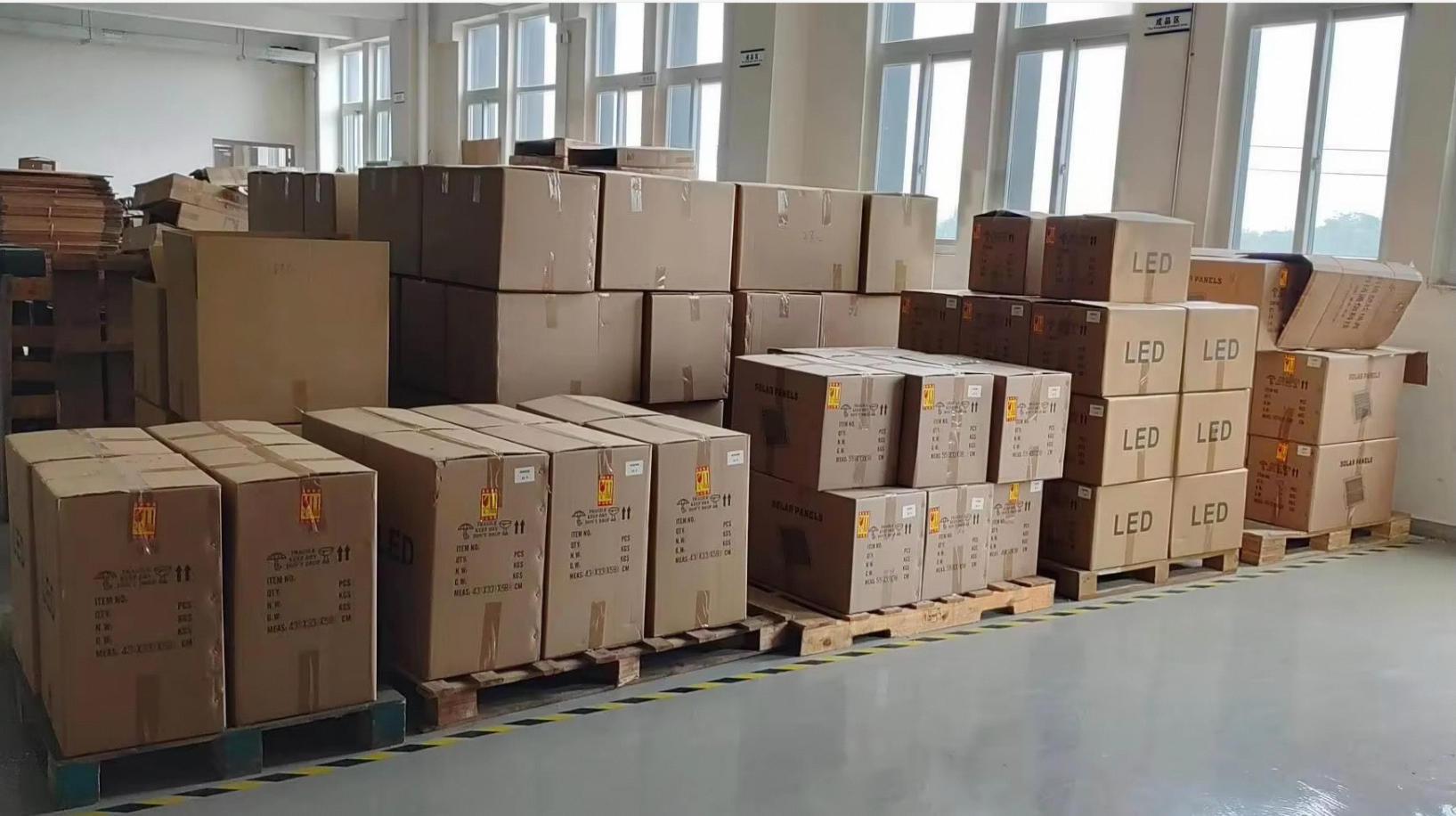
Our factory utilizes precise manufacturing methods and strict quality control protocols at each stage of production—from component preparation to final product testing.

Our smart solar lighting solutions integrate three key subsystems: energy generation, energy storage, and smart lighting controls.
Our systems utilize monocrystalline solar panels with conversion efficiencies exceeding 21.5%. By treating solar cells with a passivation layer (PERC technology), we improve low-light energy capture. In coastal or high-humidity regions, we apply double-glass bifacial solar modules to harness ground-reflected light, boosting overall power output by up to 15%.
We use dedicated grade-A Lithium Iron Phosphate (LiFePO4) battery packs, which offer a cycle life of over 4,000 charges at 80% Depth of Discharge (DoD). Each battery integrates an electronic Battery Management System (BMS) that monitors voltage balance, protects against overcharging, and controls temperature. This configuration ensures reliable performance in ambient temperatures ranging from -20°C to +65°C.
The system controller operates on a dynamic Maximum Power Point Tracking (MPPT) algorithm, delivering a tracking efficiency of 99.5%. It constantly monitors panel output and adjusts charging parameters based on weather conditions. Additionally, our smart controllers feature programmable dimming schedules (e.g., 5-stage midnight dimming profiles) and support microwave motion sensors to lower energy usage during periods of low activity.
Our lighting systems are engineered to meet specific requirements across a variety of global projects and installations:
Addressing common engineering questions, structural specifications, and installation queries.
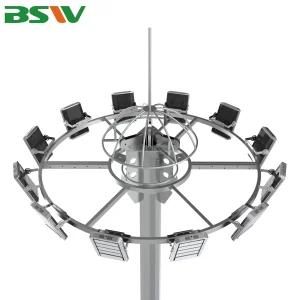
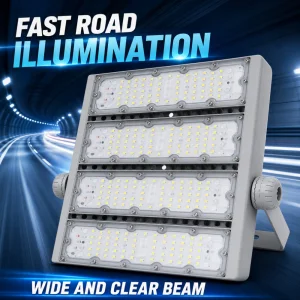
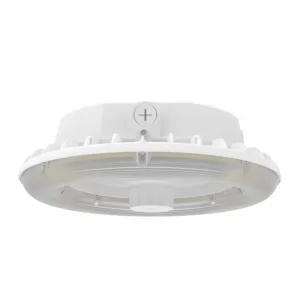
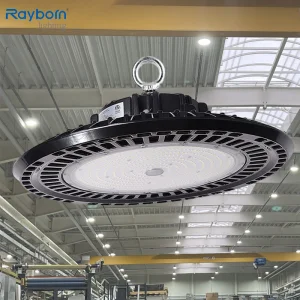
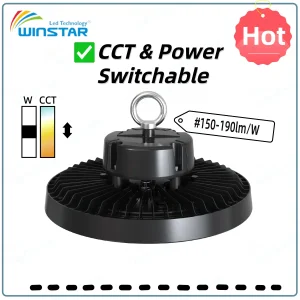
Heavy-duty, high-output luminaires designed to withstand harsh industrial and outdoor environments.

 OneAll Lights