As modern agriculture shifts rapidly toward controlled environment agriculture (CEA), vertical farming, and multi-tier greenhouse facilities, the demand for industrial-grade LED grow lights has reached unprecedented levels. Large-scale commercial growers and commercial agriculture planners require lighting systems that offer superior Photosynthetic Photon Efficacy (PPE), highly customizable spectral profiles, and rugged longevity under high-humidity conditions.
For B2B procurement managers, evaluating suppliers extends far beyond unit price. The selection criteria are deeply rooted in systematic parameters such as photon flux density consistency (PPFD map uniformity), safety certifications (UL8800, DLC Hort, CE, RoHS), and manufacturing scale to ensure continuous project rollouts. Reliable suppliers must demonstrate rigorous quality control, from SMT precision component mounting to automated high-humidity sealing processes.
Established in 2003 and situated in the industrial hub of Yangzhou, Jiangsu Province, China, Yangzhou OneAll Lights Co., Ltd. has evolved over more than 20 years into a powerhouse of heavy-duty industrial and commercial outdoor/indoor lighting. Guided by the core philosophy of "Quality First, Innovation, Integrity, and Customer Satisfaction," the company serves global B2B clients with tailored OEM/ODM engineering and reliable supply chain security.
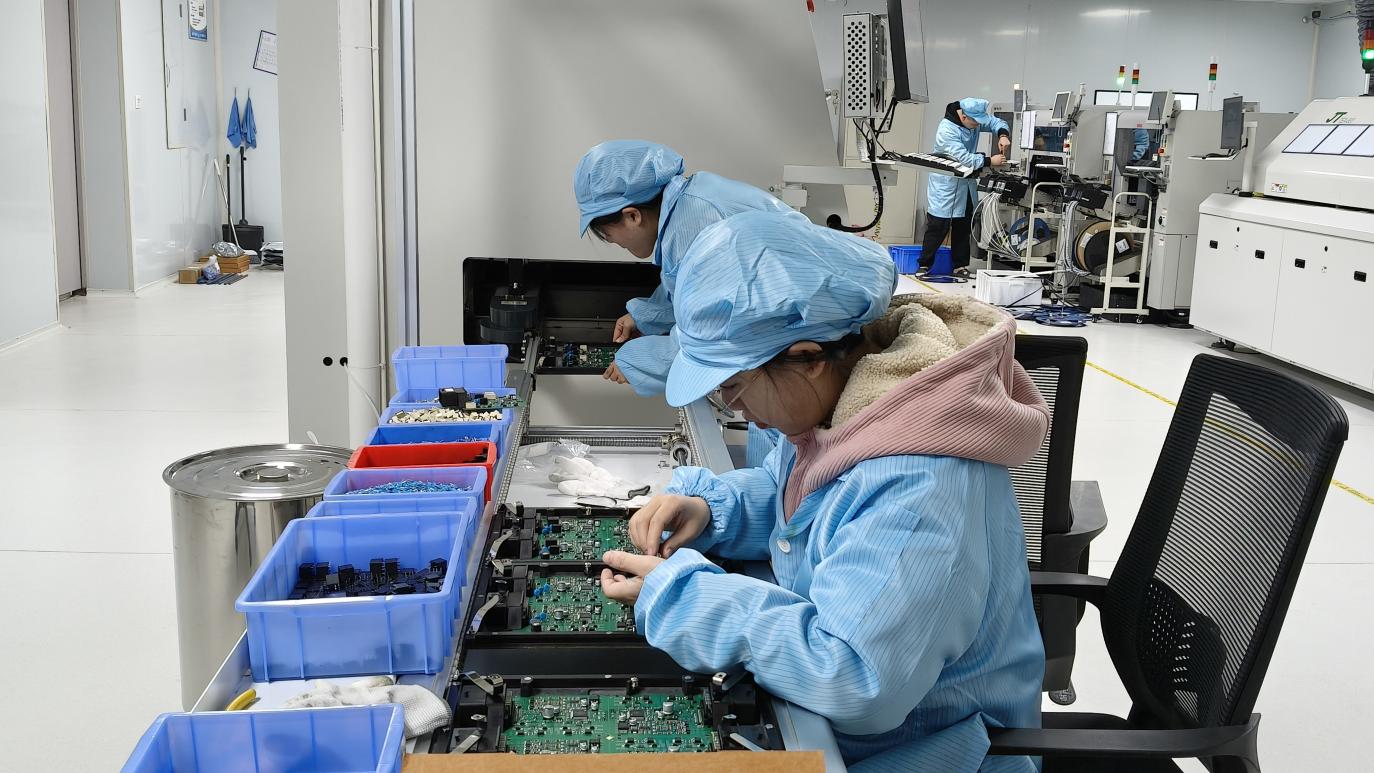
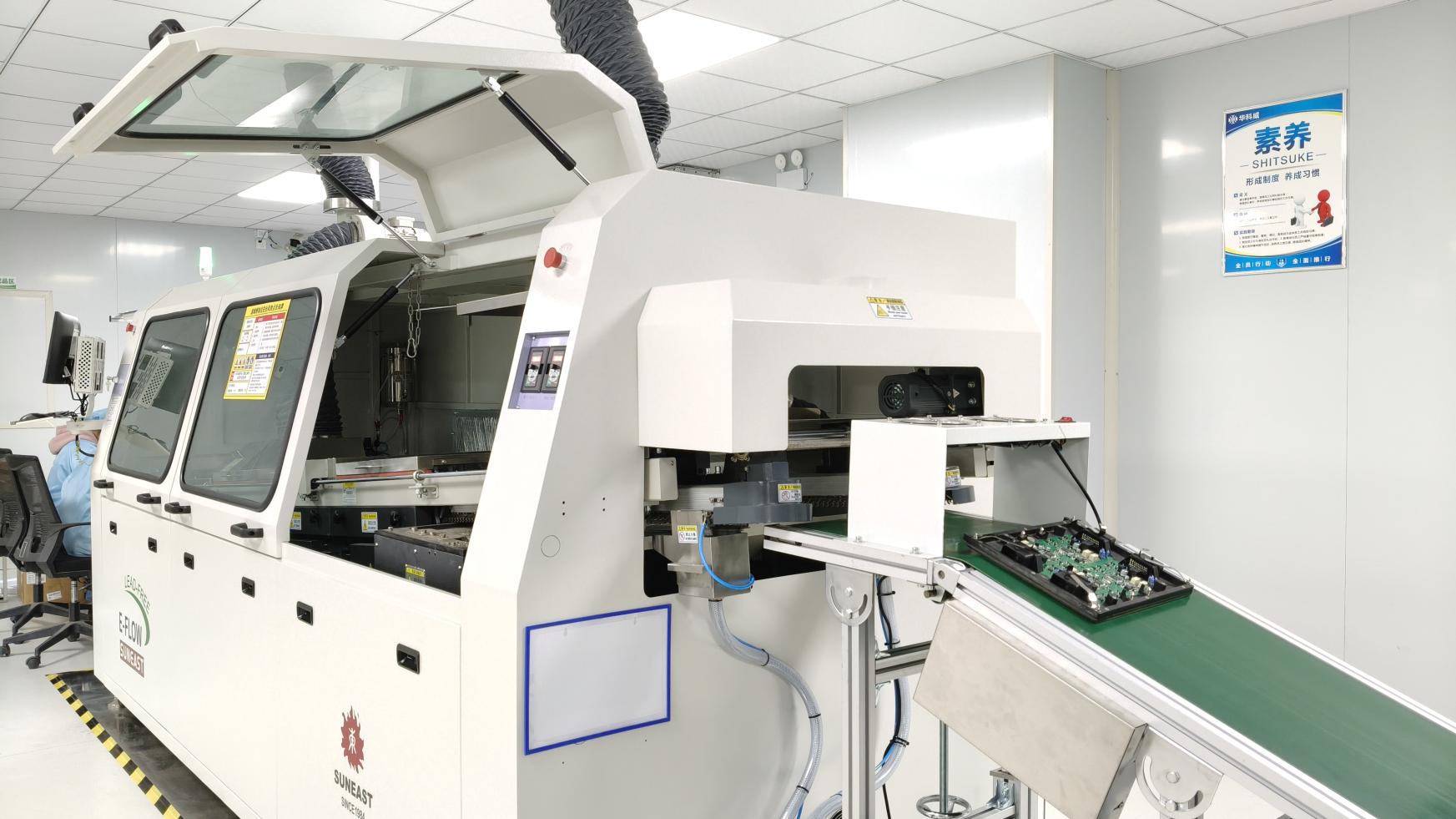
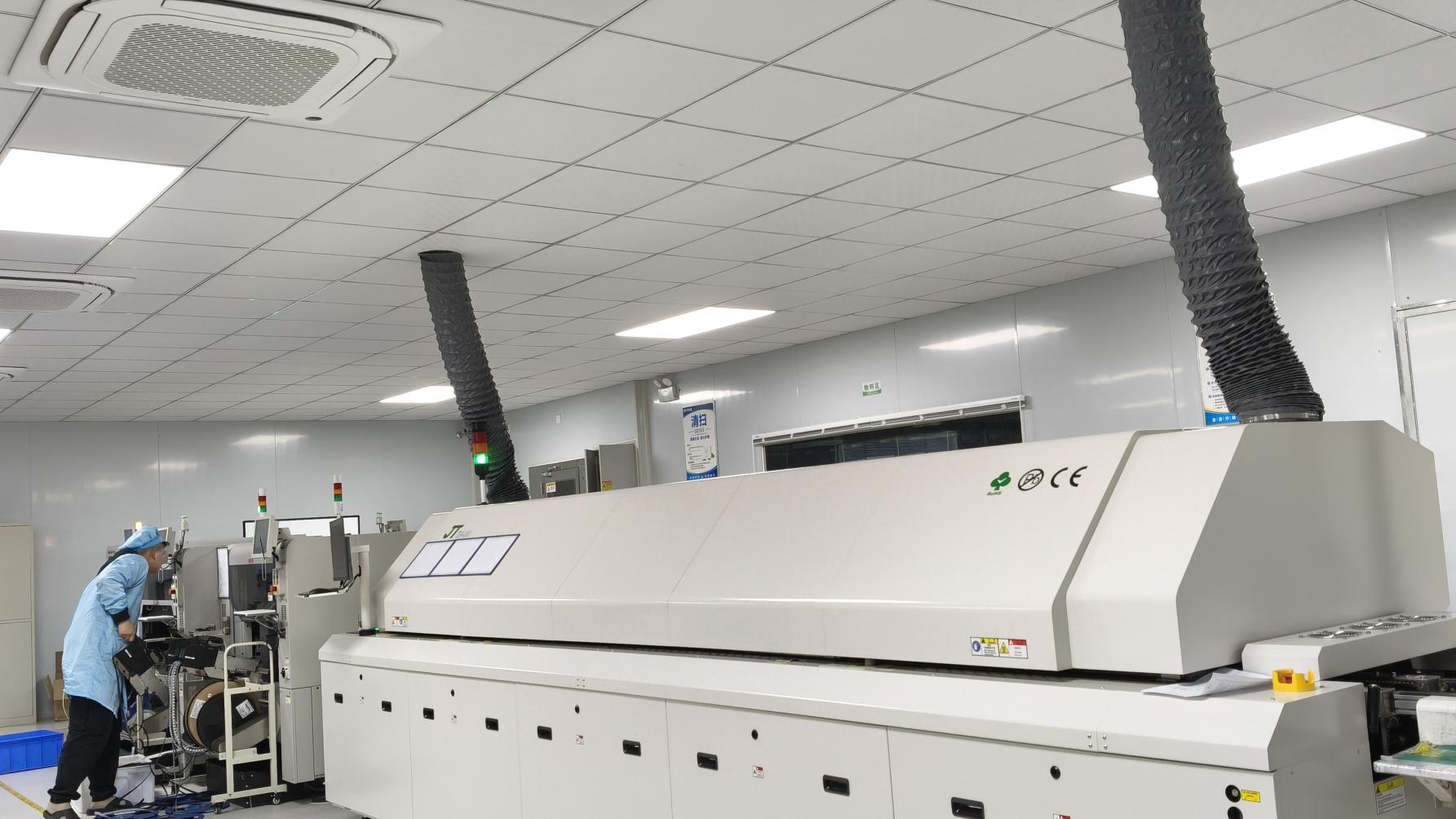
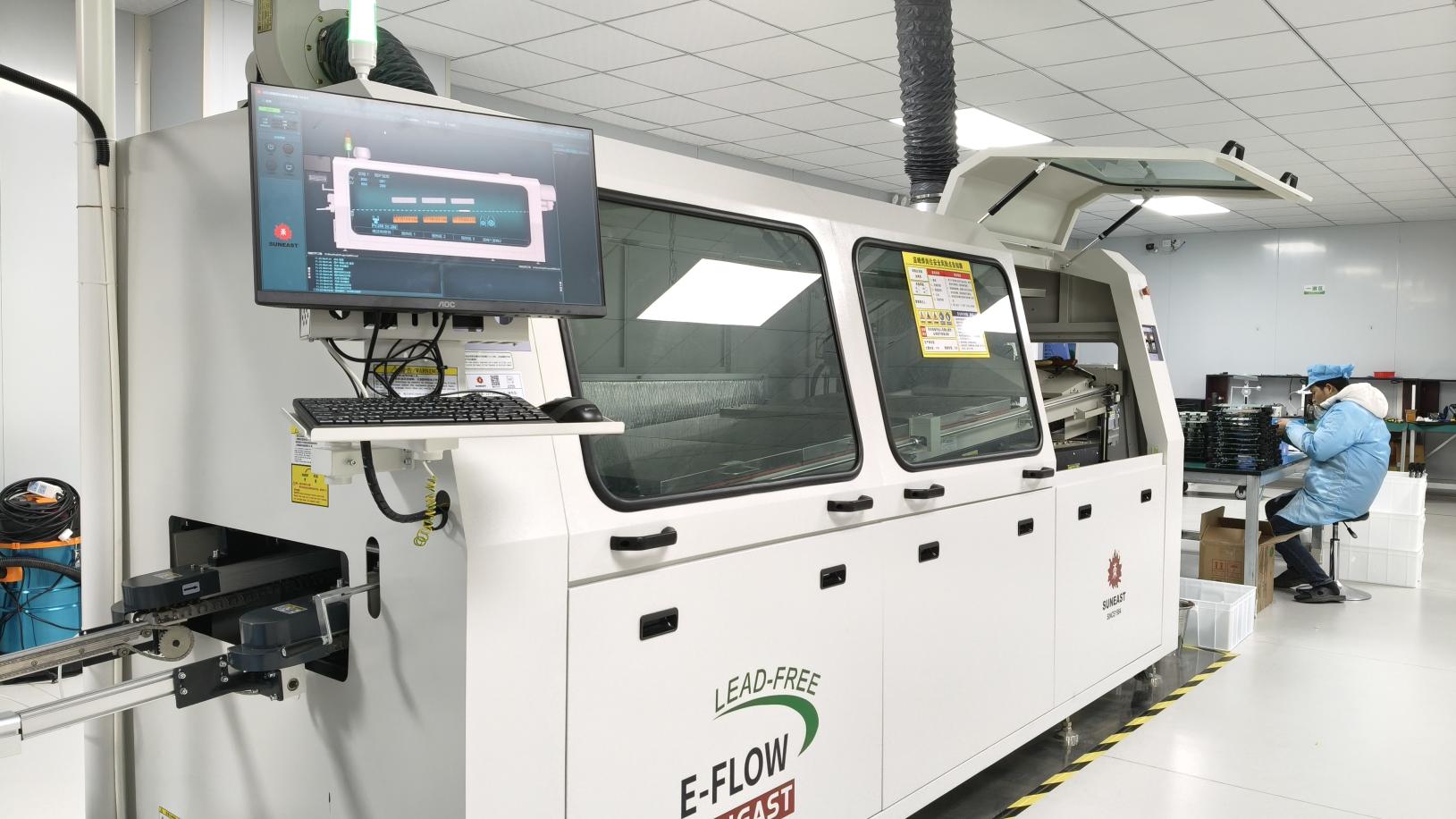
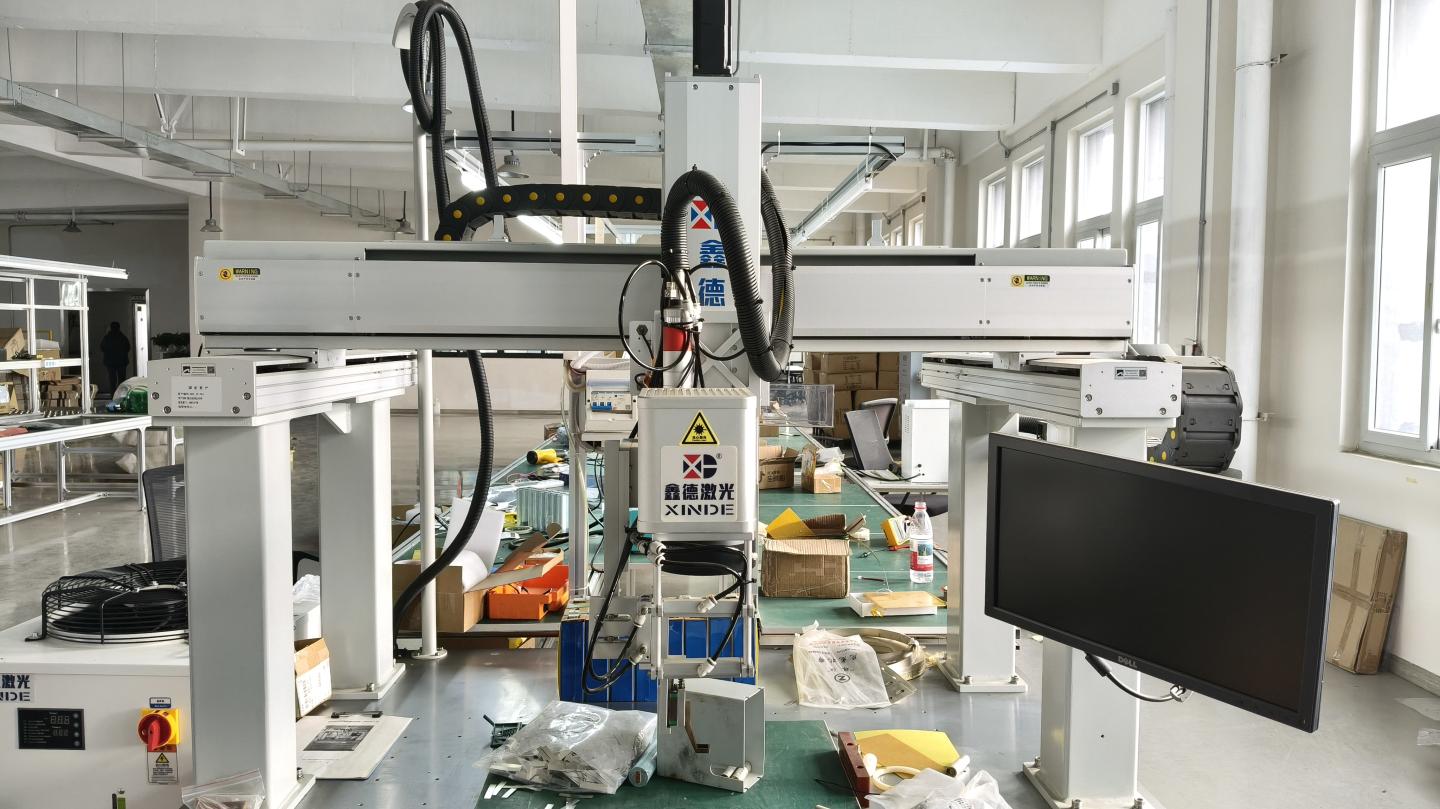
With continuous investments in state-of-the-art manufacturing automation, our production facilities span multiple advanced lines. Our capabilities are built on cutting-edge hardware, including CNC bending systems, automated submerged arc welding systems, laser cutting machines, high-capacity electrostatic powder coating lines, and a specialized fluorocarbon painting workshop. To support high-efficacy LED light engines, our dust-free SMT production lines and automatic wave-soldering processes ensure zero-defect circuitry and high thermal dissipation properties across all components.
Our company has obtained ISO9001 Quality Management System Certification, ISO14001 Environmental Management System Certification, and holds complete international standardizations including CCC, CQC, CE, RoHS, and safety-compliance testing reports. This structured engineering approach allows us to deliver high-specification systems designed for harsh environments, including municipal roads, sports venues, commercial structures, and intensive industrial greenhouses.
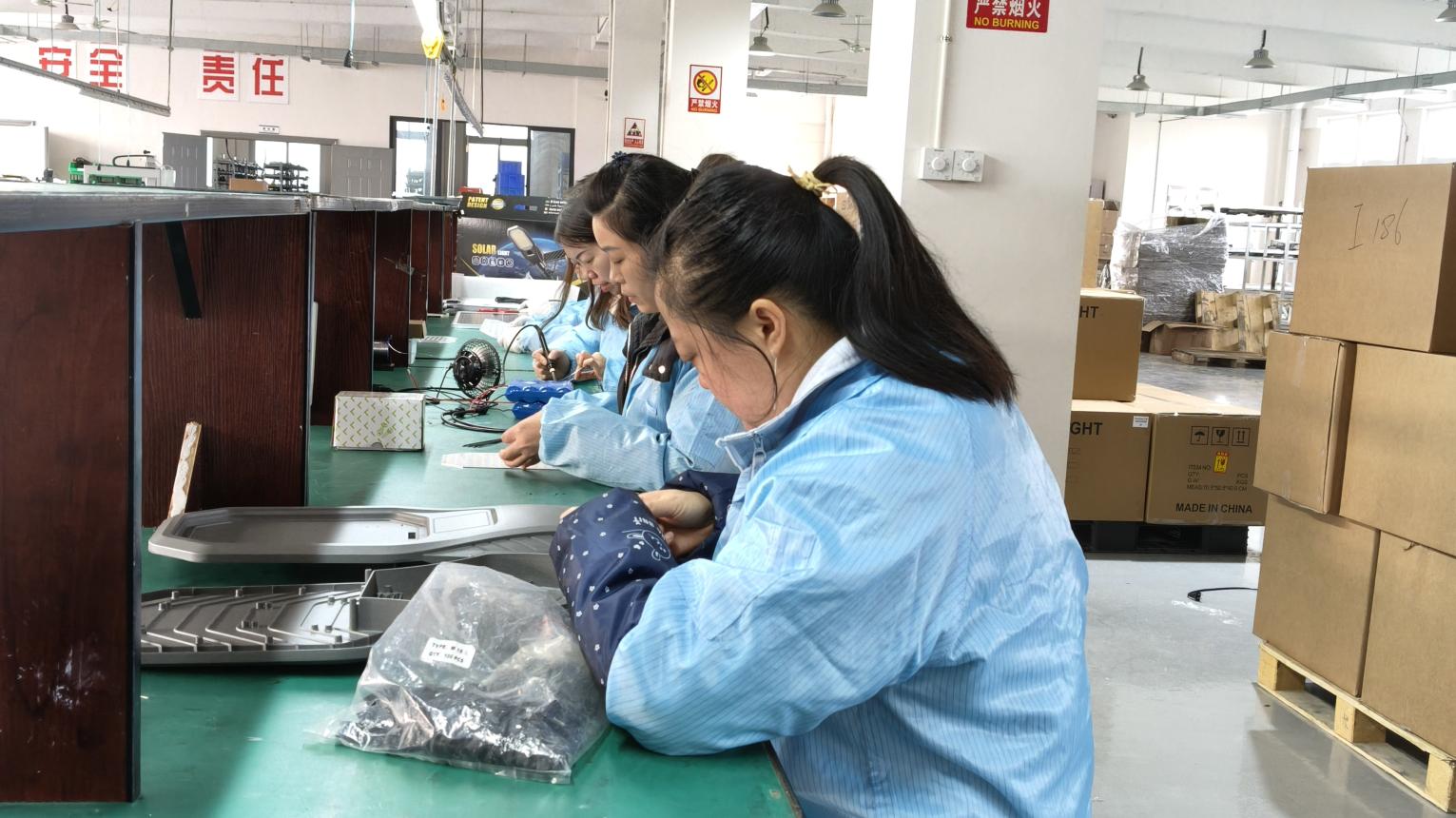
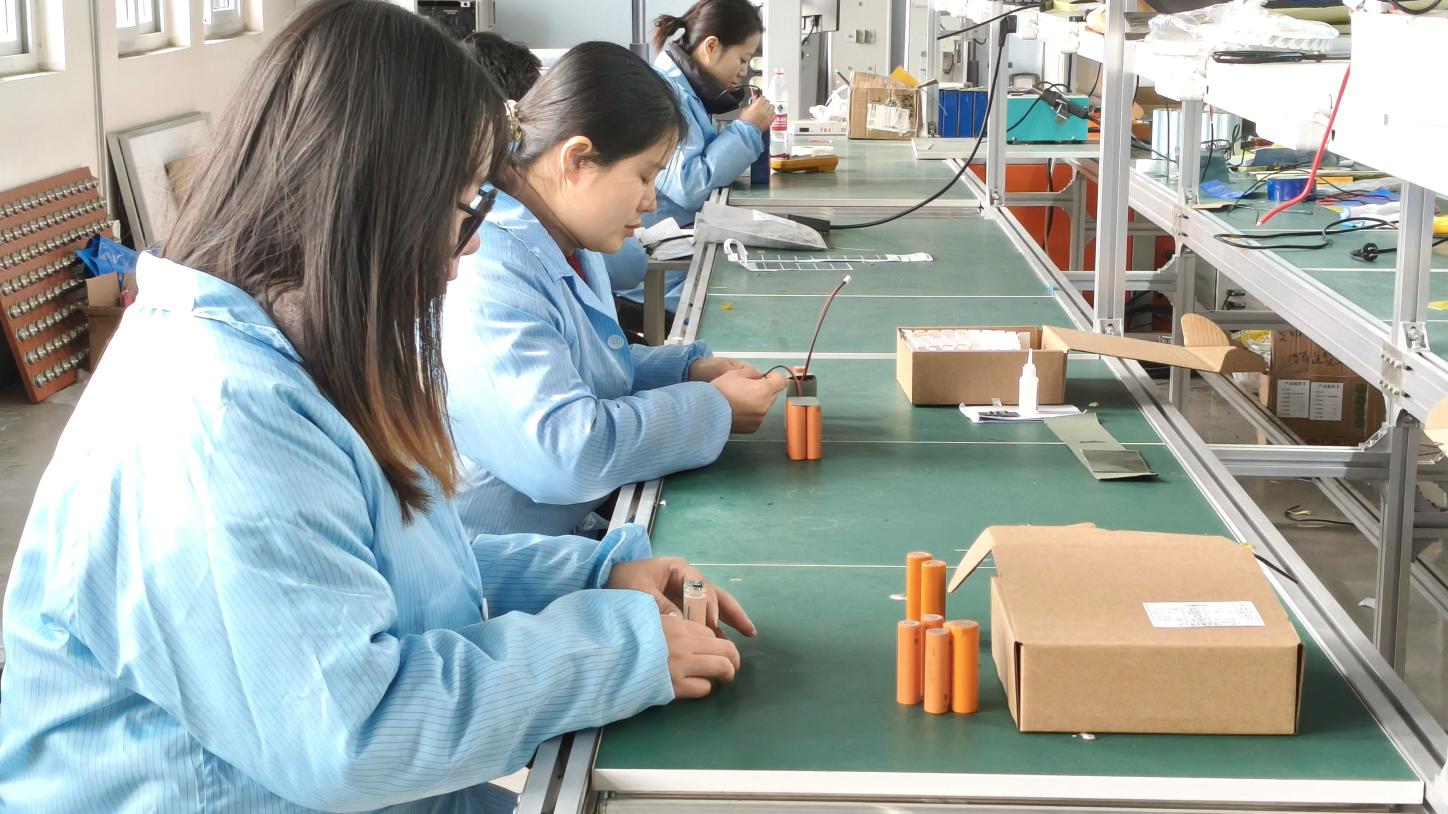
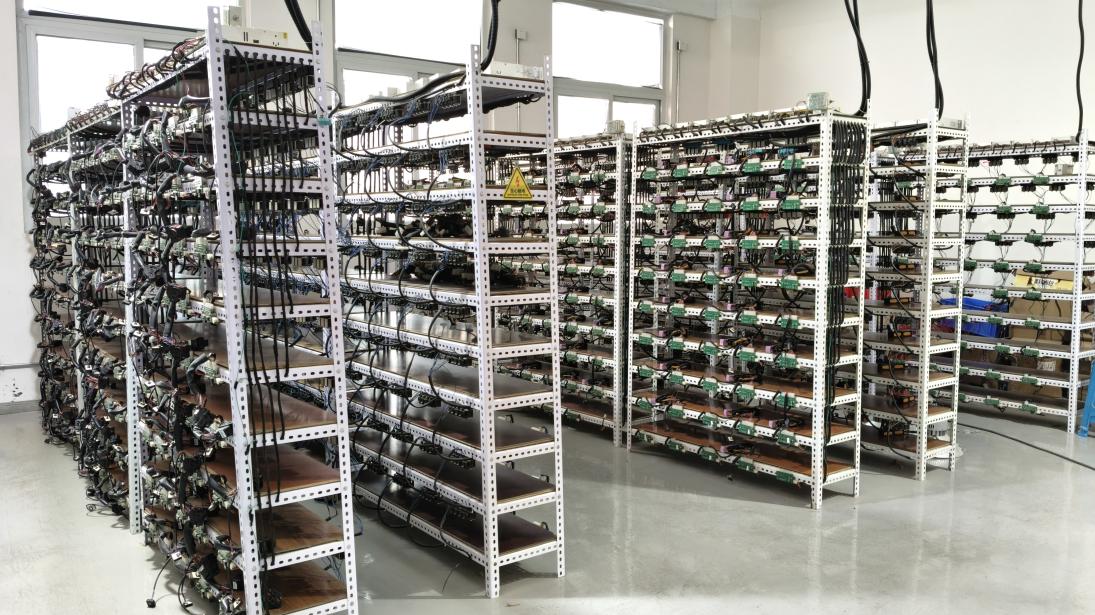
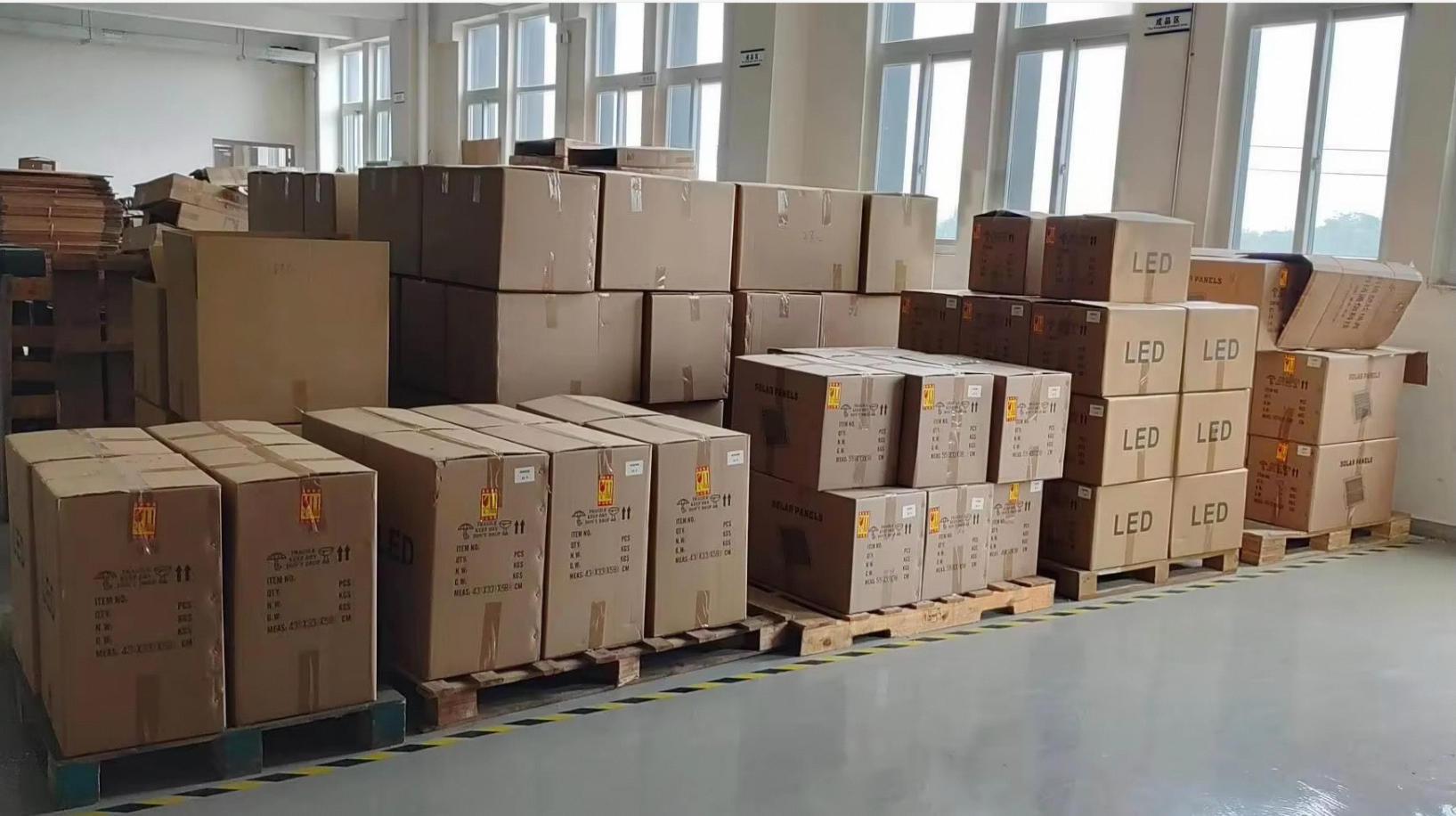
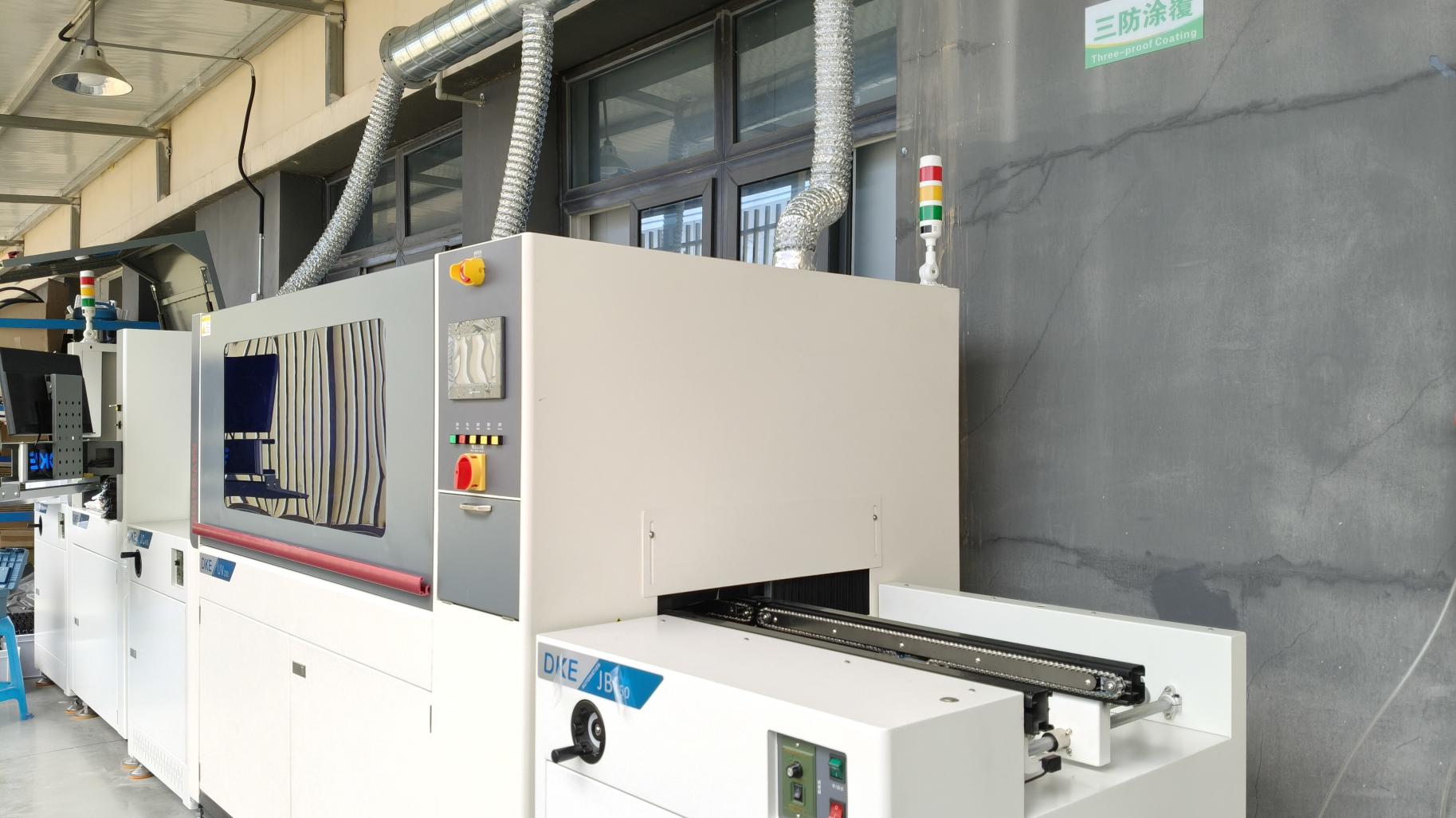
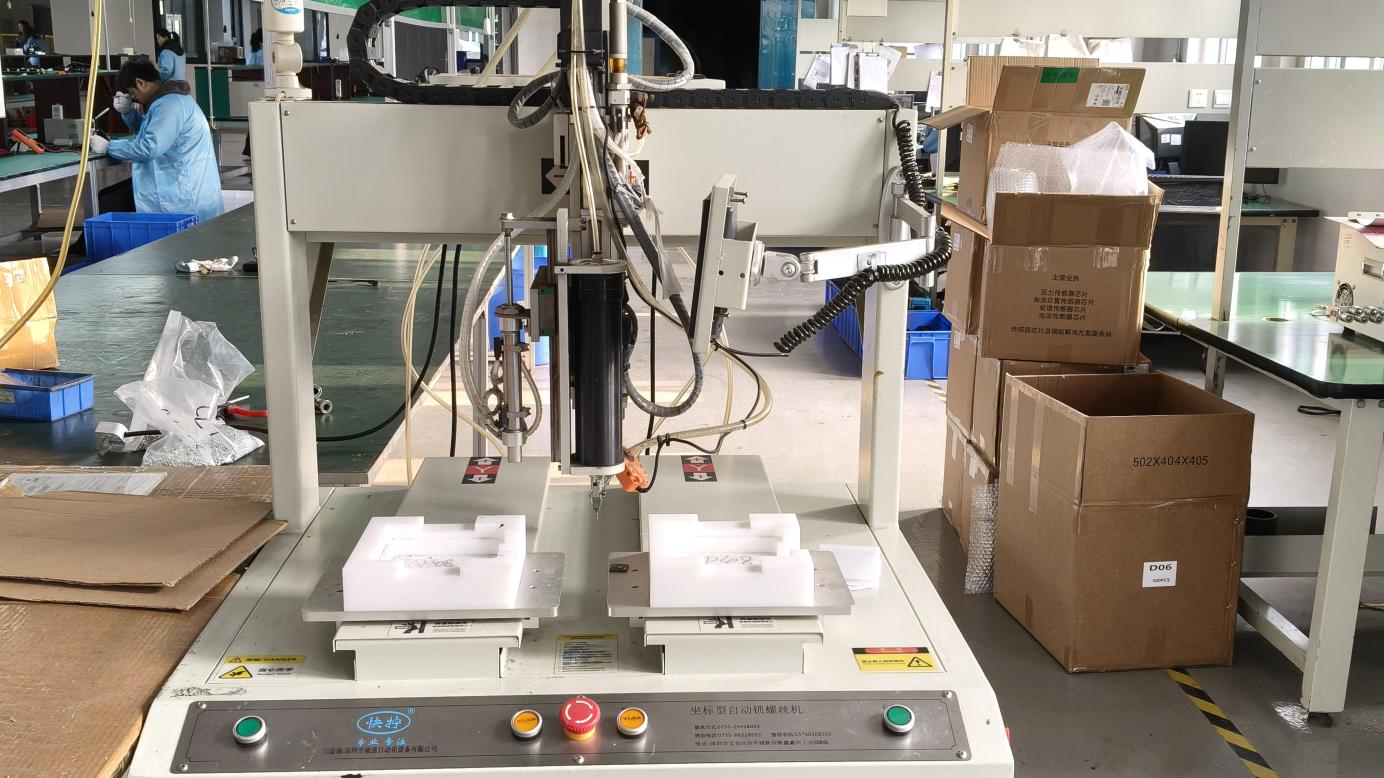
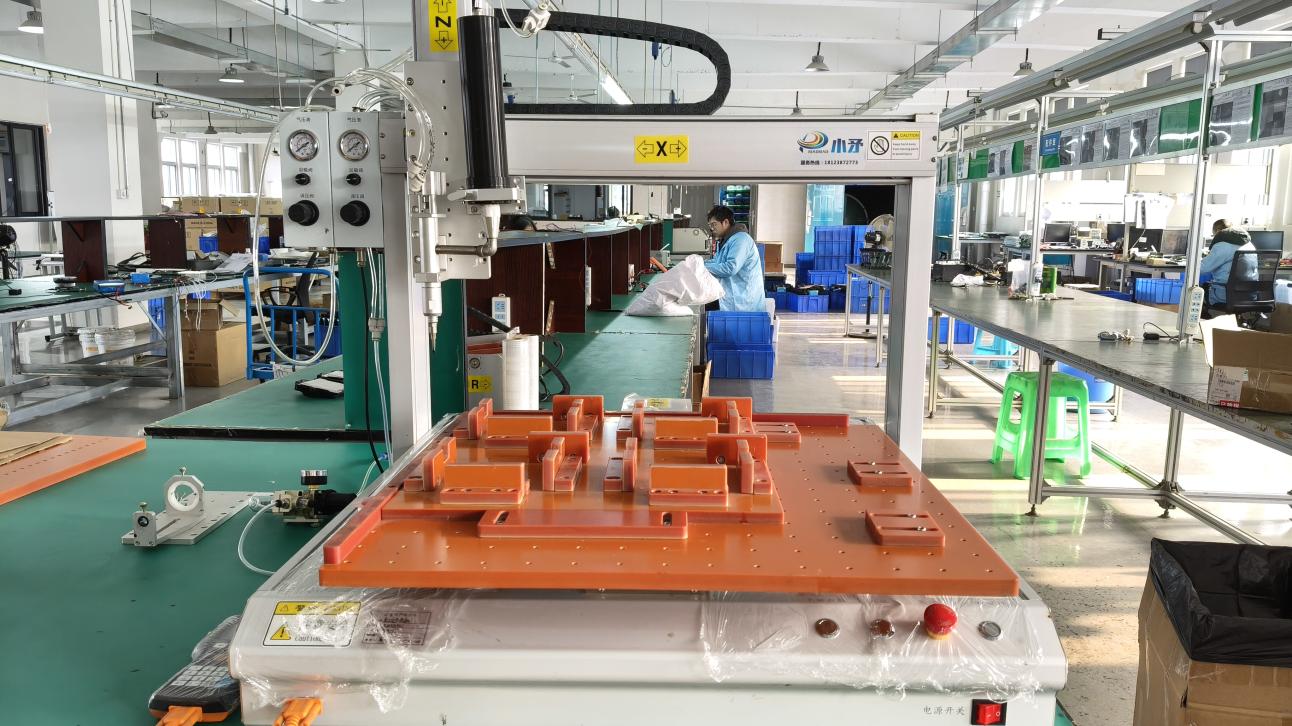
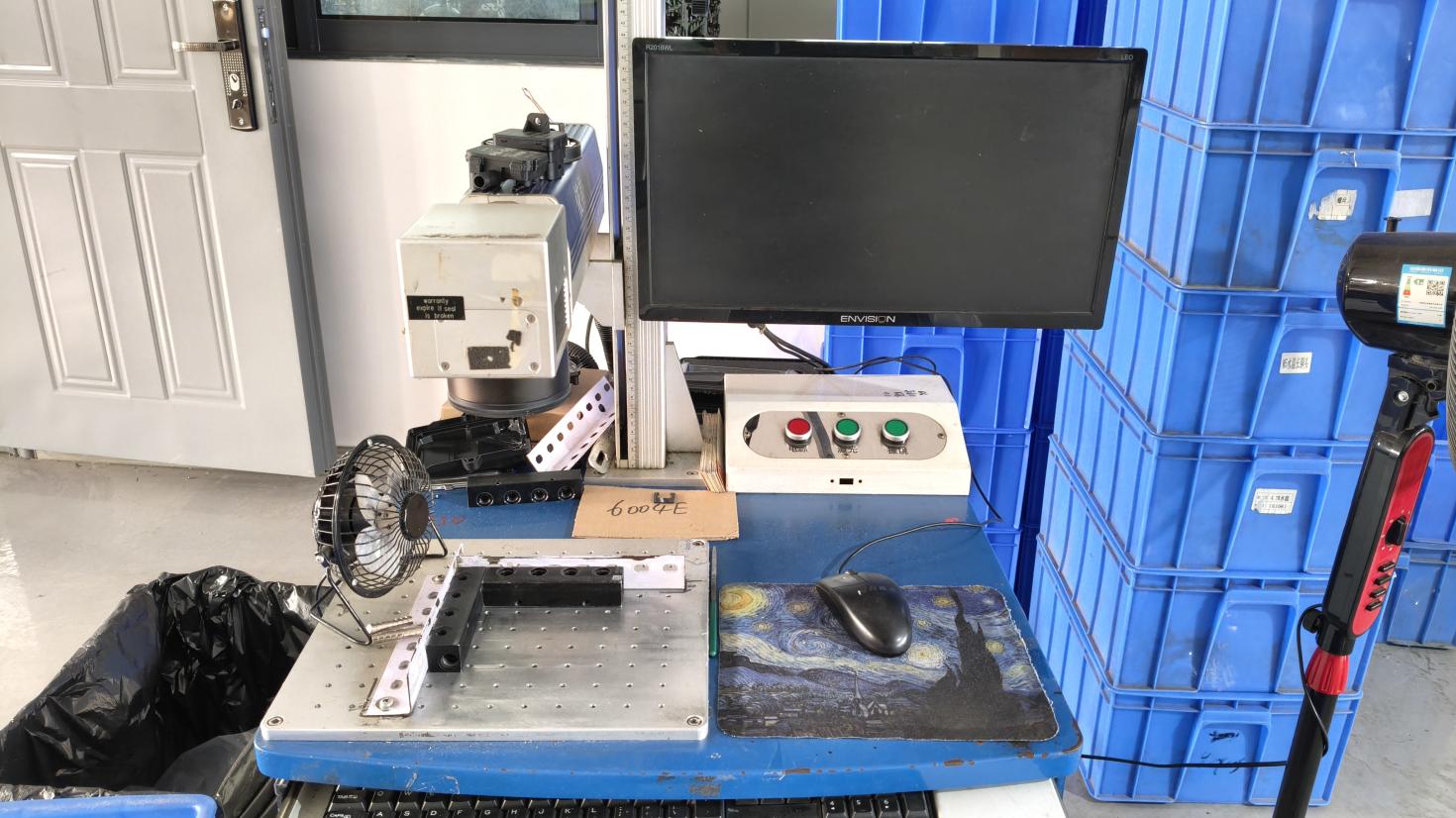
The visual catalog below outlines the sequential manufacturing processes utilized at our Yangzhou plant. Every step—from circuit card assembly, automatic gluing, wave soldering, conformal coating, to exhaustive aging chambers—is executed under strict quality management parameters to ensure exceptional product longevity.
Plants respond to light wavelengths quite differently than humans. Human vision aligns with Photopic Sensitivity (peaking near 555nm, green), whereas plants rely on chlorophyll pigments (primarily A and B) which absorb light most efficiently in the blue (400-470nm) and red (630-680nm) spectrums. Modern scientific cultivation also identifies the significance of UV (ultraviolet) and FR (Far-red, 730nm) spectrums in steering plant growth morphology.
To maximize biomass, flower yields, and secondary metabolite accumulation, our B2B LED systems employ highly accurate, targeted wave bands:
| Spectral Range | Wavelength (nm) | Primary Biological Function | Application Scenario |
|---|---|---|---|
| UV-A / UV-B | 315 – 400 nm | Triggers defense mechanisms; boosts essential oil concentration & potency. | Pre-harvest conditioning, specialized medical crops. |
| Deep Blue | 450 nm | Promotes strong root development, compact vegetative structure, and short internode space. | Seedling propagation, vegetative growth stage. |
| Full Spectrum | 400 – 700 nm | Mimics natural sunlight; enhances overall leaf structure, working environment safety. | Greenhouse supplemental lighting, indoor multi-tier farming. |
| Hyper Red | 660 nm | Optimizes photosynthesis efficiency; accelerates flowering, budding, and biomass. | Generative stage, heavy fruiting phases. |
| Far-Red | 730 nm | Triggers the "shade avoidance" mechanism; speeds up transition between dark/light cycles. | Fruiting optimization, shortening harvest cycles. |
Horticulture cultivation involves highly humid, warm environments. Over time, moisture penetration, pesticide spraying, and airborne mineral dust will degrade standard electronic designs. To combat this, our plant-engineered LED grow fixtures employ advanced Three-proof Coating Equipment. This automated application forms an ultra-thin, highly resilient protective barrier over vulnerable copper circuits on PCB layers.
Combined with automatic gluing machines and heavy-duty, corrosion-resistant anodized aluminum heat sinks, our grow light assemblies operate at lower junction temperatures. This passive cooling system prevents lumen decay and spectral shifts, assuring large-scale operators that their light recipes remain consistent throughout years of continuous operation.
Integrating LED grow systems into large-scale cultivation infrastructure requires deep coordination with climate control, mechanical layout, and energy management. We offer engineered solutions tailored to specific commercial configurations:
For vine crops such as tomatoes, cucumbers, and peppers, top lighting alone cannot penetrate the thick leaf canopy. Our linear interlighting solutions direct precise photon columns straight to the lower foliage. This ensures uniform fruit ripening, higher quality output, and minimal crop loss at the base. These systems operate on high-voltage inputs (347-480V) to reduce wiring costs and heat generation across expansive commercial facilities.
In vertical farm structures, space optimization is key. Fixtures must operate in close proximity to the plant canopy without causing heat stress or thermal burning. Our ultra-slim LED bars feature wide-angle optical lenses (120° distribution) that deliver exceptional uniformity even at distances as close as 15 cm. Coupled with minimal vertical height, this design allows growers to stack more cultivation tiers in their facilities, maximizing output per square meter.
Flowering plant farms depend on precise timing to align harvests with high-demand holidays. Our custom control panels allow growers to set exact lighting schedules and simulate dusk-to-dawn transitions. This guides plant hormones (phytochromes) to trigger flowering on command, optimizing labor scheduling and product consistency.
The durability of an industrial-grade grow light depends entirely on the components inside. Rather than using low-cost generic options, we work with top-tier components to ensure high performance and safety:
All component layouts are assembled on our dust-free SMT production lines. They then undergo automated wave soldering and automatic gluing to seal critical junctions. This creates a solid-state structure that resists impact, vibrations, and moisture intrusion.
At Yangzhou OneAll Lights Co., Ltd., our Quality Assurance workflow is divided into three distinct phases to ensure consistent quality across all deliveries:
We work closely with global compliance agencies to support projects in different regions. Our products are fully certified under major safety and environmental frameworks:
 OneAll Lights