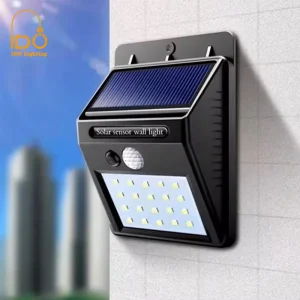
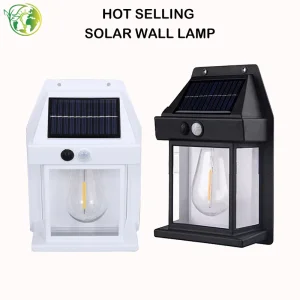
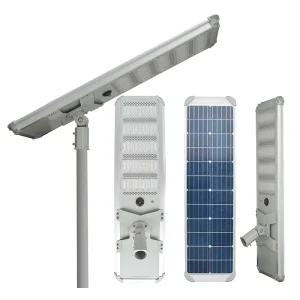
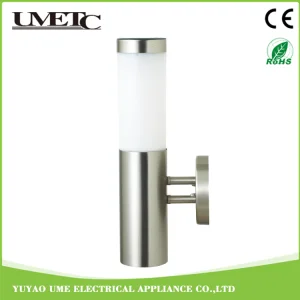
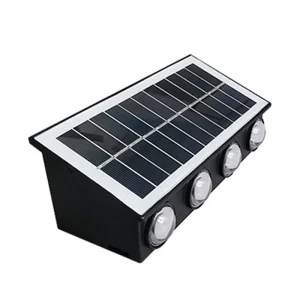
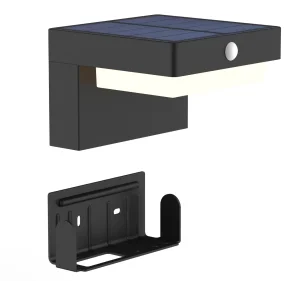
Premium architectural-grade wall fixtures designed for optimal solar conversion, weatherproof resilience, and modern aesthetics in Seoul urban districts.
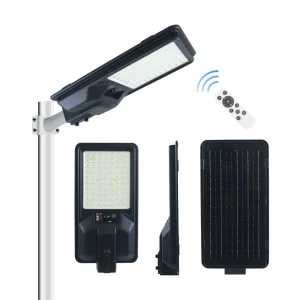
Seoul is undergoing a massive transformation driven by the "Seoul Eco-Friendly Energy City Plan" and smart city updates. Municipal efforts to reduce carbon emissions and optimize urban green spaces have directly accelerated the demand for intelligent, self-powered outdoor illumination. However, Seoul’s unique topography and climatic fluctuations present distinct technical challenges for standard solar wall lights.
The city exhibits a dense concentration of high-rise commercial structures alongside steep, narrow residential alleys in historic districts such as Jongno and Mapo. In these environments, shadows from buildings frequently block direct sunlight. Consequently, standard solar panels fall short. This highlights the absolute necessity for high-efficiency solar lighting components, including Monocrystalline Silicon Photovoltaic (PV) cells with conversion rates exceeding 22%.
As a leading supplier of outdoor lighting, Yangzhou OneAll Lights Co., Ltd. customizes products for the South Korean market. This ensures every product features specialized sealing gaskets and durable coatings. These elements are designed to withstand Seoul's seasonal shifts and satisfy strict local safety regulations.
Analyzing procurement shifts from standard components to long-lifespan IoT-enabled solar lighting systems.
Rapid urbanization and municipal decarbonization goals drive shifts toward solar solutions globally. Enterprises require fully autonomous fixtures with built-in battery storage, motion-activated dimming profiles, and intelligent communication protocols.
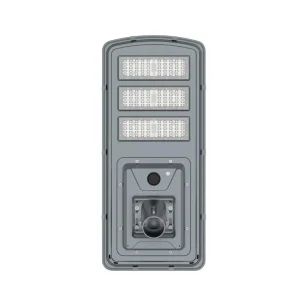
Modern commercial wall lighting systems increasingly serve dual functions. Combining high-efficacy LEDs with integrated 4G Wi-Fi CCTV cameras allows logistics parks, ports, and smart zones to improve visual coverage and secure perimeters simultaneously without additional electrical wiring.
By eliminating trenching, conduits, copper cabling, and grid connections, solar wall lighting saves over 70% in initial installation costs. Additionally, zero electricity usage guarantees immediate operational expenditure reduction.
Established in 2003 in Yangzhou, Jiangsu Province, China—a premier hub for global outdoor light manufacturing—our facility represents over 20 years of technical expertise. Sourcing directly from us bypasses intermediaries, providing premium engineering capabilities, fully traceable component pipelines, and strict quality control protocols.
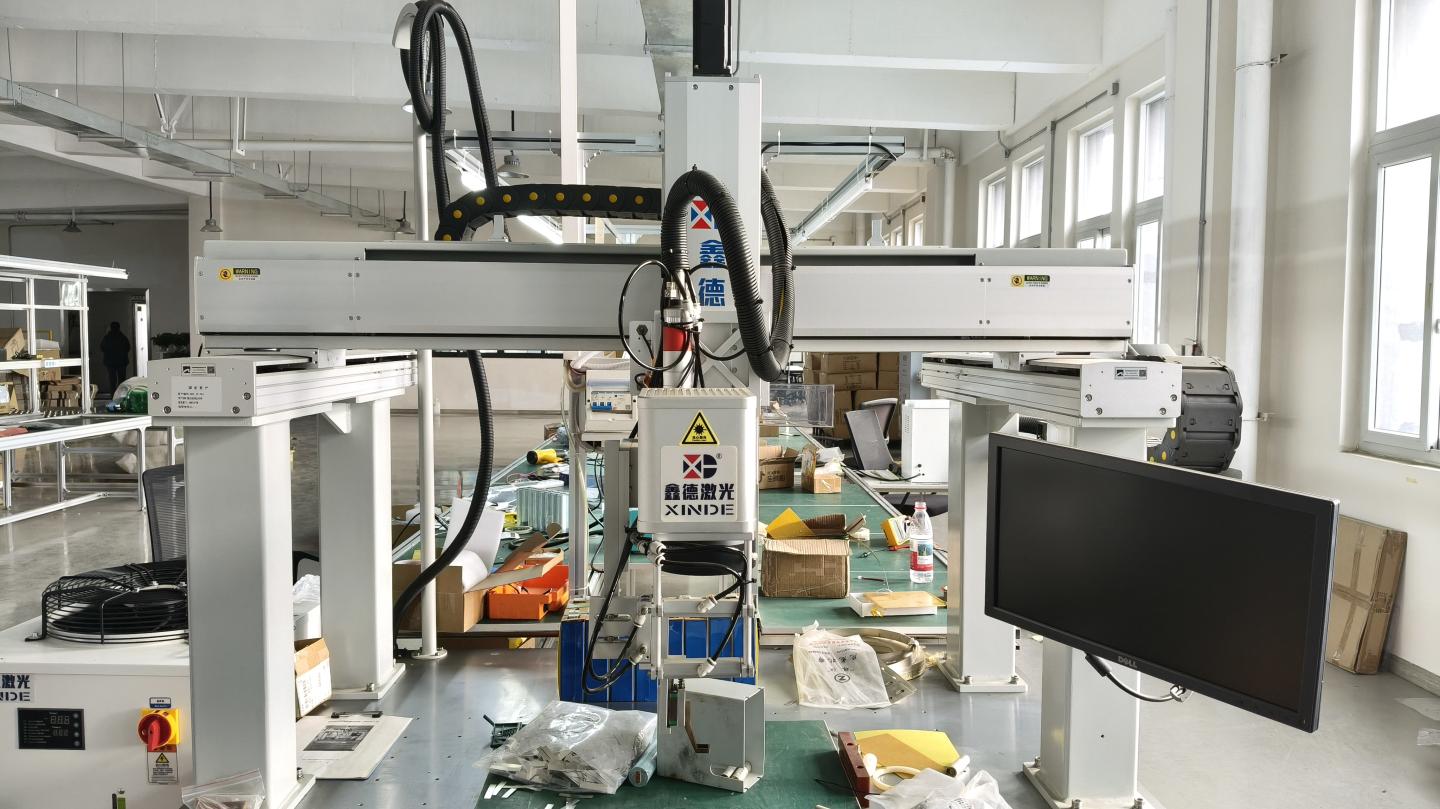
Our production footprint features automated SMT component placement, robotic laser welding, three-proof paint protective spraying (vital for salt spray and moisture protection), and extensive battery charging-discharging testing chambers. This end-to-end integration ensures our solar wall lights operate reliably in diverse climates, from sub-zero winters in Seoul to hot, tropical regions.
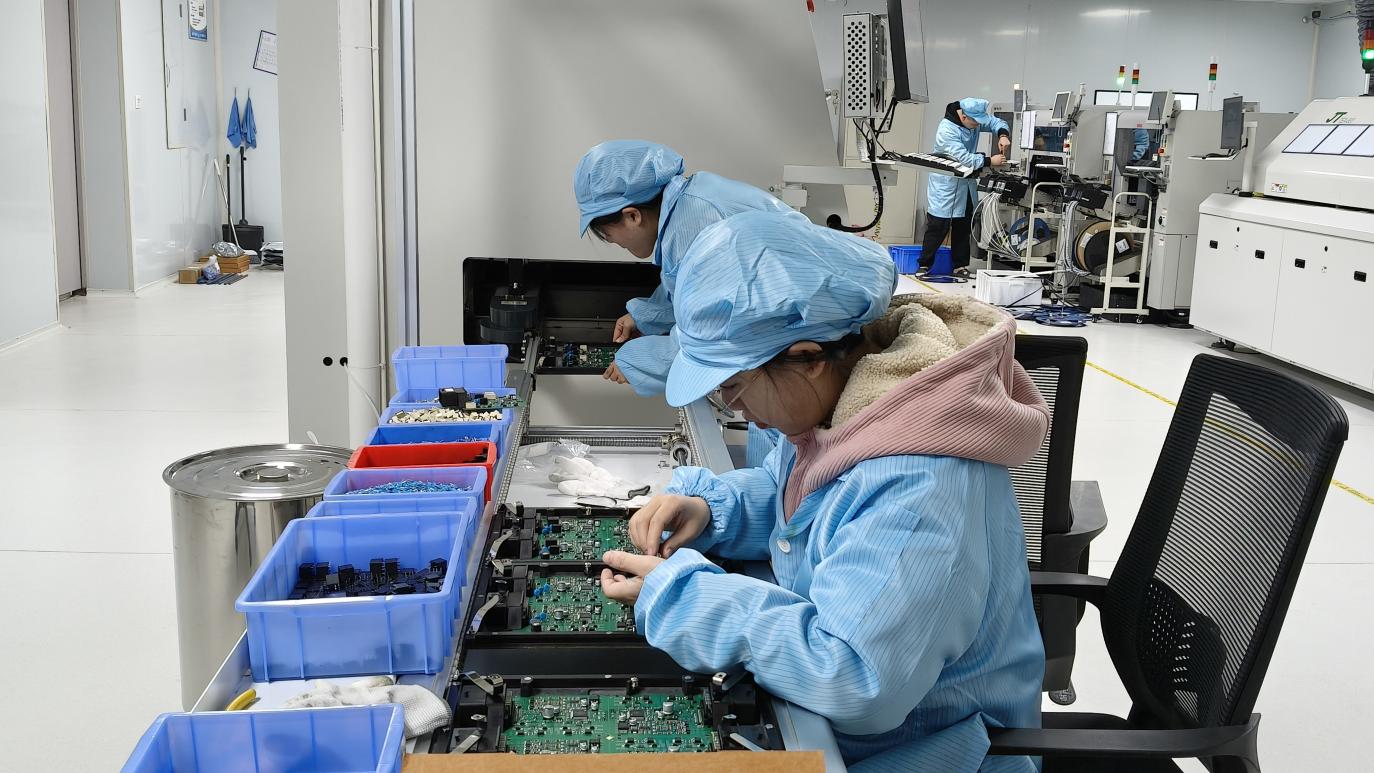
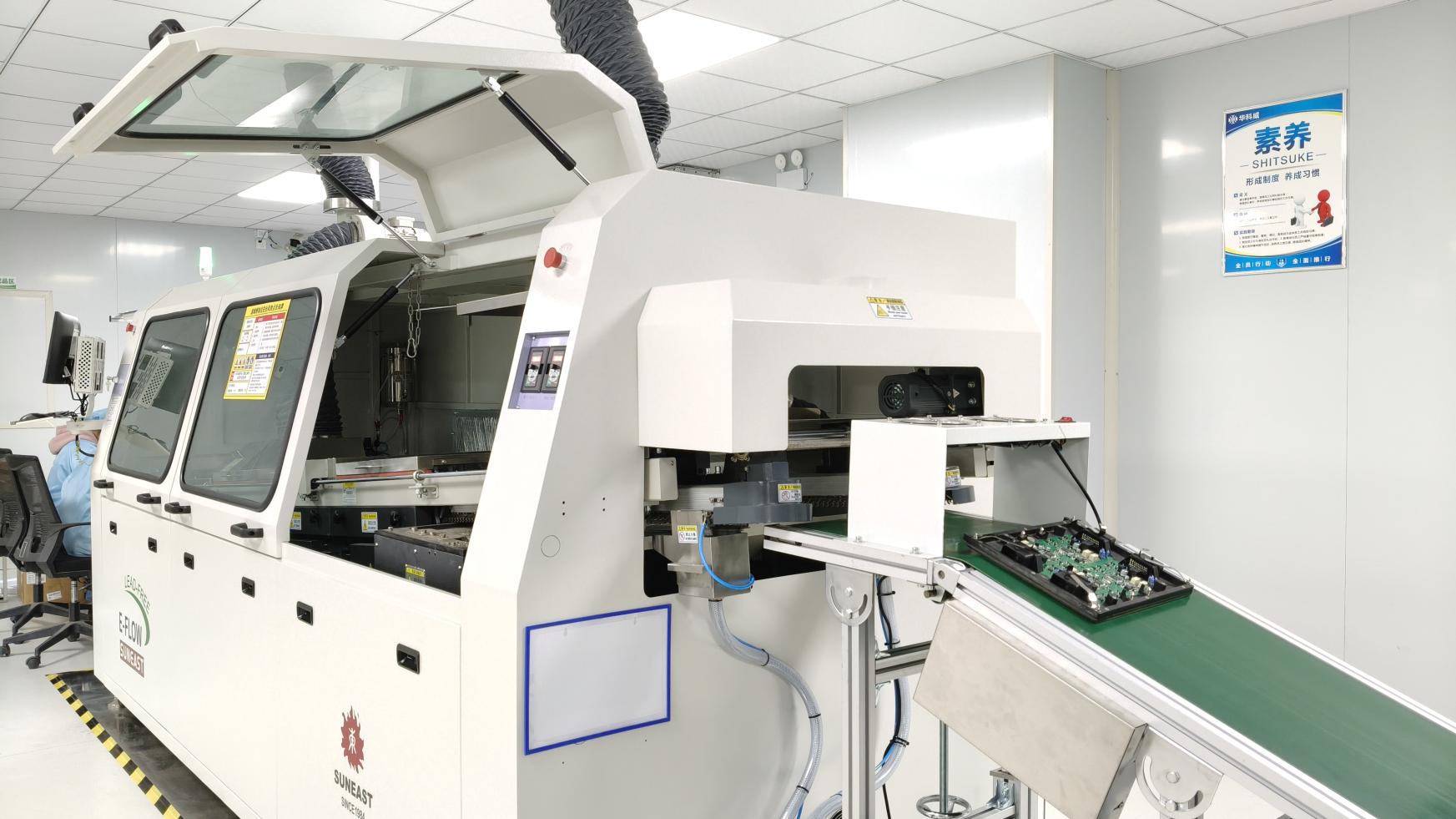
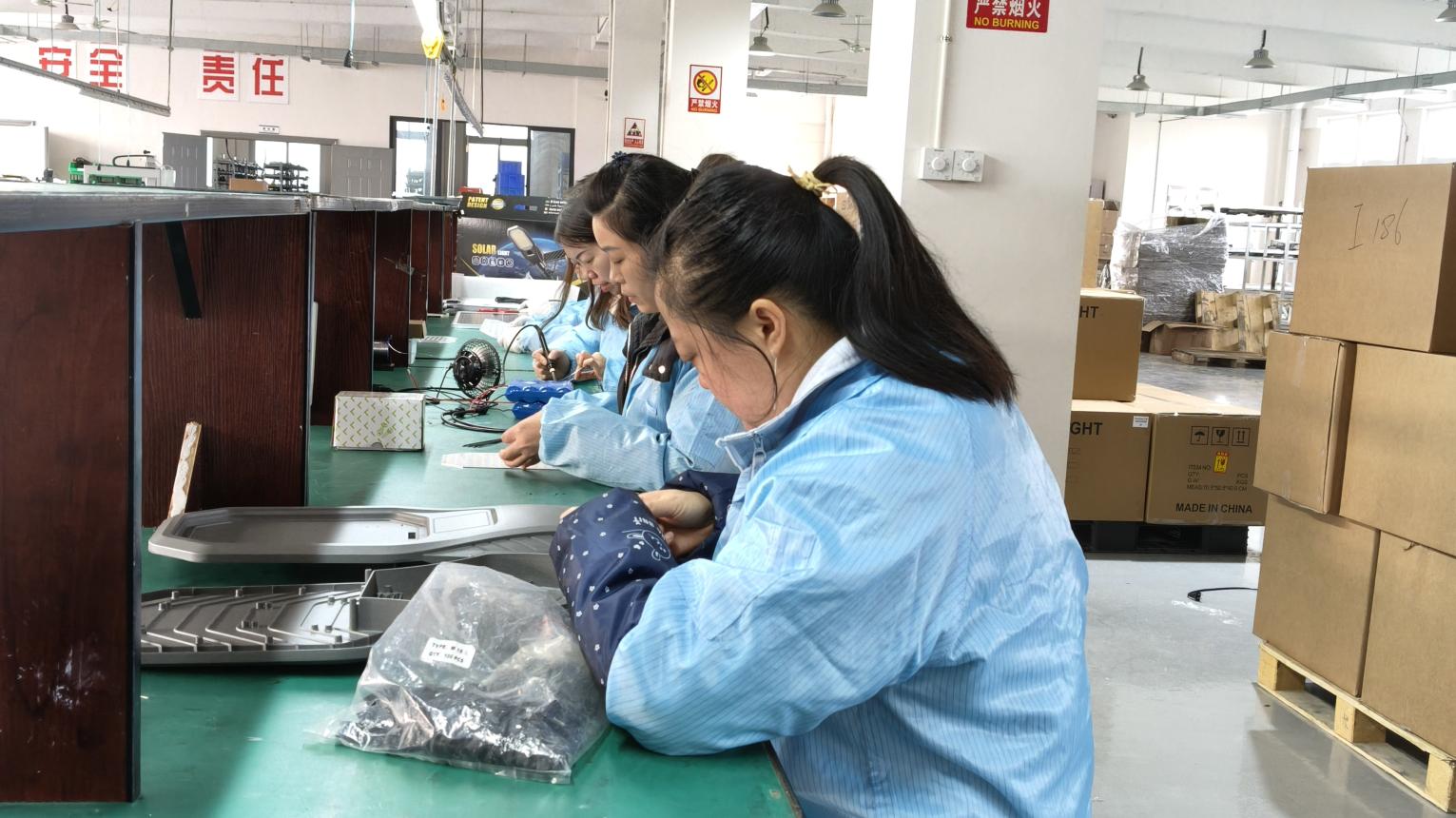
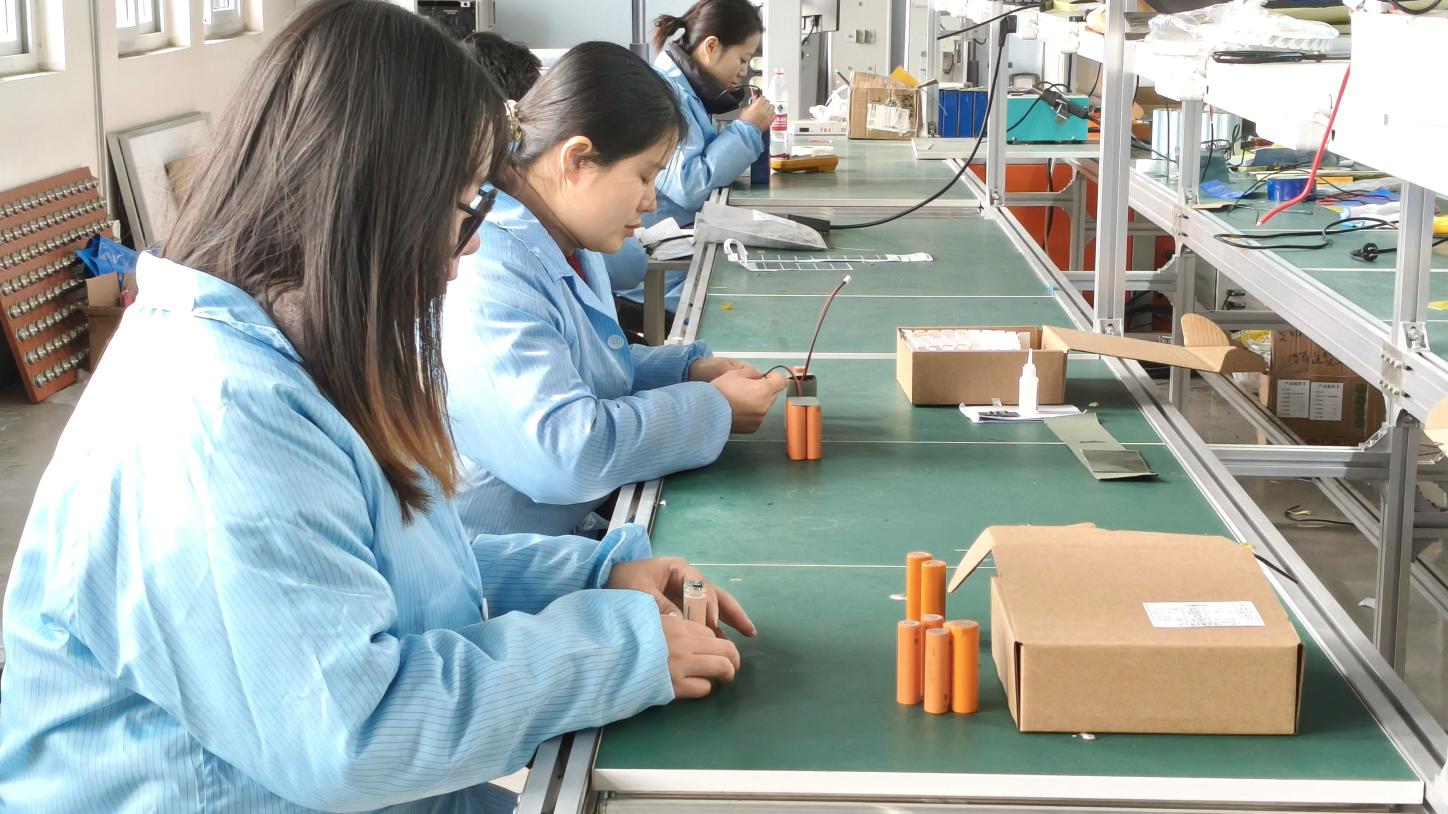
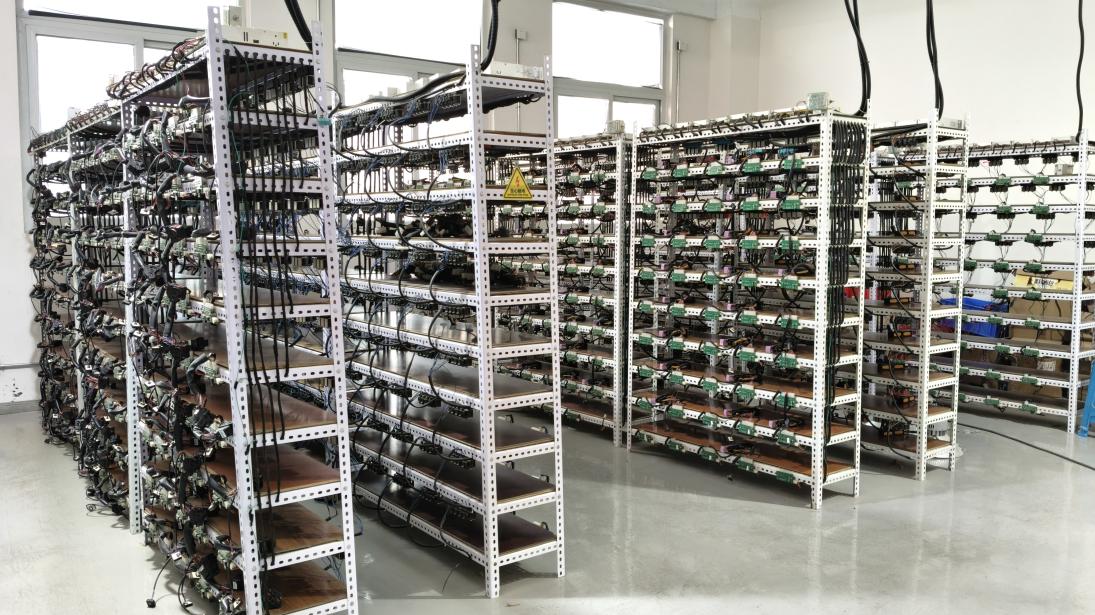
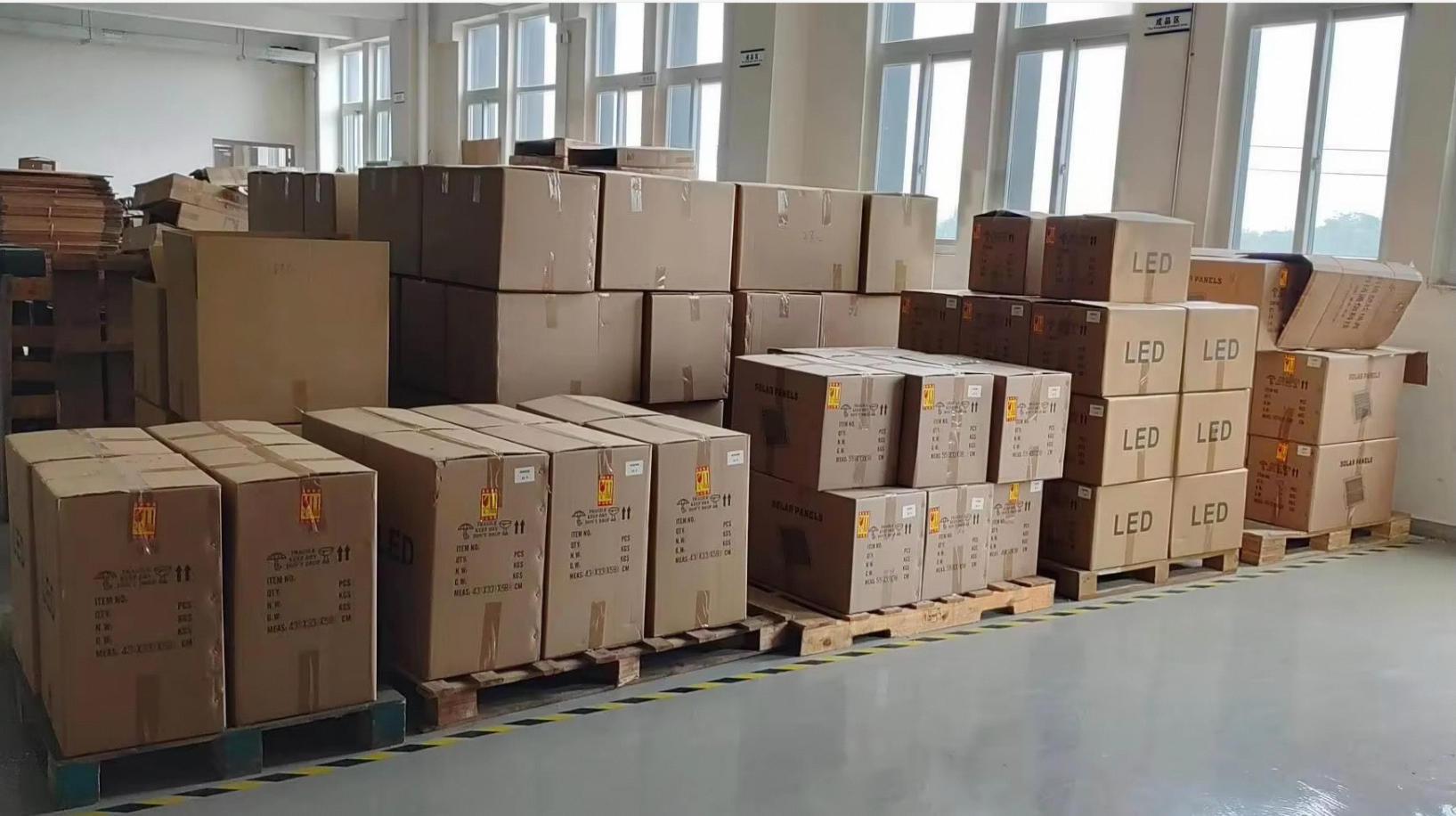
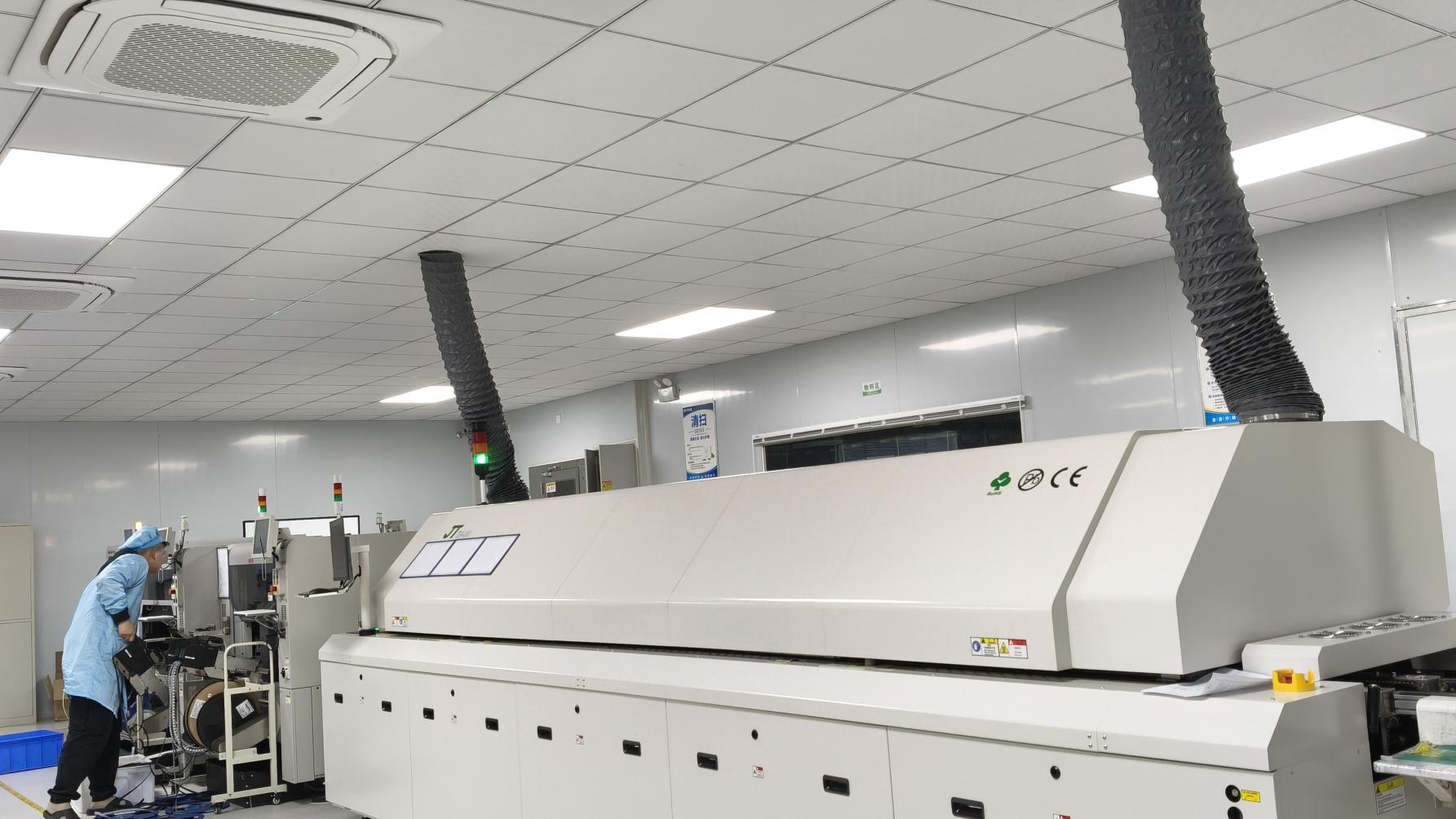
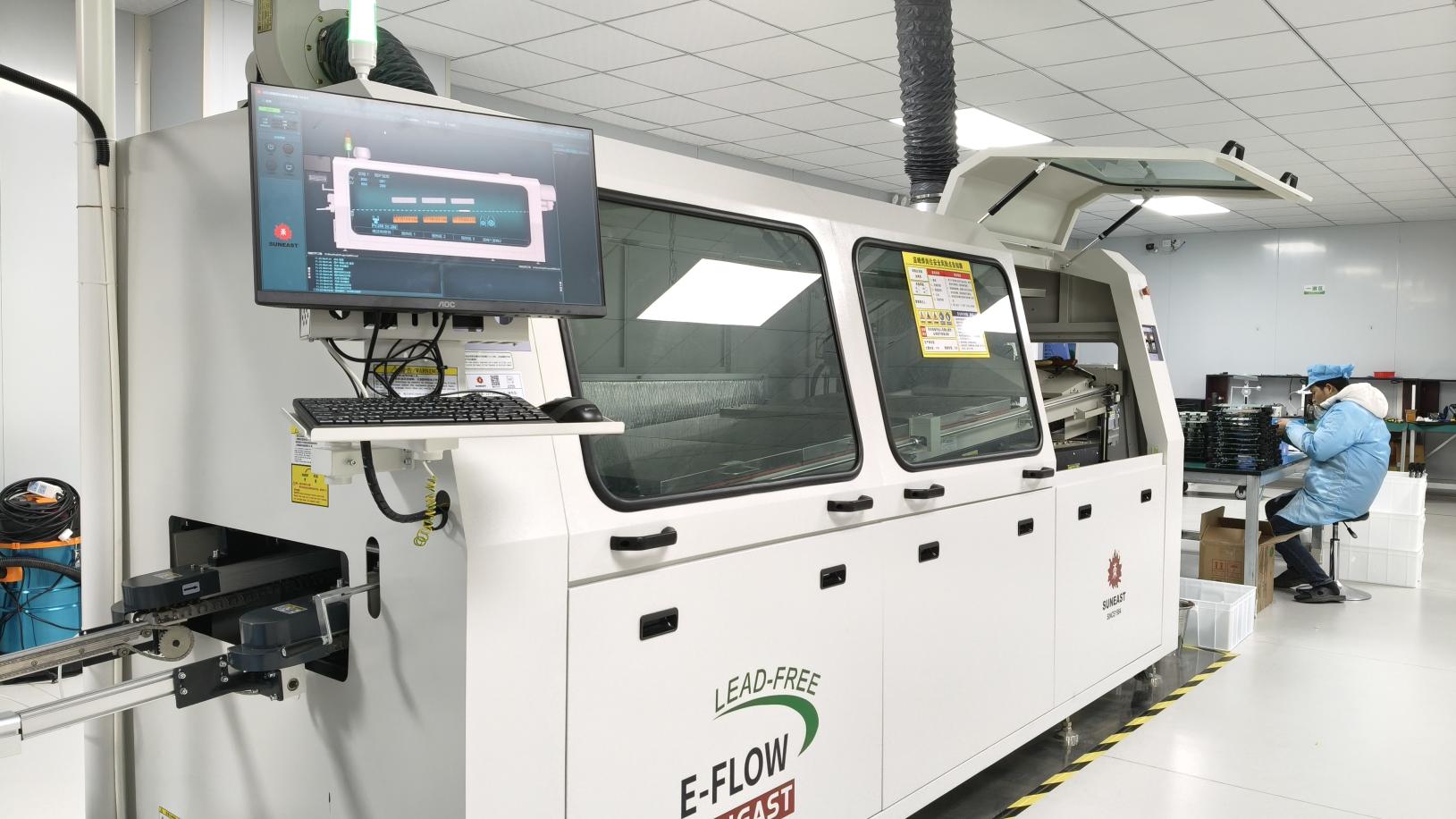
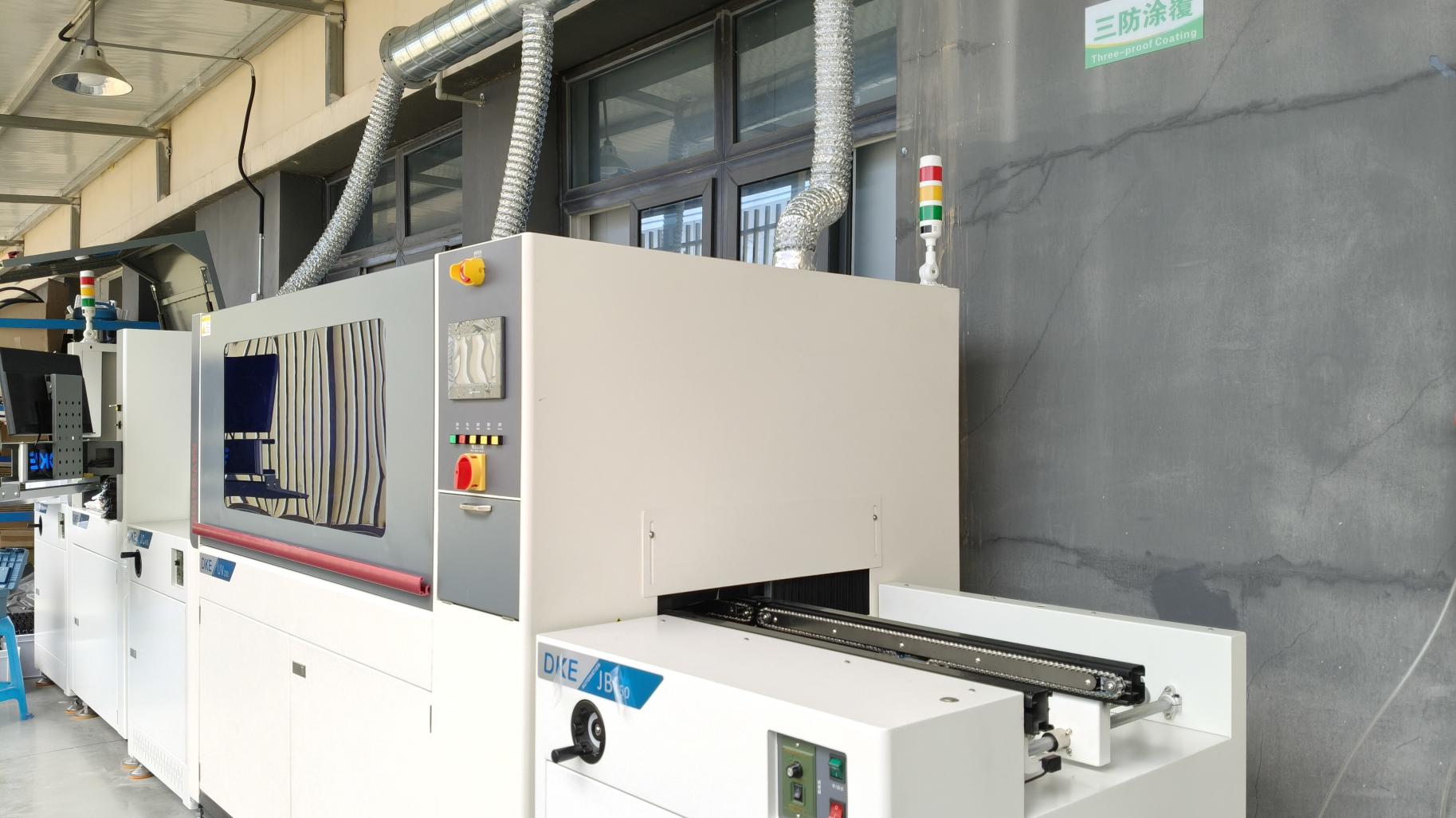
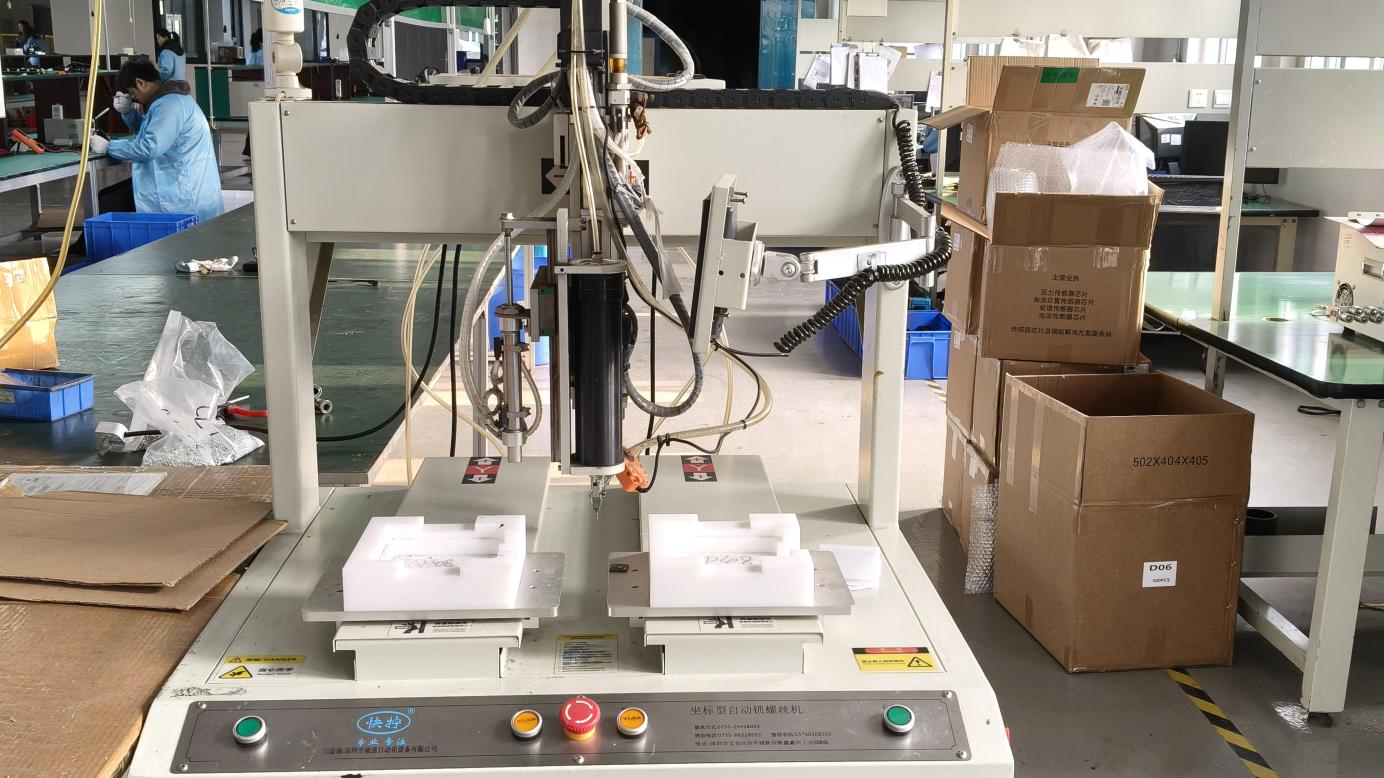
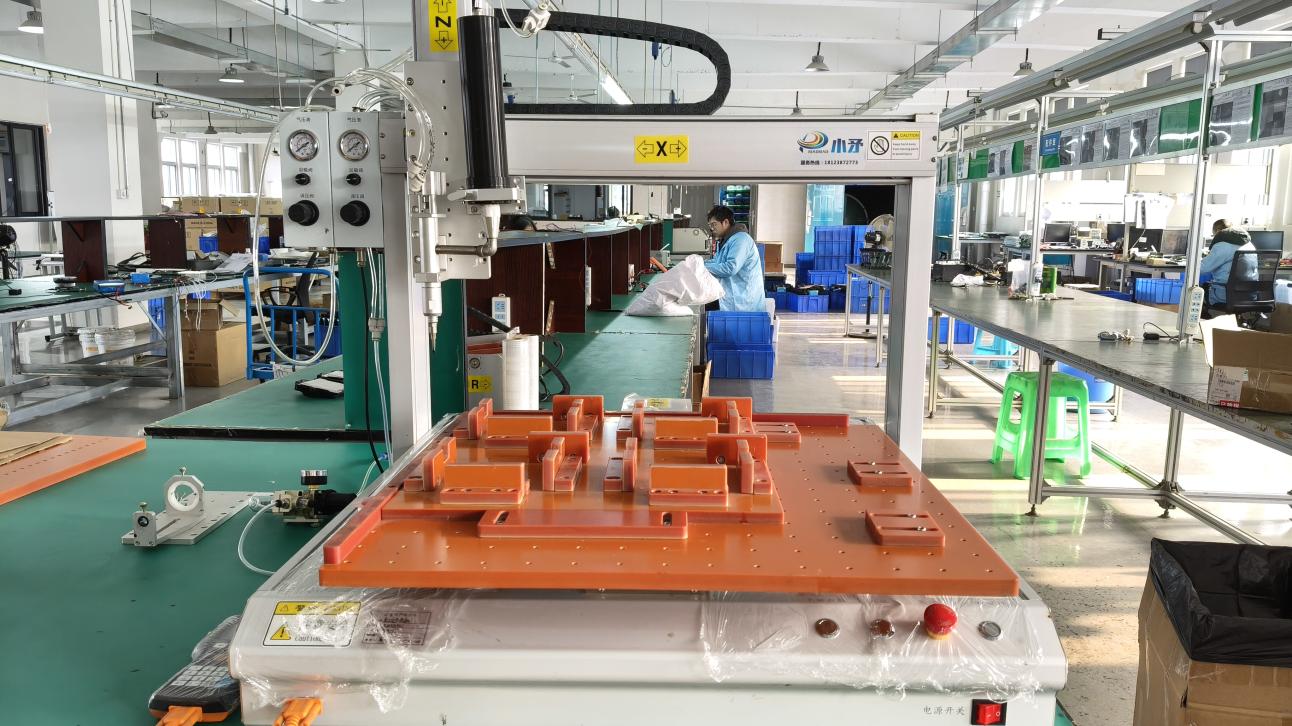
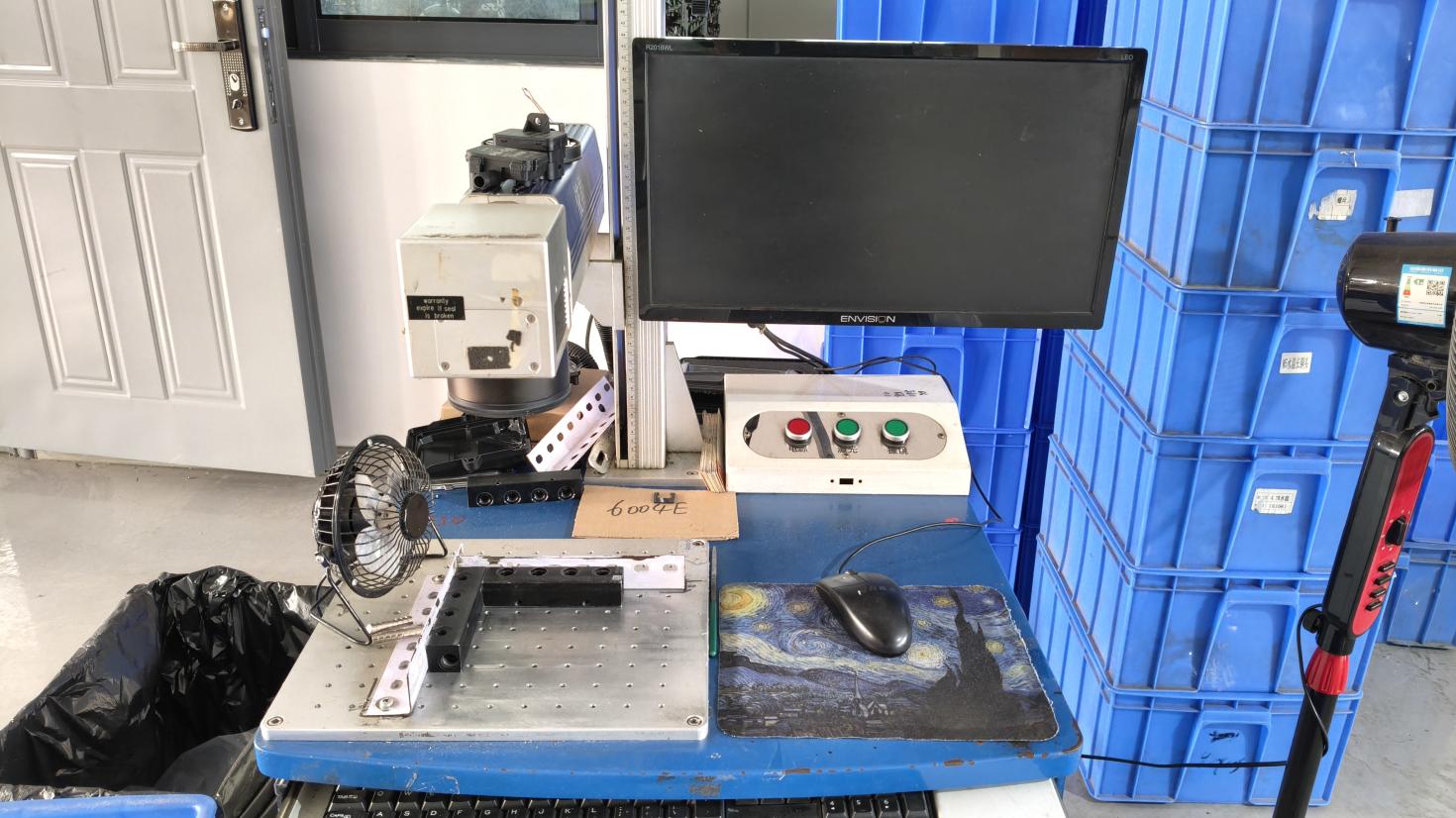
Continuous investment in automated laser welding assures structurally robust joins, eliminating voids and protecting sensitive IP66 enclosure sealing from environmental failure under long-term thermal expansion cycles.
How architectural planners, municipal contractors, and developers implement our systems across metropolitan Seoul.
Dense pathways in older residential wards (such as Mapo-gu and Seodaemun-gu) benefit from motion-sensor-activated solar wall lights. This improves pedestrian safety and visibility without the high costs of installing grid-tied fixtures in complex urban layouts.
Modern business parks in Gangnam and Yeouido utilize high-lumen, heat-dissipating wall lights to illuminate perimeter fencing, pathways, and loading docks. These fixtures complement modern glass-and-steel architecture while lowering building operating costs.
Recreational trails along the Han River require durable lighting that doesn't disrupt local wildlife. Our warm-white, dark-sky-friendly lighting profiles minimize light pollution, while their IP67 ratings withstand seasonal humidity and high winds.
A major cause of outdoor solar lighting failure is the degradation of batteries from extreme temperatures. Lithium iron phosphate (LiFePO4) batteries are valued for their safety and lifespan, but traditional setups can experience reduced charging efficiency when temperatures drop below freezing.
Our research and development team has engineered a temperature-adaptive Battery Management System (BMS) for municipal installations in Seoul. By utilizing low-current trickle charging and integrated heating circuits, our battery modules can charge safely in winter climates. When temperature sensors detect freezing conditions, the BMS automatically regulates current input to prevent lithium plating, preserving battery health and capacity over the long term.
By using smart controllers equipped with Maximum Power Point Tracking (MPPT) algorithms, our systems adjust current and voltage in real time. This keeps the solar panel operating at its peak efficiency throughout the day, increasing overall power generation by up to 30% compared to traditional PWM controllers.
| Solar PV Material | A-Grade Monocrystalline (>22% Efficacy) |
| Battery Cell Chemistry | LiFePO4 (Grade A, >3000 Cycles @ 80% DOD) |
| LED Driver / Controller | High-Speed MPPT with Temperature Sensor |
| Chassis Construction | Die-Cast ADC12 Aluminum + Tempered Glass |
| Certifications Available | CE, CQC, ISO9001, ISO14001 |
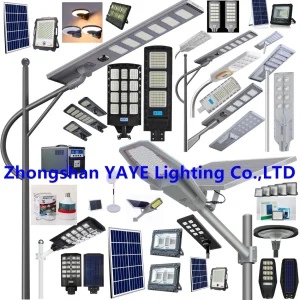
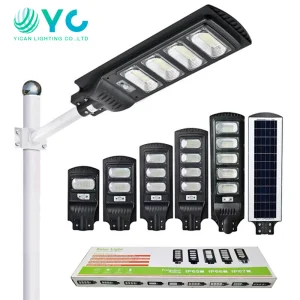
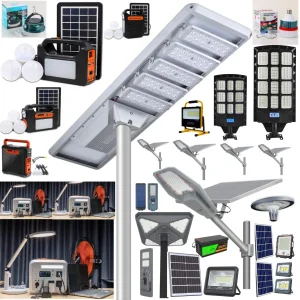
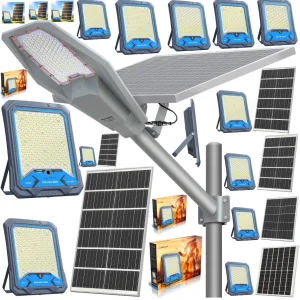
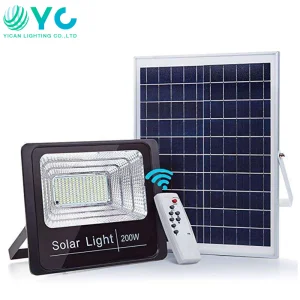
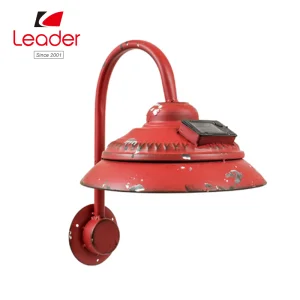
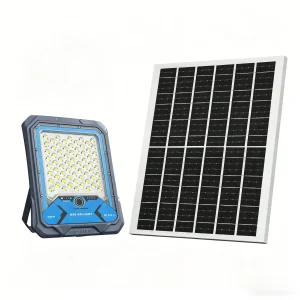
Explore our complete catalog of industrial-grade street, flood, and architectural wall luminaires, customized for commercial infrastructure projects in Seoul and globally.
Technical guidance and installation queries for developers, municipal planners, and supply chain managers.
Extreme cold reduces the chemical activity in standard lithium-ion batteries, which can lead to capacity loss or charging failures. To address this, our solar wall lights use custom LiFePO4 chemistry with integrated temperature sensors. Our advanced BMS features a low-temperature charging cutoff and power adjustment to prevent internal short circuits and cell damage in sub-zero winter weather.
Yes. Our systems feature high-grade Monocrystalline Silicon PV cells with conversion efficiencies above 22%. Coupled with MPPT controllers, these panels capture diffused light during overcast days. This enables constant energy capture, even in the rainy monsoon season common in East Asia.
We provide a 3-year warranty on our complete commercial assemblies. The monocrystalline solar panels are designed for a 25-year operational lifespan, the LED chips are rated for 50,000 hours (LM80 verified), and our premium LiFePO4 battery modules maintain over 80% capacity after 3,000 charging cycles (roughly 8 to 10 years of daily operation).
Yes. Yangzhou OneAll Lights Co., Ltd. is ISO9001 and ISO14001 certified. Our products carry CE, CQC, and CCC approvals, and we provide detailed testing reports for IP66/IP67 ingress ratings. These compliance files can be provided directly to import agents to simplify customs clearance in South Korea.
The integrated passive infrared (PIR) or microwave motion sensor operates on a dual-mode profile. By default, the system remains in energy-saving mode (dimmed at 15-30% brightness). When motion is detected, the sensor shifts the system to 100% brightness for a set duration, conserving energy while providing illumination when needed.
Direct supply from Yangzhou OneAll Lights Co., Ltd. ensures competitive pricing, customized designs, and certified product quality. Contact our sales engineers to receive a comprehensive quote within 24 hours.
Send Inquiry Now OneAll Lights