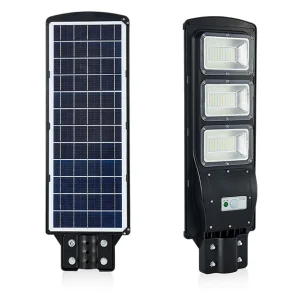
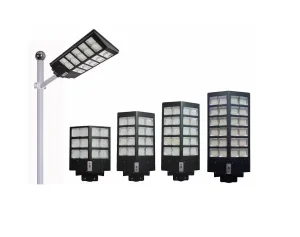
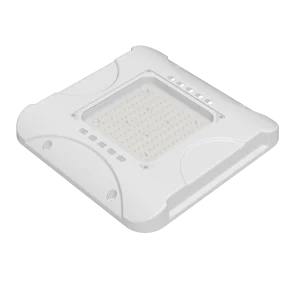
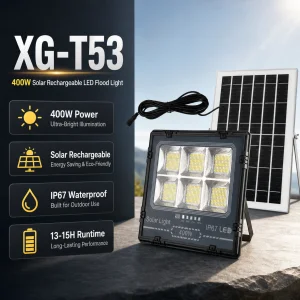
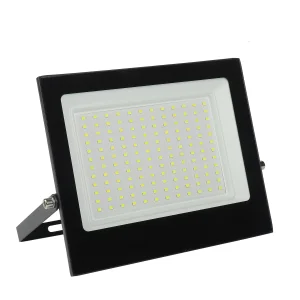
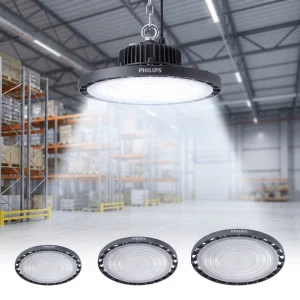
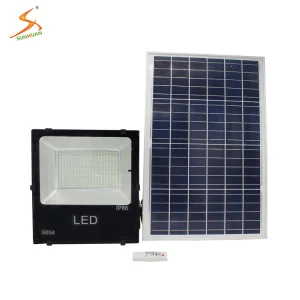
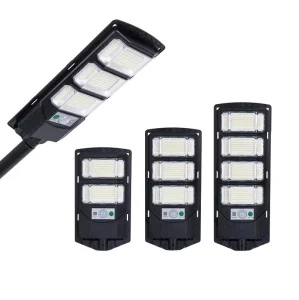
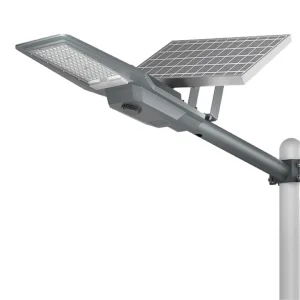
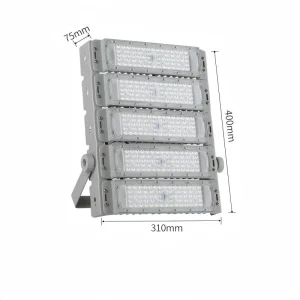
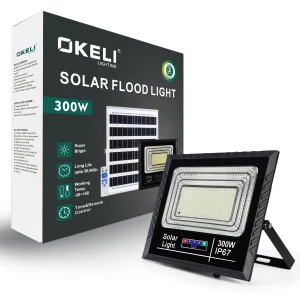
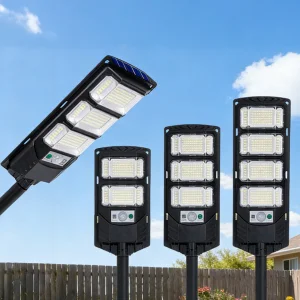
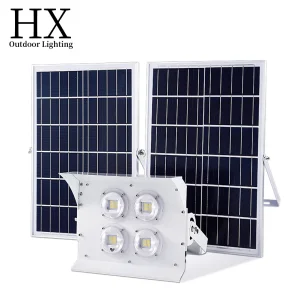
In the contemporary industrial and municipal landscape, off-grid outdoor lighting systems have transitioned from optional eco-friendly alternatives to high-performance operational necessities. Standard lighting frameworks are highly dependent on extensive grid infrastructure, yielding vulnerable cost profiles and severe maintenance overheads. By contrast, the modern CE Certified Solar Floodlight with Remote represents a modular, resilient, and highly autonomous solution. Armed with high-efficiency photovoltaic modules, smart power management protocols (MPPT), and long-lifetime Lithium Iron Phosphate (LiFePO4) storage, these systems bypass standard electrical grid dependency while offering flexible control profiles via wireless telemetries.
For municipal authorities, EPC contractors, and global procurement managers, identifying a reliable supplier involves assessing rigorous engineering metrics. CE certification stands as the absolute baseline, confirming structural compliance with the low voltage directive (LVD 2014/35/EU), electromagnetic compatibility directive (EMC 2014/30/EU), and restriction of hazardous substances (RoHS). Yangzhou OneAll Lights Co., Ltd., leveraging over two decades of localized development and high-precision automation lines, delivers highly custom-designed, off-grid floodlighting solutions configured to perform under extreme climatic conditions.
Achieving high luminous output and extended system lifespans under varying solar radiance conditions requires a system-level understanding of core component interactions. The performance matrix of a commercial-grade solar floodlight consists of four primary technological pillars:
Monocrystalline silicon panels featuring high-purity crystalline layouts are standard in our systems, delivering conversion efficiencies exceeding 21-22%. Unlike inferior polycrystalline alternatives, monocrystalline arrays maintain high power-yield values even during low-light winter days, ensuring continuous raw energy flow to the charging circuitry.
We deploy high-capacity Lithium Iron Phosphate (LiFePO4) cell topologies. With a thermal runaway threshold exceeding 600°C and a cycling profile of over 2000-3000 charge-discharge cycles at 80% Depth of Discharge (DoD), these battery banks guarantee upwards of 5-8 years of reliable performance, surpassing standard ternary lithium configurations.
Integrating high-efficiency SMD 3030 or 5050 light sources generates luminous efficacies exceeding 160 lm/W. Combined with optical-grade PMMA lenses delivering precise beam distributions (Type II, III, or IV), glare index values are kept low while maximizing target ground area illumination.
Deploying remote systems over wide sites demands dynamic, flexible parameter scheduling. Our smart control systems, operating on robust 2.4GHz RF or direct line-of-sight Infrared (IR) links, enable operators to fine-tune operations without physical ladder access. Features include:
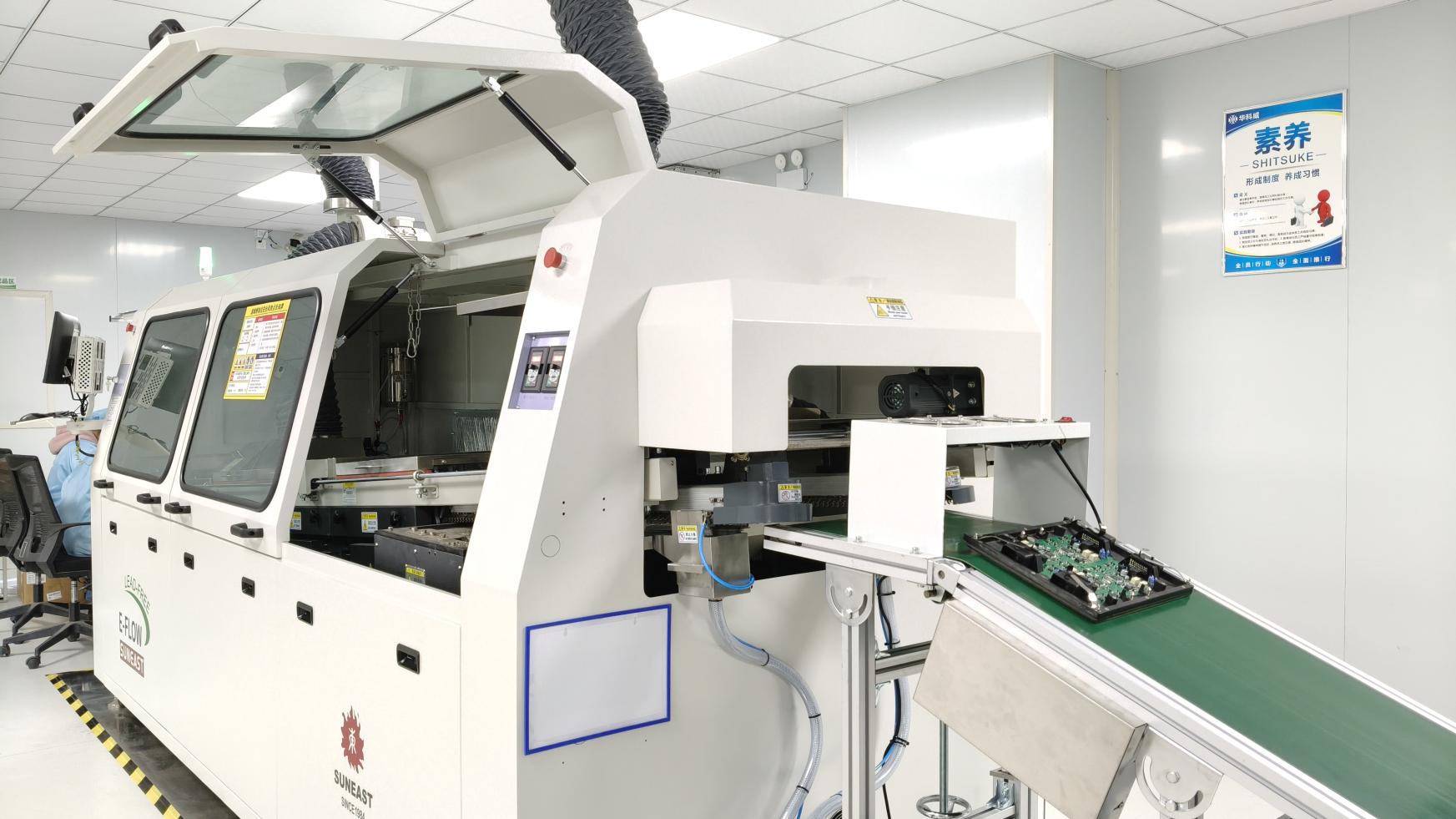
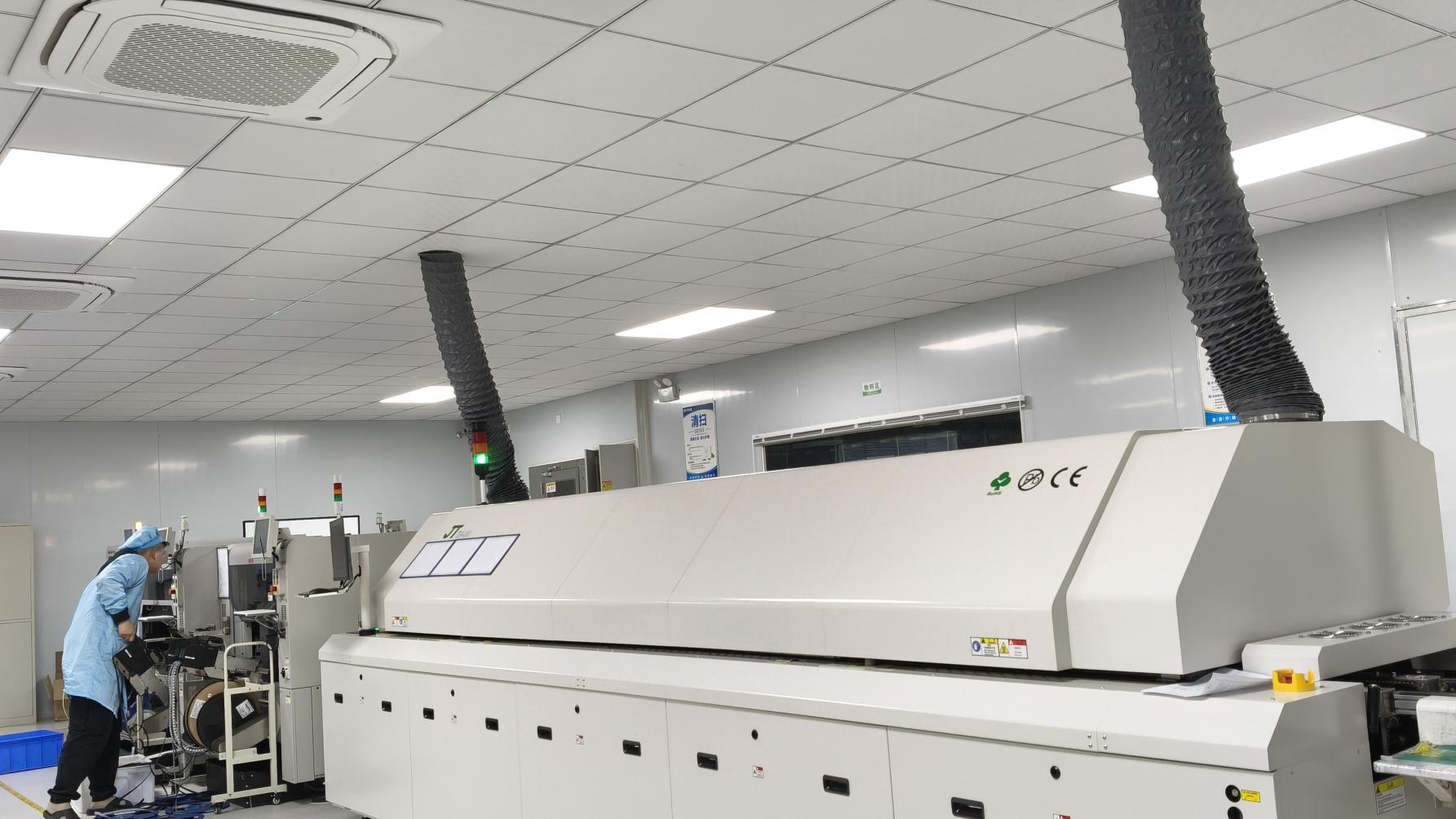
Industrial procurement departments face high market volatility, supply chain logjams, and changing regional import standards. To de-risk procurement, organizations are moving away from local component assembly towards vertically integrated suppliers capable of managing raw ingot processing, component design, precision CNC machining, and automated SMT production under a unified quality assurance framework.
In response to global infrastructure expansion, especially across the Middle East, Southeast Asia, and South America, products must be configured to withstand regional challenges. Suppliers must prove environmental resilience with certifications like IP66/IP67 ingress ratings, salt spray testing (IEC 60068-2-11), and wind-load structural certifications for solar panels. Yangzhou OneAll Lights Co., Ltd. addresses these demands by offering localized documentation, CE compliance file transfers, and end-to-end technical consulting to simplify international import clearance and compliance audits.
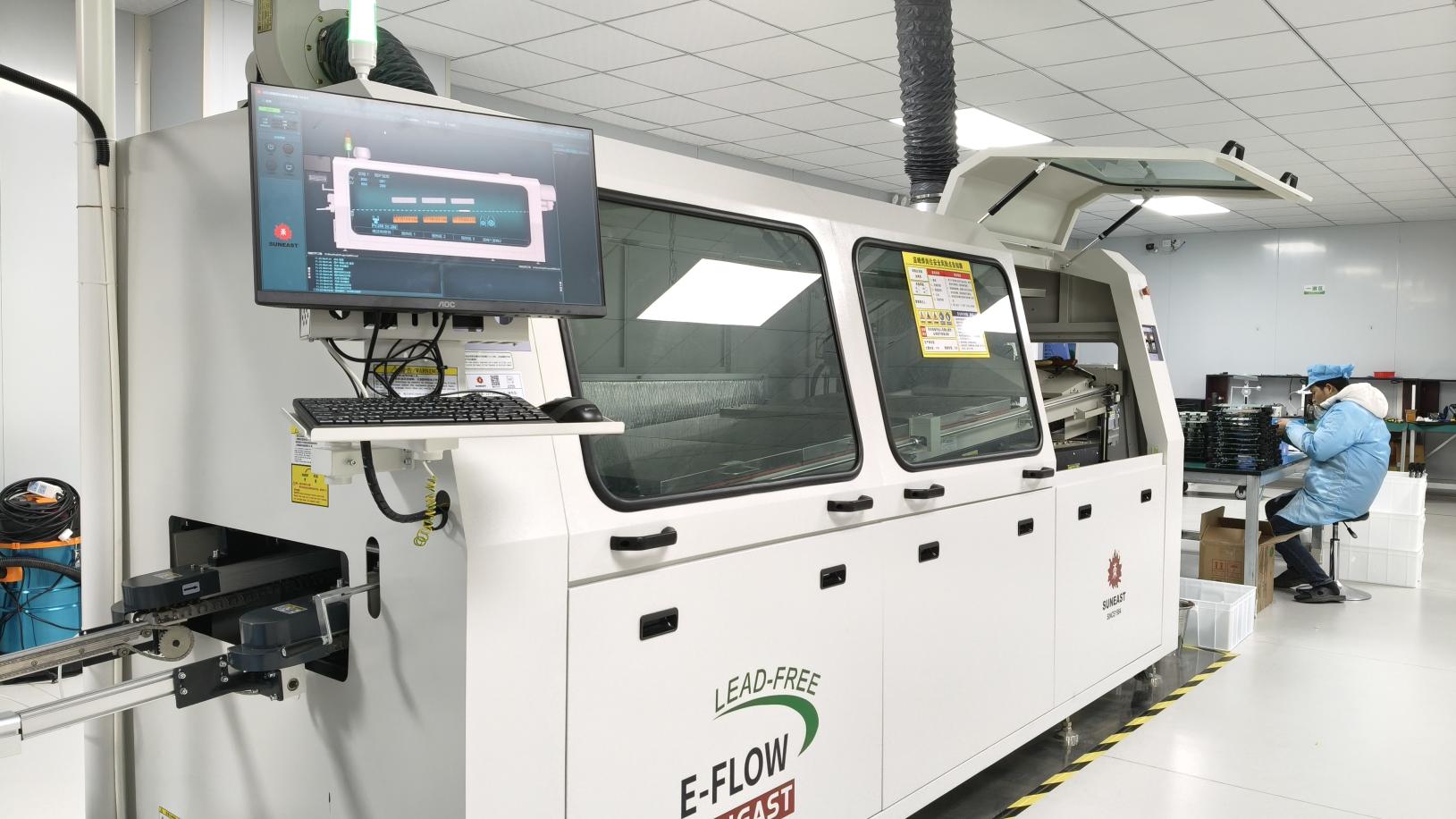
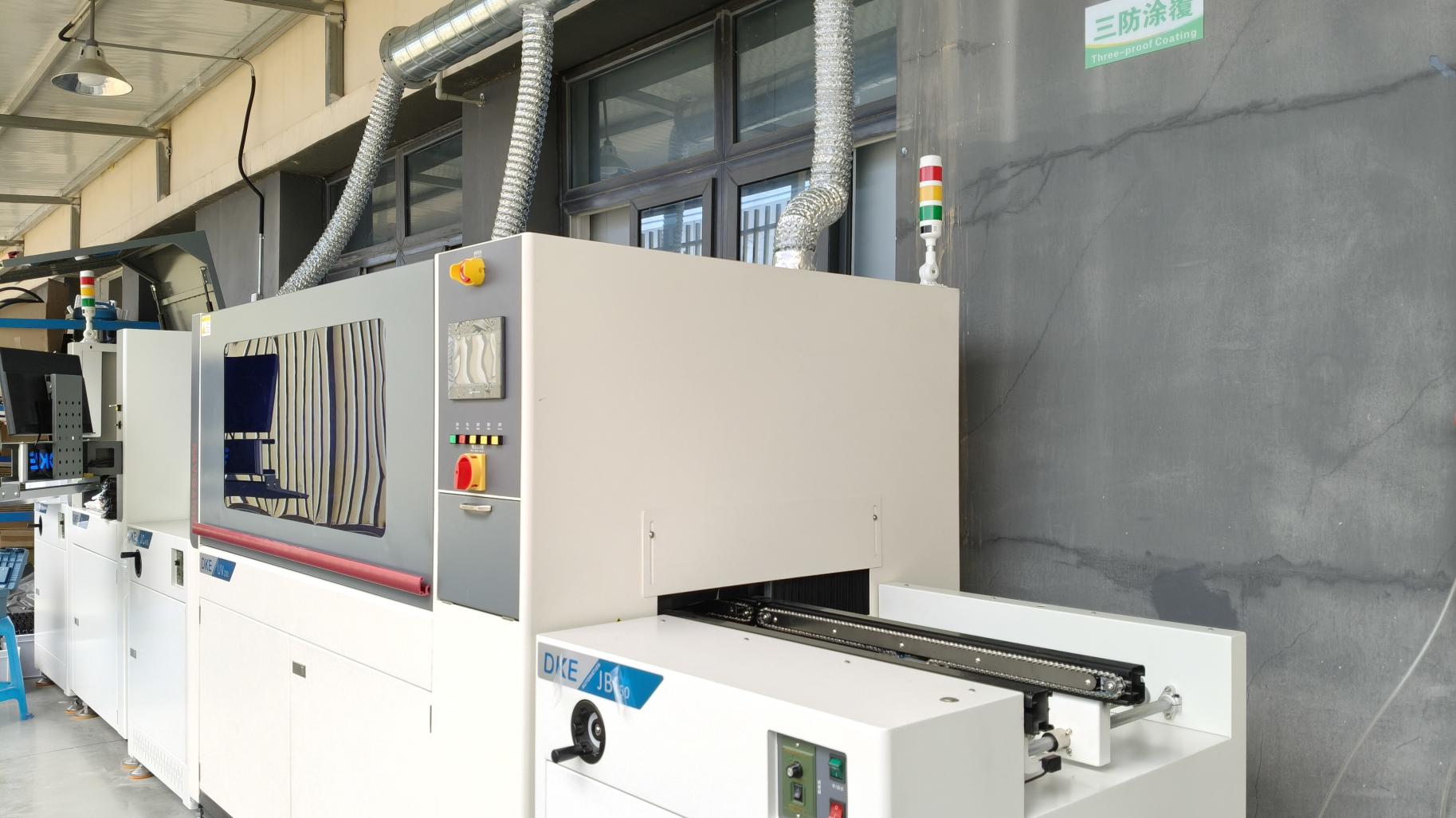
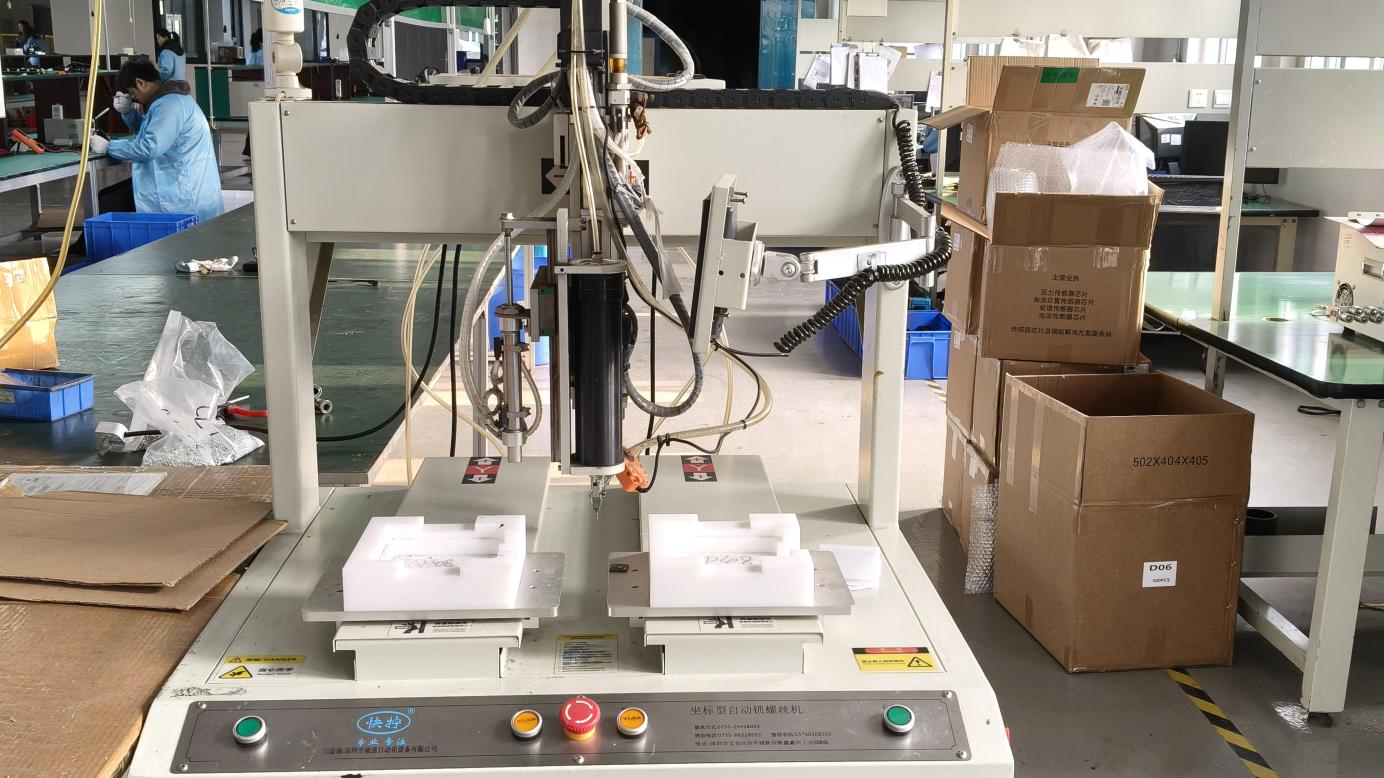
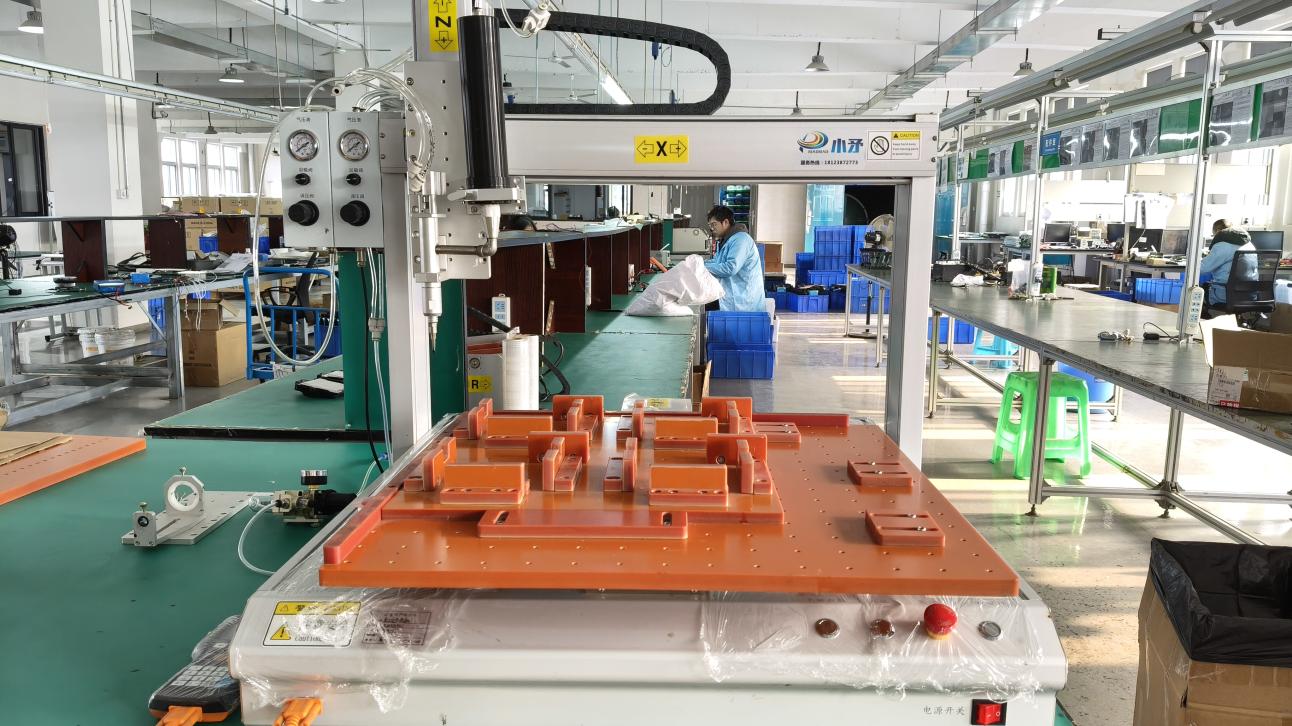
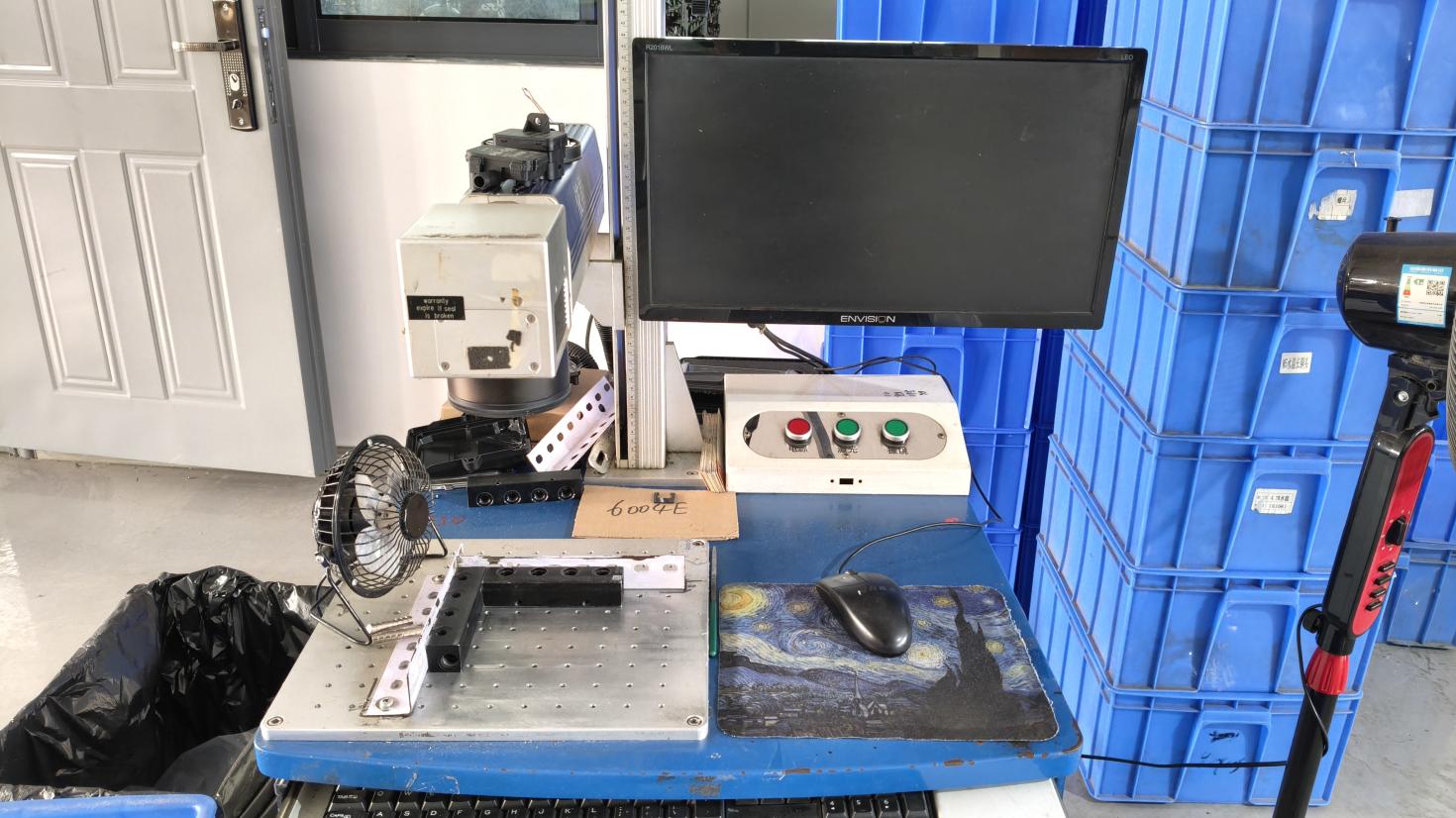
Established in 2003 in Yangzhou, Jiangsu Province, China, Yangzhou OneAll Lights Co., Ltd. is a leading manufacturer and exporter of heavy-duty outdoor lighting solutions. Spanning over two decades of technical advancement, our modern manufacturing site features CNC bending machines, automatic submerged arc welding systems, high-precision laser cutters, electrostatic powder coating lines, and integrated fluorocarbon painting workshops.
Operating under ISO9001 and ISO14001 certification frameworks, our production processes undergo rigorous testing using advanced diagnostic instruments. By integrating an experienced R&D division with automated SMT and assembly lines, we successfully manufacture highly customized lighting solutions for global commercial projects.



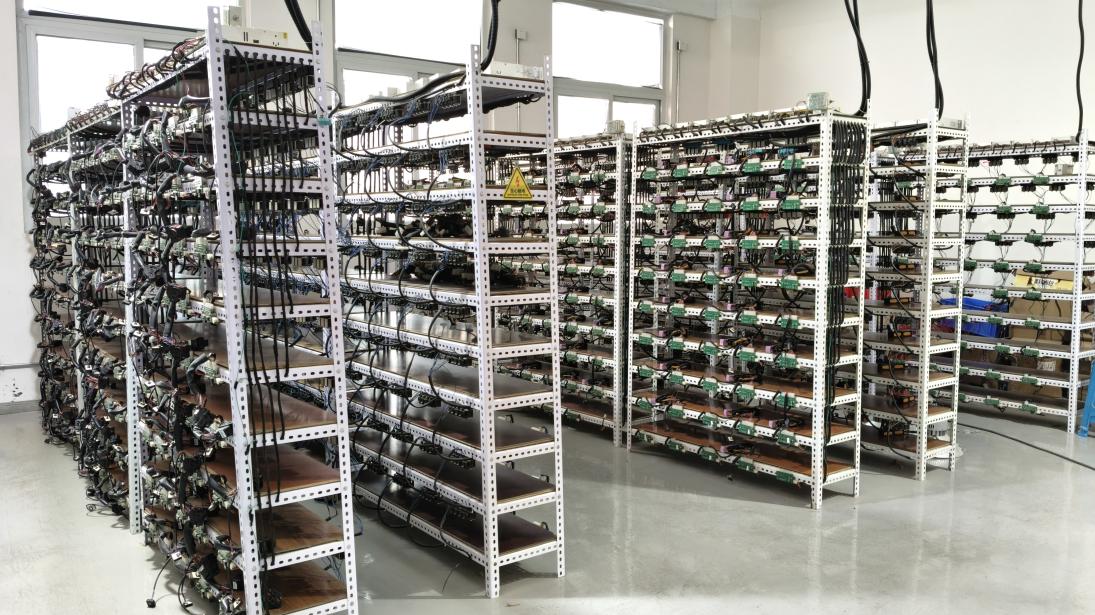
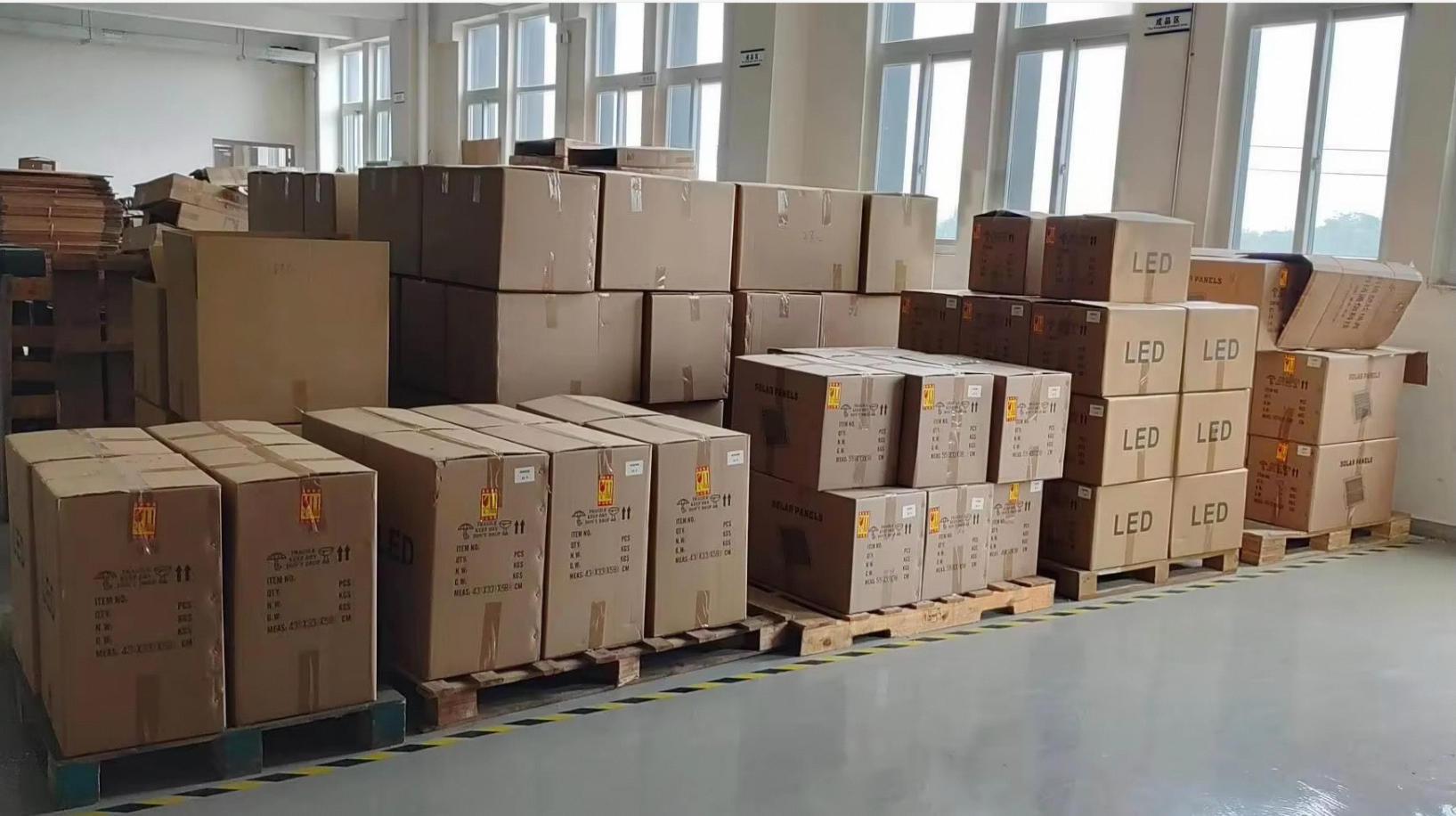

For international projects, non-compliant equipment causes delays, regulatory penalties, and system failures. Genuine CE compliance requires testing and documenting standard operating parameters under the LVD and EMC frameworks. Our quality assurance workflow involves:
Smart city systems demand deeper integration of IoT technologies into solar lighting networks. Yangzhou OneAll Lights is currenty developing next-generation intelligent solar nodes featuring:
 OneAll Lights