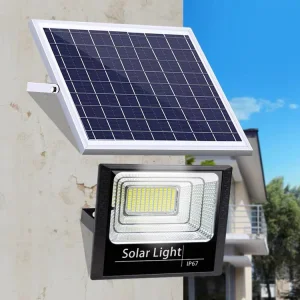
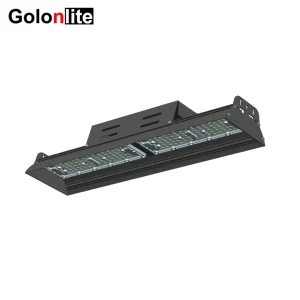
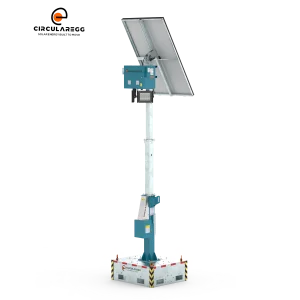
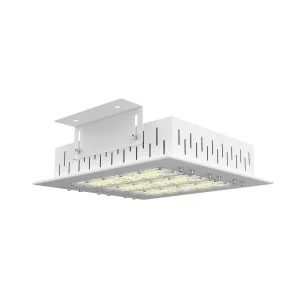
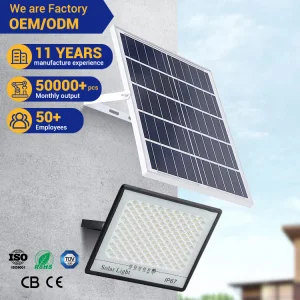
Direct-from-manufacturer solar infrastructure products engineered for high performance and durability.
Optimizing efficiency, safety, and battery health in smart off-grid energy storage systems.
In the context of the global transition to decentralized renewable energy architectures, the solar charge controller acts as the technological gateway between photovoltaic generation and electrochemical storage. Far from being a simple regulator, modern controller design utilizes high-frequency power electronics to ensure maximum power transfer while protecting battery chemistries from degrading operations.
Whether deploying low-power solar streetlights or scaling gigawatt-hour utility microgrids, selecting the right controller technology (MPPT vs. PWM) and partner manufacturer dictates long-term Levelized Cost of Storage (LCOS). This whitepaper provides a rigorous breakdown of the leading global manufacturers, technical roadmaps, manufacturing methodologies, and procurement parameters for industrial buyers.
Evolution of power conversion efficiency, semiconductor materials, and network topologies.
Traditional silicon-based MOSFETs are approaching their physical efficiency limits. Modern R&D is heavily focused on utilizing Gallium Nitride (GaN) and Silicon Carbide (SiC) wide-bandgap semiconductors. These materials support significantly higher switching frequencies (up to 1 MHz), allowing manufacturers to reduce the physical footprint of magnetic components (inductors and transformers) while boosting efficiency beyond 99%.
Traditional Perturb and Observe (P&O) methods suffer from slow tracking speeds during erratic cloud coverage. The integration of Artificial Neural Networks (ANN) and Fuzzy Logic Control (FLC) algorithms allows next-generation MPPT controllers to track the global peak power point under complex partial shading conditions in milliseconds, avoiding local power point traps and reclaiming up to 15% of lost energy.
As the market shifts from Lead-Acid to Lithium Iron Phosphate (LiFePO4) and emerging Sodium-Ion (Na-Ion) batteries, controllers must utilize precise digital communications (CAN-bus, RS485 Modbus) directly with the Battery Management System (BMS). This prevents issues like low-temperature charging damage and cell overvoltage, ensuring long cycle life.
How charge controllers adapt across critical infrastructure, municipal grid segments, and industrial environments.
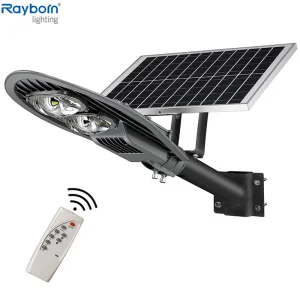
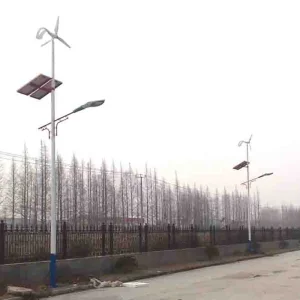
Integrating intelligent hybrid charging algorithms, programmable timers, and PIR/radar motion sensors. Operates under extreme outdoor conditions (IP67/IP68 rating) to support sustainable public lighting grids without grid trenching costs.
Decentralized energy configurations requiring multi-phase parallel charging. High-voltage MPPT inputs minimize DC line losses over large industrial properties while maximizing power density in central powerhouses.
Power systems for remote base stations where maintenance intervals are calculated in years. Employs fanless, heat-sink optimized, highly reliable design models to prevent component failures from dust or humidity ingress.
A comparative evaluation of leading brands based on design specialization, product portfolio, and regional strengths.
Known for the SmartSolar MPPT series with integrated Bluetooth telemetry. Excellent performance in marine, recreational vehicle, and off-grid residential setups with massive software integration capabilities.
Renowned for high-reliability, fanless designs targeted at industrial telecom and oil & gas remote monitoring installations where failures are not tolerated.
A dominant player in cost-competitive, highly functional Tracer series MPPT controllers. Widely utilized in global off-grid solar projects requiring robust performance on tighter budgets.
Pioneered high-voltage MPPT solutions (FLEXmax series). OutBack specializes in commercial-grade off-grid applications with flexible network setups.
Highly regarded for compact off-grid solutions and solar lights controllers. Focuses on system reliability, multi-voltage support, and dust-resistant enclosures.
Manufactures heavy-duty classic MPPT controllers. Renowned for arc-fault protection systems and flexible configurations supporting massive wind and hydro inputs.
High-end Swiss engineering focusing on industrial-grade off-grid power stations. Exceptionally high surge capacity and long-term lifespan guarantees.
A pioneer in high-reliability PWM controllers and consumer-grade off-grid solar equipment. Strong footprints across European and African rural electrification projects.
A powerhouse in vertically integrated solar streetlights and customized controller assemblies. Renowned for custom industrial lighting solutions, smart PWM/MPPT hybrid driver designs, and exceptional OEM/ODM agility backed by 20+ years of manufacturing experience.
Excels in consumer-grade DIY off-grid power kits, combining user-friendly bluetooth interfaces with affordable price points for recreational vehicle and cabin configurations.
Yangzhou OneAll Lights Co., Ltd. — Delivering precision engineering, automated processing, and quality control.
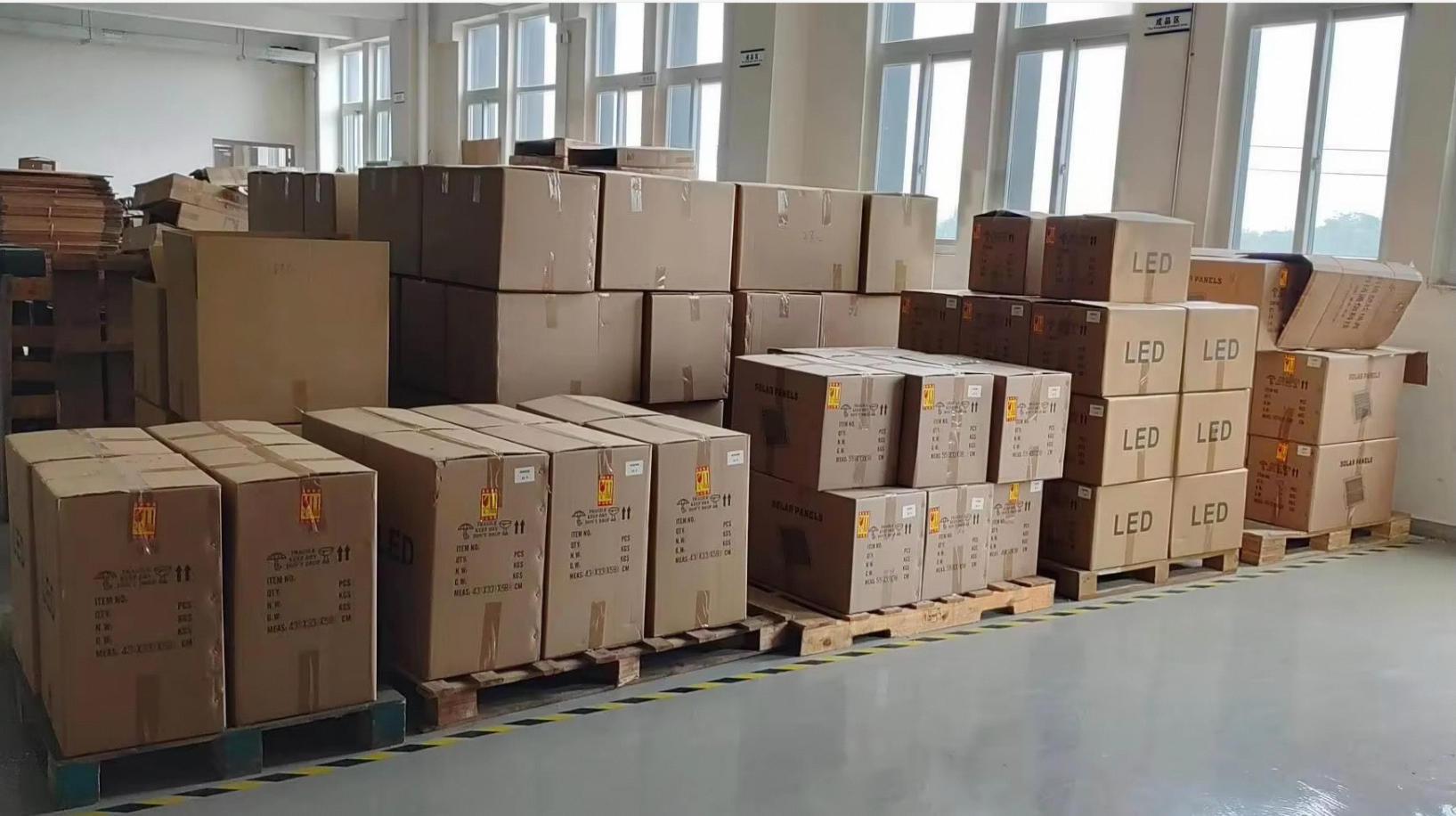
Established in 2003 and situated in Yangzhou, Jiangsu Province, China, Yangzhou OneAll Lights Co., Ltd. represents the modern paradigm of smart factory operations. With over 20 years of focus in design, engineering, and global logistics, the company provides crucial vertical integration for high-reliability municipal and industrial solar components.
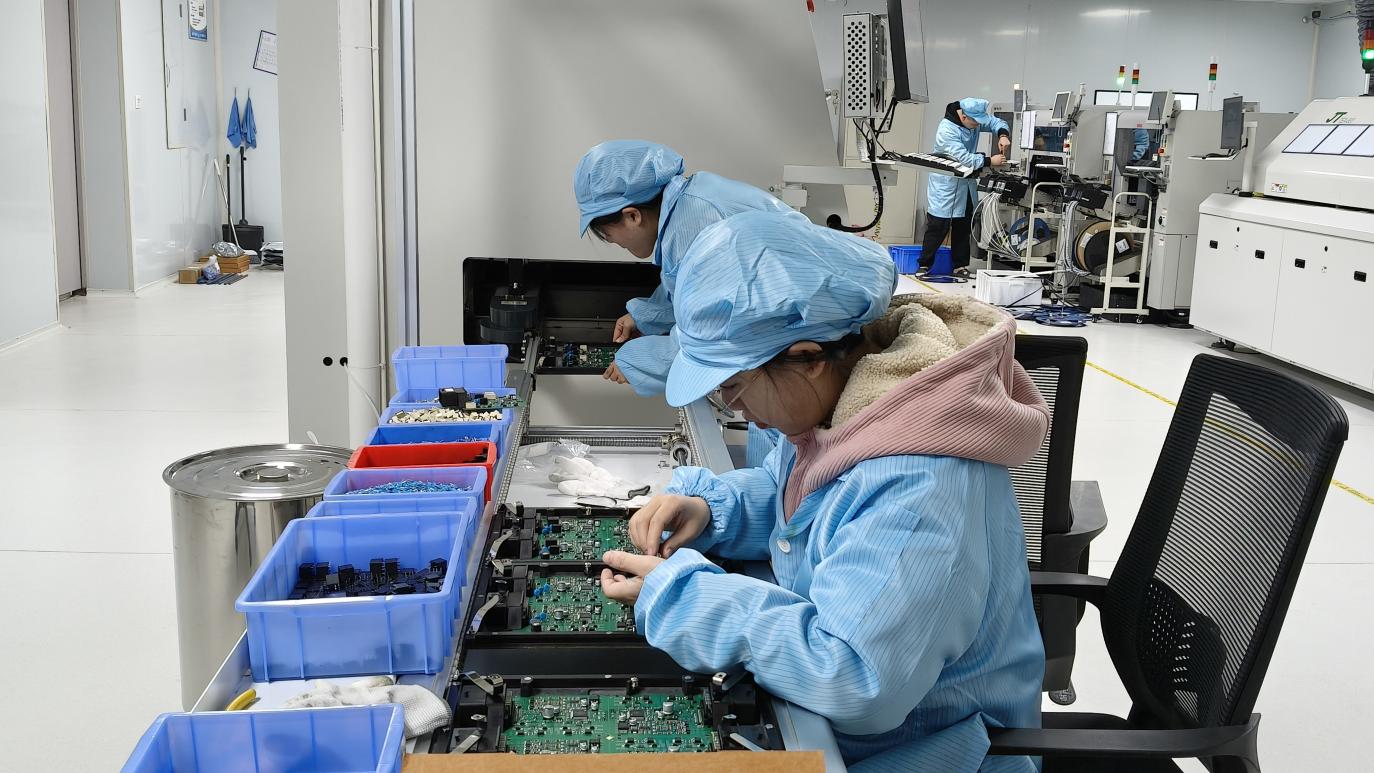
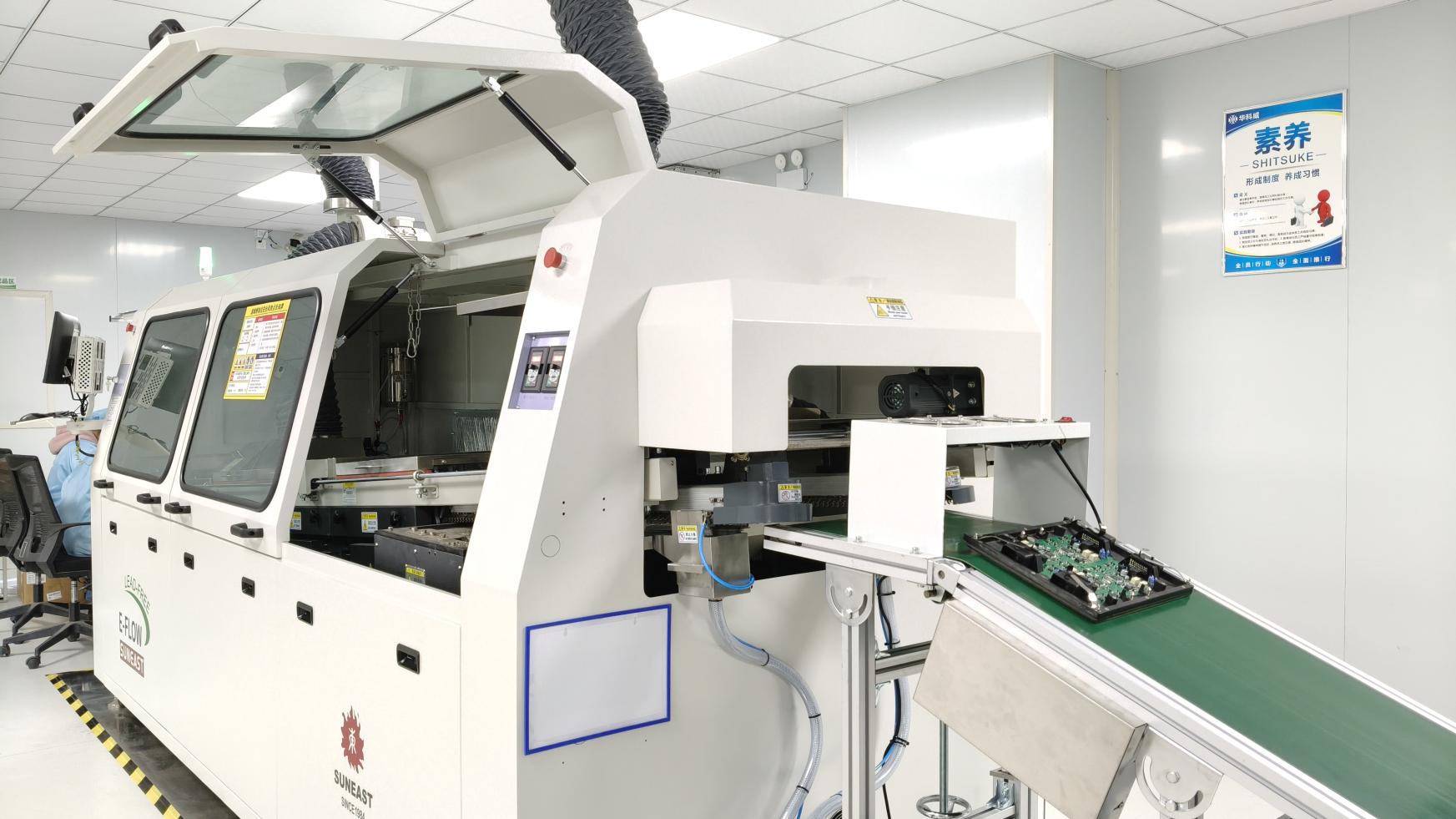
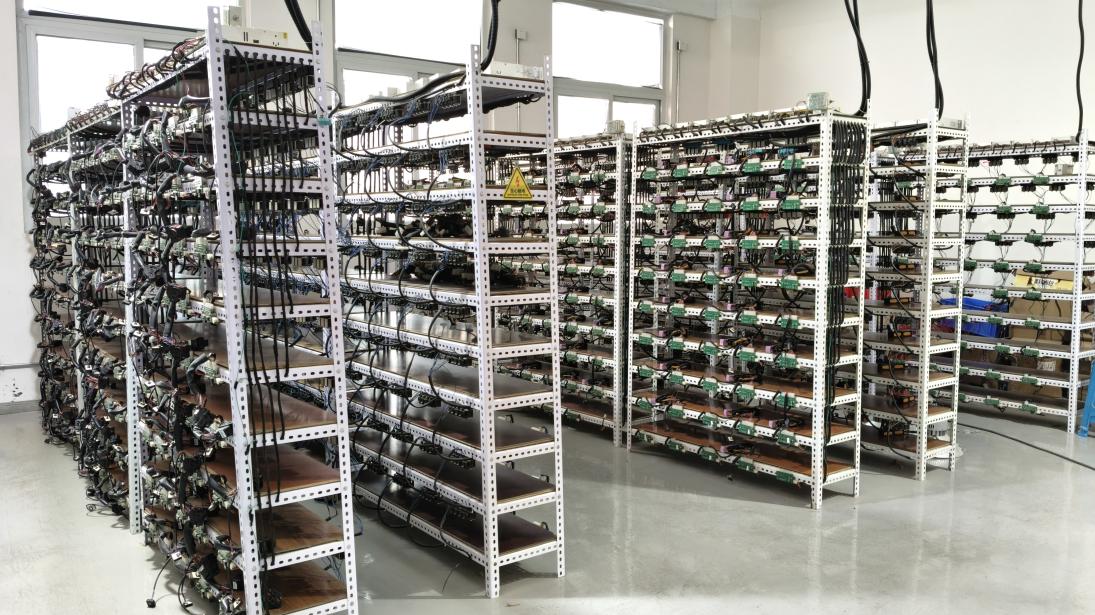
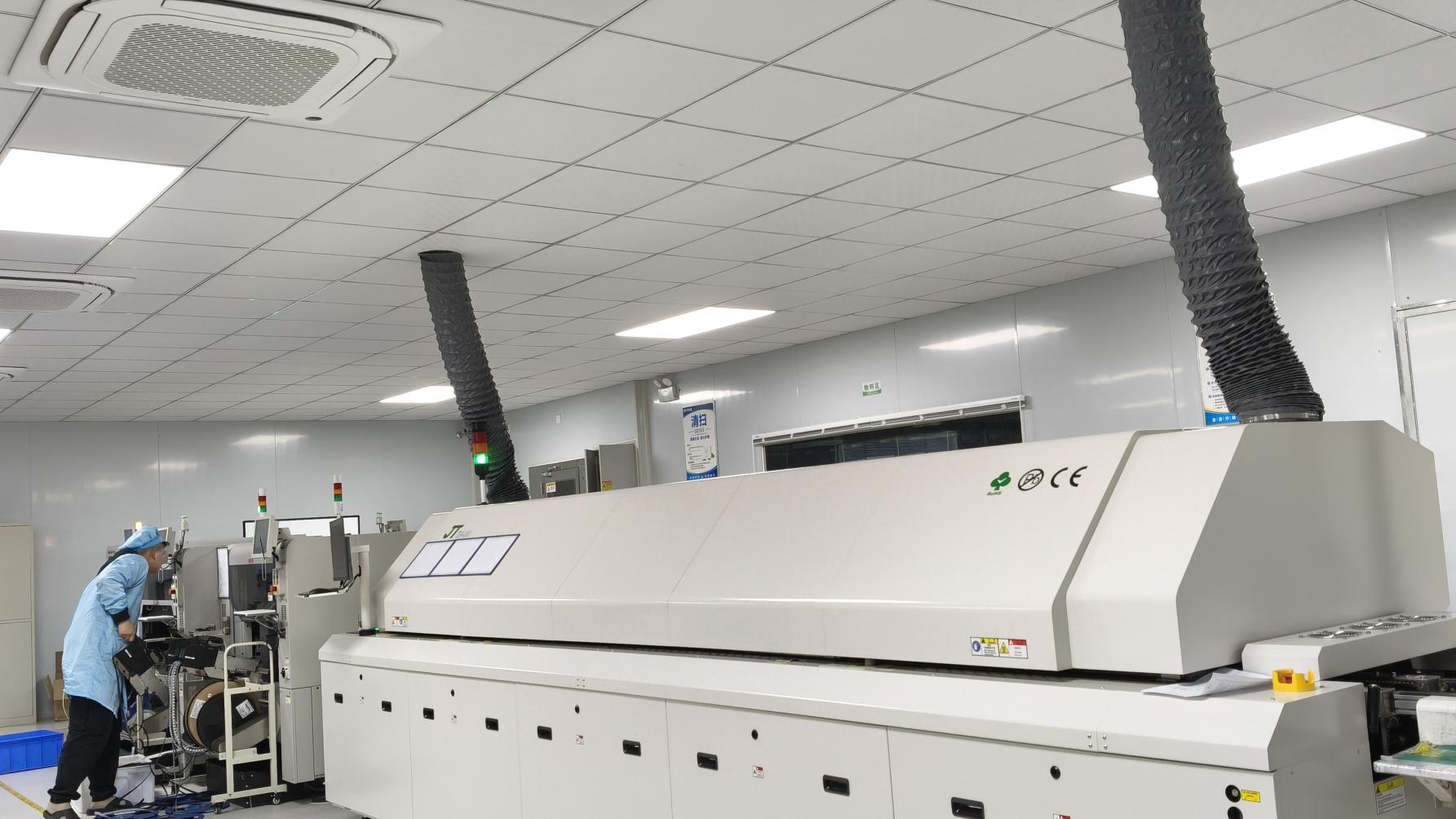
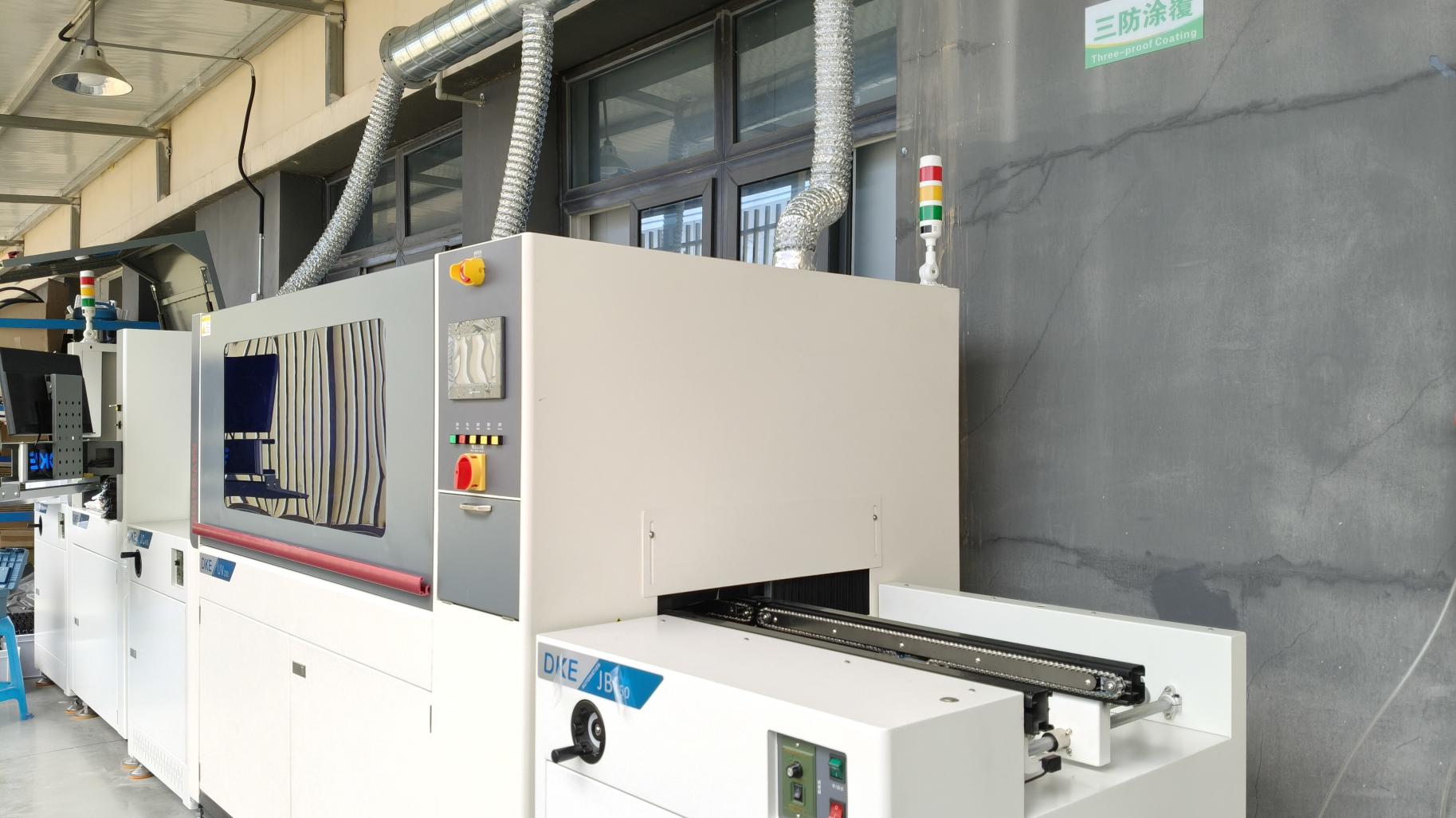
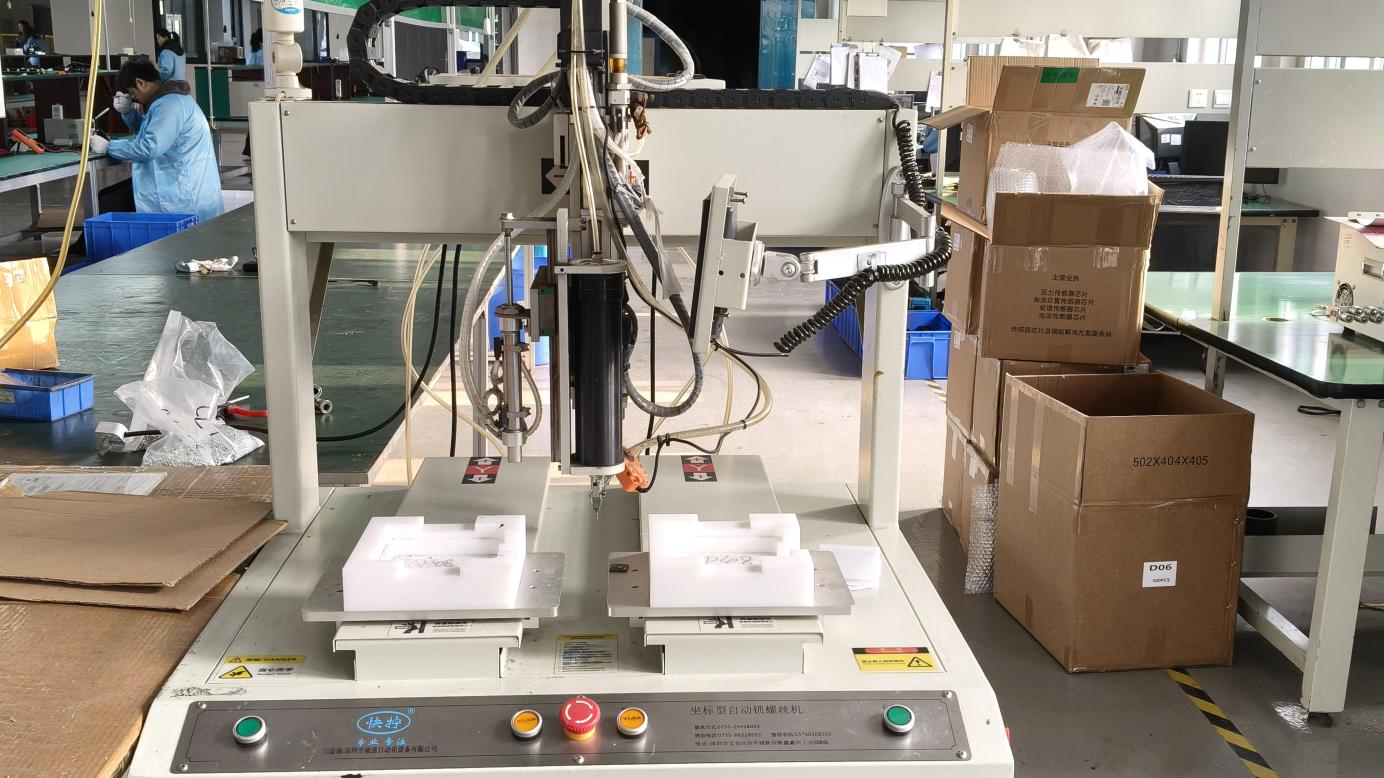
By housing advanced automated SMT production lines, automatic wave soldering systems, automated gluing, and specialized CNC laser cutting tools under one roof, we eliminate intermediate supply chain layers. This guarantees strict conformance to engineering schematics, rapid prototype turns, and superior quality assurance compared to outsourced operations.



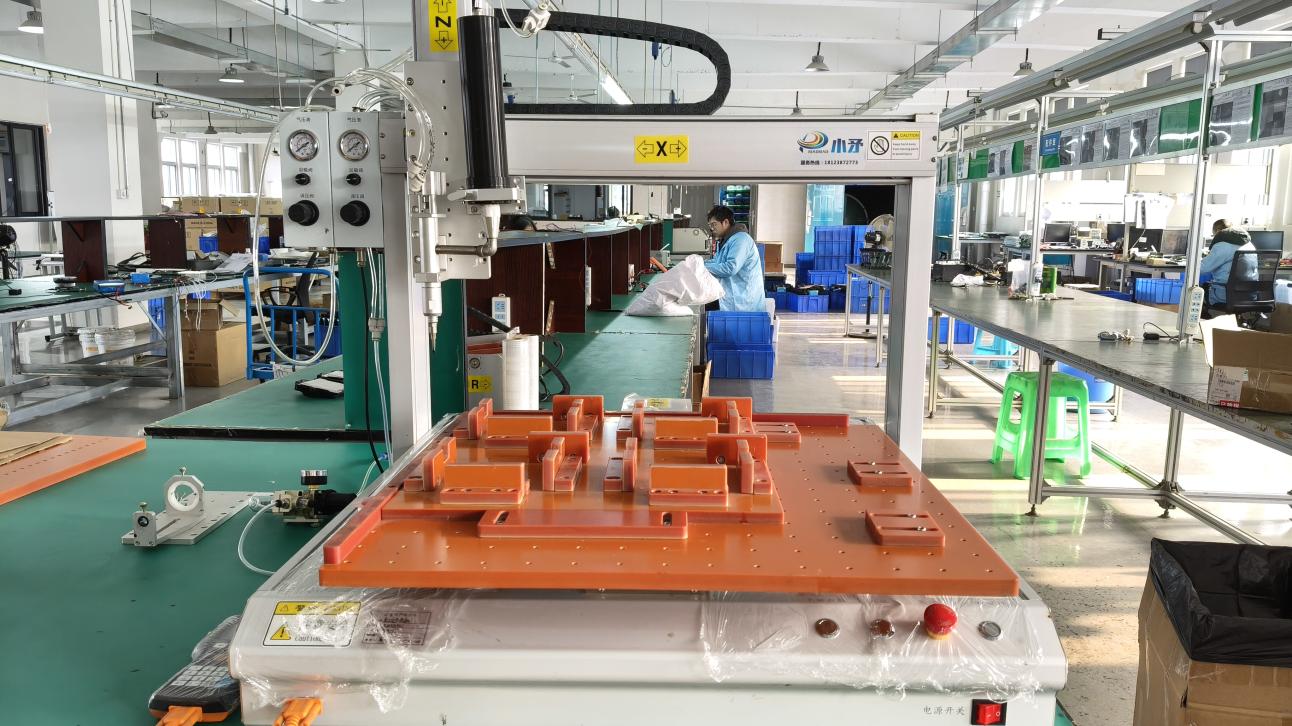
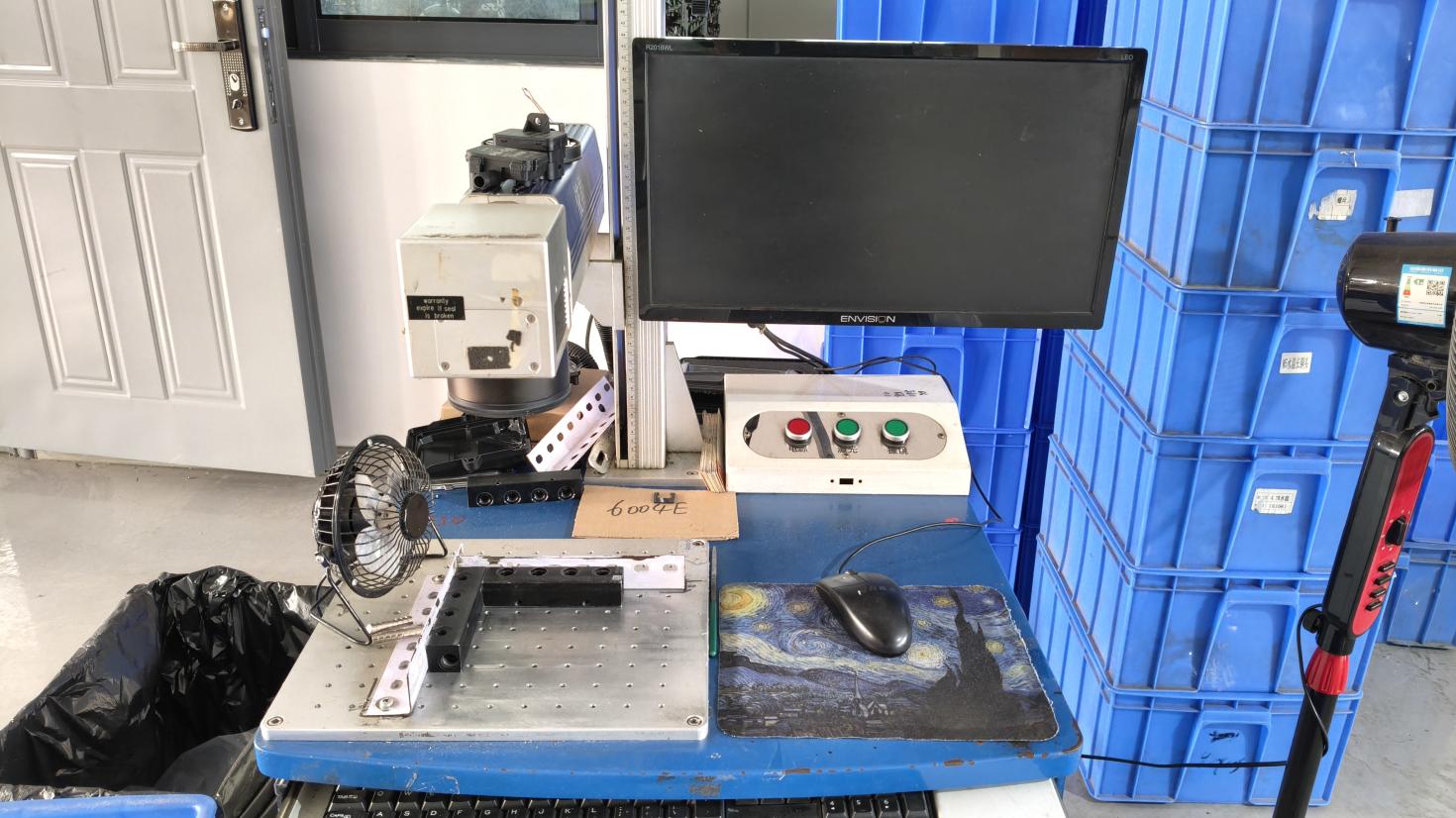
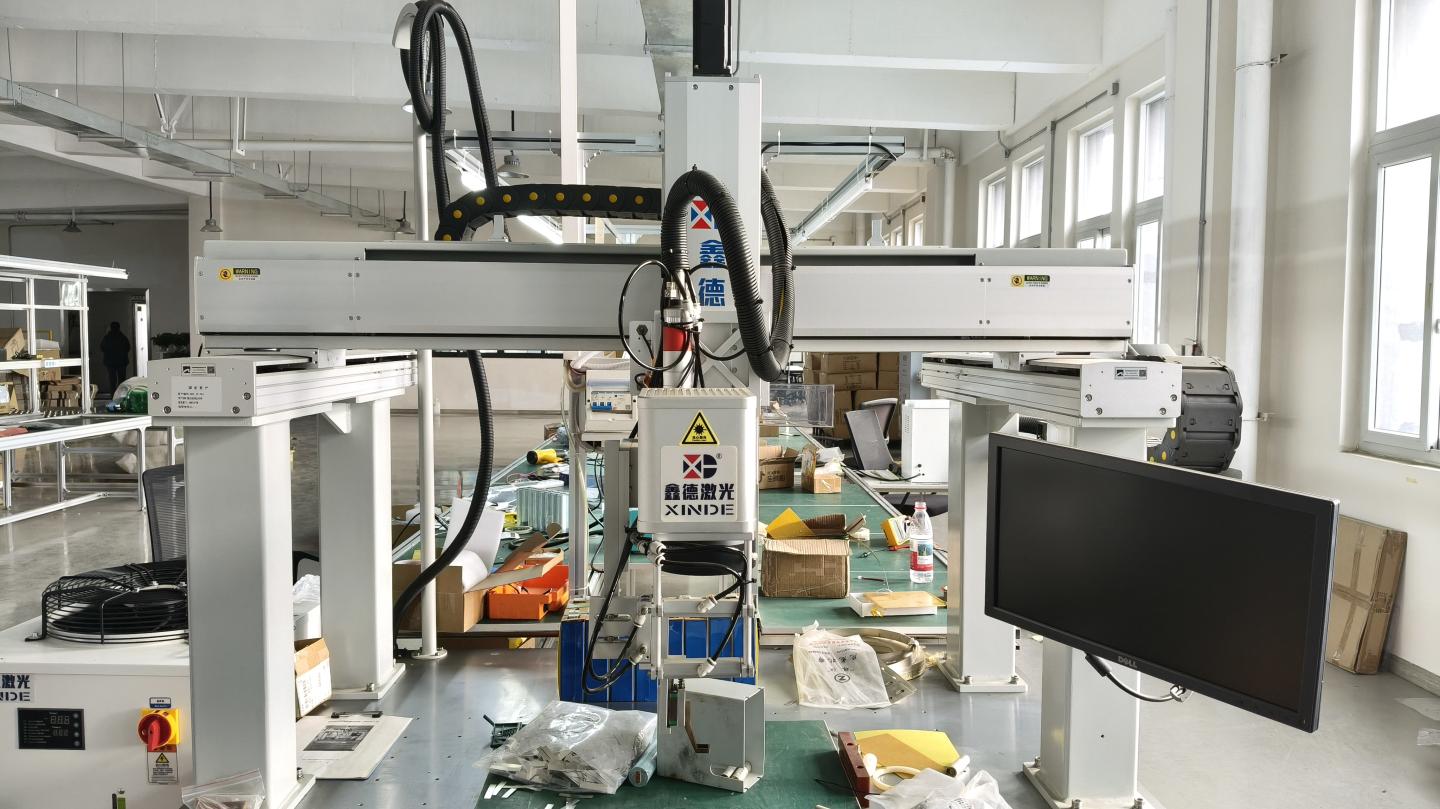
Critical engineering metrics required to evaluate and vet power electronics suppliers.
Industrial contracts should mandate minimum MTBF values of 100,000 hours at nominal operating temperatures (40°C). Review electrolytic capacitor selection, since capacitor dry-out remains the leading cause of controller field failures.
Select vendors supporting open protocol libraries (Modbus-RTU, CANopen) over standard physical layers. Proprietary firmware limitations inhibit battery integration flexibility when replacing cells in the future.
Always request thermal profiling reports indicating exactly when thermal derating initiates. A high-efficiency controller that derates 50% of its current output at 45°C ambient is unsuitable for desert or equatorial installations.
Ensuring hardware legitimacy, safety compliance, and regional grid integration.
Operating a global solar installation without proper regional certifications poses huge legal, commercial, and physical liabilities. Quality manufacturers maintain robust compliance records to assure seamless deployment across jurisdictions.
Furthermore, local technical support and application engineering availability minimize downtime. Establishing partners like Yangzhou OneAll Lights who provide robust OEM/ODM engineering documentation guarantees that installers can secure project permits and meet tight construction schedules.
Technical answers to critical queries from solar engineering and procurement professionals.
PWM (Pulse Width Modulation) acts as a direct switch connecting the solar array to the battery. When the battery voltage matches the array, the panel output is pulled down to the battery voltage, sacrificing potential output power. They are cost-effective for smaller systems (under 200W).
MPPT (Maximum Power Point Tracking) controllers operate as high-frequency DC-to-DC converters. They decouple the PV panel operating voltage from the battery voltage, constantly tracking and calculating optimal current/voltage levels to convert excess voltage into charging current. MPPT increases system efficiency by 10% to 30%, making them standard for larger, commercial arrays.
Sizing requires confirming that the maximum Open Circuit Voltage (Voc) of the solar array—corrected for lowest ambient temperature—never exceeds the controller's maximum input voltage rating (e.g., 100V, 150V, or 250V). Exceeding this limit will instantly damage the converter electronics.
Additionally, the rated charge current output of the controller must not exceed the maximum charge current rating specified by the battery manufacturer (BMS). Calculating array wattage divided by battery nominal voltage gives you the minimum output current specification needed.
Solar controllers are frequently installed in non-climate-controlled environments, exposing internal PCBs to dust, salt air, and condensing humidity.Conformal coating (using silicone, acrylic, or polyurethane thin layers) acts as a physical barrier. This prevents dendritic copper growth, electrochemical migration, and short circuits, which significantly extends the controller's operational lifetime in tropical or marine environments.
Generally, no. Standard solar charge controllers require power from the battery first to boot their internal microprocessors and configure the system operating voltage (e.g., auto-detecting 12V vs 24V vs 48V). Connecting solar panels before connecting the battery can cause voltage surges that damage the controller's internal circuitry. For applications needing battery-free operation, specialized grid-tied or hybrid inverters with direct PV-to-Load circuits must be used.
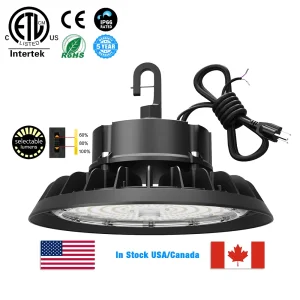
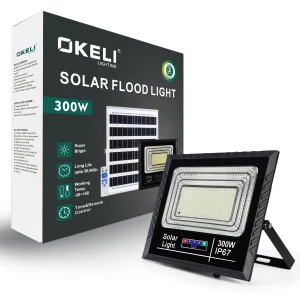
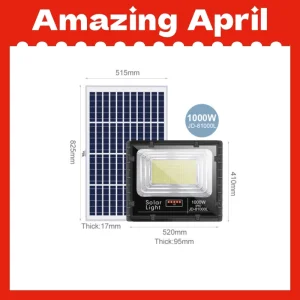
Industrial LED luminaires, hybrid lighting systems, and rugged utility-grade flood lamps.
 OneAll Lights