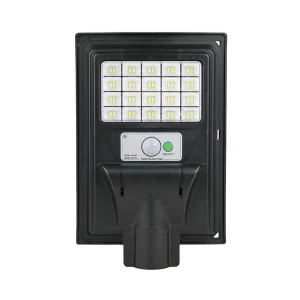
Aligning State-of-the-Art Optical Design, Robust Clean Energy Conversion, and Real-World Structural Durability.
The global landscape of municipal and industrial illumination is undergoing a massive evolutionary pivot. Driven by national decarbonization goals, ESG compliance mandates, and the sheer economic necessity of lowering high grid-electricity consumption, decision-makers are looking past basic lighting modules. Modern specifications demand comprehensive Solar Lighting Solutions that guarantee high optical efficacy, intelligent power management, and operational resilience under extreme meteorological conditions.
As a premier manufacturing partner rooted in China's advanced industrial supply ecosystem, we deliver engineered systems that balance peak efficiency with cost optimization. This whitepaper-level guide unpacks the technology stack, application parameters, and design frameworks driving modern commercial and public solar illumination.
Engineered systems certified for international commercial, utility, and municipal infrastructure deployments.
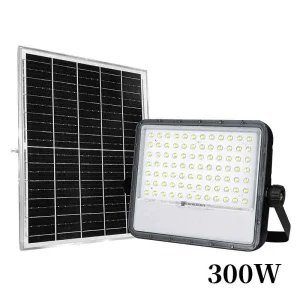
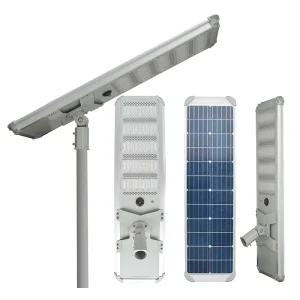
Critical market drivers reshaping utility grids, smart cities, and distributed clean energy systems.
The commercial and industrial solar outdoor lighting sector has evolved from a niche alternative solution into a primary design standard for architects, contractors, and civil authorities. Globally, the integration of solar panels, LED luminaires, and intelligent monitoring systems is driven by several macroeconomic factors:
Installing grid-tied infrastructure involves significant costs for trenching, wiring, permitting, and remediation. Off-grid solar lights eliminate these capital expenditures (CAPEX), making them highly cost-effective for remote roads, parking lots, and perimeter security barriers.
Corporations globally are targeting net-zero carbon footprints. By selecting solar powered systems for manufacturing sites, distribution hubs, and campuses, enterprises directly decrease their Scope 1 & Scope 2 emissions profiles.
With an increase in extreme weather events causing widespread grid outages, stand-alone solar street lights act as decentralised safety networks. They remain operational during blackouts, ensuring public safety and continuous monitoring via integrated CCTV cameras.
Exploring the engineering breakthroughs driving solar conversion efficiency and smart grid capability.
Modern solar lights are complex power-generation and management centers. The evolution of the solar industry is defined by the integration of four core technologies:
A Global Standard-Bearer in Commercial Outdoor Lighting Manufacturing since 2003.
Established in 2003 and located in the historic manufacturing hub of Yangzhou, Jiangsu Province, China, Yangzhou OneAll Lights Co., Ltd. has spent over two decades developing high-performance outdoor illumination systems. Our continuous research and development cycles ensure we supply premium equipment to municipalities, industrial construction contractors, and global distribution networks.
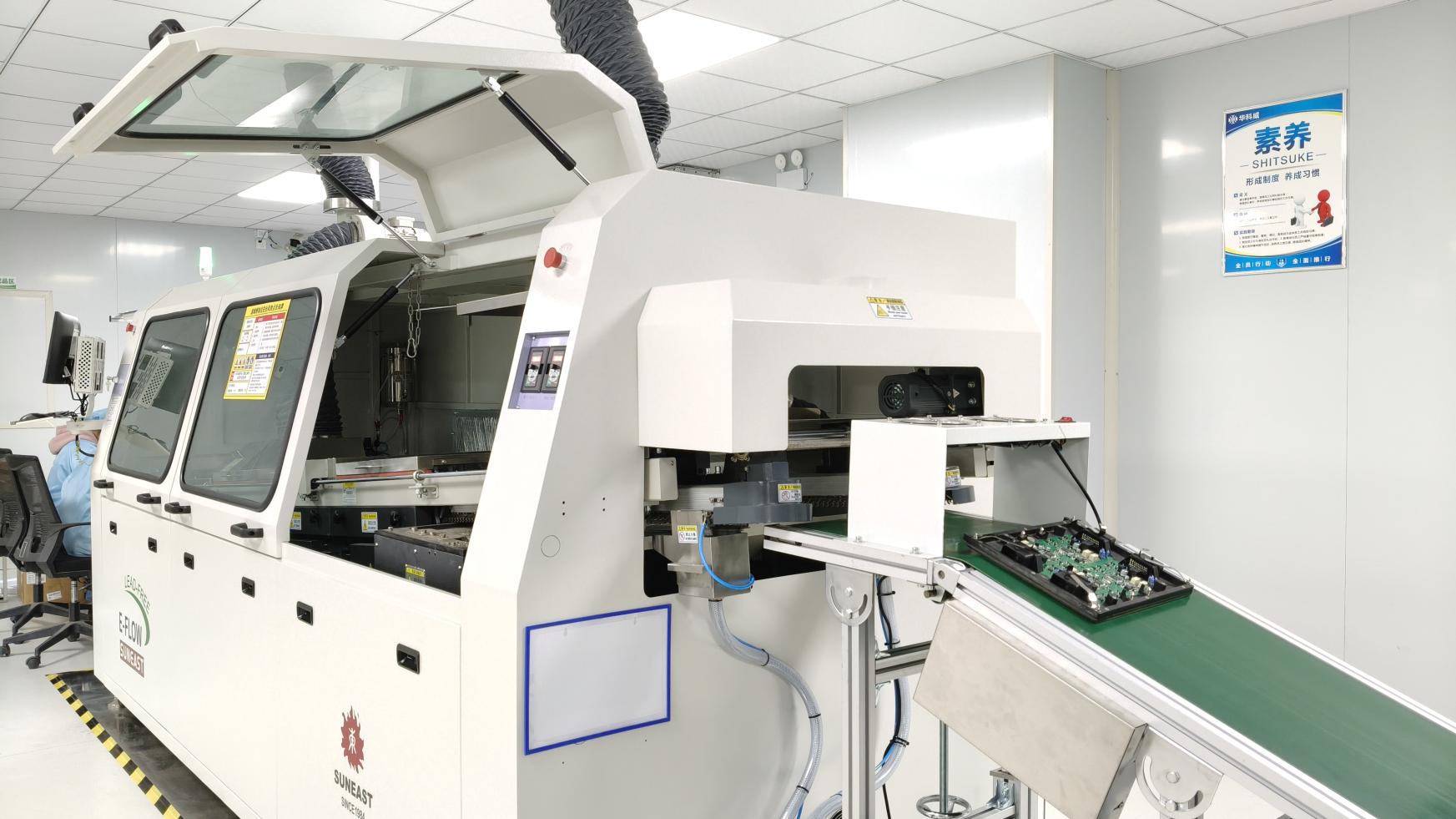
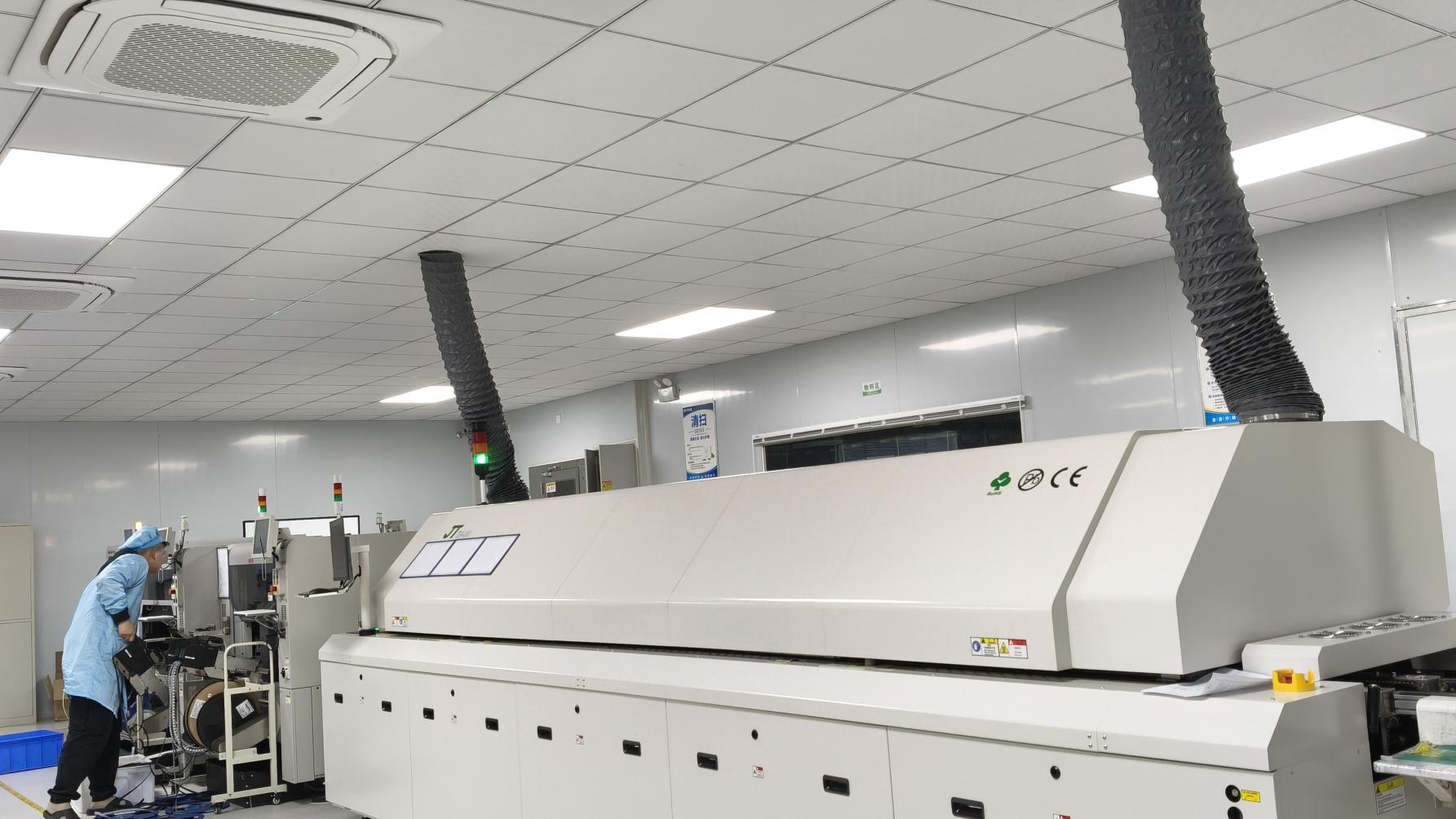
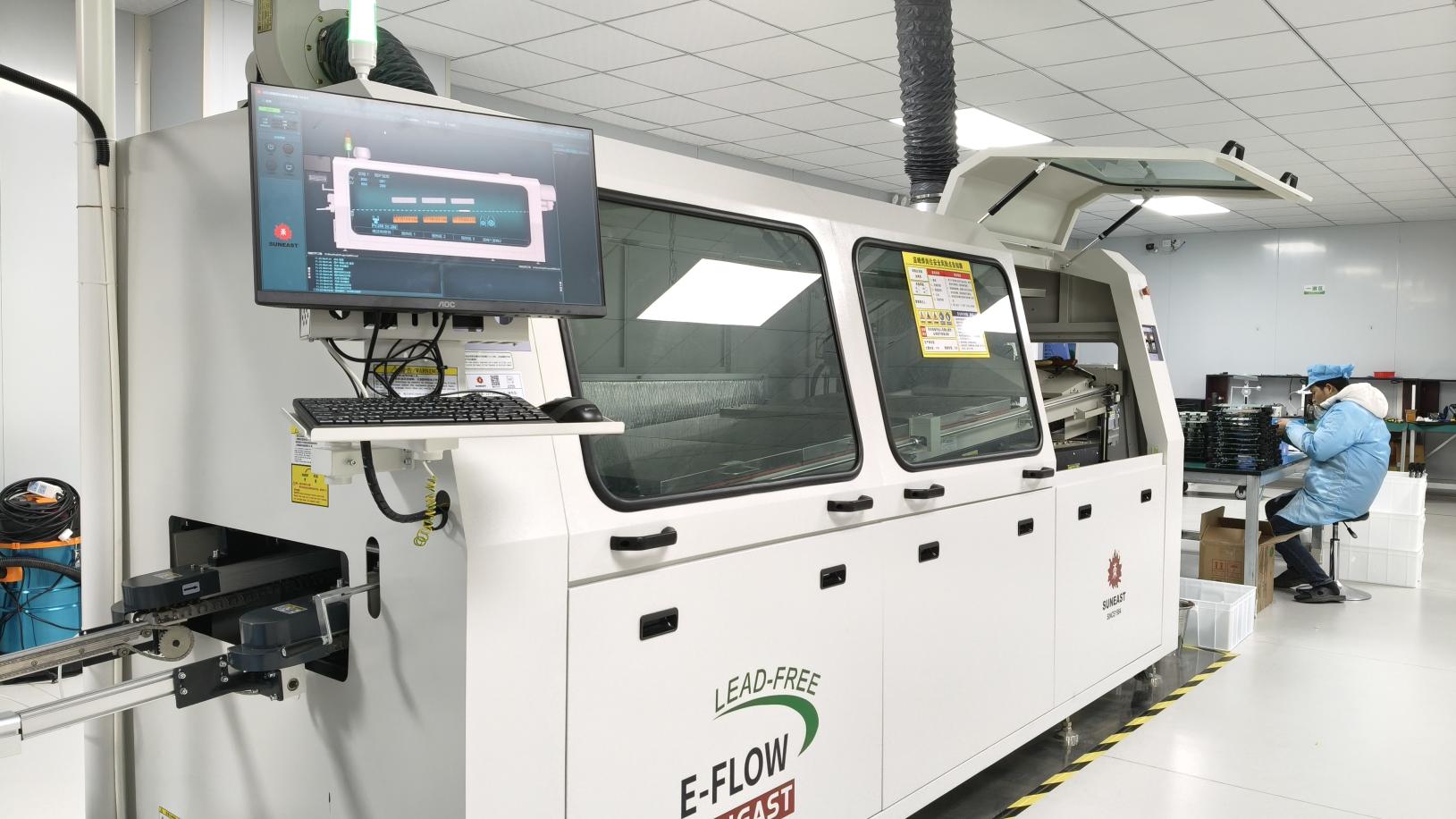
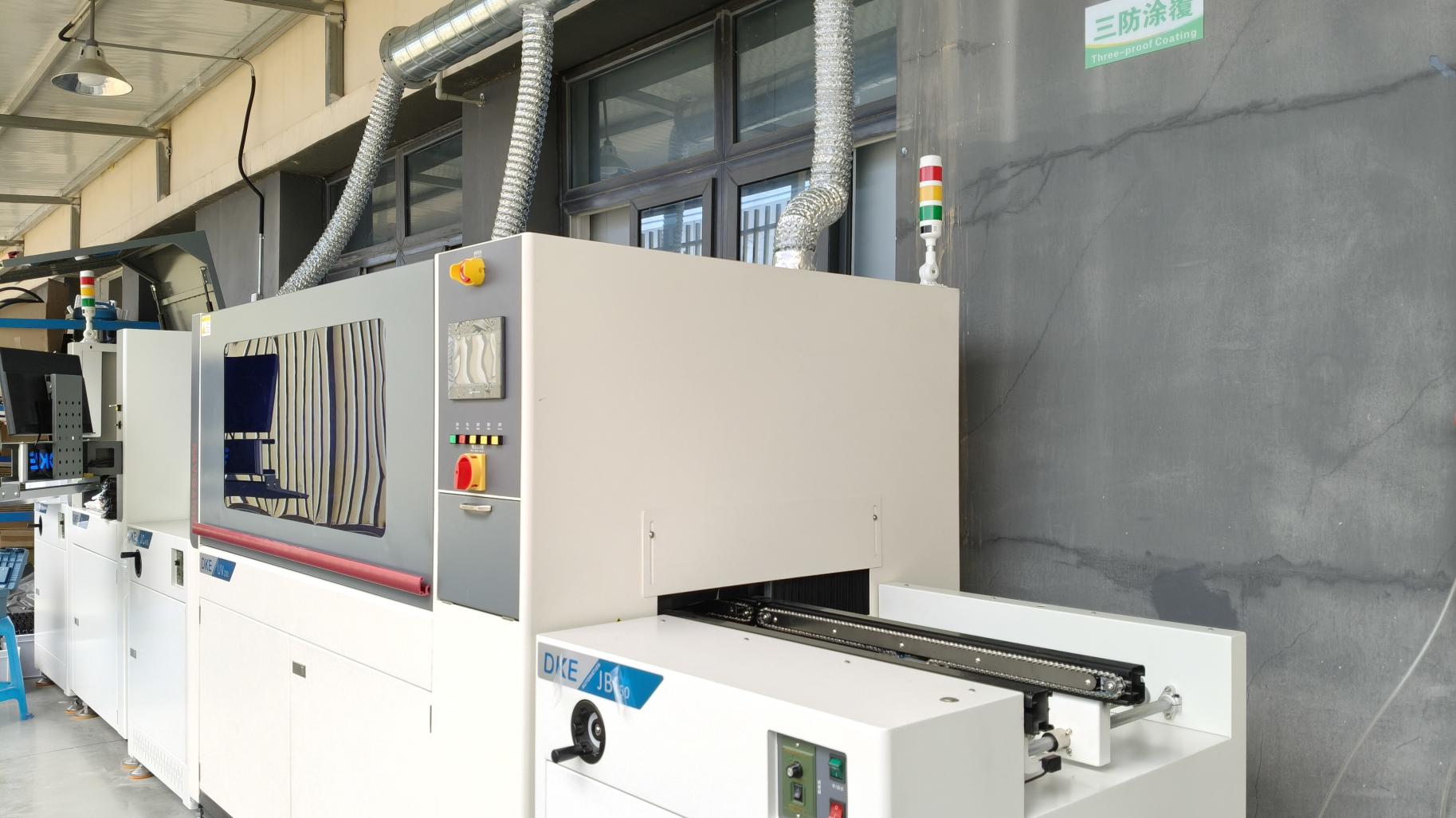
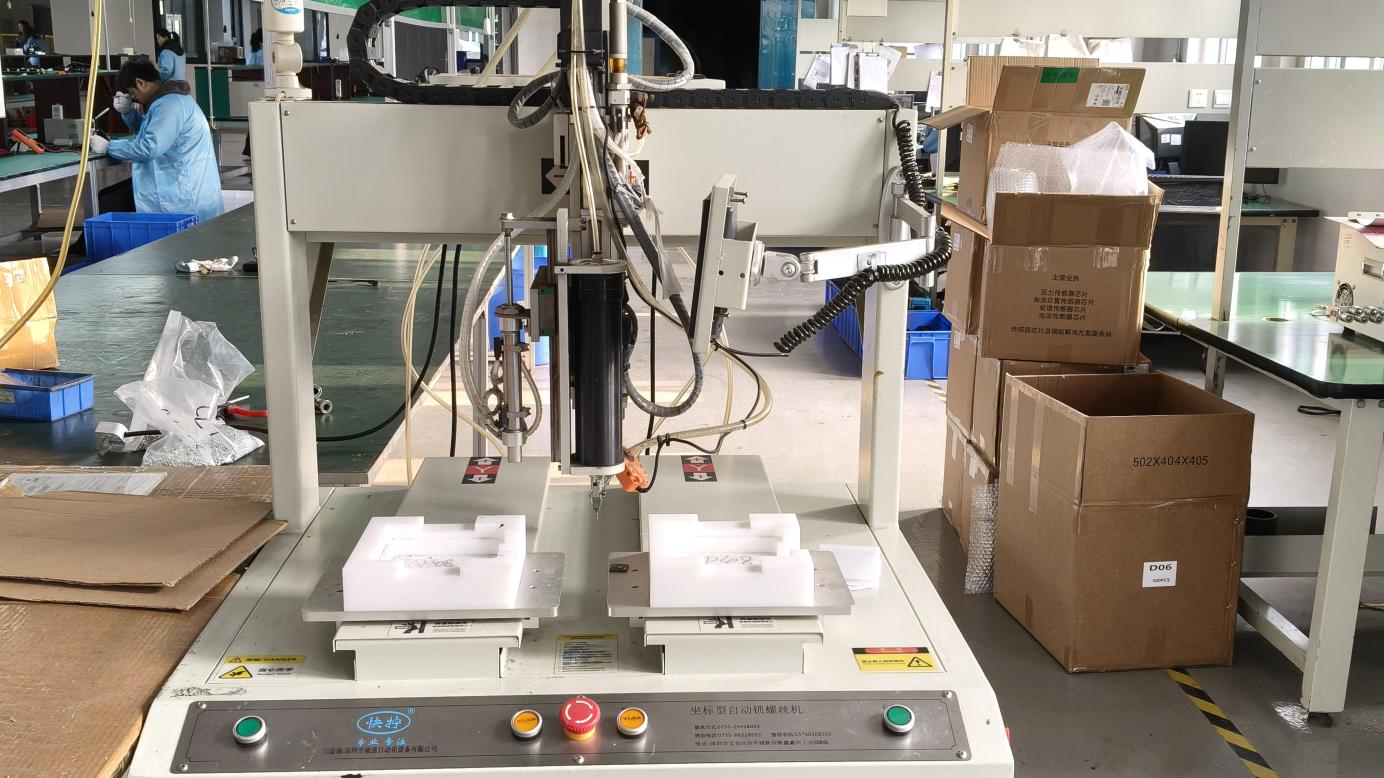
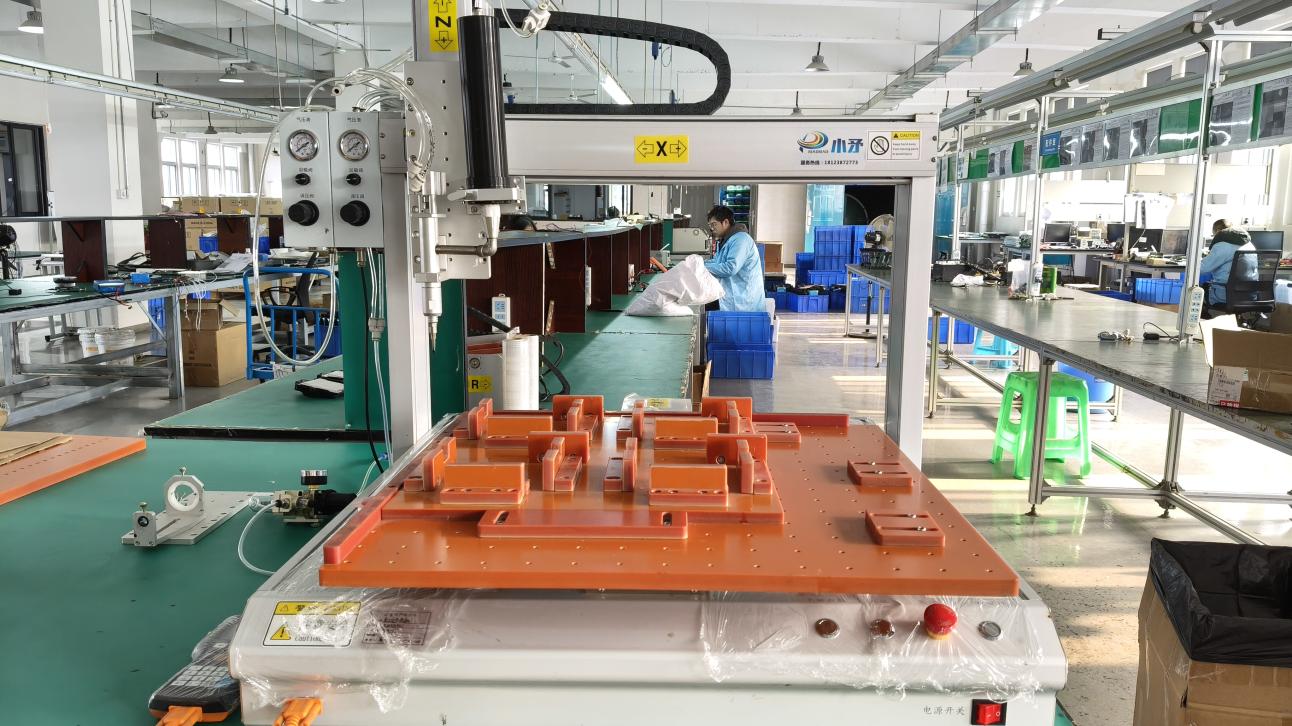
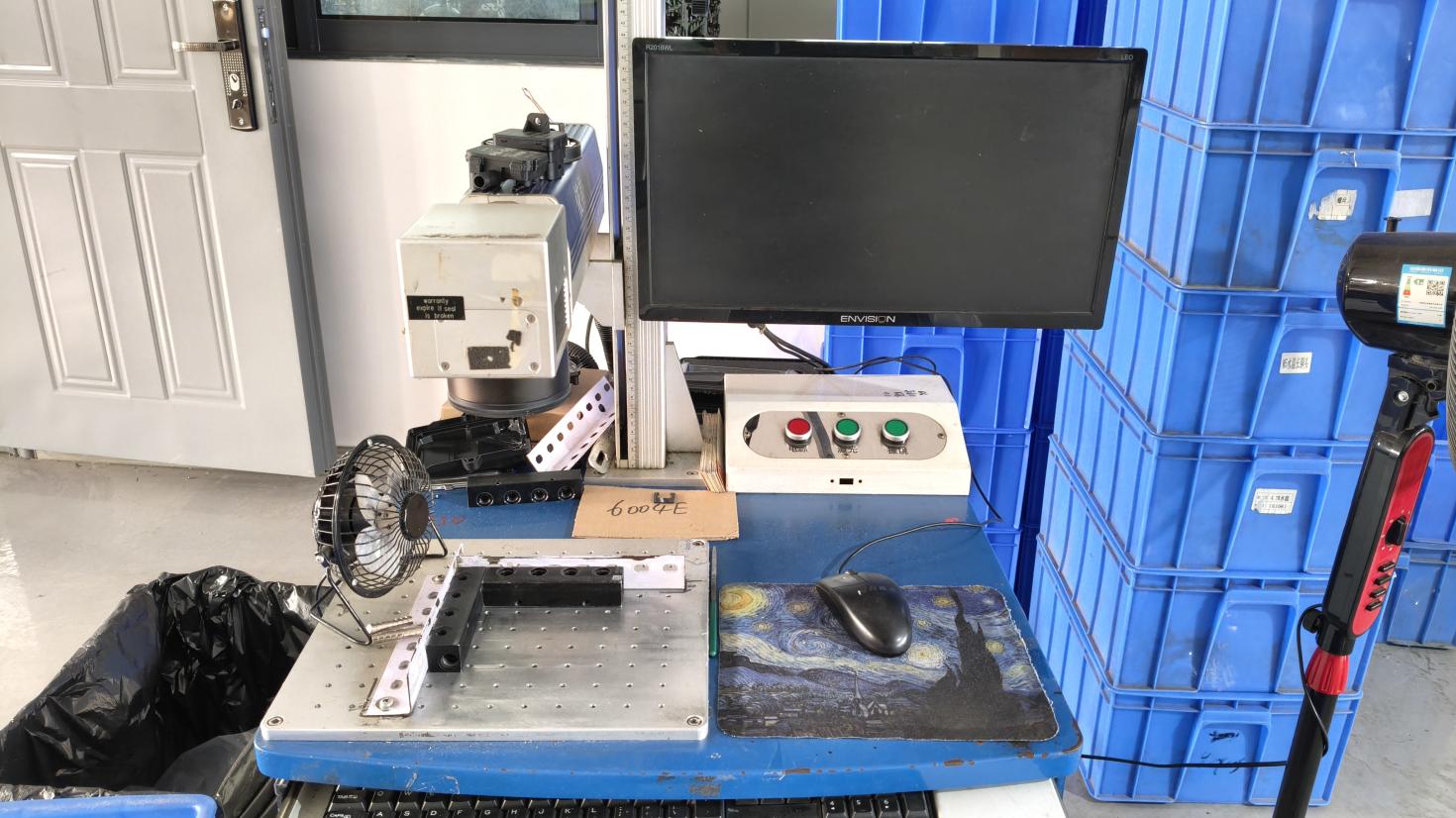
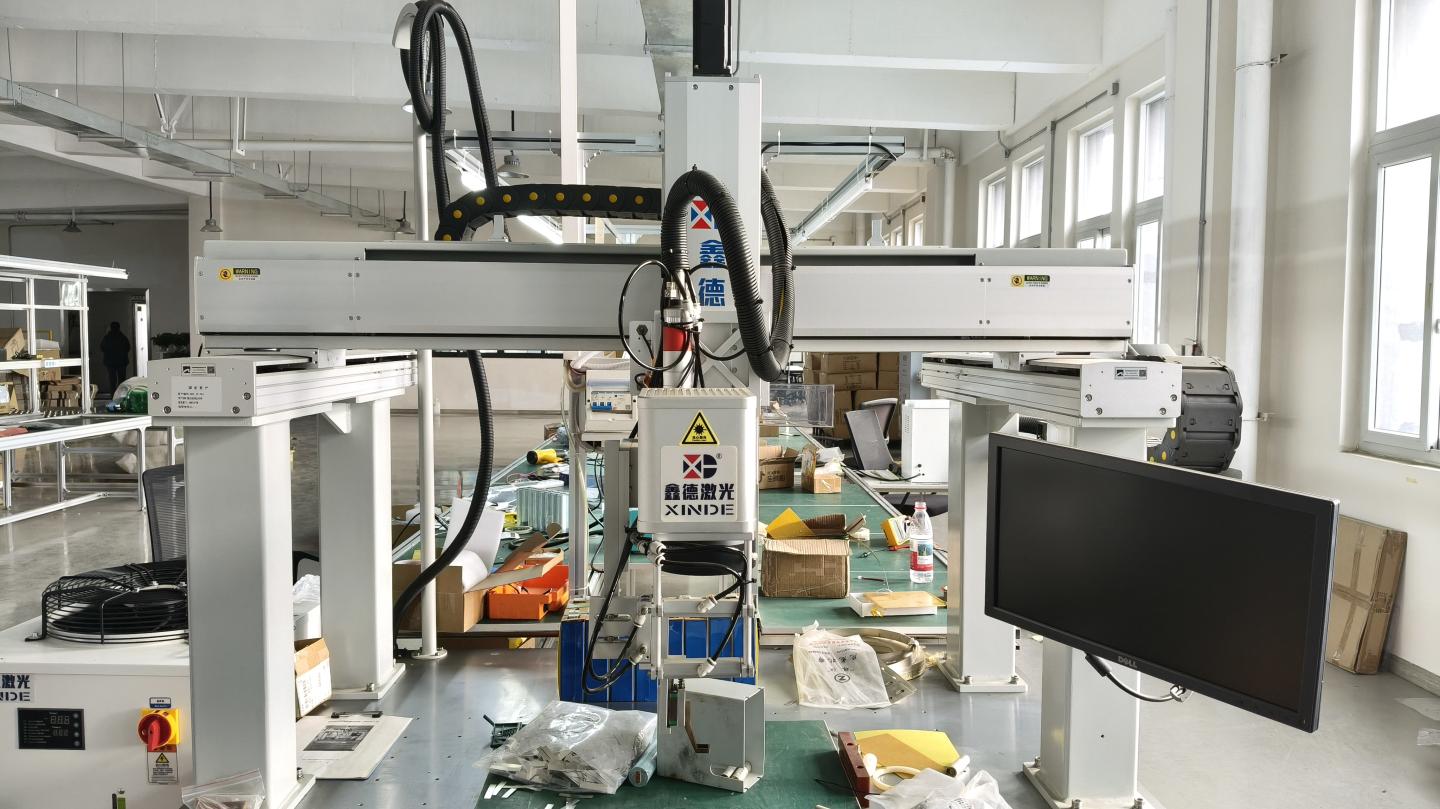
Supported by modern production facilities, our factory is equipped with advanced systems, including CNC bending machines, automatic submerged arc welding systems, high-speed laser cutting equipment, electrostatic powder coating lines, and precision testing facilities. From the structural integrity of structural poles to the chemical stability of our optical housings, we handle every stage of manufacturing under strict quality control standards.
Our organization is fully certified to international benchmarks, holding ISO9001 Quality Management System Certification, ISO14001 Environmental Management System Certification, alongside regional standards like CCC, CQC, and CE. This rigorous framework guarantees that all products deliver consistent performance in harsh environments, from coastal zones with high salinity to arid locations with high temperatures.
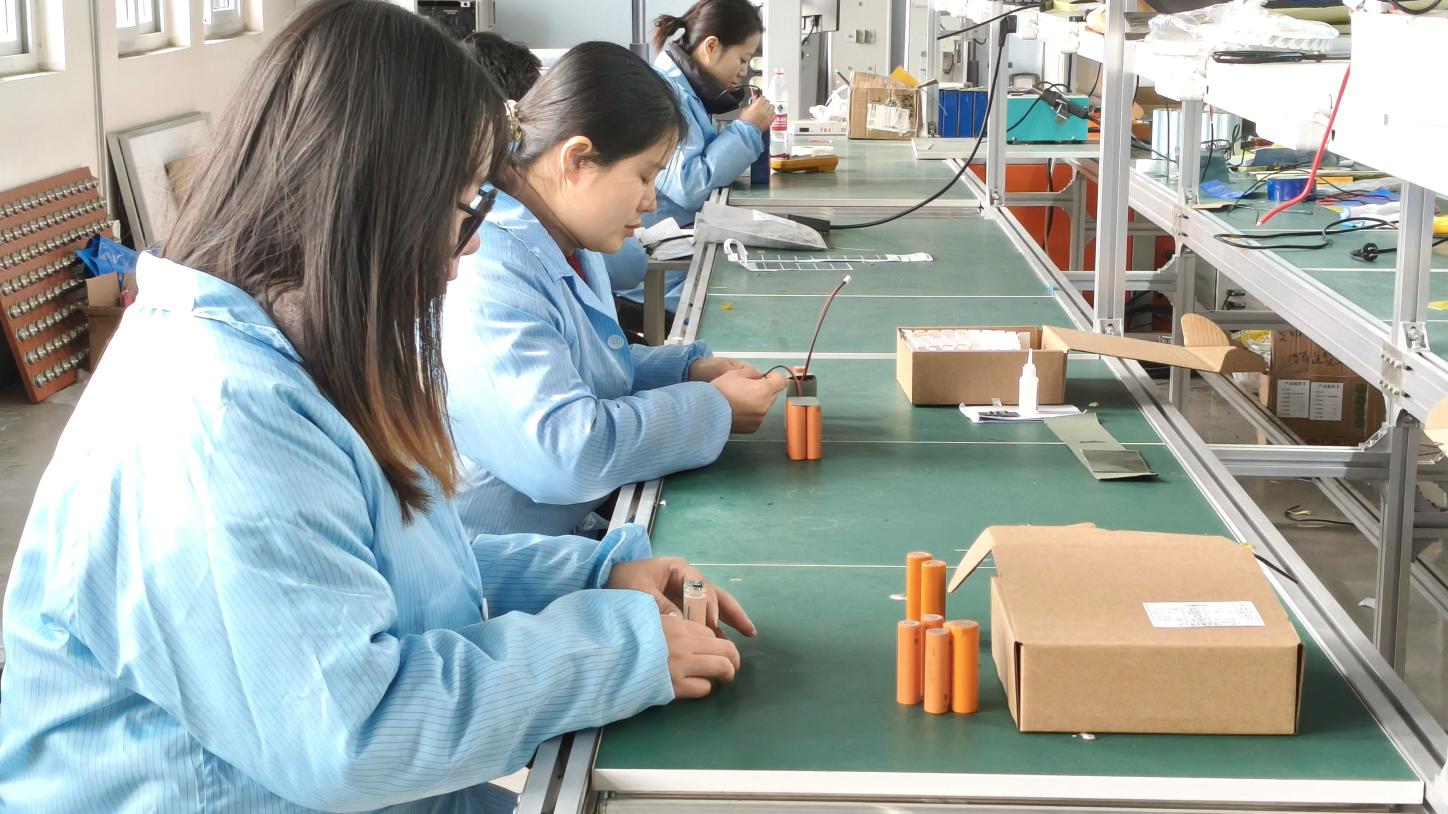
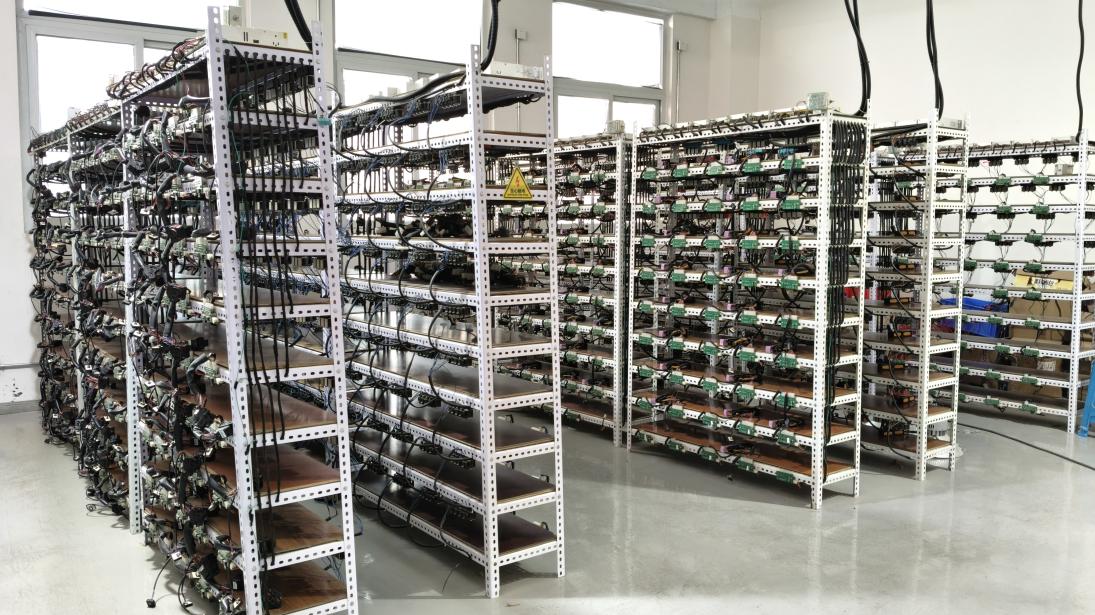
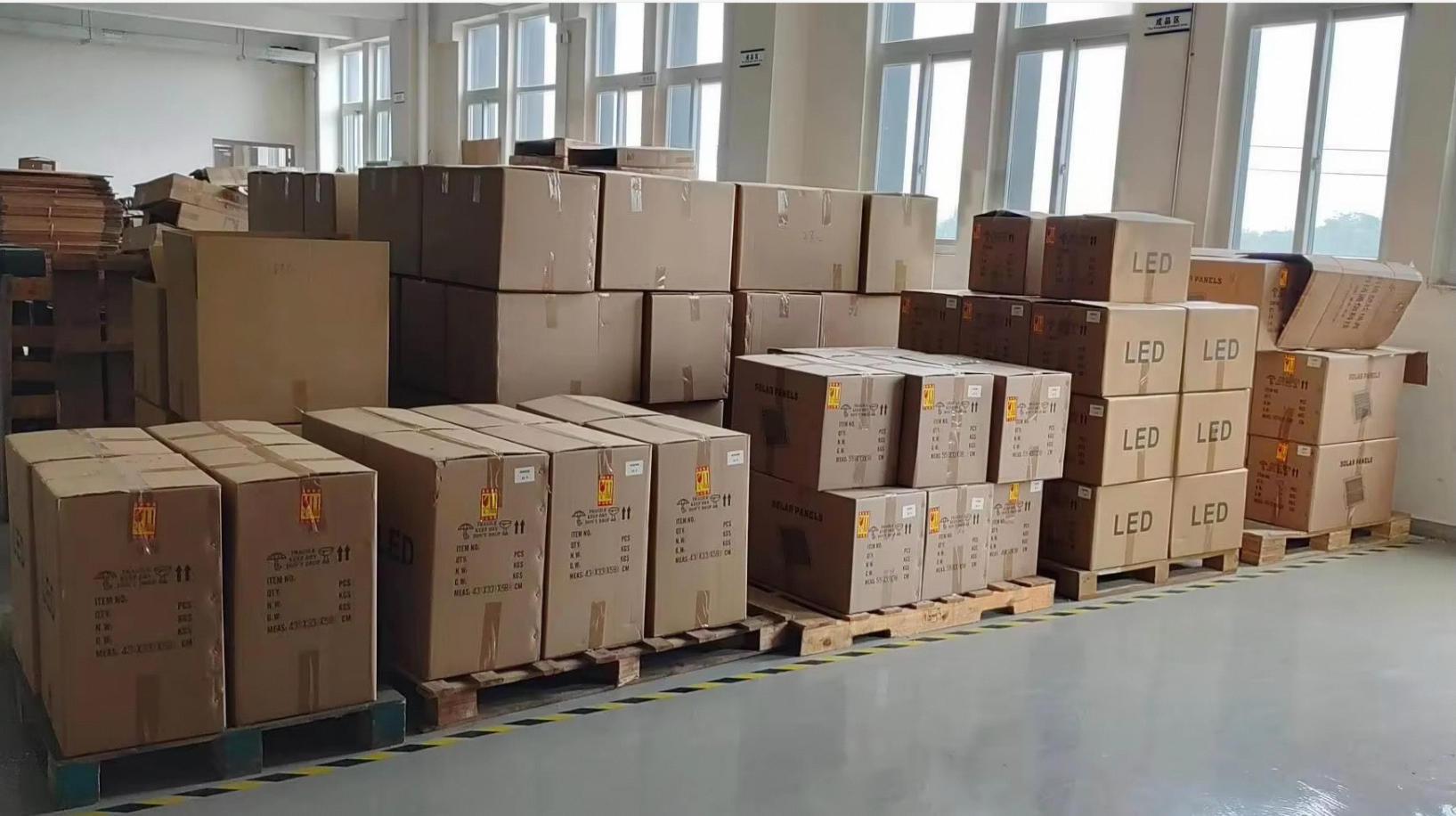
Our core mission is built on the pillars of "Quality First, Innovation, Integrity, and Customer Satisfaction." By investing in internal SMT production lines, automatic gluing equipment, and long-term aging chambers, we verify that every driver, LED matrix, and solar controller functions reliably. Our global export experience spans Southeast Asia, the Middle East, Africa, Europe, and South America, giving us deep knowledge of regional electrical codes, wind load ratings, and solar irradiance conditions.
We offer comprehensive OEM and ODM capabilities, assisting project engineers from the initial DIALux lighting calculations and mechanical drawings through to customized assembly, shipping, and implementation support.


Optimizing custom configurations to match distinct geographic environments and operational requirements.
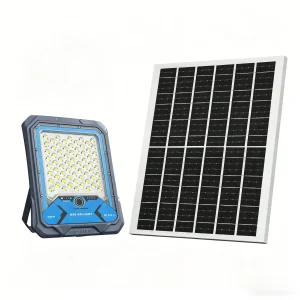
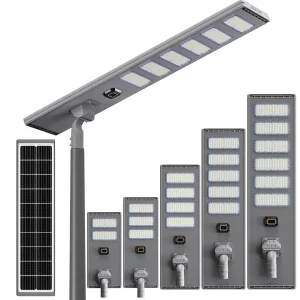
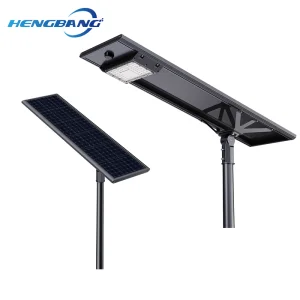
To meet national transport safety standards, roadways require continuous, uniform light distributions. Combining integrated split-type solar streetlights with customized poles helps ensure reliable operation during low-light winter seasons and multiple cloudy days.
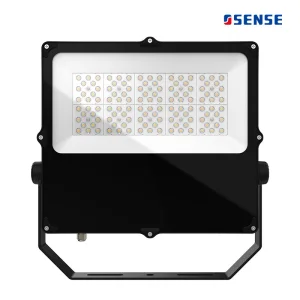
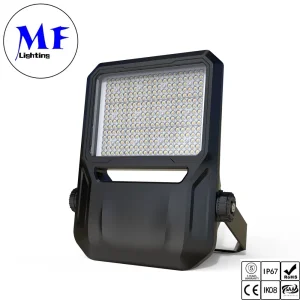
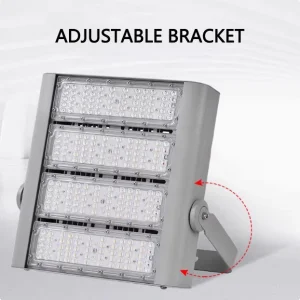
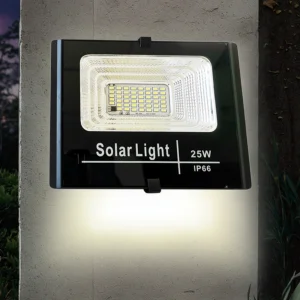
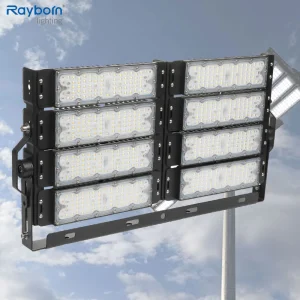
Logistics terminals and heavy industrial yards operate 24/7. High-wattage LED floodlights (100W–1000W) provide bright illumination over large areas, reducing safety hazards and improving security camera visibility.
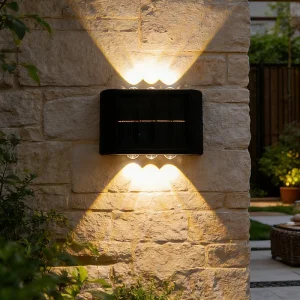
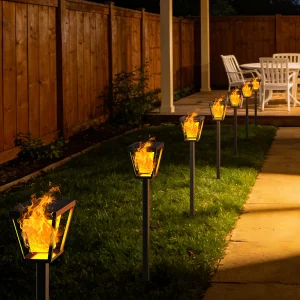
Urban paths, recreational parks, and residential walkways benefit from decorative fixtures like solar lawn lamps and flame-effect lights. These units provide aesthetic appeal while offering a zero-emissions layout that is easy to install without tearing up landscaped lawns.
A professional approach to calculating loads, solar ratios, and autonomy factors.
To ensure a solar lighting project performs reliably over its lifetime, engineers must consider more than just standard product specifications. A professional lighting calculation evaluates several critical factors:
System Capacity (Wh) = [Luminaire Power (W) × Operating Hours (h) × Autonomy Days (d)] / [Depth of Discharge (DoD) × Efficiency Loss Coefficient (η)]
* Note: The loss coefficient (η) accounts for temperature drops, dust build-up on panels, and electrical losses in the MPPT controller wiring.
By sizing the photovoltaic panel to yield a charge ratio of 1.2 to 1.5 against the daily energy usage of the LED module, our design team ensures the battery replenishes even during winter months or short winter days. Using this systematic approach prevents deep-discharge cycles that can shorten the battery's operating life.
Technical answers to common questions about commercial solar and industrial outdoor lighting projects.
Explore our industrial tunnel fixtures, high mast arrays, and decorative pathway lighting solutions.


A detailed overview of how we maintain high standards across our manufacturing runs.
Reliability in the field depends on strict testing during manufacturing. Yangzhou OneAll Lights Co., Ltd. utilizes a series of automated quality control checks:
These quality assurance steps help reduce field failure rates and ensure long-term, stable performance for commercial and industrial outdoor installations.
 OneAll Lights