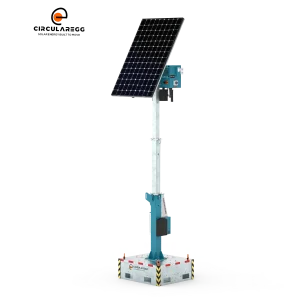
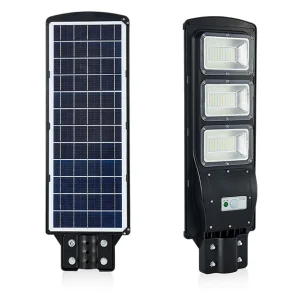
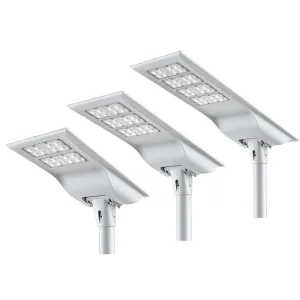
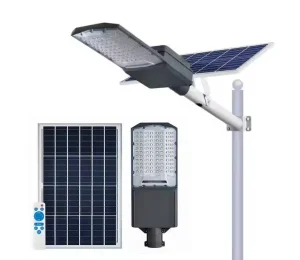
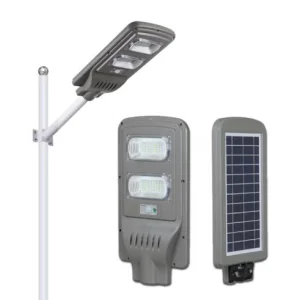
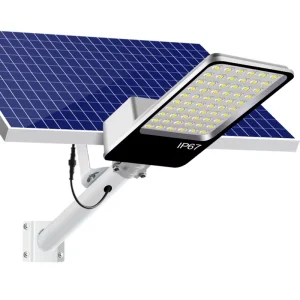
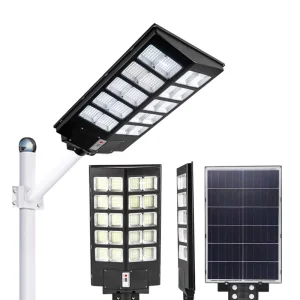
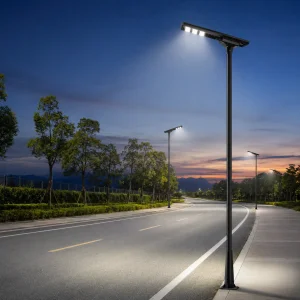
Premium grade integrated solar lighting systems specifically optimized for Belgium's public roads, urban paths, and commercial districts.
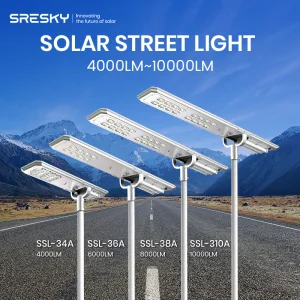
Belgium is navigating a major energy shift under the European Green Deal and the National Energy and Climate Plan (NECP). The Flemish, Walloon, and Brussels-Capital regions have committed to reducing carbon emissions, focusing on smart cities and eco-friendly public infrastructure. Traditional public lighting, which accounts for up to 35% of a municipality's electricity budget, is shifting toward energy-independent solutions.
However, Belgium’s geography presents specific challenges. Positioned between 49°30' and 51°30' N latitude, the country experiences mild summers but long, overcast winters. Annual solar irradiation ranges from 950 to 1050 kWh/m², significantly lower than Southern Europe. Standard off-grid solar lighting systems can fail during consecutive overcast days if not properly customized. Implementing high-efficiency integrated solar street lights (All-in-One) requires advanced engineering, including highly efficient photovoltaic modules, intelligent MPPT charging algorithms, and resilient battery chemistry.
Mono-PV Efficiency
Smart Charge Controller
Low-Temp Resilient Cells
Fully Compliant Optics
Operating a solar street light in Brussels, Antwerp, or Liège requires focusing on conversion efficiency and power management. Monocrystalline silicon modules with a high temperature coefficient are standard, delivering conversion rates of 22% or higher. These modules convert diffuse light on cloudy, gray days to keep the system charging.
Additionally, advanced MPPT (Maximum Power Point Tracking) controllers are essential. Unlike standard PWM controllers, MPPT trackers scan the solar panel's output to find the optimal operating parameters, increasing charging efficiency by up to 30% in low-light conditions. These controllers feature adaptive dimming schedules that adjust output based on battery reserves, ensuring reliable operation throughout winter nights.
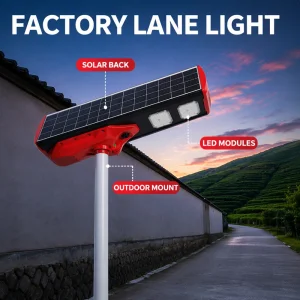
Specialty models with enhanced wind resistance (for North Sea coastal zones) and fast-charging capabilities for rural road networks.

Yangzhou OneAll Lights Co., Ltd. is a professional manufacturer and exporter specializing in outdoor lighting solutions. Established in 2003 and located in Yangzhou, Jiangsu Province, China, we have over 20 years of experience in the design, development, manufacturing, and supply of high-quality lighting products for customers around the world.
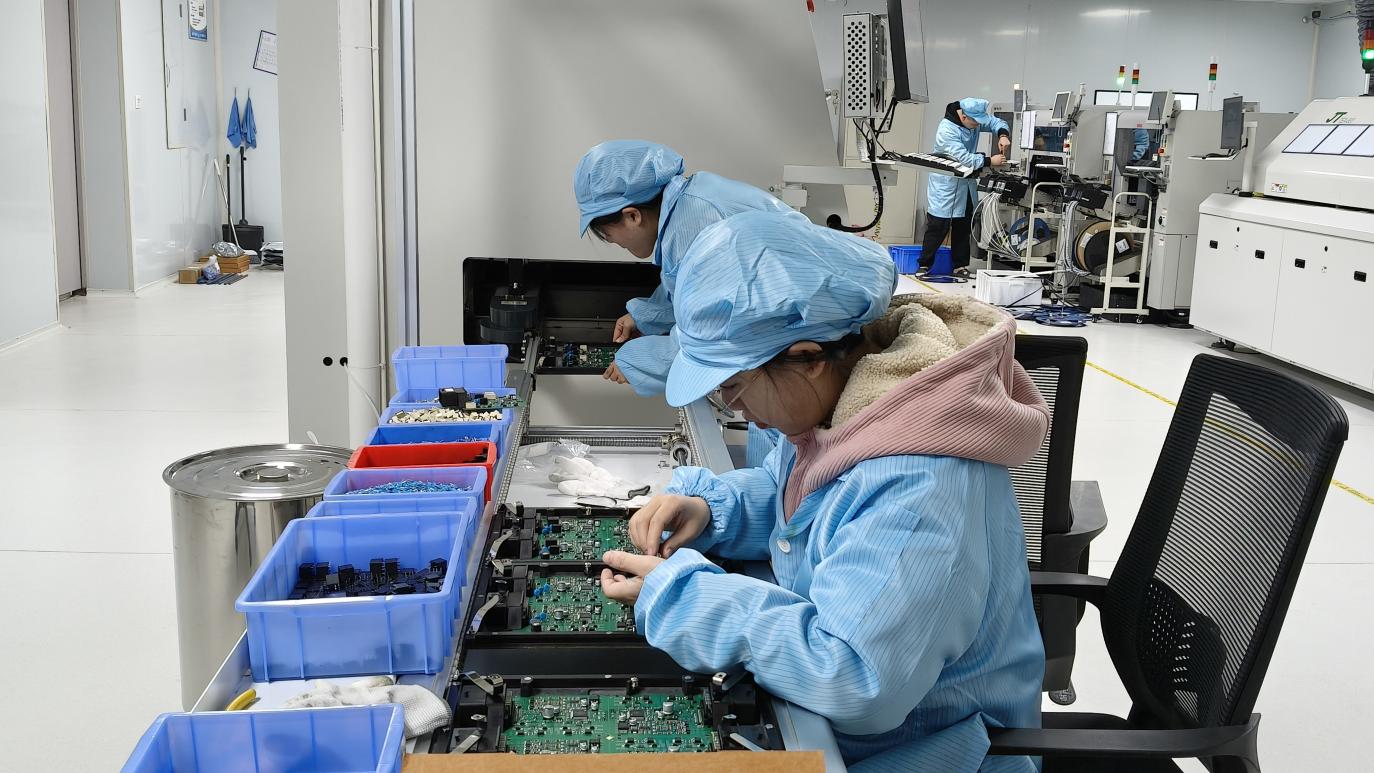
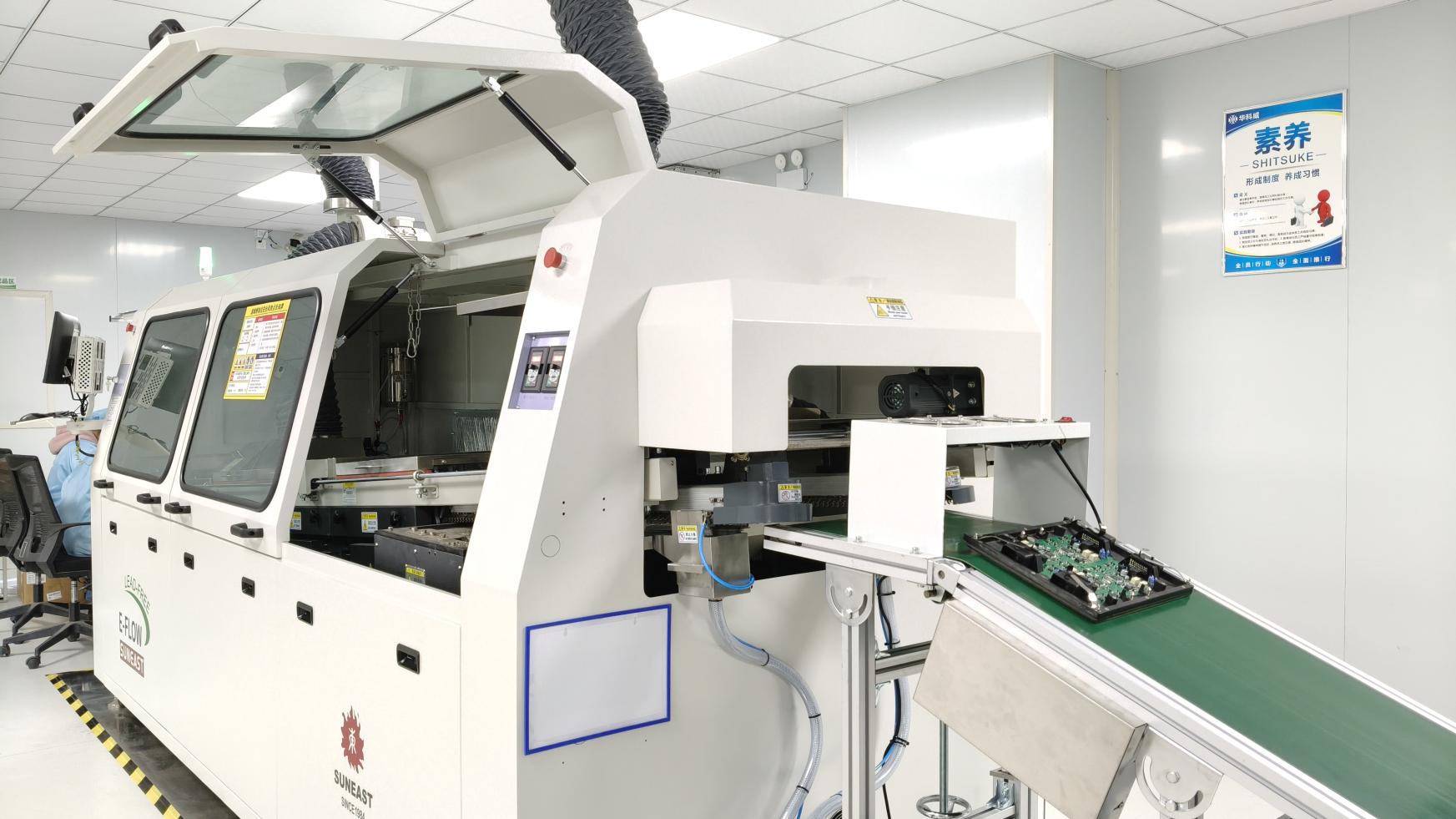
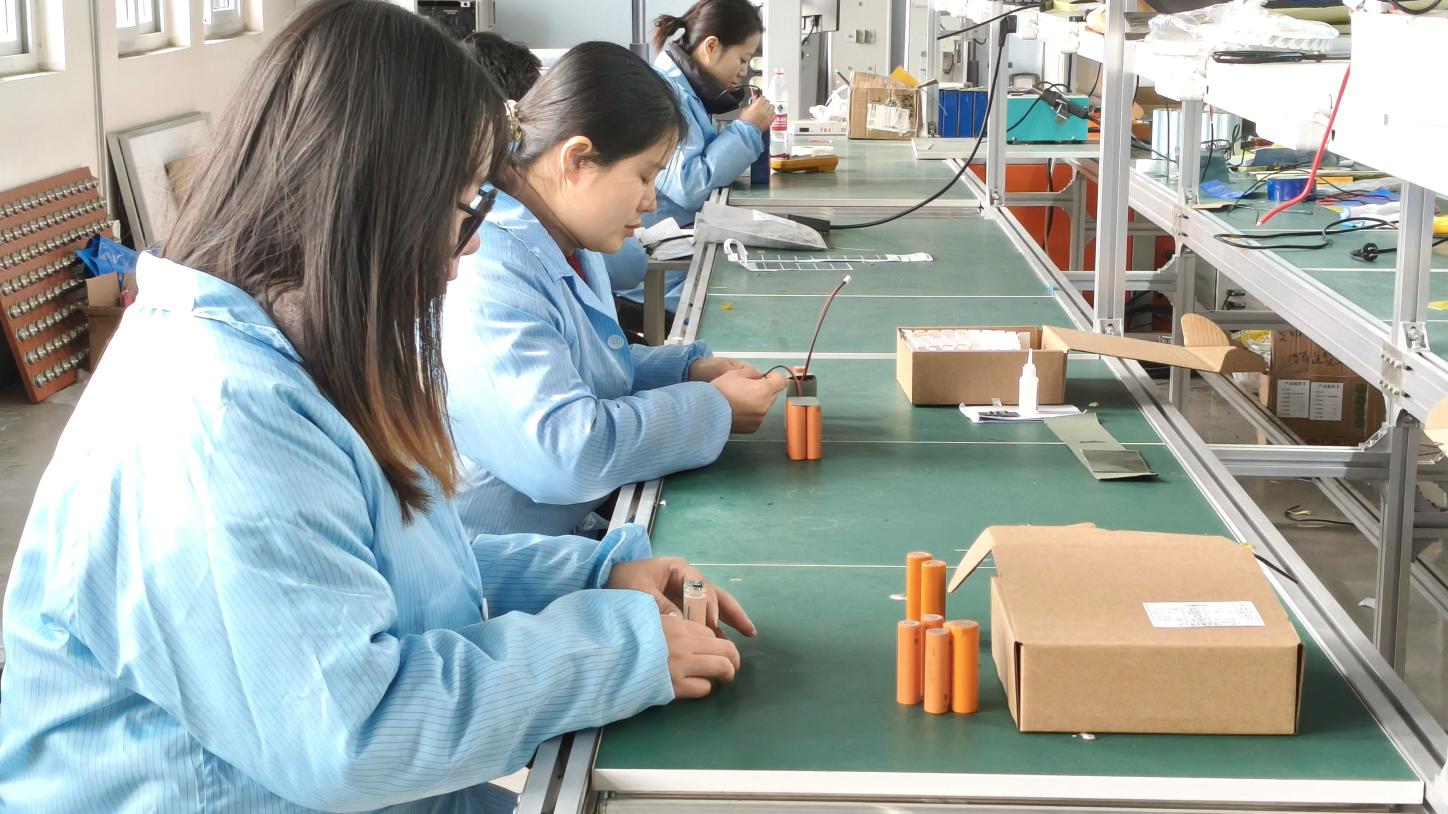
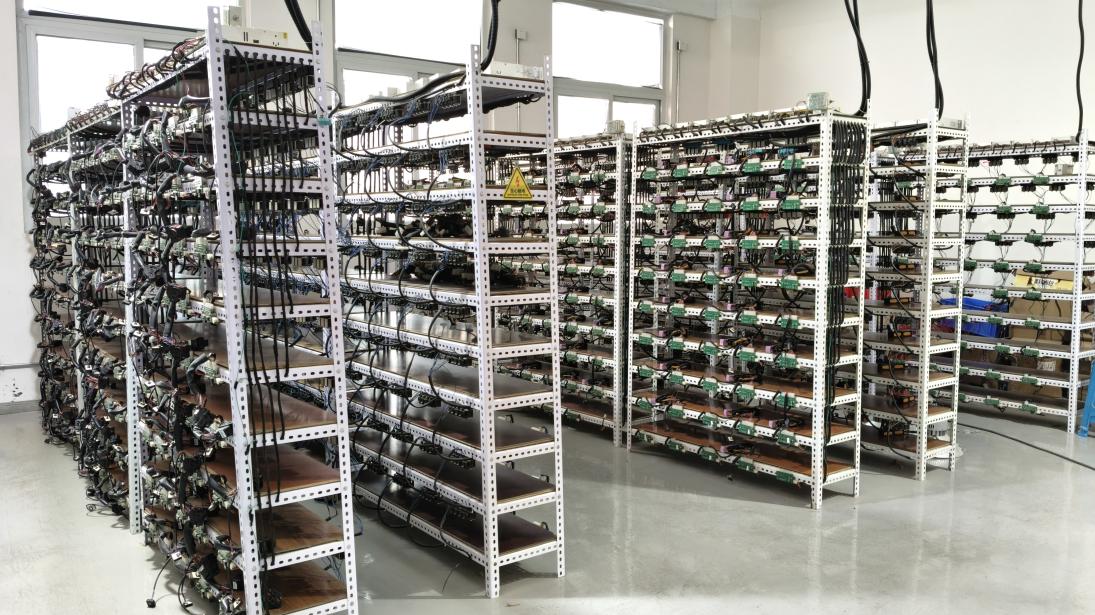
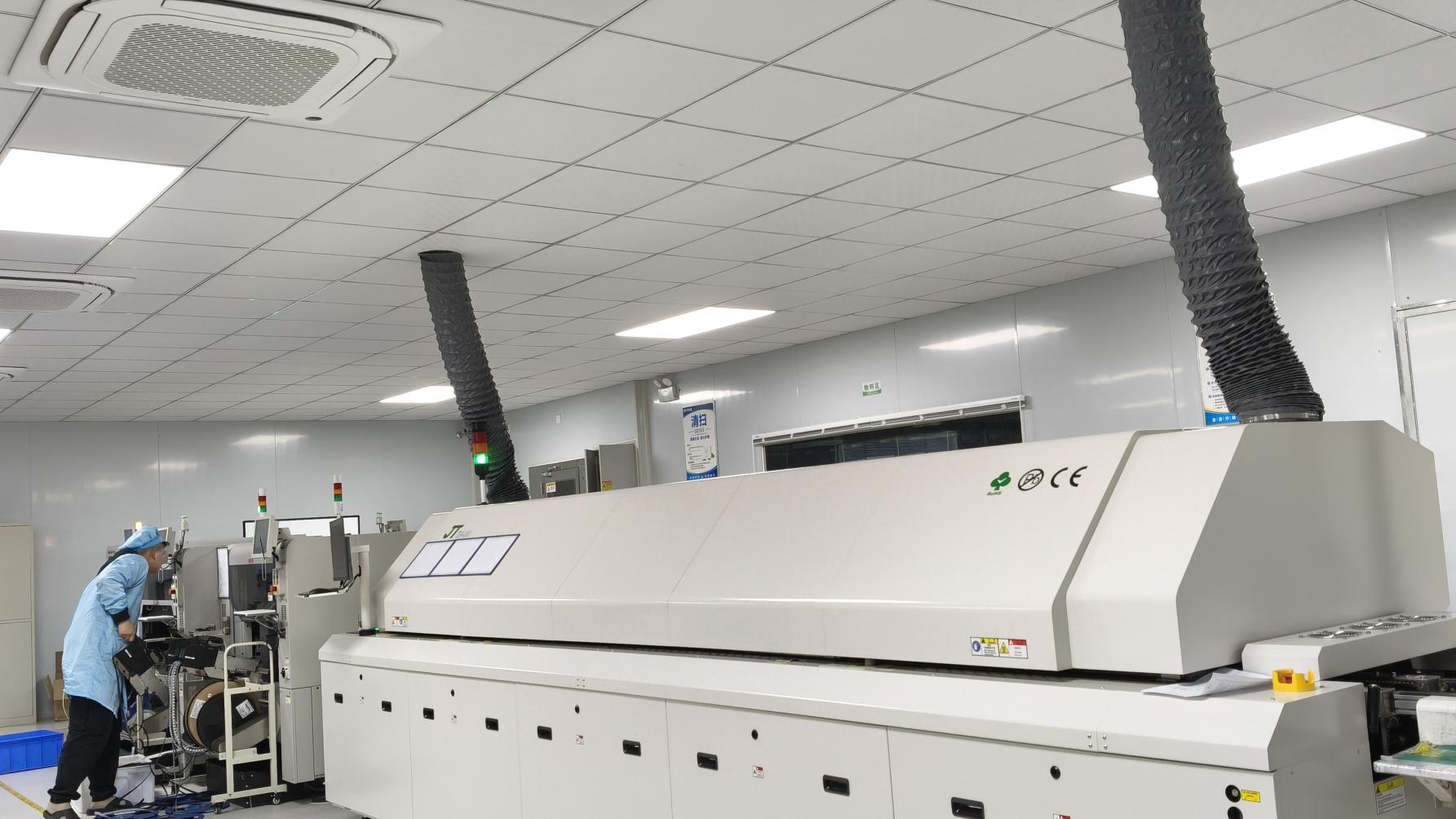
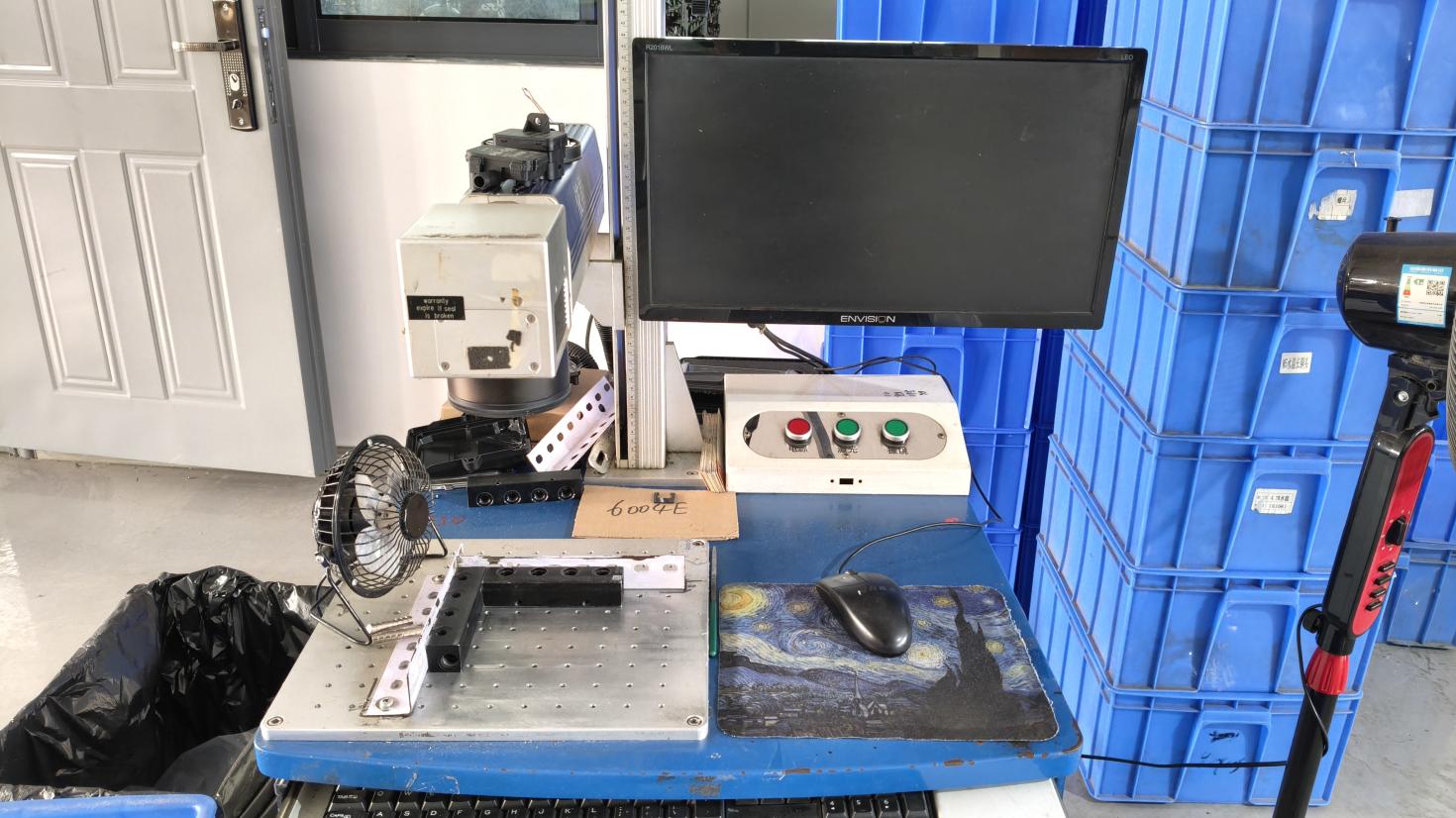
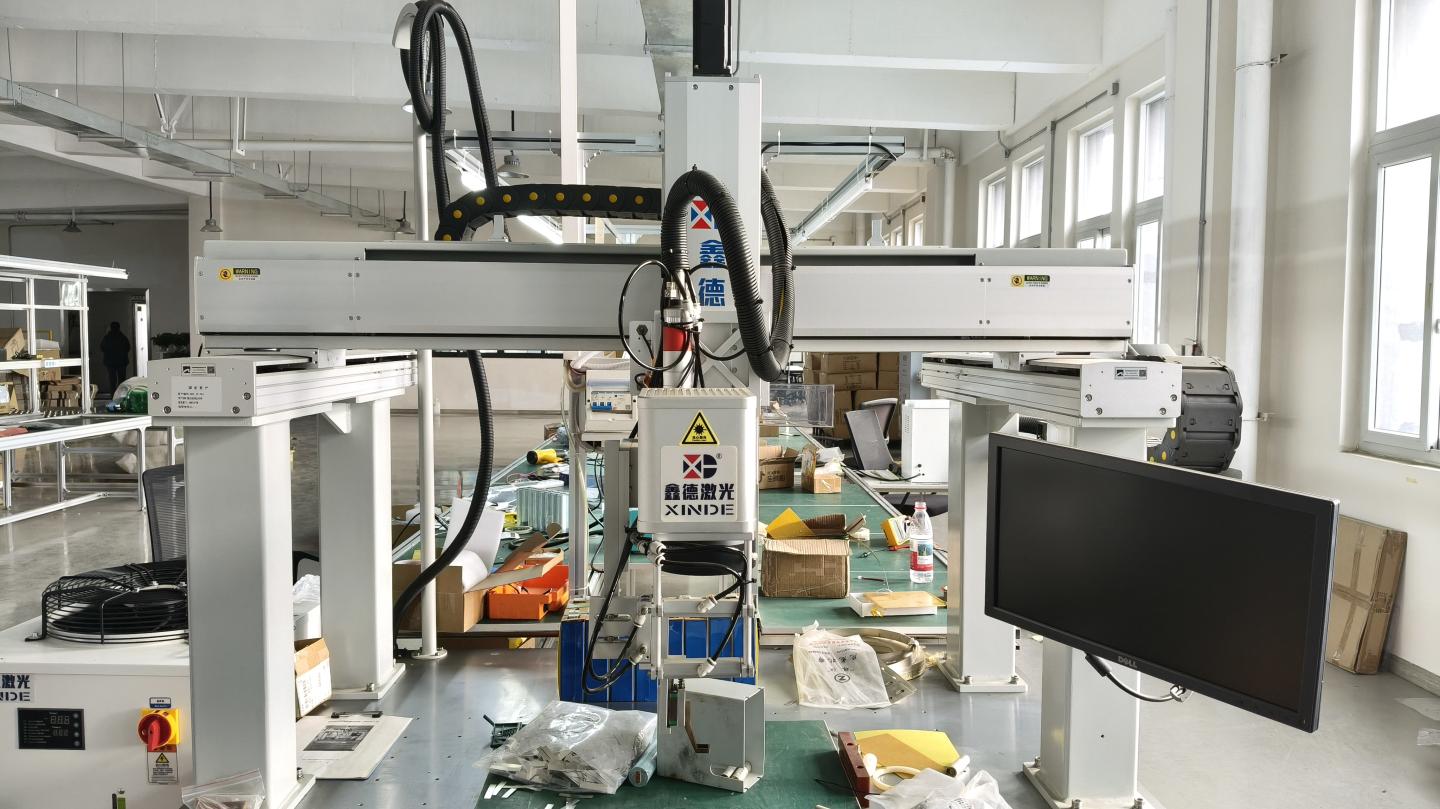
With continuous investment in advanced manufacturing technology, our factory is equipped with modern production facilities, including CNC bending machines, automatic submerged arc welding systems, laser cutting equipment, electrostatic powder coating lines, fluorocarbon painting workshops, and precision testing instruments. Supported by multiple automated production lines and a skilled technical team, we are able to provide efficient production, stable quality, and reliable delivery for projects of all sizes.
Innovation and quality are the driving forces behind our growth. We have established an experienced R&D team dedicated to developing energy-efficient, environmentally friendly, and intelligent lighting solutions that meet the evolving needs of global markets. From product design and engineering to manufacturing and quality inspection, every production process is carried out under strict quality control standards to ensure excellent performance, durability, and long service life.
Our company has obtained ISO9001 Quality Management System Certification, ISO14001 Environmental Management System Certification, CCC, CQC, CE certification, and various product testing reports, demonstrating our commitment to international quality and safety standards.
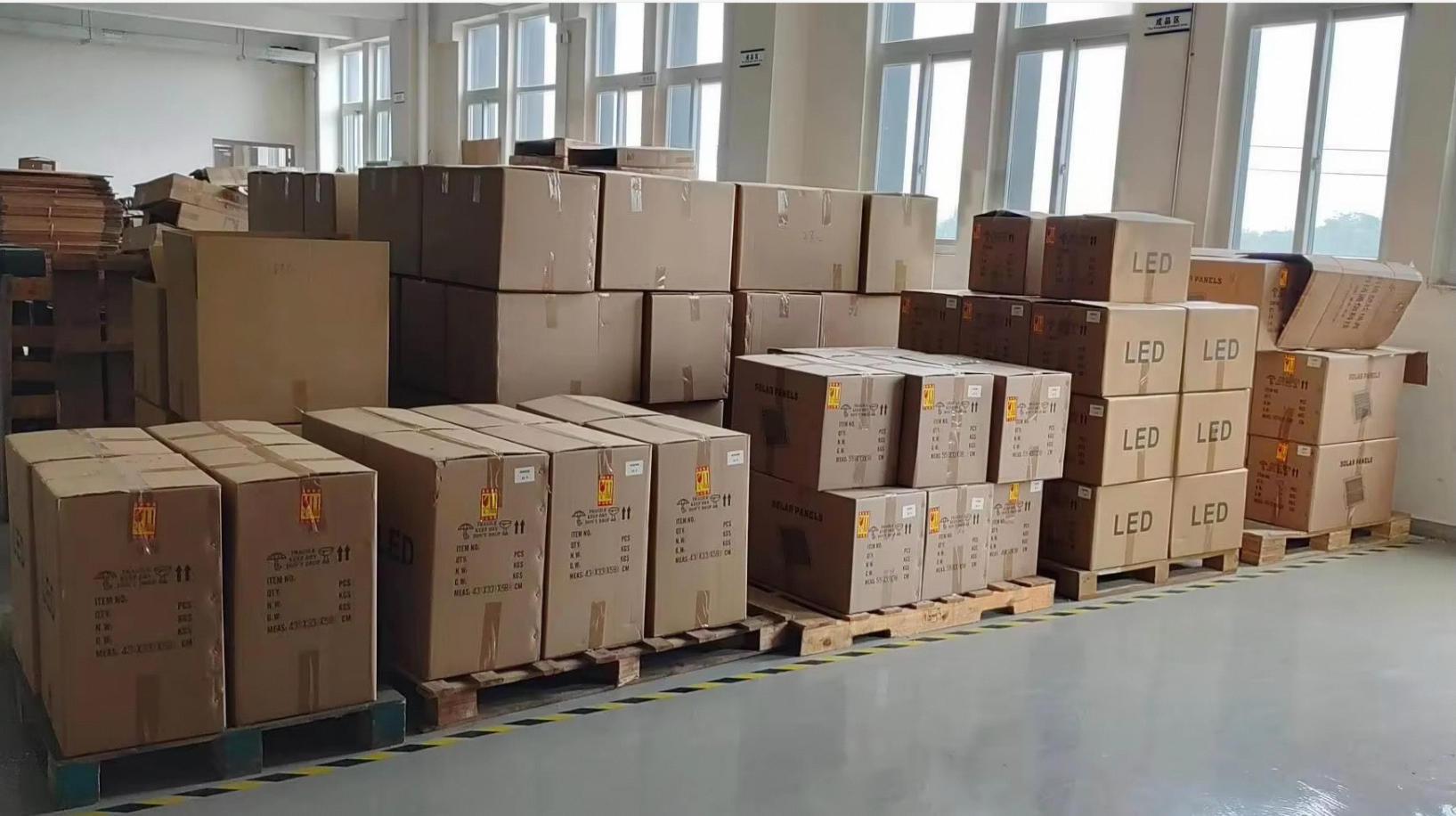
Over the years, our products have been exported to customers across Southeast Asia, the Middle East, Africa, Europe, South America, and many other regions. With rich experience in international projects, we also provide flexible OEM and ODM services, offering customized solutions tailored to different customer requirements and application scenarios. At Yangzhou OneAll Lights Co., Ltd., we are committed to the philosophy of "Quality First, Innovation, Integrity, and Customer Satisfaction." We continuously strive to deliver reliable products, competitive solutions, and professional service. Looking ahead, we will continue to create greater value for our partners worldwide and contribute to a brighter, smarter, and more sustainable future.

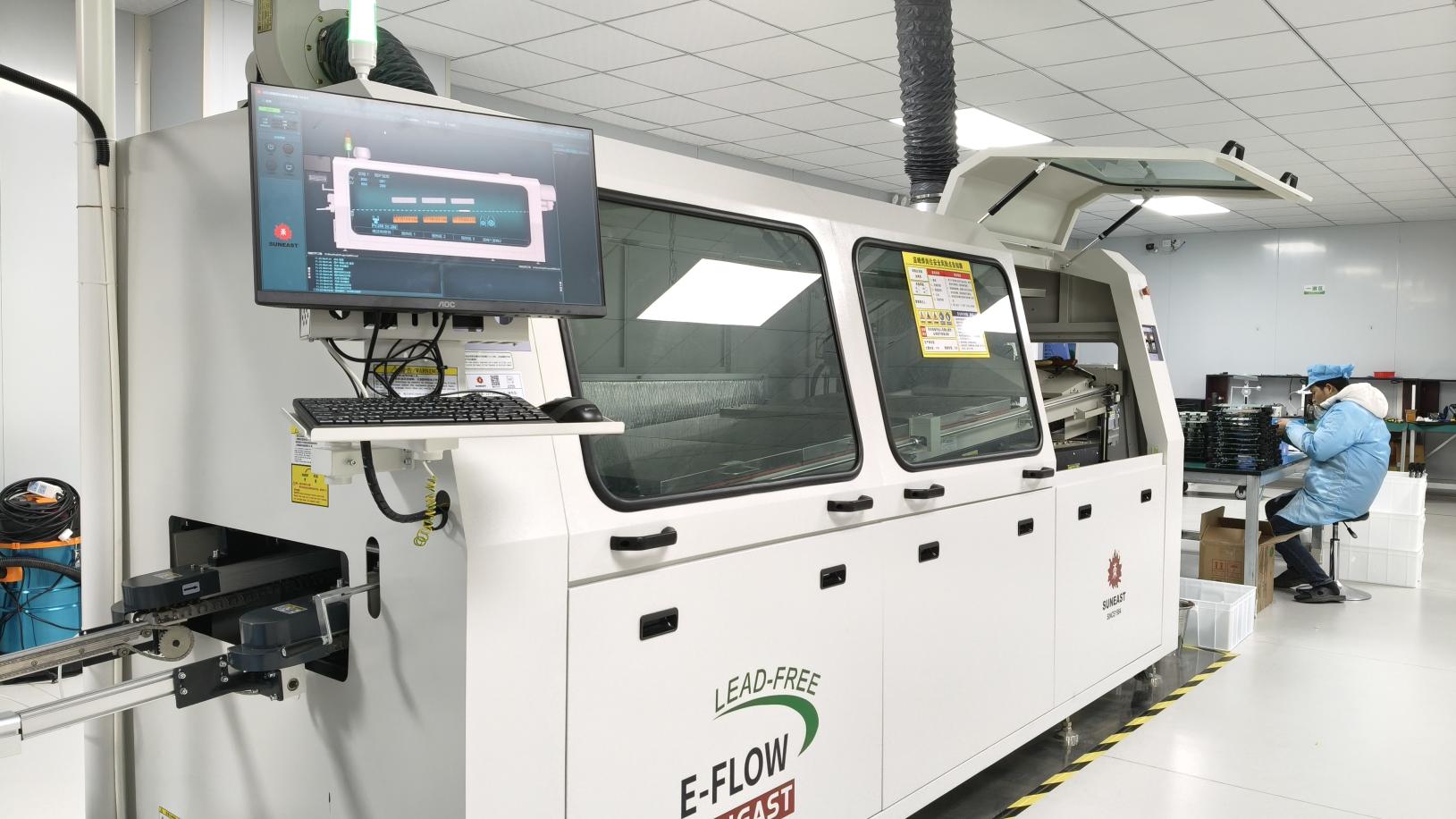
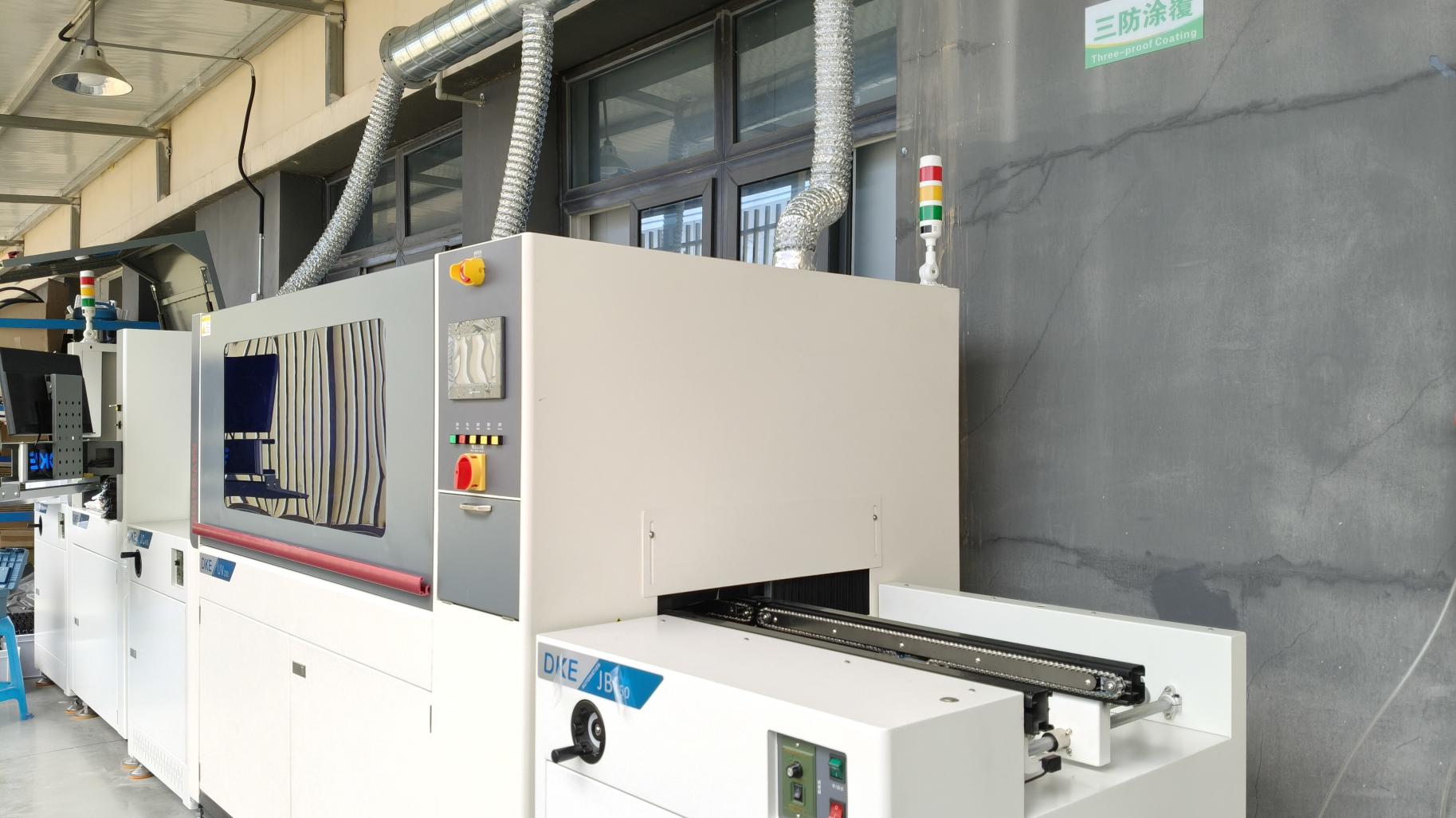
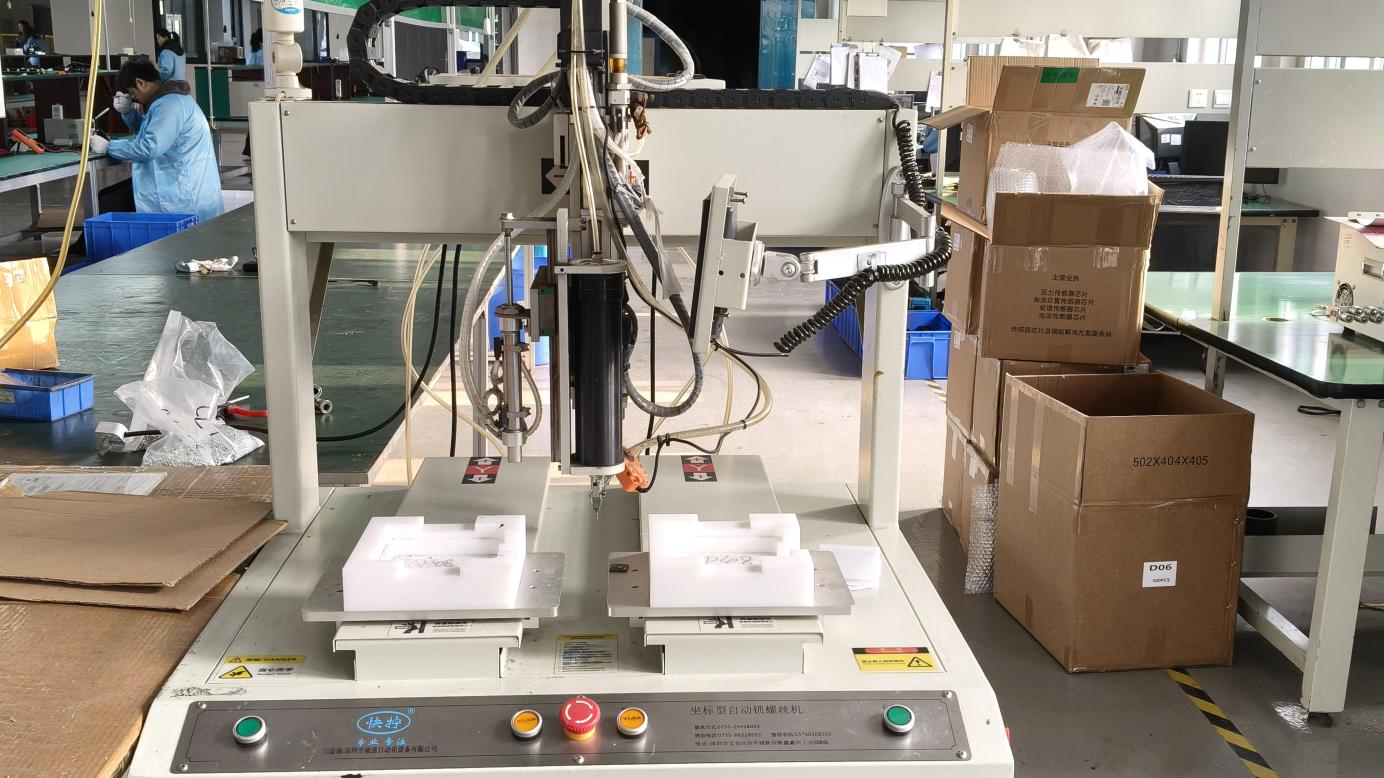
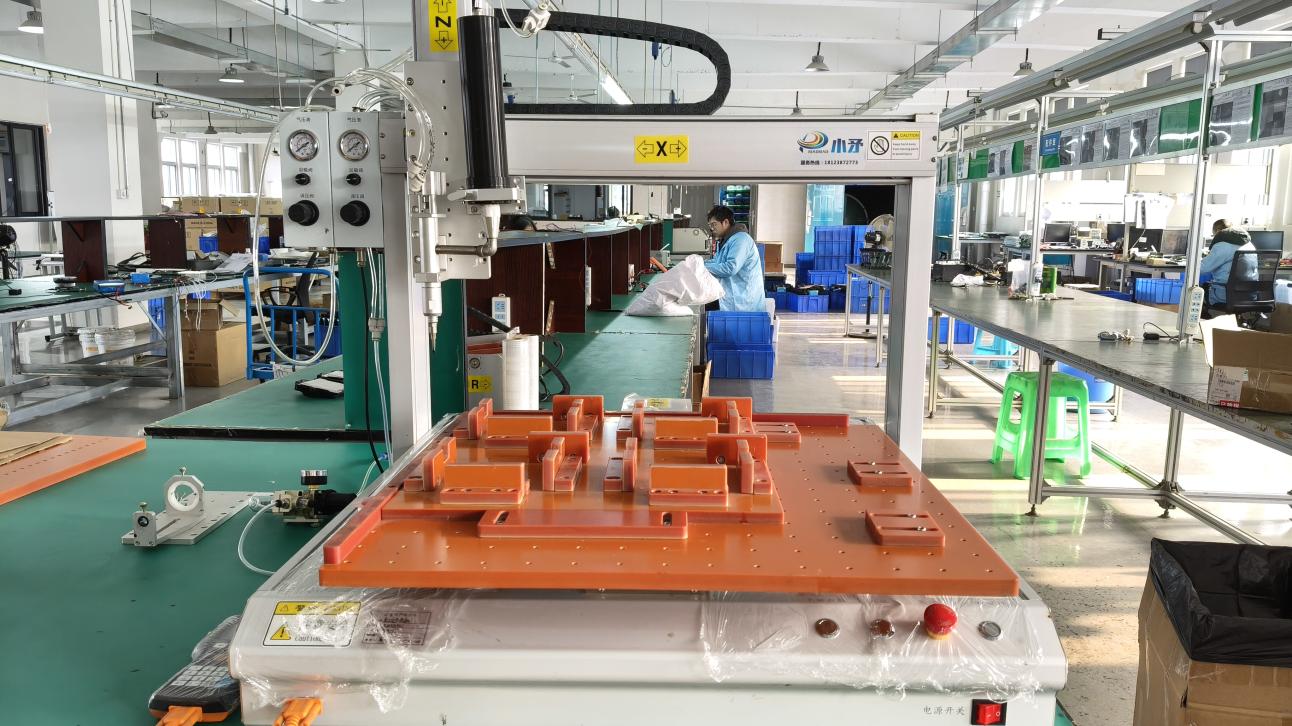
Importing and installing solar road lighting systems in Belgium requires adherence to strict European technical codes. The most critical standard is EN 13201, which defines the lighting requirements for road traffic, pedestrian pathways, and outdoor public spaces. Our design and engineering services ensure compliance with these illumination classes, providing high-efficiency light distribution that reduces glare and eliminates dark patches on the pavement.
| Compliance Standard | Required Parameter | Our Integrated Lighting Spec | Belgian Application Scope |
|---|---|---|---|
| EN 13201-2 (Class S / P) | Horizontal illuminance > 2.0 to 15 lux | Patented Asymmetric optical PC lens (140°x75°) | Pedestrian walkways, urban cycling paths in Antwerp/Ghent |
| EN 60598-2-3 (Safety) | Luminaires for road & street lighting safety | CE certified, Low-voltage battery system safety | National public procurement tenders |
| IP Grade (IEC 60529) | Min IP65 required for outdoor use | IP66 and IP65 protection classes | Wet, coastal climates (Zeebrugge, Ostend) |
| IK Impact Rating | IK08 min mechanical impact resistance | IK08/IK10 tempered glass & cast aluminum housing | Vandalism prevention in metropolitan parks and parking lots |
| Eurocode 1 (Wind Load) | Resistance up to 26 m/s wind speeds | High-strength Q235 steel structural analysis | Coastal areas and high-wind agricultural regions |
Cities like Antwerp, Brussels, and Ghent are adopting smart city technologies. Our integrated solar street lights can be equipped with NEMA 7-pin smart interfaces, supporting LoRaWAN, NB-IoT, and Zigbee communication protocols. This allows municipal operators to monitor battery health, adjust dimming profiles remotely, and track energy harvesting metrics from a central dashboard.
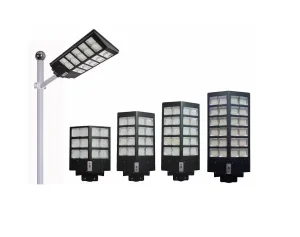
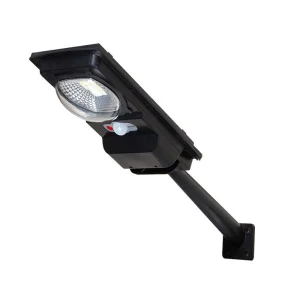
Select from our core production series featuring high wattage outputs, advanced motion sensing, and premium battery capacities.
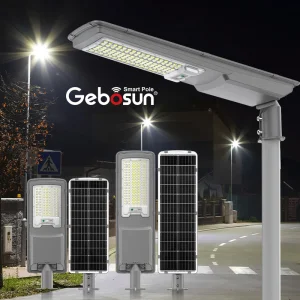
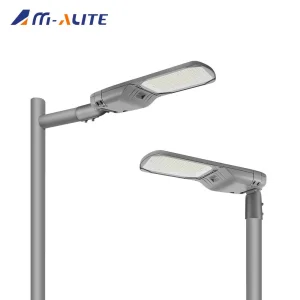
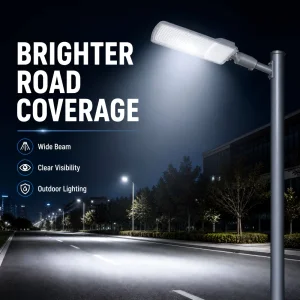
Purchasing integrated solar street lights from a factory for installation in Belgium requires evaluating specific parameters. Traditional off-the-shelf options may not meet the demands of Northern European winters. Buyers should focus on three primary criteria:
Standard Lithium Ion batteries can experience performance issues in cold weather, losing charging capability below 0°C. Our systems use premium grade Lithium Iron Phosphate (LiFePO4) chemistry, which offers over 3,000 charge cycles at 80% Depth of Discharge (DoD). For projects in cold regions like the Ardennes, we offer optional thermal insulation wraps and smart BMS heating systems. These systems use minimal power to warm the battery cells, ensuring reliable charging down to -15°C.
Belgium is categorized into specific wind zones under Eurocode 1 (NBN EN 1991-1-4). Coastal zones like Zeebrugge can experience wind speeds exceeding 26 m/s. All-in-one solar street lights have larger surface areas due to the integrated solar panels, making them subject to higher wind loads. Our engineers use structural modeling to design luminaire bodies and brackets that withstand regional wind forces without deformation.
Flanders and Wallonia enforce regulations to reduce light pollution, particularly in ecological zones. Our luminaires use zero-uplight optics (U0 rating) and asymmetrical light distribution. This focuses the light strictly on the road surface and pathways, minimizing spillover into residential windows or natural habitats.
Find answers to common technical, regional, and logistics questions about deploying solar street lights in Belgium.
Yes. Our integrated models are engineered for low-irradiation climates. They feature high-efficiency monocrystalline panels (up to 22.5% efficiency), smart MPPT controllers, and custom energy profiles (such as 100% brightness when motion is detected and 20% background illumination). This configuration enables up to 5-7 days of continuous operation without sunlight.
Our street lighting systems carry CE, RoHS, and EN 60598-2-3 certifications. Additionally, our factories are audited under ISO 9001 and ISO 14001 standards. We can provide standard photometric files (.IES / .LDT) for Dialux simulations to confirm compliance with EN 13201 light classes.
For coastal locations like Ostend, Knokke-Heist, and Zeebrugge, we use marine-grade die-cast aluminum housings coated with anti-corrosion fluorocarbon powder. The structural hardware is made of 316 stainless steel, and the systems are rated IP66 for protection against water ingress and salt spray.
Our integrated solar street lights use high-quality LiFePO4 battery cells with a service life of up to 8-10 years. Under typical operating conditions, the batteries maintain over 80% capacity after 3,000 complete charge-discharge cycles. The integrated BMS provides protection against overcharging, deep discharging, and temperature anomalies.
Yes. Our systems support standard NEMA 7-pin receptacles and ZHAGA connectors, allowing integration with smart city controllers. They are compatible with protocols such as LoRaWAN and NB-IoT for remote monitoring and adaptive dimming control.
Standard manufacturing lead time for container orders is 20-30 days at our Yangzhou factory. Shipping to European ports like Antwerp or Rotterdam typically takes 35-40 days. We provide customs documentation, certificate of origin, and compliance paperwork to facilitate clearing.
Contact our sales engineers for dialux calculations, photometric tests, and customized pricing for your projects in Belgium.
 OneAll Lights