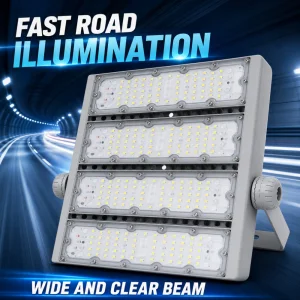
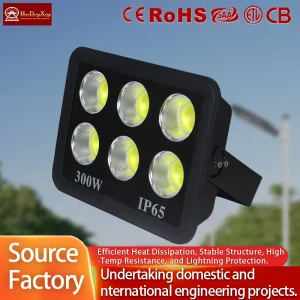
Premium grade, heavy-duty industrial fixtures engineered to exceed the strict luminescent uniformity and low-glare requirements of Japanese expressways and railways.
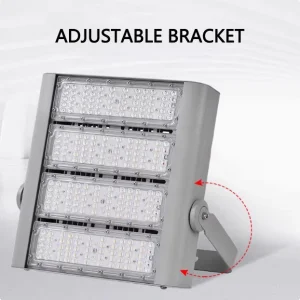
Analyzing key market requirements, geographical challenges, and energy conservation goals dictating modern subterranean illumination.
Japan’s mountainous terrain demands one of the densest networks of road and rail tunnels in the world. As the Ministry of Land, Infrastructure, Transport and Tourism (MLIT) executes long-term highway renovation strategies, updating antiquated High-Pressure Sodium (HPS) and metal halide fixtures to highly efficient solid-state LED systems has become an absolute priority. Under Japan’s 2050 Carbon Neutrality goal, industrial lighting systems must meet strict energy efficiency limits, demanding luminaires that achieve at least 140 lm/W to 160 lm/W system efficacy.
Operating conditions inside Japanese tunnels present several structural challenges. High relative humidity in sub-sea pathways like the Tokyo Bay Aqua-Line, seismic activity across all prefectures, and the corrosive effect of vehicle exhaust combined with road salt (used extensively in regions like Hokkaido and Tohoku) mean lighting fixtures require exceptional environmental seals. Standard international products often fall short of Japan's strict standards. Success in this market requires comprehensive alignment with Japanese Industrial Standards (JIS) alongside specialized mechanical and material design.
Fixtures must pass vibration tests under JIS C 8105-2-3, featuring high-strength safety chains and anti-drop mechanisms designed to withstand earthquakes up to Magnitude 9.0.
Strict adherence to VCCI Class B and CISPR 15 standards ensures no high-frequency interference occurs with emergency radio broadcast systems or tolling sensors within the tunnel.
L70 lifetime ratings exceeding 100,000 hours reduce maintenance frequency, minimizing lane closures that cause costly traffic gridlock on major commuter expressways.
How advanced asymmetric light distributions prevent the dangerous "Black Hole" and "White Hole" optical effects.
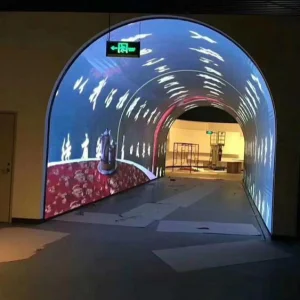
A driver traveling at 80 km/h experiences temporary visual impairment when entering a dark tunnel on a bright day—a phenomenon known as the "Black Hole Effect". Conversely, exiting a tunnel can cause blinding glare, or the "White Hole Effect". To mitigate these risks, Japanese expressway operators mandate an adaptive, multi-stage lighting curve. The tunnel is divided into three distinct zones, each requiring specialized luminaire positioning and optical profiles:
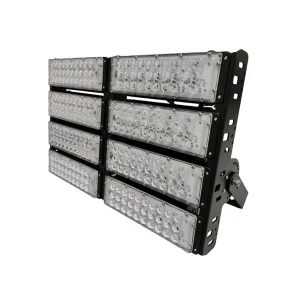
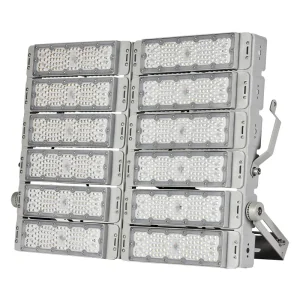
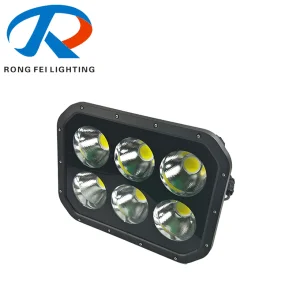
At the entrance portal, light levels must match ambient outdoor lux. High-power LED luminaires (typically 400W to 600W) are installed in dense arrays, dynamically adjusting intensity based on external photocell sensors. The optical design must feature a strong counter-beam asymmetric lens profile. This directs light toward oncoming drivers to maximize contrast detection of obstacles without generating direct glare.
Deep within the tunnel, the human eye adapts to lower light levels. Here, symmetrical medium-power LED modules (50W to 150W) are spaced to provide highly uniform ground and wall luminance. The target is a minimum longitudinal uniformity ($U_L \ge 0.7$) and overall uniformity ($U_0 \ge 0.4$). At the exit portal, lighting levels are stepped up incrementally to ensure smooth adaptation to bright outdoor conditions.
Yangzhou OneAll Lights Co., Ltd. addresses these requirements by using customized, precision-molded PMMA lens arrays. These deliver custom beam angles optimized for standard Japanese tunnel mounting heights (between 4.5m and 6.0m). Our LED fixtures feature high-color-rendering indices (CRI > 80) and low-glare properties (Unified Glare Rating < 19). This enhances visibility and driver comfort, aligning with Japan’s safety-first design principles.
Designed to withstand extreme environments, our product line delivers industry-leading reliability and efficiency.
Yangzhou OneAll Lights Co., Ltd.: Driving excellence in global outdoor lighting projects since 2003.
Yangzhou OneAll Lights Co., Ltd. is a professional manufacturer and exporter specializing in outdoor lighting solutions. Established in 2003 and located in Yangzhou, Jiangsu Province, China, we have over 20 years of experience in the design, development, manufacturing, and supply of high-quality lighting products for customers around the world.
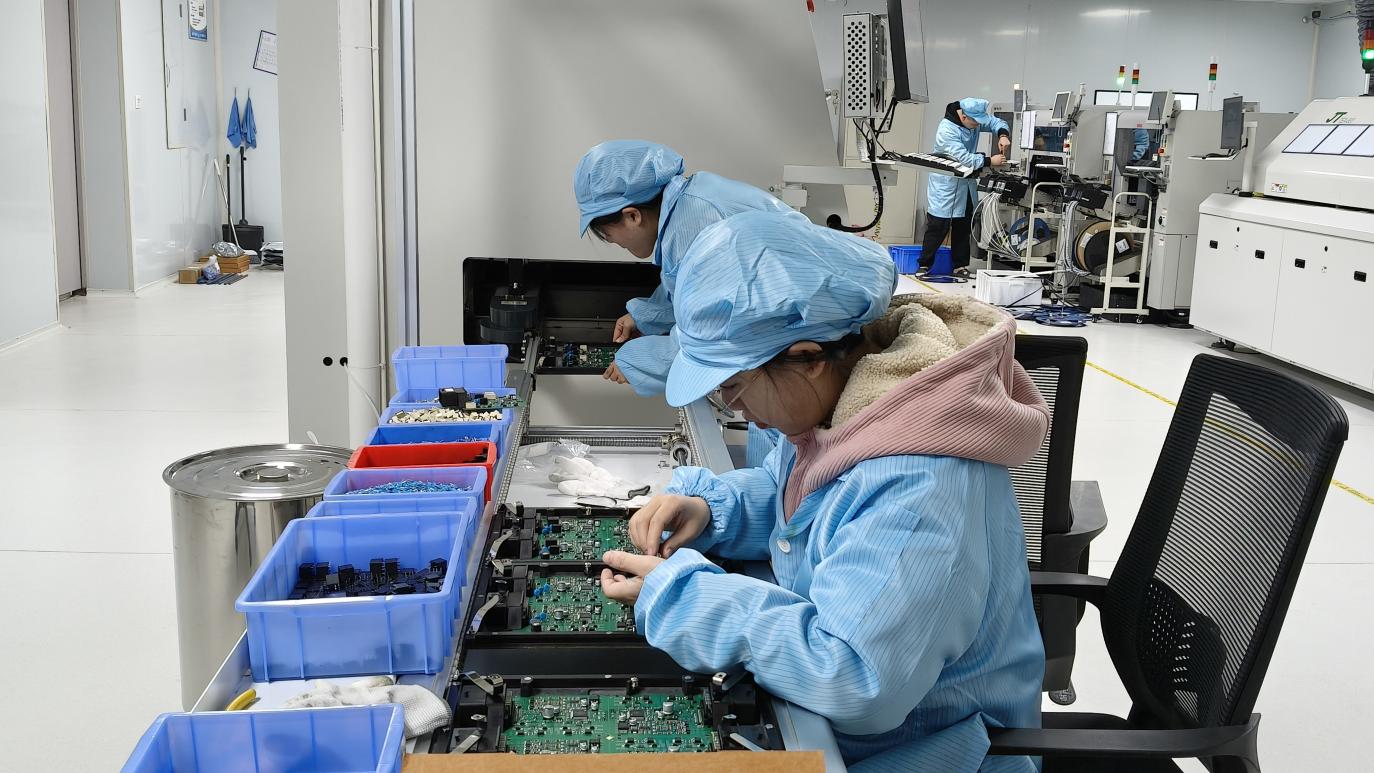
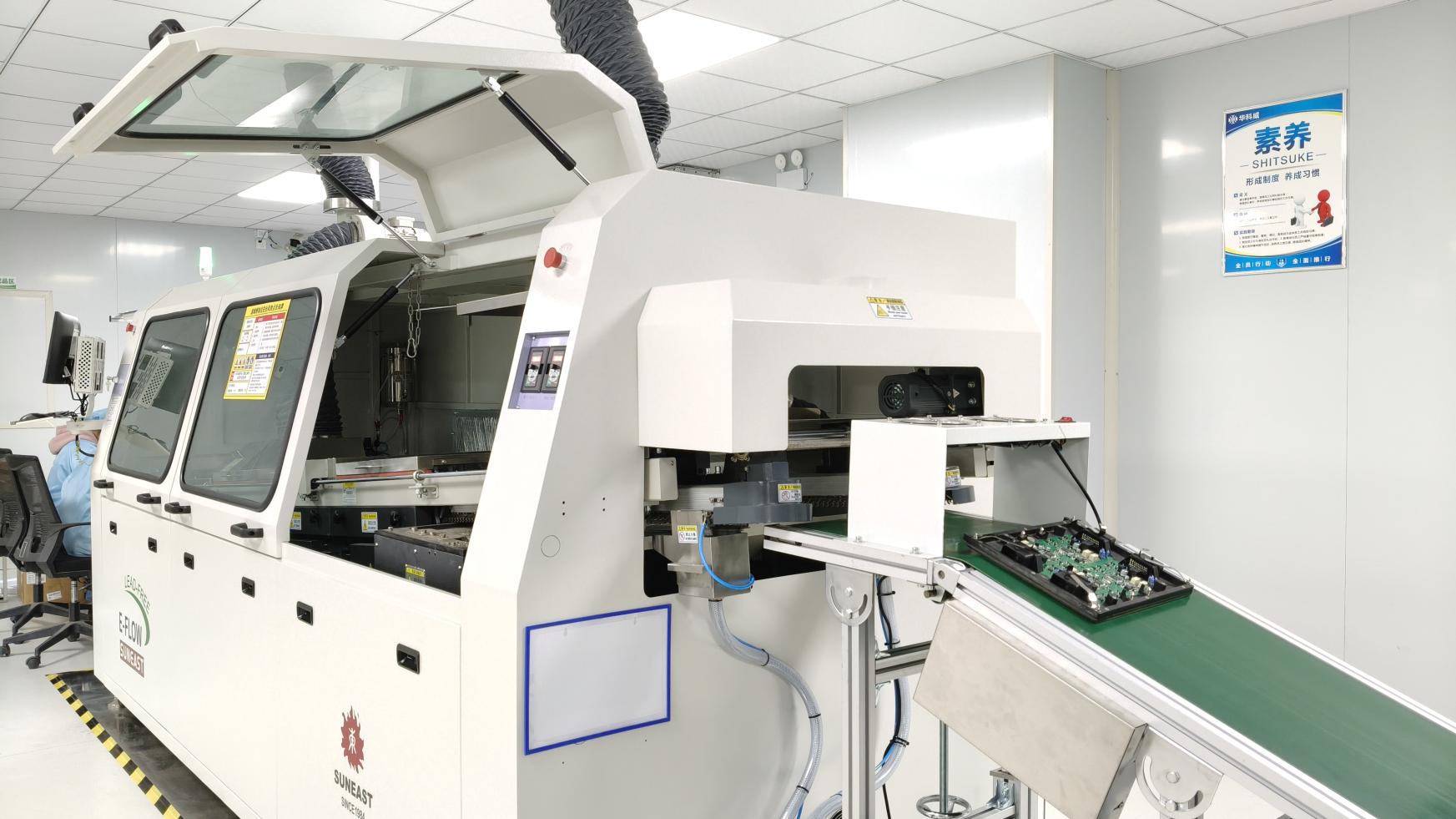
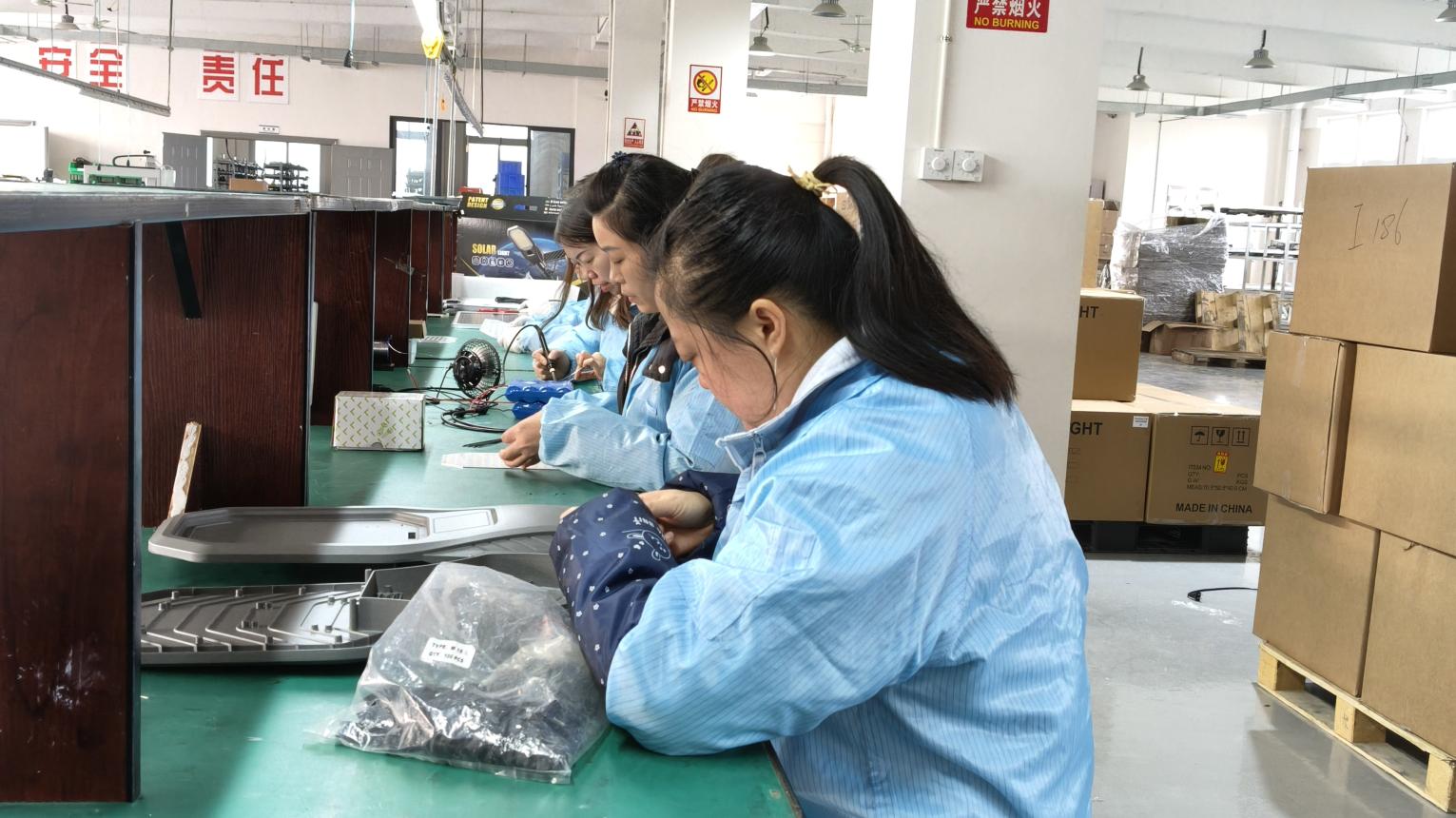
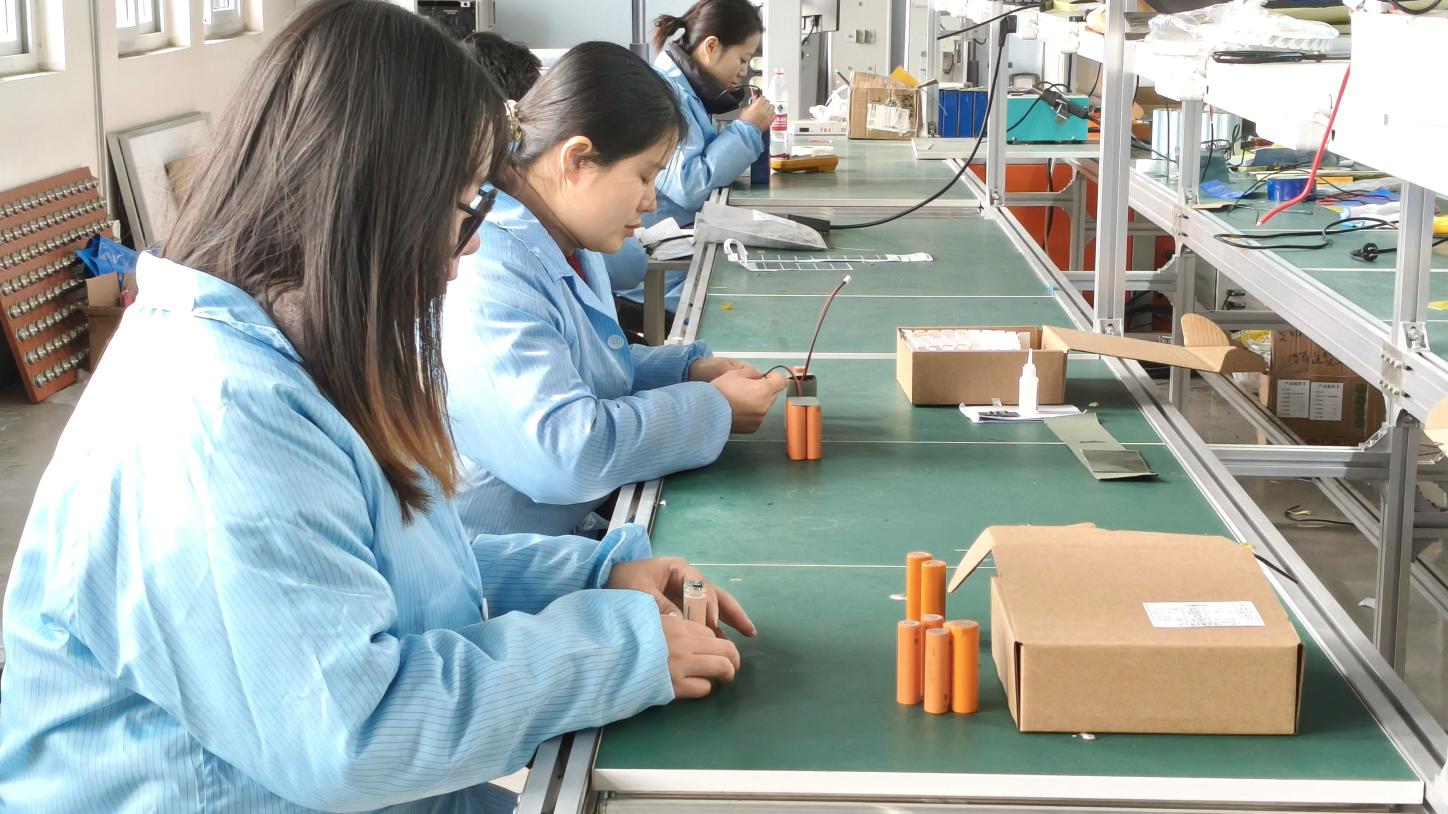
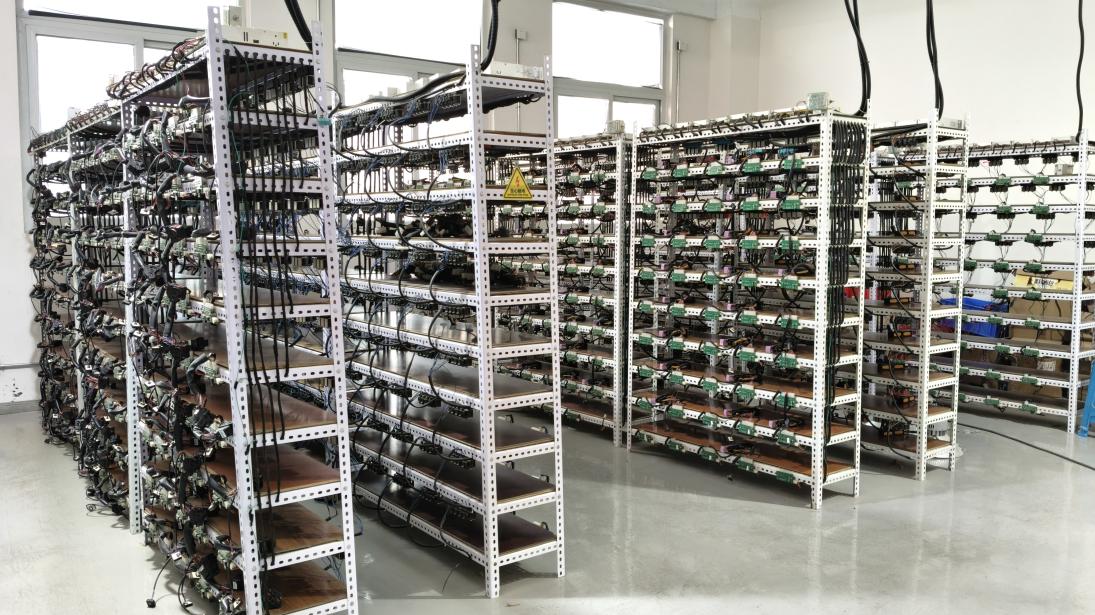
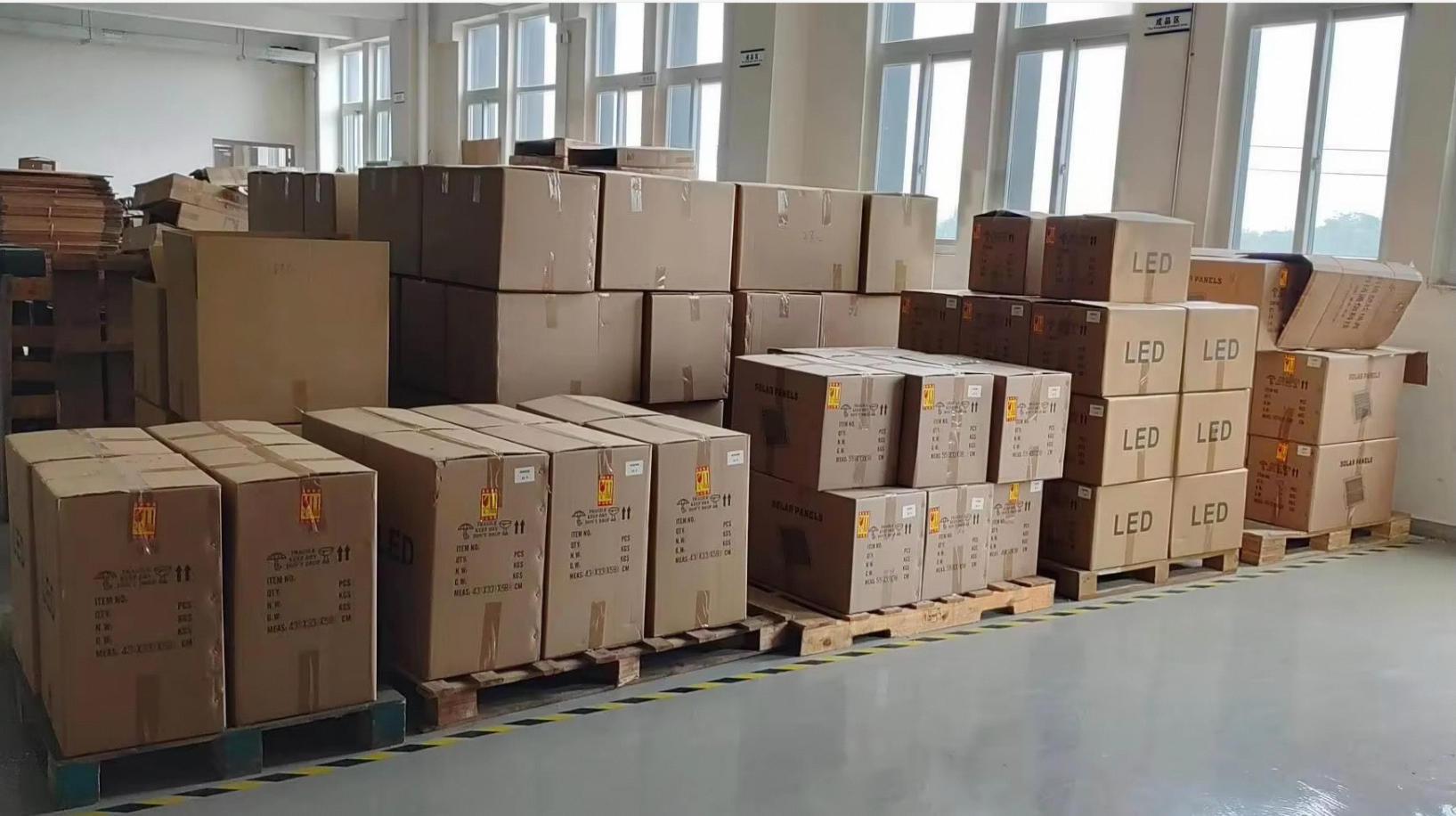
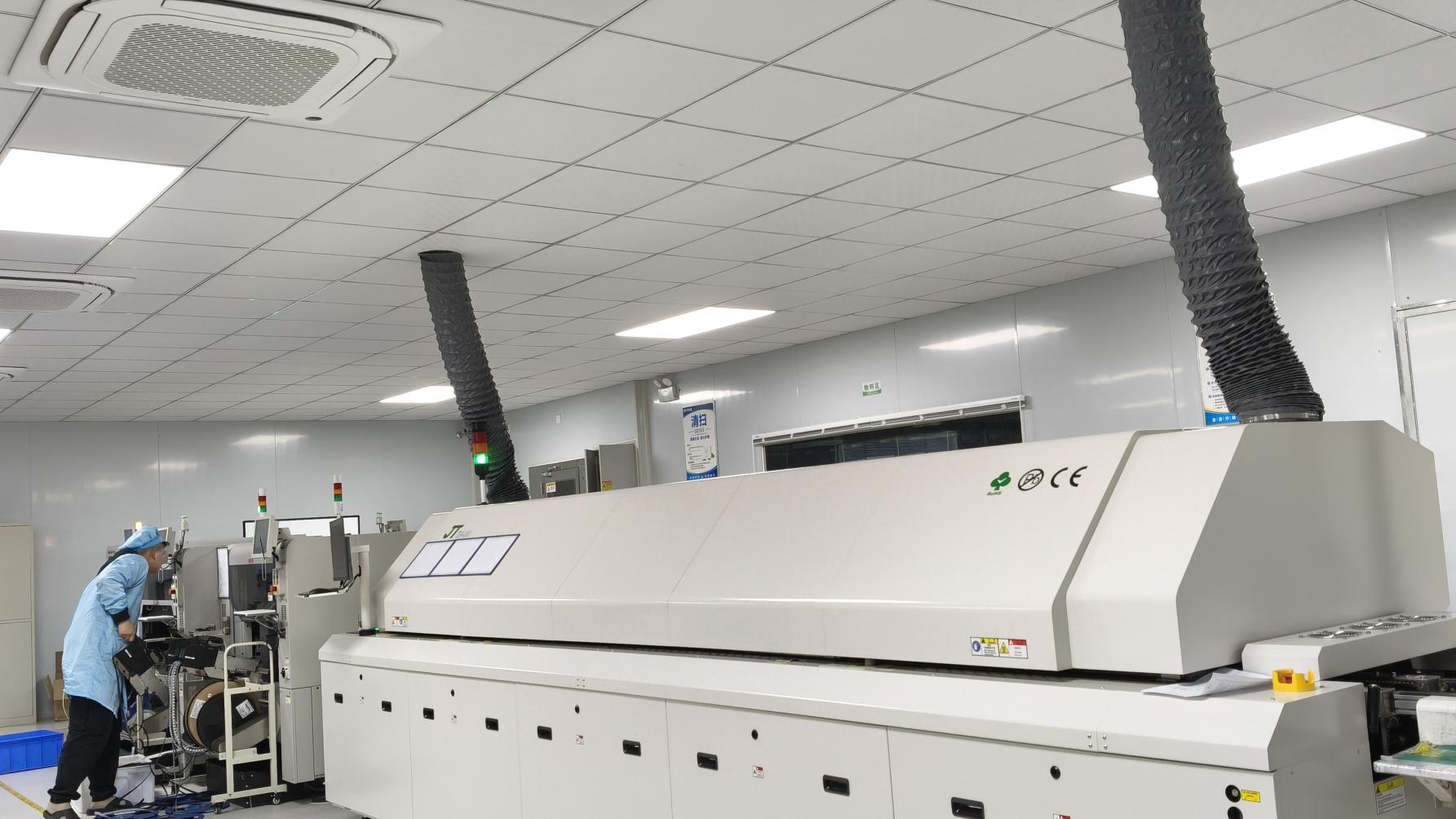
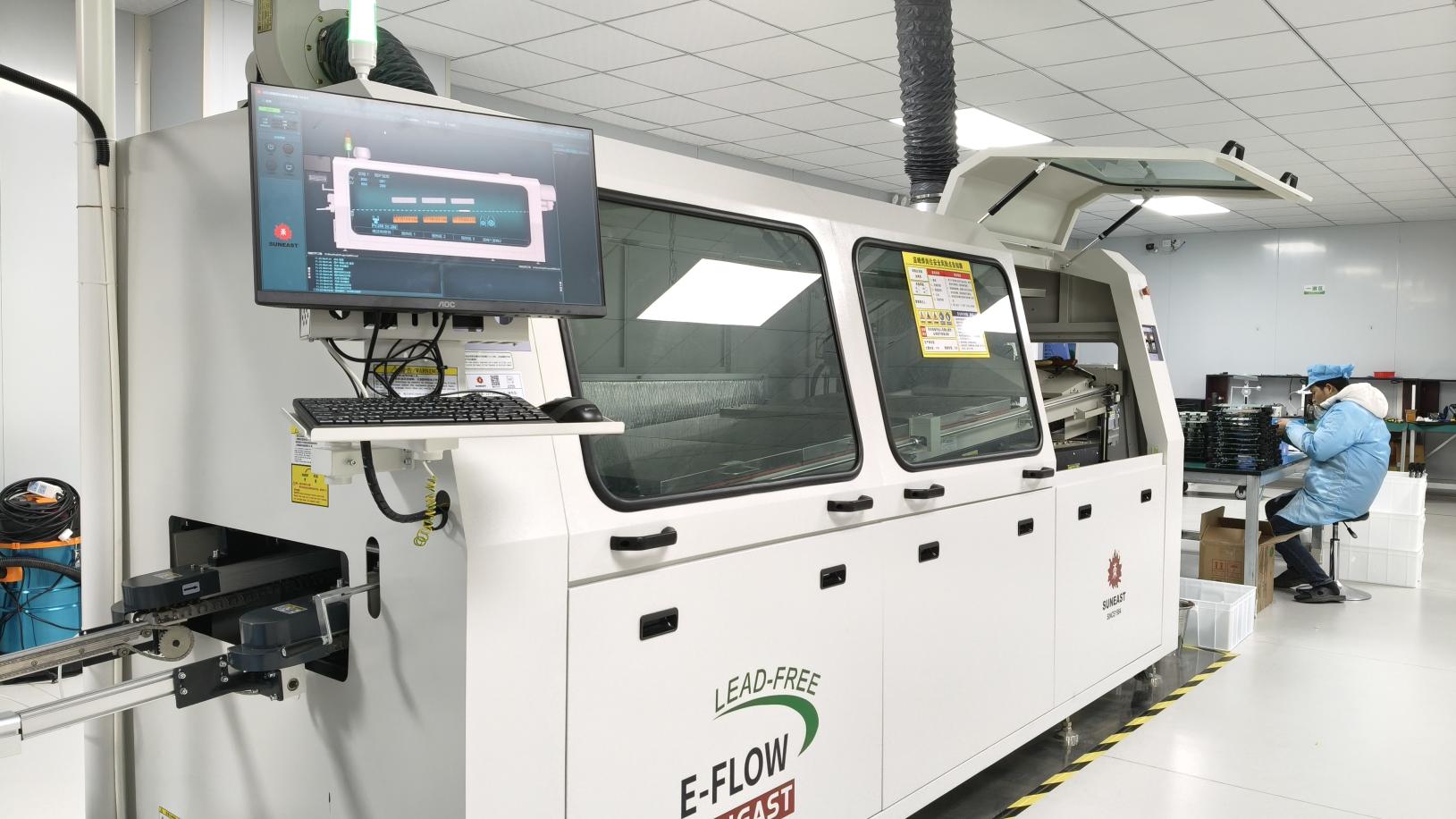
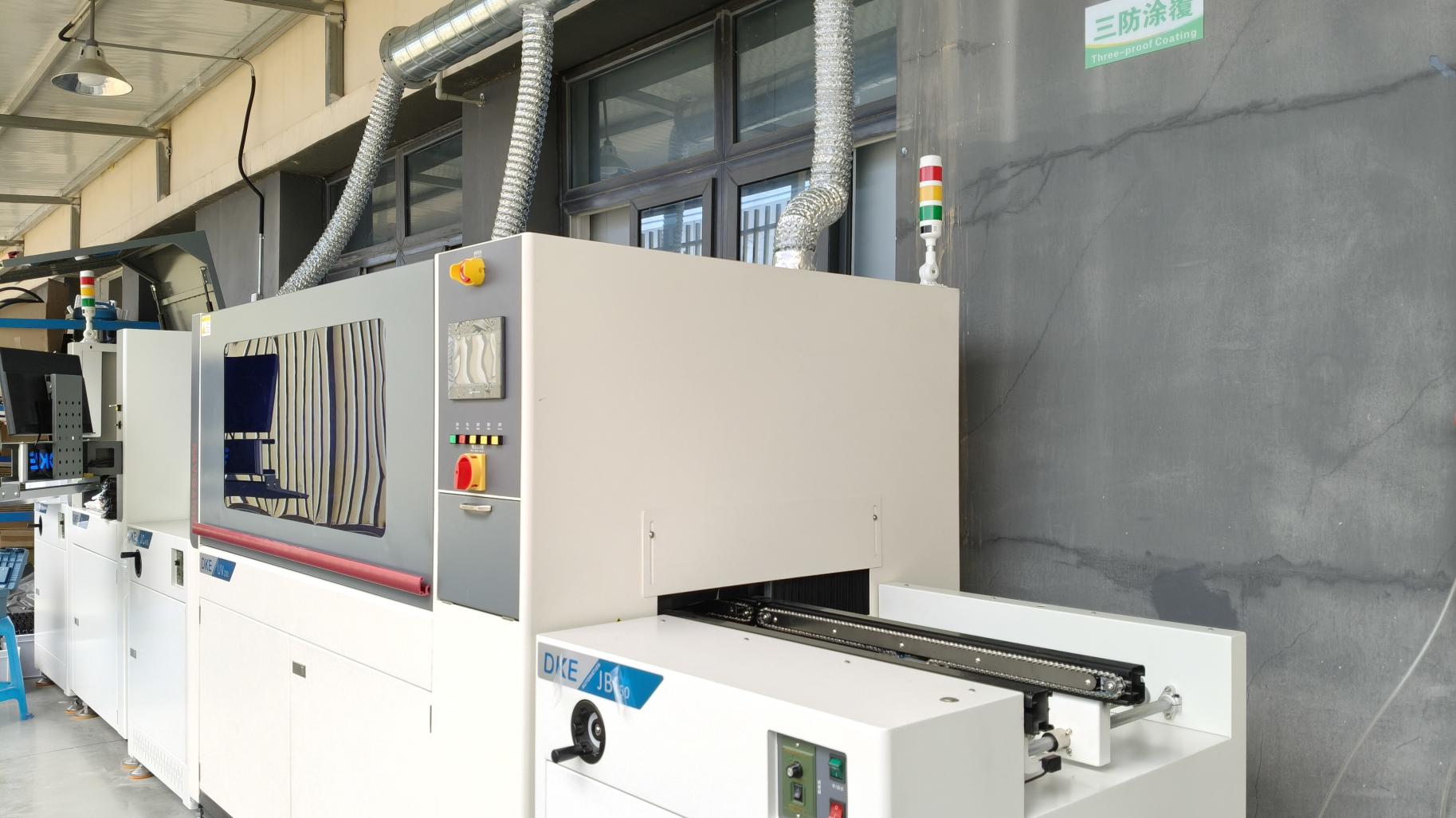
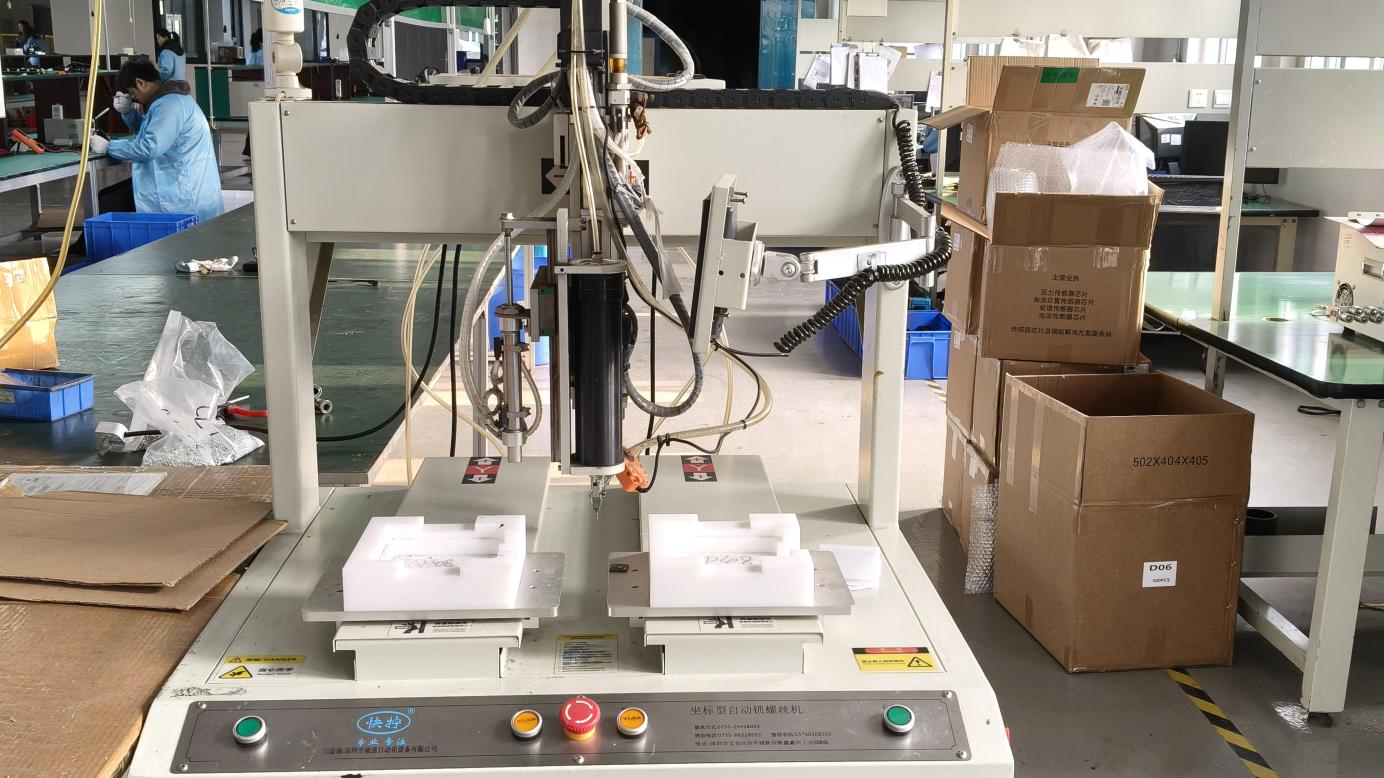
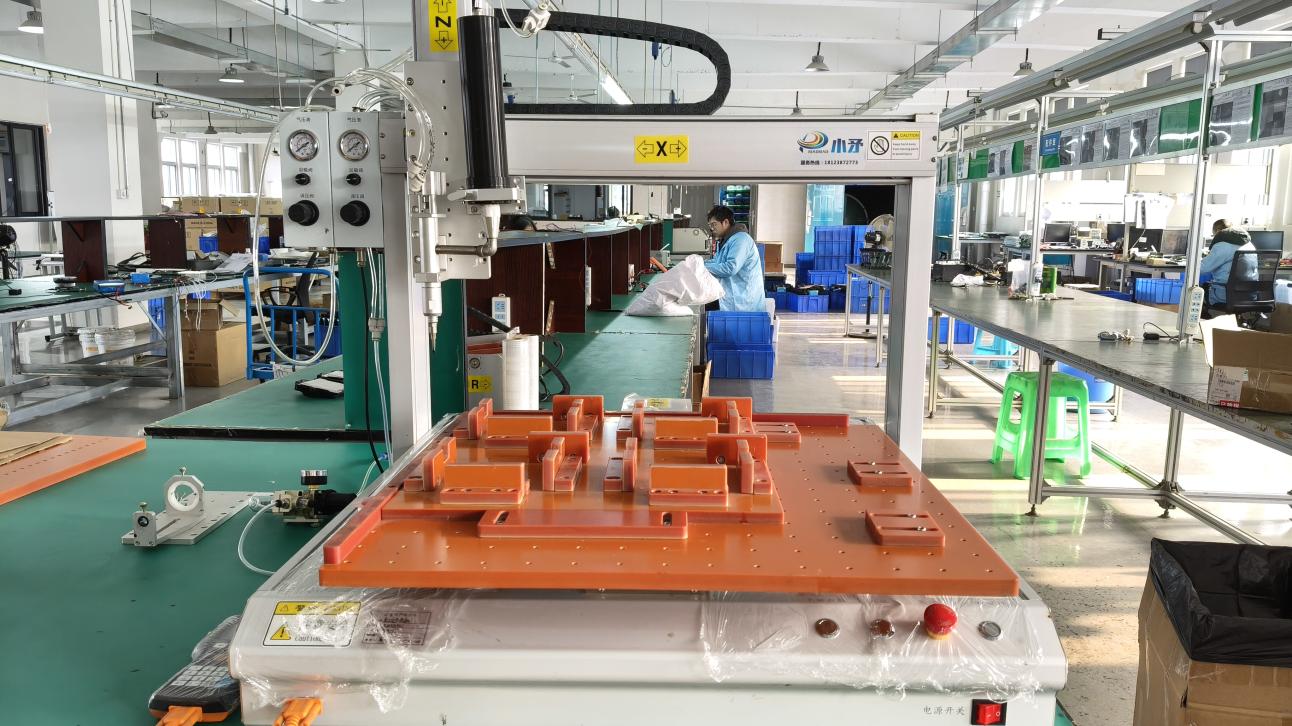
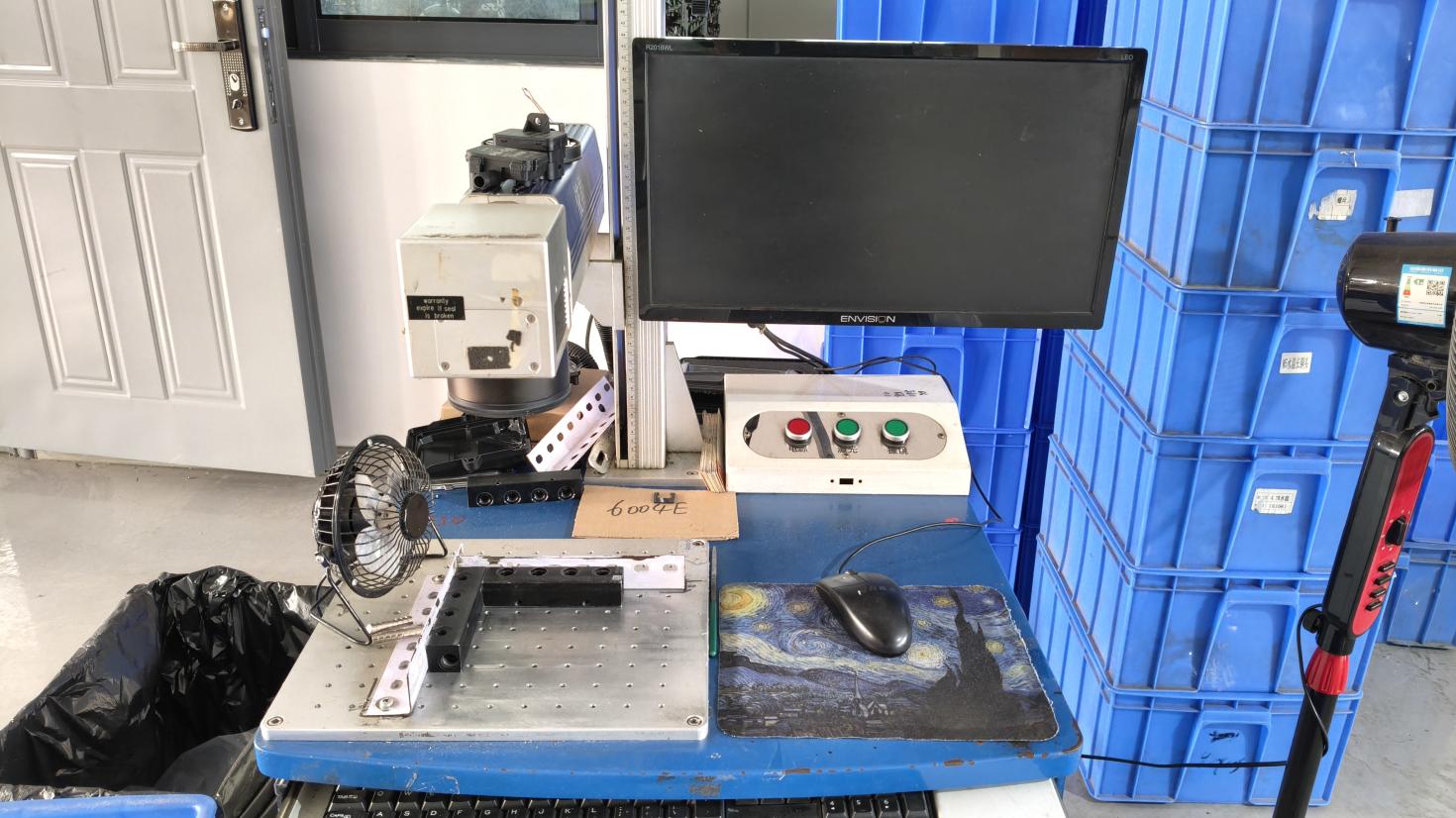
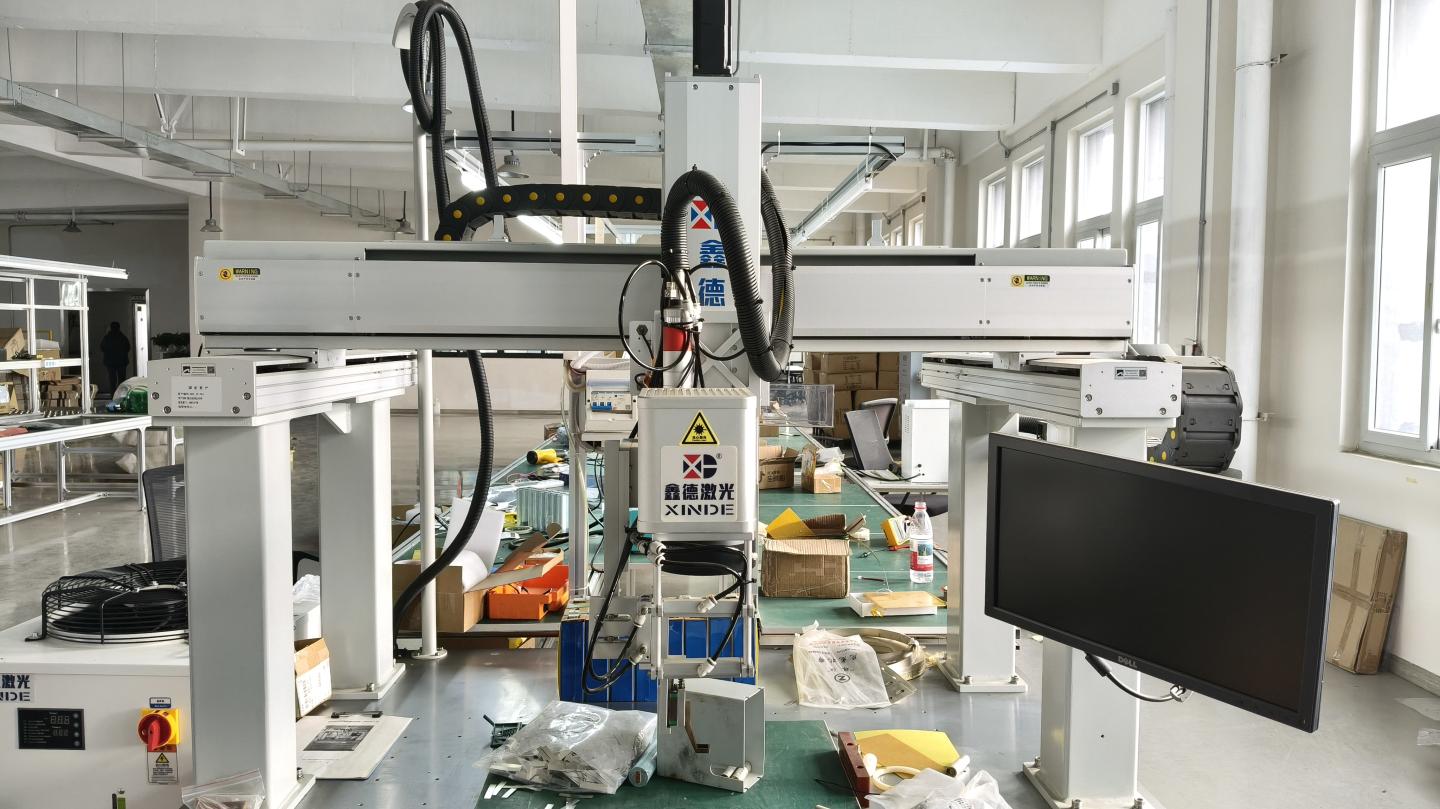
With continuous investment in advanced manufacturing technology, our factory is equipped with modern production facilities, including CNC bending machines, automatic submerged arc welding systems, laser cutting equipment, electrostatic powder coating lines, fluorocarbon painting workshops, and precision testing instruments. Supported by multiple automated production lines and a skilled technical team, we are able to provide efficient production, stable quality, and reliable delivery for projects of all sizes.
Innovation and quality are the driving forces behind our growth. We have established an experienced R&D team dedicated to developing energy-efficient, environmentally friendly, and intelligent lighting solutions that meet the evolving needs of global markets. From product design and engineering to manufacturing and quality inspection, every production process is carried out under strict quality control standards to ensure excellent performance, durability, and long service life. Our company has obtained ISO9001 Quality Management System Certification, ISO14001 Environmental Management System Certification, CCC, CQC, CE certification, and various product testing reports, demonstrating our commitment to international quality and safety standards.
Over the years, our products have been exported to customers across Southeast Asia, the Middle East, Africa, Europe, South America, and many other regions. With rich experience in international projects, we also provide flexible OEM and ODM services, offering customized solutions tailored to different customer requirements and application scenarios. At Yangzhou OneAll Lights Co., Ltd., we are committed to the philosophy of "Quality First, Innovation, Integrity, and Customer Satisfaction." We continuously strive to deliver reliable products, competitive solutions, and professional service. Looking ahead, we will continue to create greater value for our partners worldwide and contribute to a brighter, smarter, and more sustainable future.
How our engineering parameters align with Japan's rigorous municipal infrastructure standards.
| Performance Parameter | Typical Japan Tender Requirement | OneAll Lights Solution & Alignment |
|---|---|---|
| Compliance Certification | PSE (Product Safety Electrical Appliance & Materials), METI Notification | Fully PSE certified power supply circuits, custom drivers built with Japanese standard components. |
| Luminous Efficacy | $\ge 130$ lm/W | Up to 160 lm/W using high-density Cree/Lumileds LED chips. |
| Seismic & Vibration Resistance | JIS C 8105-2-3 (3G acceleration test for gantry installations) | Reinforced 304/316 stainless steel bracketry, secondary fall-arrest wire cables, high-tensile fasteners. |
| Control & Dimming Protocol | DALI-2, 1-10V, Powerline Carrier (PLC) dimming interface | Fully compatible with intelligent expressway SCADA systems. DALI-2 enabled for dynamic traffic light integration. |
| Surge & Voltage Protection | Class I, Min 10kV line-to-earth surge protection | Built-in 10kV/20kV surge protection devices (SPD) to withstand lightning strikes common in mountainous regions. |
| Corrosion Resistance Class | ISO 12944 C5-M (Marine environments) for coastal highways | Marine-grade chromate conversion undercoat followed by dual-layer thermosetting electrostatic powder coating. |
Explore our complete catalog of outdoor-rated luminaires, structural display systems, and architectural fixtures.
Direct technical explanations addressing the compliance, regulatory, and engineering requirements of Japanese road operators.
Receive comprehensive DIALux lighting calculations, JIS/PSE compliance analyses, and direct bulk pricing tailored for Japanese municipal tenders.
Send Inquiry Now OneAll Lights