State-of-the-art solar lighting engines engineered for high lumen output, architectural integrity, and long operational life under New Zealand's unique environmental conditions.
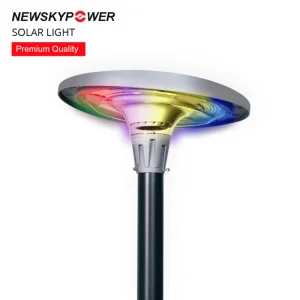
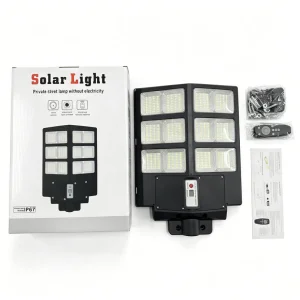
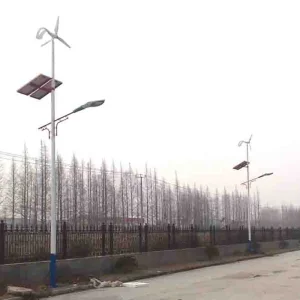
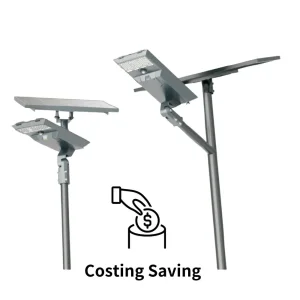
Why standard generic off-the-shelf solar lighting fails in New Zealand, and how our specialized manufacturing path addresses localized structural and ecological demands.
New Zealand experiences some of the most consistent and severe wind loads globally, particularly within the Cook Strait wind funnel and coastal zones of Wellington, Canterbury, and Southland. Standard international solar streetlights, with high-profile sail areas (EPA - Effective Projected Area), are prone to structural resonance and material fatigue at the pole mount junctions under these conditions.
Our engineering team modifies structural wall thicknesses of the Q235B steel poles (ranging up to 4mm or 5mm thickness for high-wind segments) and optimizes the aerodynamic profiles of our integrated solar luminaires. We calculate the localized structural resistance according to AS/NZS 1170.2 (Structural Design Actions - Wind Actions), ensuring the solar panel mounts and luminaire arms withstand gusts up to 55 m/s without experiencing dynamic deflection or mechanical shear failure.
With no point in New Zealand situated more than 130 kilometers from the sea, coastal atmospheric salinity affects almost all major public infrastructure. Standard solar luminaires face rapid galvanic corrosion at the joints and pitting of the aluminum shell. We mitigate this by utilizing high-pressure die-cast aluminum alloys treated with chromate conversion undercoats, finished with double-layer electrostatic powder coating (polyurethane or fluorocarbon options).
This process secures a **C5-M (Marine High Corrosion)** grade compliance, ensuring our solar plaza lights run continuously in extreme coastal environments like Auckland's Viaduct Basin, Napier's Marine Parade, or Dunedin's coastal paths, without degradation of the IP66 sealed optical compartments or solar frame structural integrity.
New Zealand is home to some of the world's most prestigious Dark Sky Reserves (e.g., Aoraki Mackenzie International Dark Sky Reserve, Great Barrier Island, and Stewart Island/Rakiura). Local councils increasingly demand strict light pollution controls. Conventional 5000K or 6000K cool-white LED sources are highly detrimental to native nocturnal wildlife and sky visibility.
Our solutions for the New Zealand market support warm CCT options down to 2200K, 2700K, and 3000K with 0% Upward Light Ratio (ULR), ensuring full compliance with local council environmental plans. By utilizing asymmetric optics and precise shielding options, we direct light output solely to the target plaza or pedestrian zones, preventing spill light into surrounding ecological habitats.
Due to lower levels of atmospheric ozone and clean air, New Zealand experiences extreme UV radiation during summer months. Standard polycarbonate optical lenses and cheap paint coatings yellow, embrittle, and chalk within 24 to 36 months of deployment. We resolve this by exclusively utilizing UV-stabilized, high-transmission PMMA lenses or tempered glass optical covers that retain 95%+ transmissivity over a 10-year service life, alongside premium automotive-grade exterior coatings designed to resist UV degradation.
Aligning with international green energy initiatives, smart city frameworks, and advanced materials engineering.
The global shift from polycrystalline panels to high-efficiency N-Type Monocrystalline silicon panels has raised baseline solar energy conversion from 15% to 22.5%+. This allows for smaller footprint solar modules on top of poles, drastically lowering wind drag while offering the same or greater nightly charge capacity.
Modern commercial installations rely on smart BMS controllers. Using MPPT (Maximum Power Point Tracking) technology with adaptive dimming algorithms (incorporating microwave motion sensors), luminaires intelligently adjust lumen output depending on state-of-charge (SoC) and local weather patterns, ensuring 365 nights of uninterrupted illumination.
Toxic lead-acid and short-lived Gel batteries are phased out globally. The modern standard is Lithium Iron Phosphate (LiFePO4) battery packs. These units support up to 3000-4000 cycles at 80% Depth of Discharge (DoD), extending the maintenance-free life of urban plaza lighting installations to over 8–10 years.
These specific solar luminaires are custom-configured for commercial pedestrian corridors, municipal gardens, and high-traffic public squares across North and South Islands.
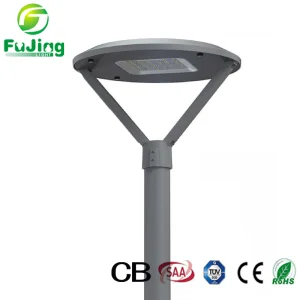
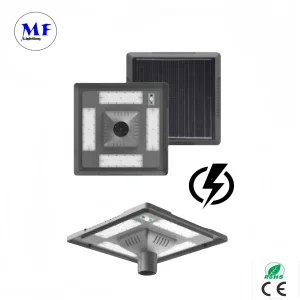
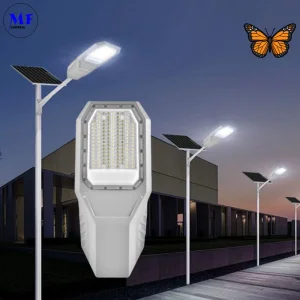
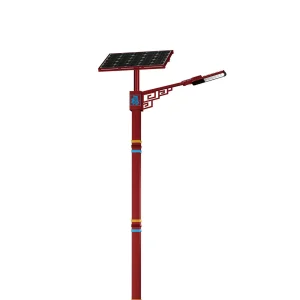
A trusted global manufacturer and exporter specializing in high-performance solar public lighting. Established in 2003, we bring over two decades of engineering and fabrication expertise to the New Zealand market.
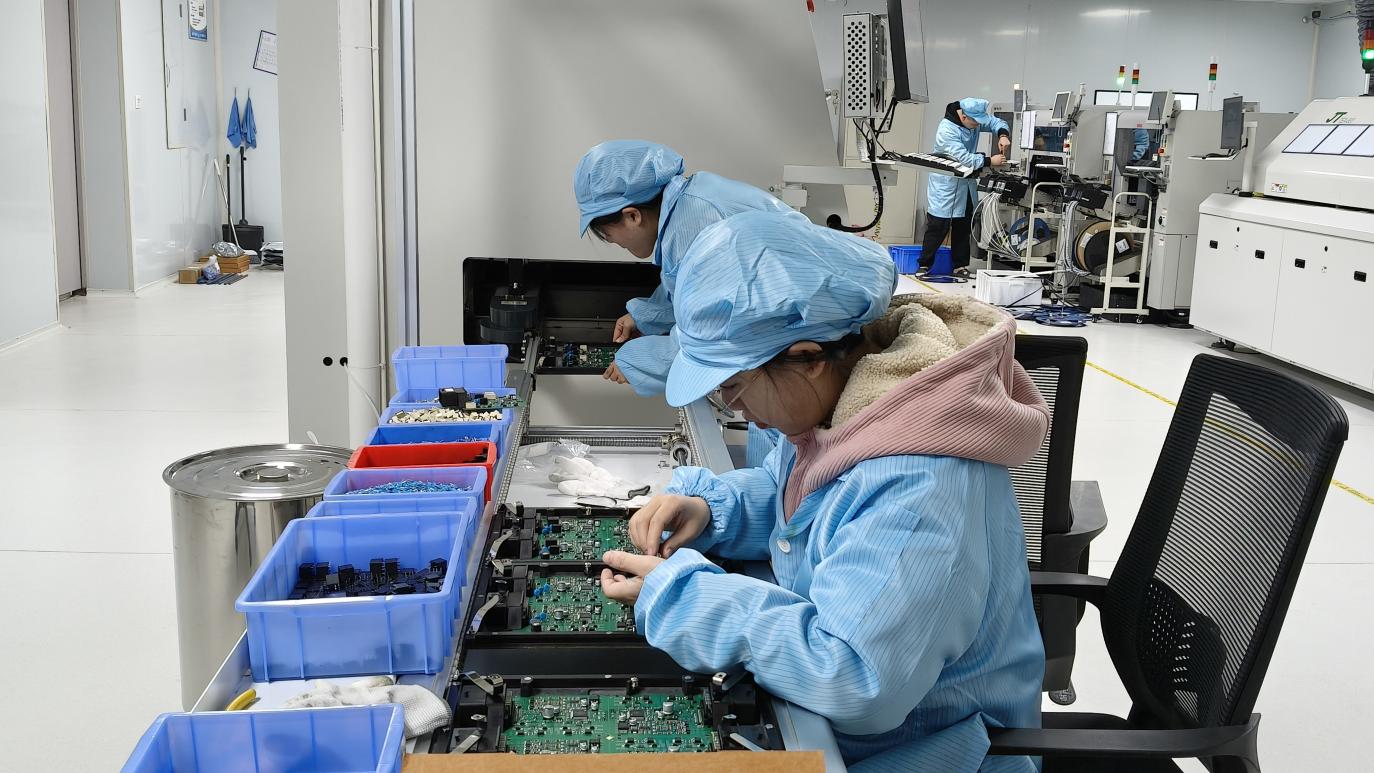
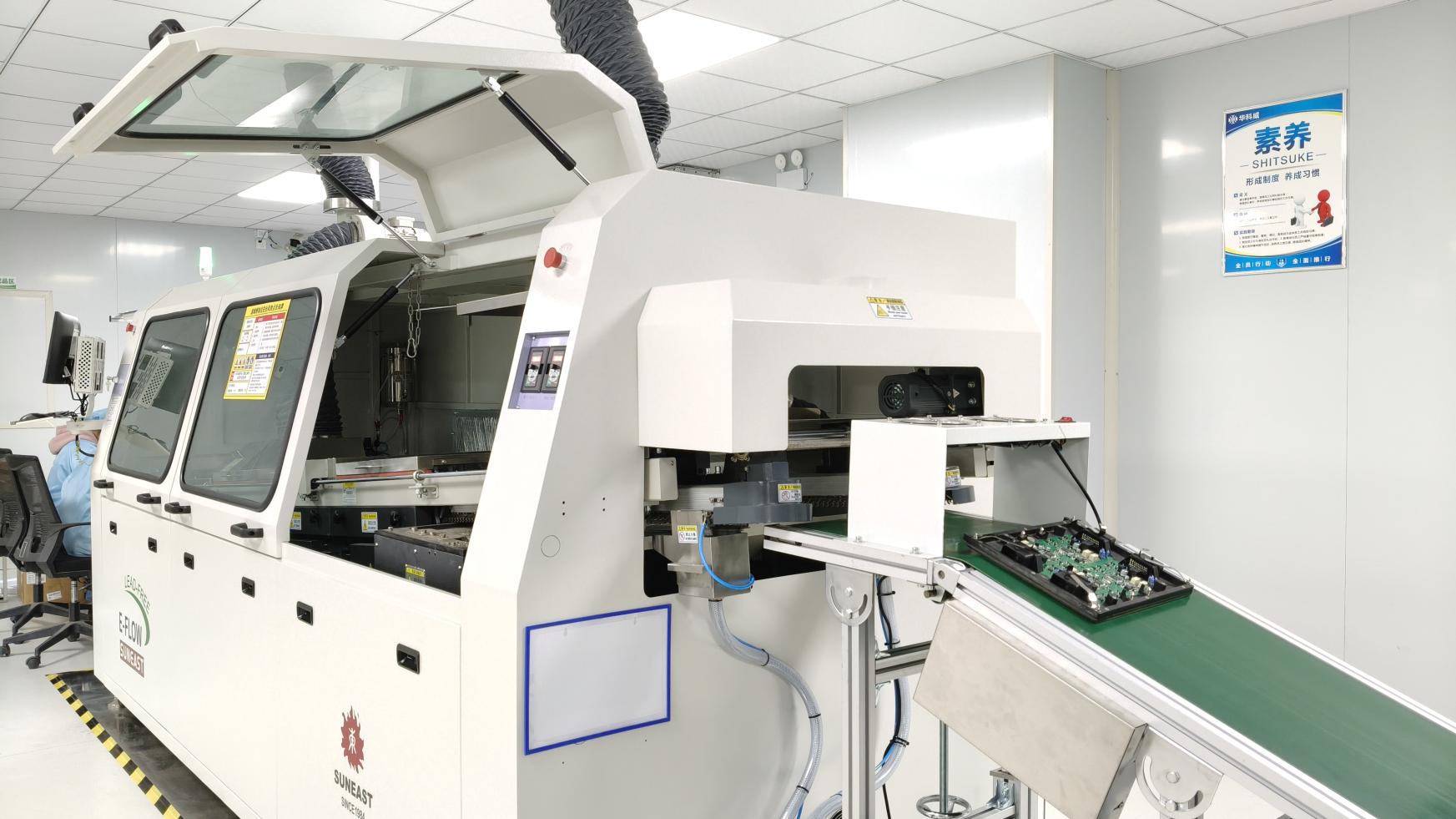
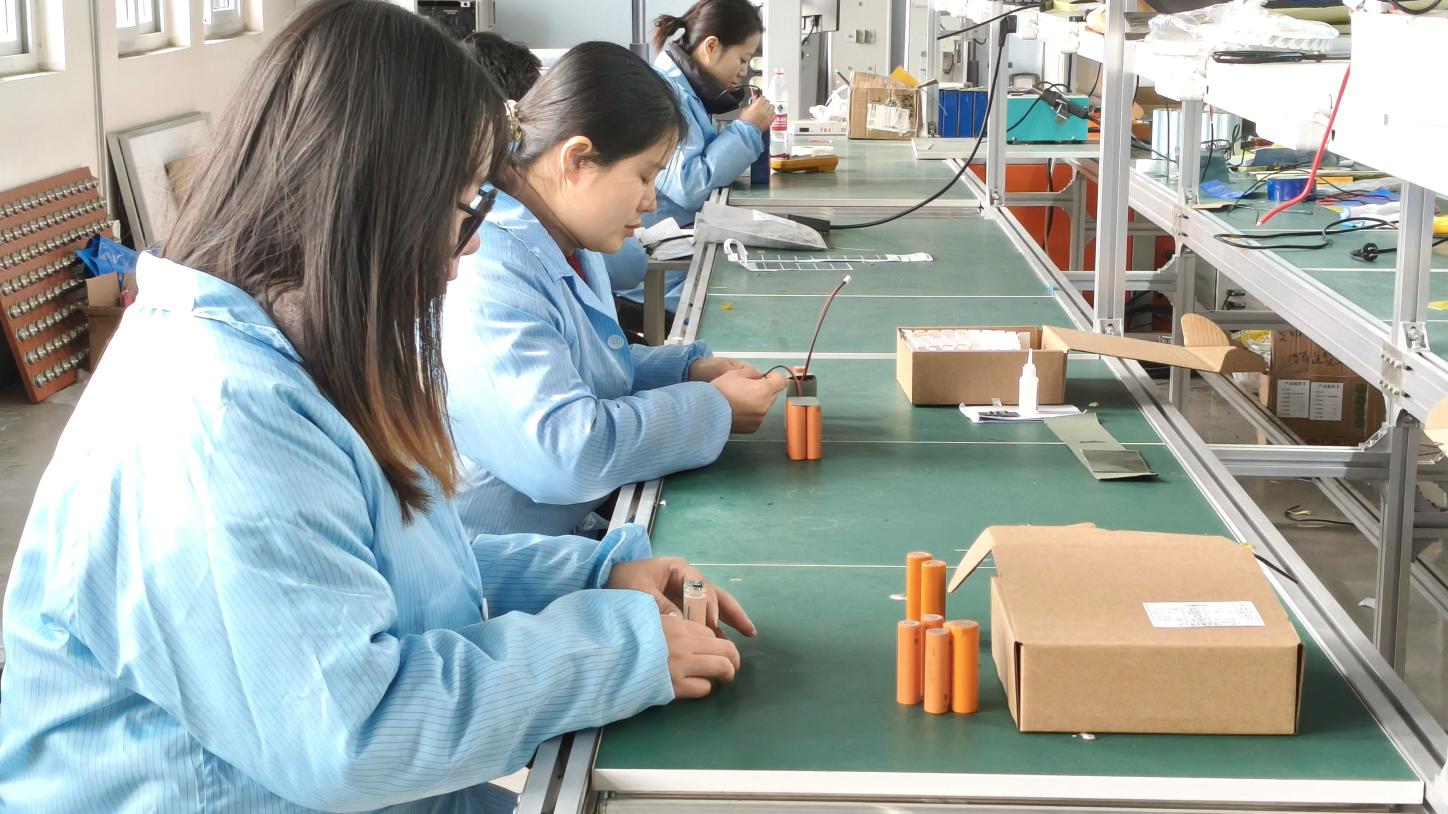
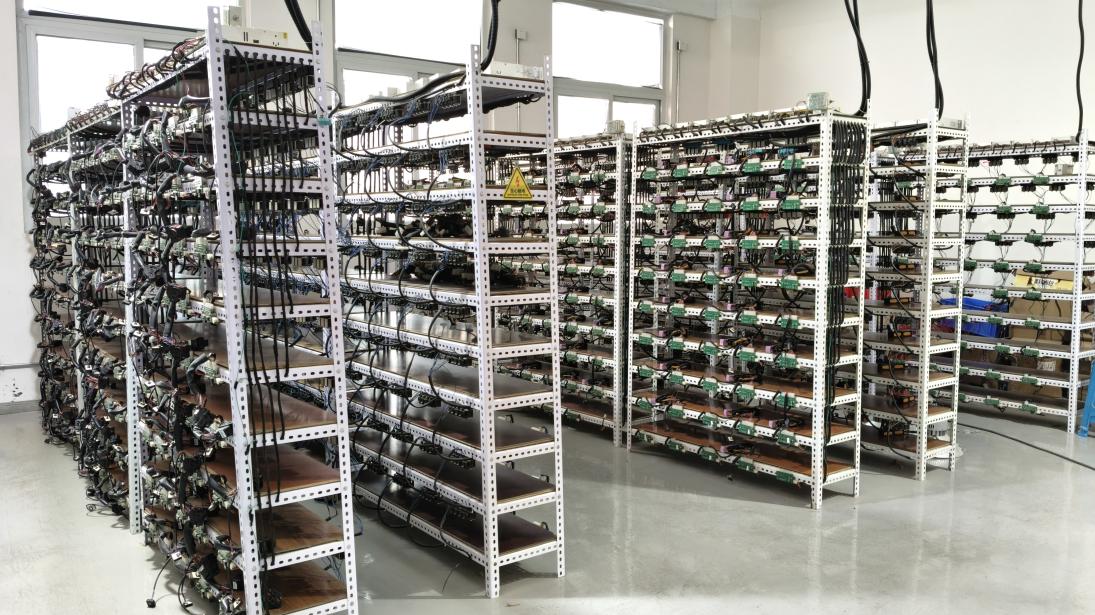
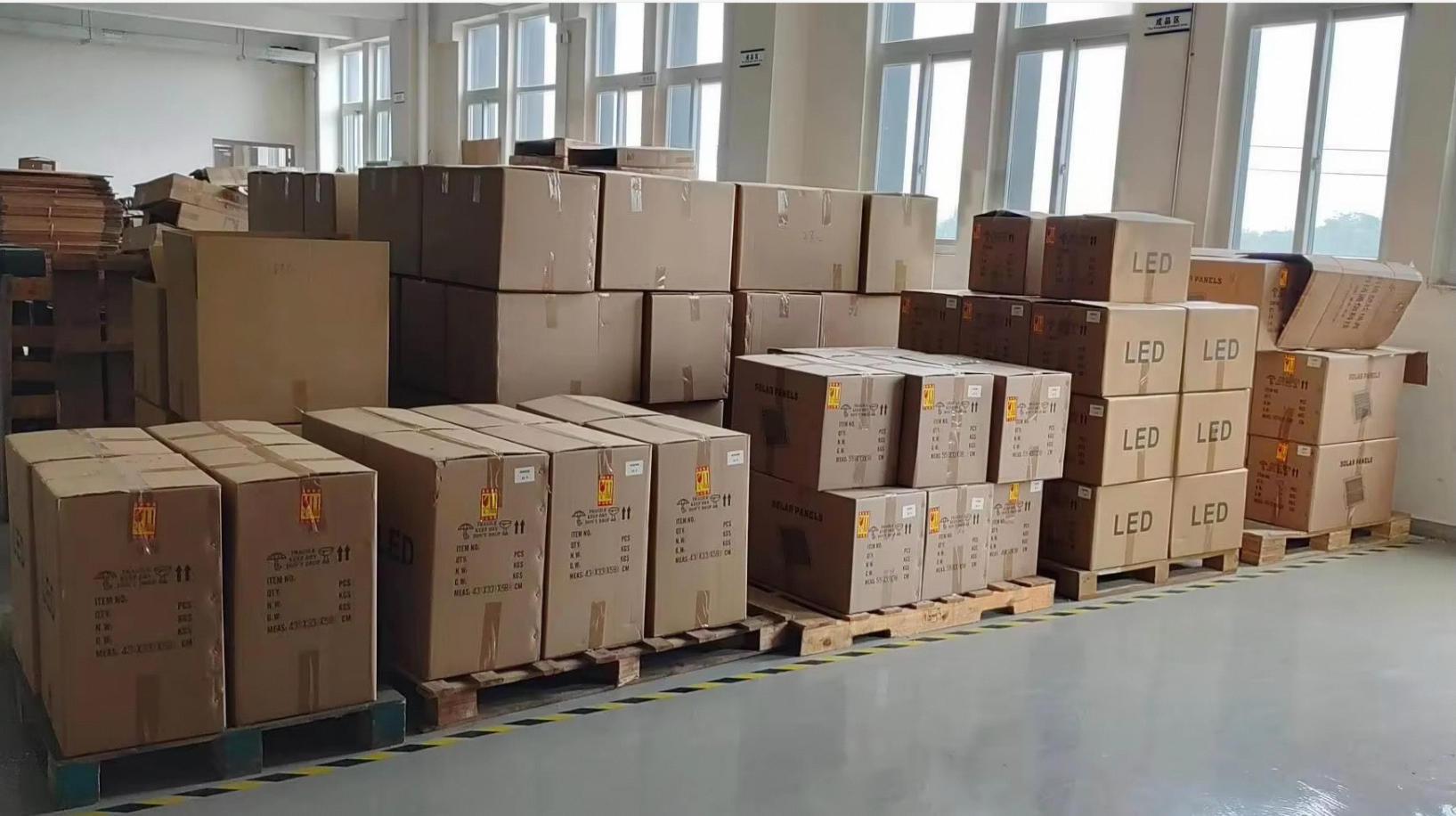
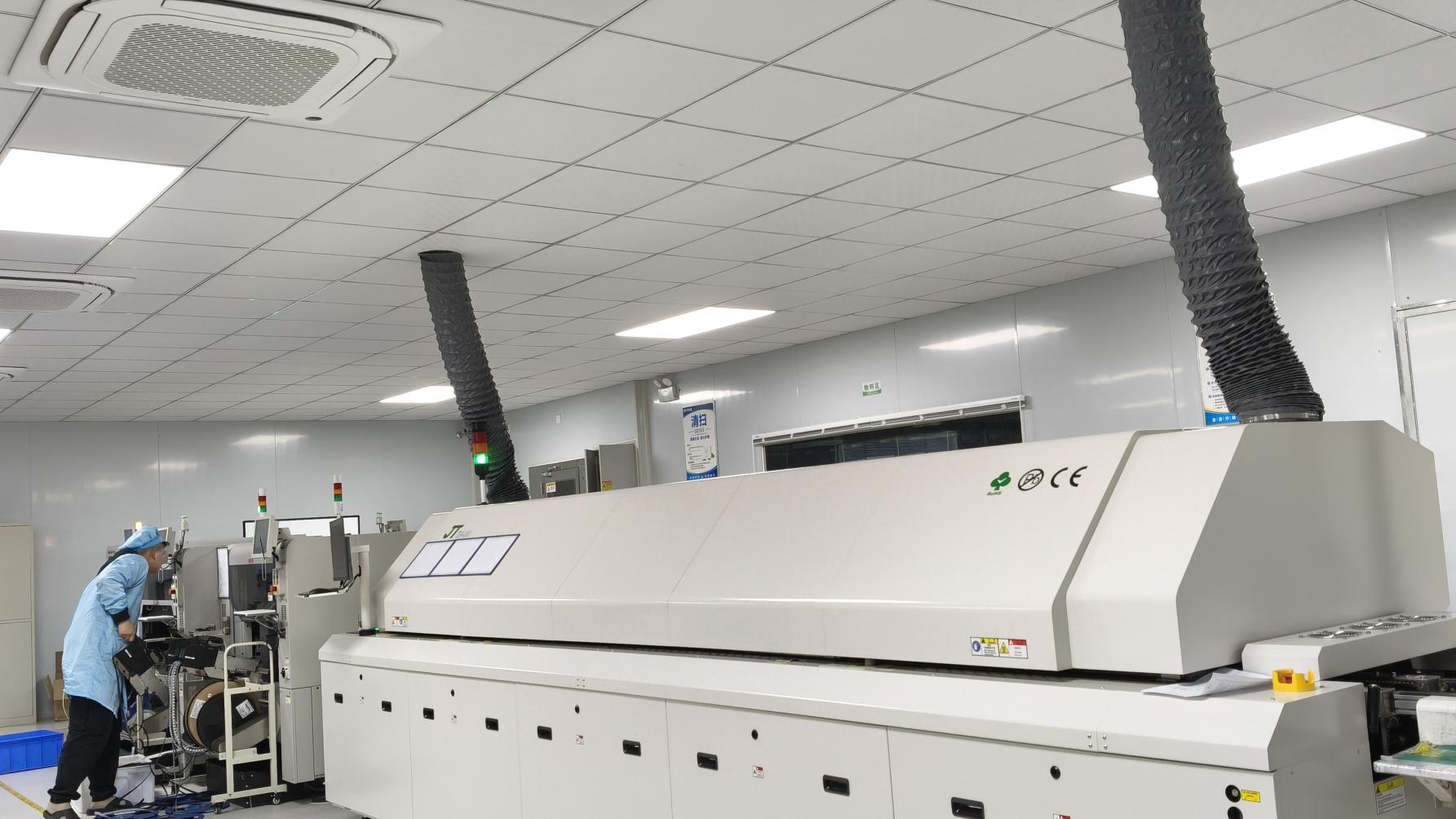
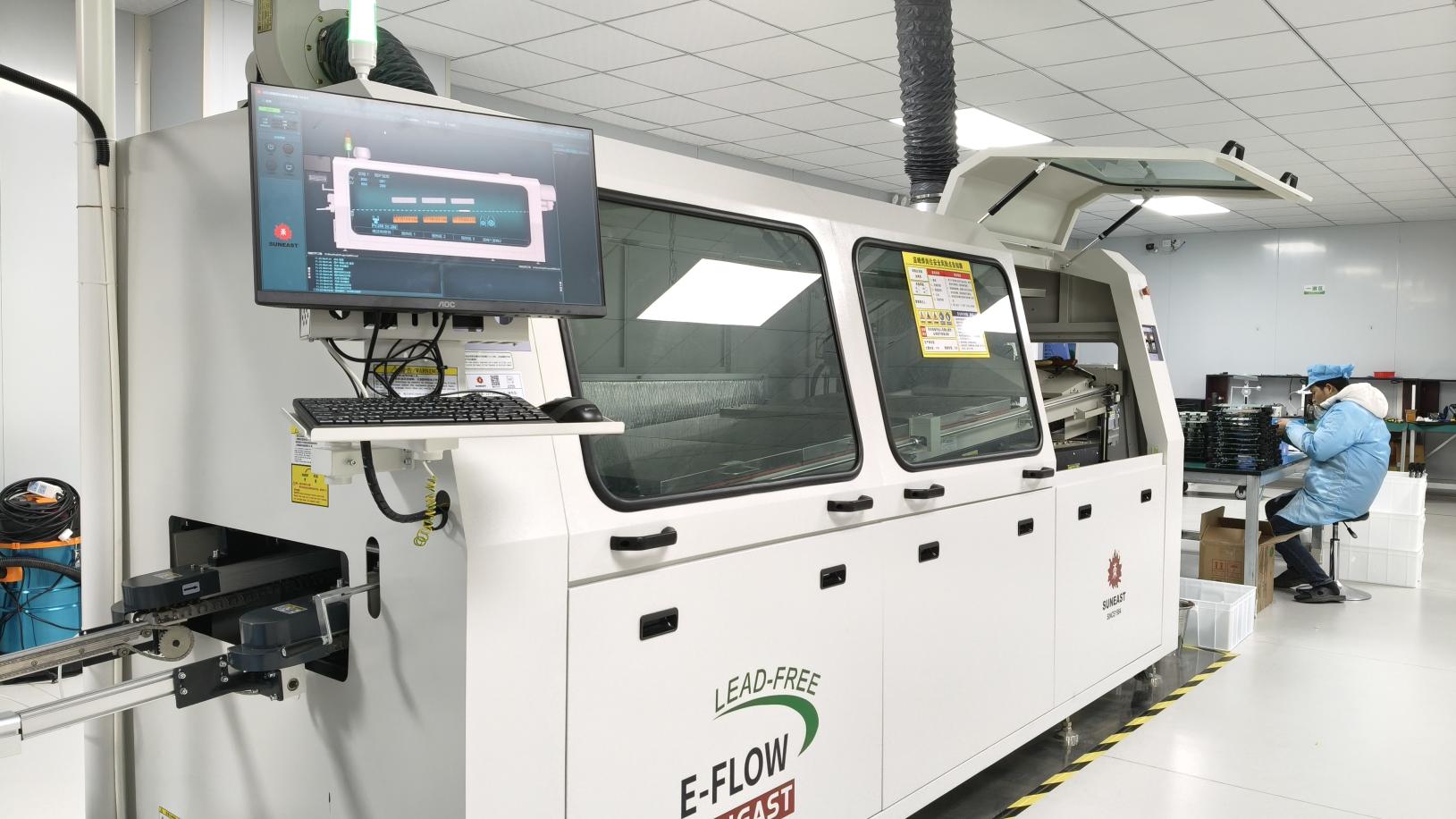
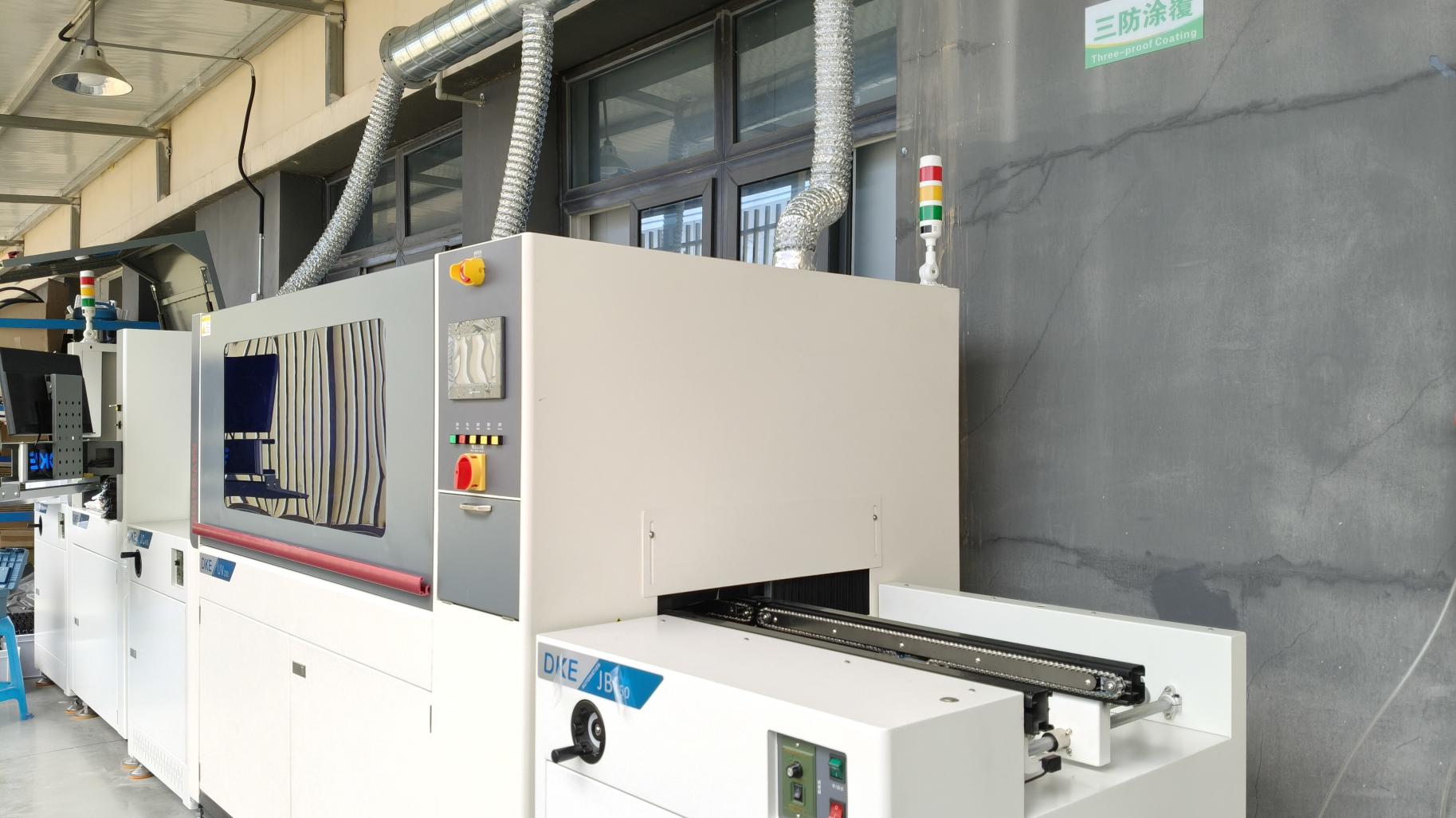
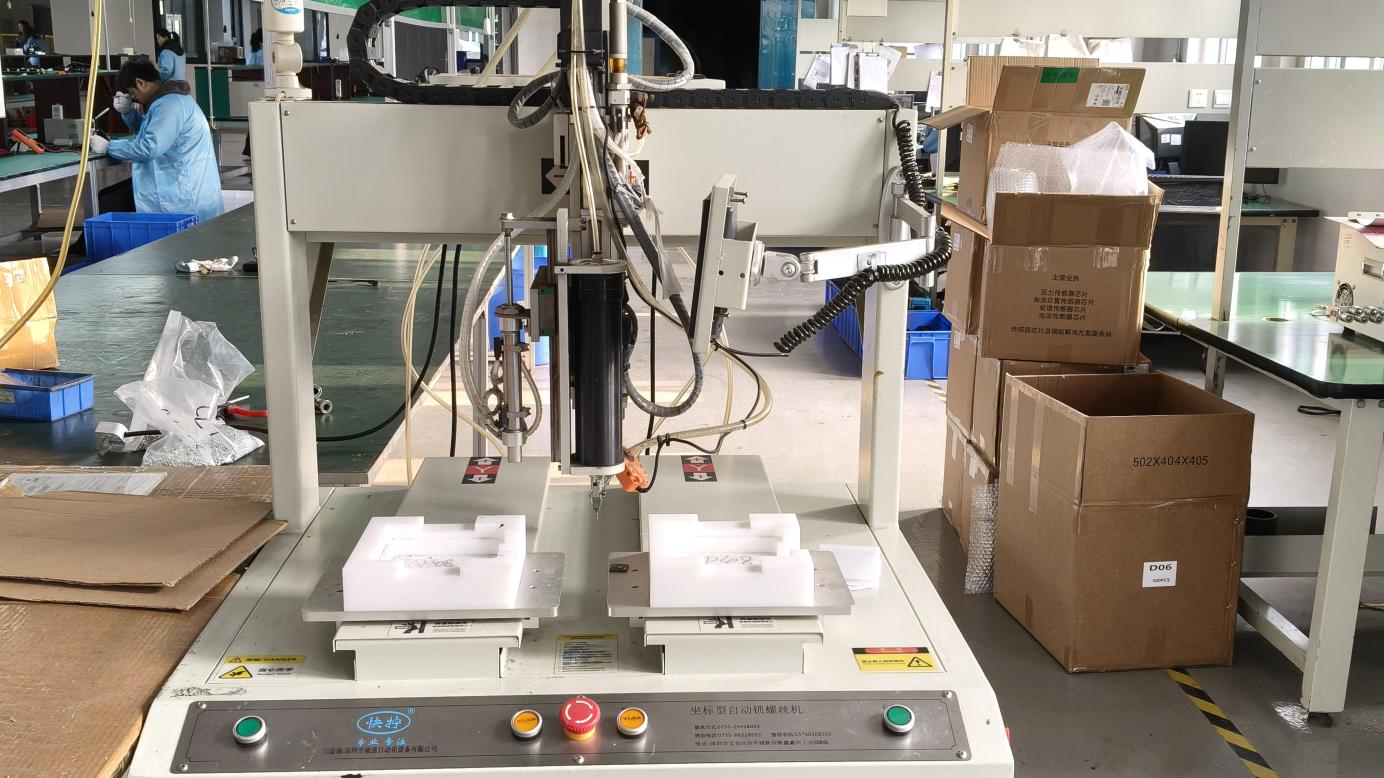
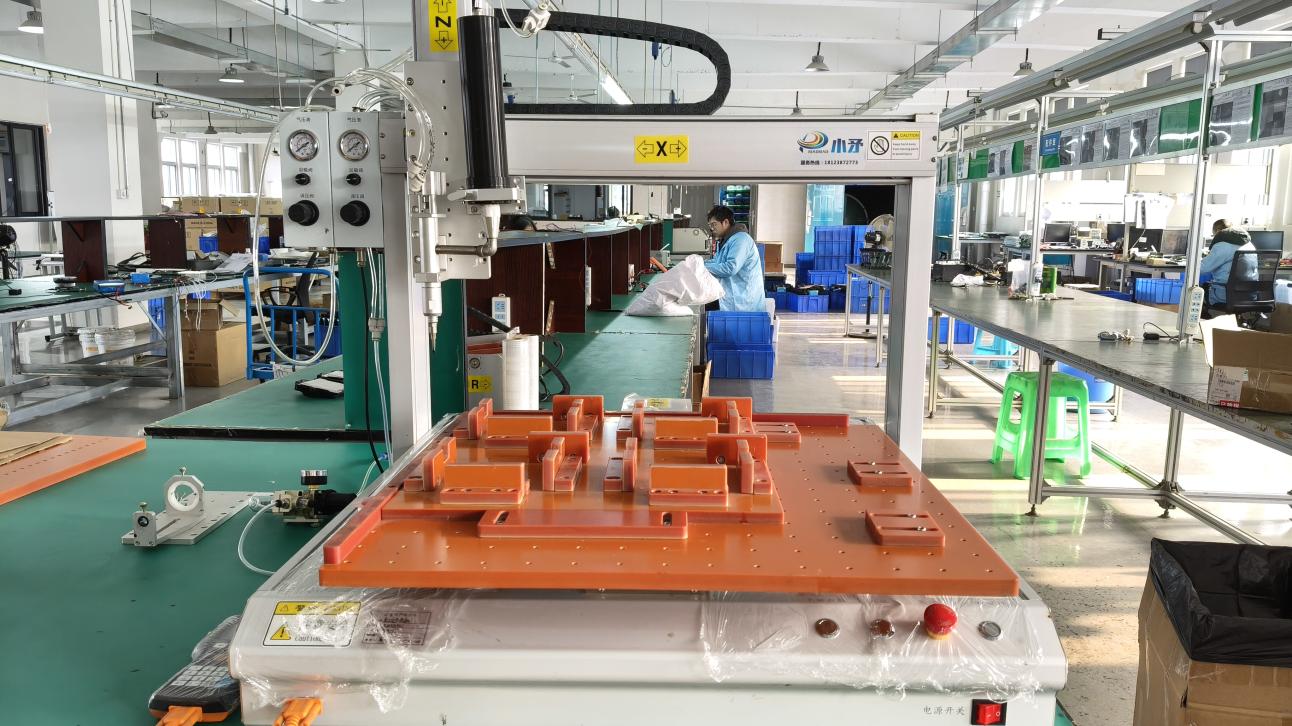
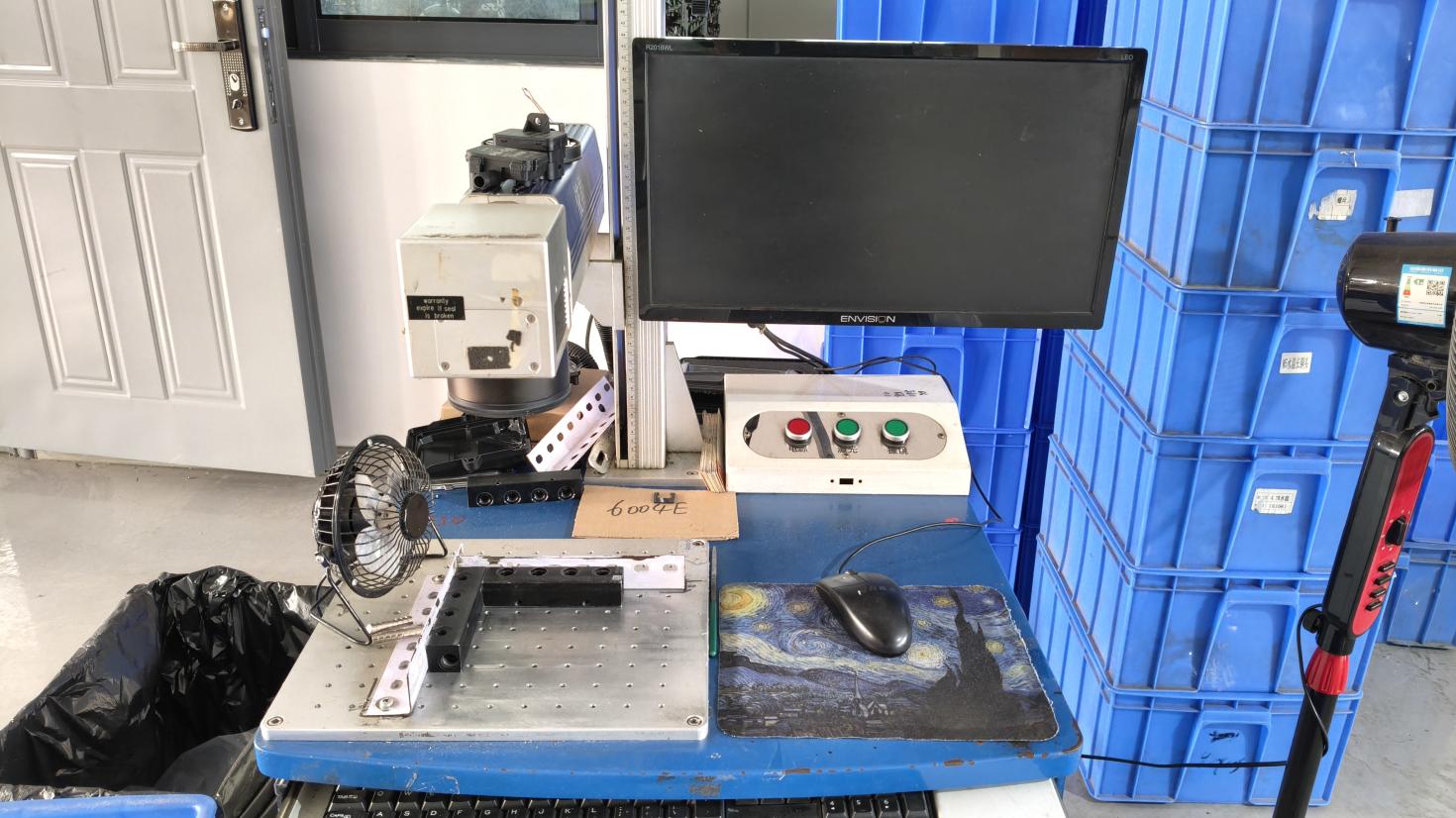
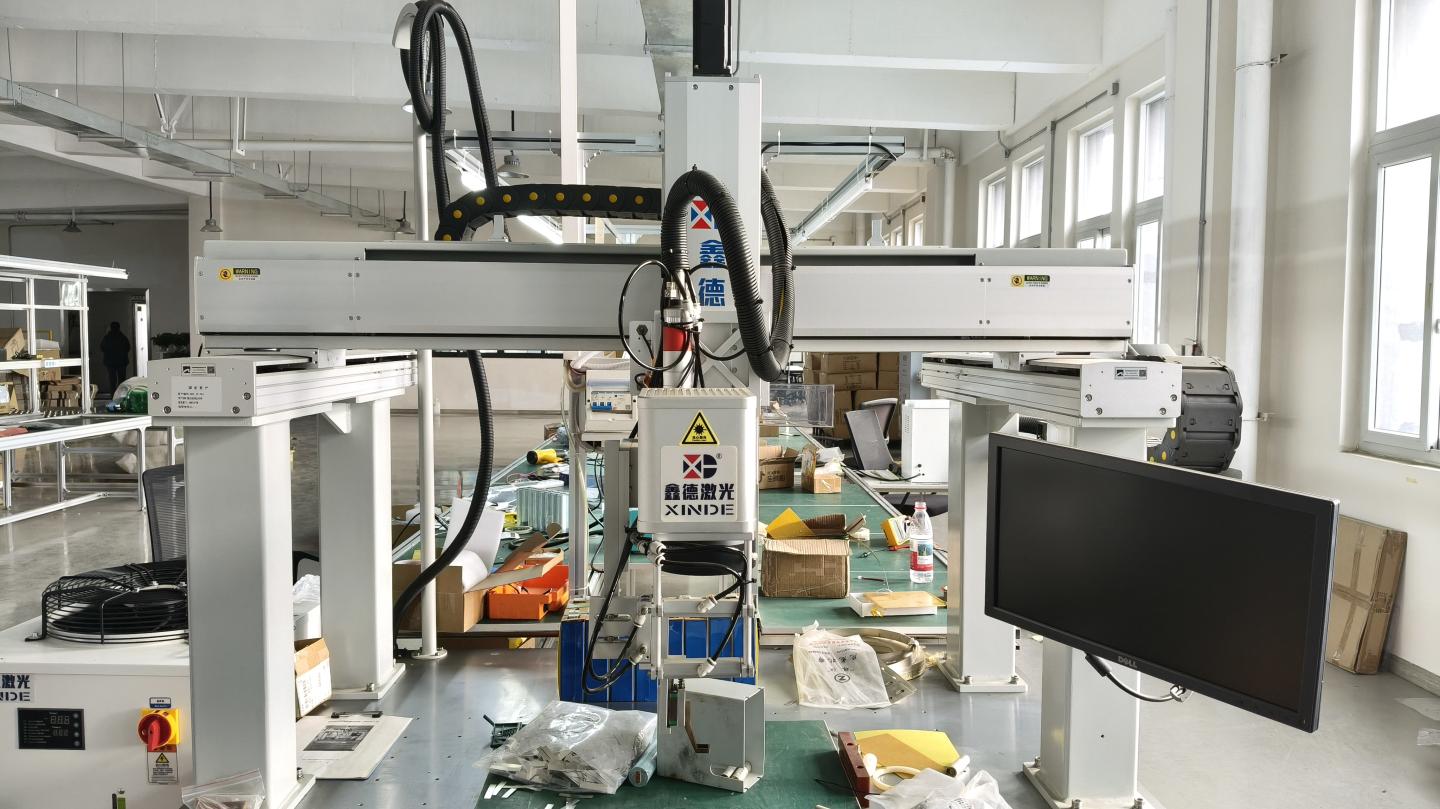
Our modern manufacturing facility in Yangzhou, Jiangsu Province, spans multiple specialized workshops designed to deliver premium quality, high-reliability municipal lighting solutions. Equipped with CNC bending machines, automatic submerged arc welding systems, high-speed SMT production lines, and three-proof coating equipment, our operations are fully integrated. From raw steel pole fabrication to the assembly of sophisticated MPPT solar controllers and LED engines, every process conforms to the highest international criteria, including ISO9001 Quality Management and ISO14001 Environmental Management standards.
By investing heavily in advanced manufacturing technology, we provide flexible OEM and ODM services. We customize battery capacity, LED driver algorithms, wind-load ratings, and architectural finishes to fit the unique codes of various New Zealand councils.

Customizing luminaire configurations, color temperatures, and control algorithms to match regional development demands.
Providing high vertical uniformity, symmetric 360° circular optics, and Warm CCT dimming profiles that encourage evening commerce while maintaining pedestrian safety and visual comfort.
Double electrostatic powder coating finishes coupled with IP66-sealed housings resist the relentless marine humidity, salt spray, and extreme ultraviolet indexes typical of coastal cities.
Integrated motion sensors and smart astronomical dimming schedules ensure illumination is active only when required, maximizing battery reserves through multi-day winter overcast periods.
Critical steps to ensure optimal system sizing, battery longevity, and structural safety under the New Zealand regulatory framework.
Unlike standard Northern Hemisphere designs, solar panels installed in New Zealand must face **True North** to capture maximum daily solar irradiance. Installing panels with an incorrect orientation will result in up to a 60% loss of winter charge efficiency, causing early system failure.
For optimum year-round performance, the panel tilt angle should be configured relative to the site's latitude. For instance, northern regions like **Auckland (approx. 36.8° S)** should utilize a tilt angle of approximately **40°–45°**, whereas southern areas like **Dunedin (approx. 45.8° S)** require a steeper tilt angle of **50°–55°**. This steeper tilt angle assists in shedding winter rainfall and dirt buildup, maintaining a self-cleaning surface.
New Zealand's temperate climate brings frequent, multi-day winter weather fronts with low solar insolation. Designing a solar lighting system based on average summer insolation values is a primary cause of premature failure in public infrastructure.
We configure our systems to support a minimum of **3 to 5 Autonomy Days** (dependability without sunshine). Our LiFePO4 batteries are paired with intelligent smart MPPT controllers programmed to automatically switch to dimming mode if the battery charge falls below 30% capacity. This ensures public safety zones remain continuously lit even during prolonged winter storms.
Complete product spectrum offering variable wattages, optical distributions, and mechanical footprints to fit commercial, industrial, and public specifications.
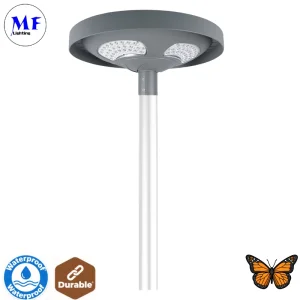
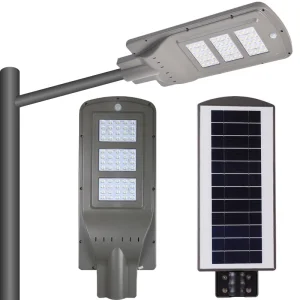
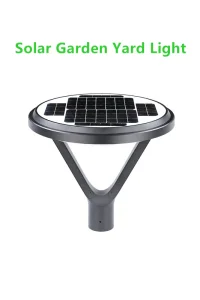
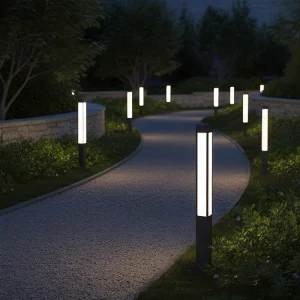
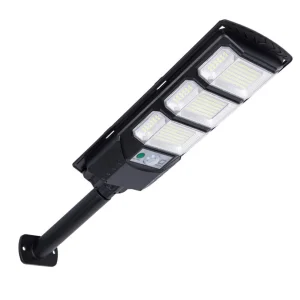
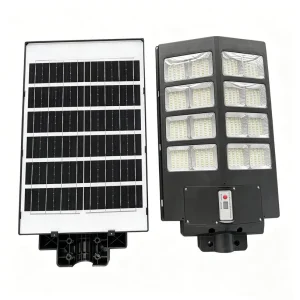
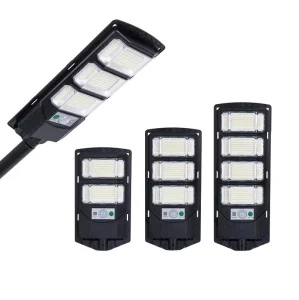
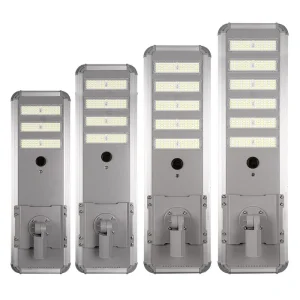
Providing expert answers to common structural, environmental, and compliance questions regarding solar plaza lights for the New Zealand market.
Speak to our senior engineering team today to receive localized wind-load calculations, dialux lighting layouts, and customized specifications for your next New Zealand plaza project.
Send Inquiry Now OneAll Lights