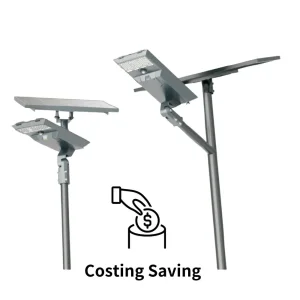
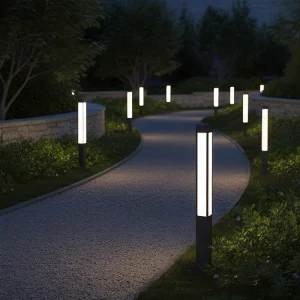
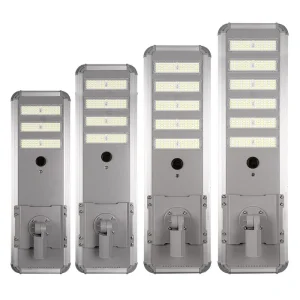
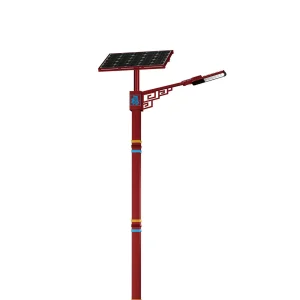
Greece’s unique geographic makeup—combining vibrant urban centers like Athens and Thessaloniki, historic ancient ruins, and over 6,000 islands—poses distinct challenges for public lighting infrastructure. With high annual solar irradiance exceeding 1,700 kWh/m² across the Aegean region, solar technology stands as the most viable, eco-friendly, and cost-effective lighting alternative. Traditional trenching for electrical conduits is notoriously expensive and often legally restricted near Greece’s archaeological preservation zones, making self-contained, high-performance solar lighting a non-negotiable architectural priority.
At Yangzhou OneAll Lights Co., Ltd., we serve as a premier strategic partner and manufacturer for commercial-grade solar plaza lights globally and specifically within the Hellenic market. Engineered to withstand intense Mediterranean UV radiation and high saline marine environments, our lighting fixtures deliver unparalleled durability, smart power management, and optimized photobiological safety standards in strict compliance with EU CE and EN 13201 regulations.
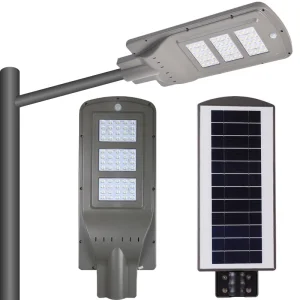
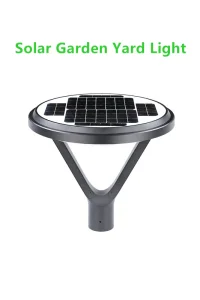
Engineered for urban centers, public squares, historical walk paths, and coastal resorts across Greece.
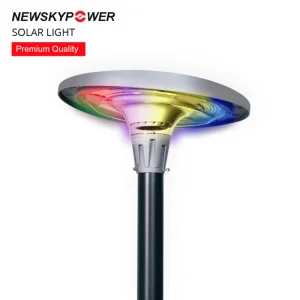
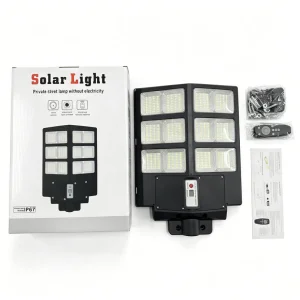
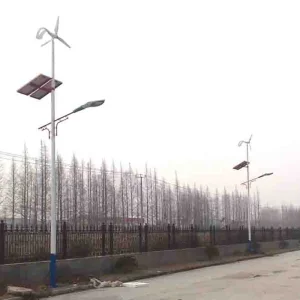
Understanding the intersection between global clean technology transitions and Mediterranean operational environments.
Greece possesses the longest coastline in the Mediterranean basin. Standard outdoor lights quickly fail due to salt oxidation. Our manufacturing utilizes hot-dip galvanizing alongside high-adhesion fluorocarbon powder coating, meeting the C5-M high-salinity marine grade test for over 10 years of corrosion-free performance.
Every commercial development in Athens or Crete requires strict lighting distribution alignment. Our proprietary optical lenses disperse light in type II/III distributions, ensuring optimal uniformity, minimal glare, zero sky glow, and complete preservation of the Mediterranean night sky.
Greek municipalities frequently face dust storms originating from the Sahara. If dust accumulates on panels, efficiency drops by 30%. Our solar plaza lights feature dynamic architectural tilts (optimized at 30° to 35° facing south) and optional self-cleaning glass surfaces to minimize retention.
Engineered with heavy-duty construction to survive extreme island wind loads and remote mountain climates.
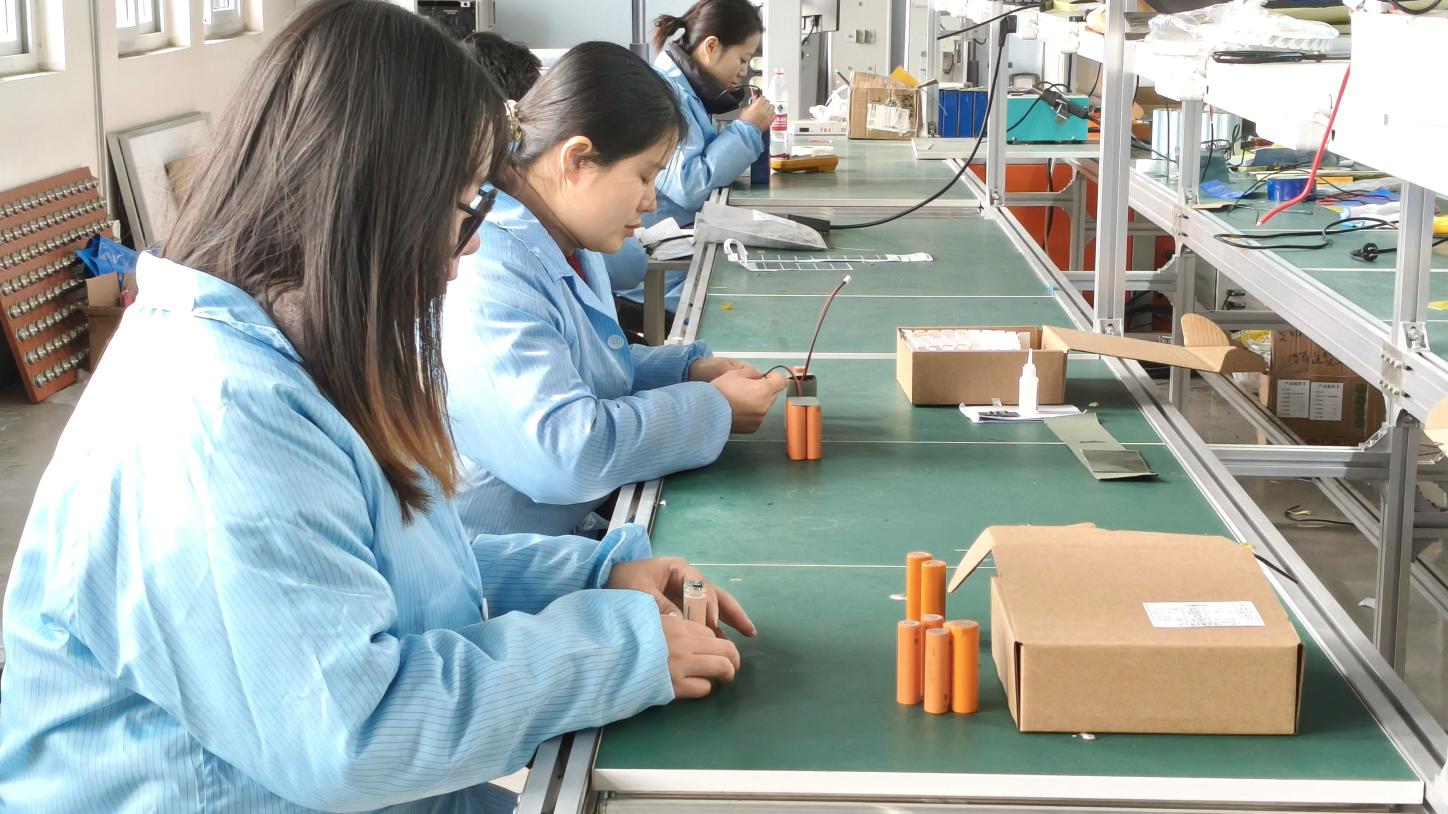
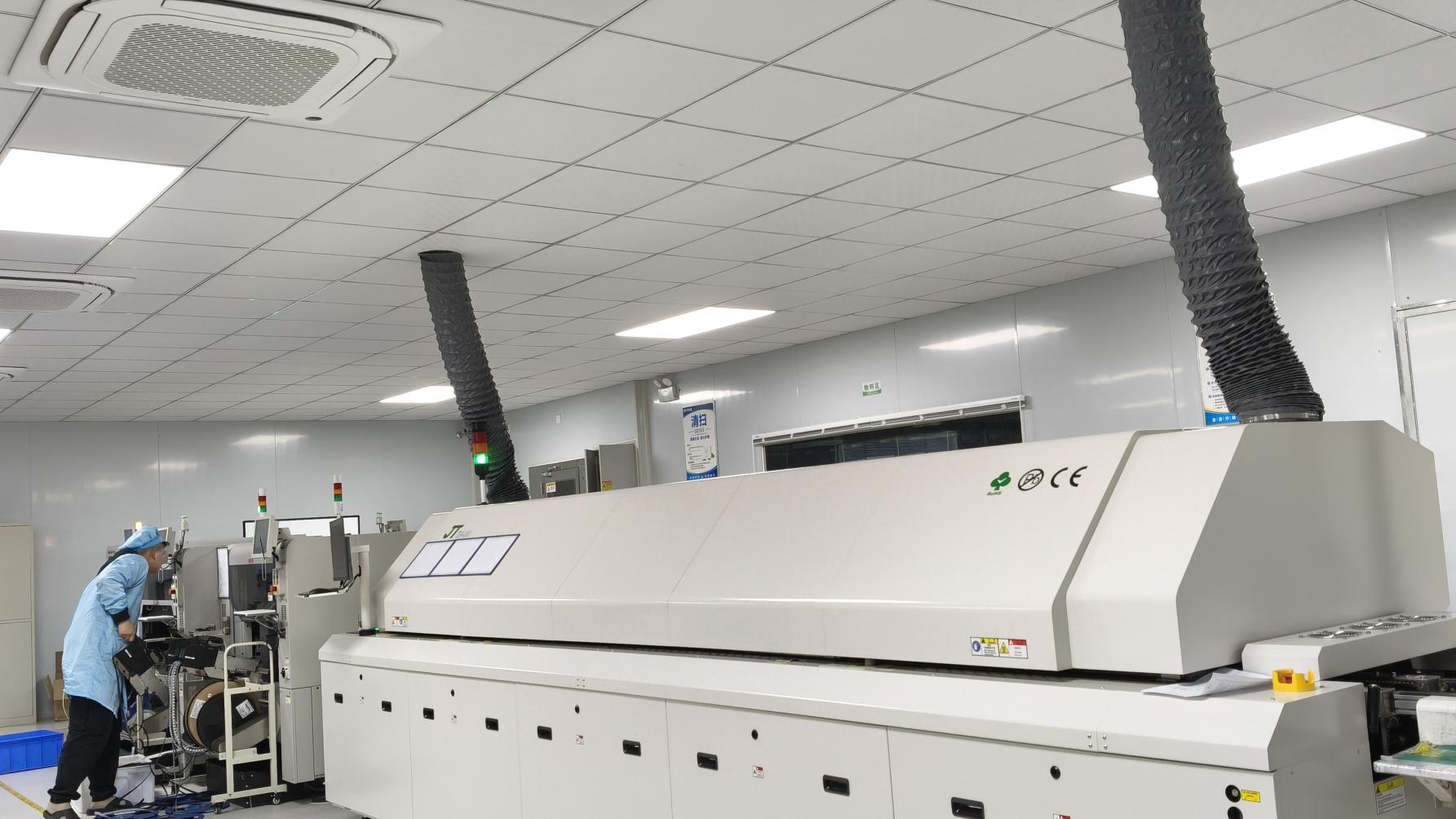
Established in 2003 in Yangzhou, China—the global epicenter of outdoor light pole and illumination assembly—Yangzhou OneAll Lights Co., Ltd. has spent over two decades developing high-end infrastructure. Our facility covers modern production divisions including CNC bending, automated submerged arc welding, precise laser cutting, electrostatic powder coating lines, and a high-accuracy aging testing facility.
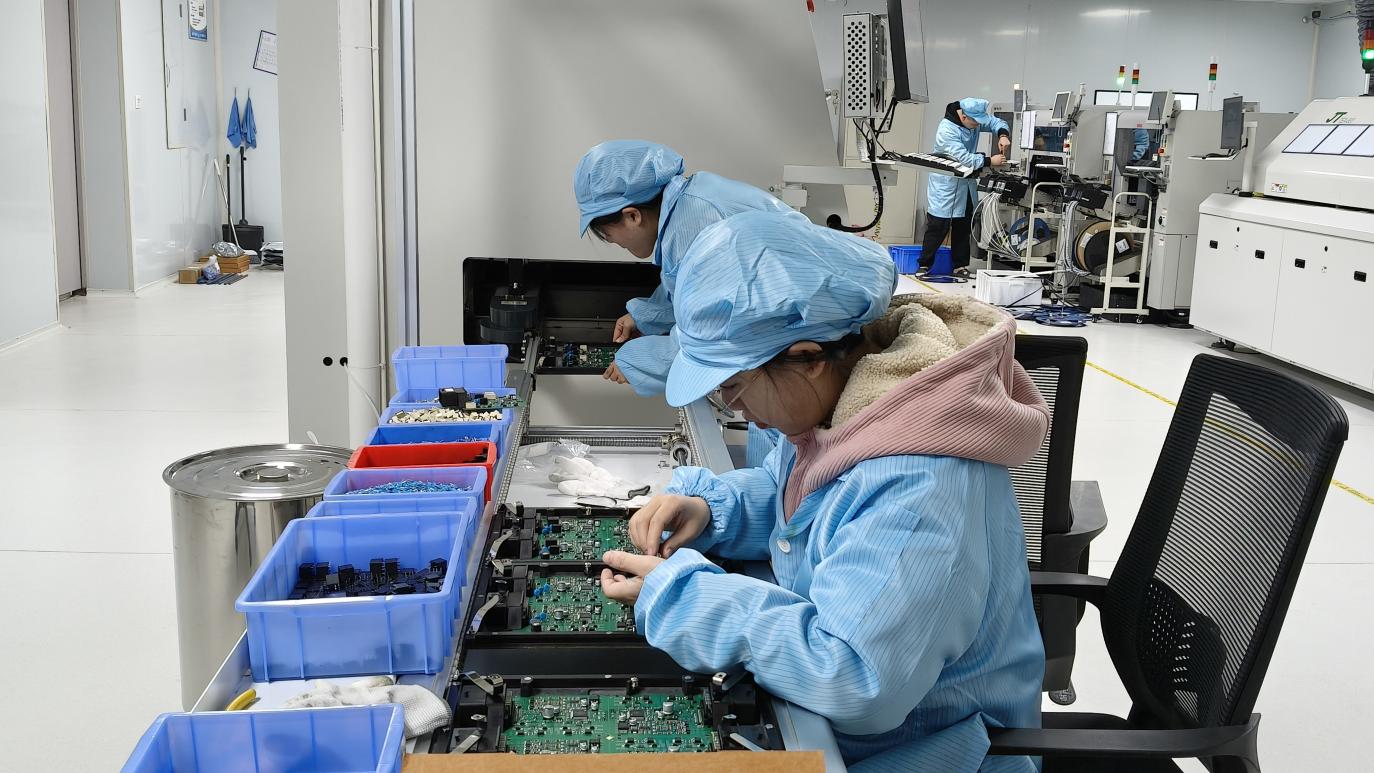
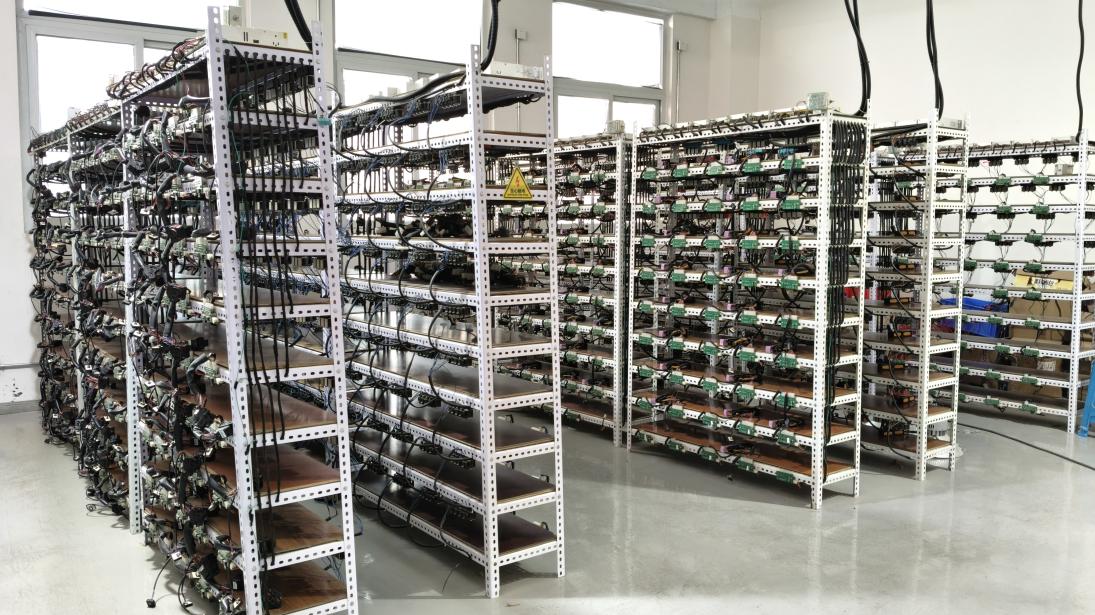
We recognize that importing lighting solutions to Greece requires uncompromising trust. Holding full ISO9001 Quality Management System, ISO14001 Environmental System, and direct CE / CQC certifications, we execute strict production-flow testing. Every circuit board undergoes protective three-proof coating application to protect against relative humidity, salt mist, and insects. Prior to seaworthy packing, every production batch completes a mandatory 72-hour aging and temperature-cycle test.
Schedule Virtual Factory TourWhy Global Engineering Firms Choose OneAll
"The quality control of lighting poles and components is the primary driver of infrastructure lifespan. In coastal Mediterranean sites, a standard hot-dip galvanized steel pole will begin showing signs of white rust within two years if the zinc layer is insufficient. Our production line maintains a zinc-layer coating thickness exceeding 85 μm in compliance with EN ISO 1461, guaranteeing a rust-free service life exceeding 25 years."
- R&D Director, Yangzhou OneAll Lights Co., Ltd.
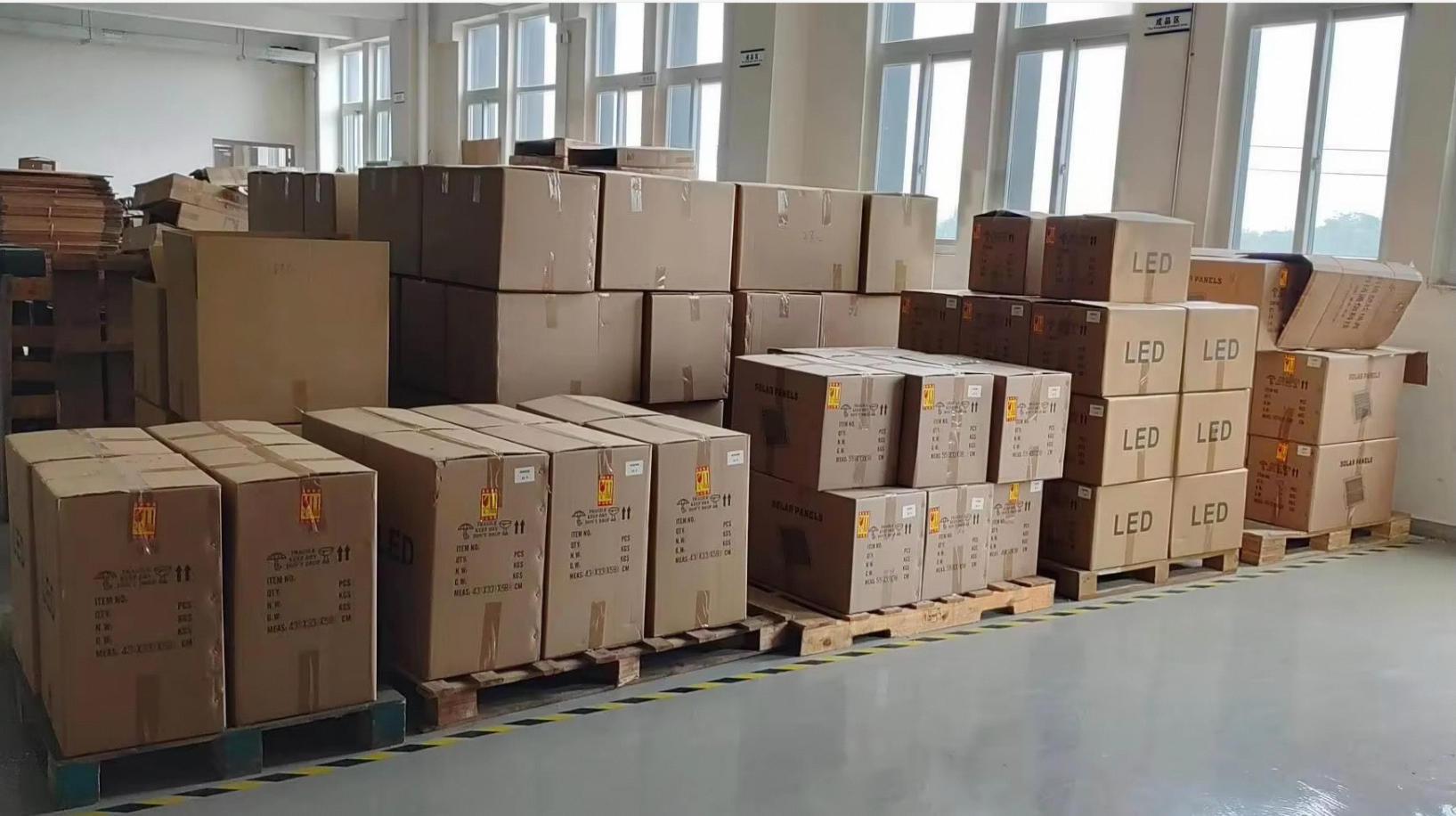
Unveiling the state-of-the-art machinery and rigorous quality control workflows in our production plant.
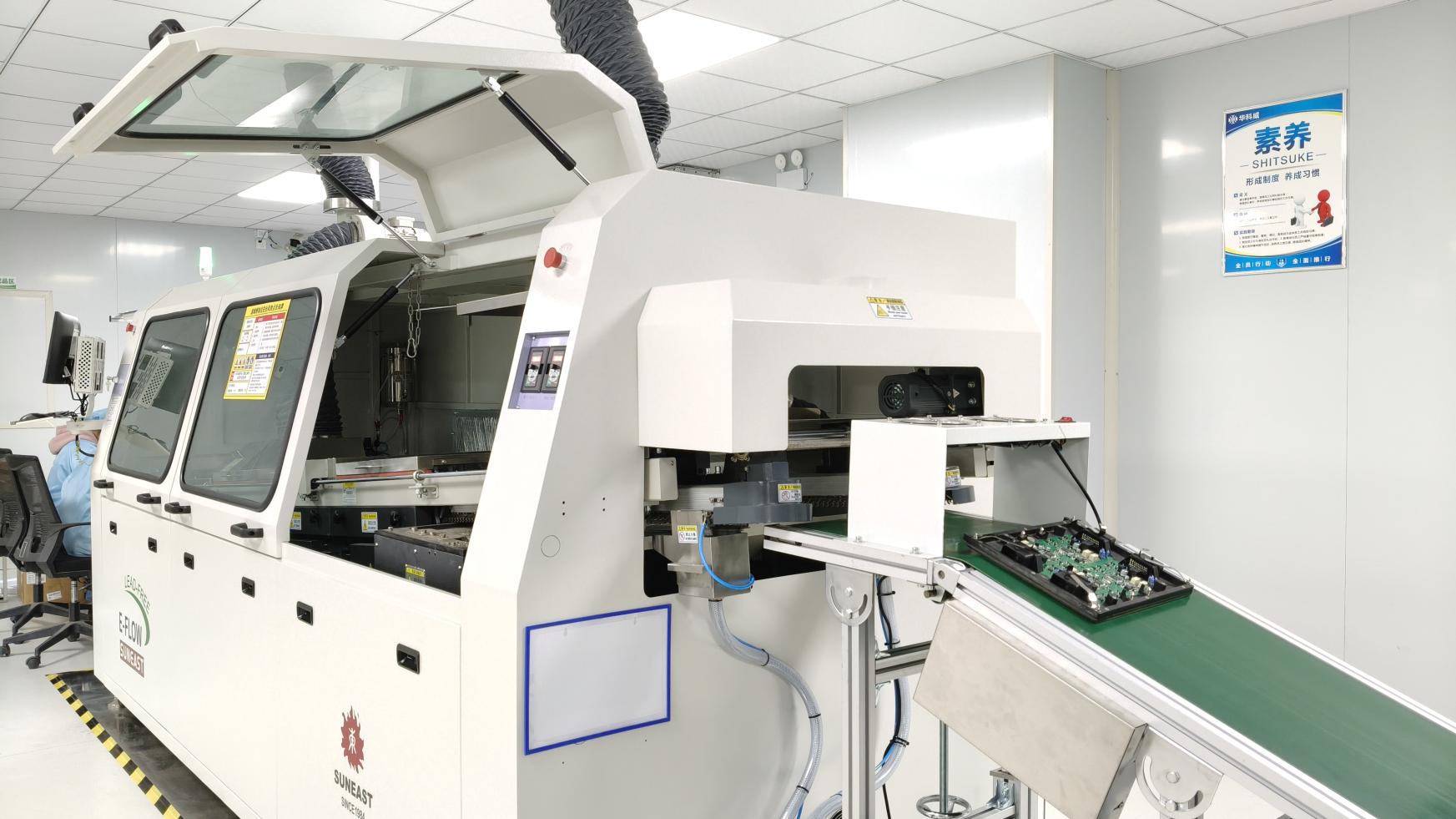

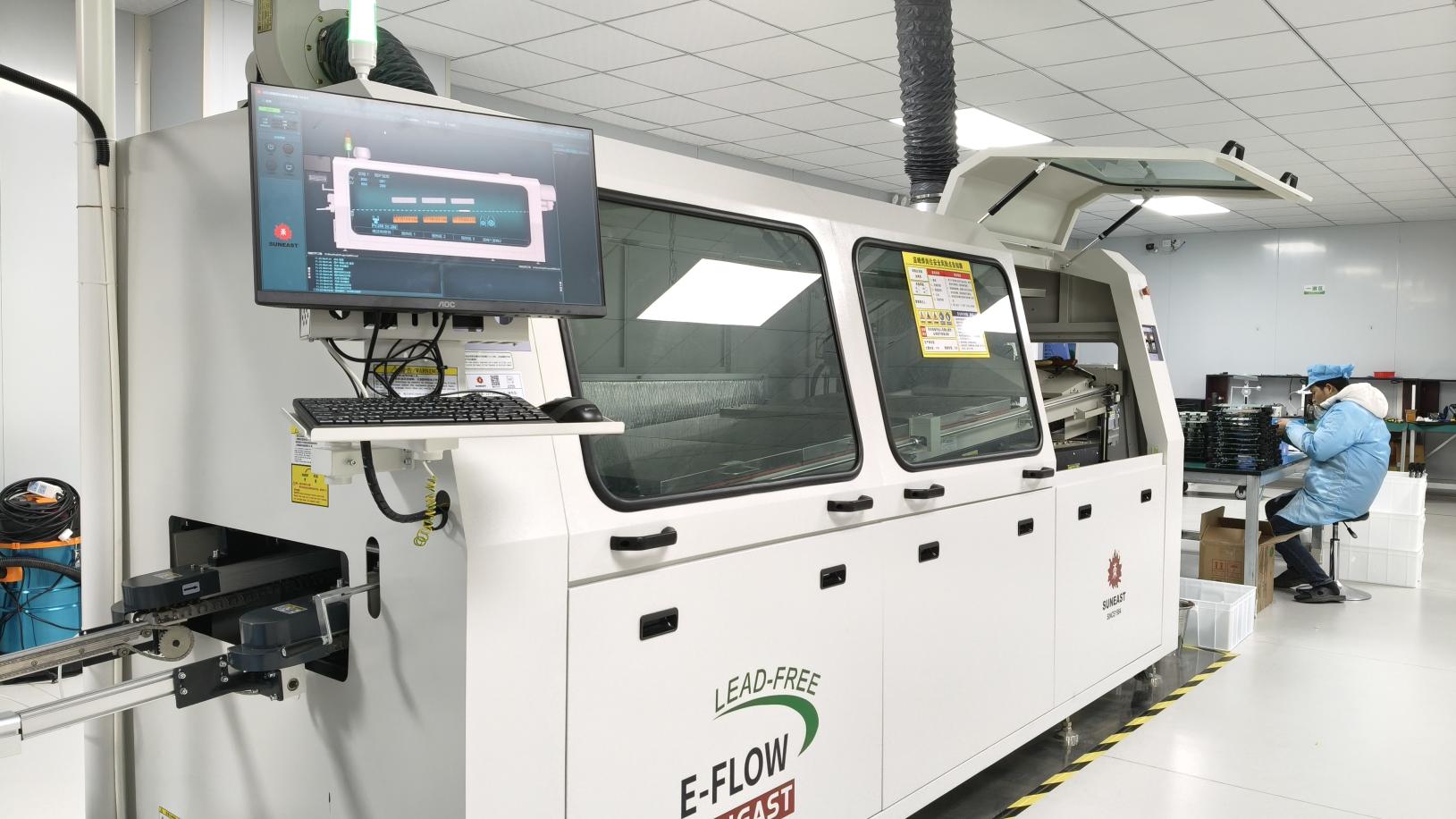
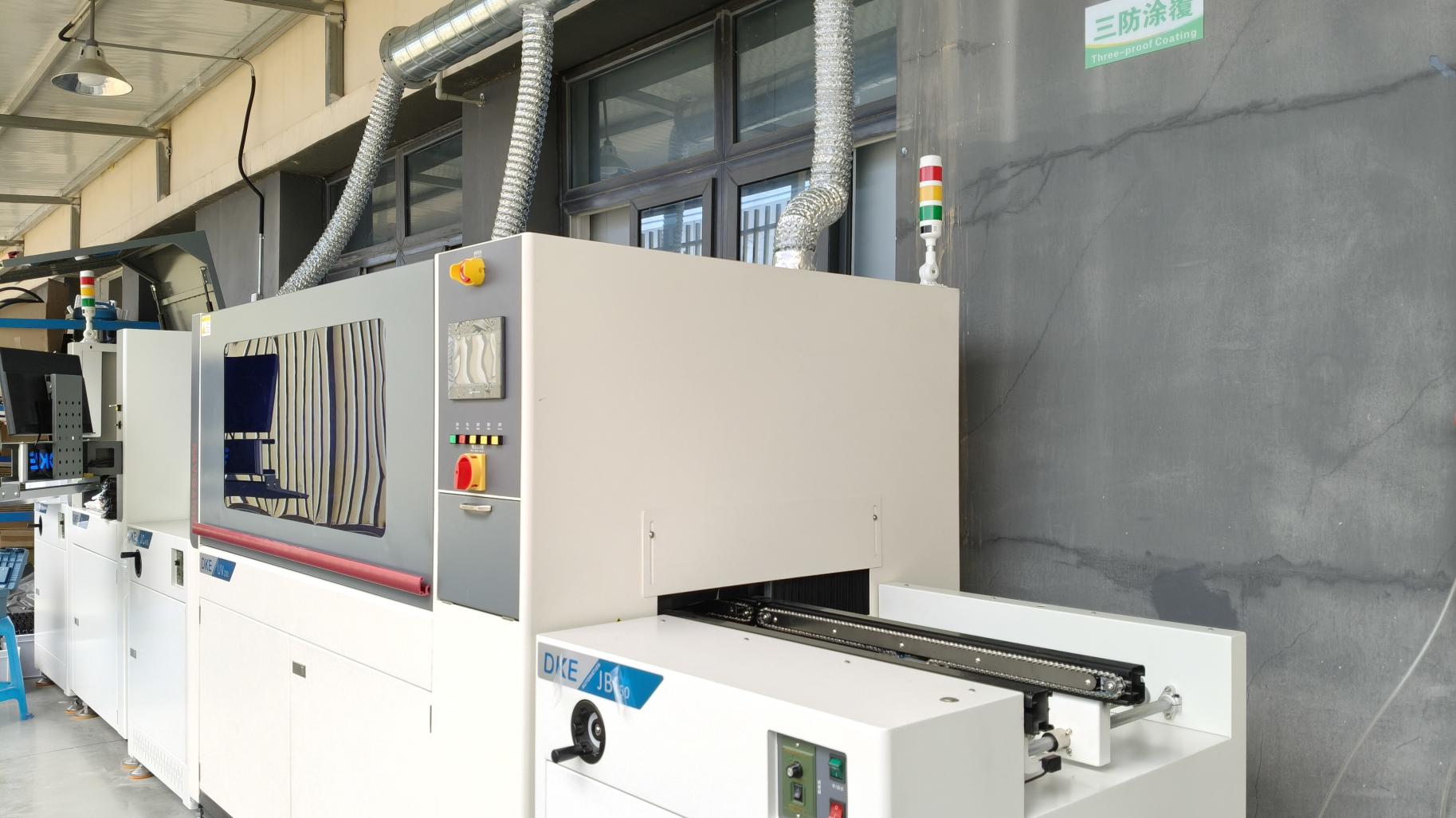
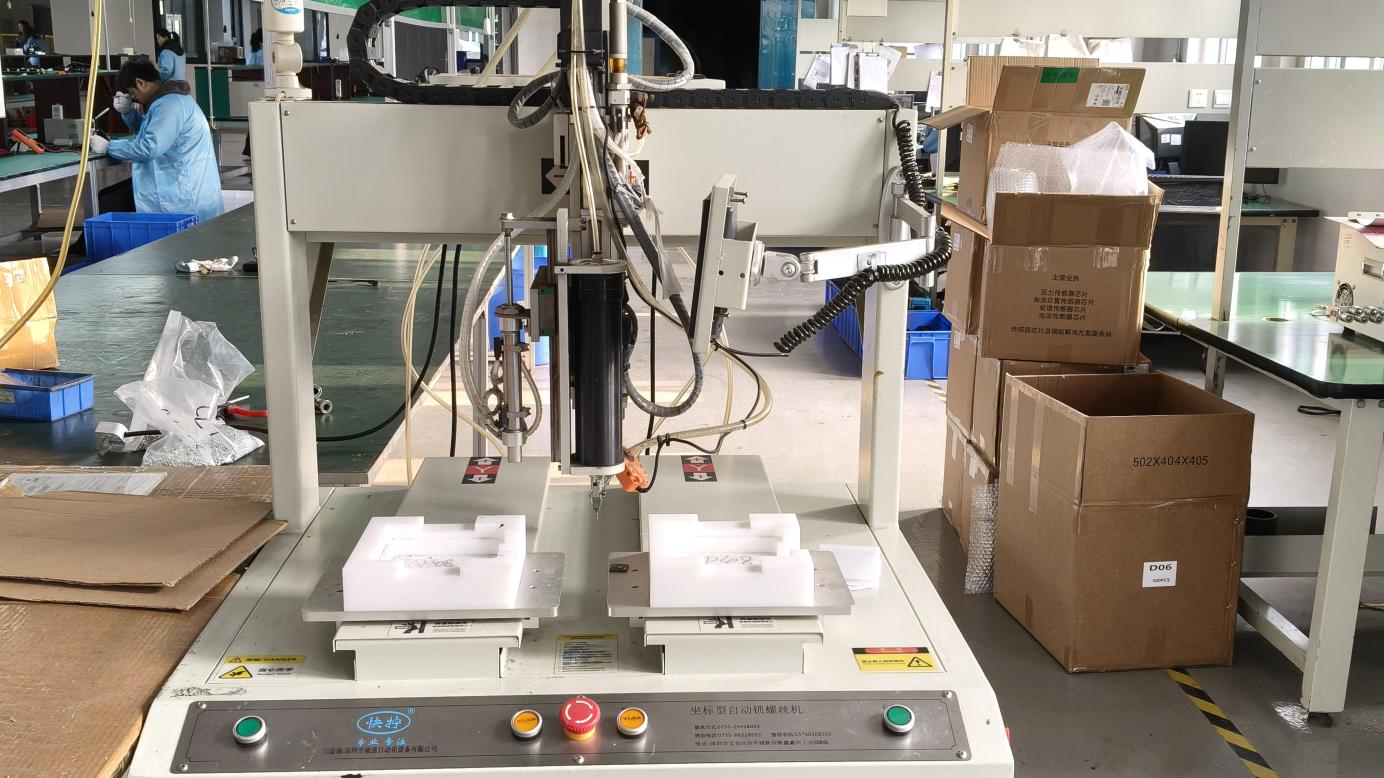
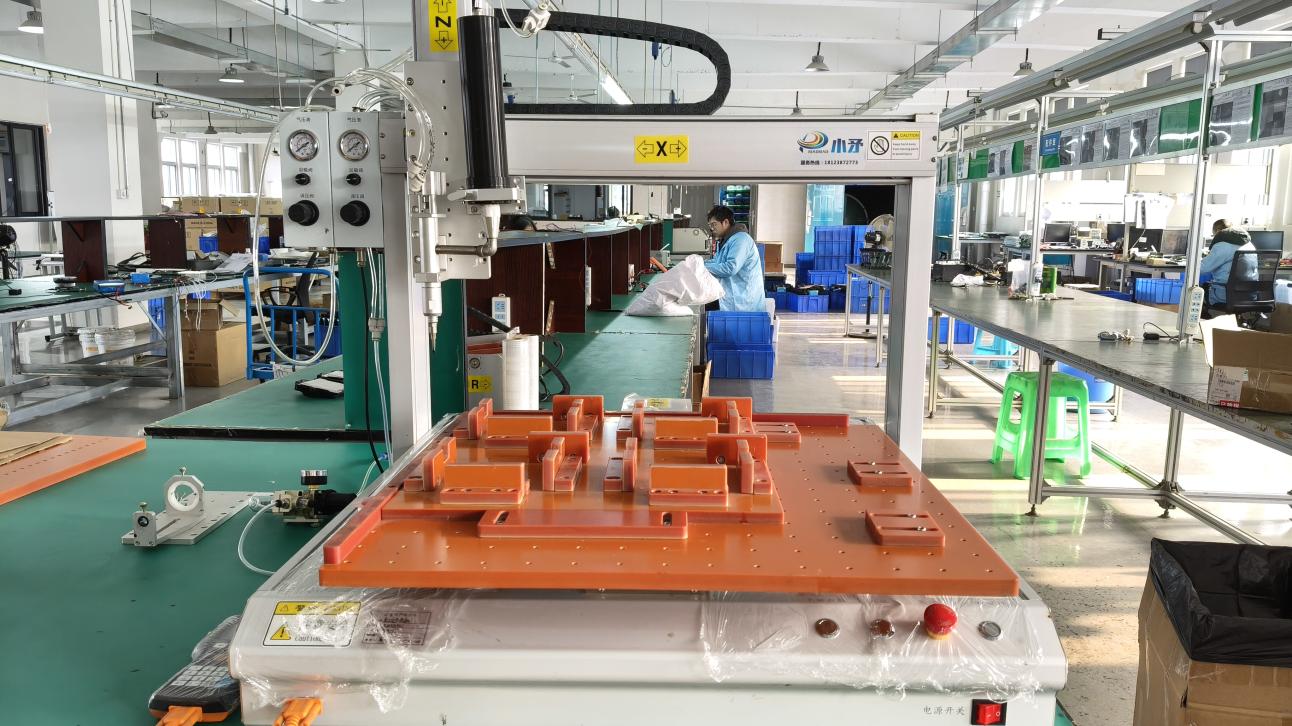
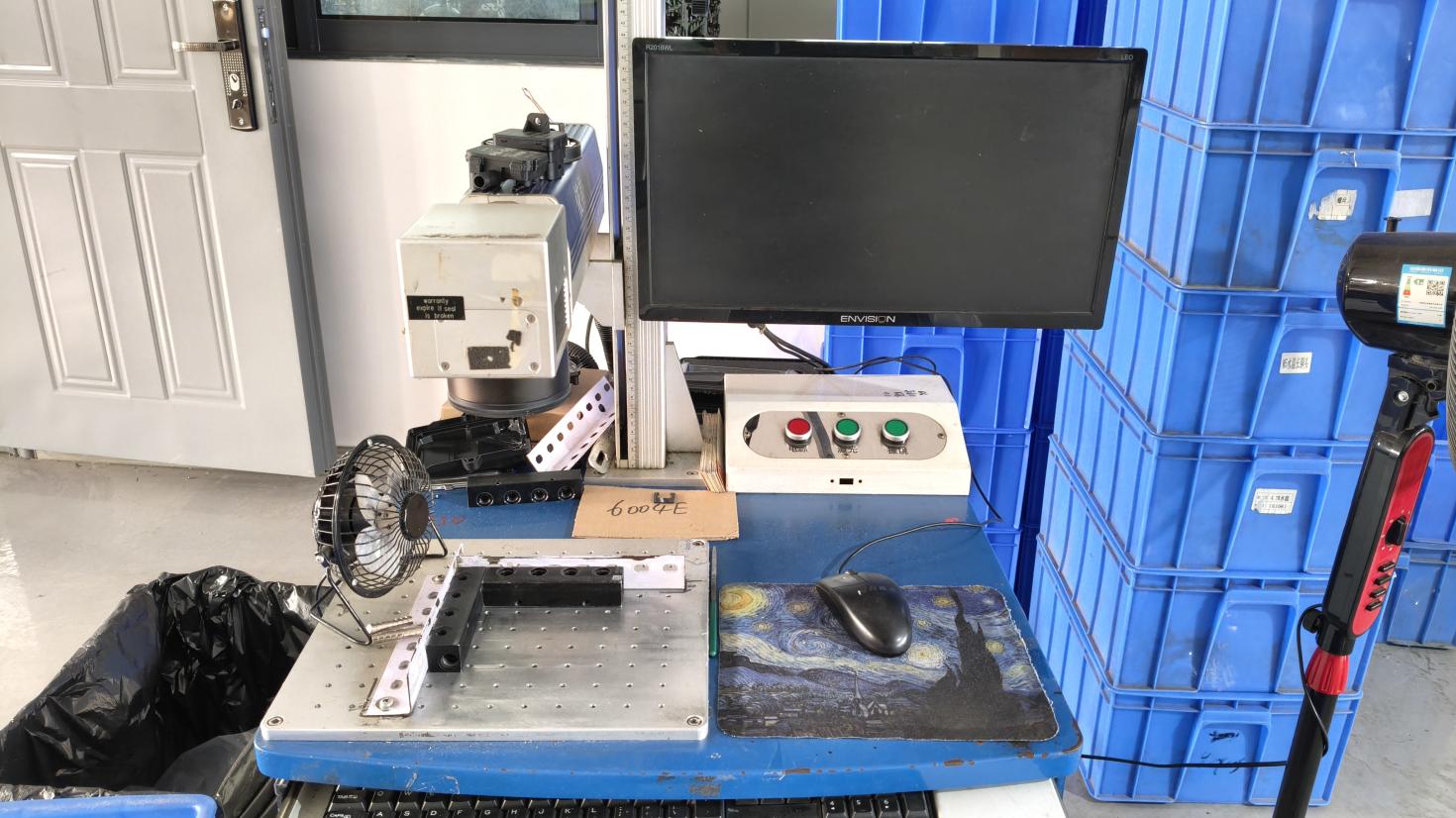
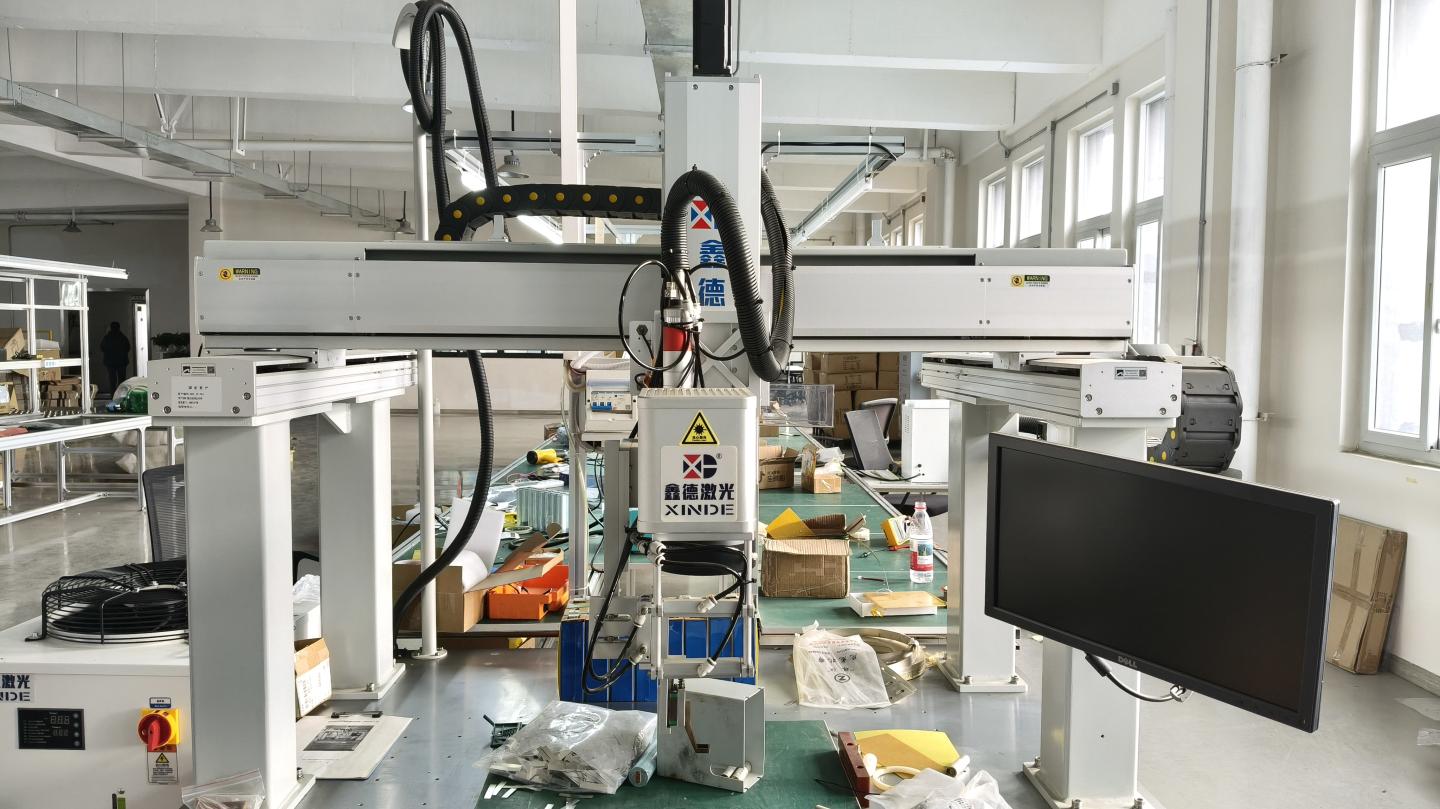 Laser Welding Unit
Solving the key vulnerability in high-temperature solar applications: battery degradation.
Summer temperatures in Southern Greece (e.g., Peloponnese, Attica, and Rhodes) often exceed 40°C. In conventional solar lights using low-cost Ternary Lithium (NMC) batteries, high temperatures trigger rapid capacity decline, leading to system failure within 18 months. Our engineering team utilizes custom LiFePO4 chemistry encased in a vacuum-sealed aluminum protective container containing an integrated thermal expansion barrier.
Our smart MPPT charge controllers dynamically adjust the charging parameters based on real-time temperature sensing. If internal battery temperature crosses 55°C, the controller activates a soft-capping algorithm, slowing the rate of charge to minimize heat buildup, thereby extending the battery operational lifespan to over 3,000 cycles (approximately 8-10 years of daily operation).
In architectural design, the concept of "Autonomy Days" defines whether a system will continue lighting during consecutive overcast or rainy days. Greece enjoys high sunshine indexes, but winter storm systems can cloud coastal cities for 3 to 4 days consecutively.
By deploying smart microwave motion sensors combined with intelligent time-profile dimming (e.g., 100% brightness for the first 3 hours, 30% brightness during low-activity midnight hours, and ramping back to 100% when motion is detected), our solar plaza lights guarantee 5 to 7 days of continuous illumination without direct sunshine.
Consult with our Lighting ArchitectsB2B catalog of our high-luminance, high-reliability solar fixtures featuring full EU certification and warranty.
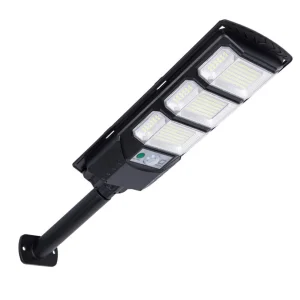
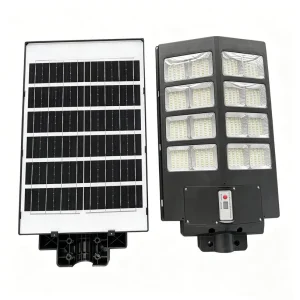
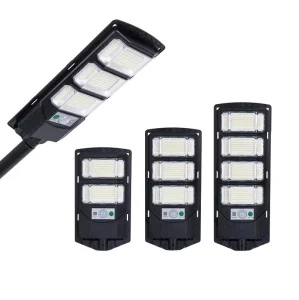
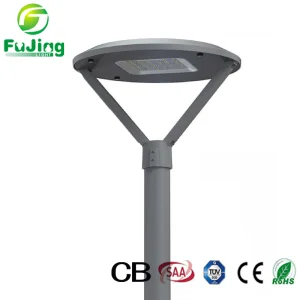
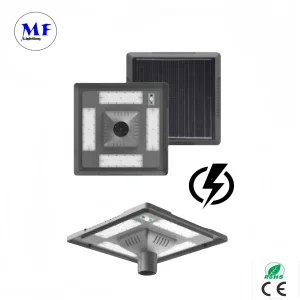
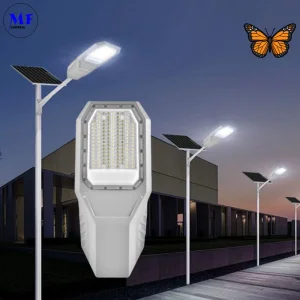
Understanding where and why off-grid solar illumination is replacing the traditional electric grid.
Digging channels and laying AC cables in historical sites like Athens' Plaka or ancient Mycenae carries massive risks of damaging archaeological layers, leading to immediate project suspension by state departments. Solar plaza lights require zero cabling and minimal base foundations, bypassing trenching permits completely.
Many Cycladic and Dodecanese islands depend heavily on expensive diesel generators. Transitioning municipal public spaces to independent solar street and plaza lights reduces local municipal operational expenses and helps comply with the Greek state's "GR-eco Islands" decarbonization directives.
High relative humidity and seawater spray pose extreme electrocution hazards for standard AC power cables. High IP-rated solar light fixtures completely remove risk from voltage leakage, establishing safer public zones for hotel beaches and yacht ports.
Importing technical items into the European Union requires stringent compliance. Every order shipped from our factory is cataloged with full test reports, CE declarations of conformity, RoHS compliance papers, and detailed assembly instructions to guarantee flawless custom clearance.
We have direct logistics lanes set up. Shipping from our Yangzhou warehouse directly to Piraeus Port (Athens) or Thessaloniki Port averages 25 to 30 days of maritime transit time. Every crate is packed inside customized multi-layer shockproof boxes to prevent damage during sea transport.
B2B buyer guide addressing direct questions regarding custom solar configurations, life expectancies, and shipping logistics.
To clear customs in Greece and comply with public procurement guidelines, products must carry the CE mark, indicating compliance with EMC directives (2014/30/EU), LVD safety standards (2014/35/EU), and EU RoHS guidelines for heavy metal restriction. All Yangzhou OneAll solar lighting solutions hold official CE certification and laboratory testing documentation.
Our light poles utilize hot-dip galvanization (internally and externally) with a thickness exceeding 85 μm. The outer casings of our LED fixtures are constructed using die-cast aluminum alloys treated with marine-grade C5-M electrophoretic primers and UV-stabilized polyester coatings. All assembly hardware is constructed from stainless steel (304 or 316 grade).
We use Lithium Iron Phosphate (LiFePO4) battery packs. Unlike standard Lithium NMC batteries, which lose half their cycle life at temperatures over 40°C, LiFePO4 cells maintain thermal stability up to 60°C and retain over 80% capacity after 3,000 deep discharge cycles.
Yes, we provide engineering support for B2B distributors and contractors participating in public municipal bids (dimos). We supply DIALux lighting calculations, technical data sheets, and custom pole design drawings to ensure your bid satisfies municipal engineering specifications.
For commercial projects, our typical MOQ starts at 10 units for integrated models. Production timelines average 15-20 days, and sea transit from Shanghai/Ningbo ports to Piraeus/Thessaloniki is approximately 28 days.
Get a comprehensive customized DIALux design plan and B2B pricing quote for our marine-grade, high-efficiency solar lighting systems.
Send Inquiry Now OneAll Lights