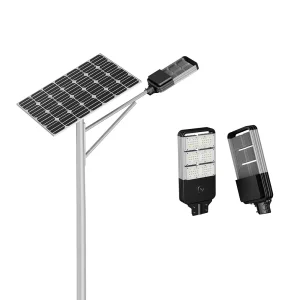
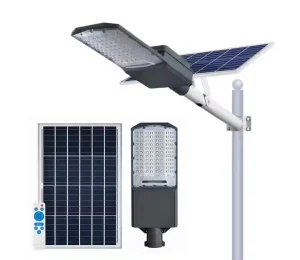
Engineered to bypass low solar elevation angles. Featuring independent PV tilt-mechanisms and marine-grade components.
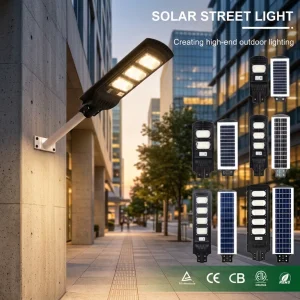
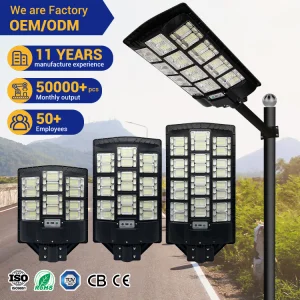
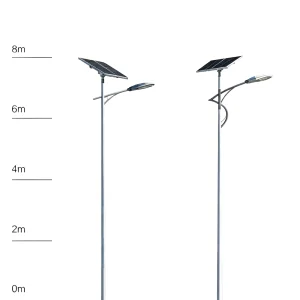
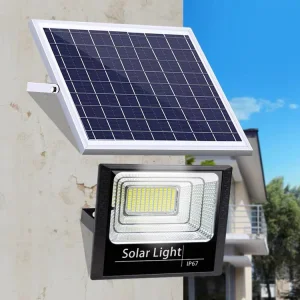
The Netherlands is a global pioneer in carbon-neutral public space policies. Under the Dutch Climate Agreement (Klimaatakkoord), municipalities and transport authorities (Rijkswaterstaat) are shifting toward off-grid, low-carbon outdoor lighting systems. However, the Western European maritime climate poses distinct challenges for traditional solar lighting:
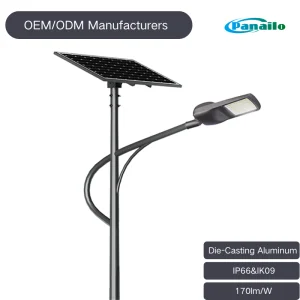
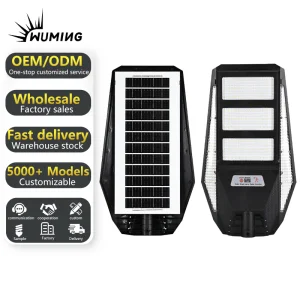
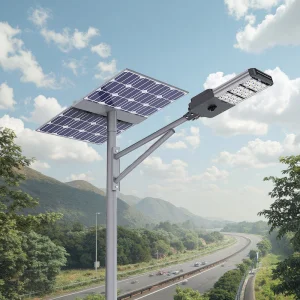
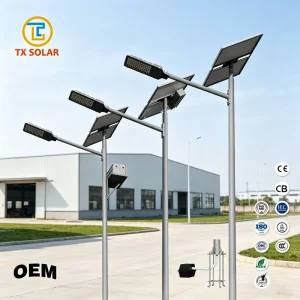
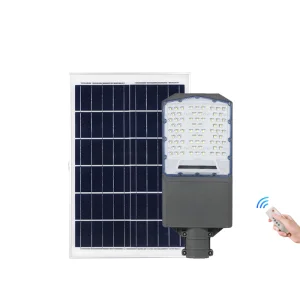
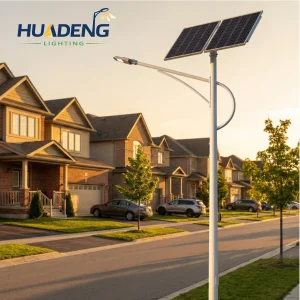
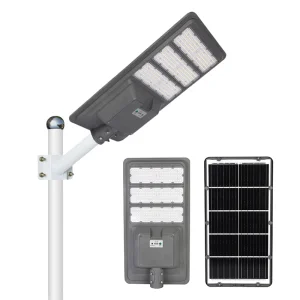
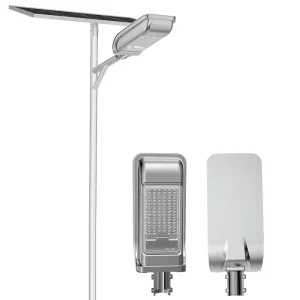
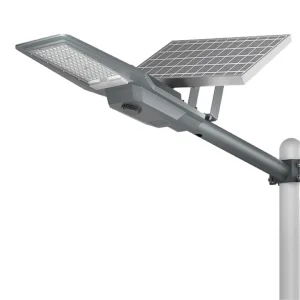
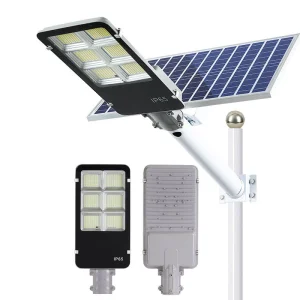
This is where Split Solar Street Lights demonstrate clear superiority over standard integrated solutions. By decoupling the solar panel from the LED luminaire, engineers can orient the solar panels southwards at the optimal angle (typically 35° to 45° in the Netherlands) while directing the LED lamp exactly where it is needed.
"For commercial projects in the Netherlands, a split design is the only viable method to ensure consistent year-round lighting autonomously, compensating for shorter daylight hours and persistent winter cloud cover."
| Wind Resistance | EN 1991 (160km/h Dutch Coastal Wind) |
| Sub-Zero Performance | Smart BMS with heating element optional |
| Smart Control | LoRaWAN / NB-IoT ready controllers |
How we design Split Solar Lights to withstand Northern and Western European climates, ensuring a 25-year operational lifecycle.
Utilizing high-density monocrystalline cells featuring a conversion efficiency of >22.5%. The surface incorporates specialized anti-soiling, self-cleaning glass to limit maintenance in low-sun regions.
Maximum Power Point Tracking algorithms boost charging efficiency by 15% to 30% compared to PWM. Programmed with adaptive dimming profiles and smart daylight tracking.
Lithium Iron Phosphate (LiFePO4) storage offers over 4000 deep discharge cycles. An active thermal regulation system prevents degradation when temperatures fall below freezing.
Whether deploying lights on the bicycle highway networks (snelfietsroutes), industrial logistics zones near harbors, or local municipal access roads, our split solar street lamps are adapted to local lighting classes (M1 to M6) under the European Standard EN 13201.
Yangzhou OneAll Lights Co., Ltd. provides end-to-end support, moving from lux level simulations (DIALux) to manufacturing and on-site deployment consultation. We address the primary requirements of infrastructure builders and procurement managers:
Designed for routes like the F35 or F15. These areas demand low-intensity, smart-dimming illumination that limits disruption to local wildlife. Motion-activated PIR sensors and smart lighting profiles ensure illumination increases when cyclists approach, dropping to 10% when the pathway is clear.
Large cargo hubs require bright, continuous lighting (G2/G3 glare class). High-wattage split configurations with up to 1000W capability provide reliable illumination for heavy transport and container handling areas.
Isolated regions lacking grid access benefit from split solar lights. The separate solar structures avoid shading from nearby trees and farm buildings, optimizing solar energy capture.
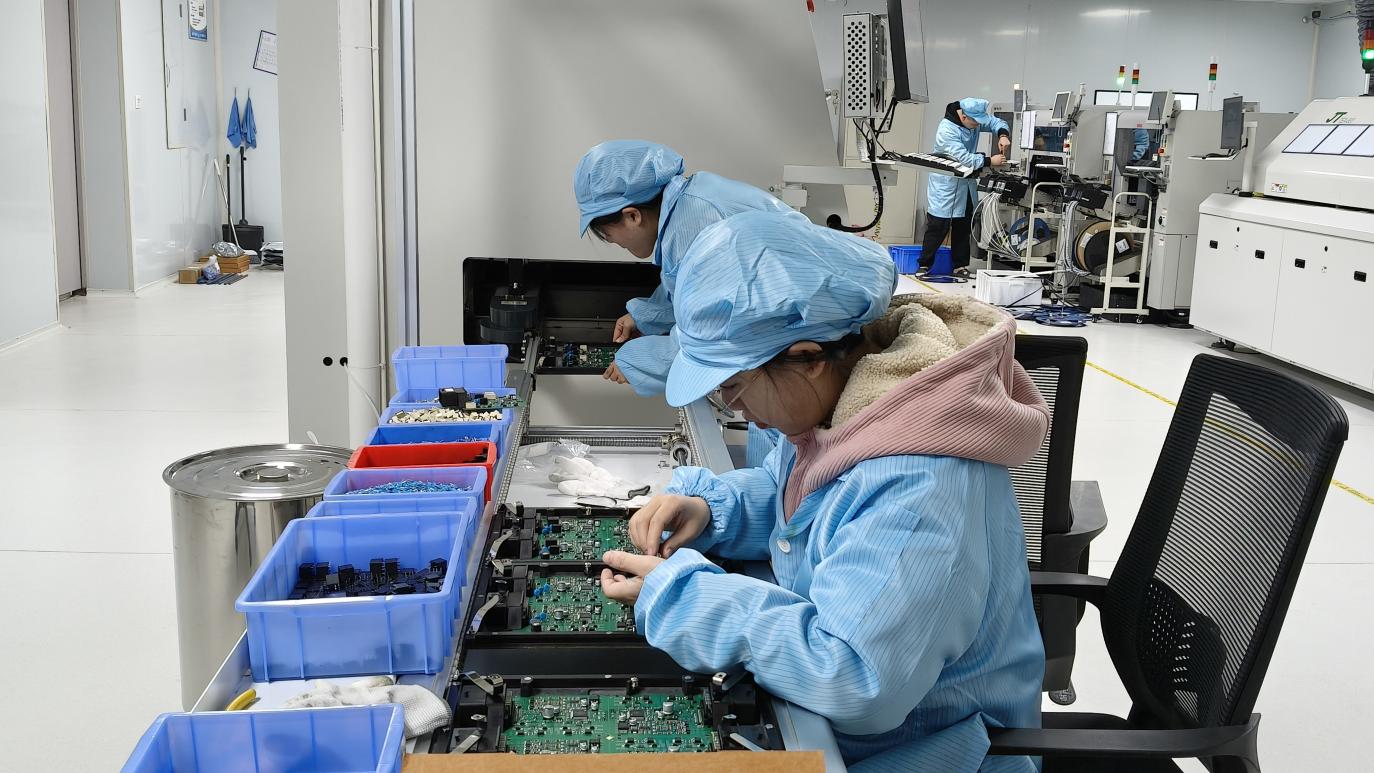
Operating from our 20-year established facility in Yangzhou, Jiangsu Province, China, Yangzhou OneAll Lights Co., Ltd. integrates production with modern quality controls to deliver solar lighting components globally.
Our facility uses automated, high-precision equipment to maintain consistency across small batches and major public tenders alike:
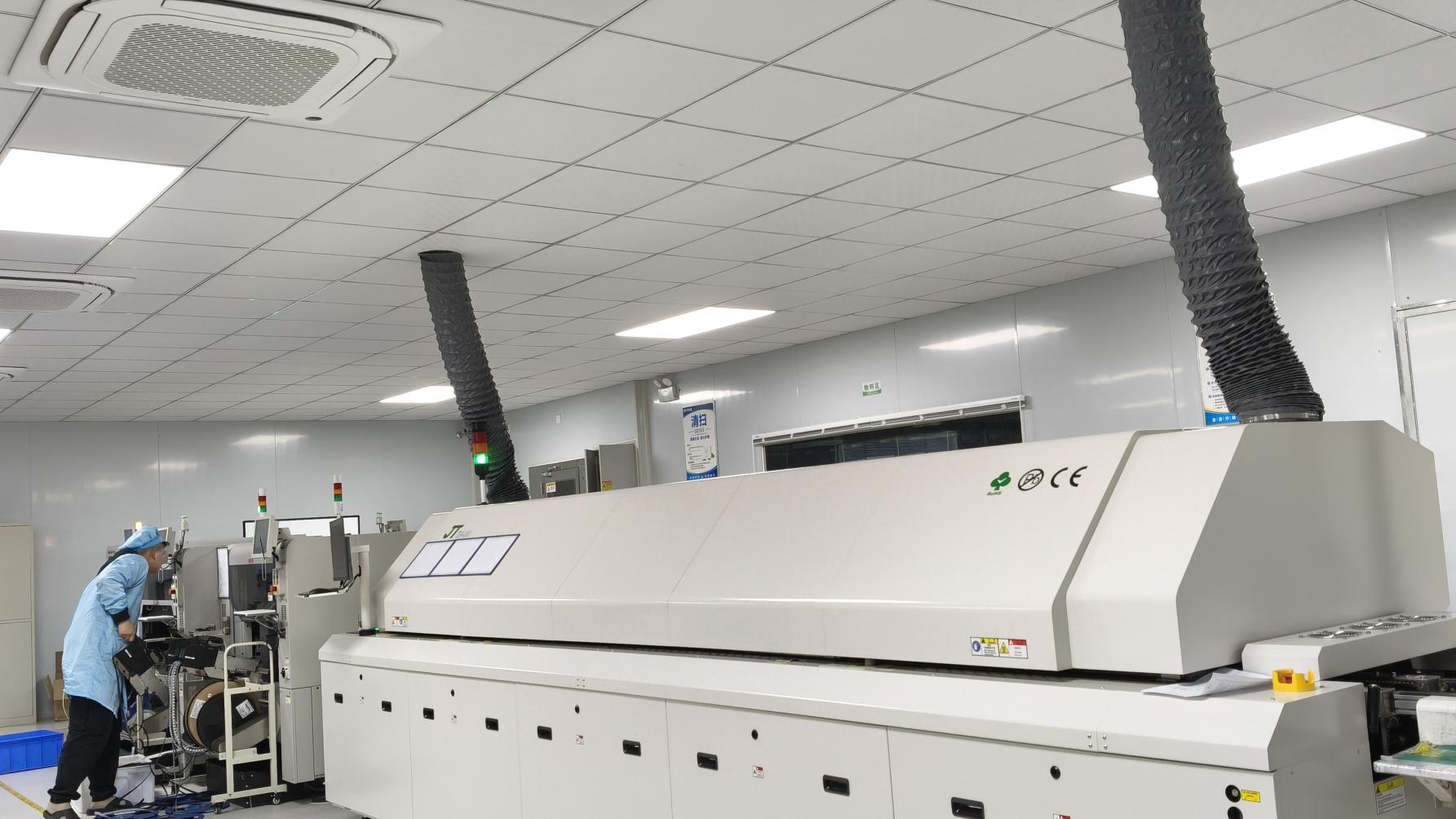
Fully certified quality workflows under ISO 9001 and ISO 14001 guidelines.
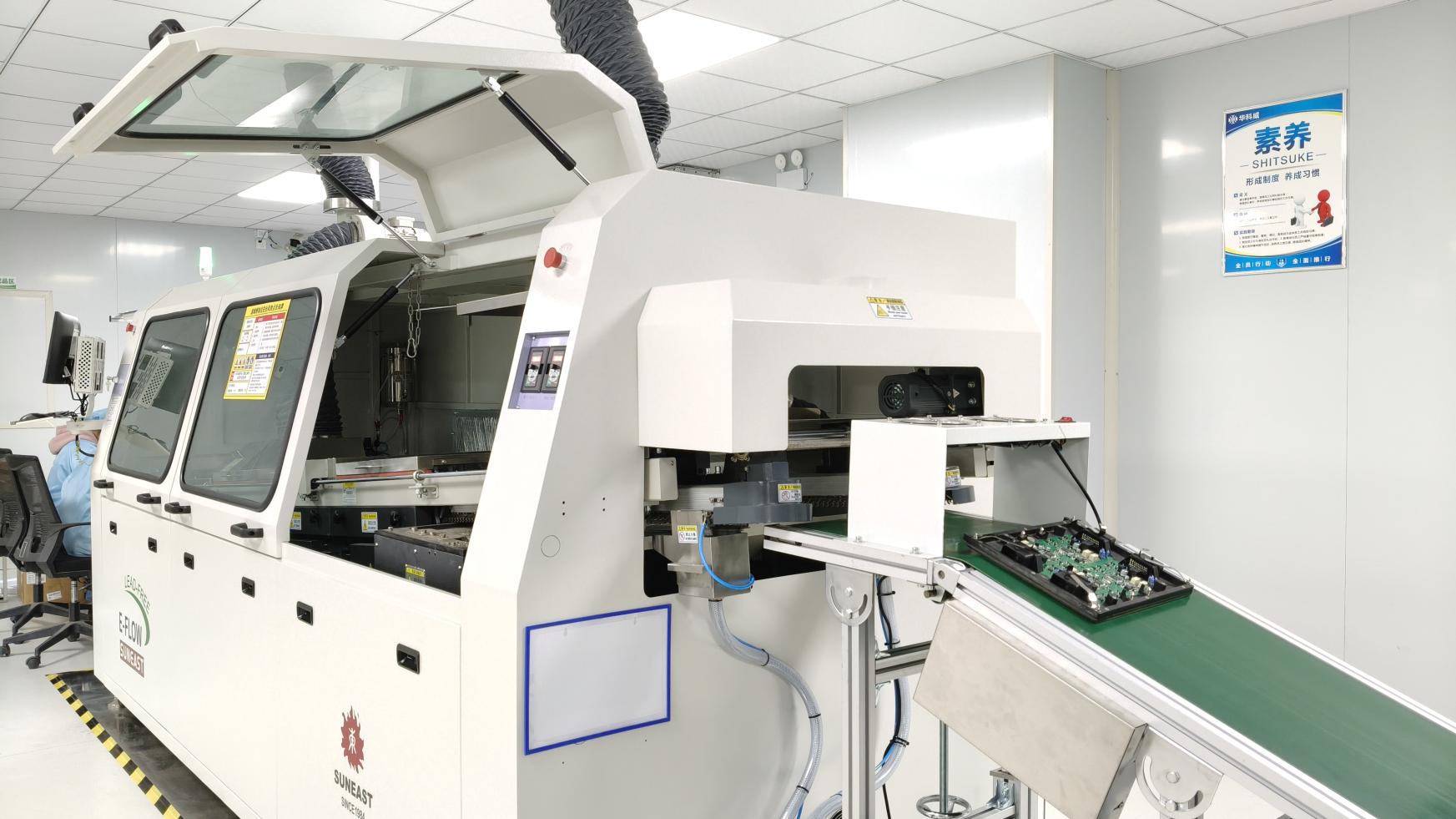

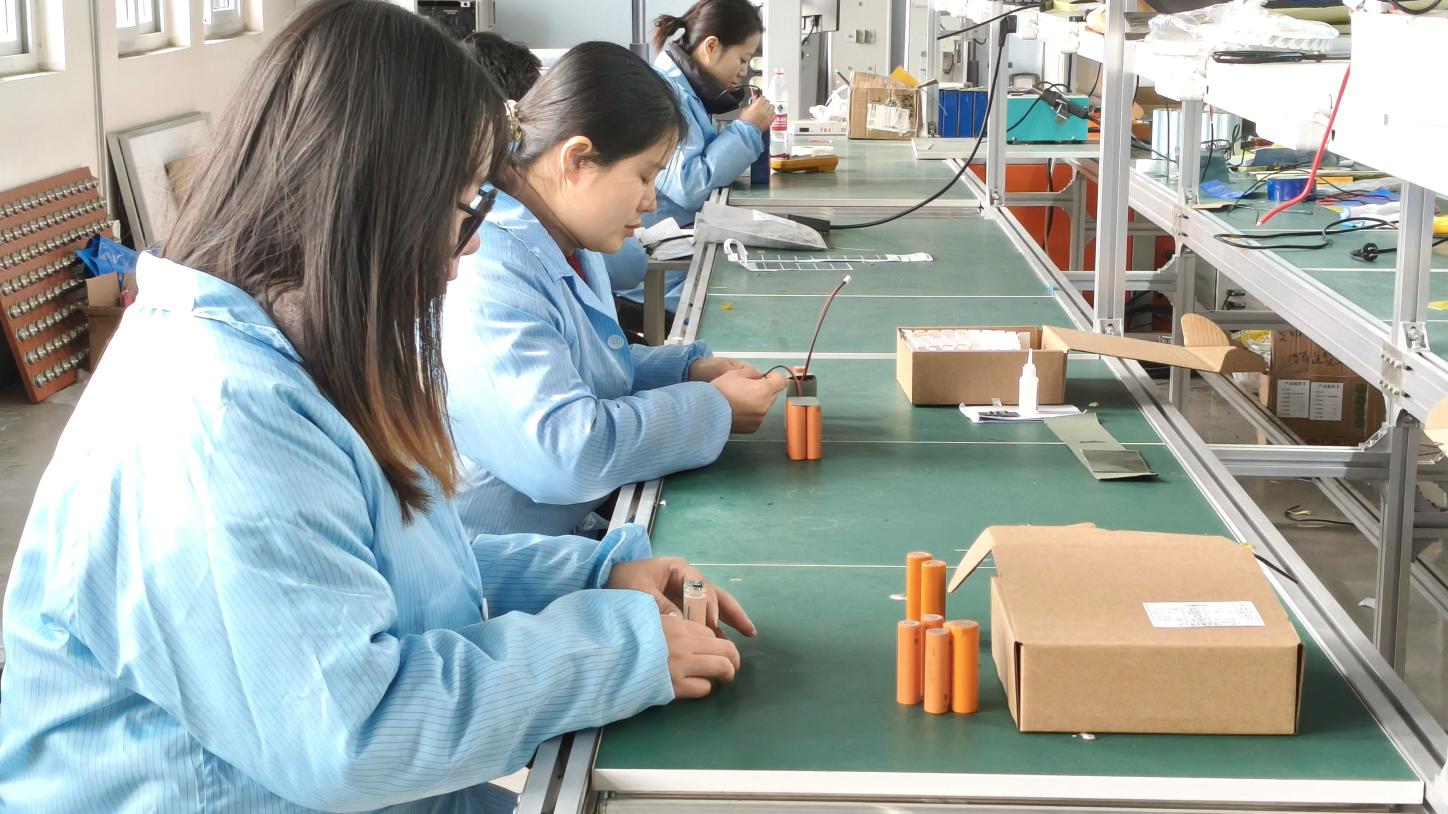
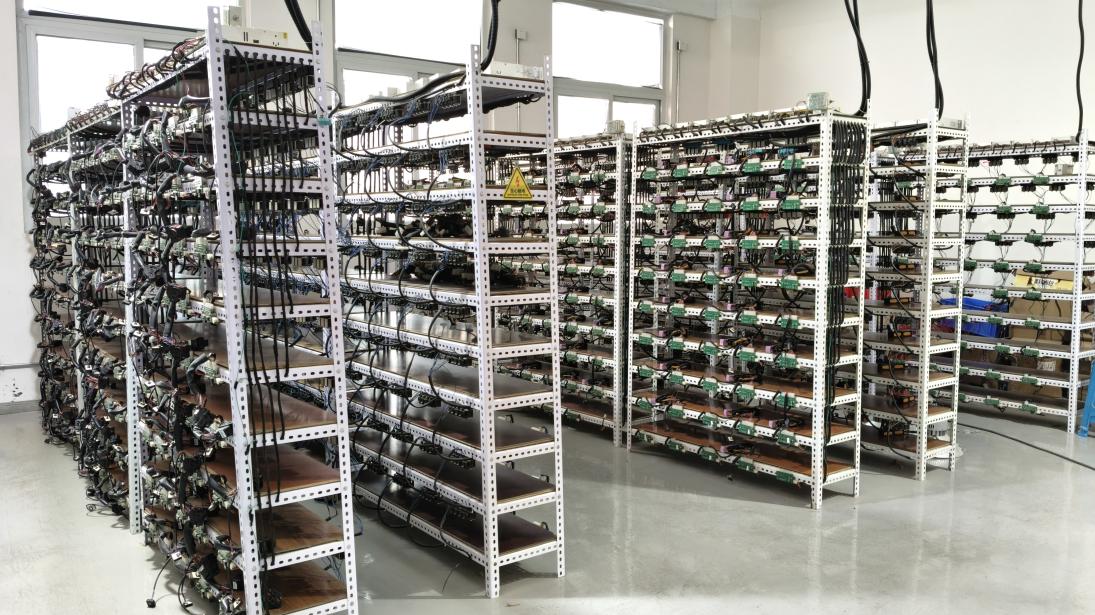
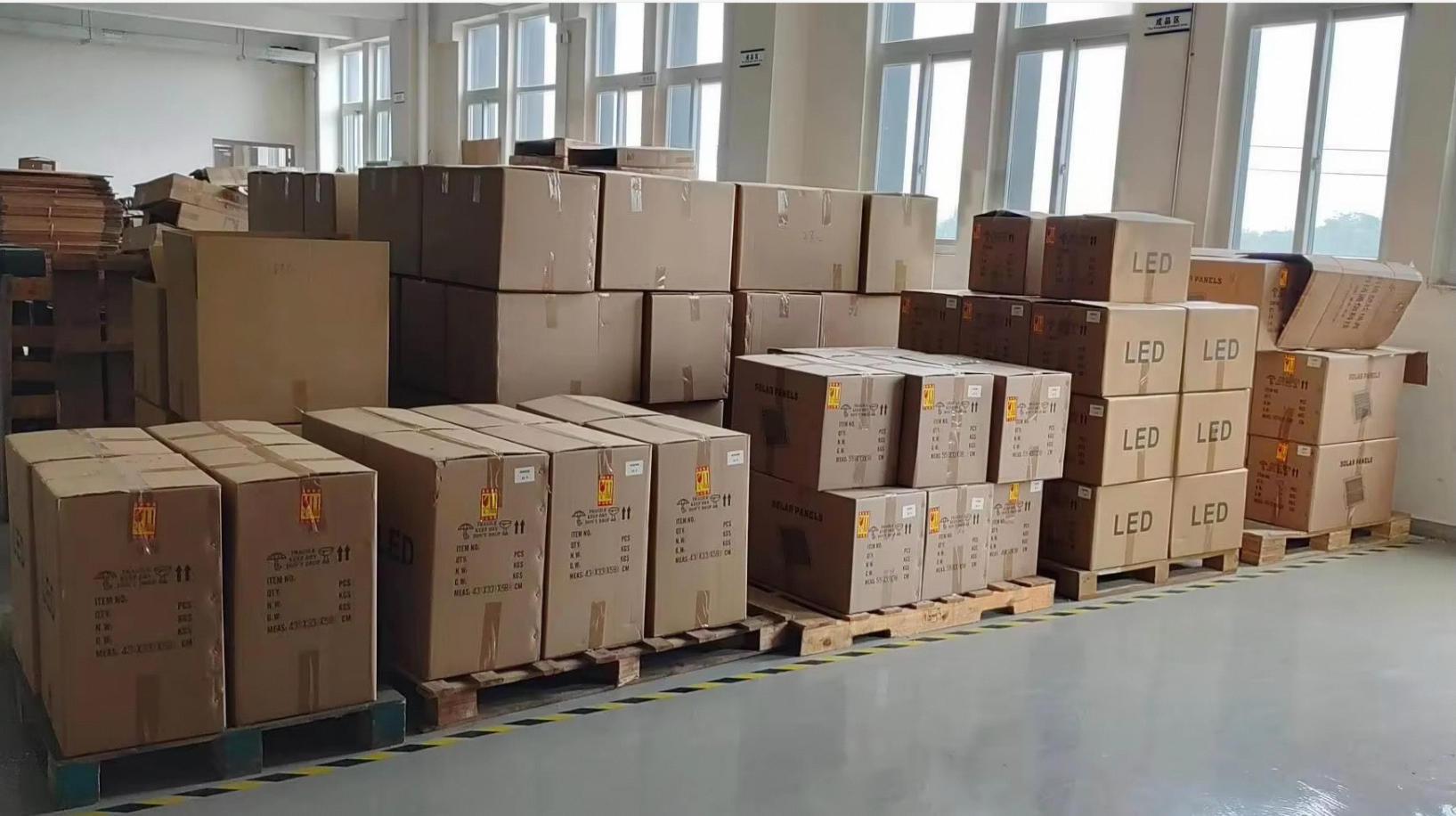
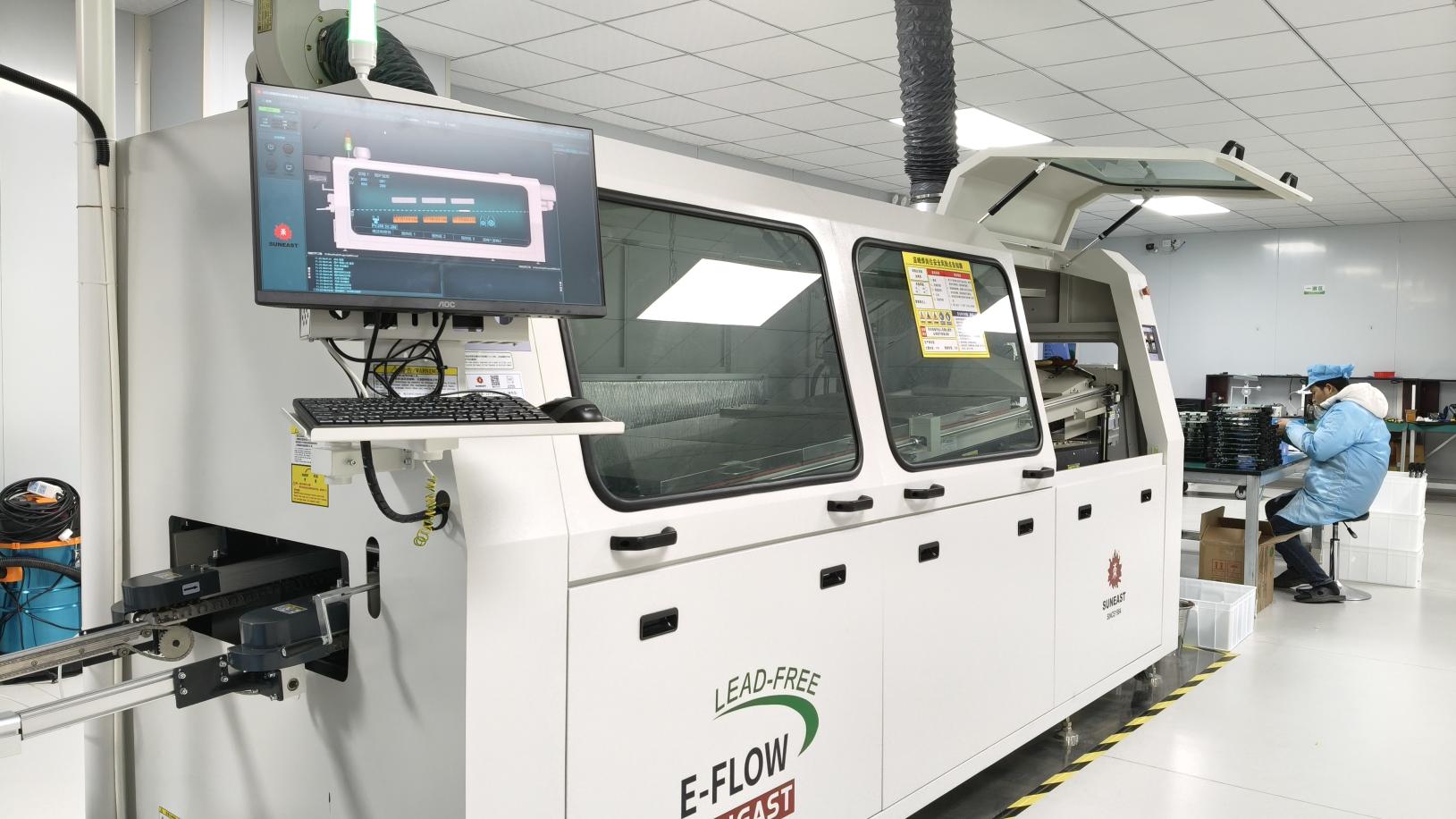
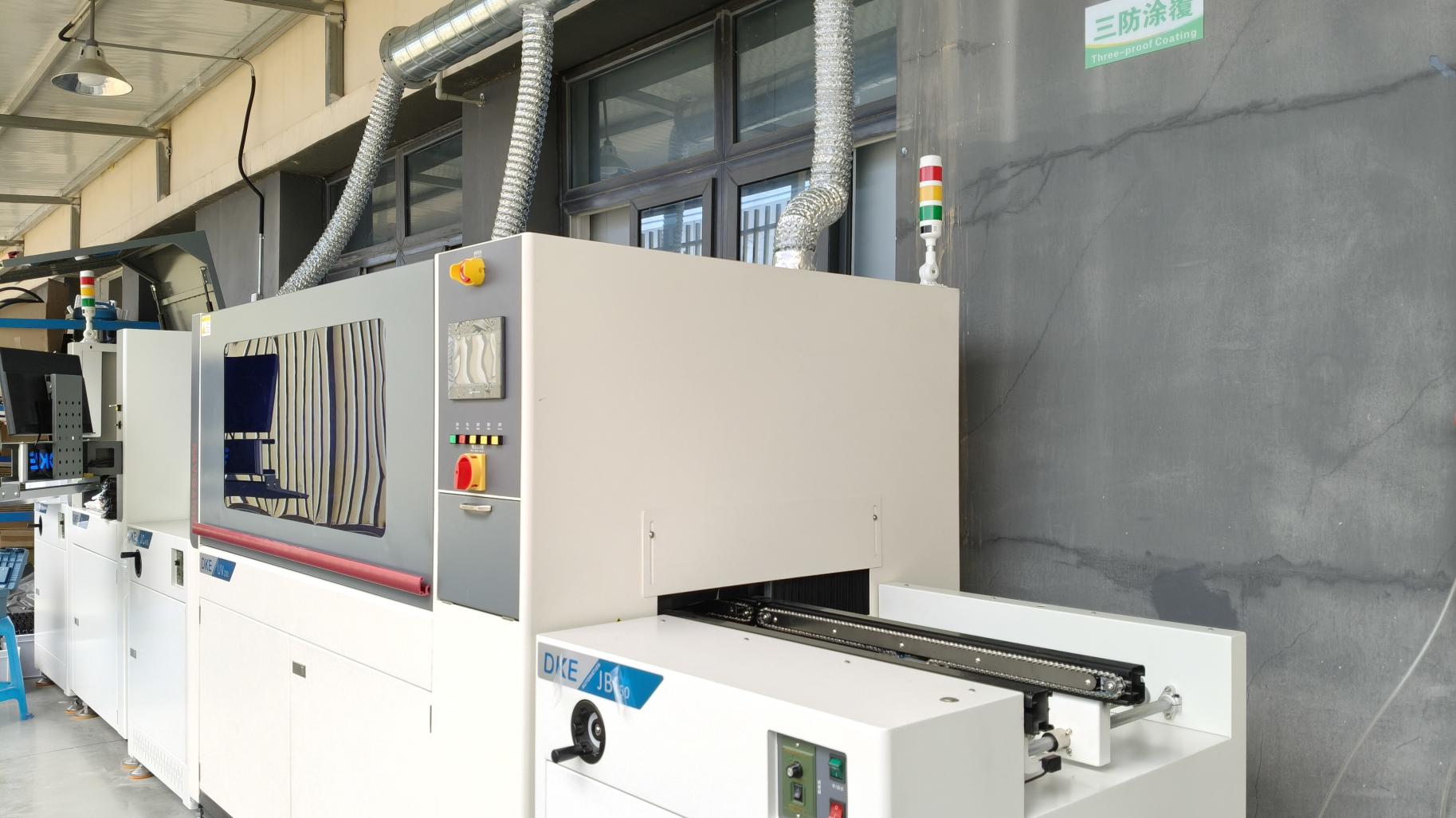
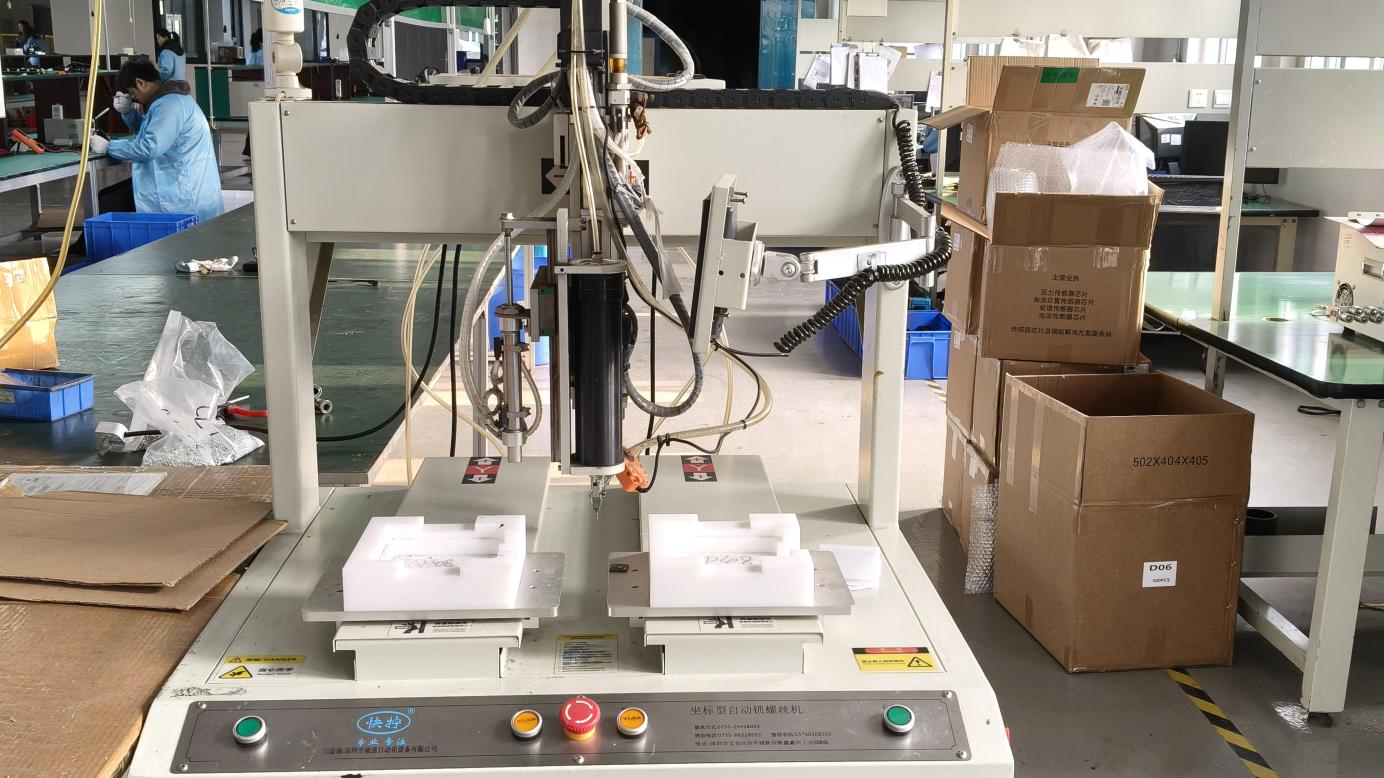
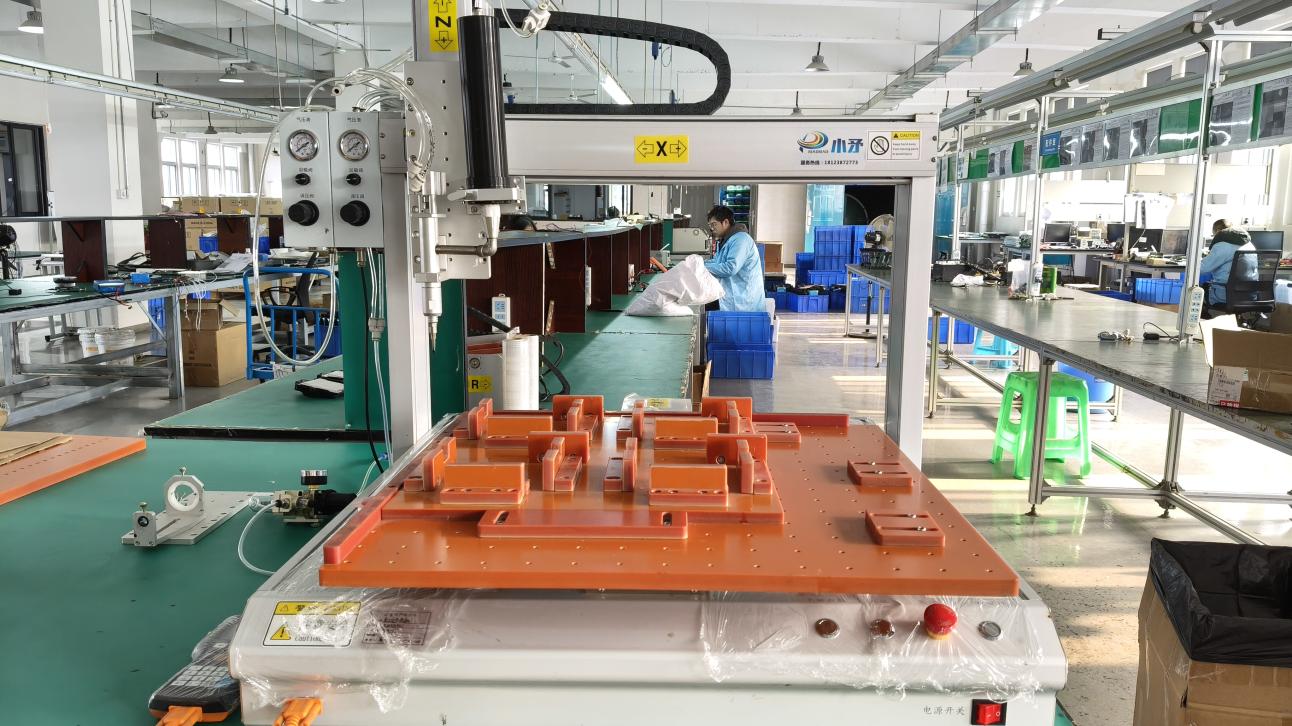
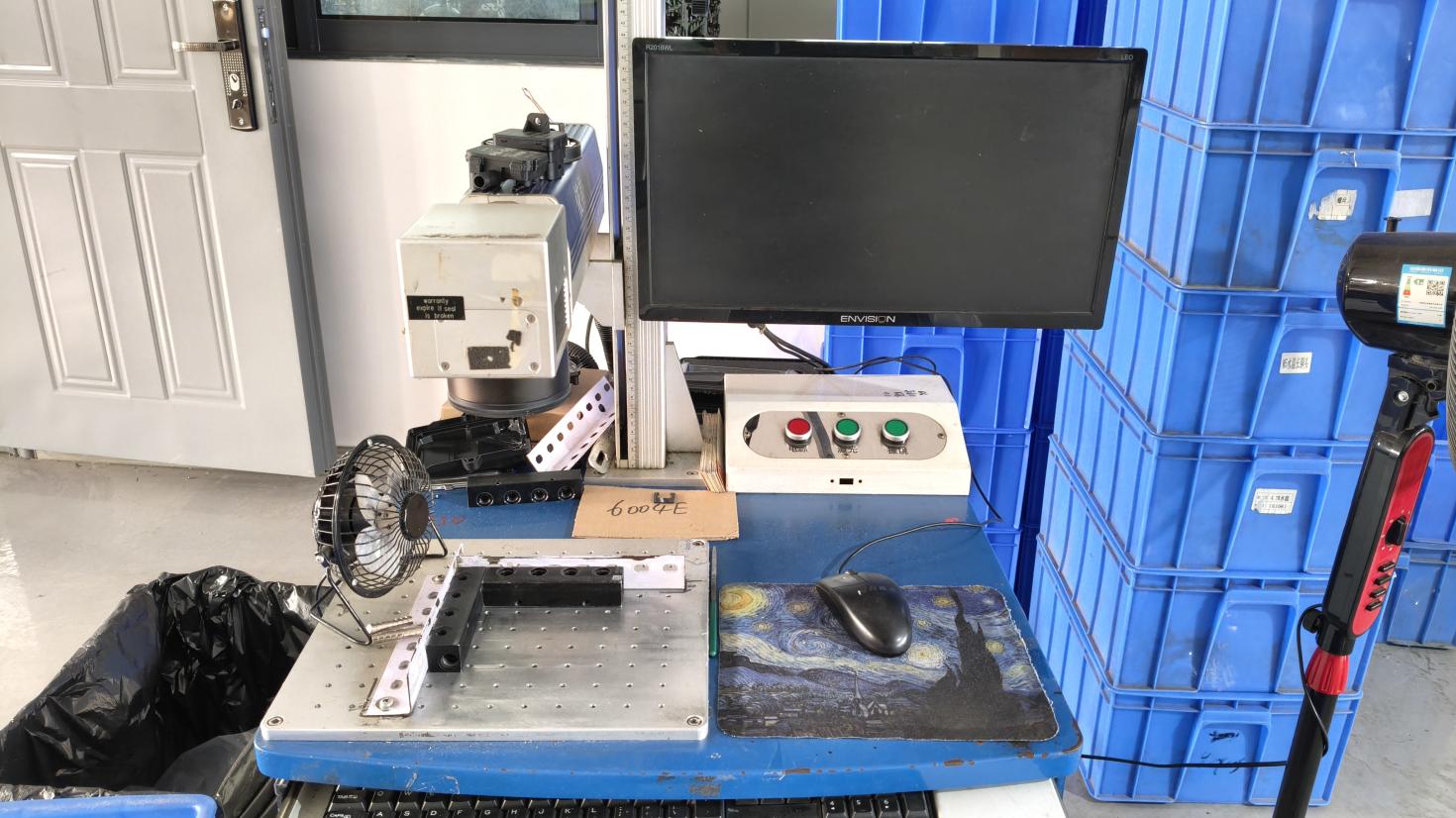
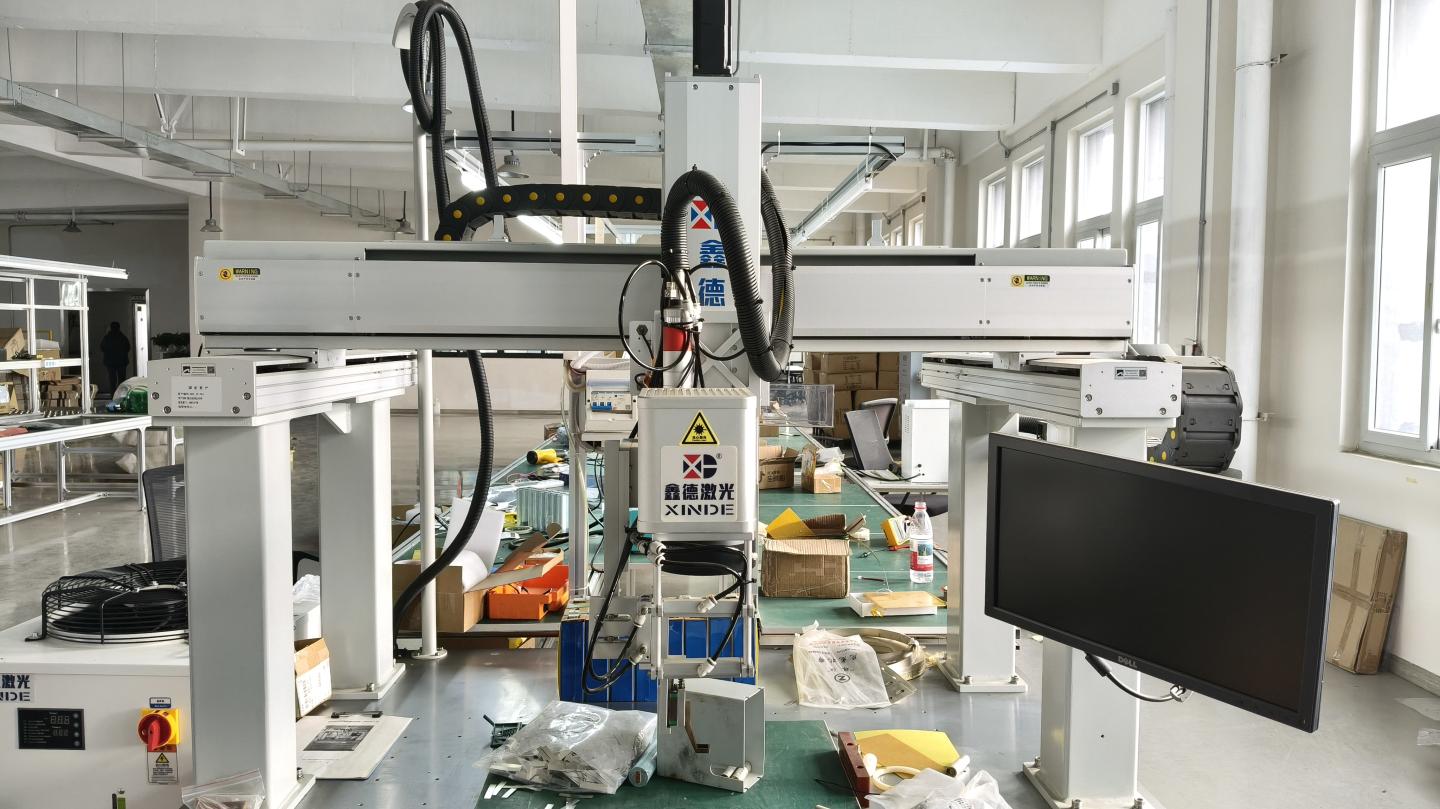
Select configurations optimized for municipal parameters, highway specifications, and heavy industrial applications.
Entering the Dutch infrastructure market demands absolute compliance with European safety, design, and environmental protection frameworks. At Yangzhou OneAll Lights Co., Ltd., we guarantee that our split solar lighting products carry certifications matching current European procurement directives:
Our products carry full CE and RoHS markings, ensuring adherence to the electromagnetic compatibility (EMC 2014/30/EU), low voltage directive (LVD 2014/35/EU), and hazardous substances restrictions in electronics. This ensures uncomplicated imports and regulatory compliance for corporate buyers.
Our engineering team carries out light distributions using Dialux simulations to ensure compliance with EN 13201-2, covering roadway glare control, uniformity ratios, and average lux requirements for pedestrian, cycling, and vehicular lanes.
In accordance with Dutch waste management regulations (Afvalbeheer), all battery systems and integrated LED modules conform to the WEEE framework. We employ modular structural designs, allowing for easy end-of-life component replacement and material separation.
All our structural poles undergo double-dip galvanization and fluorocarbon coating to prevent rust under salty coastal winds. Every shipment includes comprehensive inspection and material analysis reports.
Request Certificates PackageAnswers to common technical and logisitcal inquiries regarding our split solar lighting deployments in Northern Europe.
Yes. By decoupling the solar panel from the lamp body, we configure large-capacity monocrystalline solar panels tilted at 35°-45° south. Combined with highly efficient MPPT controllers, the system charges even on overcast days by capturing diffuse solar radiation.
Our battery packs feature a smart BMS (Battery Management System). For regions with extended sub-zero temperatures, we can integrate insulation jackets or active heating elements that use a small portion of solar energy to maintain the battery compartment within safe operating temperatures.
Standard production cycles range from 20 to 30 days depending on the customization scope. Maritime shipping from Shanghai or Ningbo port to Rotterdam takes around 30 to 35 days, including customs handling.
Yes, we provide full IES files and photometric test results for all configuration variants, allowing engineers to quickly verify lux distribution compliance in DIALux software before placement.
Yes, our controllers support standard interfaces for LoRaWAN, NB-IoT, and Zigbee, enabling integration with centralized smart municipal platforms to monitor battery health, power levels, and motion patterns remotely.
Our lighting poles undergo hot-dip galvanization and are coated with high-performance fluorocarbon paint (complying with EN ISO 12944 standard, category C4 or C5). The structural design is calculated to withstand wind loads up to 160 km/h.
 OneAll Lights