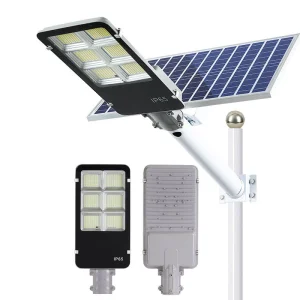
Engineered for high efficiency, high structural stability, and superior output in Central European regions.
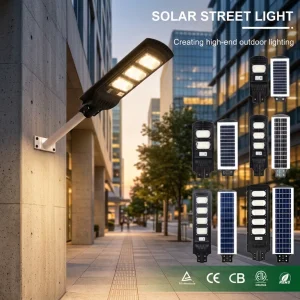
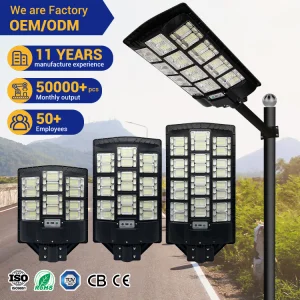
Analyzing localized demands, climate challenges, and deployment potential across the Balkan Peninsula.
Serbia is undergoing a profound infrastructure transformation. Guided by the Integrated National Energy and Climate Plan (NECP) and commitments to alignment with EU green policies, municipal authorities from Subotica to Niš are looking to replace failing conventional high-pressure sodium street lamps with advanced LED street lighting networks. However, traditional on-grid conversions require high capital costs, including wiring, transformer setups, and extensive trenching, causing major disruptions to local communities.
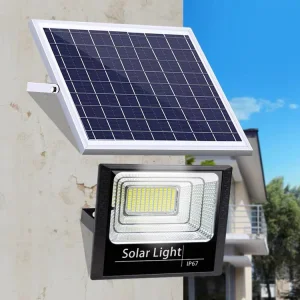
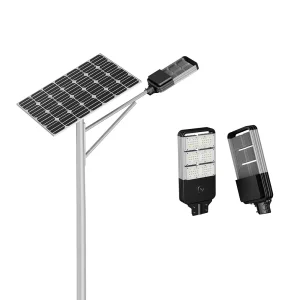
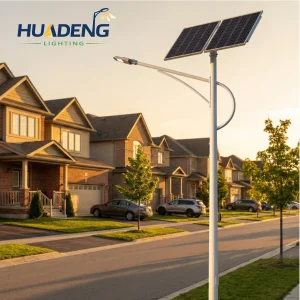
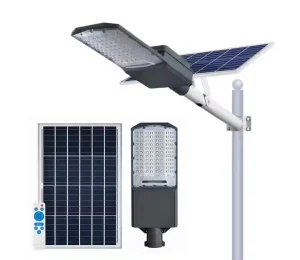
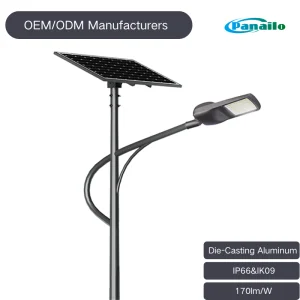
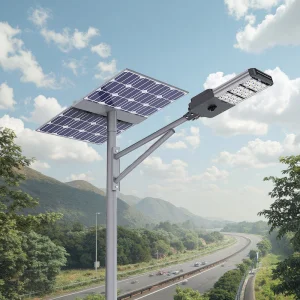
This is where off-grid Split Solar Street Lights are proving highly valuable. By separating the solar panel, battery, and LED source, split systems allow local project engineers in Serbia to maximize efficiency even in regions with lower winter solar irradiance, such as the flat, fog-prone plains of Vojvodina. Designing the optimal angle (typically 32 to 36 degrees south) ensures maximum solar absorption during winter months when sun elevation is low.
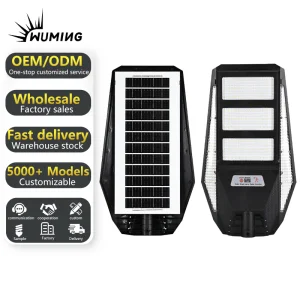
While "All-in-One" integrated streetlights are easier to install, they often struggle in Serbia's temperate continental climate. Heavy snow can cover the flat, horizontal panels, rendering the system inactive for days. On the contrary, split solar streetlights feature a separate panel mounted at an angle of 35° or higher. This design helps snow slide off naturally under gravity, keeping panels clean and active during winter storms.
Additionally, split systems allow the battery storage (typically deep-cycle LiFePO4 chemistry) to be positioned inside a battery box mounted high up or buried in a protective subterranean vault. In winter, when temperatures drop to -15°C, subterranean installation buffers the battery from extreme freezing, preventing the cold-induced capacity degradation common in integrated solar street lamps.
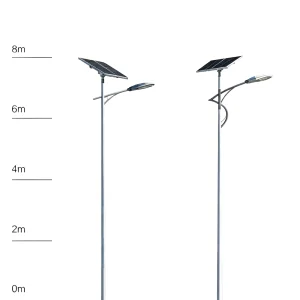
Proven split solar configurations designed for municipal avenues, industrial parks, and perimeter security.
Technical compliance, structural calculations, and localized protection mechanisms.
Serbia's northeastern regions, particularly the Banat region, Belgrade, and areas along the Danube, are subject to the Košava—a strong, gusty south-easterly wind that can reach velocities of up to 120 km/h (approx. 33.3 m/s). This wind demands robust mechanical engineering. Traditional all-in-one solar lights with flat surface areas experience high wind loads, which can cause structural issues on long luminaire arms.
Our split solar street light systems are structurally calculated using finite element analysis (FEA) to withstand winds exceeding 35 m/s. The separation of the solar module from the light fixture allows our engineers to place the monocrystalline PV panel closer to the pole center, lowering the bending moment. The mounting brackets are constructed from hot-dip galvanized steel (Q235 grade) conforming to EN ISO 1461, ensuring lasting resistance to rust and deformation.
Due to winter clouds and fog in Serbia, we utilize high-conversion efficiency (up to 22.5%) monocrystalline solar modules. These panels are constructed with PERC (Passivated Emitter and Rear Cell) technology, which improves performance under diffuse low-light conditions, ensuring the batteries continue to charge even on overcast winter days.
Our Maximum Power Point Tracking (MPPT) solar charge controllers deliver up to 98% tracking efficiency, which is significantly better than standard PWM controllers. These controllers come pre-programmed with smart dimming profiles, such as a 5-stage setup that dims the light during quiet overnight hours to conserve battery power, ensuring operation for up to 3 to 5 continuous rainy or snowy days.
Lithium Iron Phosphate (LiFePO4) batteries are valued for their safety and lifespan of over 3,000 cycles. However, standard LiFePO4 batteries cannot be safely charged below 0°C. Our systems solve this with a low-temperature tolerant BMS. The battery pack is insulated and includes an automated thermal film that uses excess solar energy to warm the cells above 5°C before charging begins, preventing plating issues and ensuring reliable performance throughout the Serbian winter.
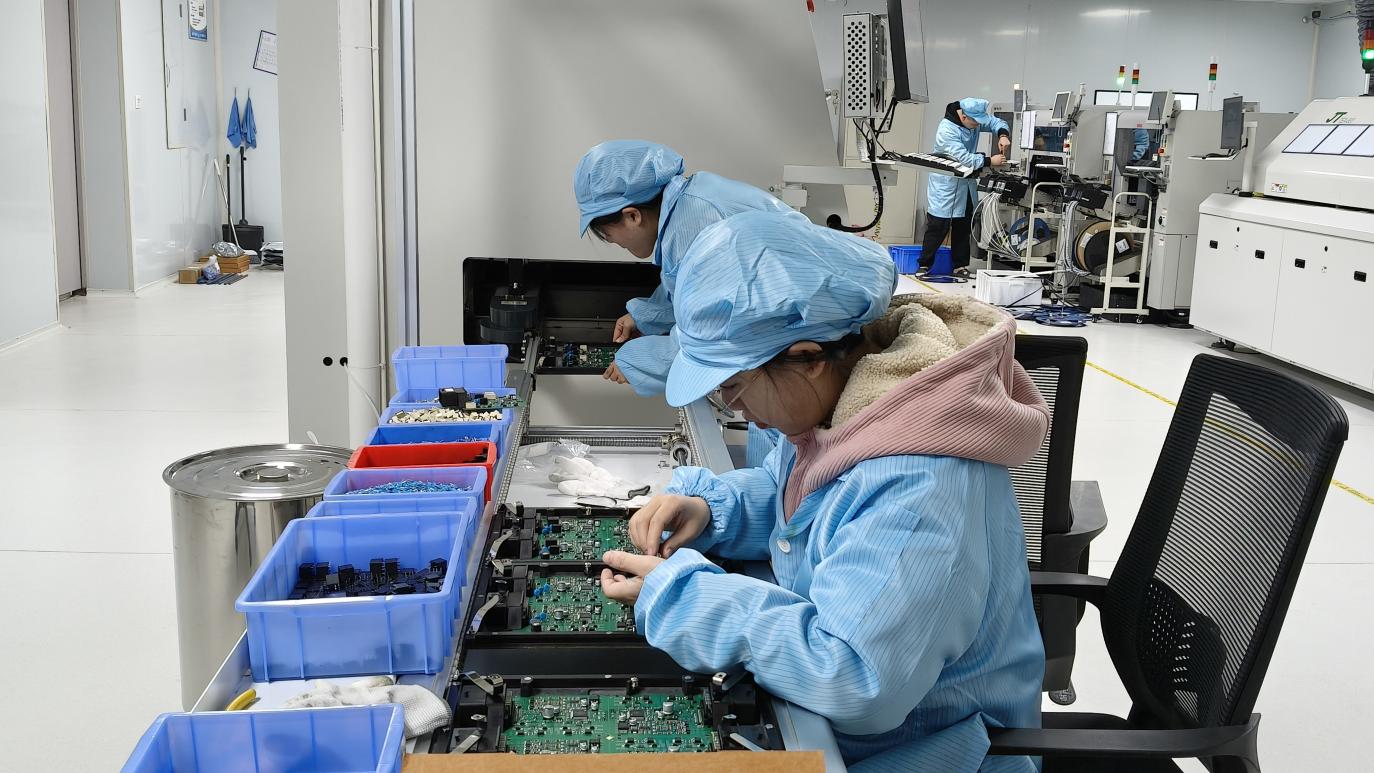
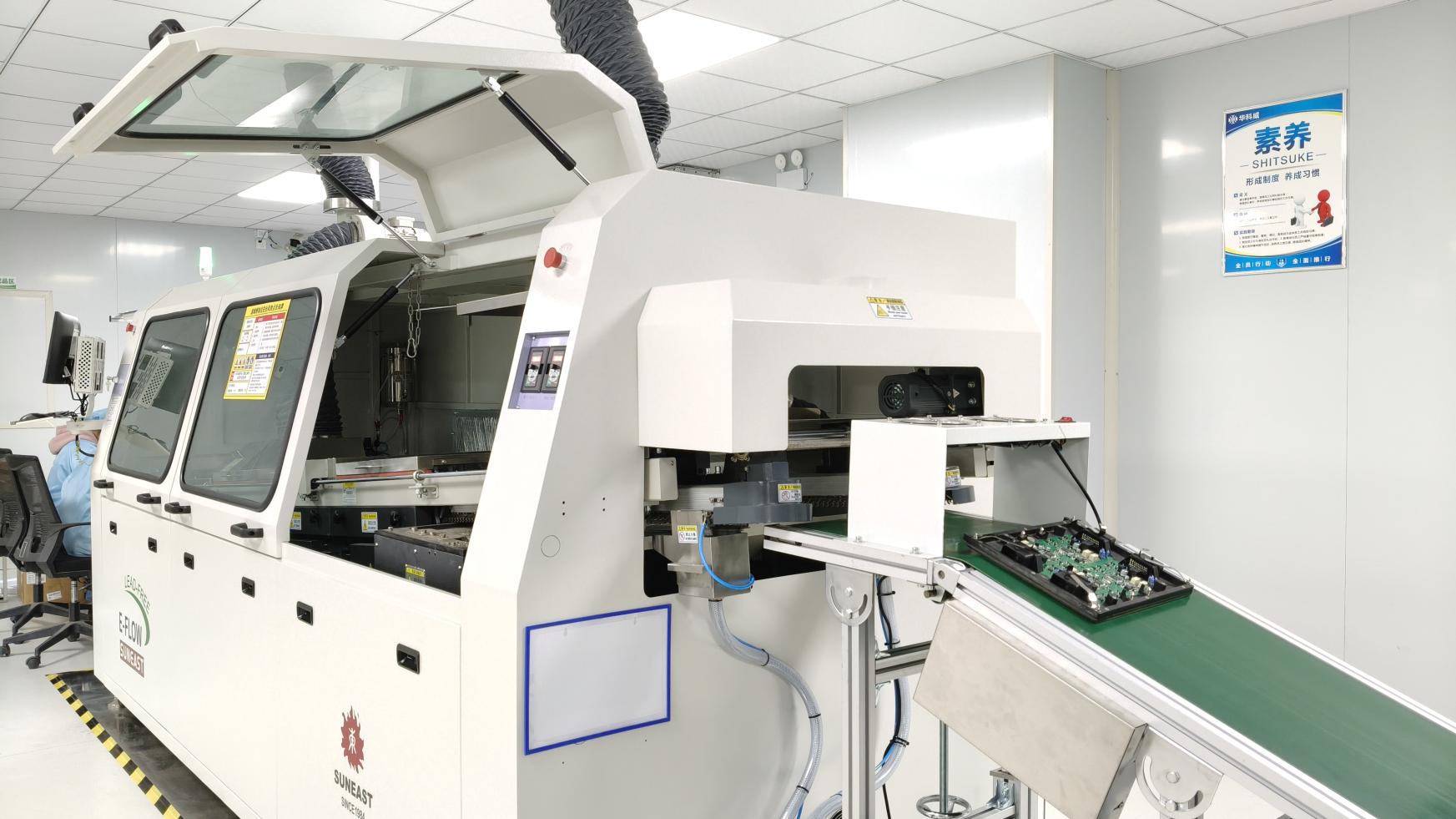
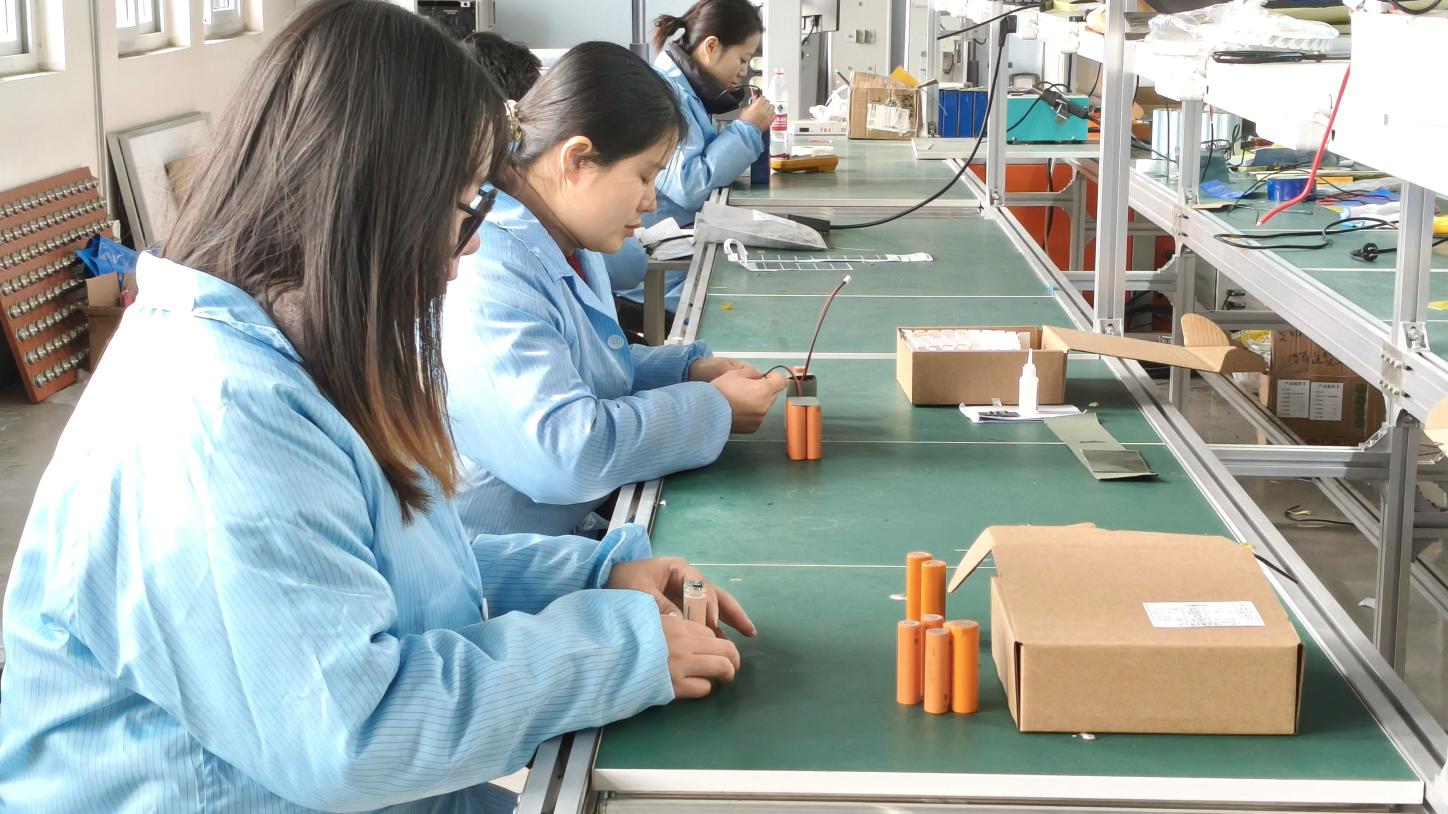
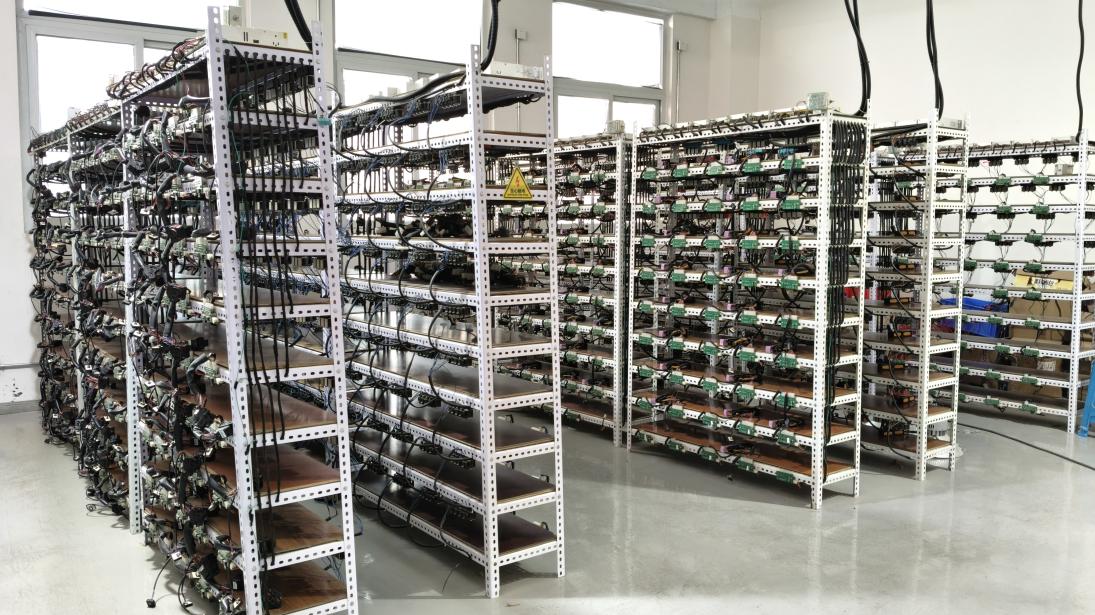
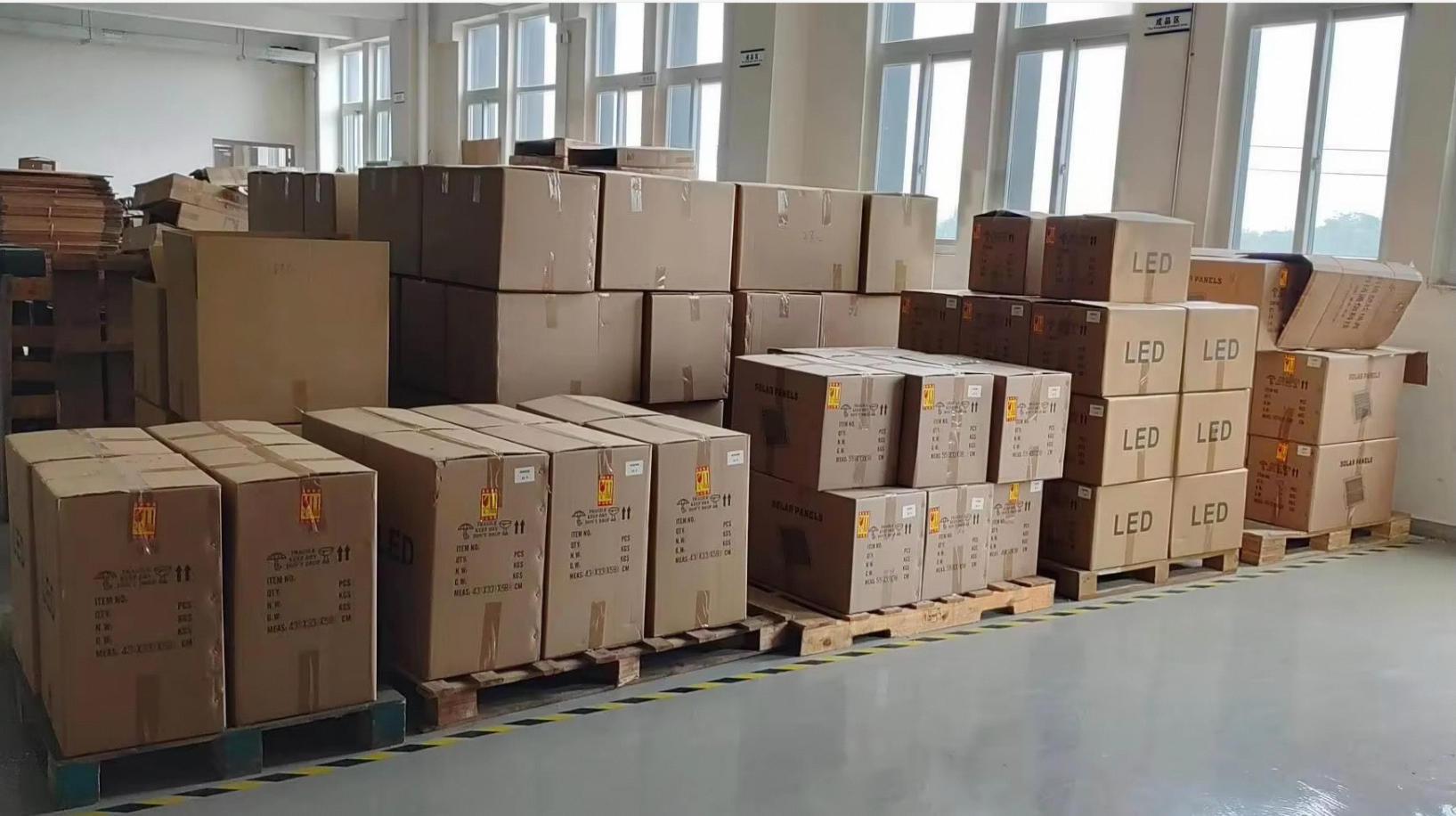
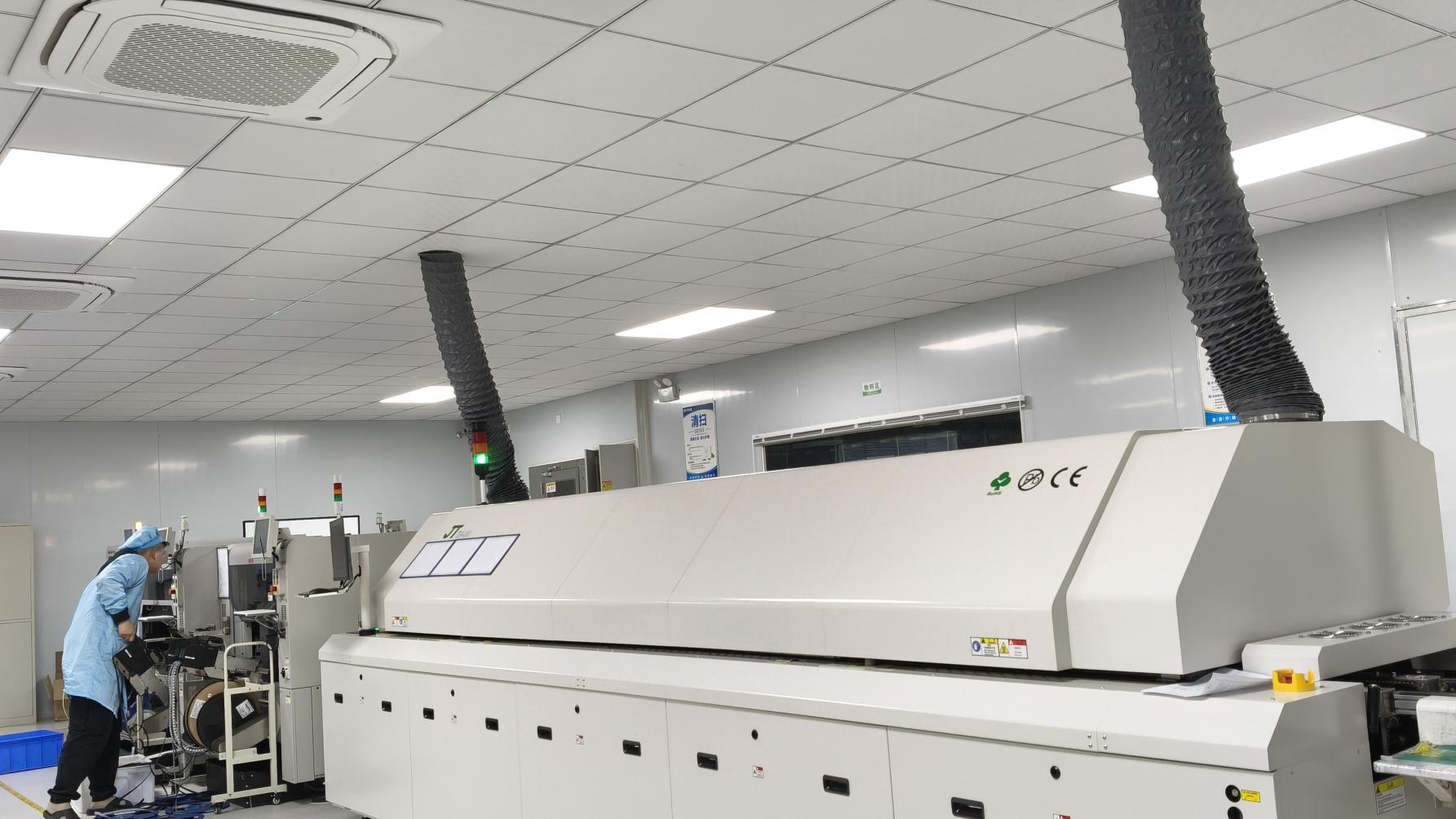
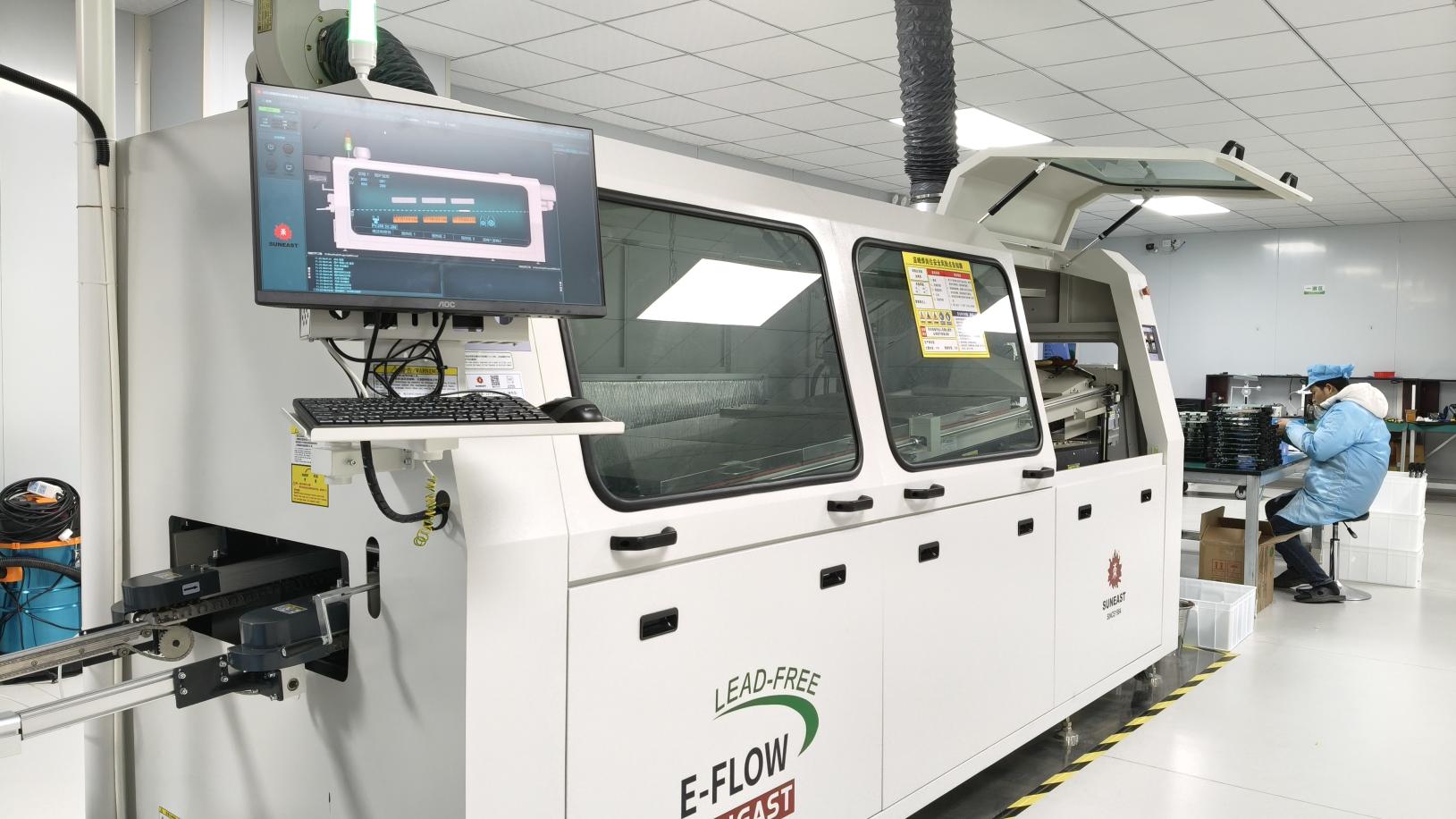
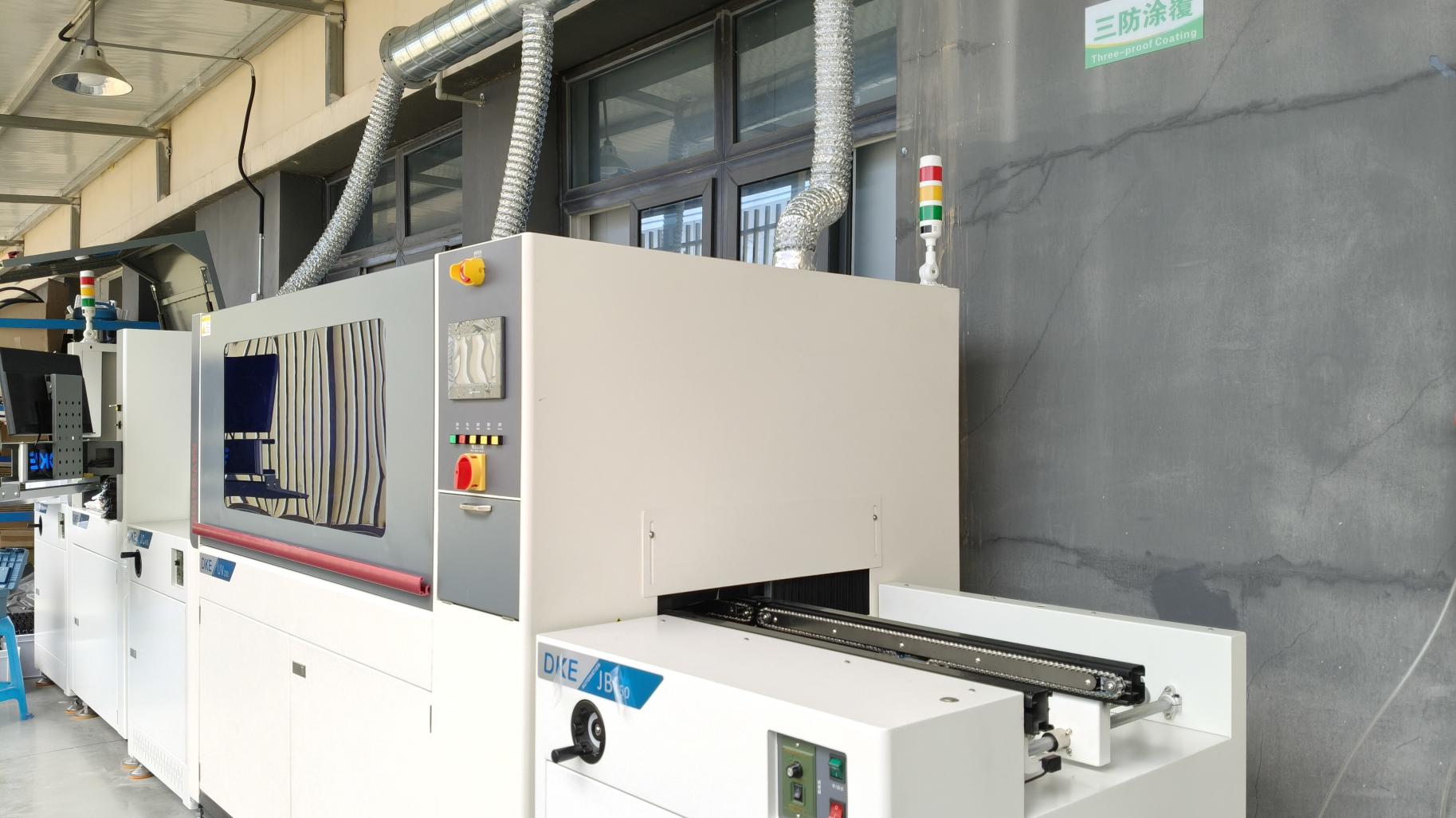
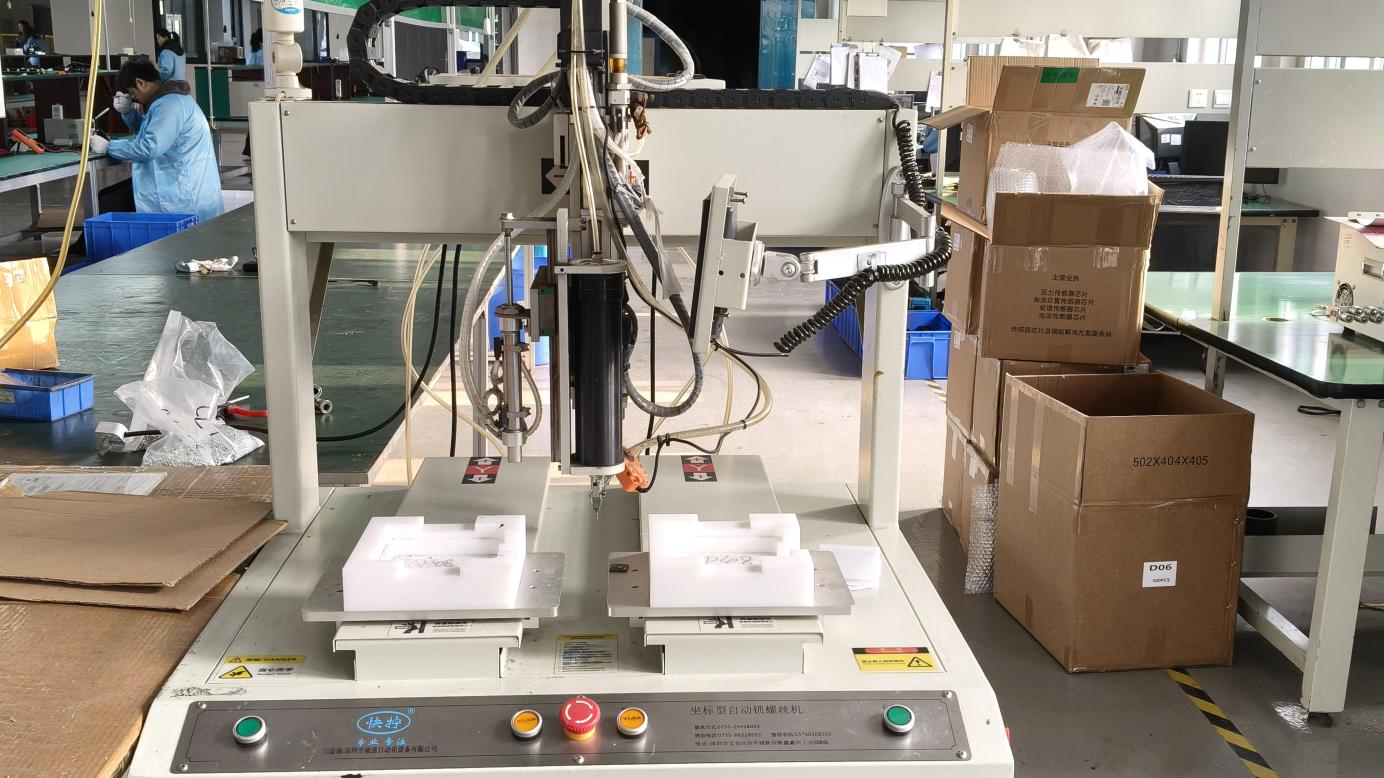
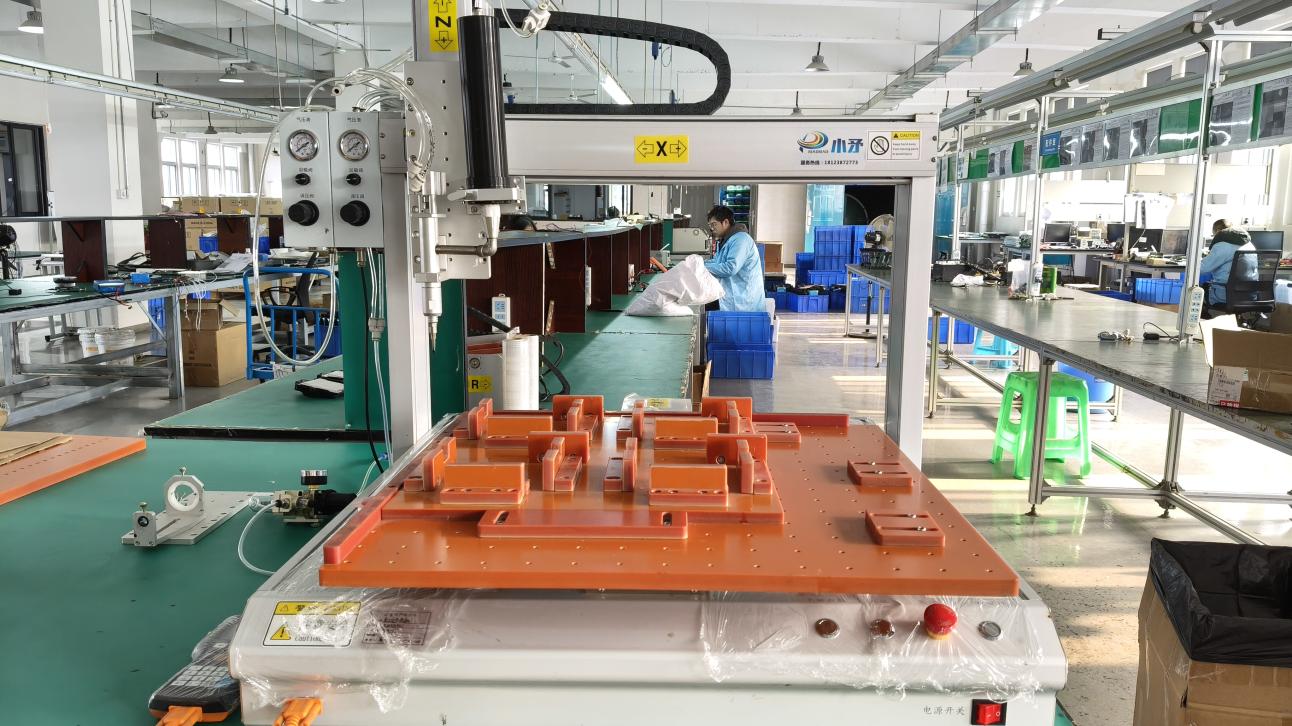
Take a virtual tour of our state-of-the-art facility equipped with CNC, SMT, wave soldering, and quality control systems.
Founded in 2003 in Yangzhou, China's lighting manufacturing hub, Yangzhou OneAll Lights Co., Ltd. spans over 20 years of dedication to technical innovation. With ISO9001, ISO14001, CE, and RoHS certifications, we operate a fully integrated production line that ensures high precision and reliable delivery.

From modern transit arteries to rural infrastructure and industrial zones.
Ideal for connecting roads between key urban centers like Belgrade, Novi Sad, and Subotica, where high lighting uniformity and low down-time are safety requirements.
Widely deployed in logistics complexes in Kragujevac and Niš, providing perimeter illumination and general security with motion-sensing tech.
Enhancing rural safety in remote villages across Southern Serbia, allowing zero-grid connection costs for localized budgets.
Fully certified and ready for import into the Serbia market.
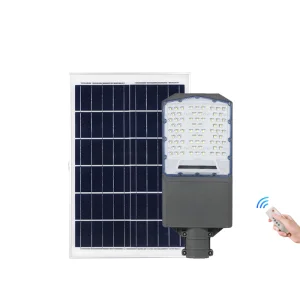
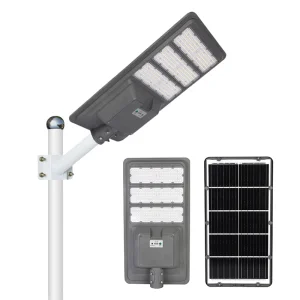
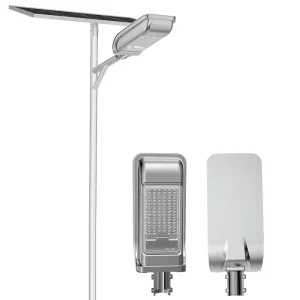
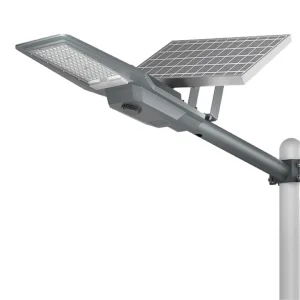
How to configure and import outdoor lighting systems safely and legally into Serbia and the wider European region.
For import into Serbia, compliance with the CE marking system, Low Voltage Directive (LVD), and Electromagnetic Compatibility (EMC) is essential. Our lighting equipment undergoes testing in certified labs, providing official CE certificates and test reports that pass through Serbian customs at Belgrade and Sremska Mitrovica smoothly.
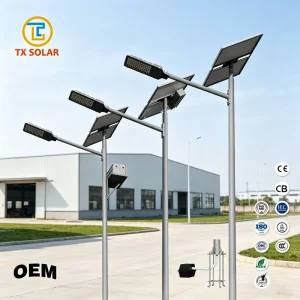
Because pole foundations differ based on the soil characteristics of the Vojvodina region (clay-like) versus Southern Serbia (rocky), we offer customized foundation cage drawings (J-bolts) and wind-load certificates. All steel parts are hot-dip galvanized with a powder coat finish for maximum corrosion resistance.
We work closely with contractors and distributors to provide customized solutions, including:
Technical answers to support engineering procurement and importing procedures.
 OneAll Lights