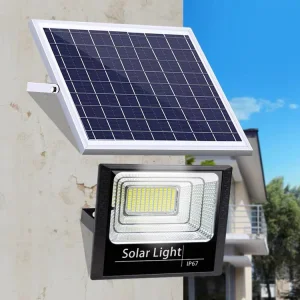
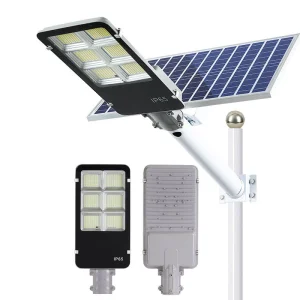
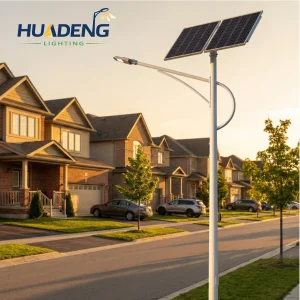
Optimized solar engine setups separating PV modules, batteries, and LED fixtures to maximize thermoregulation and solar gain under the Middle Eastern sun.
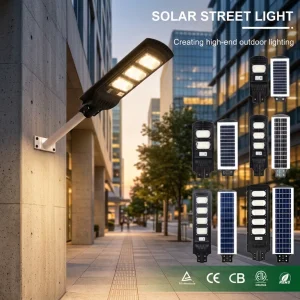
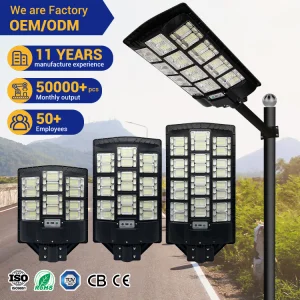
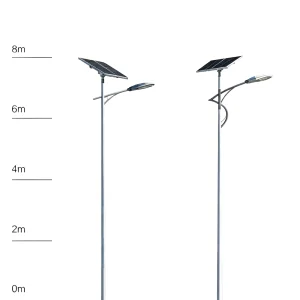
The United Arab Emirates is aggressively transitioning its municipal infrastructure toward sustainable energy solutions in accordance with the UAE Net Zero by 2050 Strategic Initiative. Under this federal framework, Abu Dhabi, Dubai, Sharjah, and the Northern Emirates are rapidly replacing outdated high-pressure sodium (HPS) grid-powered systems with high-efficiency commercial solar street lighting. Consequently, split-type solar street lights have emerged as the standard infrastructure specification across regional development projects.
In the extreme environment of the Arabian Peninsula, where ambient summer temperatures frequently surpass 50°C and particulate matter (sand and dust) regularly blankets solar installations, traditional unified systems face significant thermal degradation. Modern split solar street lights circumvent these challenges by segregating the solar photovoltaic panel, the energy storage unit (battery), and the LED luminaire. This decoupled architecture permits customized angle adjustments for maximum solar irradiance and isolates the battery package from direct thermal exposure, mitigating premature cell failure.
Direct compliance with the Dubai Clean Energy Strategy 2050 and the Abu Dhabi Economic Vision 2030, targeting 100% clean power capability.
Split architecture enables the placement of LiFePO4 batteries within buried underground protective chambers to avoid high thermal stress.
Unlike integrated designs, split systems allow independent azimuth and tilt settings for the solar panel to overcome sand build-up losses.
In high-latitude or temperate regions, All-in-One (integrated) solar lights offer rapid installation advantages. However, for utility-scale tenders in the UAE, split solar street lights are overwhelmingly favored due to the following engineering factors:
Navigating municipal road lighting tenders in Abu Dhabi (ADITC) or Dubai (Dubai Municipality) requires adherence to strict engineering parameters. As a professional global manufacturer, Yangzhou OneAll Lights Co., Ltd. designs systems that align seamlessly with the regulatory protocols required by Middle Eastern consultants:
| Regulatory body / Authority | Standard/Requirement Details | Our Factory Compliance & Engineering Solution |
|---|---|---|
| Dubai Municipality (DM) | Minimum ingress protection IP65/IP66 for outdoor luminaires, along with specialized dust resilience (anti-soiling coatings). | All LED modules feature IP66 optical cavities and tempered glass seals with dust-repellent coating. |
| Abu Dhabi QCC (Estidama) | Energy-efficiency metrics, thermal management under direct sunlight, and minimum 5-year warranty on battery components. | LiFePO4 battery systems featuring advanced Smart BMS (Battery Management System) and isolated subterranean installation cases. |
| Federal Transport Authority | Wind resistance parameters up to 160 km/h to withstand sandstorms and seasonal wind cycles. | Structural calculations for anti-corrosion Q235 steel poles with hot-dip galvanization and custom aerodynamic bracket systems. |
| RoHS & CE Certification | Ecological safety, lead-free components, and electromagnetic compatibility. | Full certification across our factory lines. Safe disposal processes integrated into product lifecycles. |
Dust deposition is the primary cause of solar power degradation (soiling loss) in the GCC region, sometimes reducing system output by up to 30% over a few dry weeks. To counter this, our engineering team supplies panels with a optimized tilt angle (minimum 25 to 30 degrees) to facilitate natural gravity shedding of sand and dust particles during seasonal winds. Additionally, our LED drivers feature smart dimming capabilities (such as motion detection and time-phase profiles) to minimize current draw during periods of low activity, ensuring that the light operates continuously even through multi-day sandstorms.
We provide localized engineering layout calculations, Dialux lighting reports, and complete technical datasheets for UAE tender approvals.
Request Design SupportWith over 20 years of manufacturing excellence since 2003, our Yangzhou-based facility guarantees precision engineering and robust supply chain advantages for international projects.
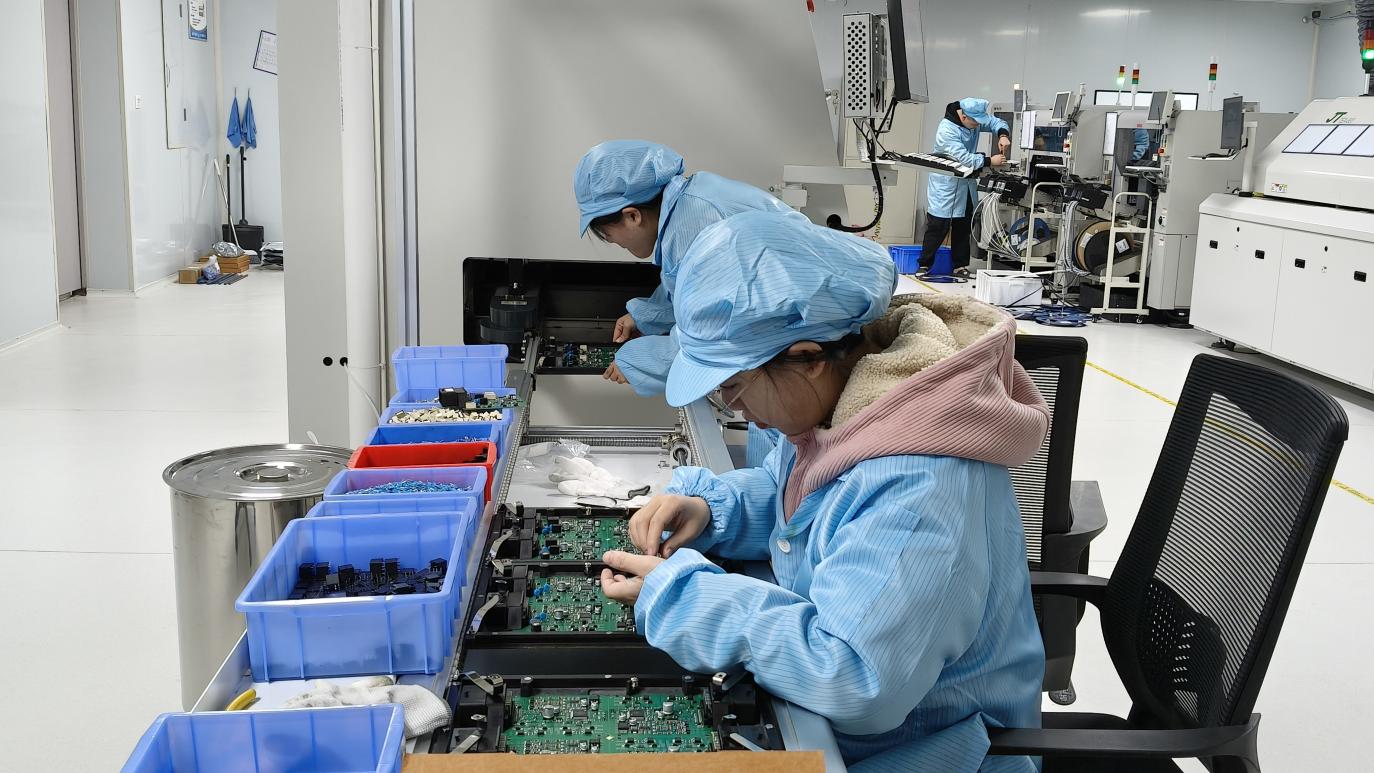
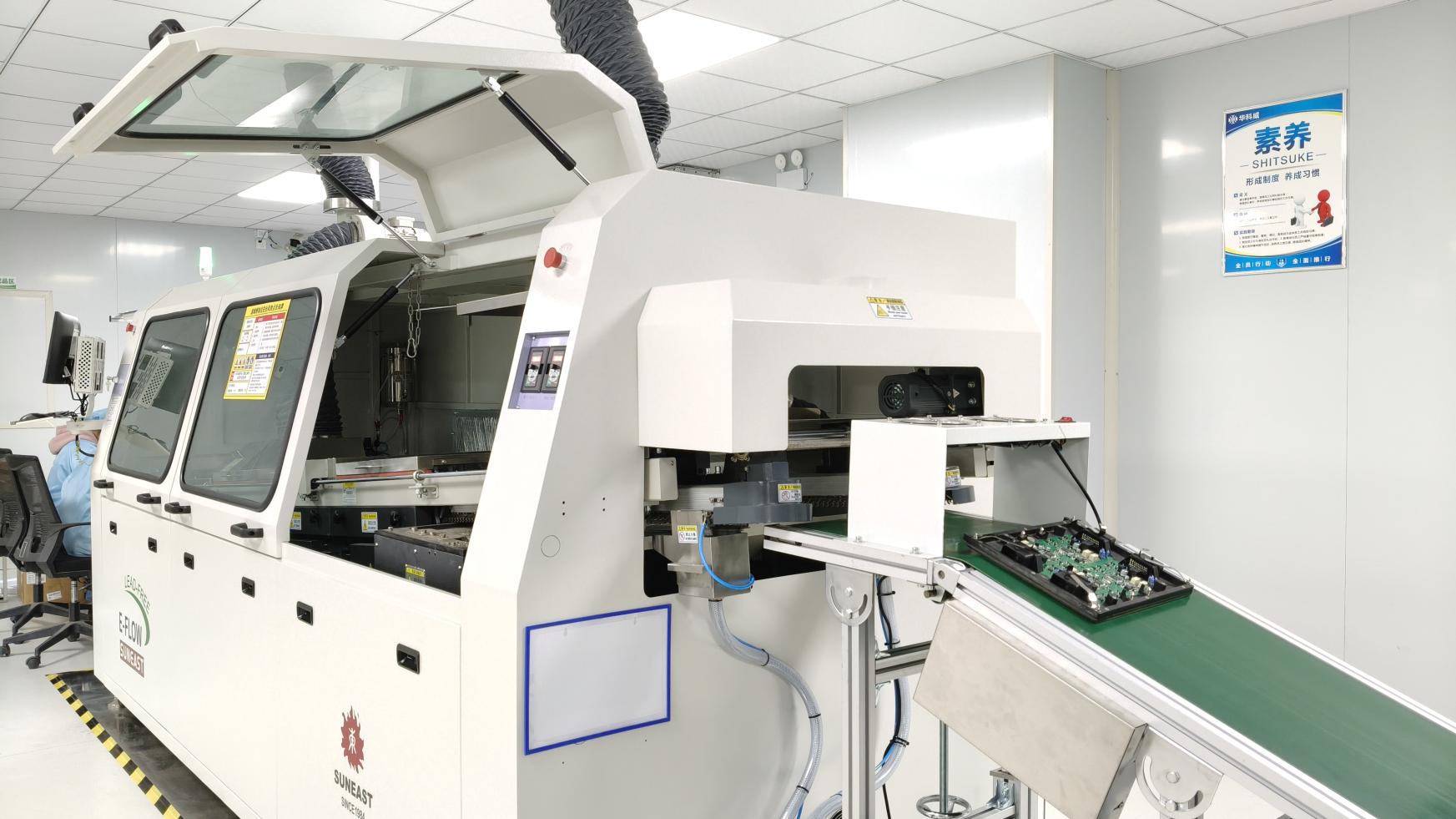
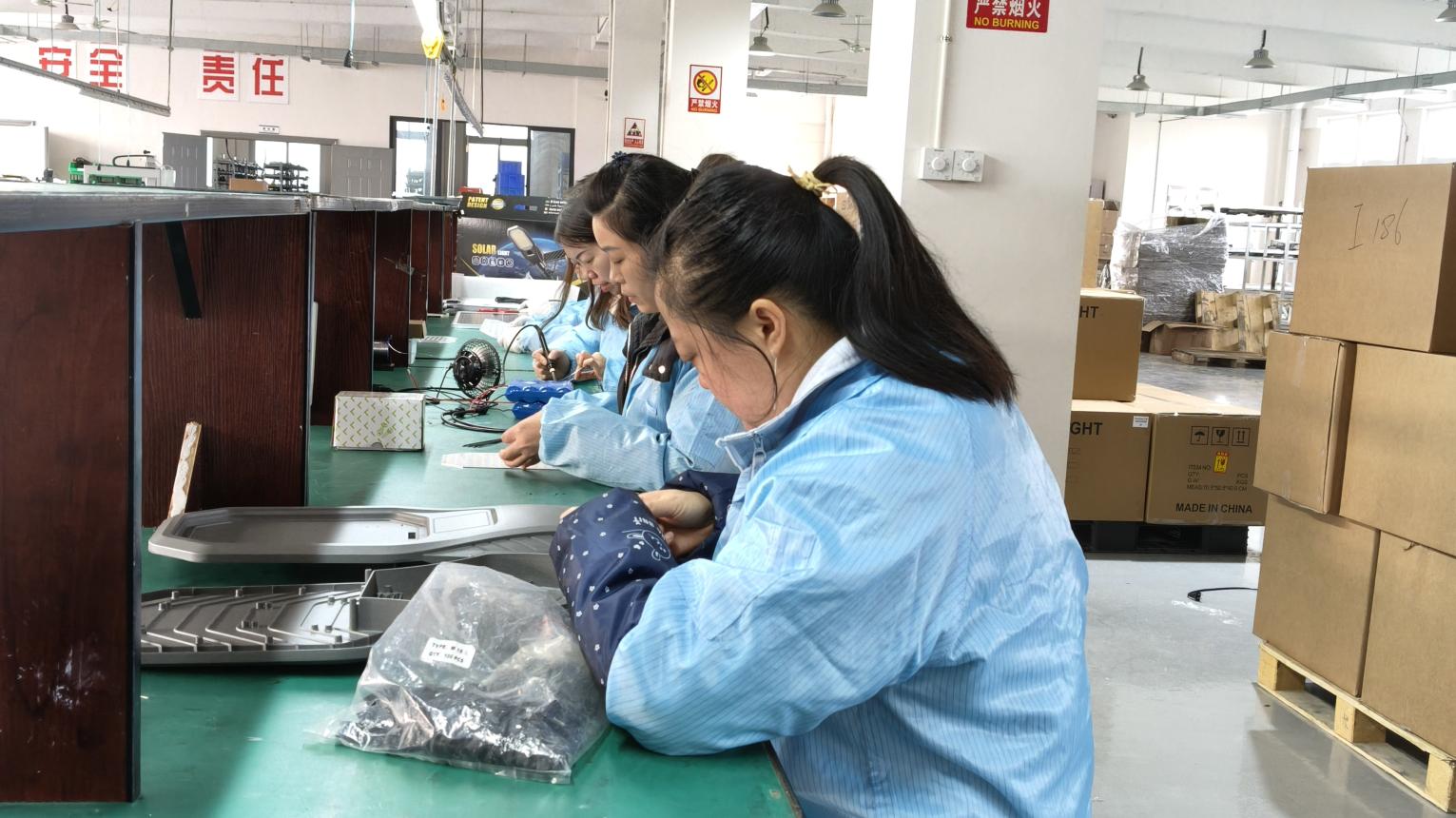
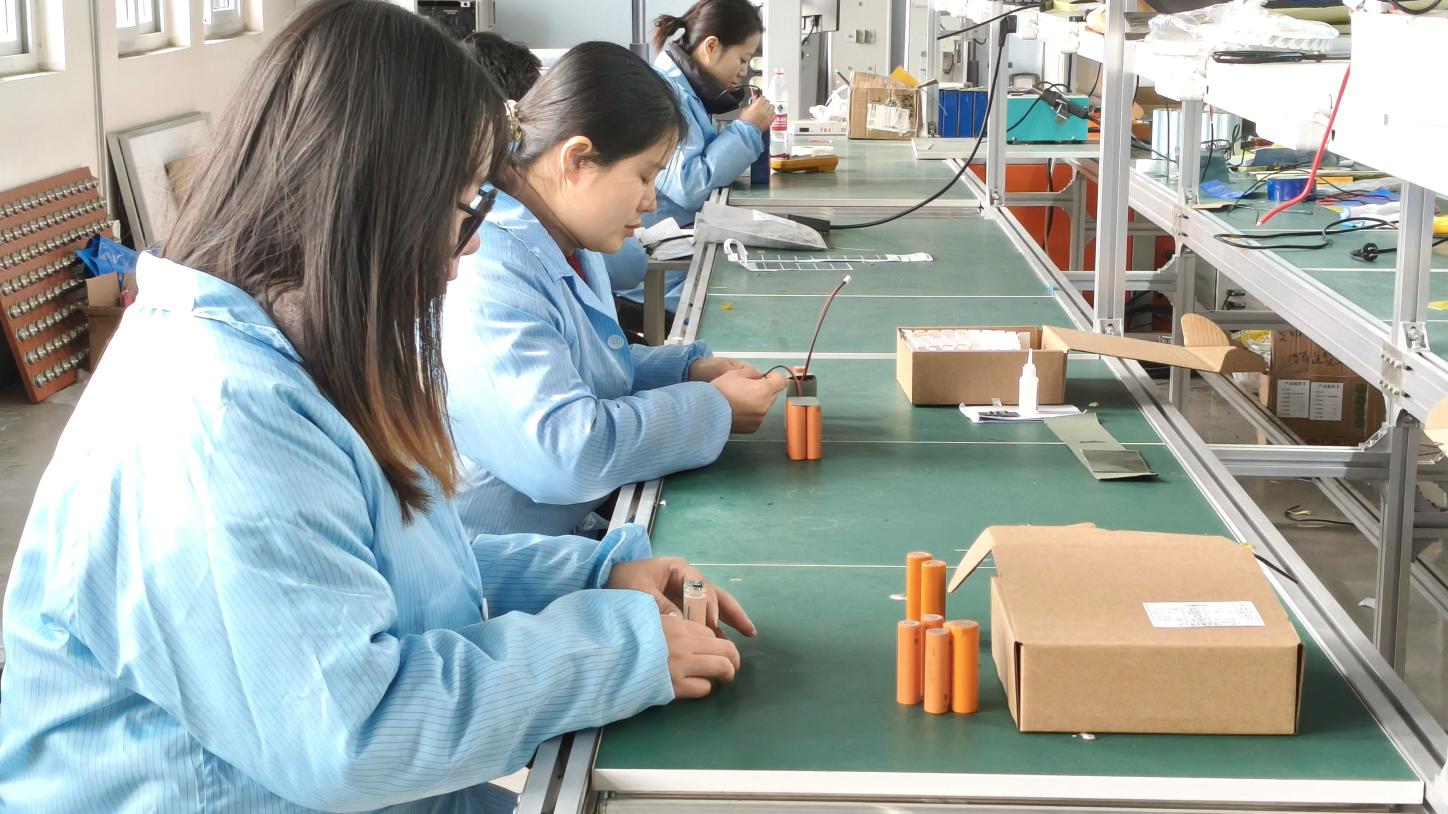
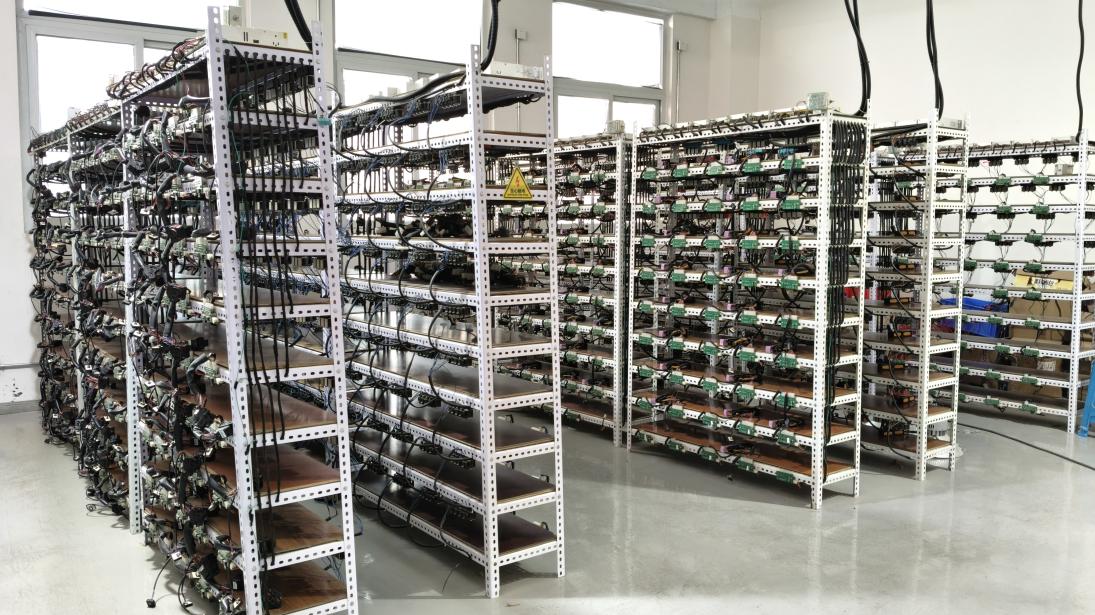
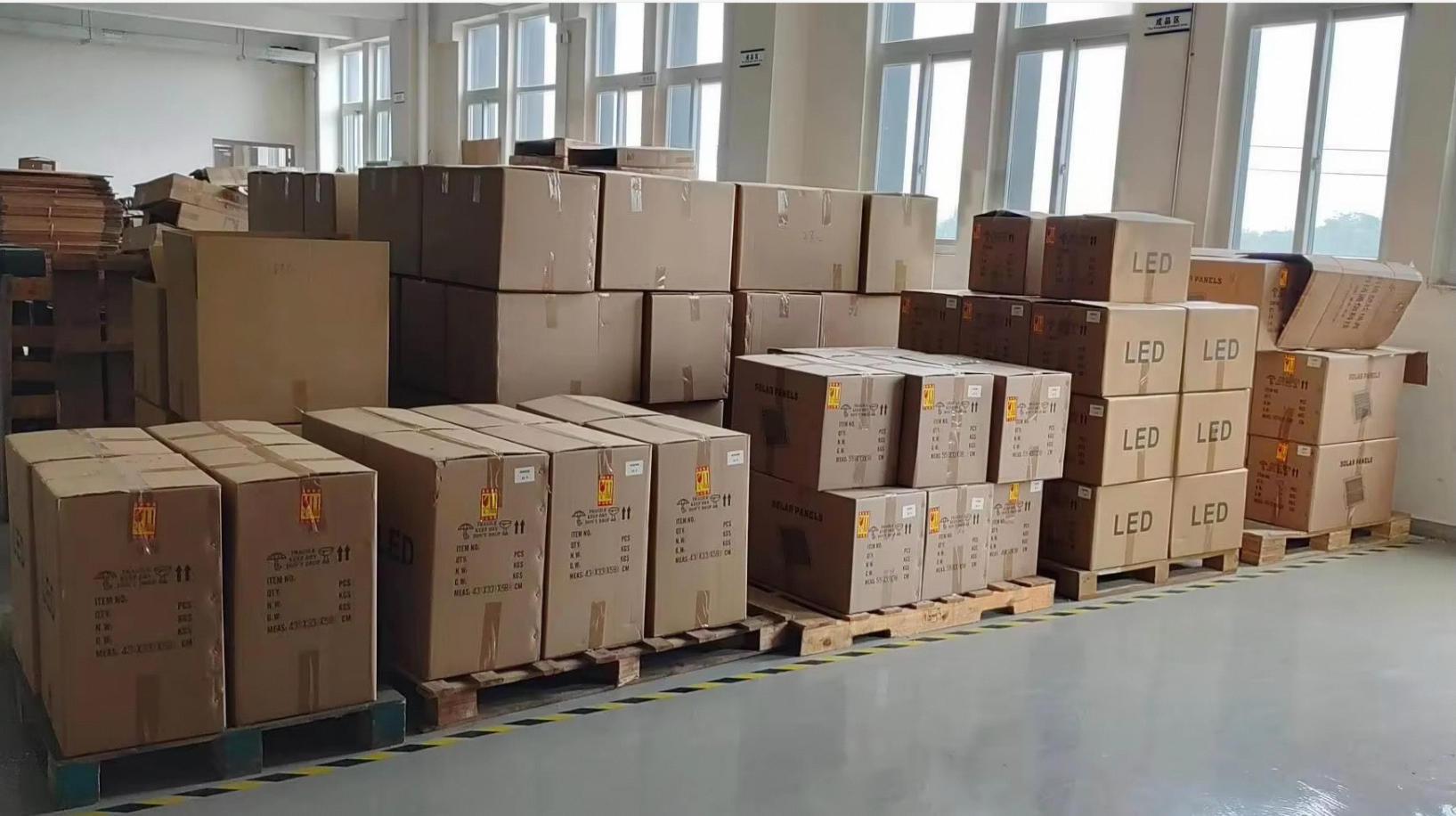
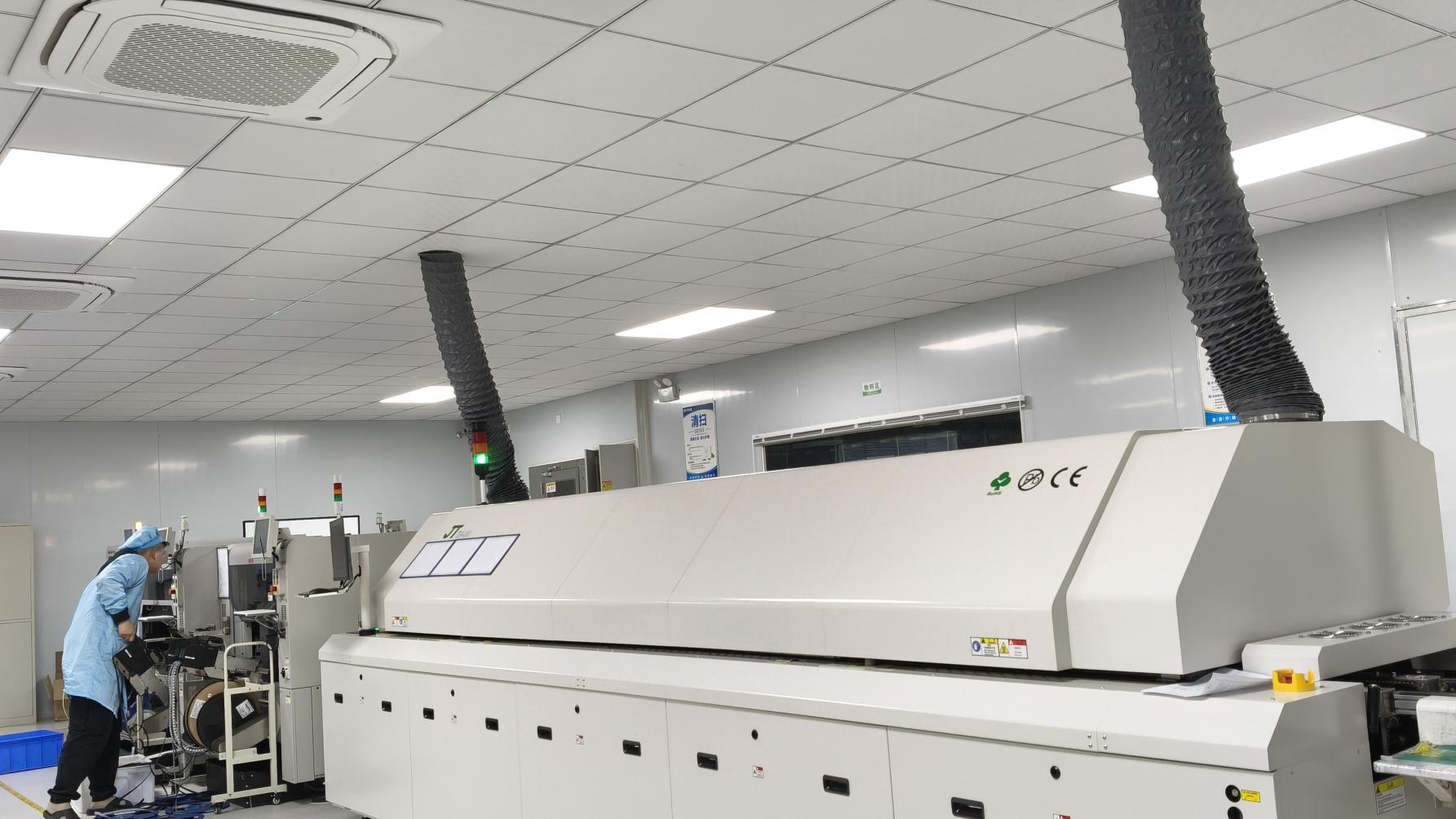
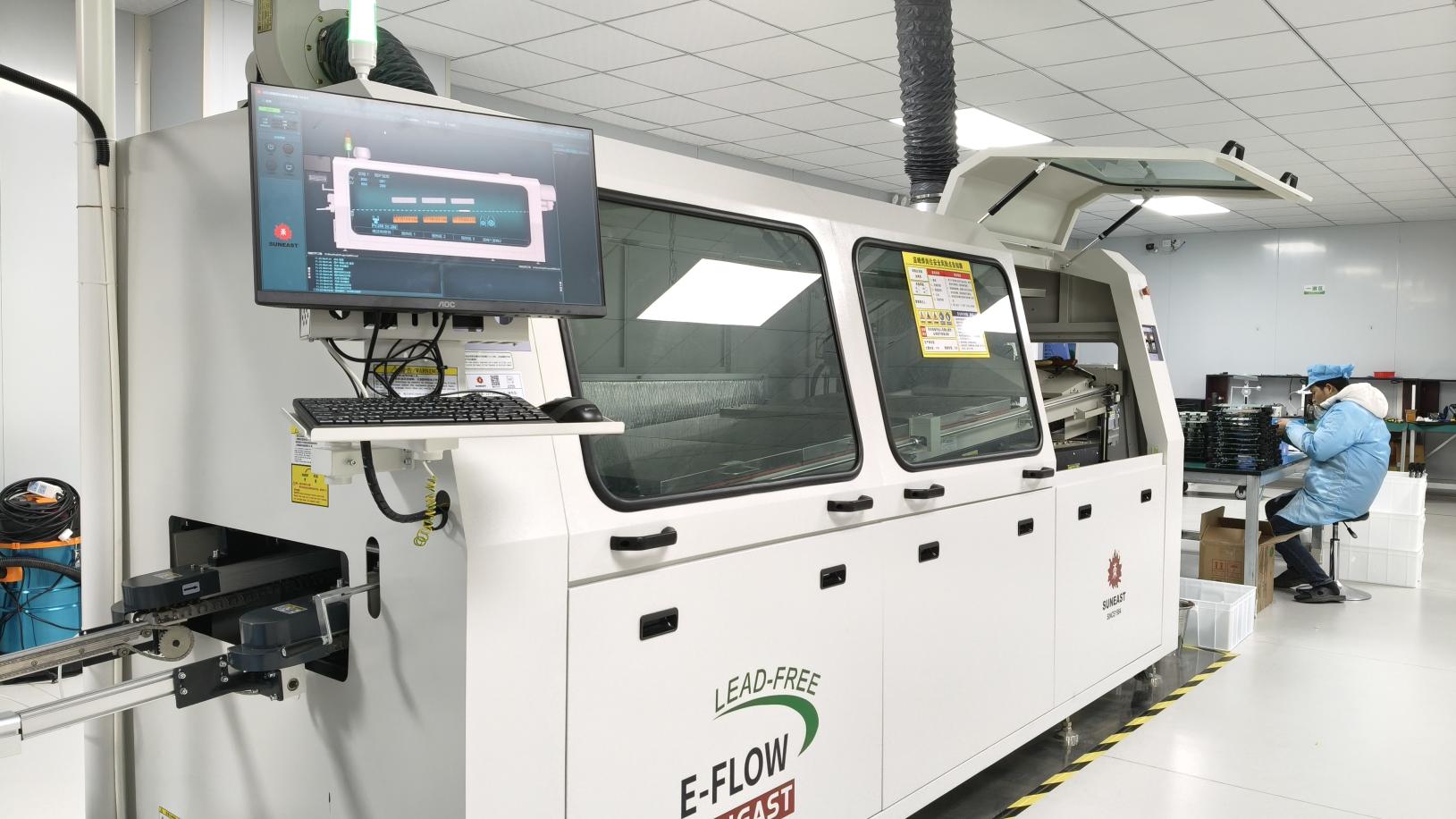
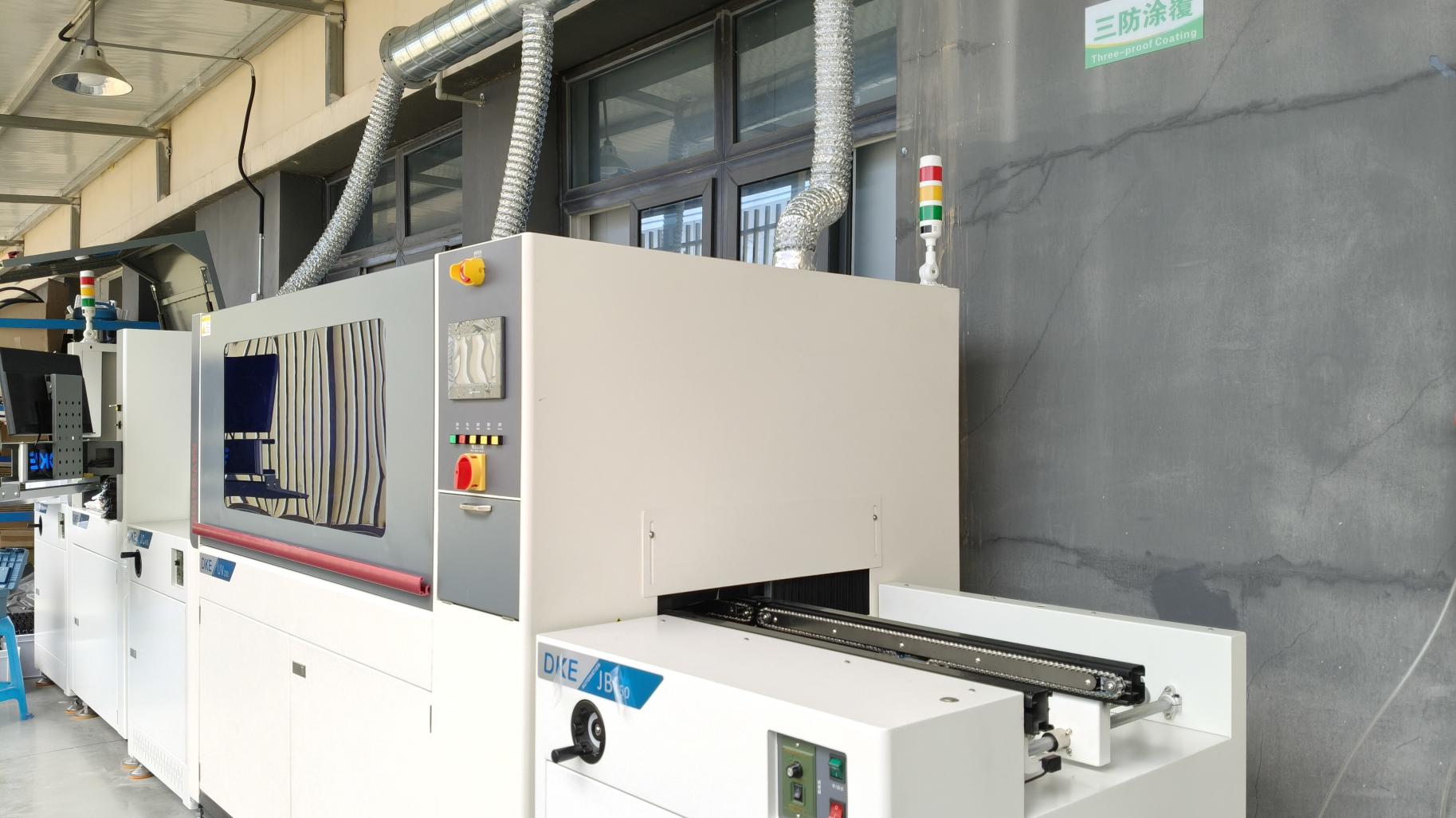
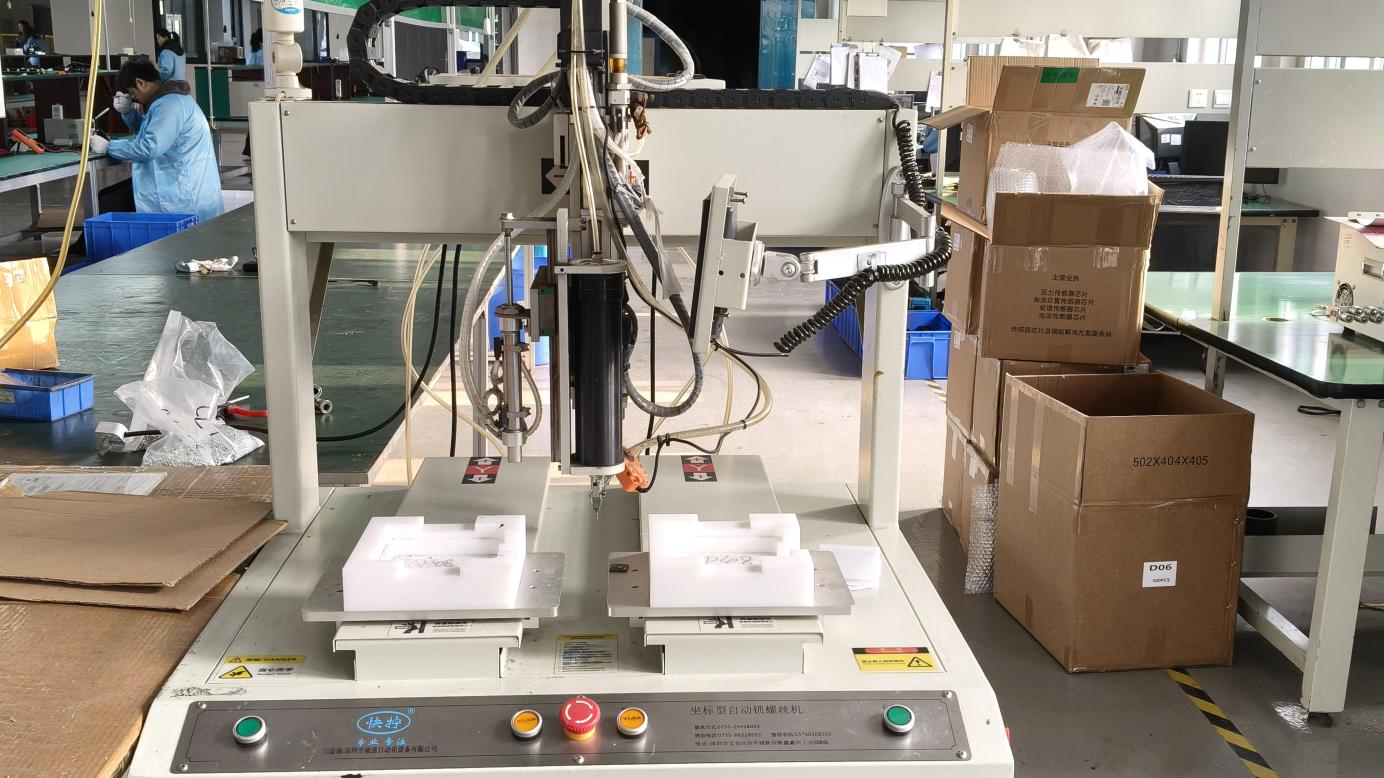
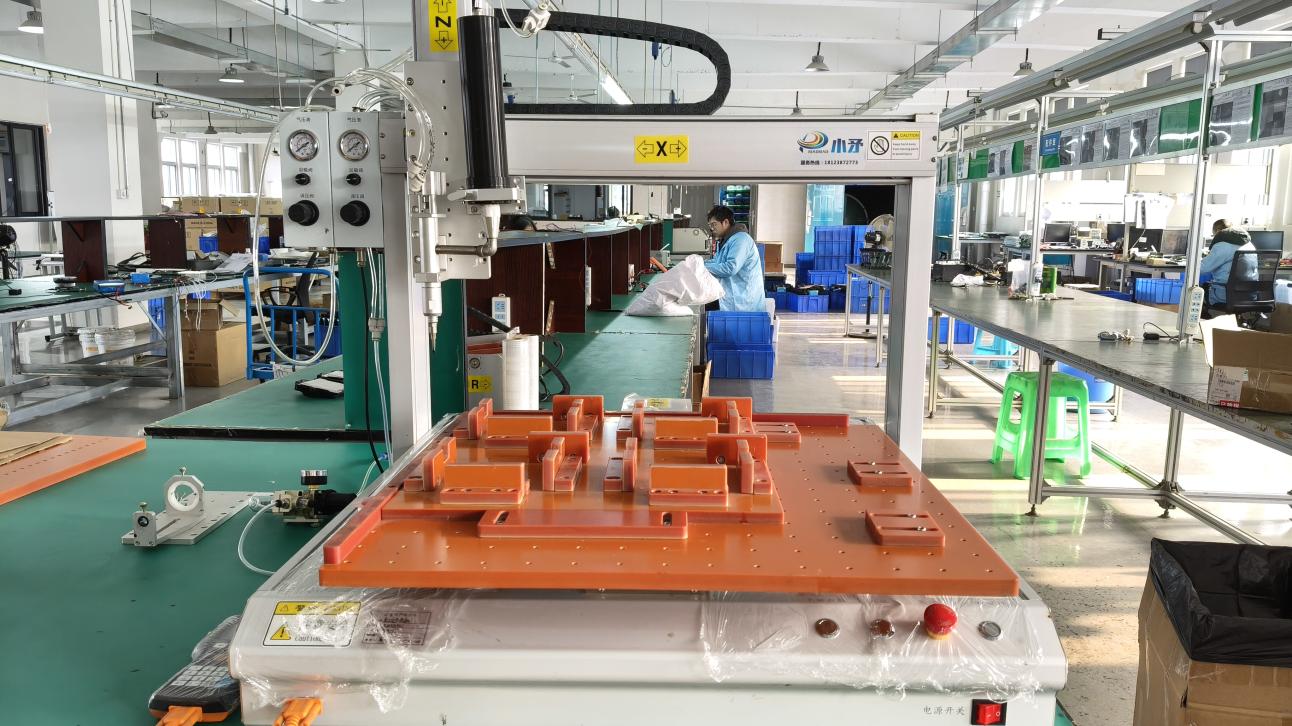
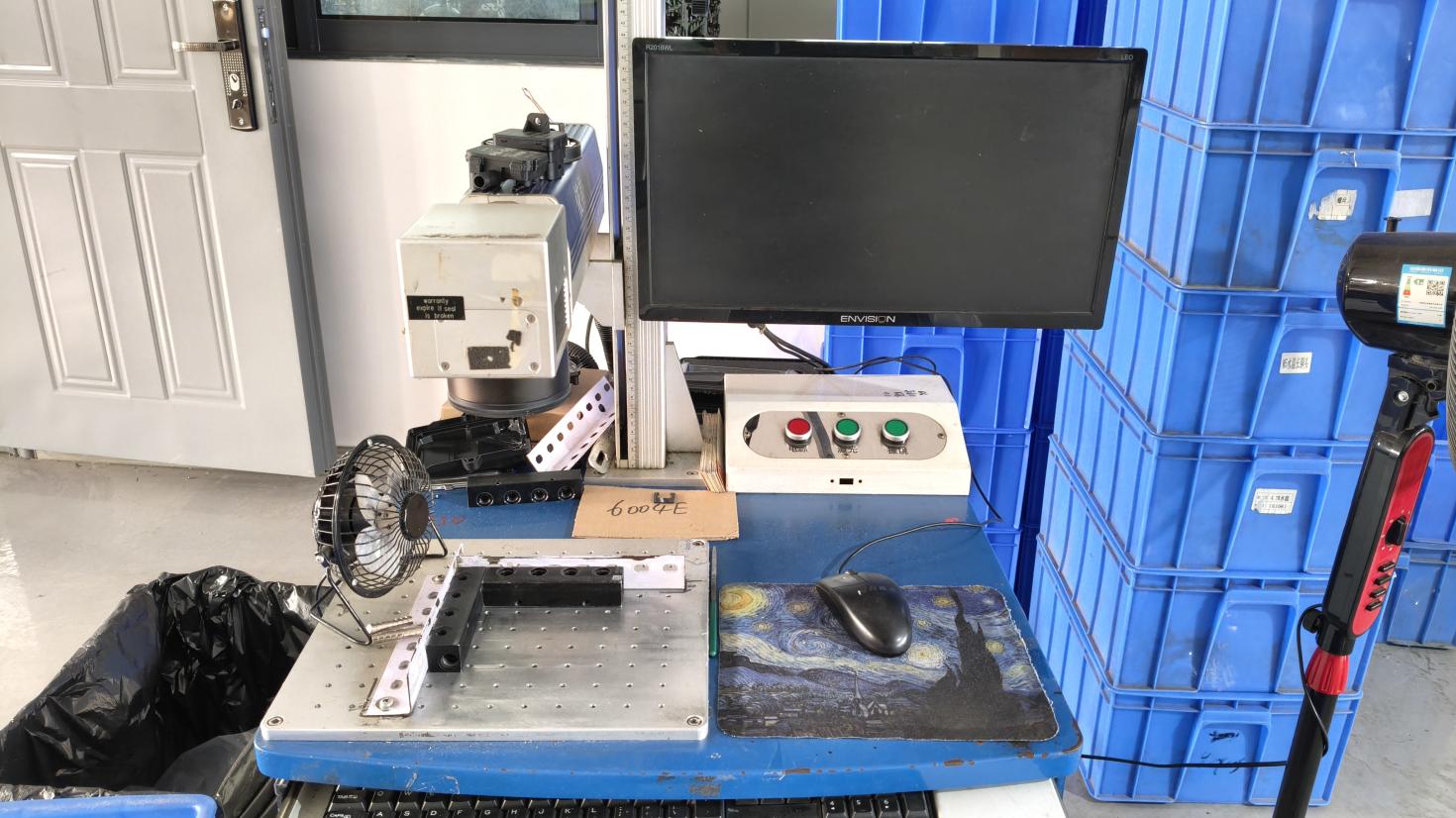
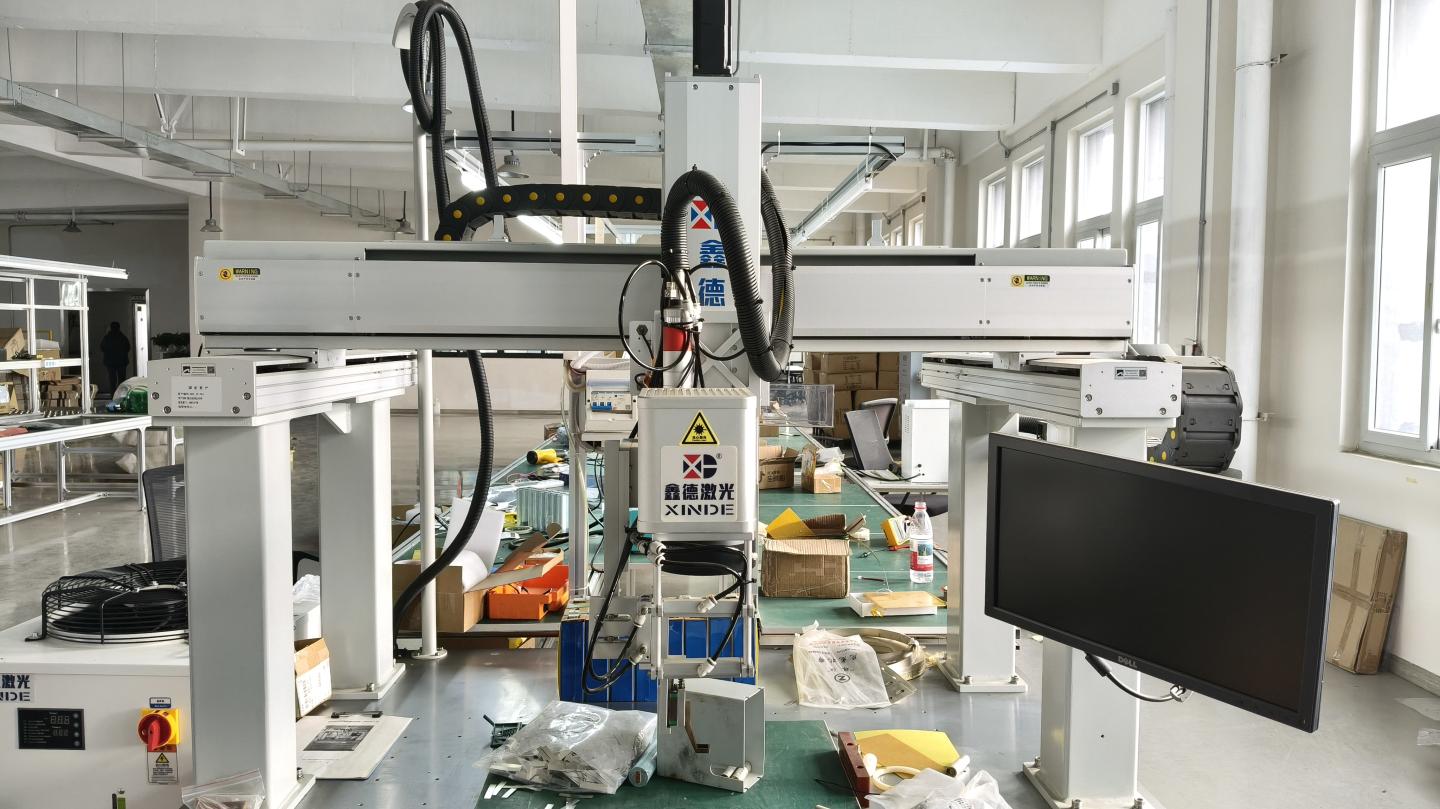
Our ISO9001 and ISO14001 certified production facility is equipped with automated SMT assembly lines, advanced wave soldering systems, precise automatic gluing machinery, and dedicated aging test rooms. These high-end manufacturing lines enable us to maintain strict quality control standards, ensuring that every solar street light shipped to the Middle East meets the high reliability thresholds expected by our clients.
Engineering options suited for high-wind coastal conditions and remote developments in Al Ain, Fujairah, and Ras Al Khaimah.
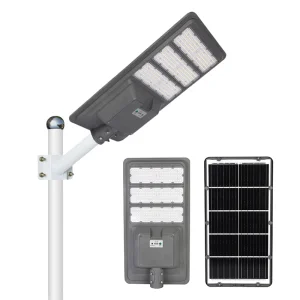
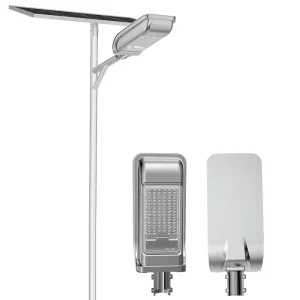
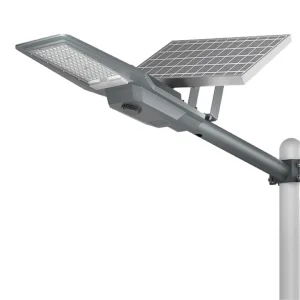
Explore our industrial and commercial split-type solar street lighting components, optimized for long backup and extreme weather resilience.
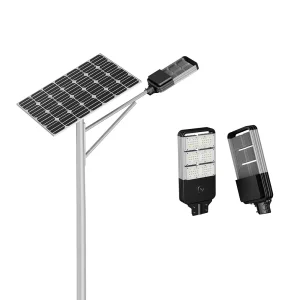
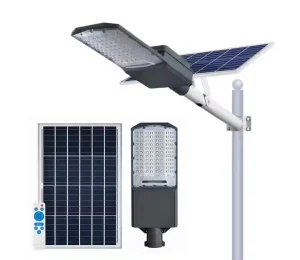
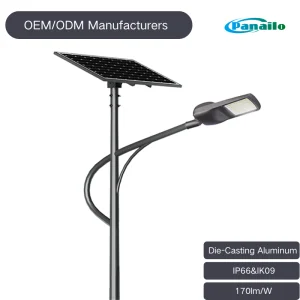
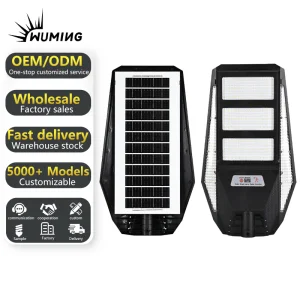
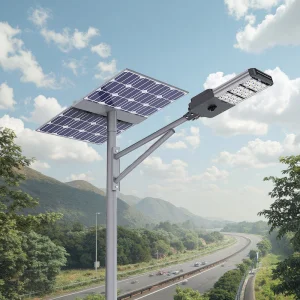
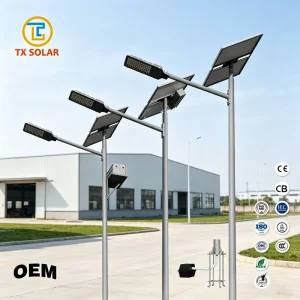
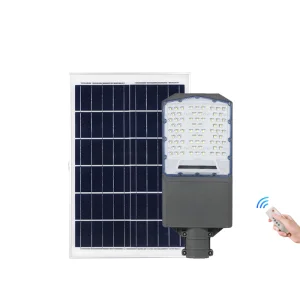
For international contractors and developers based in Abu Dhabi, Dubai, or Muscat, procuring industrial lighting systems directly from China's primary manufacturing hubs guarantees optimal capital expenditure (CAPEX) efficiency. Located in Yangzhou—the world capital of street lighting production—Yangzhou OneAll Lights Co., Ltd. leverages a highly consolidated industrial ecosystem. We source premium-grade raw steel, advanced monocrystalline PV cells, high-performance LED chipsets, and industrial-grade controllers directly within our local manufacturing zone, minimizing transit costs and turnaround times.
Our state-of-the-art facility integrates SMT lines, automated wave soldering systems, and robotic waterproof sealing stations to ensure consistent build quality. Each split solar street light is engineered to tolerate intense sandstorms and the thermal stress typical of Middle Eastern summers. The metal components are finished using electro-statically applied protective coatings that prevent UV degradation and salty coastal corrosion, maintaining structural integrity over decades of field operation.
Our customized split solar street lights are deployed in diverse urban planning and infrastructure settings across the UAE:
Detailed engineering answers to the most common queries regarding split solar street light installations in the GCC region.
Split-type systems allow the solar panel to be tilted at the exact optimal angle to maximize solar collection and allow sand to slide off. Additionally, separating the battery from the hot PV panel helps prevent heat buildup. By placing the battery in a shaded or underground enclosure, the temperature remains low, which prevents the battery from degrading prematurely under the intense UAE sun.
We use high-temperature LiFePO4 (Lithium Iron Phosphate) chemistry that operates safely at elevated temperatures. For municipal projects, we also design subterranean battery boxes. Placing the battery underground keeps the operating temperature stable, which helps protect the cells and extends the life of the system.
Yes, all our structural steel poles and brackets undergo wind-load engineering. They are hot-dip galvanized and powder coated to withstand sand erosion and wind gusts of up to 160 km/h, which is critical during seasonal sandstorms in the UAE desert.
Yes, we provide comprehensive Dialux simulations based on the specific road profiles, pole heights, spacing requirements, and target lux levels set by Dubai Municipality, Abu Dhabi QCC, or other regional transport authorities.
Our LED engines and PV panels have an operating life of over 10-12 years, while the LiFePO4 batteries typically last between 5 and 8 years depending on usage. The main maintenance requirement is periodically cleaning the dust off the solar panels to ensure they continue to charge efficiently.
Connect with our engineering team to request customized technical configurations, CAD drawings, and factory direct quotes.
 OneAll Lights