Architectural lighting design is no longer just about functionality; it has evolved into a key element of urban design, sustainability, and structural branding. Modern LED architectural lighting blends aesthetics, energy efficiency, and durable engineering. Historically, commercial facades, bridges, and public squares relied on high-energy metal halide or sodium lamps. Today, custom solid-state LED systems have completely changed the industry. These advanced fixtures allow designers to shape nighttime environments with precise optical control, adjustable color temperatures, and smart integration.
A major trend driving the market is the shift toward human-centric and bio-centric lighting designs. This approach aims to reduce light pollution while highlighting structural details. It utilizes narrow-beam optics, precise glare shields, and dynamic white tuning. At the same time, architectural projects now require compliance with international sustainability certifications like LEED, BREEAM, and WELL. This has increased demand for luminaires that deliver high efficacy (often exceeding 150 lumens per watt) and long lifespans, minimizing the carbon footprint throughout their operation.
Modern architectures adopt DALI-2, Zigbee, and LoRaWAN protocols for dynamic control and diagnostic reporting.
Asymmetric lenses and anti-glare technology (UGR < 19) ensure precise beam control, preventing light pollution.
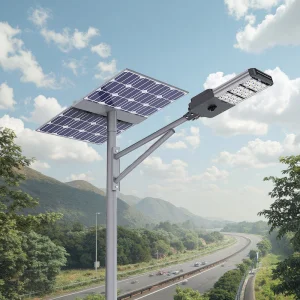
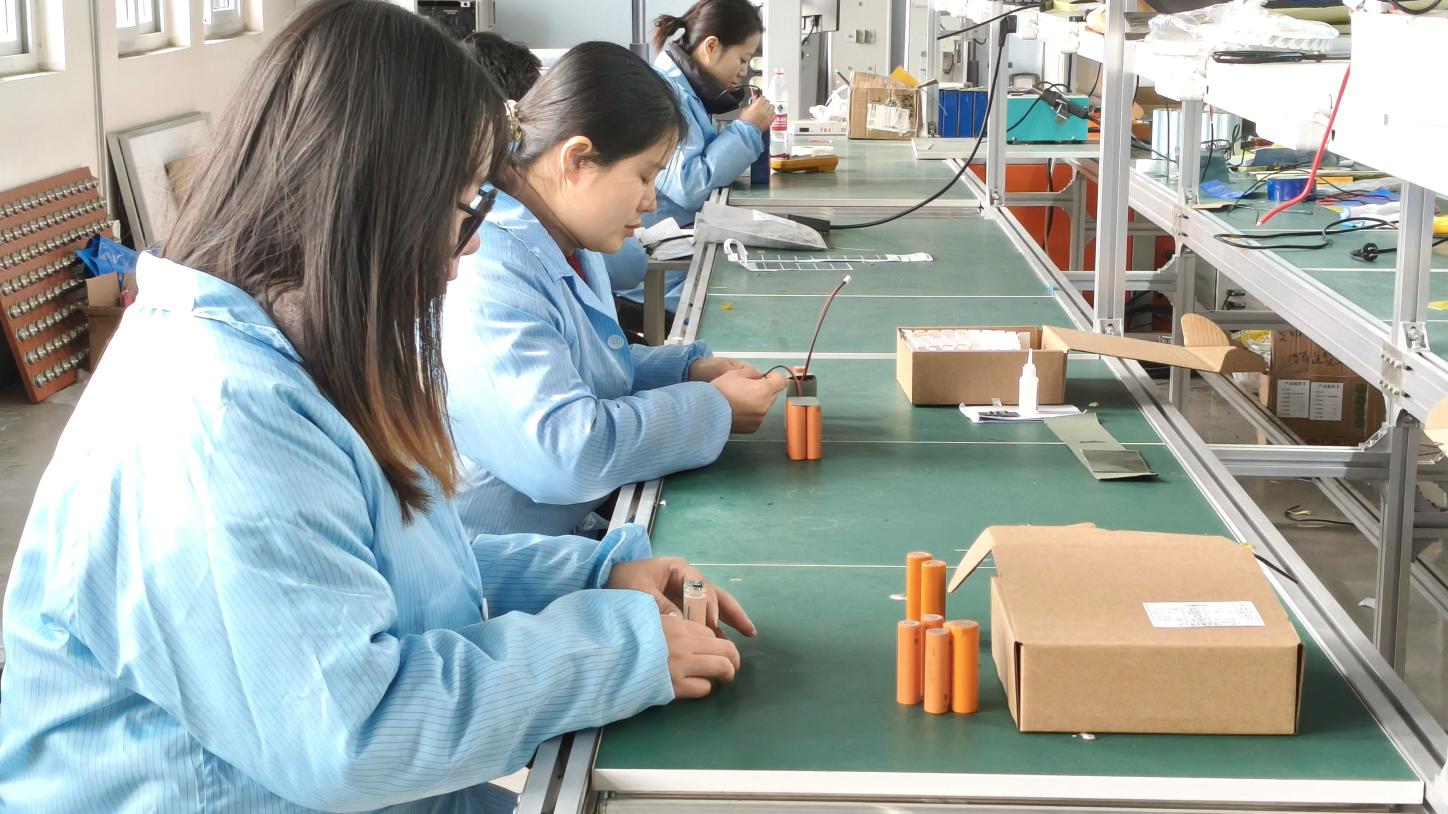
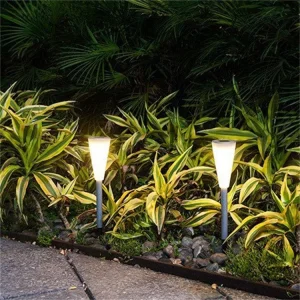
Integrating monocrystalline PV panels and high-capacity LiFePO4 batteries into solar-powered architectural lighting.
In addition, smart city infrastructure has led to the adoption of intelligent lighting nodes. Architectural luminaires now serve as data-collection points. Fitted with ambient light sensors, motion detectors, and self-diagnostic units, these systems communicate issues back to central management platforms. This reduces maintenance costs and ensures urban systems run smoothly.
B2B lighting buyers—including EPC contractors, municipal engineers, landscape architects, and global distributors—face complex project demands. Technical evaluation goes far beyond simply reviewing wattage. Buyers must assess thermal management, photometrical precision, material selection, and regulatory compliance to ensure reliable performance over decades.
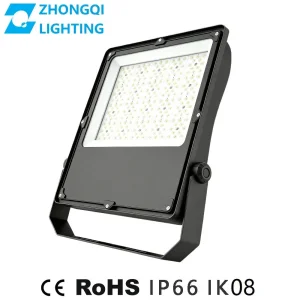
A key focus is structural design and weather resistance. In harsh outdoor conditions, fixtures must withstand moisture, UV radiation, high temperatures, and salt spray. An IP65 or IP66 rating is critical, and high-impact IK08/IK10 ratings are required for public and industrial spaces to protect against vandalism and physical impacts. Using marine-grade, die-cast aluminum alloys (such as ADC12) along with electrostatic powder coatings prevents corrosion, ensuring the housing lasts as long as the internal electronics.
Optical performance is another essential benchmark. Buyers demand comprehensive IES files to perform lighting simulations in Dialux. This ensures they achieve the target lux distribution without over-specifying. Important metrics like Color Rendering Index (CRI > 80), MacAdam ellipse steps (SDCM < 3 or 5 for color consistency), and power factor parameters (PF > 0.95) are standard criteria during technical reviews. Selecting top-tier LED chips (such as Cree, Osram, or Lumileds) and pairing them with high-efficiency drivers (like MeanWell, Inventronics, or Sosen) ensures low luminaire degradation and long-term stability.
The global lighting market depends on China's highly efficient supply chain. At Yangzhou OneAll Lights Co., Ltd., we combine this industrial advantage with modern "Factory 4.0" automation. Founded in 2003 in Yangzhou, Jiangsu Province, we have spent over twenty years refining our design, engineering, and manufacturing capabilities. This experience allows us to consistently deliver high-performance lighting solutions to clients worldwide.
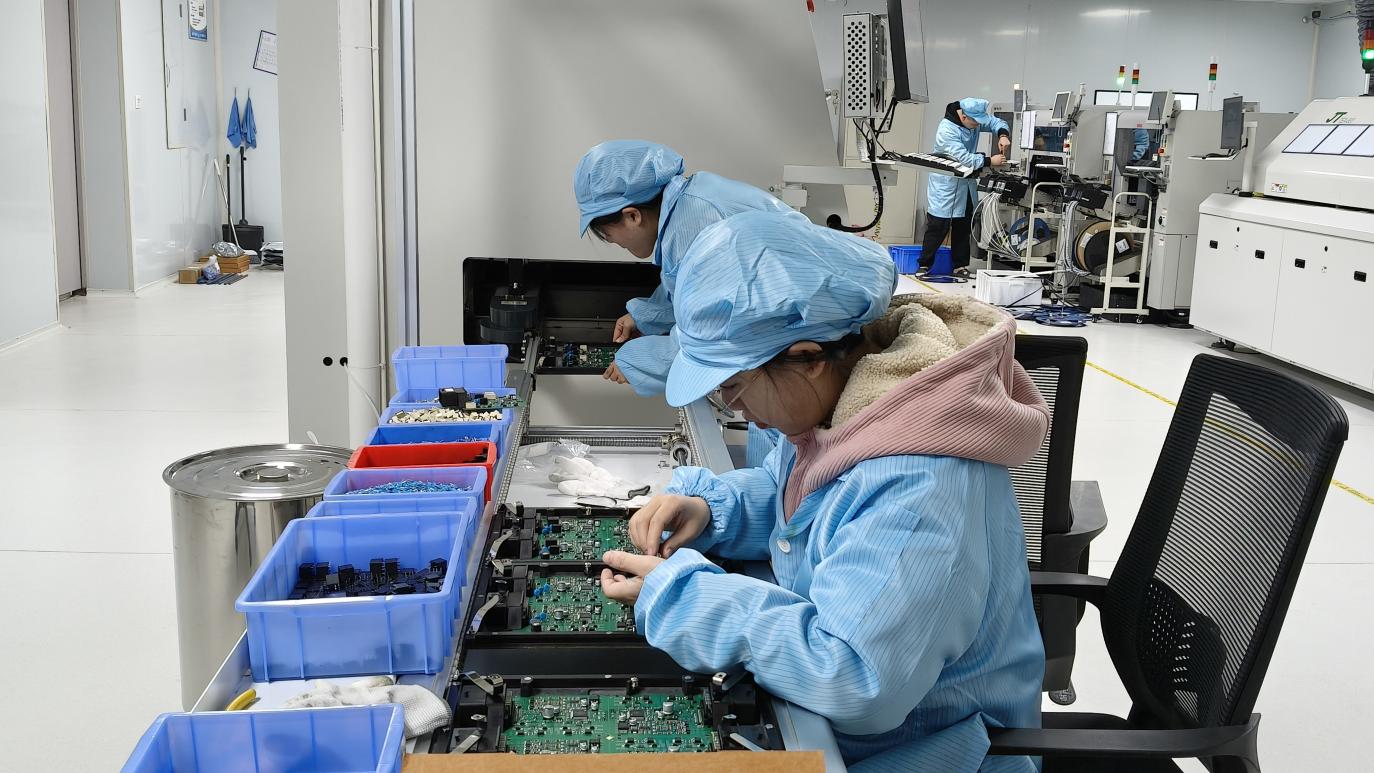
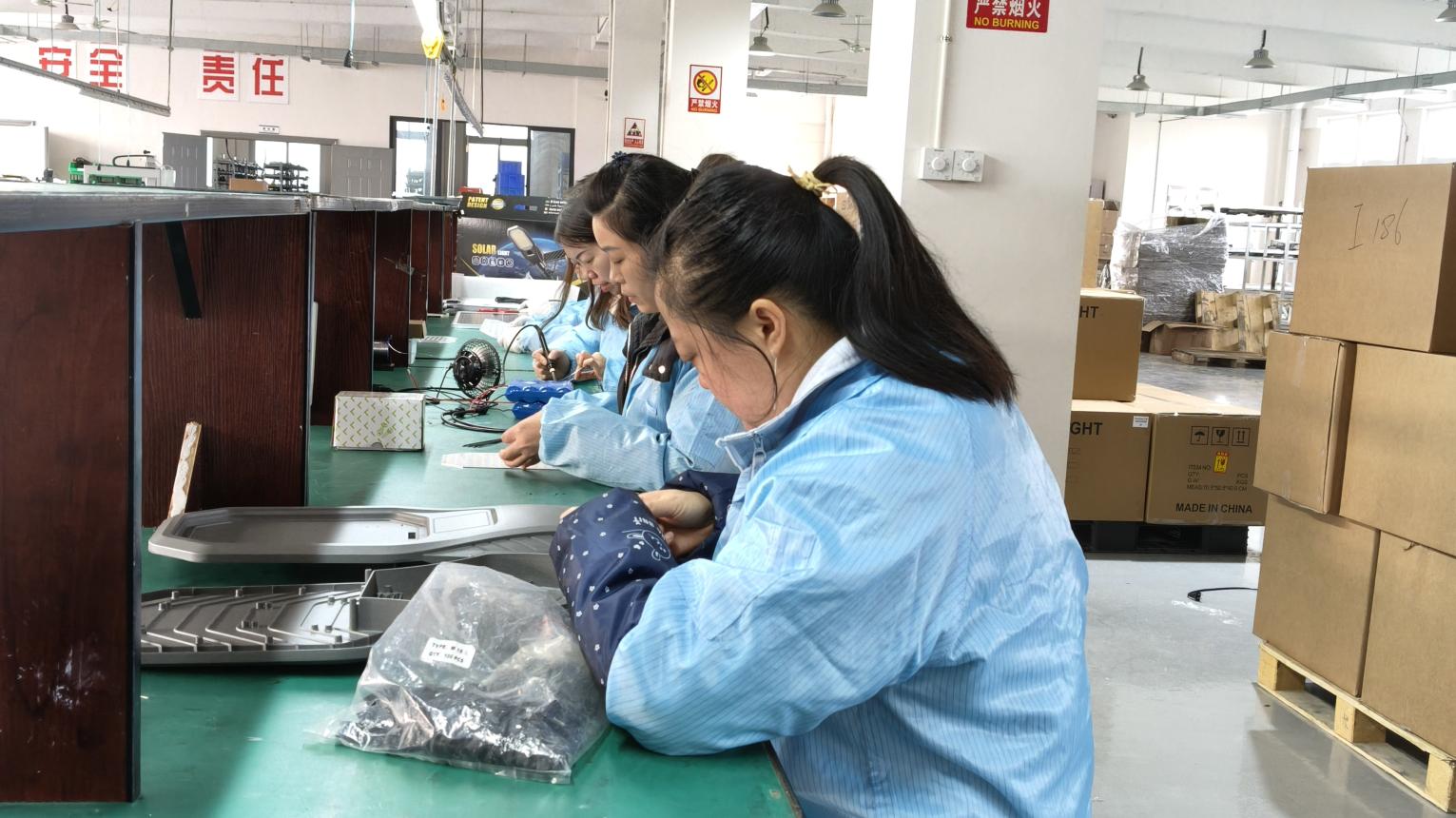
Our facility features advanced manufacturing technology, including CNC bending machines, automatic submerged arc welding systems, laser cutting machines, electrostatic powder coating lines, fluorocarbon painting workshops, and precision testing instruments. With multiple automated production lines and a highly skilled technical team, we handle large-scale projects efficiently while maintaining stable quality and on-time delivery.
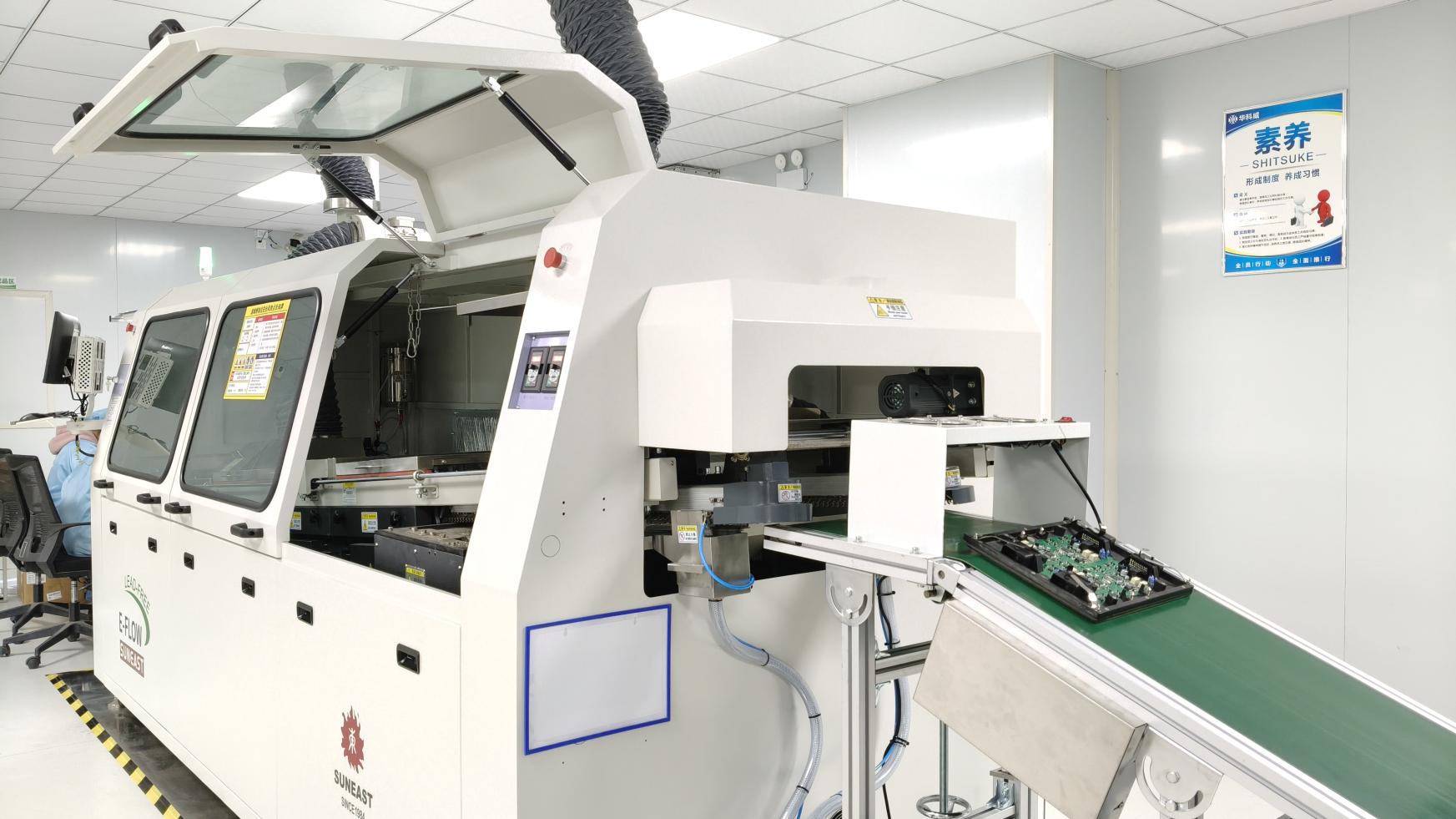
By automating key steps like SMT production, wave soldering, automatic three-proof coating, and robotic gluing, we minimize human error and keep product quality uniform across every batch. Our strict quality control processes include rigorous aging tests, thermal imaging, and IP waterproof testing. These measures ensure that every product leaving our facility is built to perform reliably in demanding outdoor environments.
In addition to advanced production, our geographic location provides access to a complete supply chain ecosystem. We source high-grade raw materials, precision optics, and advanced driver components locally. This helps us shorten lead times and protect our clients from supply chain disruptions. Holding certifications like ISO9001, ISO14001, CE, CCC, and CQC, we meet international standards, giving global distributors and engineers confidence in our products.


Architectural lighting must adapt to the unique requirements of different installations. A standard solution rarely fits every application. By matching optical packages and materials to the environment, engineers ensure high-performance lighting that stands up to demanding conditions.
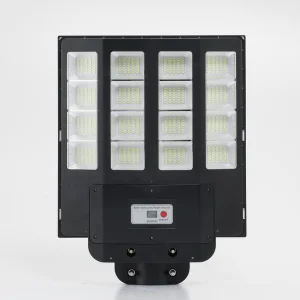
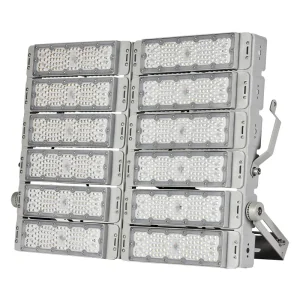
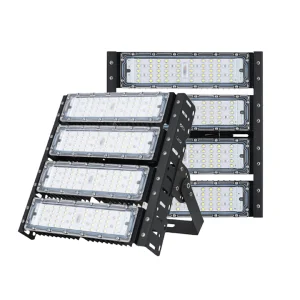
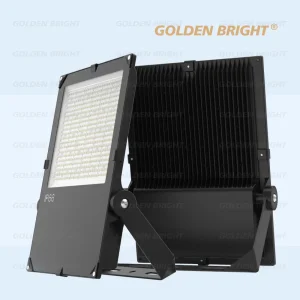
Large spaces require high lumen output and effective glare control. High-power LED floodlights (from 400W up to 1000W) feature advanced asymmetric optical lenses that target the light precisely where it is needed. This reduces spill light and ensures uniform lighting for cameras, players, and spectators alike.
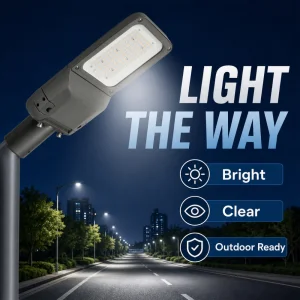
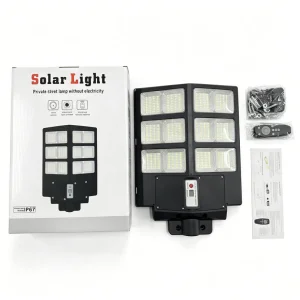
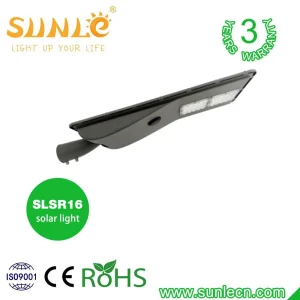
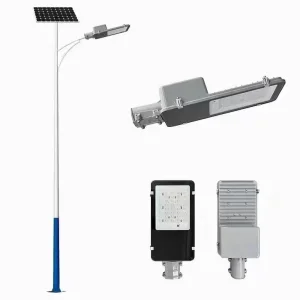
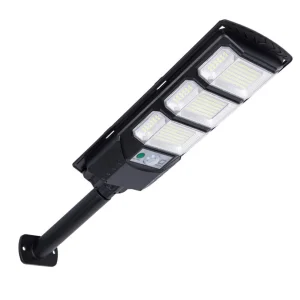
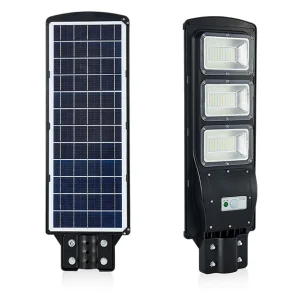
Safety is the primary focus for roadway lighting. Using split-type and integrated solar LED streetlights ensures reliable operation without grid dependence. These systems feature monocrystalline solar panels, MPPT controllers, and long-lasting LiFePO4 batteries, delivering consistent brightness even during consecutive overcast days.
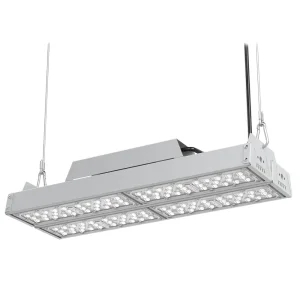
Industrial spaces need robust, durable lighting. Linear high bay systems and tri-proof lights (IP65/IP66) are built to resist dust, vibration, and moisture. They deliver stable illumination across high-ceiling layouts, improving worker safety and overall productivity.
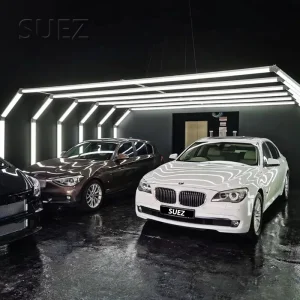
Specialized commercial environments, like car wash tunnels and automotive detailing bays, require high-contrast, glare-free lighting. Custom ceiling-mounted LED grids provide shadow-free, high-CRI illumination, helping technicians spot minor imperfections easily.
To reduce risk in commercial architectural lighting projects, procurement teams should follow a structured verification process when auditing manufacturing partners:
Ensure the factory holds ISO9001 and ISO14001 certifications. Products should carry valid CE, CB, CCC, and UL marks, with reports verified through official database portals.
Verify that raw materials, driver brands (e.g., MeanWell, Inventronics), and LED chips (e.g., Lumileds, Osram) match the project specifications and have clear trace documentation.
Confirm the manufacturer conducts in-house IP testing, thermal validation, salt-spray tests, and long-term aging cycles to prevent early field failures.
Partnering with an experienced, integrated manufacturer like Yangzhou OneAll Lights Co., Ltd. simplifies this process. Our comprehensive production records, certified workflows, and advanced testing facilities ensure your projects are delivered reliably, on time, and to specification.
For standard products, our production cycle is typically 15 to 20 days. Custom OEM/ODM orders requiring specialized tooling, customized optical lenses, or custom mounting designs generally take 30 to 45 days. This timeline accounts for rigorous engineering validation and quality testing.
To prevent corrosion in coastal areas, we construct our light housings from premium die-cast aluminum alloys and apply an electrostatic powder or fluorocarbon coating. Additionally, all PCBs receive a protective three-proof coating, and we use marine-grade 304 or 316 stainless steel screws and components.
Yes. We provide complete photometric IES files for our architectural fixtures. This enables engineering teams to simulate and confirm lux levels, light uniformity, and glare ratings before finalizing their order.
We provide a 5-year warranty on our premium architectural and solar fixtures. This coverage is supported by our use of high-quality components, including Philips/Cree LED chips and MeanWell/Inventronics drivers.
Yes. We offer customization for color temperatures ranging from warm 2700K up to cool 6500K, as well as RGBW color systems. We also provide a variety of beam angles—from narrow 15-degree spot optics to wide 120-degree flood distributions—to match your specific project requirements.
 OneAll Lights