1. The Evolution of Global LED Landscape & Architectural Lighting Demand
The global outdoor lighting landscape is undergoing a significant transformation. Municipalities, commercial real estate developers, and industrial site planners are transitioning rapidly to high-efficiency, solid-state LED systems. According to recent infrastructure development models, outdoor architectural and landscape lights are no longer viewed merely as functional safety markers, but as strategic nodes in smart city grids. Energy conservation mandates, ESG initiatives, and smart-city connectivity represent the primary drivers of this transition.
For procurement professionals, specifying commercial-grade landscape lights requires navigating a complex matrix of technological certifications, photometric performance parameters, and mechanical engineering attributes. As a premier China LED landscape light supplier, Yangzhou OneAll Lights Co., Ltd. addresses this transition directly. Our designs combine high-performance LED light source engines, optimized optical thermal management systems, and smart control protocols to satisfy demanding municipal and commercial criteria globally.
20+
Years of R&D Experience
180+
Lumens Per Watt Efficacy
IP66
Certified Waterproofing
50k+
L70 Lifetime Hours
2. Addressing Procurement Demands: What Engineers & EPC Contractors Require
To ensure high ROI on municipal installations, engineering consultants, EPC (Engineering, Procurement, and Construction) contractors, and commercial developers evaluate suppliers using the following critical metrics:
Thermal Management & Durability: Heat dissipation is the primary driver of LED lifespan. High-quality die-cast aluminum (ADC12) housing combined with aerodynamic heat-sinks ensures junction temperature ($T_j$) remains below 85°C. This protects LEDs from premature degradation and color shifting.
Optical Precision: Achieving high uniformity, minimum glare, and zero light pollution (conforming to Dark-Sky requirements) requires precision asymmetric lenses (Types I, II, III, IV, and V) that direct light exactly where it is required.
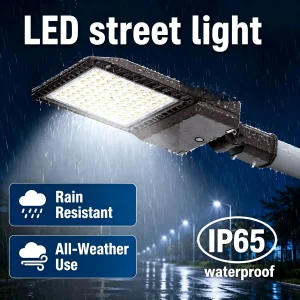
Ingress & Corrosion Resistance: Exposure to marine salinities, heavy precipitation, and extreme dust storms demands IP65 to IP67 protection ratings, along with ASTM B117 salt spray testing compliance and multi-layer fluorocarbon powder coatings.
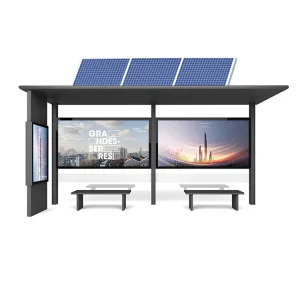
Power Efficiency & Grid Autonomy: The incorporation of high-efficiency monocrystalline solar panels (converting at >21-23%) with safe lithium iron phosphate ($LiFePO_4$) battery management systems ensures multi-day autonomy in off-grid situations.
3. Macro Industry Applications & Spatial Lighting Solutions
Modern architectural layouts demand bespoke designs suited to distinct spatial requirements. The table below profiles key architectural applications and their specific requirements:
Municipal Arterials & Pathways
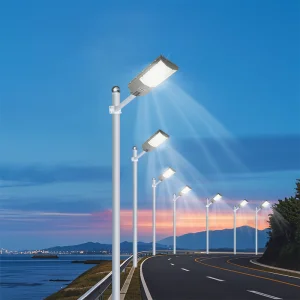
Requires high-uniformity asymmetric beams, minimal glare, pole heights from 6m to 12m, and smart photocell sensors for automated dimming based on ambient light.
Commercial Facades & Plazas
Demands high color rendering index (CRI > 80), adjustable optical modules, and RGBW smart interfaces (DMX512 controls) for thematic architectural wash lighting.
Industrial Sites & Harbors
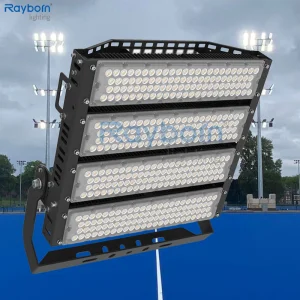
Requires high vibration resistance, high-mast floodlighting (up to 1500W equivalent), explosion-proof certifications (for hazardous areas), and IK08-IK10 impact ratings.
4. Technological Roadmap: Advanced Engineering From Yangzhou OneAll Lights
Underpinning our manufacturing is a dedication to robust electrical and structural design. We optimize our products via three engineering columns:
Smart Power Management Systems (Smart BMS)
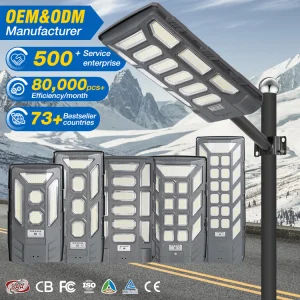
Our integrated solar road lights employ Maximum Power Point Tracking (MPPT) solar charge controllers. MPPT technology boosts charging efficiency by up to 30% compared to traditional PWM controllers. When coupled with smart energy management software, the fixture automatically adjusts power output based on remaining battery capacity, weather patterns, and predefined time schedules, delivering reliable illumination even during prolonged monsoons.
Optical System Integration
Utilizing high-brightness SMD LEDs (e.g., Lumileds, Bridgelux, Cree), we achieve an output efficiency of up to 180 lm/W. Our multi-lens optical silicone and PMMA arrays minimize lumen loss and protect the diode from thermal and UV degradation. This preserves the Correlated Color Temperature (CCT) over years of operation.
Heavy Mechanical Design
Our street and floodlights feature wind-resistant structural designs calculated to withstand wind loads up to 60 m/s (conforming to AASHTO standards). All structural steel poles undergo hot-dip galvanization (min 85μm thickness) to ensure robust rust prevention for over 20 years.
Advanced Industrial Facility & Quality Control
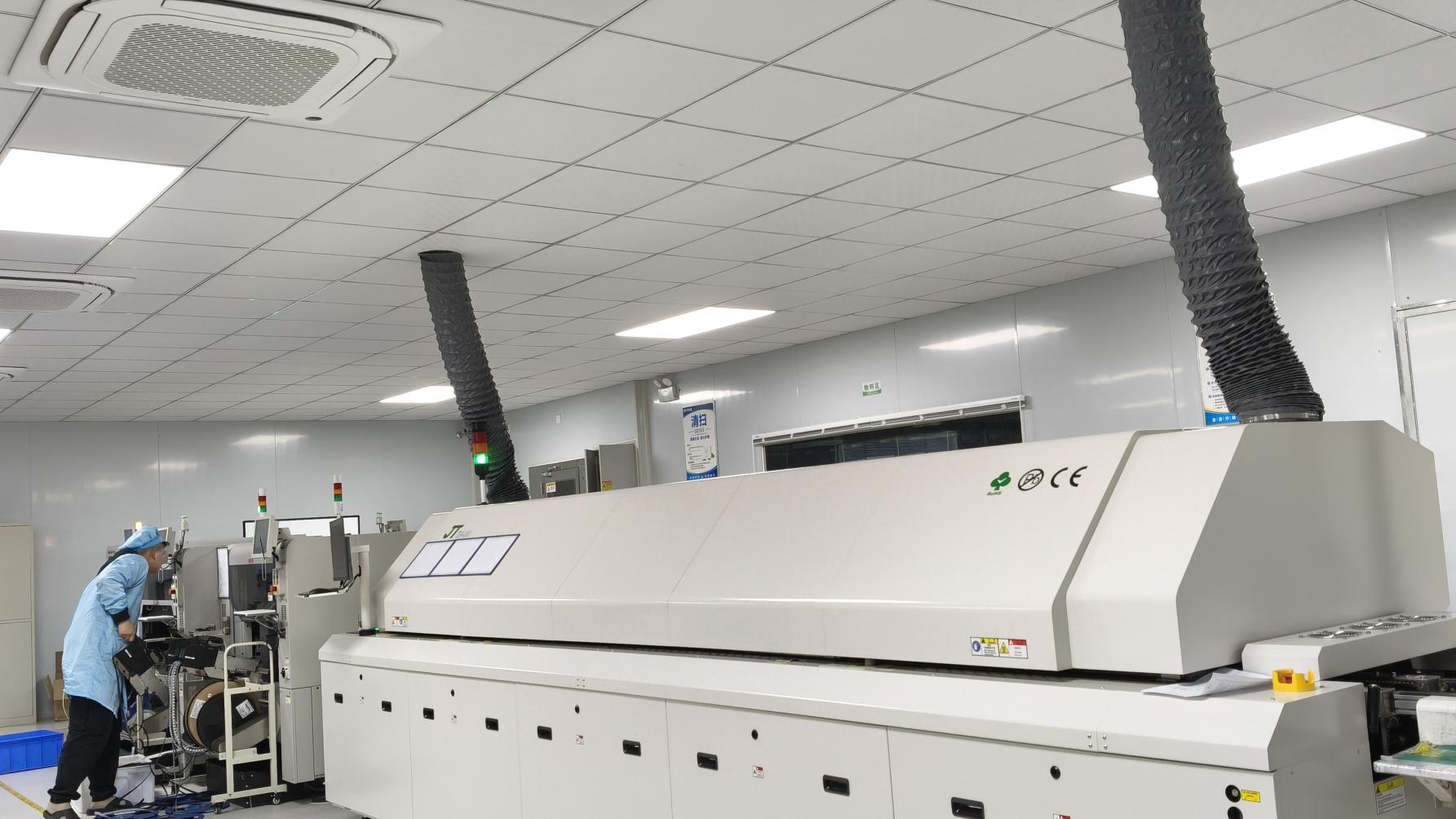
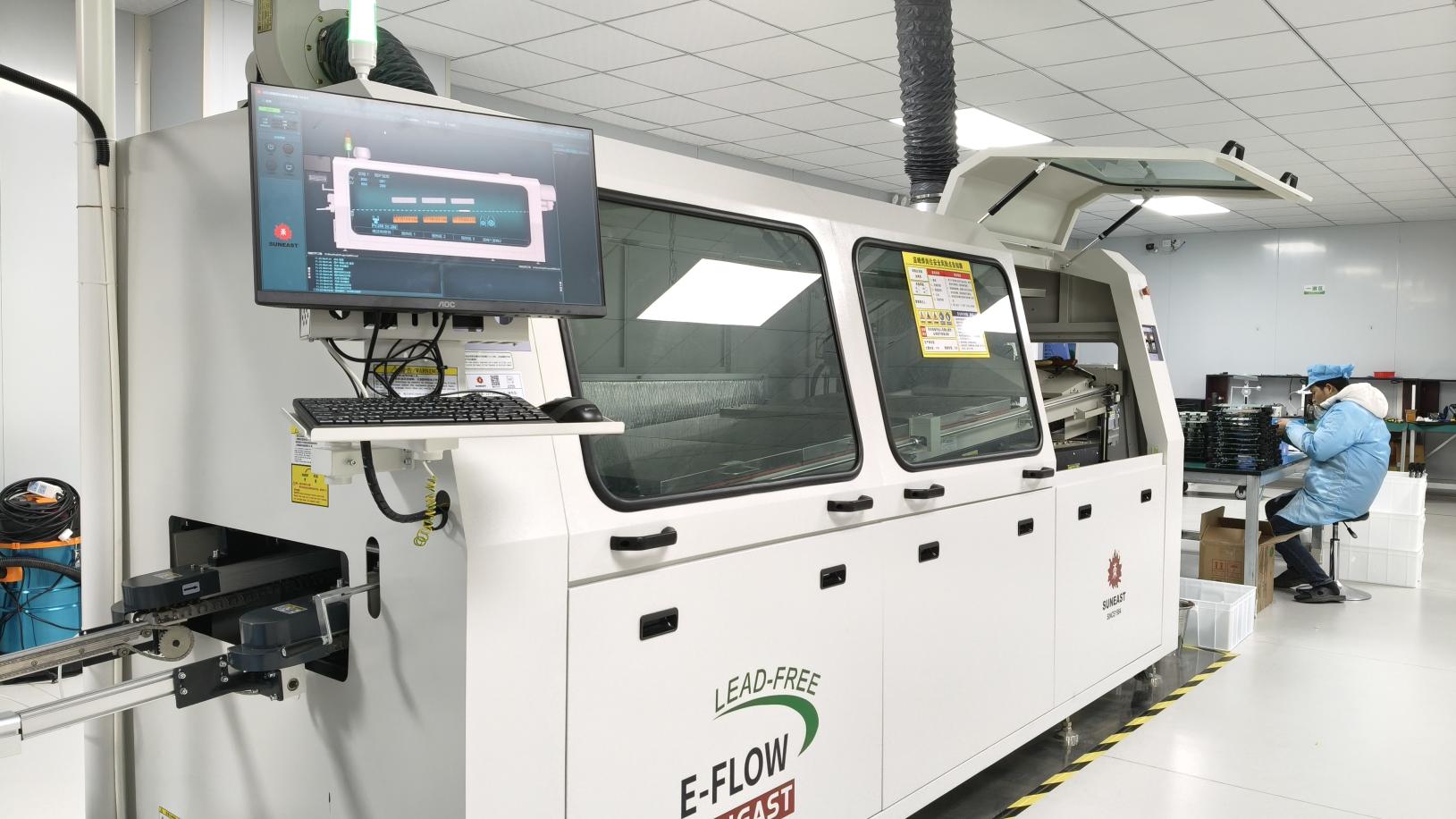
Yangzhou OneAll Lights Co., Ltd. was established in 2003. Our 20+ years of continuous manufacturing investment in Yangzhou, Jiangsu Province, guarantees high supply capacity and consistent quality control.
SMT Production Line
Plug-in Component Assembly
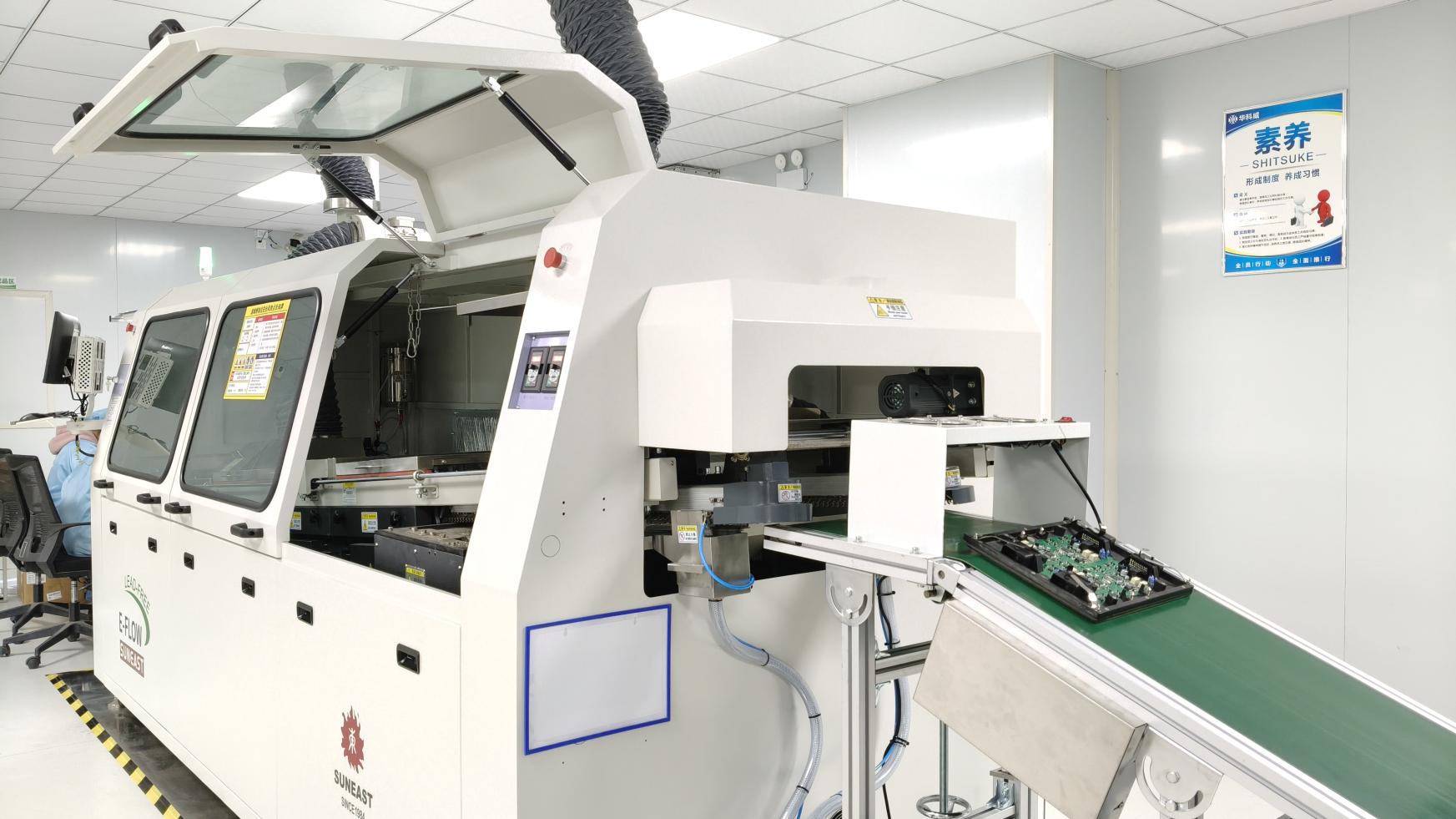
Wave Soldering Process
Heavy Component Welding
Precision Welding Station
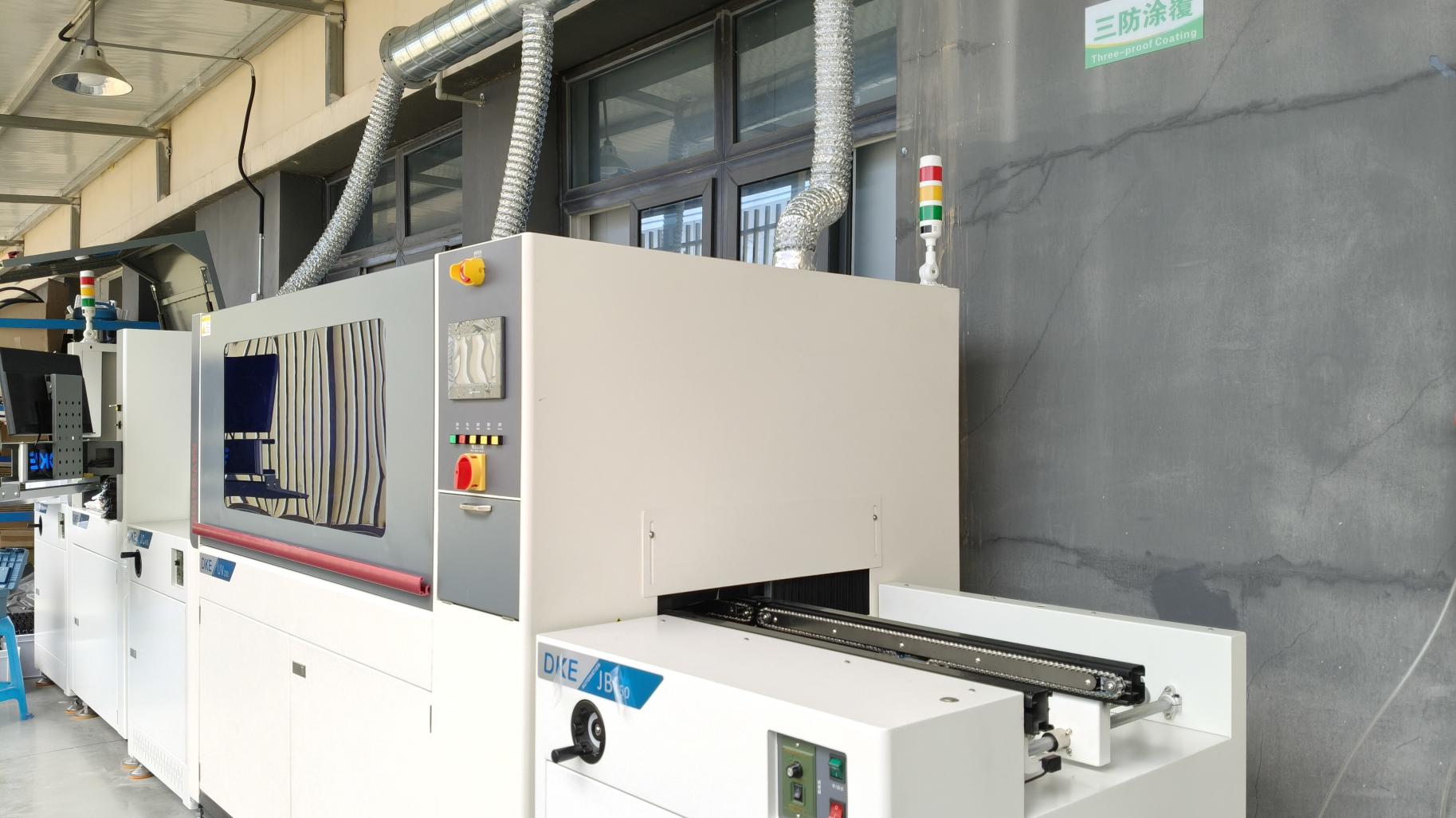
Three-proof Conformal Coating
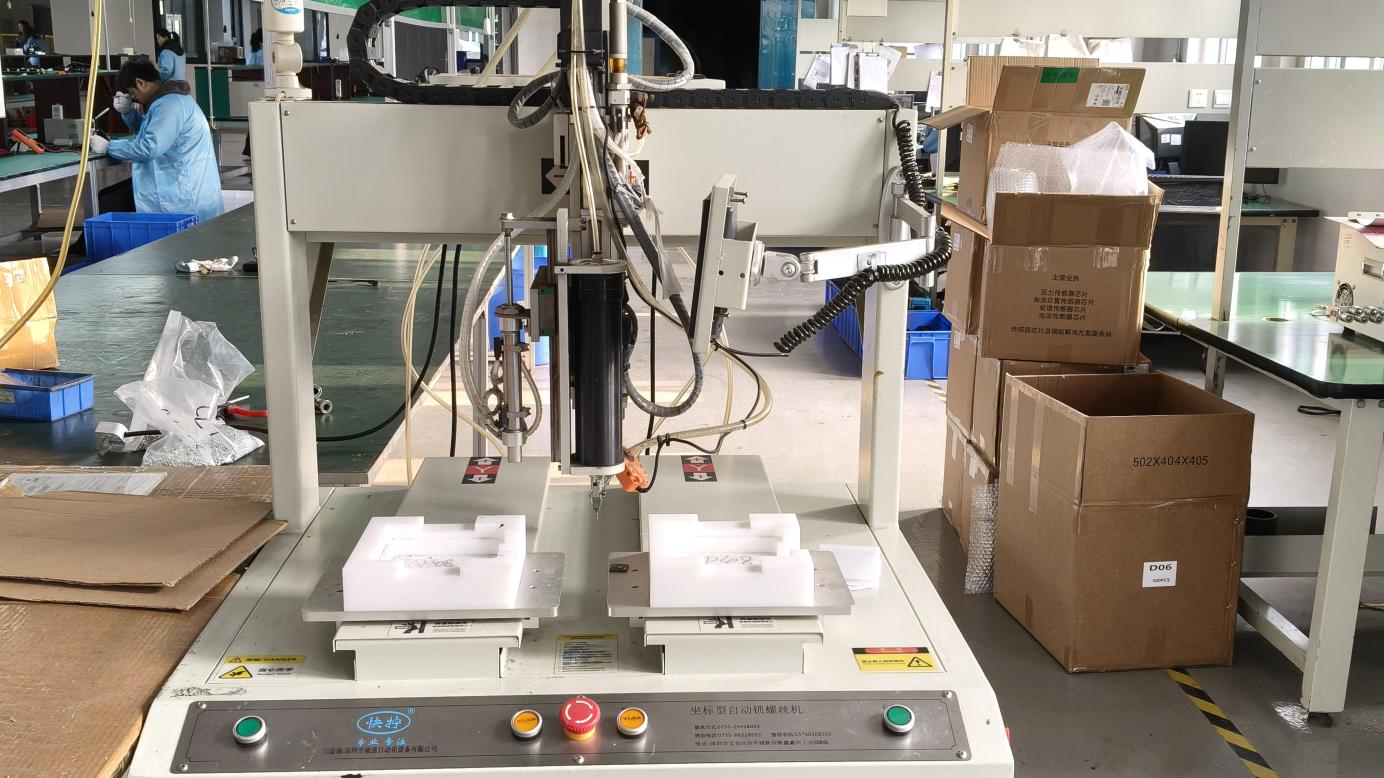
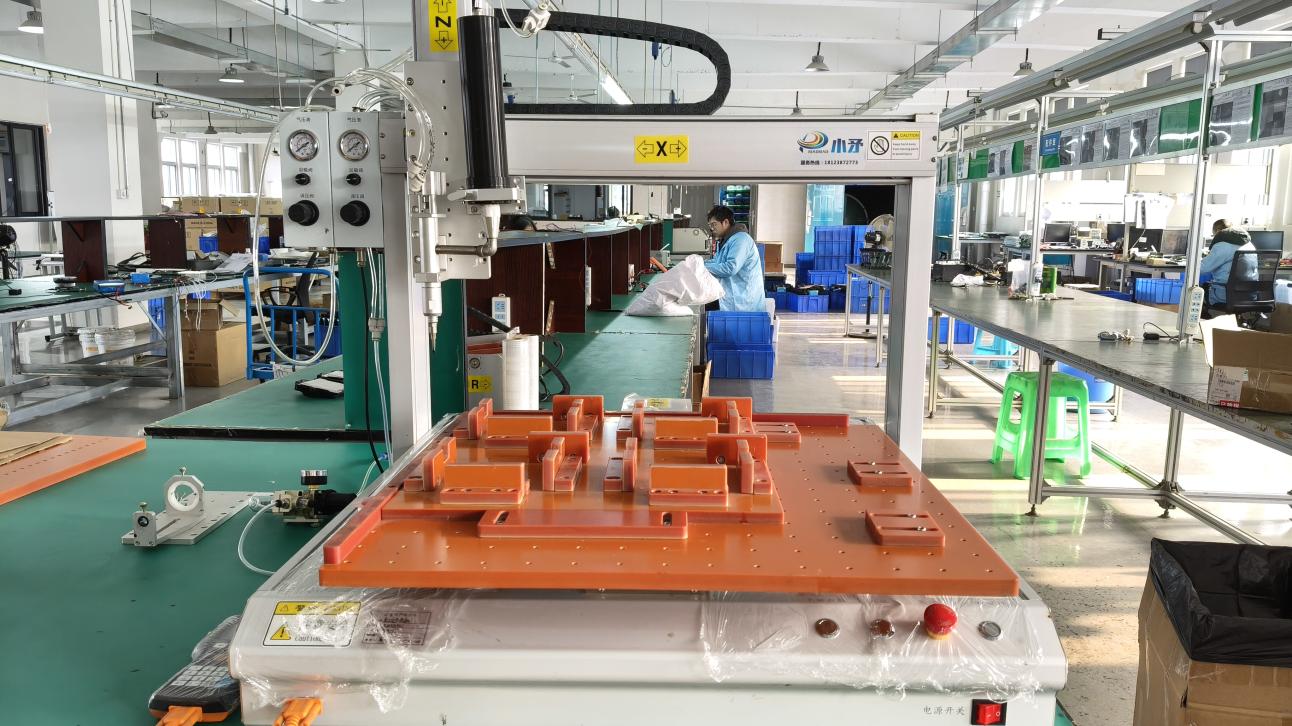
Automatic Screw Locking
Automatic IP-Sealing Gluing
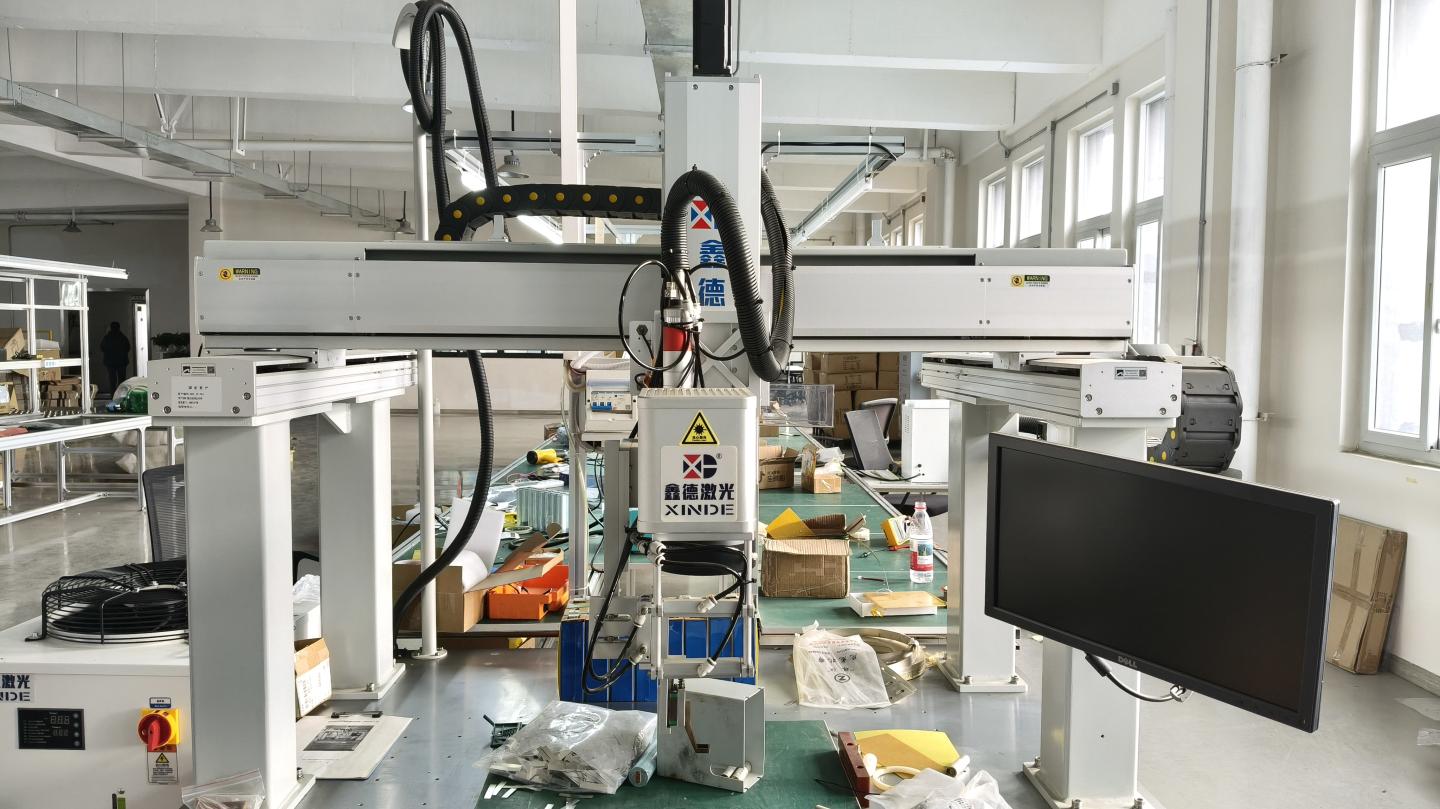
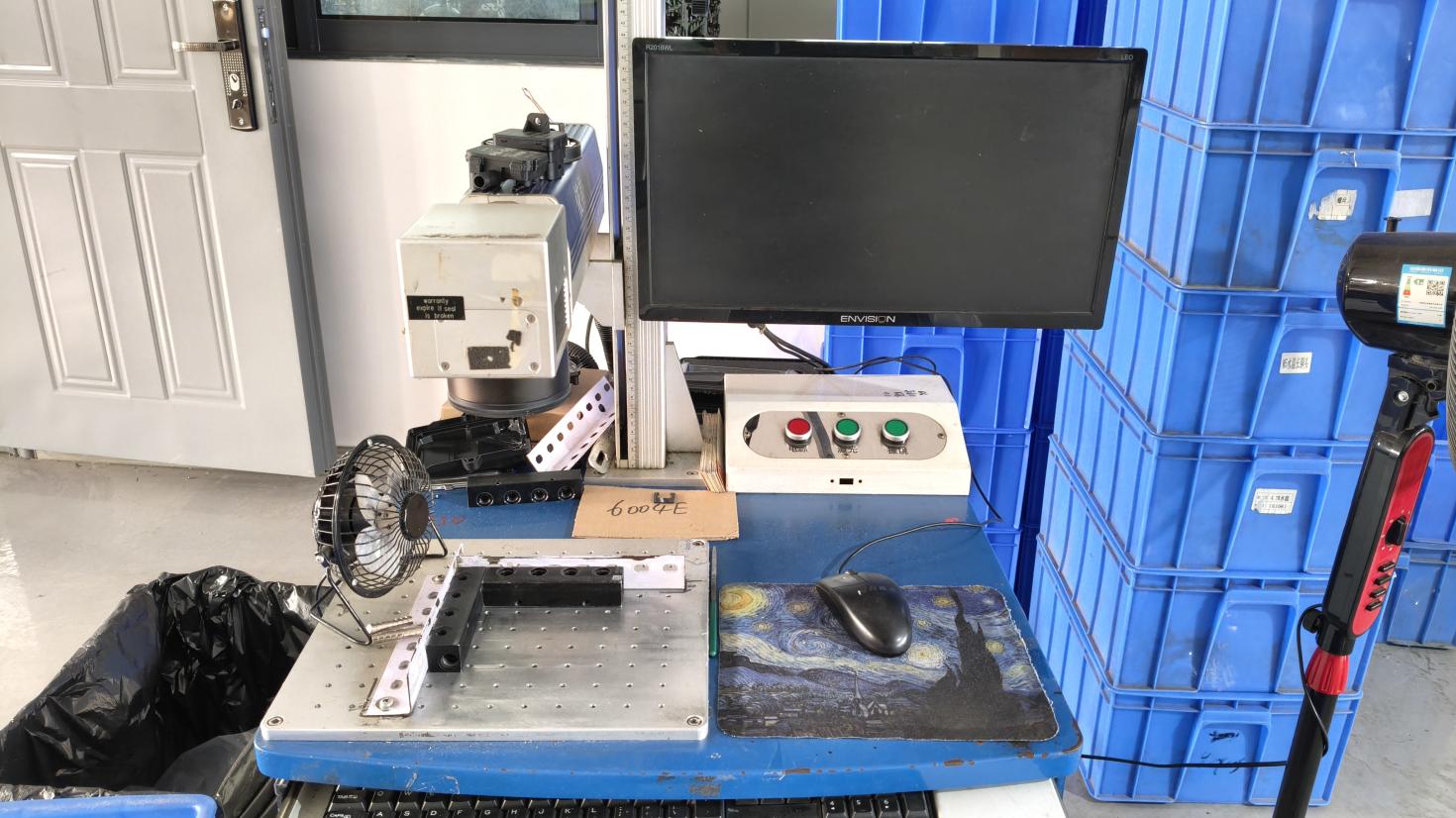
Laser Product Engraving
Semi-Finished Product Assembly
Final Fixture Integration
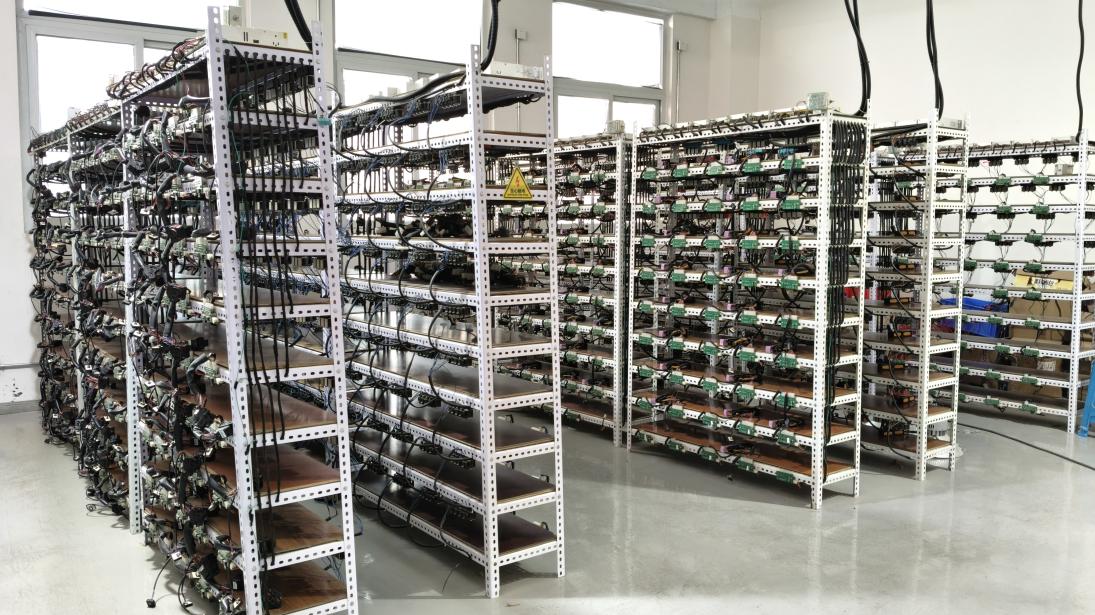
48H Active Aging & Burn-in Test
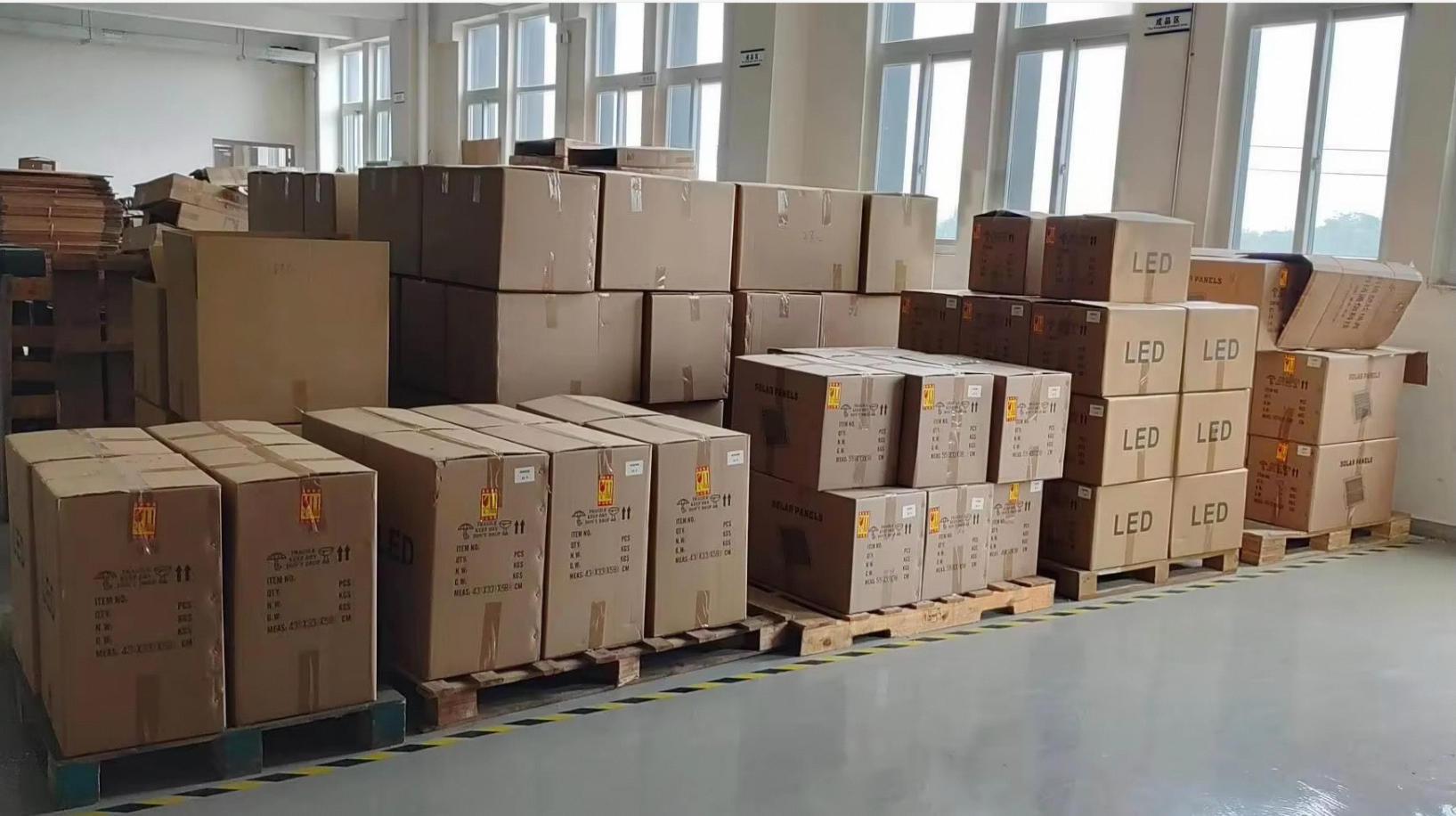
Heavy Duty Export Packaging & Shipping Prep
5. Standards, Quality Control, and Certification Systems
Deploying public lighting systems requires adhering to strict regulatory frameworks. Yangzhou OneAll Lights Co., Ltd. operates under international quality systems to verify safety and longevity:
ISO 9001 & ISO 14001: Verifies that all manufacturing stages, from initial raw material selection (Q235 steel, high-purity aluminum alloys) to final inspection, prioritize trace-ability and carbon reduction metrics.
CE & RoHS Certifications: Compliance guarantees safe electrical isolation, protection against electromagnetic interference, and restriction of hazardous substances.
CCC & CQC Certification: Meets domestic safety and performance standards for public works.
Traceable Testing Equipment: Our QA labs use integrating spheres, goniophotometers (for IES files), salt spray chambers, IPX6/IPX7 waterproof testing rooms, and shock testers.
For custom requests, we offer robust OEM and ODM engineering capabilities. This allows us to modify structures to suit specific wind-resistance coefficients, accommodate C5-Marine high-corrosion zones, or adjust to local utility grid regulations.
FAQ: Industrial Insights & Selection Criteria
Essential answers to common B2B procurement queries concerning outdoor landscape and architectural lighting systems.
What are the key benefits of split solar street lights compared to integrated (all-in-one) designs?
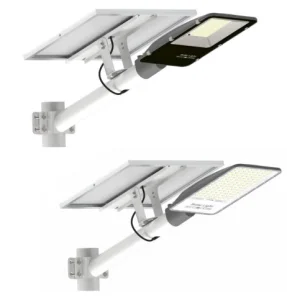
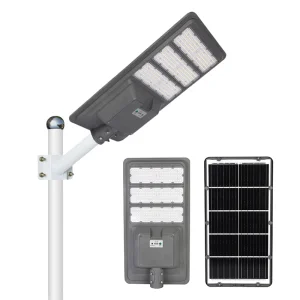
Split solar street lights allow for separate alignment of the PV panel and the light fixture. This maximizes solar irradiance in regions far from the equator. Integrated designs (All-in-One) are easier to install, reduce shipping volume, and feature lower maintenance requirements, making them ideal for parks, parking lots, and minor roads. Split designs are best suited for high-wattage highway applications where large solar panels are required.
How does Yangzhou OneAll Lights verify wind resistance and structural durability?
Our lighting poles are built using premium Q235 structural steel and undergo CNC bending and submerged arc welding. We conduct dynamic finite element analysis (FEA) to verify that pole geometries and base plates withstand wind pressures up to 160 km/h (conforming to AASHTO guidelines). A hot-dip galvanization layer prevents structural rusting even in high-humidity coastal zones.
Why is conformal coating (Three-proof coating) essential for LED control boards?
The three-proof conformal coating protects electrical circuits from moisture, salt mist, and chemical contaminants. In coastal or industrial zones, humidity and saline air can corrode copper traces, leading to component failure. Our automated coating machines apply this layer to guarantee stable operation in tough environmental conditions.
What certifications are provided for gas station canopy lights and high-bay fixtures?
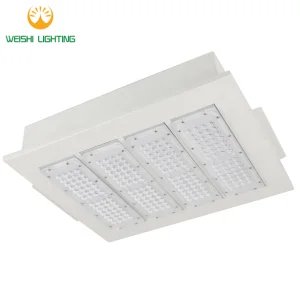
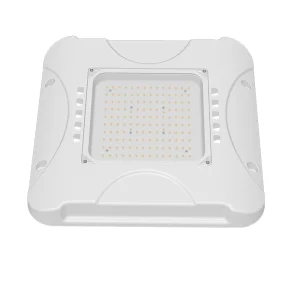
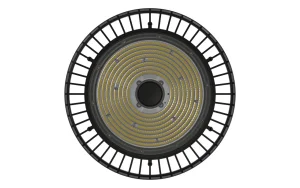
Our high-bay and canopy lights feature ETL and DLC listings, verifying compliance with North American electrical safety and performance standards. They utilize explosion-safe gaskets and tempered glass diffusers to ensure reliable performance in refueling environments and industrial facilities.
How does the PIR motion sensor save energy in integrated systems?
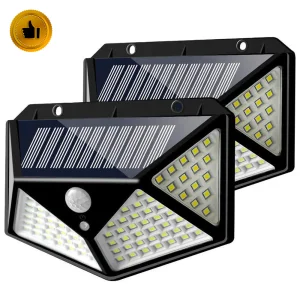
The passive infrared (PIR) sensor monitors thermal signatures within a designated detection zone. The system runs at a low dimming level (e.g., 30% brightness) during low-traffic periods, ramping up to 100% brightness when pedestrian or vehicle activity is detected. This dimming logic extends battery autonomy and preserves component lifetimes.
Industrial & Specialty Outdoor Lighting Catalog
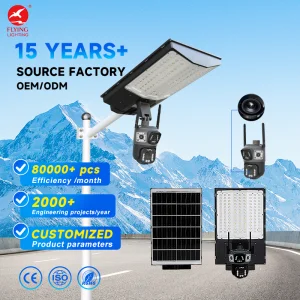
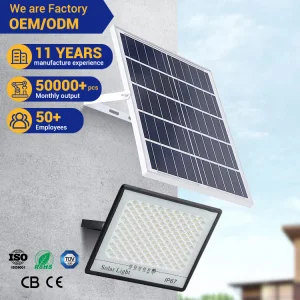
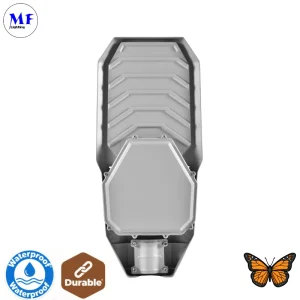
Select from our specialized line of explosion-proof canopy fixtures, smart camera integrated poles, high-mast floodlights, and industrial high-bays.



 OneAll Lights