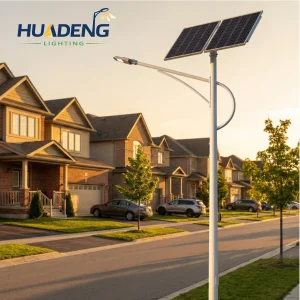
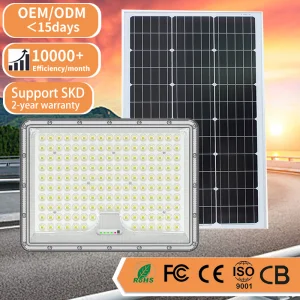
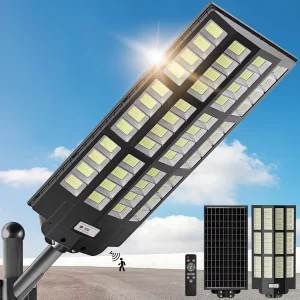
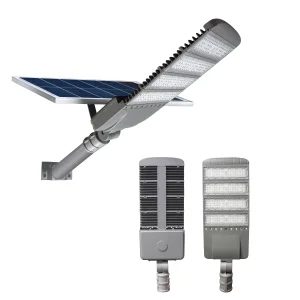
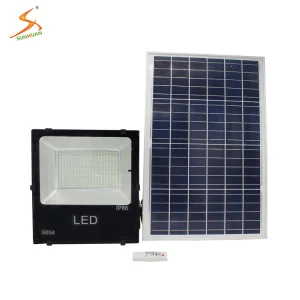
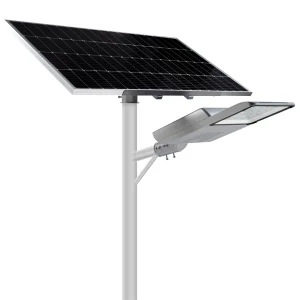
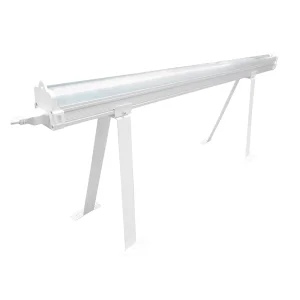
Engineered for high reliability, maximum luminous flux, and resilient off-grid energy storage.
A Legacy of Decarbonized Engineering & Sustainable Infrastructure Since 2003
As governments and corporations race toward Net-Zero emissions, the integration of distributed solar storage with high-efficiency solid-state lighting has transitioned from an environmental aspiration to a core engineering mandate. Yangzhou OneAll Lights Co., Ltd., situated in the industrial hub of Yangzhou, Jiangsu Province, is a globally recognized manufacturer and exporter specializing in high-performance outdoor lighting systems and All-in-One solar structures. With over two decades of operation, we serve municipal developers, industrial procurement directors, and EPC contractors globally, delivering bespoke utility-grade configurations.
Our expansive production complex hosts state-of-the-art precision machinery. By combining automated CNC bending machines, automatic submerged arc welding systems, high-speed laser cutters, electrostatic powder coating lines, fluorocarbon painting environments, and a dedicated SMT production facility, we guarantee maximum structural integrity and optoelectronic efficiency. We operate under stringent quality controls, ensuring that every solar light pole, luminaire housing, and integrated battery module excels in challenging climates.
Analyzing the Synergy of Photovoltaic Conversion, LFP Storage, and Intelligent MPPT Controllers
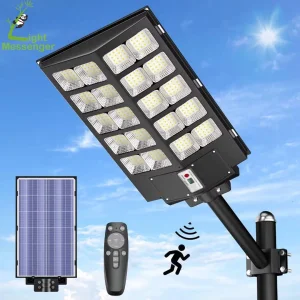
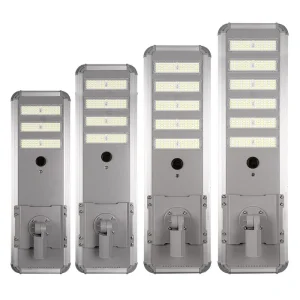
The modern All-in-One solar system integrates a photovoltaic panel, an energy storage unit, a smart charge controller, and a LED luminaire into a single, cohesive structural enclosure. This design minimizes transmission losses, cuts field assembly times by up to 80%, and eliminates external subterranean cabling. Let's analyze the core architectural layers of this technological framework:
By using Monocrystalline silicon cells with Tunnel Oxide Passivated Contact (TOPCon) architecture, our solar systems achieve module-level conversion efficiencies of up to 22.5%. This ensures robust current generation even in low-irradiance conditions or under partial diffuse shading.
We utilize lithium iron phosphate (LiFePO4) chemistry due to its thermal stability and cycle life (>3000 cycles at 80% DoD). Managed by an on-board Battery Management System (BMS), these modules are shielded from overcharging, deep discharge, and thermal runaway.
Our controllers execute dynamic Maximum Power Point Tracking (MPPT), adapting in real-time to changes in solar irradiance. Integrated with NB-IoT or LoRaWAN communication, parameters can be monitored remotely to simplify municipal asset management.
| Performance Metrics | Typical Industry Standard | OneAll Lights Engineered Specifications | Key Operational Advantage |
|---|---|---|---|
| Photovoltaic Conversion Rate | 16.5% - 18.2% (P-Type Poly) | 21.8% - 22.5% (N-Type Mono PERC) | High generation capacity in cloudy or dust-prone environments. |
| Battery Cycle Lifetime (80% DoD) | 1,200 Cycles (Ternary Lithium) | 3,500+ Cycles (Grade-A LiFePO4) | Extends field operation to 8-10 years without maintenance. |
| Controller Tracking Efficiency | 85% (PWM Regulation) | ≥99.3% (Dynamic Smart MPPT) | Harvests 20-30% more energy during winter and low-sun seasons. |
| Structural Wind Resistance | Class 10 (102 km/h) | Class 16 (180 km/h Typhoon-grade) | High safety margin for coastal highways and equatorial storm zones. |
How Modern Infrastructure Integrates Decarbonized Off-Grid Utility Nodes
Lighting infrastructure is no longer just about illumination; it serves as a structural touchpoint for smart systems. As urban planners and industrial developers build modern spaces, they require multi-functional, low-maintenance hardware. Yangzhou OneAll Lights Co., Ltd. addresses this demand by providing specific macro solutions tailored to real-world deployment challenges.
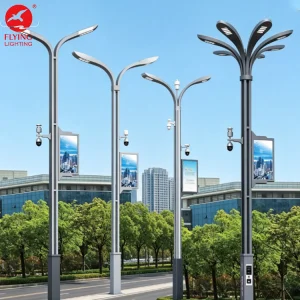
Integrating HD IP surveillance cameras, digital LED information displays, environmental sensors, and public emergency intercoms onto heavy-duty solar poles. These units operate on self-contained energy, reducing installation costs and grid vulnerability during natural disasters.
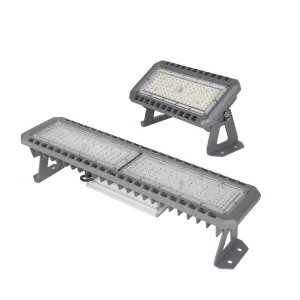
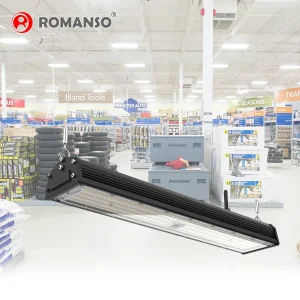
Large logistics distribution centers require high-output, low-glare linear warehouse lights and high-mast solar floodlights. By deploying motion-activated sensors and intelligent dimming profiles, operations can reduce carbon footprints while meeting strict workplace safety requirements.
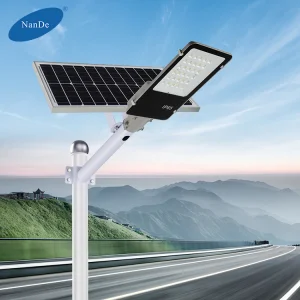
Metro station plazas, remote park-and-rides, and highway intersections demand reliable operation. Our split and integrated solar systems feature high-lumen density outputs and optimized optical distributions (batwing photometry) to provide uniform visibility and reduce driver fatigue.
Inside Yangzhou OneAll's Advanced Manufacturing & Testing Facilities
A reliable solar panel and lighting system depends on high-quality manufacturing processes. Without strict quality control, components exposed to outdoor environments—like salt spray, high humidity, and extreme heat—will age prematurely. Yangzhou OneAll Lights Co., Ltd. uses automated assembly and testing lines to achieve high product reliability and performance consistency.

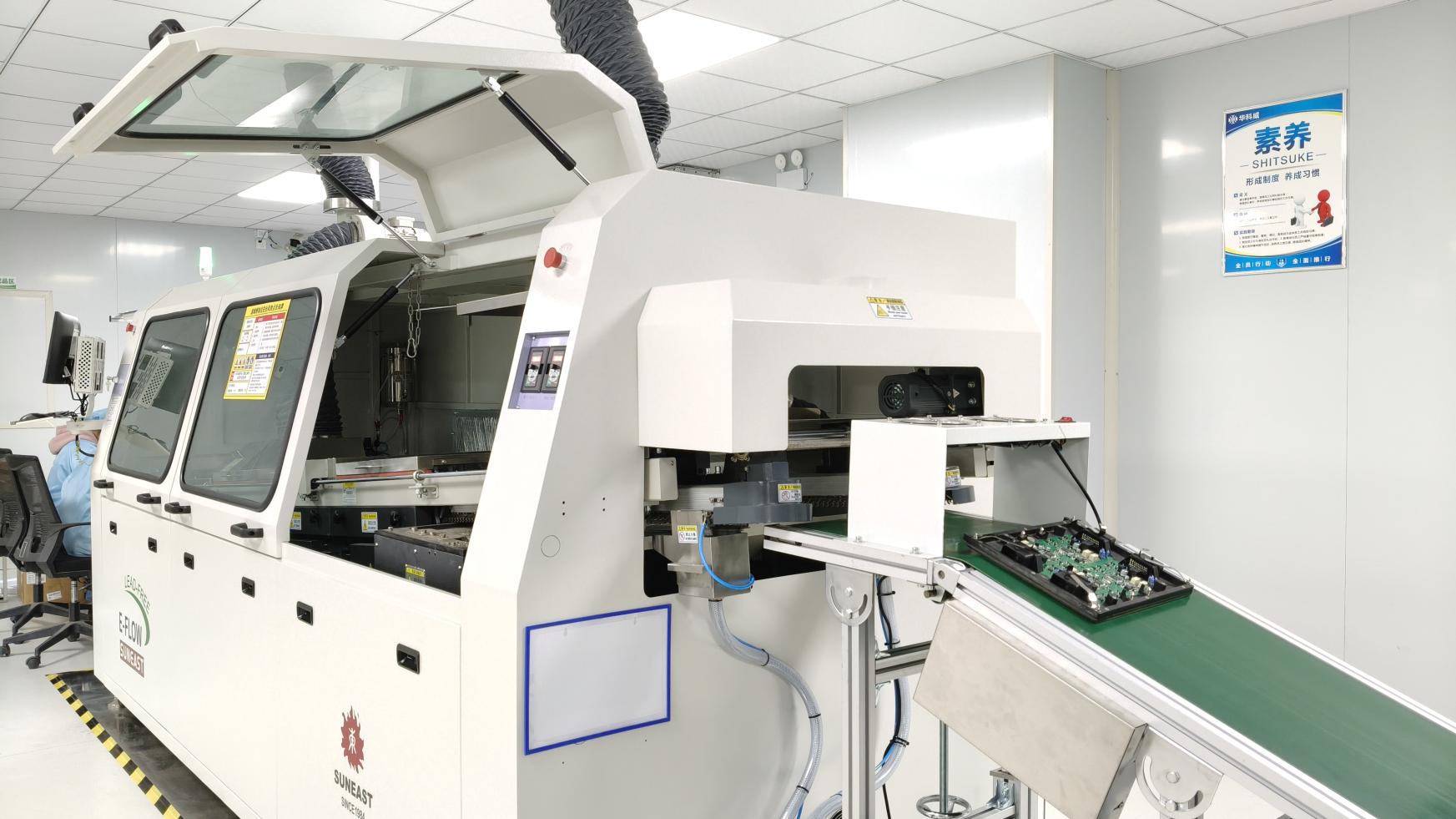

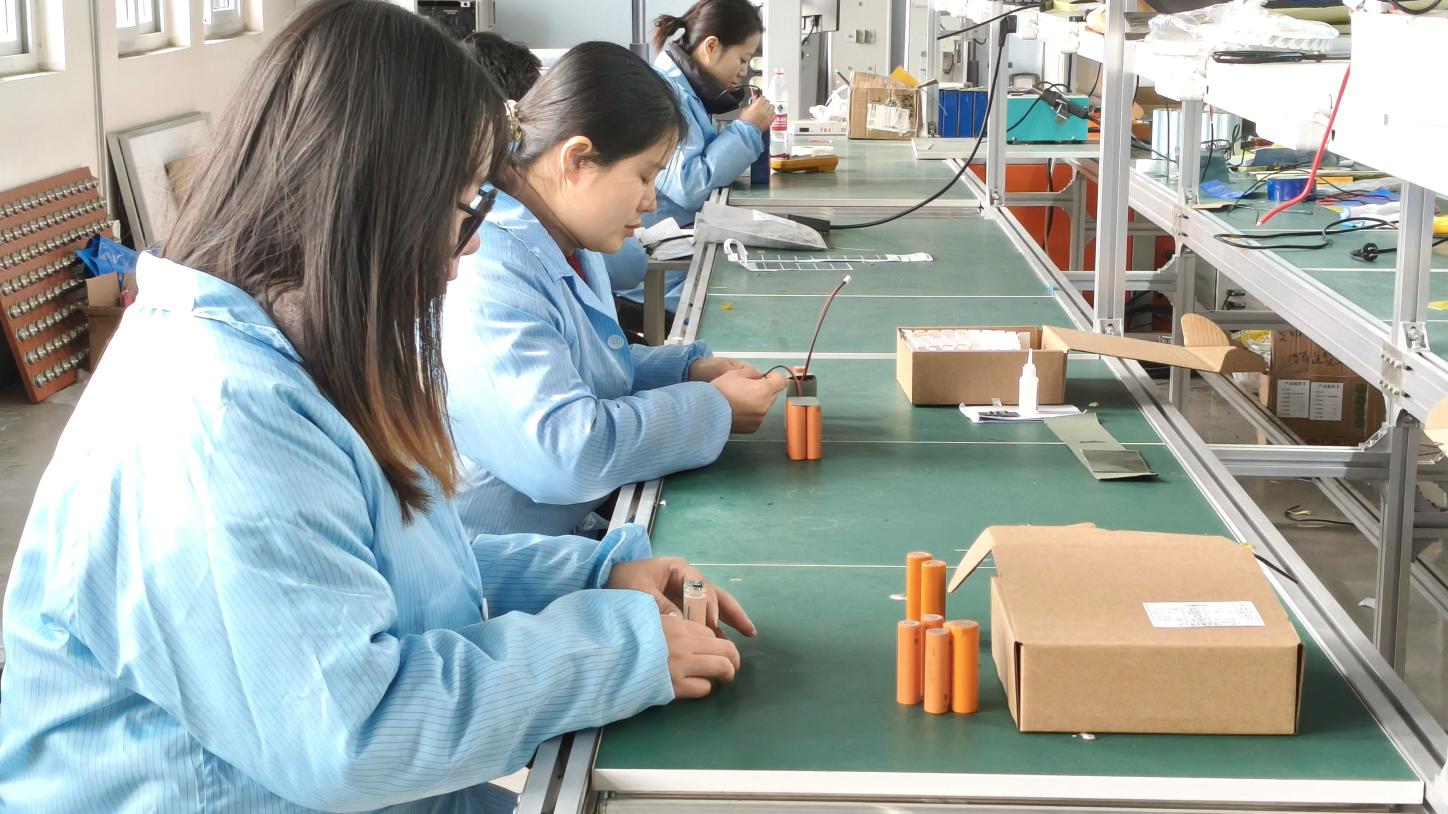
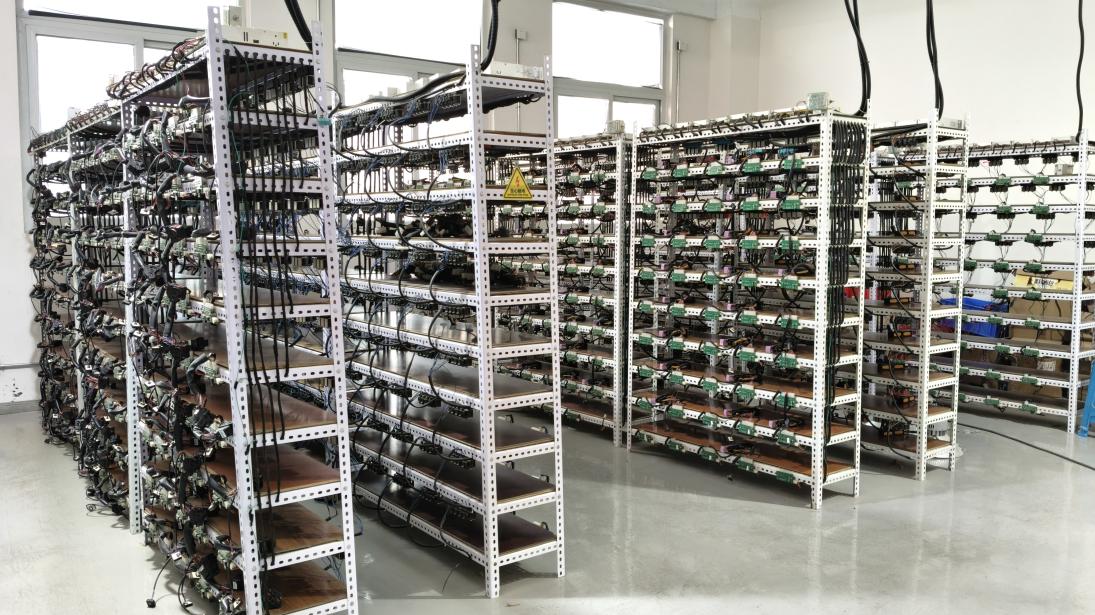
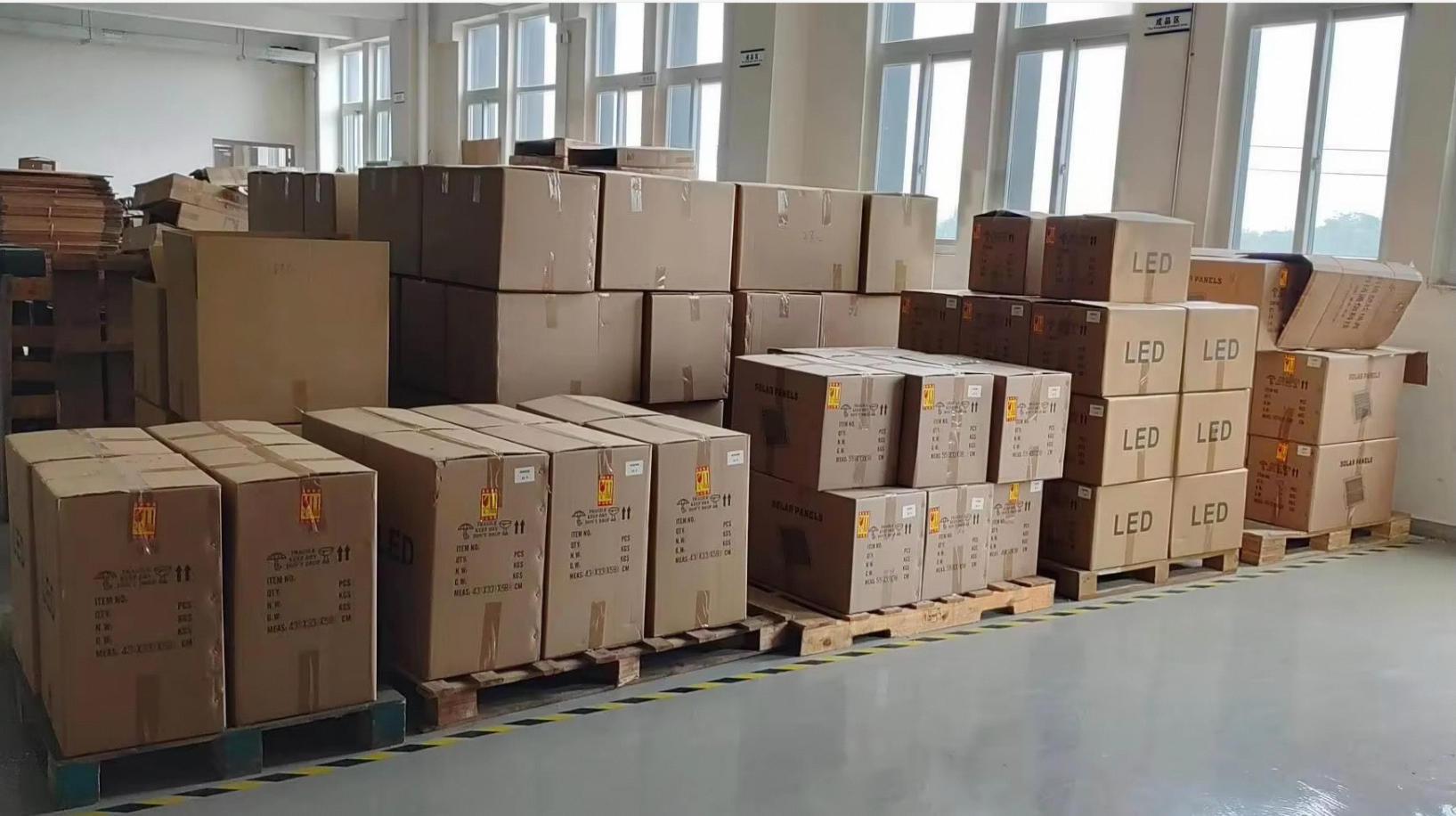
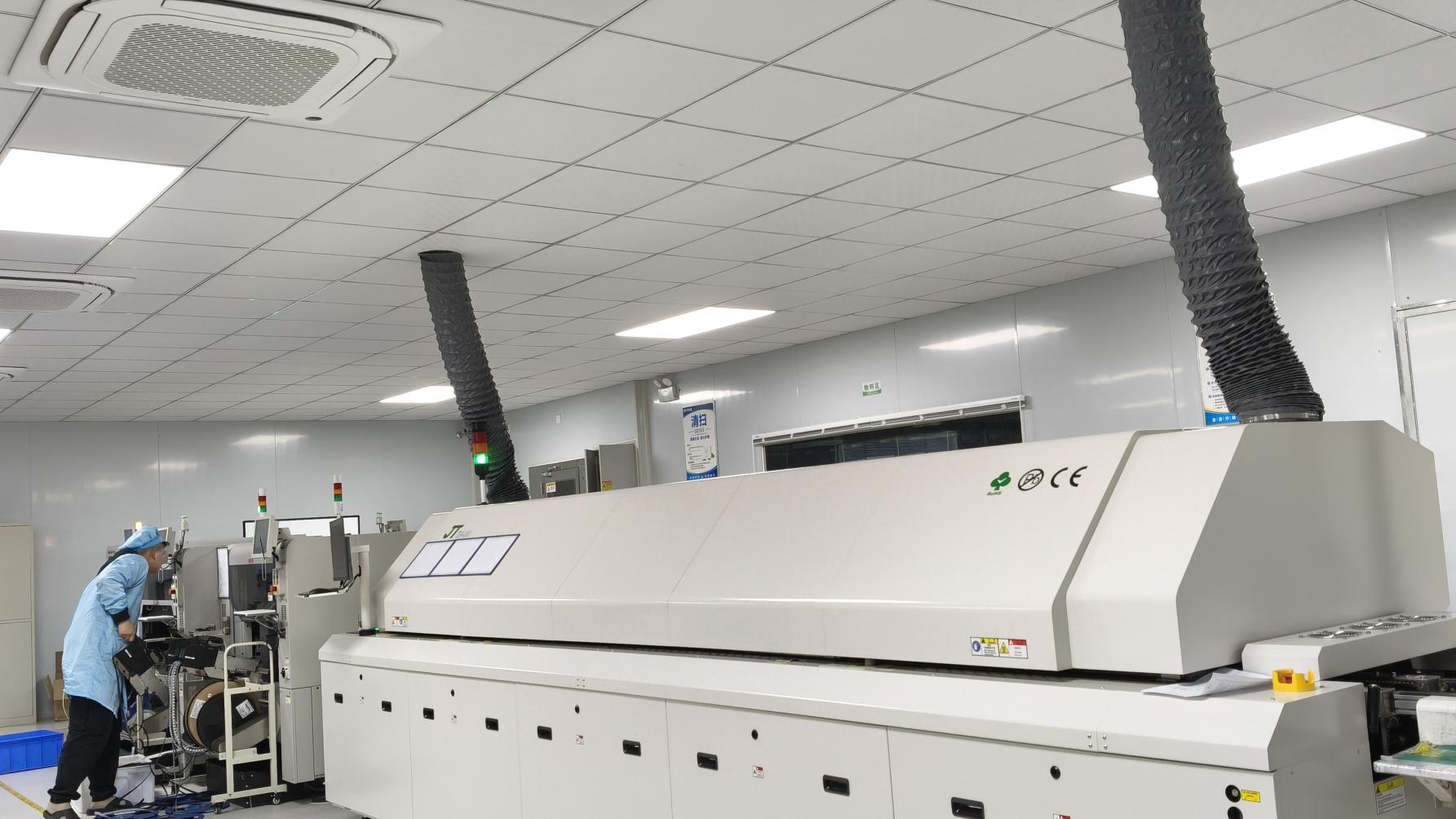
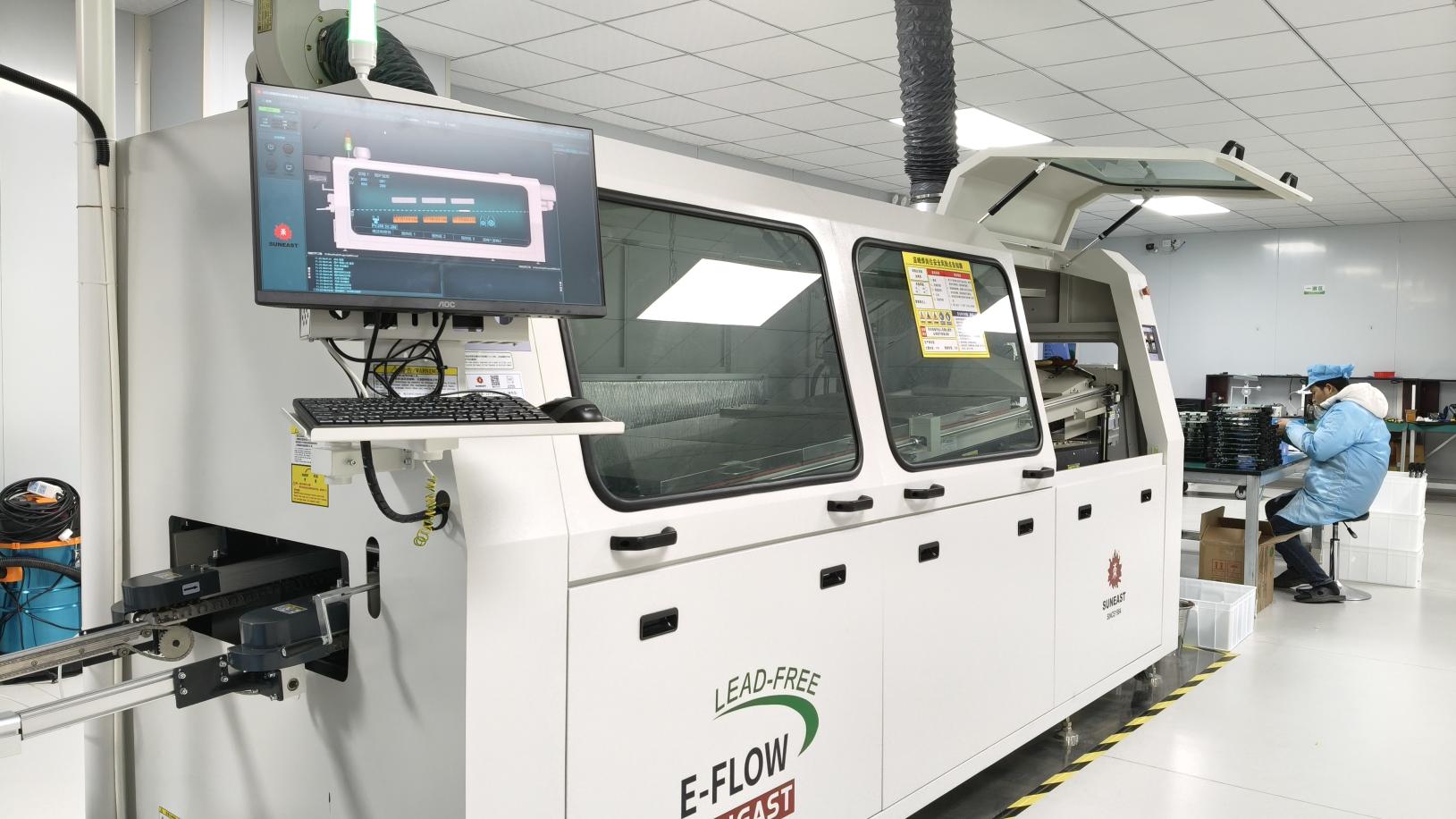
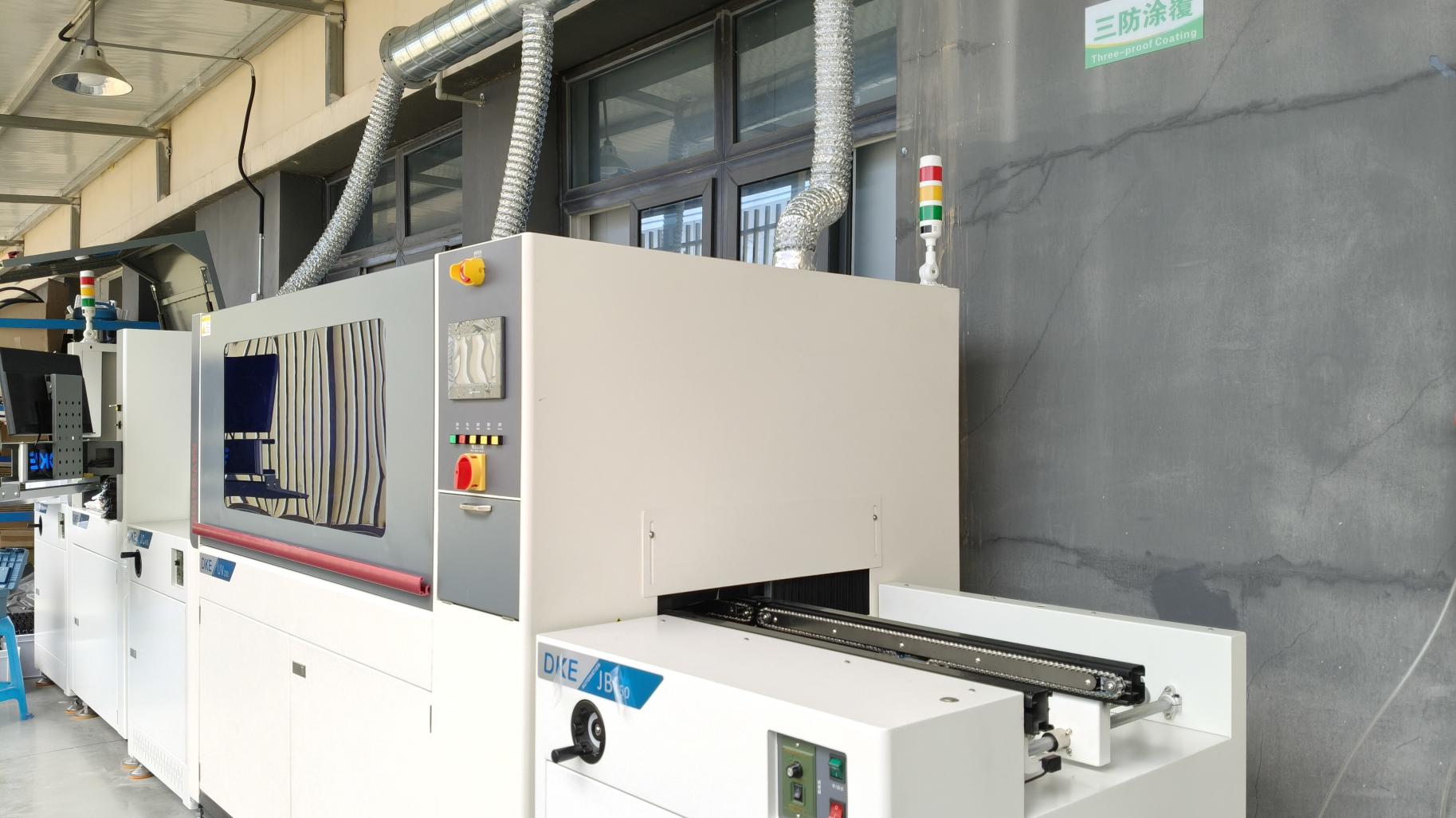
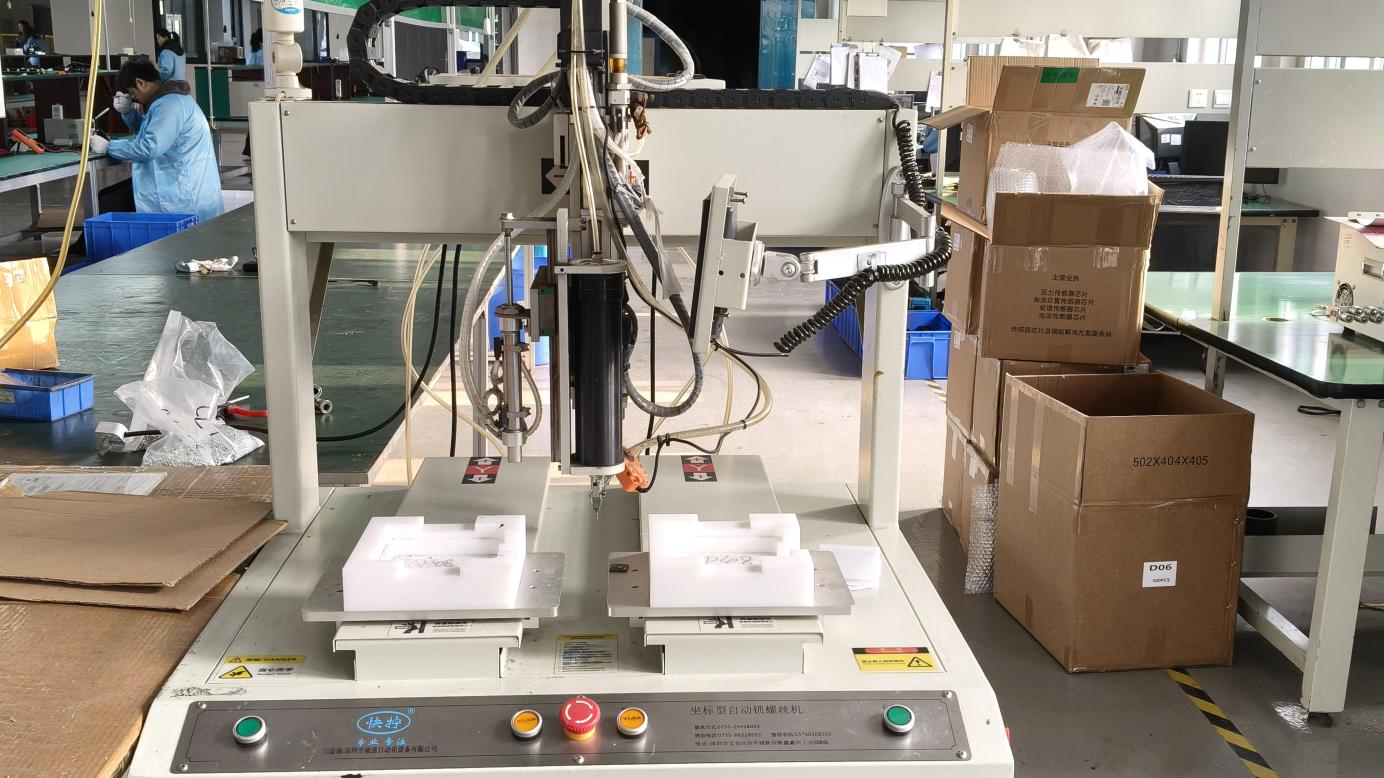
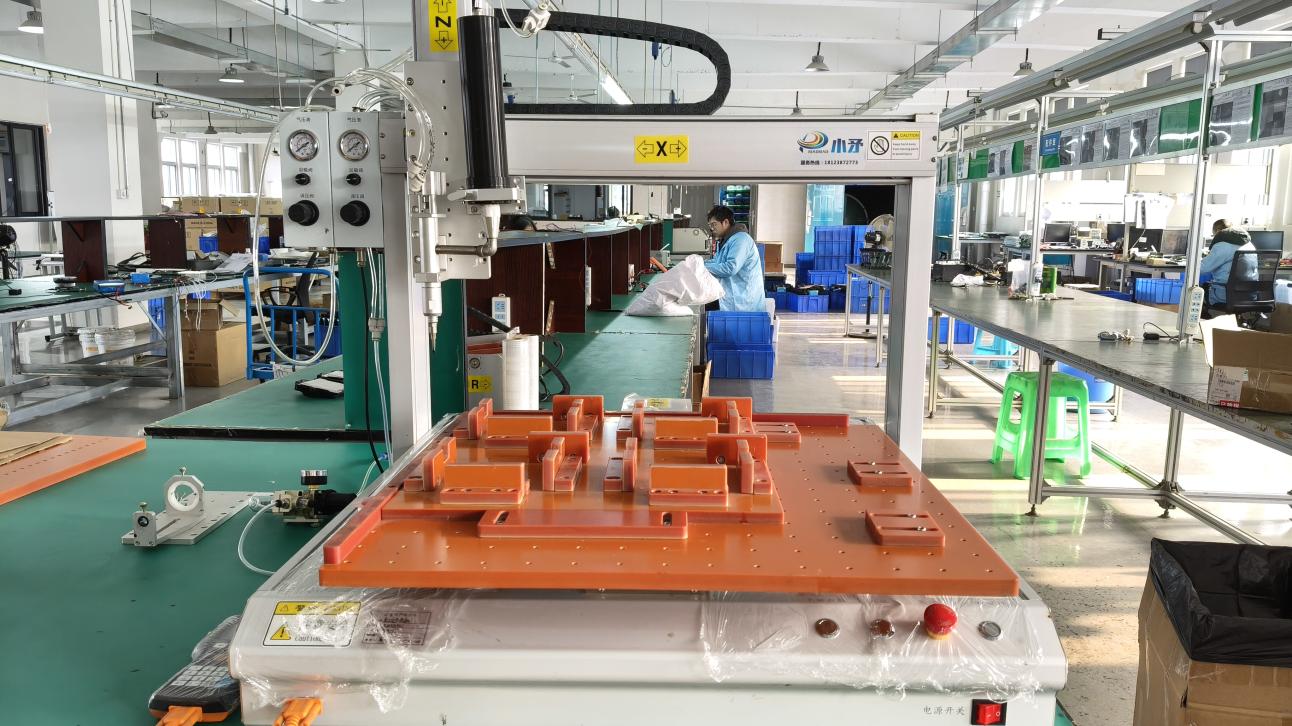
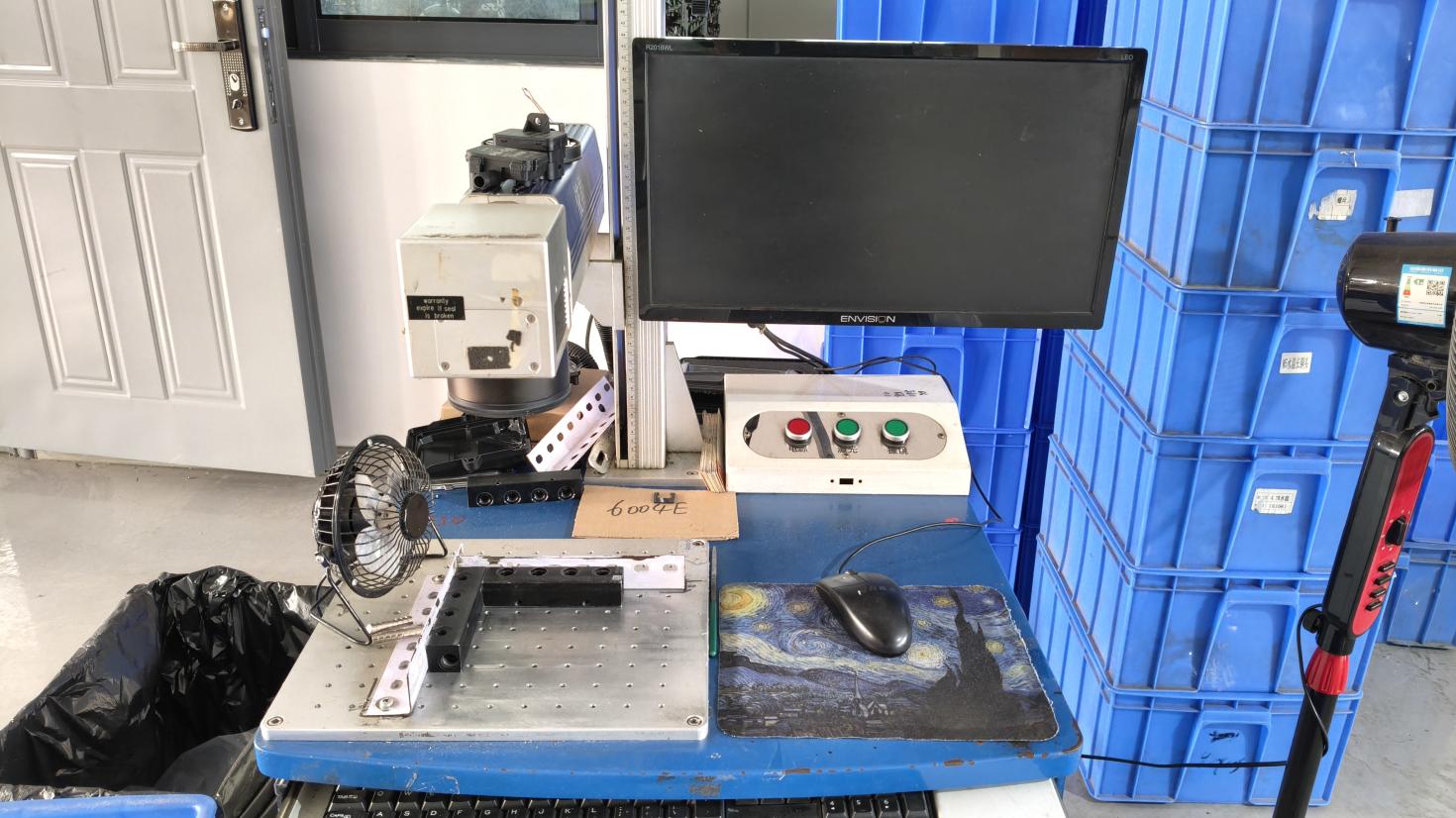
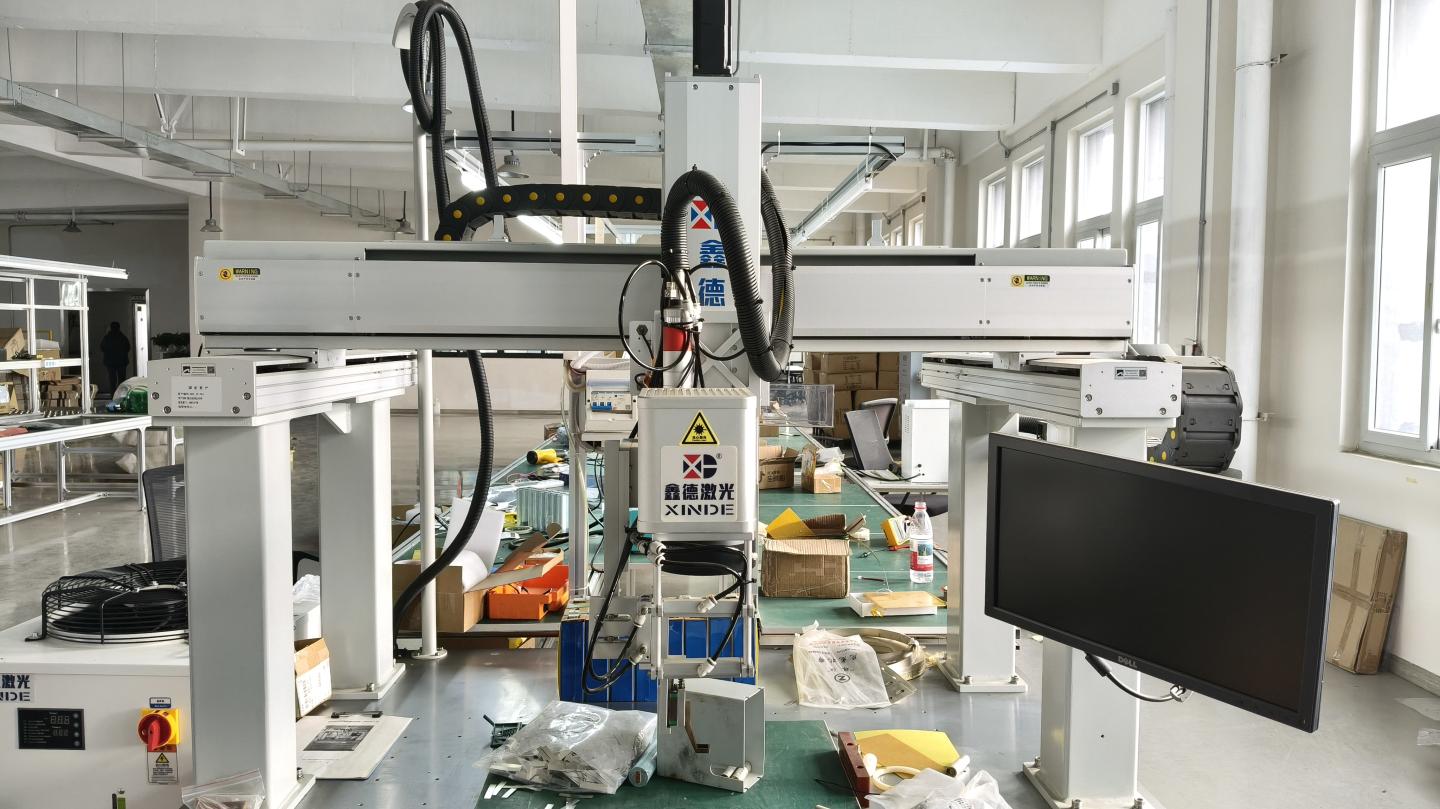
Our vertical integration ensures traceabilty from silicon wafer testing and custom LED board mounting on our high-speed SMT lines, through wave soldering, up to the application of three-proof conformal coatings. These structural coatings protect vulnerable integrated control boards from moisture ingress, sulfuric air, and dust deposition. For structural components, CNC laser cutters and automated submerged arc welding machines ensure consistent steel welding and dimension accuracy. These steps help prevent rust and extend the lifespan of our mounting brackets and street poles.
Total Cost of Ownership (TCO), Project Compliance, and Customized Configurations
Enterprise procurement professionals and engineering firms focus on long-term performance, regulatory compliance, and total cost of ownership rather than just purchase prices. A lower-cost product that fails prematurely in the field can double initial savings due to labor and replacement shipping costs.
Yangzhou OneAll operates under standard ISO 9001:2015 Quality Management and ISO 14001:2015 Environmental Management certifications. Our product ranges have earned CE, RoHS, ETL, DLC, and CCC markings, ensuring compliance with local import regulations and environmental standards globally.
Our solar systems are designed for 3 to 5 rainy/cloudy days of autonomy. By matching battery capacities with regional peak solar hours, we protect the LiFePO4 cells from deep discharges, maintaining operation even during long winter periods.
Coastal locations present challenges with salt spray corrosion, while equatorial areas deal with high heat. We address this by treating housings and structural brackets with hot-dip galvanization and fluorocarbon powder coatings, protecting the components from rust.
Next-Generation Advancements in Intelligent Photovoltaics & Distributed Energy Systems
The transition toward smart cities requires ongoing updates to solar lighting systems. We have identified three key technical trends that will shape the design of All-in-One Solar lighting systems over the next decade:
Technical Specifications and Deployment Guidance from Yangzhou OneAll Engineers
Architectural, industrial-bay, and off-grid solutions engineered for specialized projects.
 OneAll Lights