Industrial-grade configurations engineered for maximum durability and systemic power integration.
The global transition toward decentralized clean energy infrastructure has accelerated the demand for high-capacity solar inverter systems. As the core "brain" of any photovoltaic (PV) array, the solar inverter is no longer a simple DC-to-AC conversion device. It is now a critical gateway for grid stabilization, smart power management, and storage integration. In 2024, the Commercial & Industrial (C&I) sectors account for over 45% of the total deployed solar capacity, driving manufacturers to innovate rapidly in high-power string inverters, hybrid solutions, and microgrid-capable utility topology.
From microgrids in remote regions to heavy manufacturing facilities in urban centers, selecting the right factory and exporter is vital. Industrial projects operate under volatile conditions that demand high thermal management capabilities, extensive certifications (such as UL, CE, IEEE), and long-term warranties. This whitepaper analyzes the market leaders driving this industry, evaluating their supply chains, core technologies, and exporting capacities.
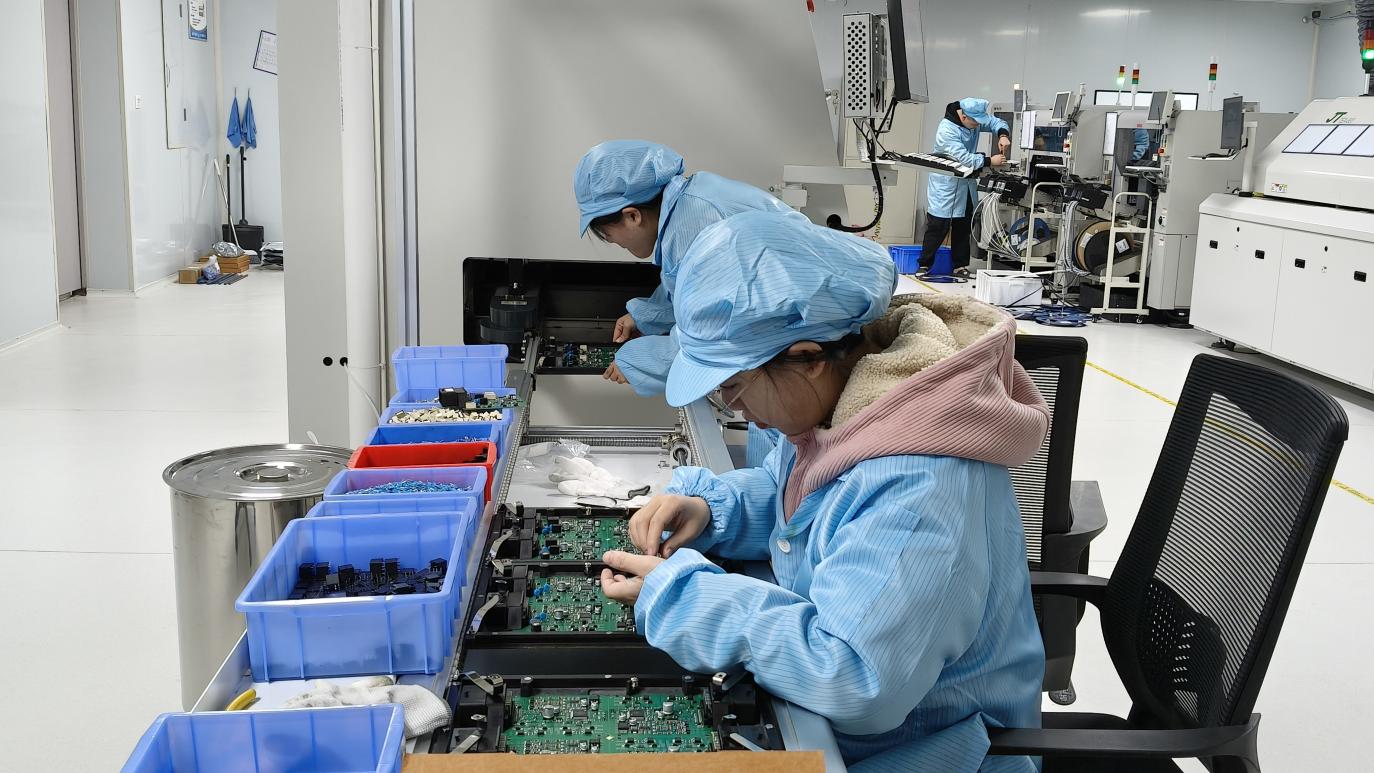
Verified market performance metrics demonstrating the scale and rapid growth of the global solar ecosystem.
An authoritative analysis of the world's leading manufacturers based on R&D expenditure, global shipping volume, conversion efficiency, and reliability.
A pioneer in incorporating AI into PV solutions. Huawei specializes in high-power string inverters, leading the industry with smart I-V curve diagnosis and active safety topologies like AFCI (Arc Fault Circuit Interrupter).
Boasting the largest dedicated solar inverter manufacturing facility globally, Sungrow offers modular central inverters and utility-scale solutions. Their liquid-cooled ESS integrations set the industry standard for extreme climates.
A legacy brand synonymous with German engineering and premium reliability. SMA specializes in grid-forming system configurations, system integration software, and high-durability central inverter systems.
Having acquired ABB’s solar inverter business, Fimer provides robust industrial-grade solutions. Their Italian factories supply high-efficiency central and string inverters certified to stringent European grid codes.
A key global player for residential and commercial hybrid storage inverters. Growatt operates highly automated assembly lines that produce reliable, cost-effective off-grid and grid-tied systems.
Known for their highly reliable multi-MPPT string inverters. Solis focuses on safety, wide DC input voltage ranges, and excellent cost-to-performance ratios for distribution and commercial markets.
An R&D-heavy manufacturer focused heavily on battery storage integration. Their C&I hybrid systems allow businesses to optimize peak-shaving operations and build localized smart microgrids.
A rapid exporter in the EMEA region. Sofar specializes in reliable grid-tied and hybrid inverters ranging from 1kW up to 255kW, prioritizing local technical support channels.
The global leader in DC-optimized inverter architectures. By pairing inverters with module-level power optimizers, they maximize energy yield and provide individual panel monitoring.
The pioneer and market leader in microinverter technology. Enphase converts DC directly at the panel level, offering maximum safety, resilience to shading, and unparalleled modular scalability.
Key architectural transitions driving the next decade of power conversion and grid integration.
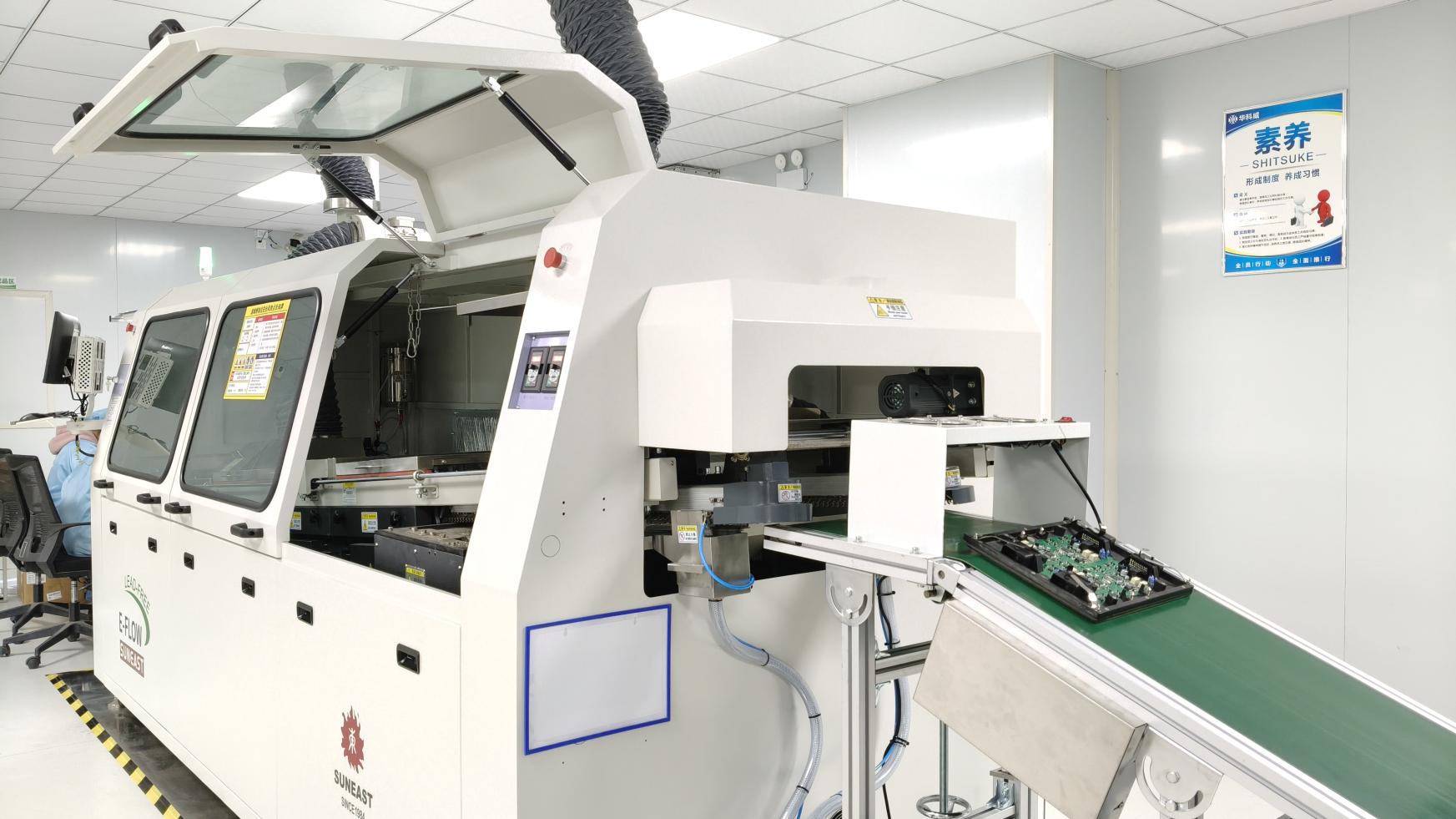
Modern inverters are transitioning from traditional Silicon IGBTs to Silicon Carbide (SiC) and Gallium Nitride (GaN) metal-oxide-semiconductor field-effect transistors. This advancement allows for higher switching frequencies, reducing power conversion losses and cooling requirements. The result is more compact, lighter inverter systems with peak efficiencies exceeding 99%.
Traditional inverters rely on the grid to set voltage and frequency (grid-following). However, as renewable energy penetration rises, modern central and high-power string inverters are adopting grid-forming capabilities. These units can simulate rotating mass generators, actively stabilizing utility grids during voltage drops or load shifts.
Integrating state-of-the-art power electronic controls with world-class outdoor infrastructure engineering.
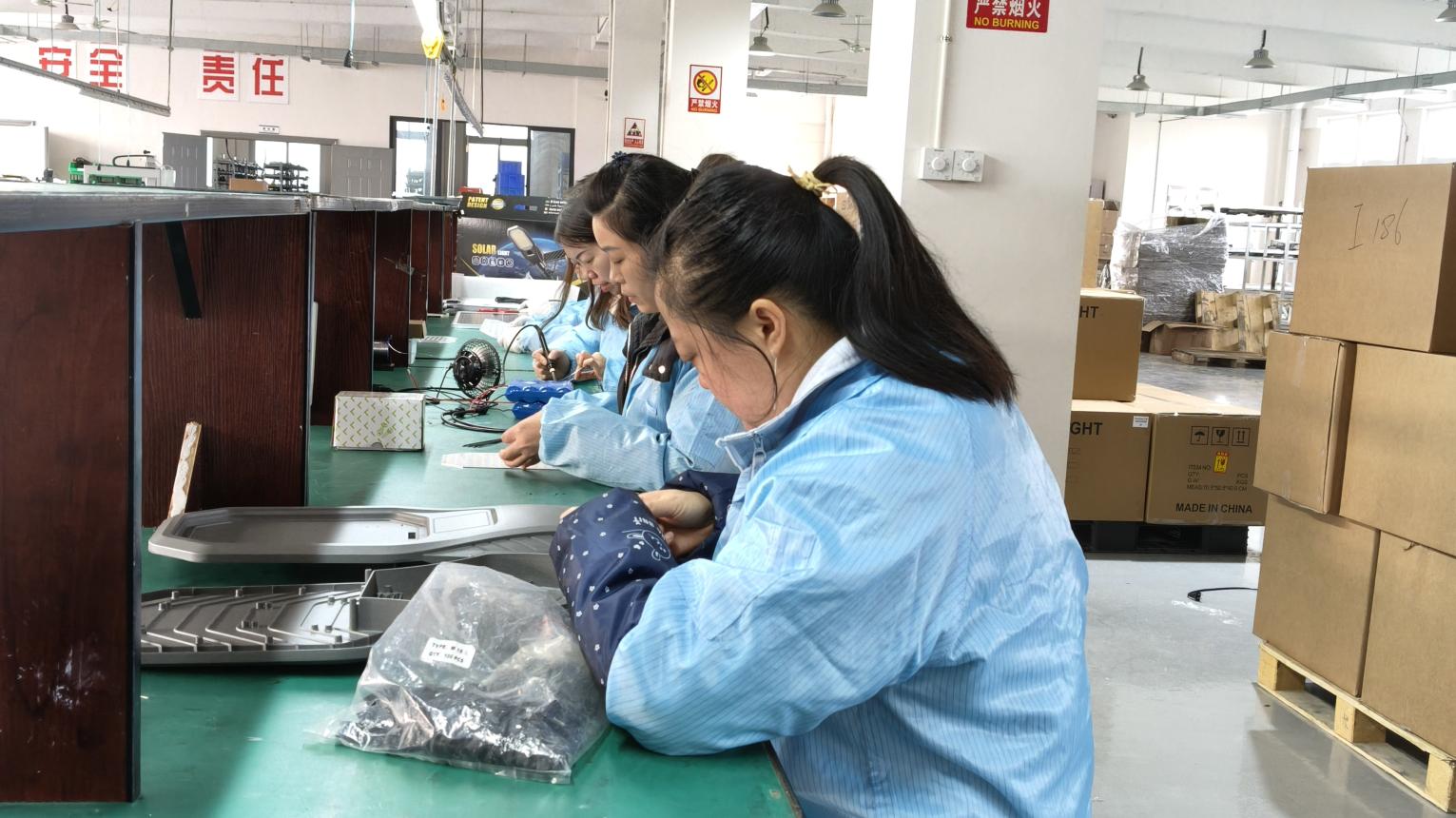
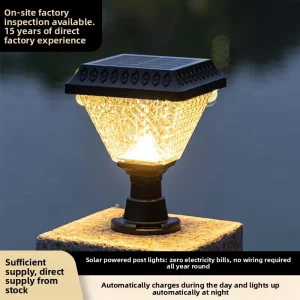
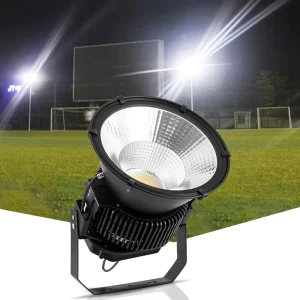
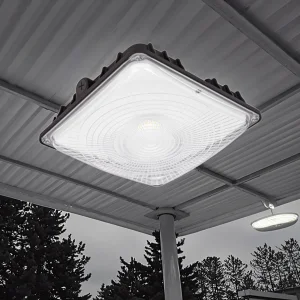
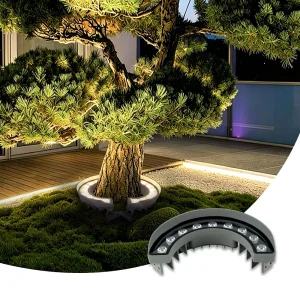
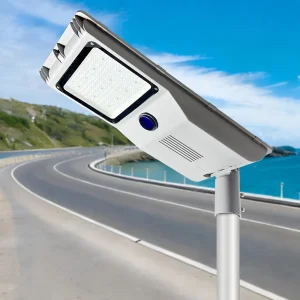
Yangzhou OneAll Lights Co., Ltd. is a professional manufacturer and exporter specializing in outdoor lighting solutions. Established in 2003 and located in Yangzhou, Jiangsu Province, China, we have over 20 years of experience in the design, development, manufacturing, and supply of high-quality lighting products for customers around the world.
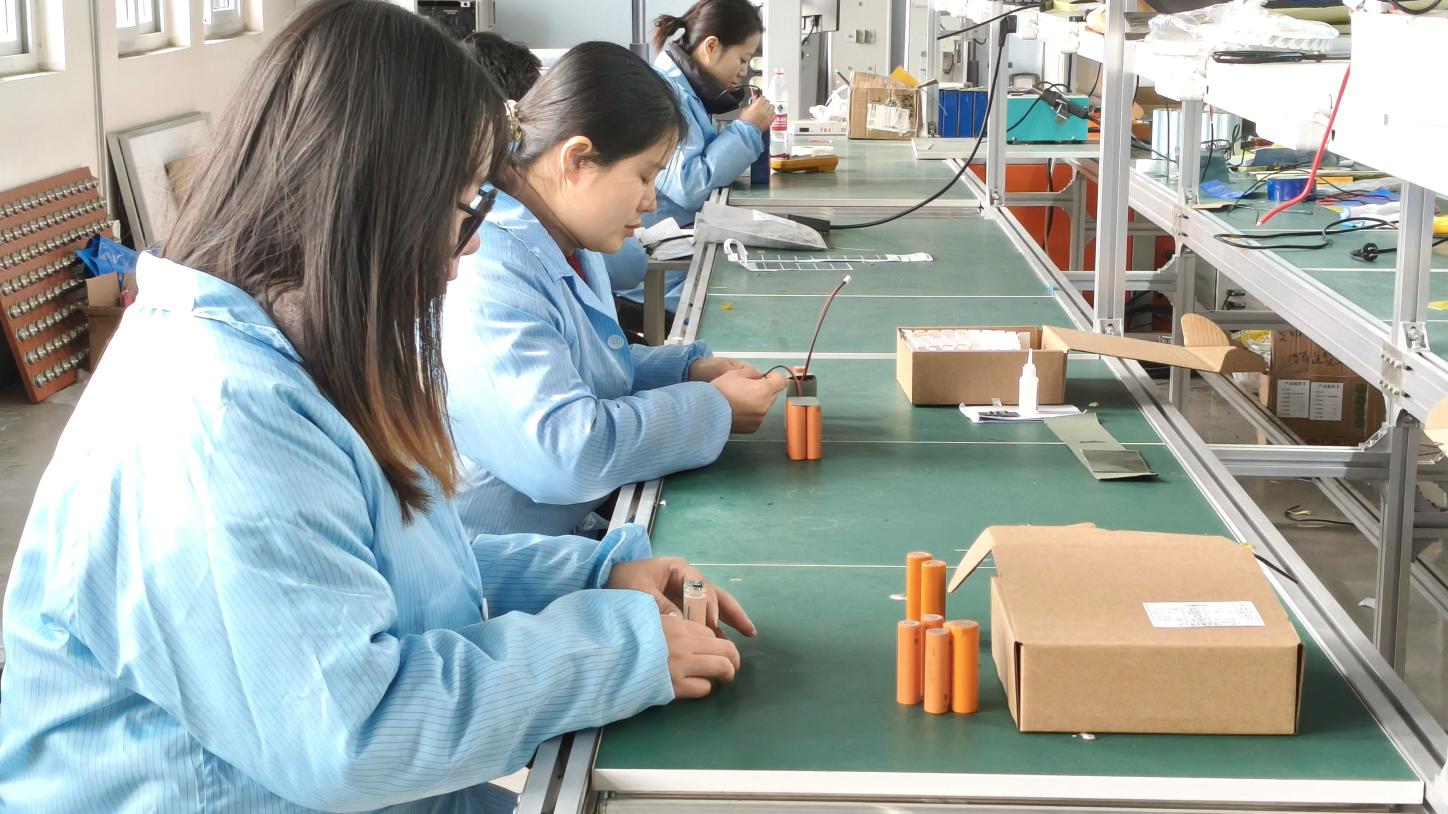
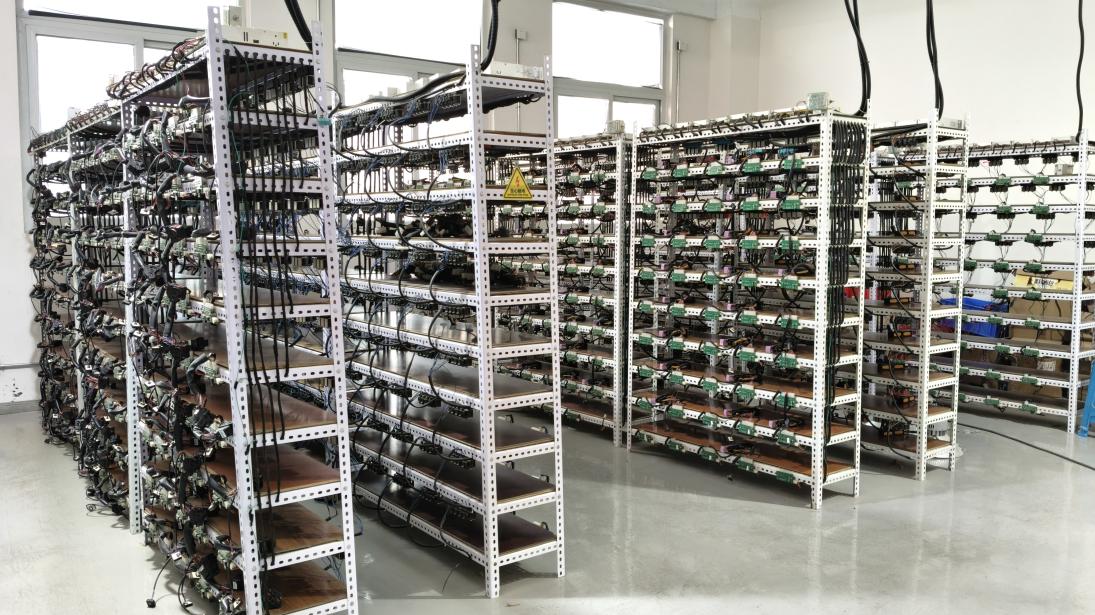
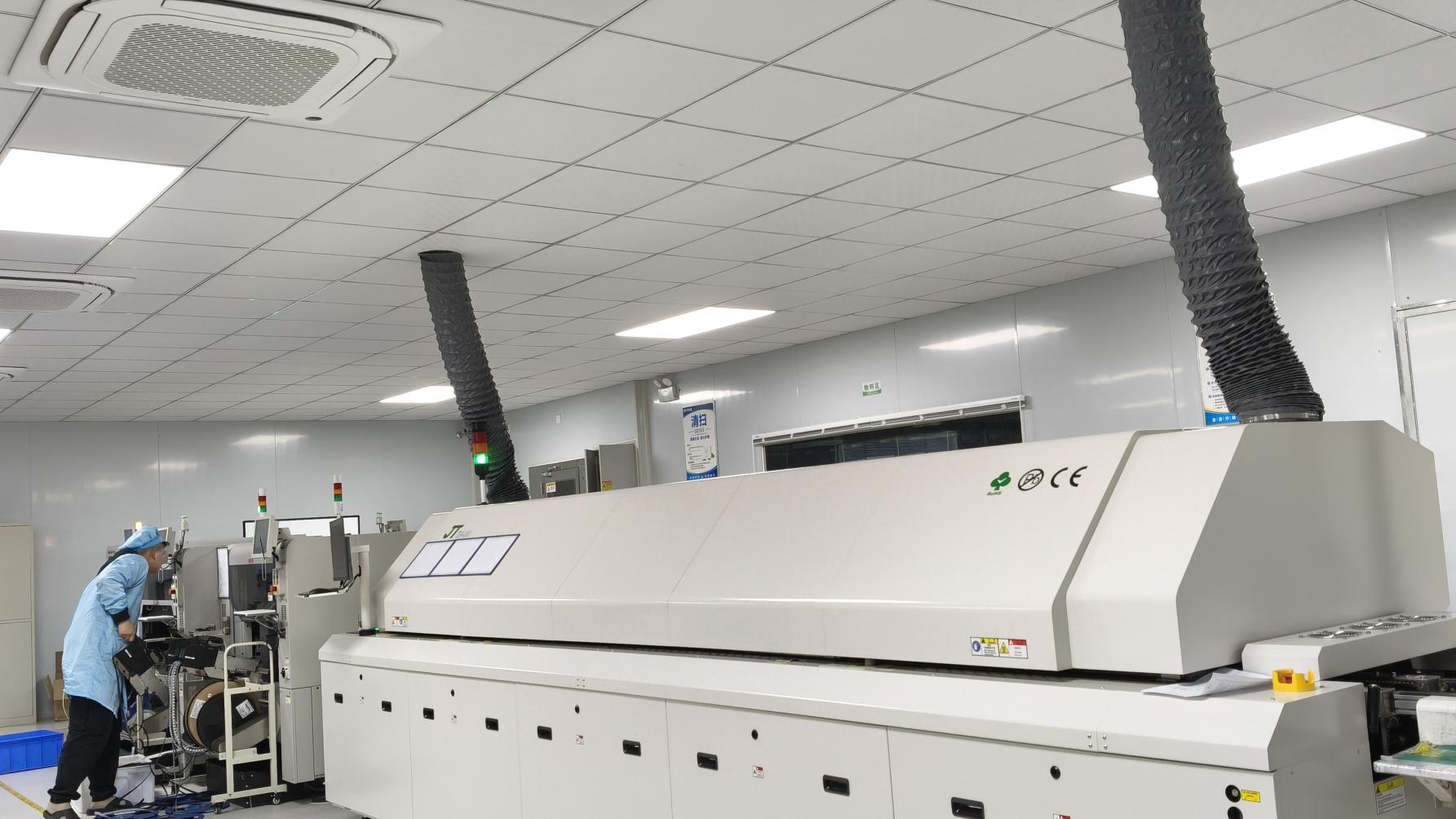
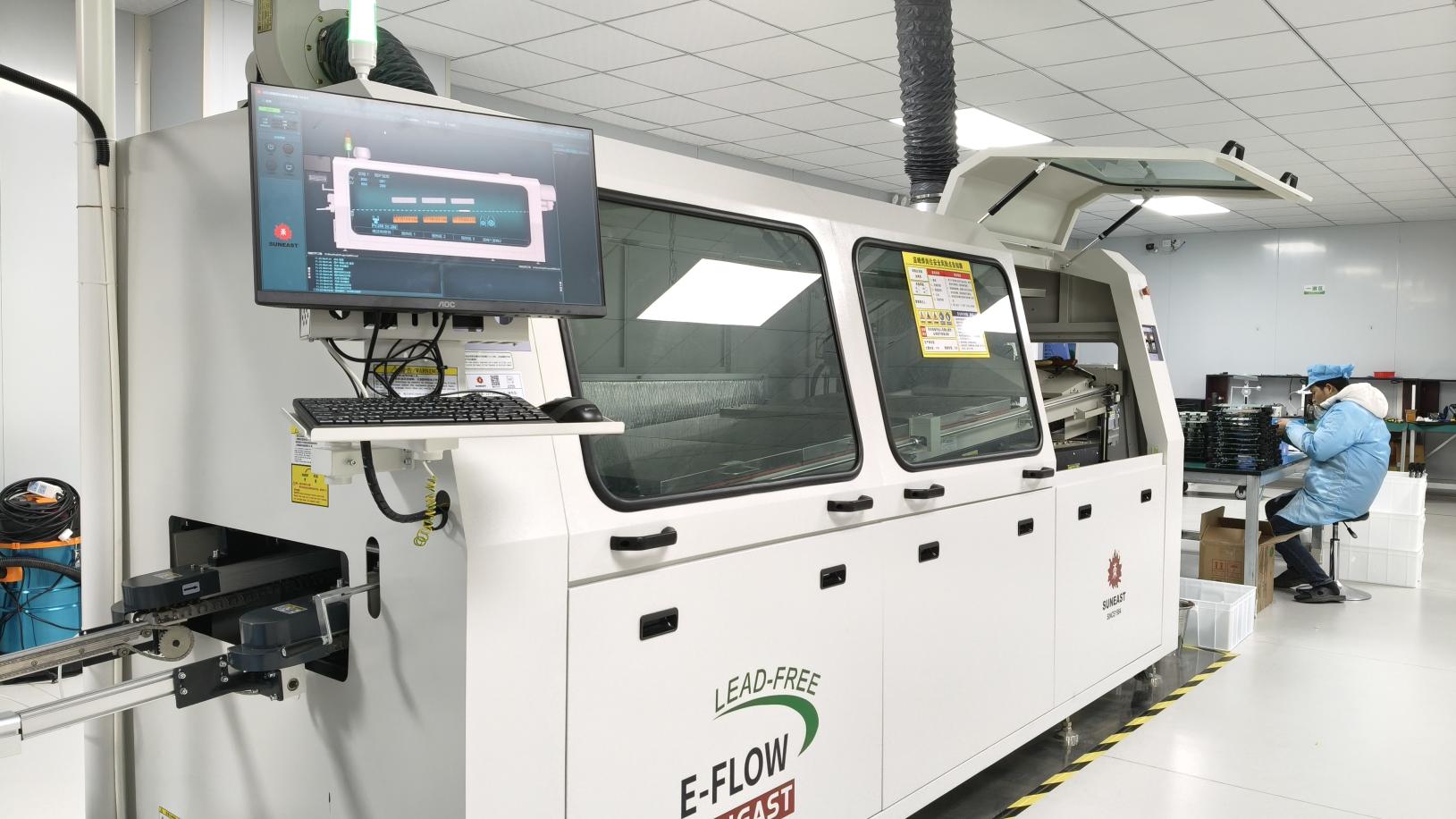
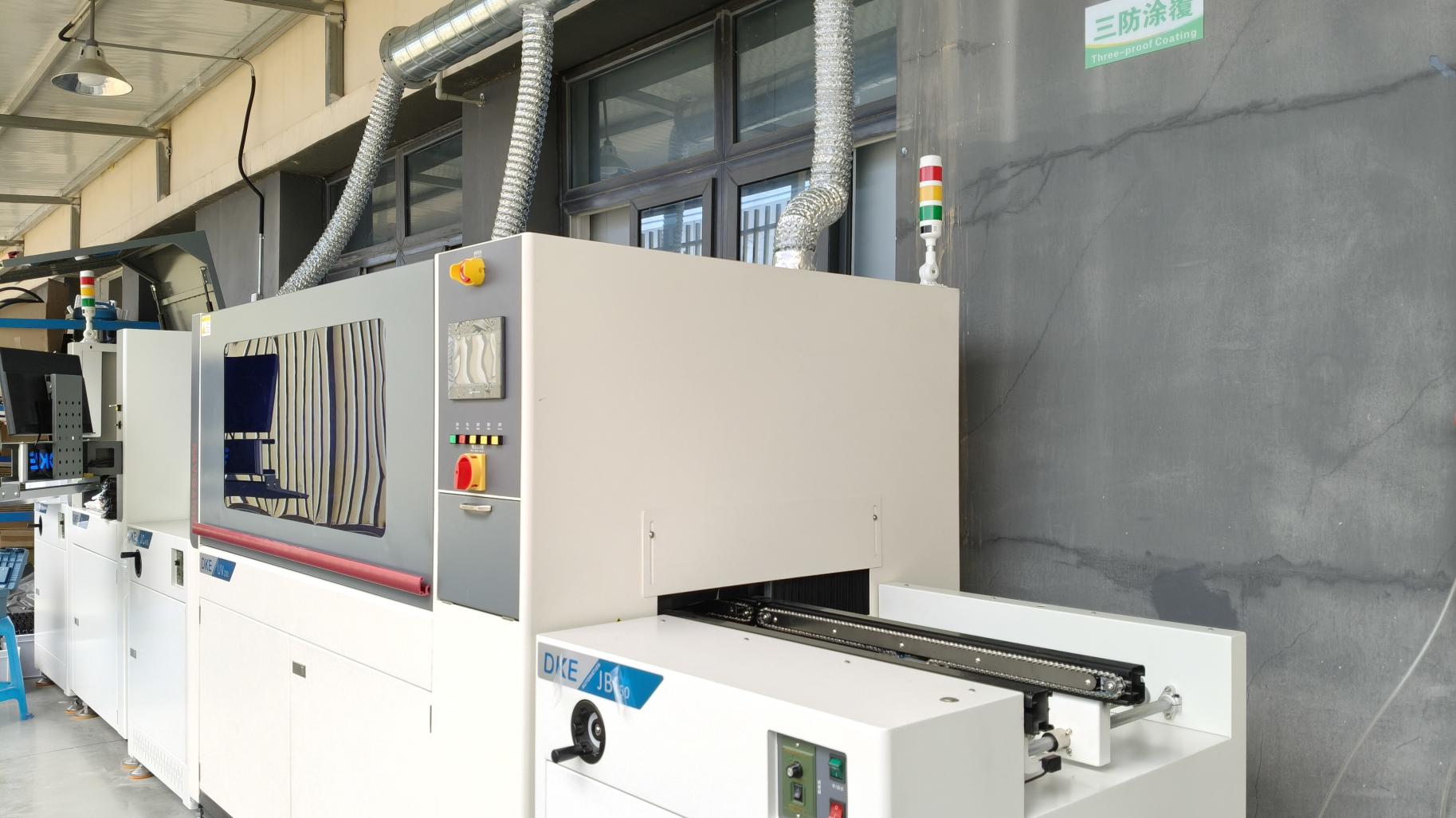
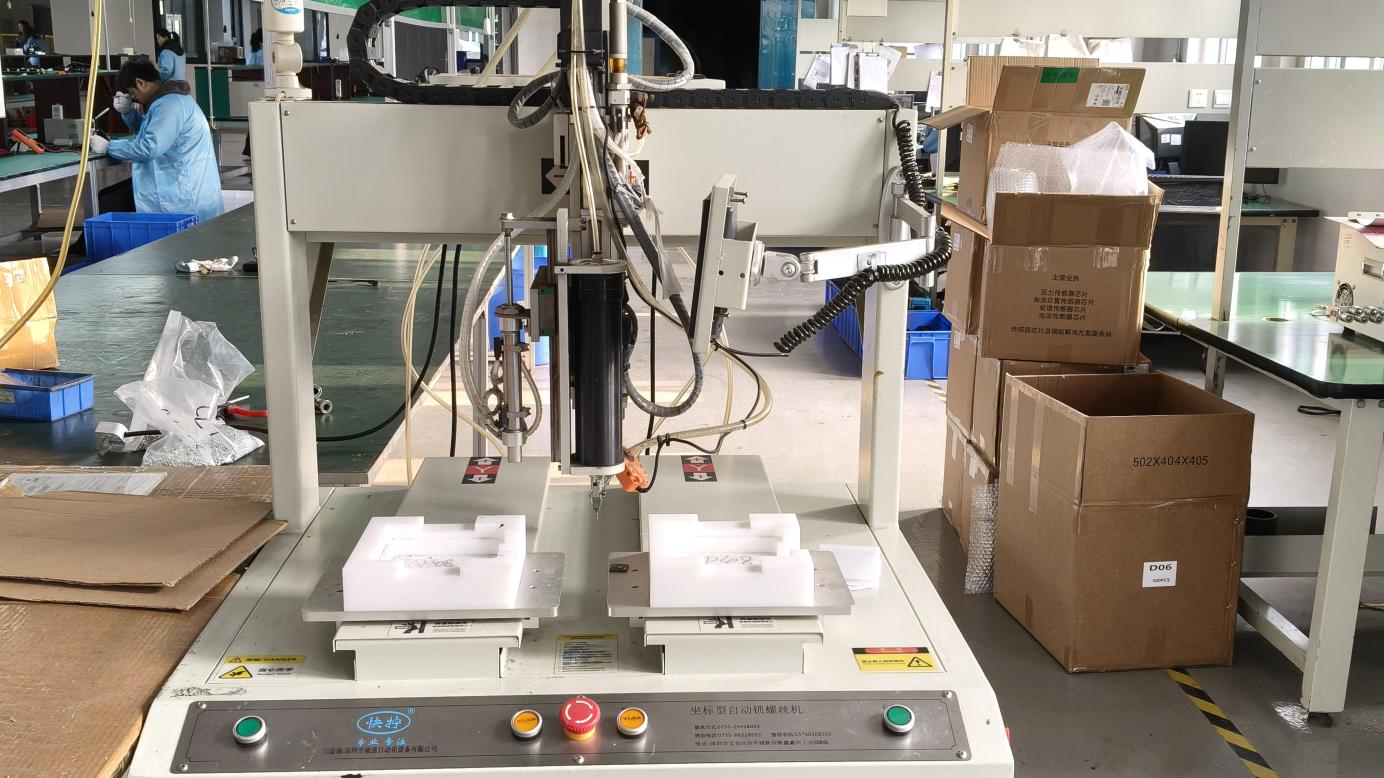
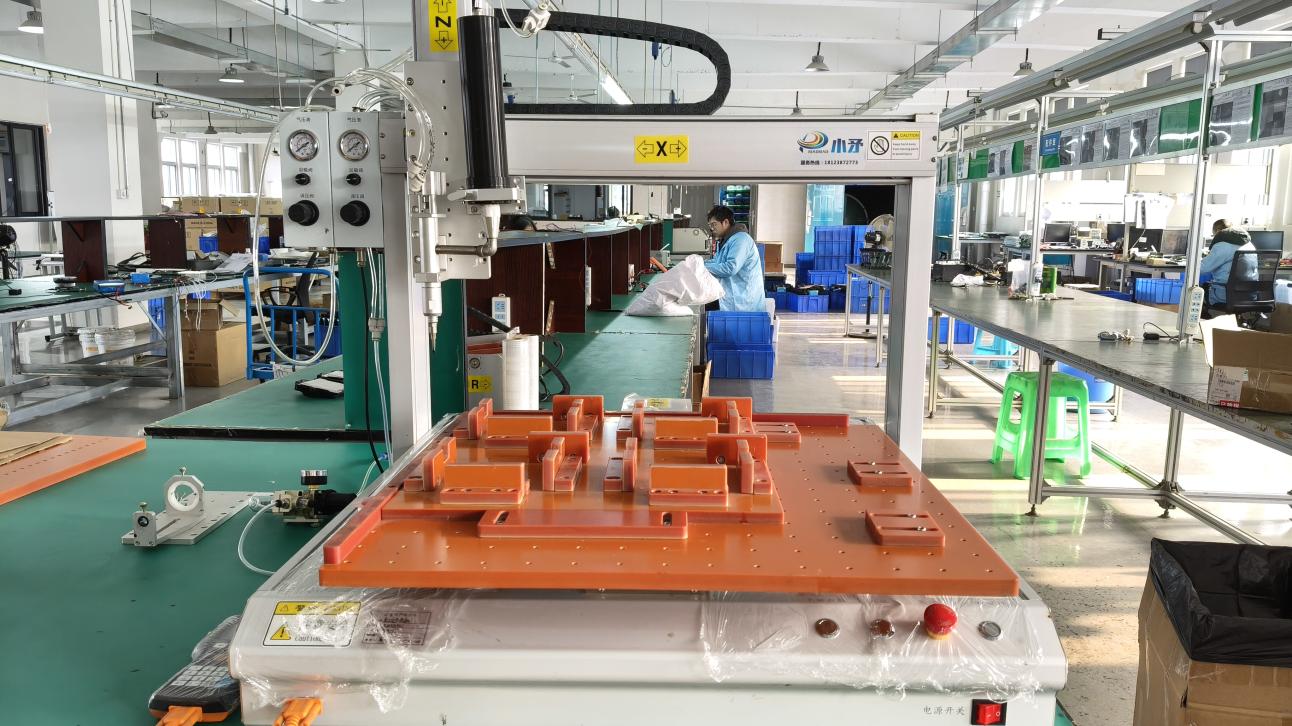
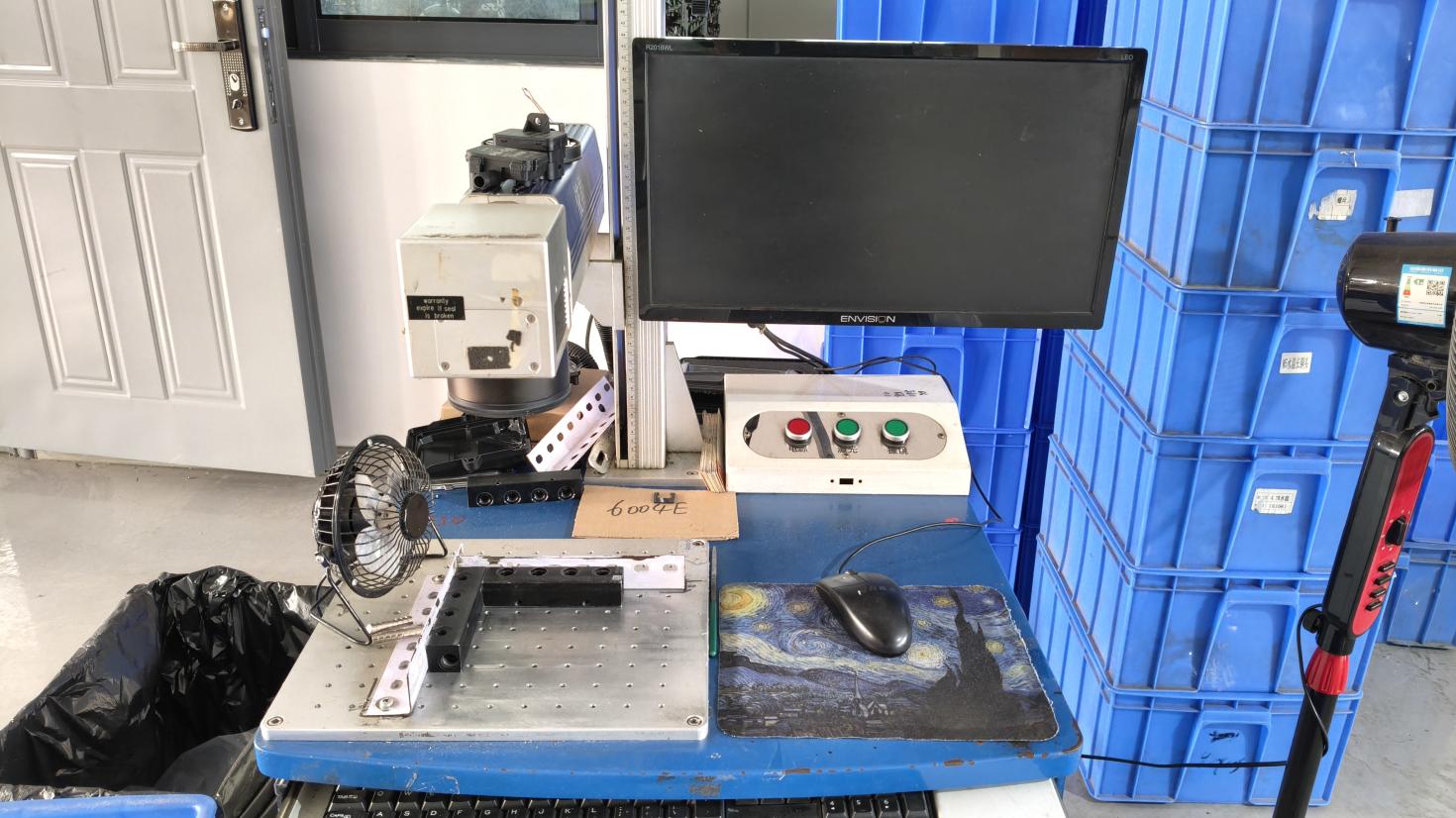
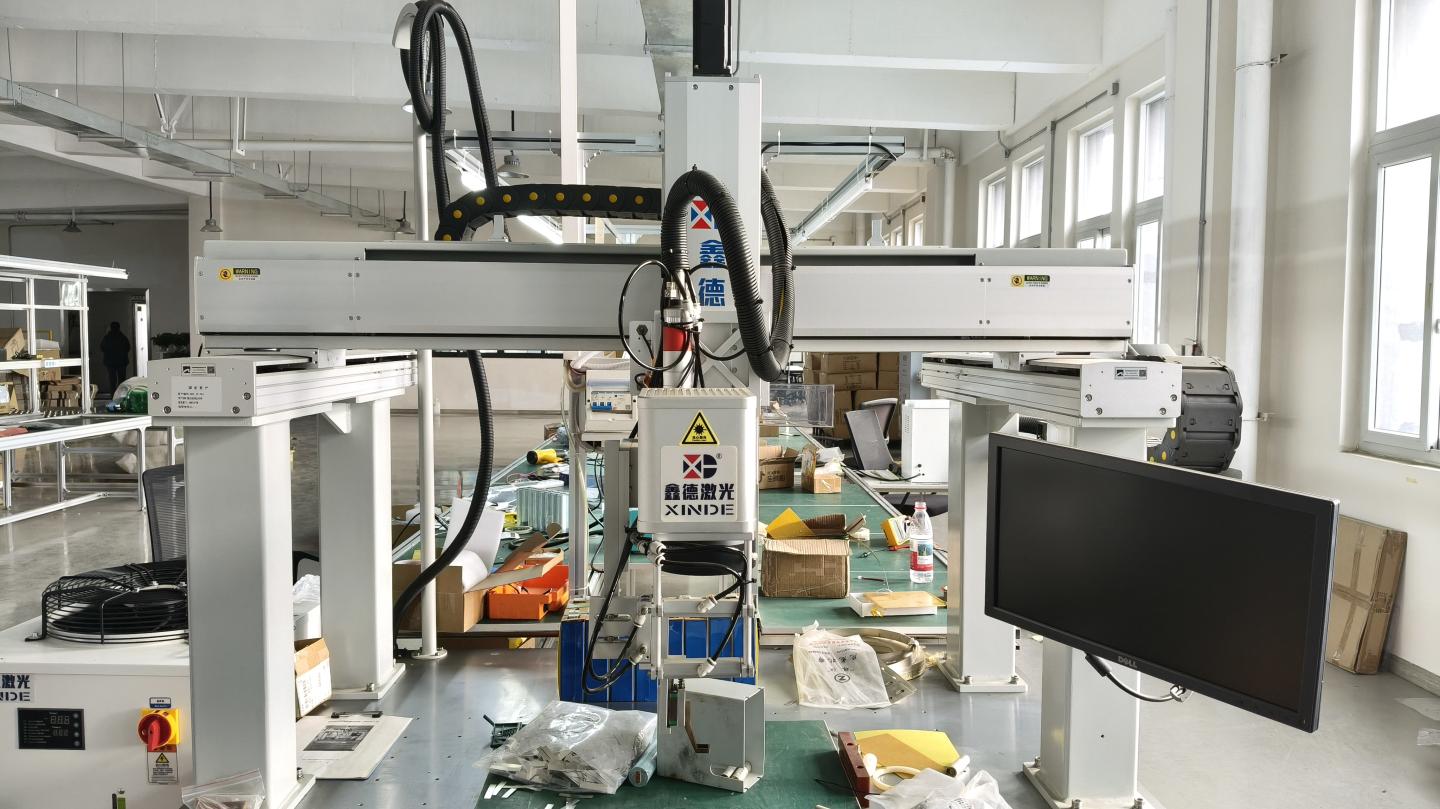
With continuous investment in advanced manufacturing technology, our factory is equipped with modern production facilities, including CNC bending machines, automatic submerged arc welding systems, laser cutting equipment, electrostatic powder coating lines, fluorocarbon painting workshops, and precision testing instruments. Supported by multiple automated production lines and a skilled technical team, we are able to provide efficient production, stable quality, and reliable delivery for projects of all sizes.
Innovation and quality are the driving forces behind our growth. We have established an experienced R&D team dedicated to developing energy-efficient, environmentally friendly, and intelligent lighting solutions that meet the evolving needs of global markets. From product design and engineering to manufacturing and quality inspection, every production process is carried out under strict quality control standards to ensure excellent performance, durability, and long service life.
Our company has obtained ISO9001 Quality Management System Certification, ISO14001 Environmental Management System Certification, CCC, CQC, CE certification, and various product testing reports, demonstrating our commitment to international quality and safety standards.
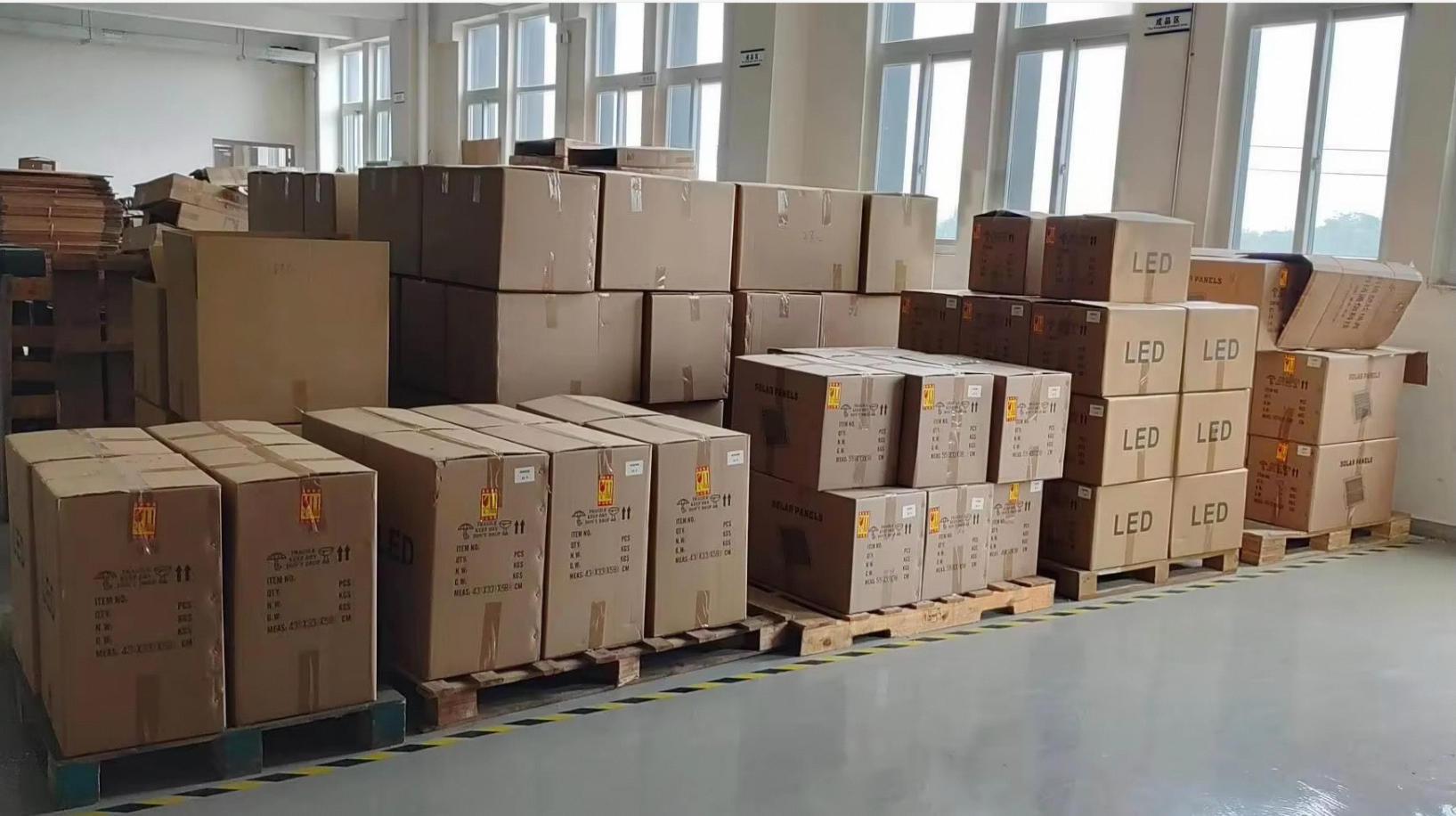
Over the years, our products have been exported to customers across Southeast Asia, the Middle East, Africa, Europe, South America, and many other regions. With rich experience in international projects, we also provide flexible OEM and ODM services, offering customized solutions tailored to different customer requirements and application scenarios.
At Yangzhou OneAll Lights Co., Ltd., we are committed to the philosophy of "Quality First, Innovation, Integrity, and Customer Satisfaction." We continuously strive to deliver reliable products, competitive solutions, and professional service. Looking ahead, we will continue to create greater value for our partners worldwide and contribute to a brighter, smarter, and more sustainable future.
Navigating grid connection frameworks and regional requirements.
Exporters targeting USA and Canadian markets must comply with UL 1741 (including SB amendments for smart inverters) and National Electrical Code (NEC) rapid shutdown requirements. Inverters must interface seamlessly with dynamic safety systems, ensuring immediate shutdown during fire or grid maintenance events.
For European Union deployment, inverters must meet the EN 50549 standard. This governs the capabilities of generating plants seeking connection in parallel with distribution networks. It covers low-voltage and medium-voltage grid requirements, frequency stability parameters, and reactive power injection profiles.
Mining installations, remote off-grid telecom hubs, and high-salinity coastal areas present distinct operating challenges. Elite exporters utilize double-cavity cooling systems, IP66 ingress protection ratings, and C5-M anti-corrosion coating treatments. These features prevent component failures caused by dust penetration, salt spray, or ambient heat build-up.
Modern commercial infrastructure often integrates solar arrays, diesel generators, battery energy storage systems (BESS), and localized loads. String inverters must feature sub-second communication latency and advanced EMS (Energy Management System) compatibility to dynamically control output based on current microgrid demand.
Technical insights on specifying, importing, and integrating solar power electronics for utility-scale systems.
String inverters manage small segments of the solar field independently, allowing for multiple MPPT trackers and preventing system-wide down-time when a single string fails. Central inverters consolidate the conversion at a single point, offering lower initial capital cost per watt and simpler substation setups. However, they require combiner boxes and carry higher system-wide downtime risks during maintenance.
AFCI (Arc Fault Circuit Interrupter) uses digital signal processing and AI algorithm modeling to scan DC line electrical noise. If an electric arc (often caused by cracked cables or loose connections) is identified, the inverter automatically terminates the current flow in less than 2.5 seconds. This process conforms to safety standards like UL 1699B.
Operating at 1500V DC allows developers to run longer strings of panels, reducing the overall quantity of combiner boxes, DC cabling, and wiring connections. This optimization reduces Bos (Balance of System) costs while minimizing transmission losses over long distances in large-scale fields.
The standard warranty for string inverters is typically 5 to 10 years, with options for extensions up to 20 years. Central and hybrid inverters often come with a baseline 5-year warranty, backed by comprehensive operation and maintenance (O&M) service agreements with the manufacturer.
Deploy high-durability hardware designed to perform under challenging grid conditions.
 OneAll Lights