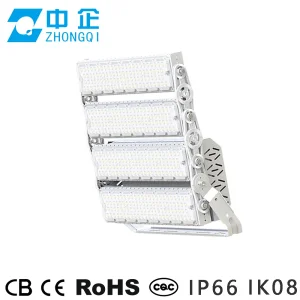
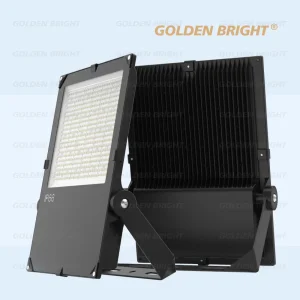
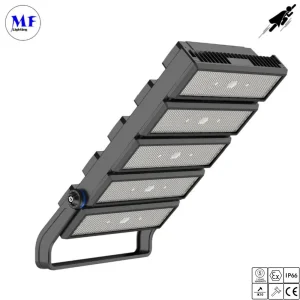
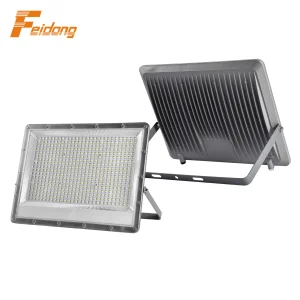
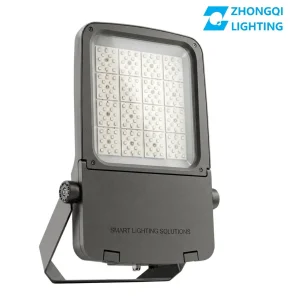
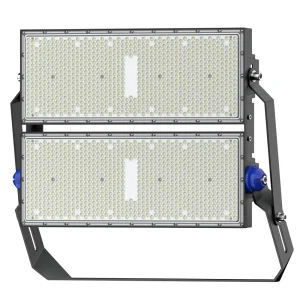
Designed with high-durability enclosures, wide-voltage tolerance drivers, and advanced surge protection systems to ensure optimal efficiency and longevity in demanding West African environments.
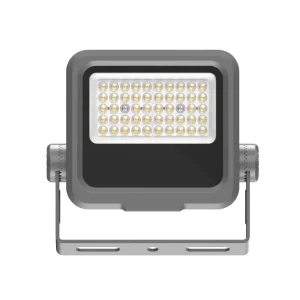
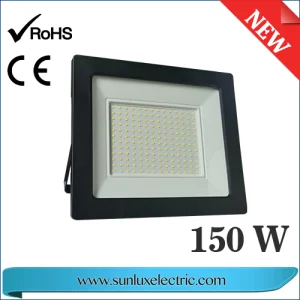
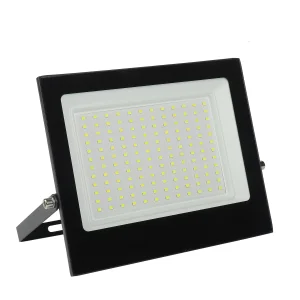
A professional evaluation of West Africa's grid behavior, climatic challenges, and requirements for high-performance LED applications.
Ghana's energy sector has undergone rapid development, but industrial centers like Tema, Kumasi, and Takoradi face persistent power grid variations. Voltage fluctuations, transient surges, and periodic dropouts (locally referred to as Dumsor) place heavy strain on electrical systems. Standard LED drivers designed for stable European or North American grids often fail prematurely when exposed to these conditions.
To operate reliably in Ghana, LED floodlights must feature wide-voltage input capabilities (typically 90-305V AC or 347-480V AC) and a minimum of 10kV/20kV surge protection. This protects the LED chips and power distribution circuits from transient voltage spikes caused by heavy industrial switching or localized lightning strikes.
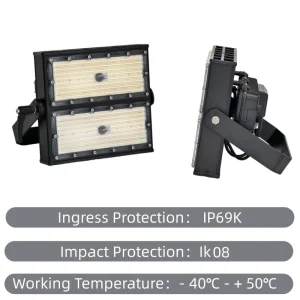
Ghana's climate presents dual environmental challenges: the warm, highly saline maritime air of coastal zones like Accra and Tema, and the dry, dust-laden Harmattan winds that blow from the Sahara Desert across northern Ghana. These factors demand robust industrial ingress protection and corrosion-resistant enclosures:
High-efficiency lighting serves as foundational infrastructure across Ghana’s core economic sectors. Sourcing industrial-grade systems directly supports operational efficiency and workplace safety:
From gold fields in Obuasi and Tarkwa to bauxite mines, operations run continuously. High-mast, shock-resistant LED floodlights (IK10) ensure stable, bright illumination under harsh mechanical vibration and dust loads.
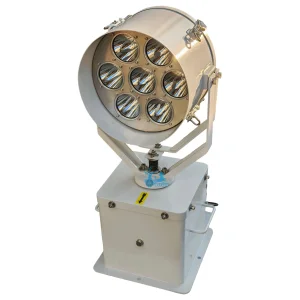
Tema and Takoradi port expansions manage intensive cargo logistics. Anti-corrosive, IP67-rated long-range searchlights and high-mast LED fixtures enable safe maritime operations in highly saline air.
Ghanaian municipal assemblies prioritize sustainable urban development. Replacing legacy sodium fixtures with high-efficacy, solar-integrated LED floodlights reduces energy bills and matches eco-friendly standards.
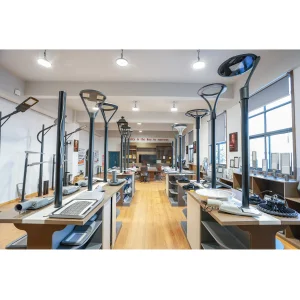
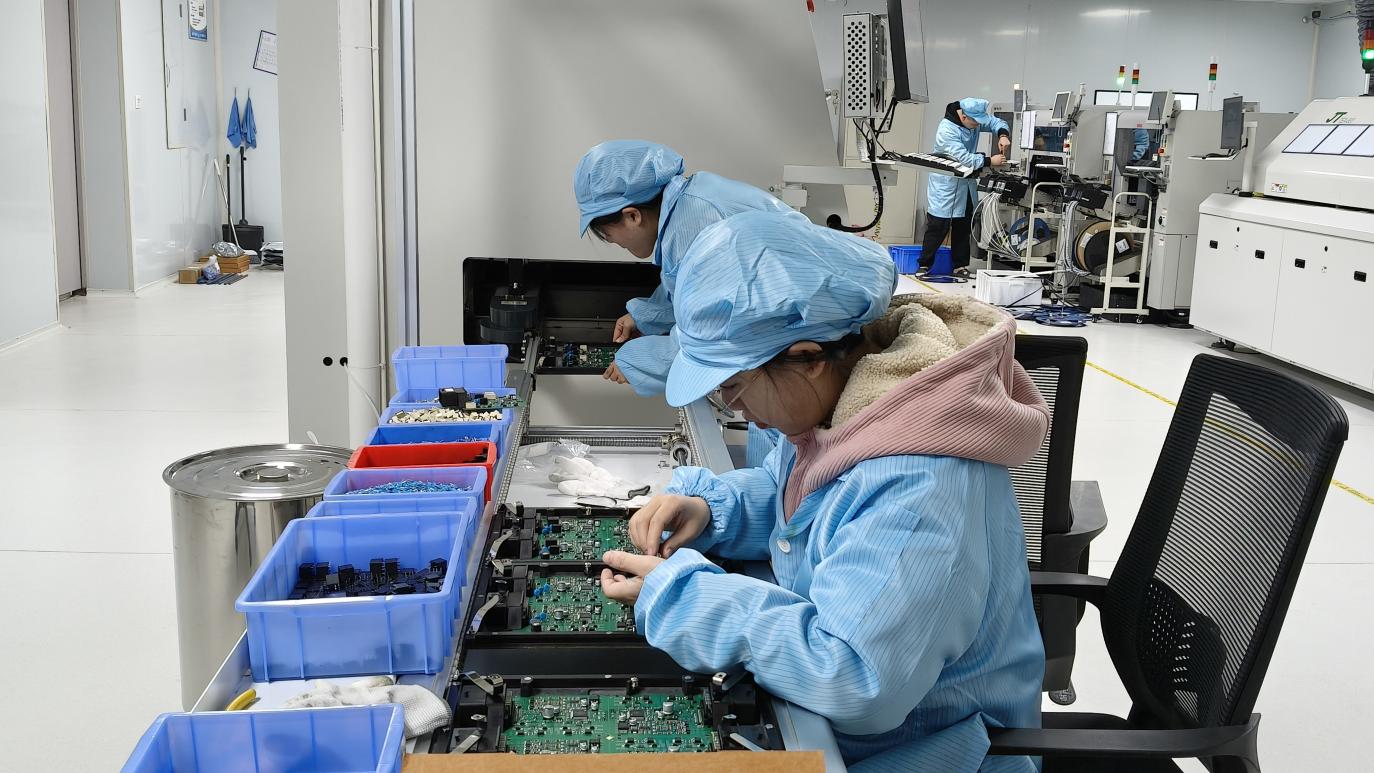
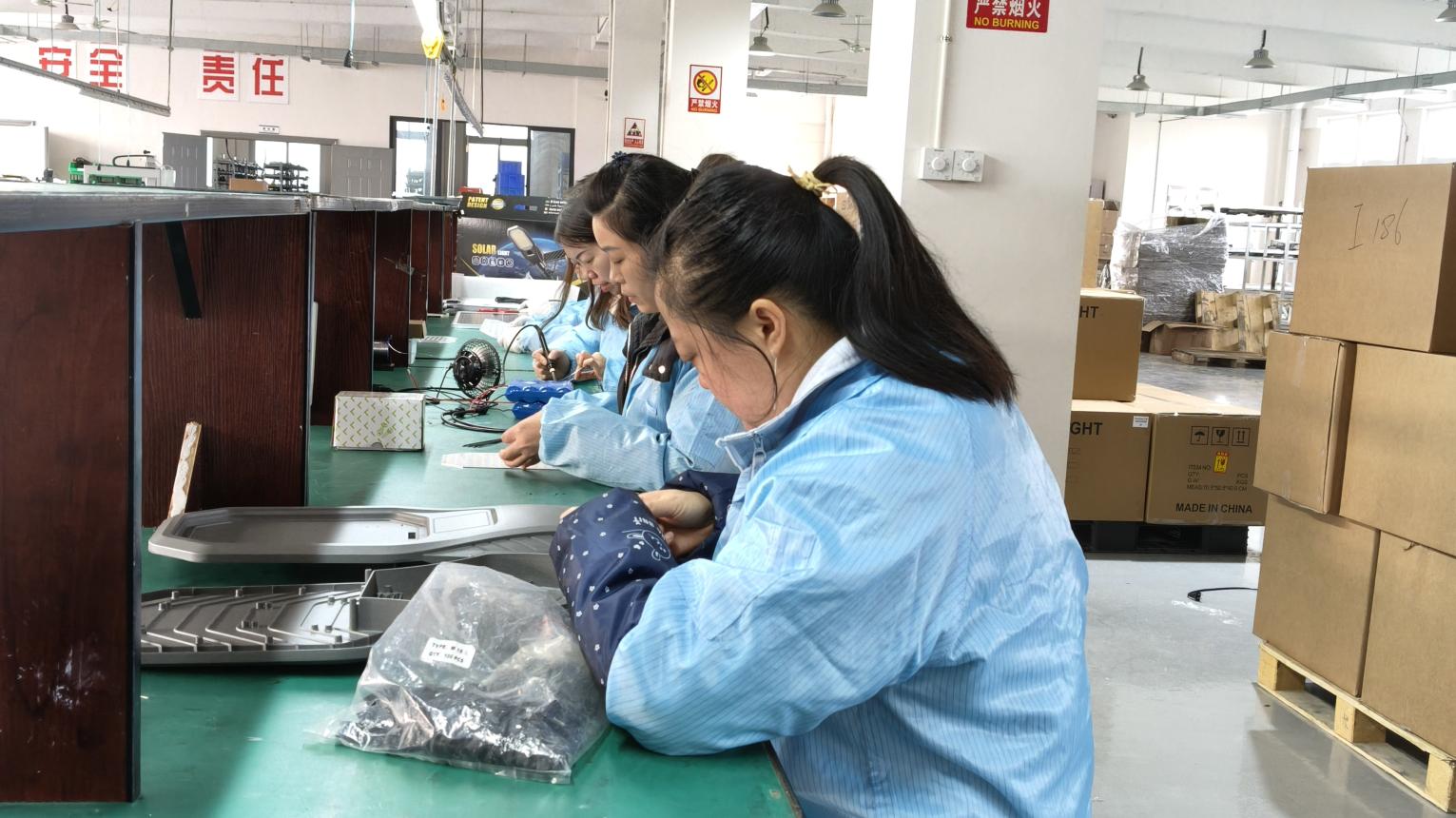
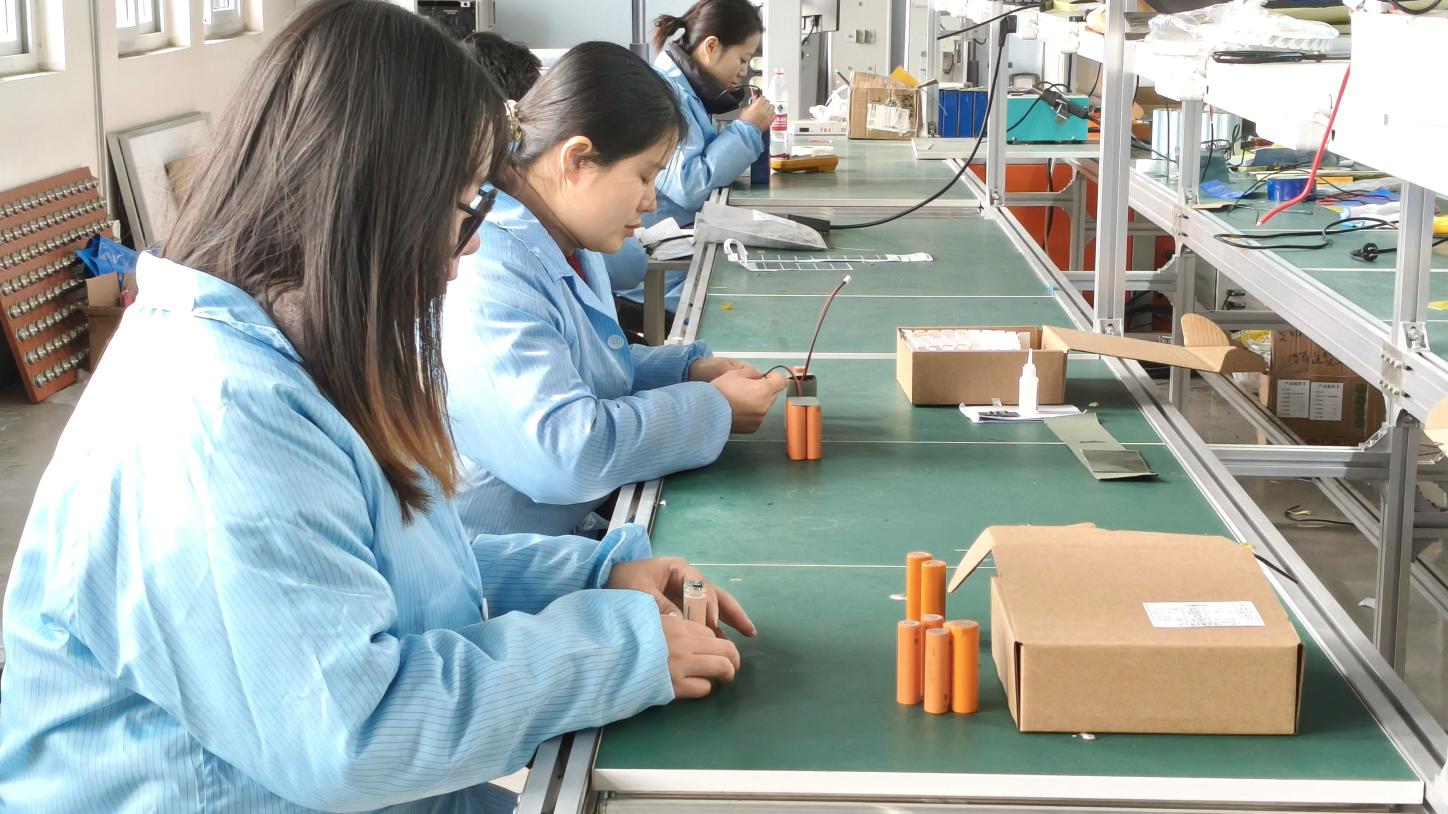
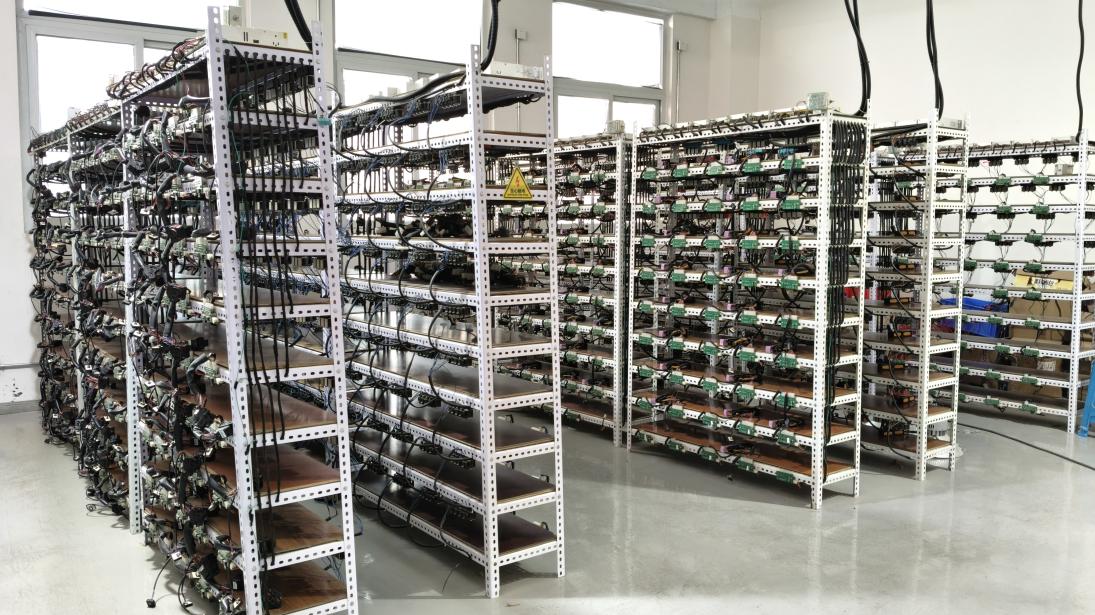
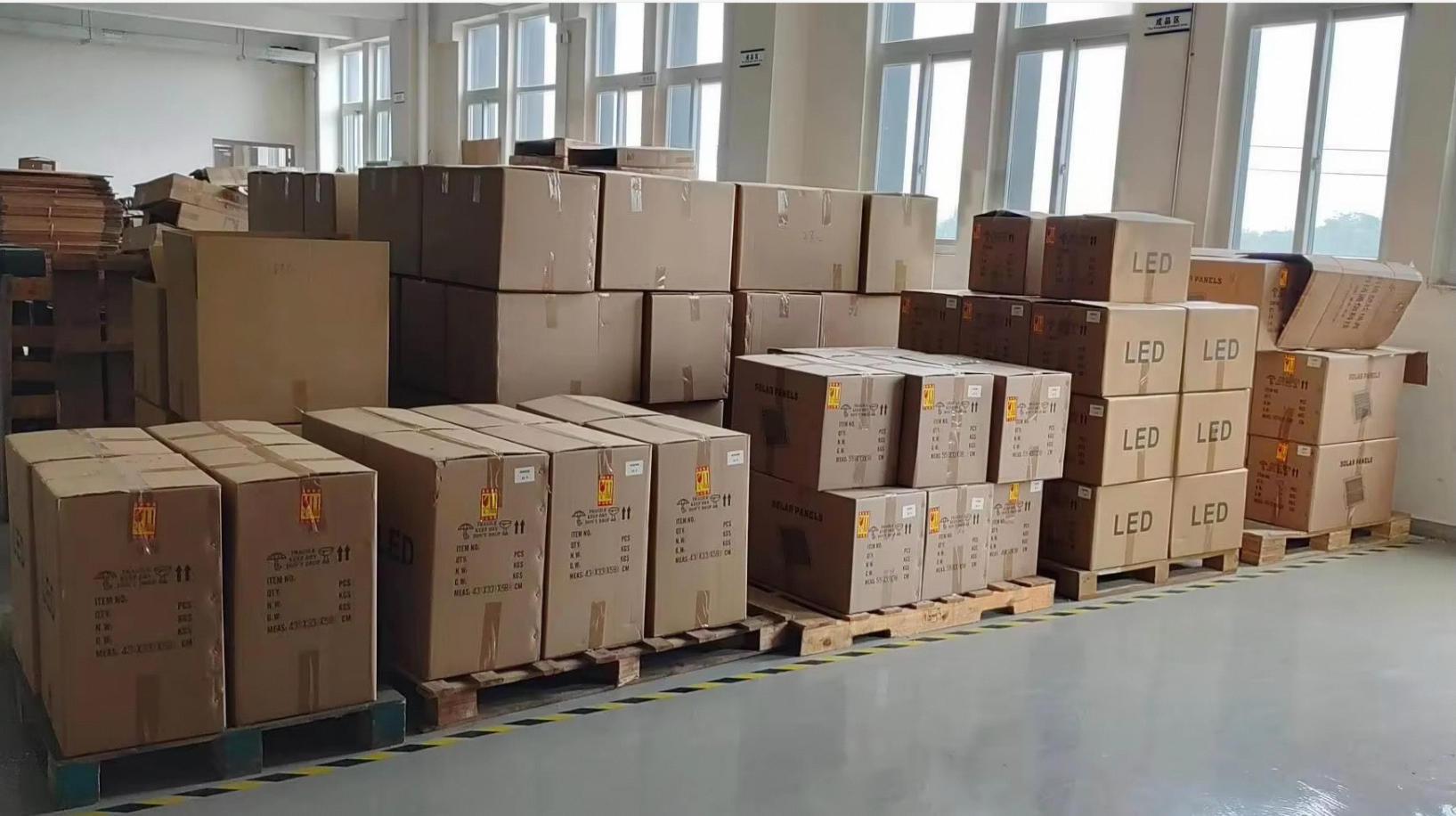
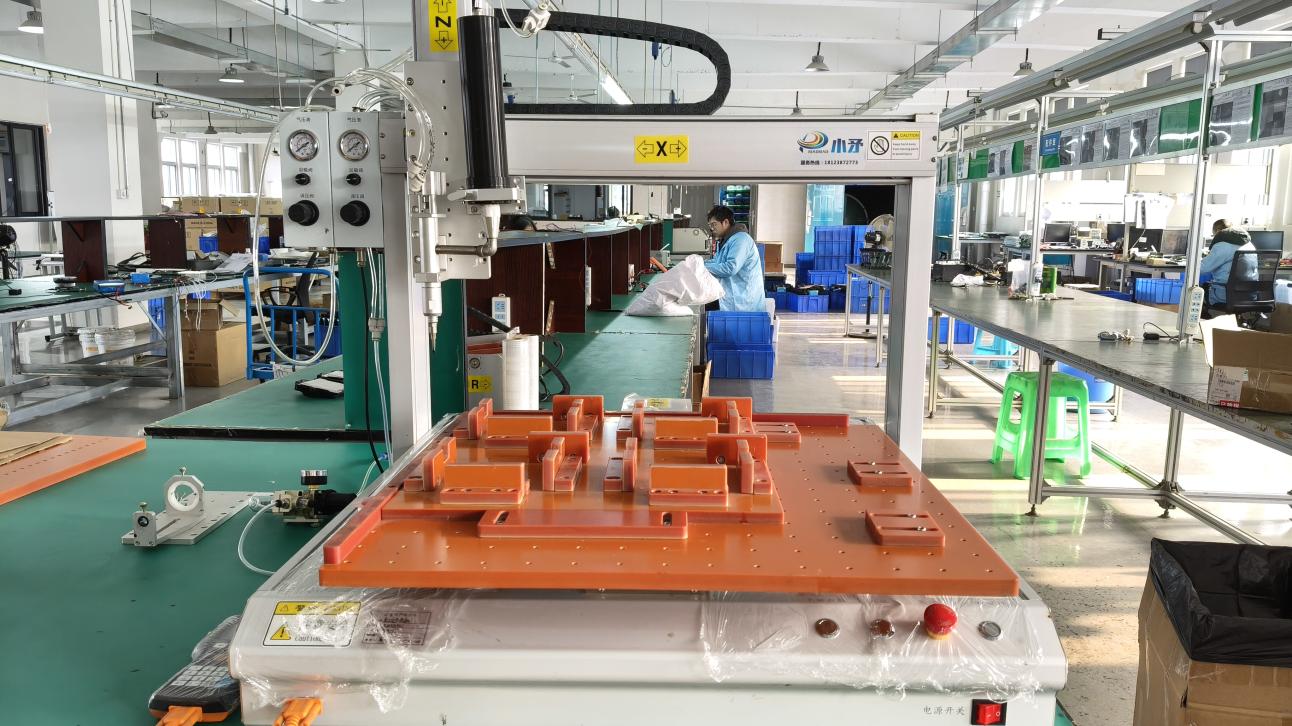
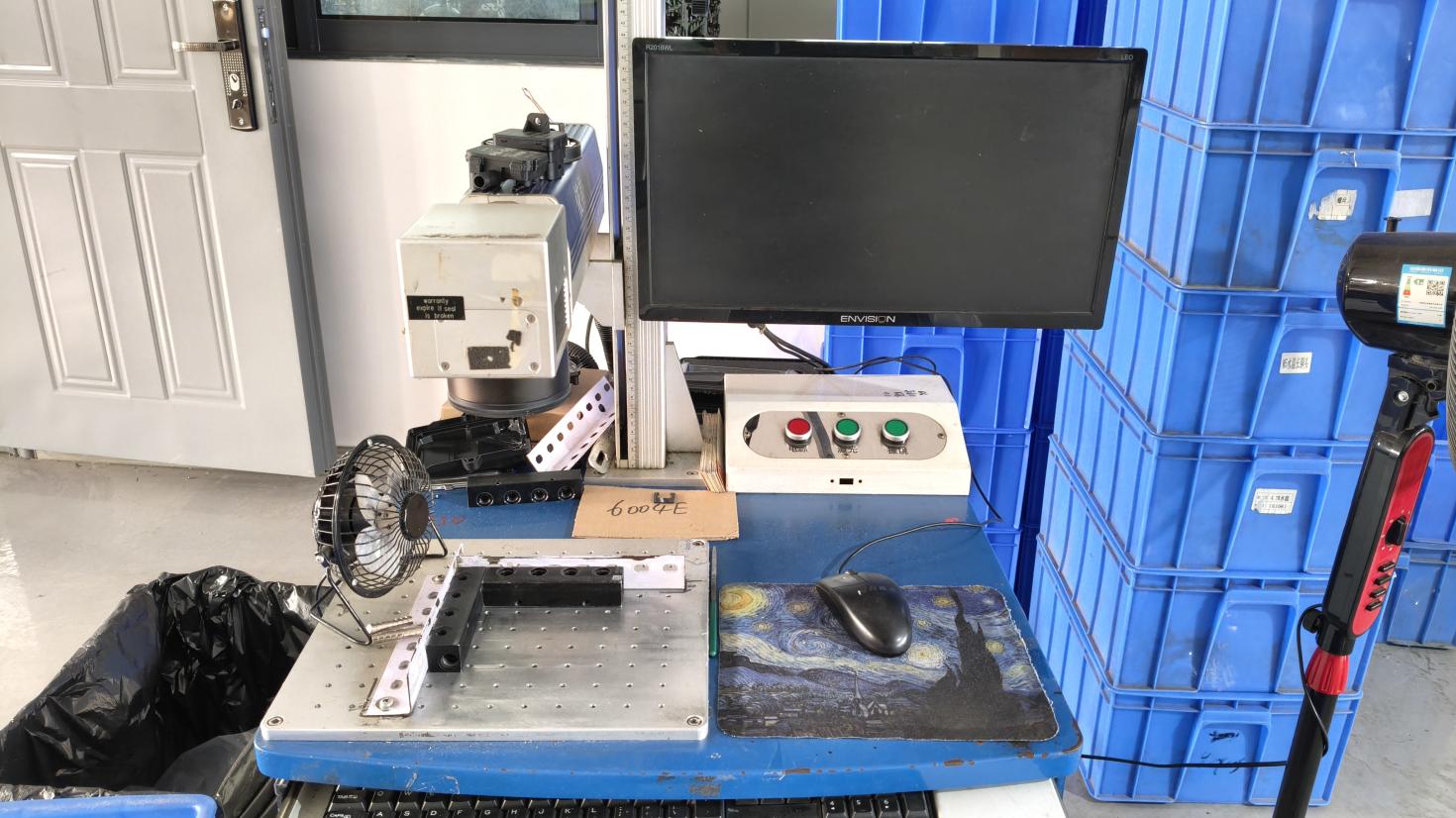
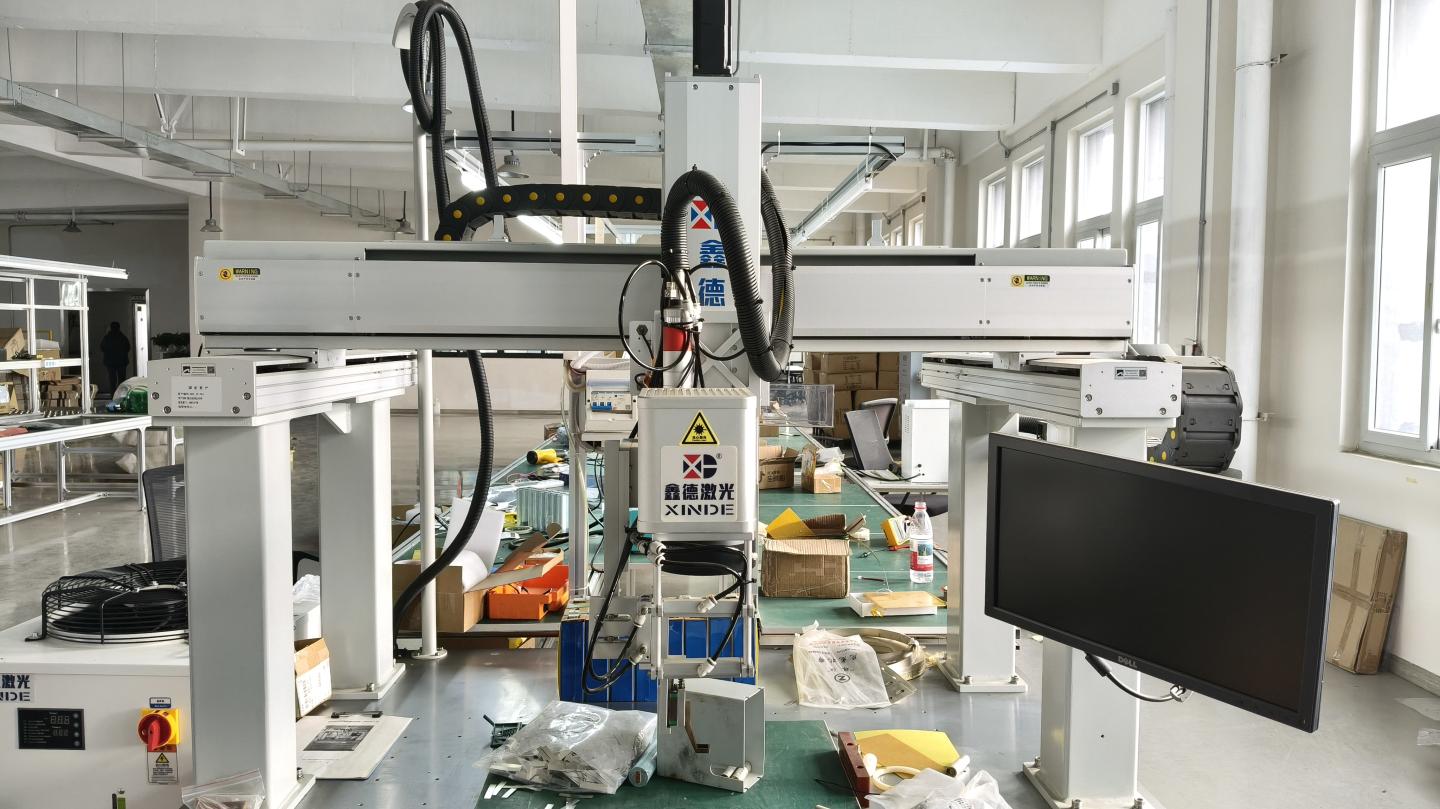
Established in 2003, our production facility features modern machinery, strict assembly lines, and testing equipment to guarantee international safety and durability standards.
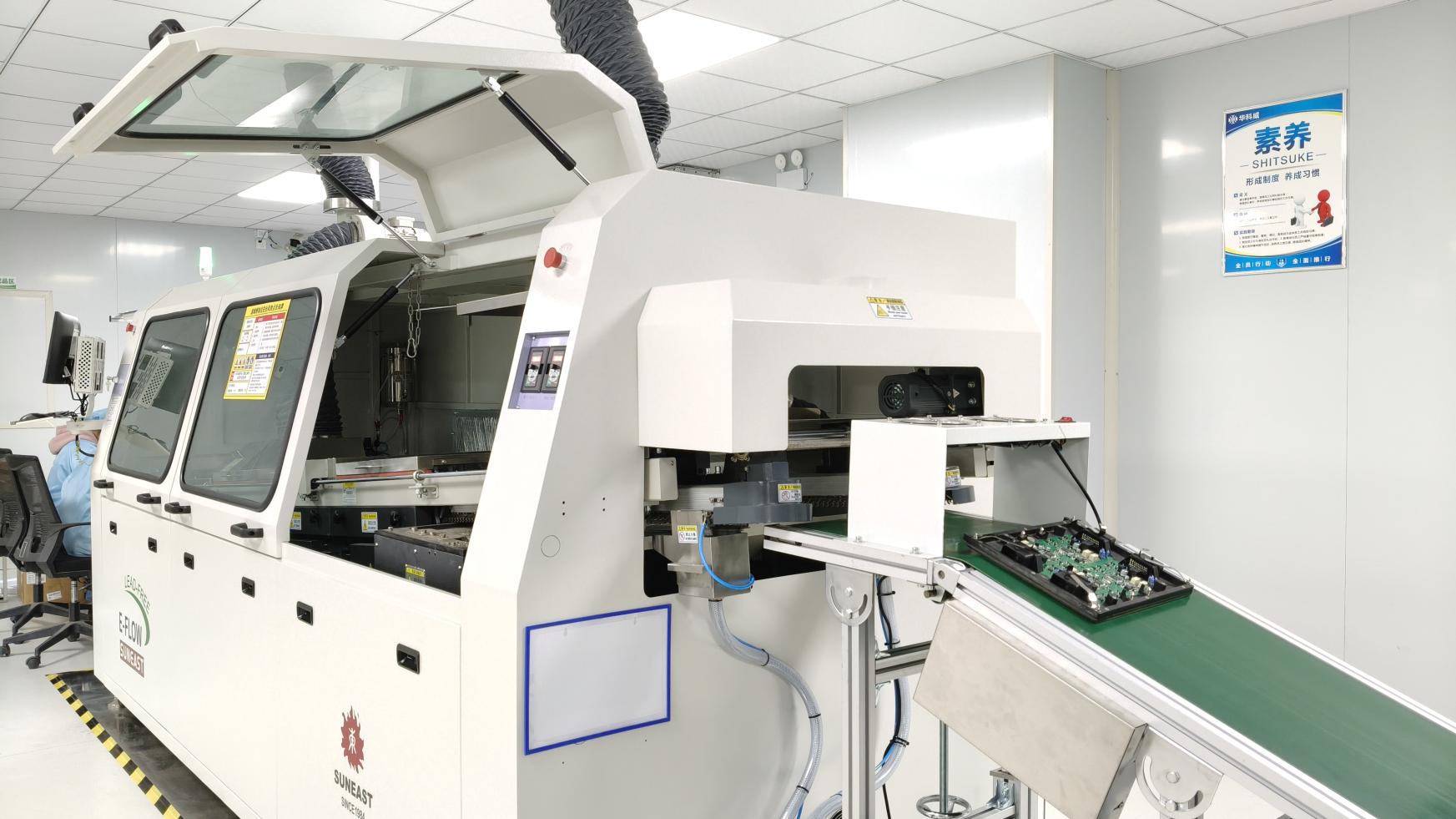
Located in Yangzhou, Jiangsu Province, China, our factory spans specialized departments for automated processing and manual refining. With over 20 years of manufacturing and exporting experience, our production line handles high-volume industrial projects. We manage every step, from SMT and wave soldering to protective coatings and automated assembly, to maintain stability and control across our product lines.
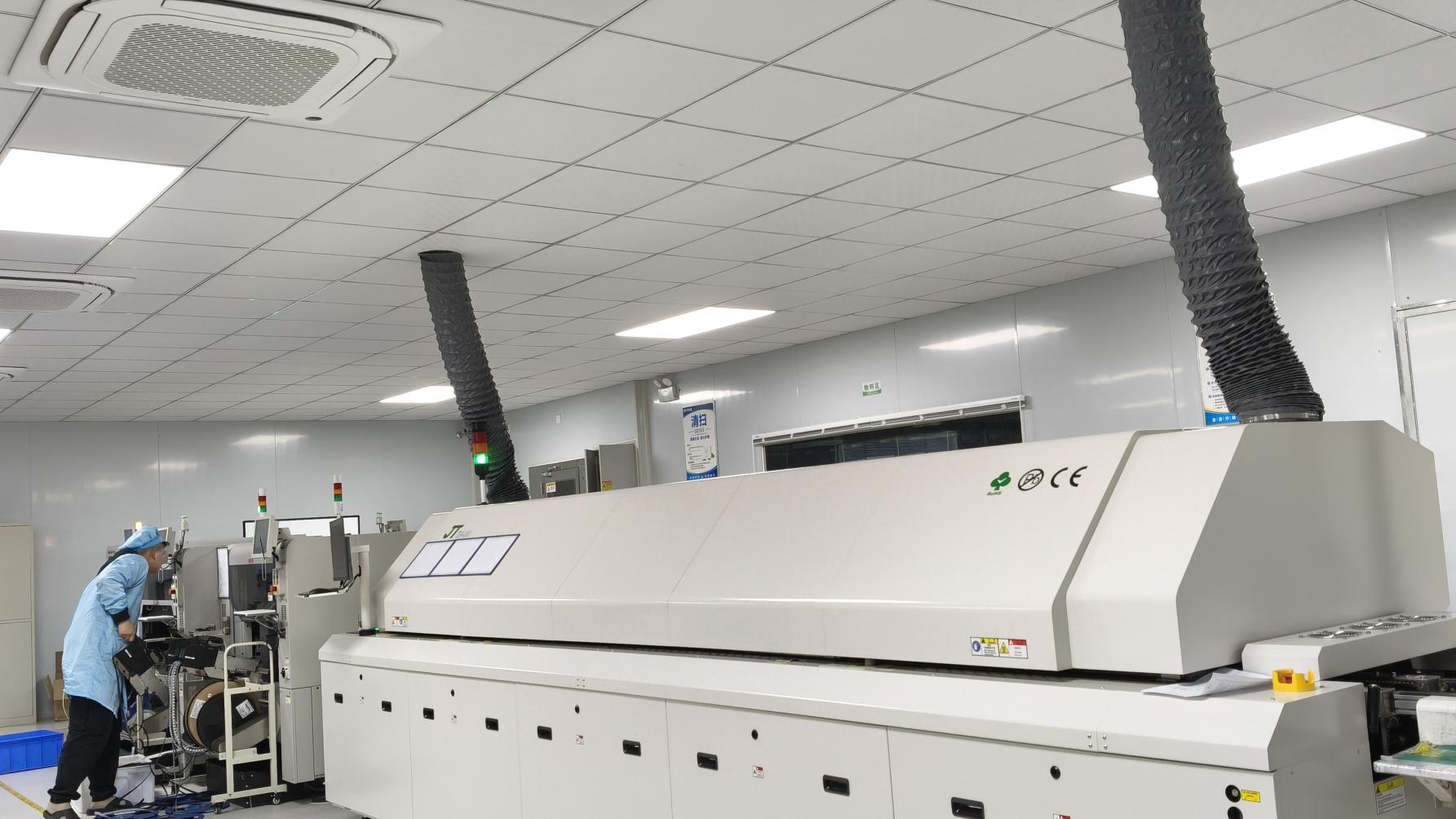
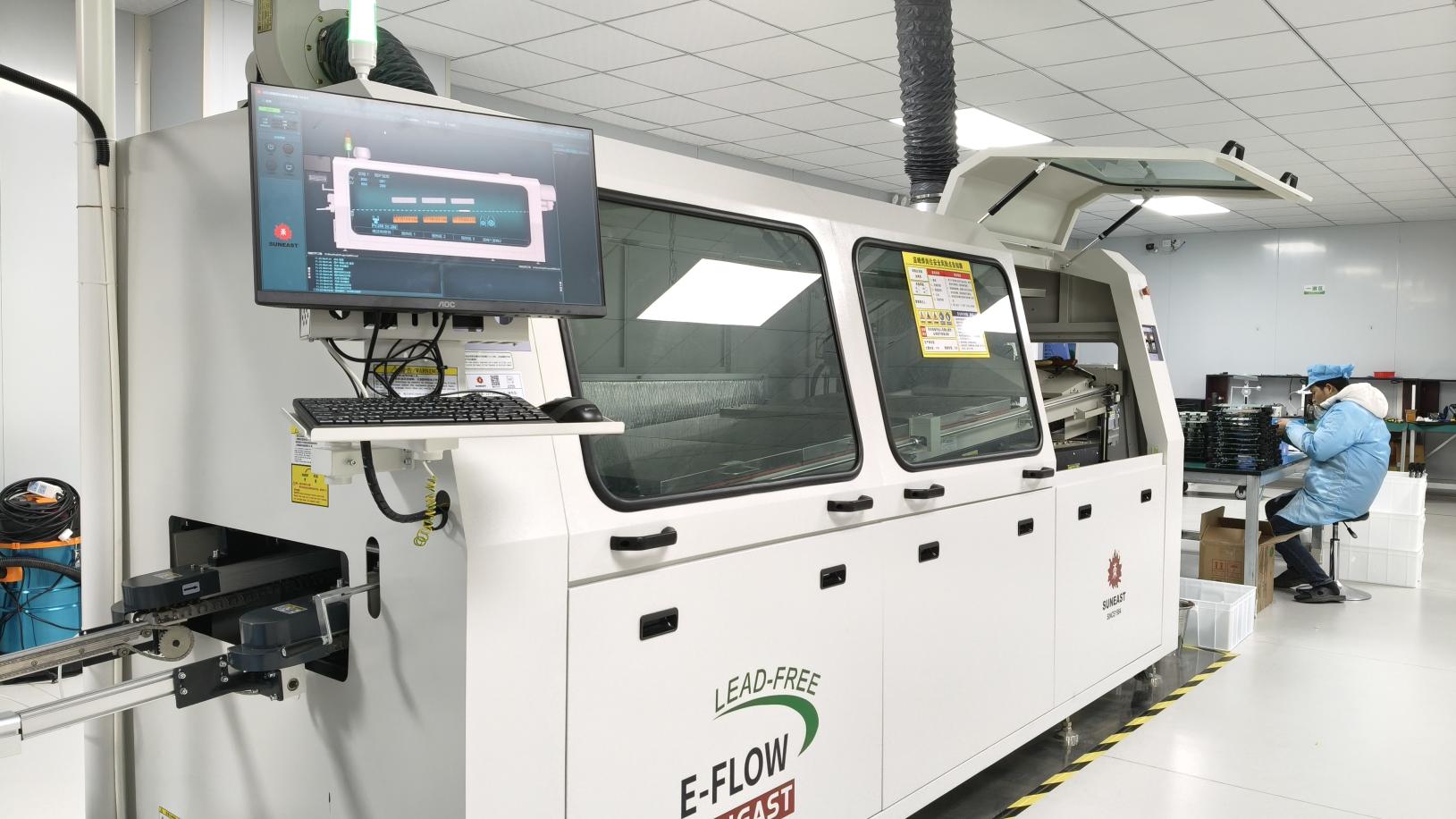
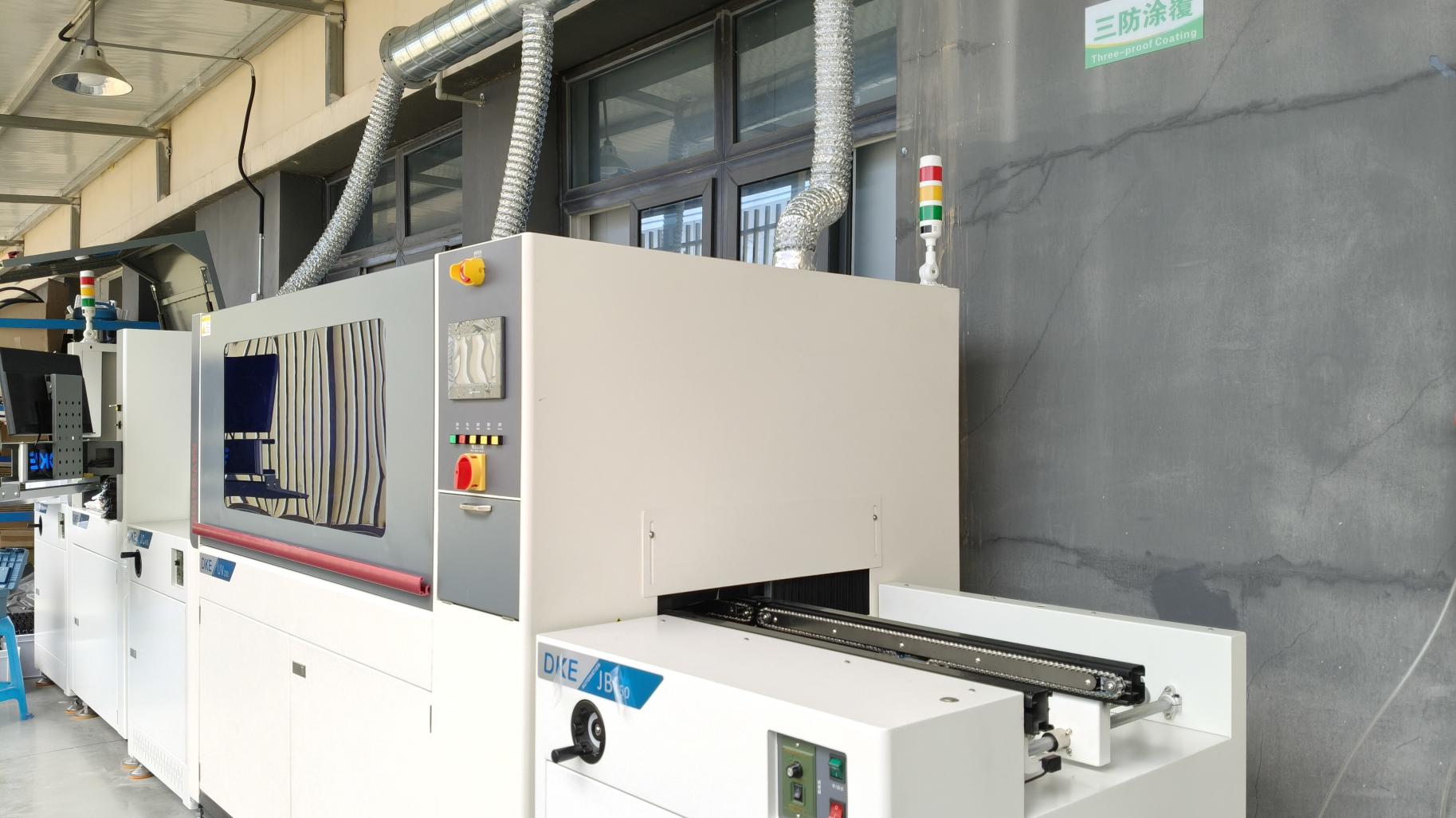
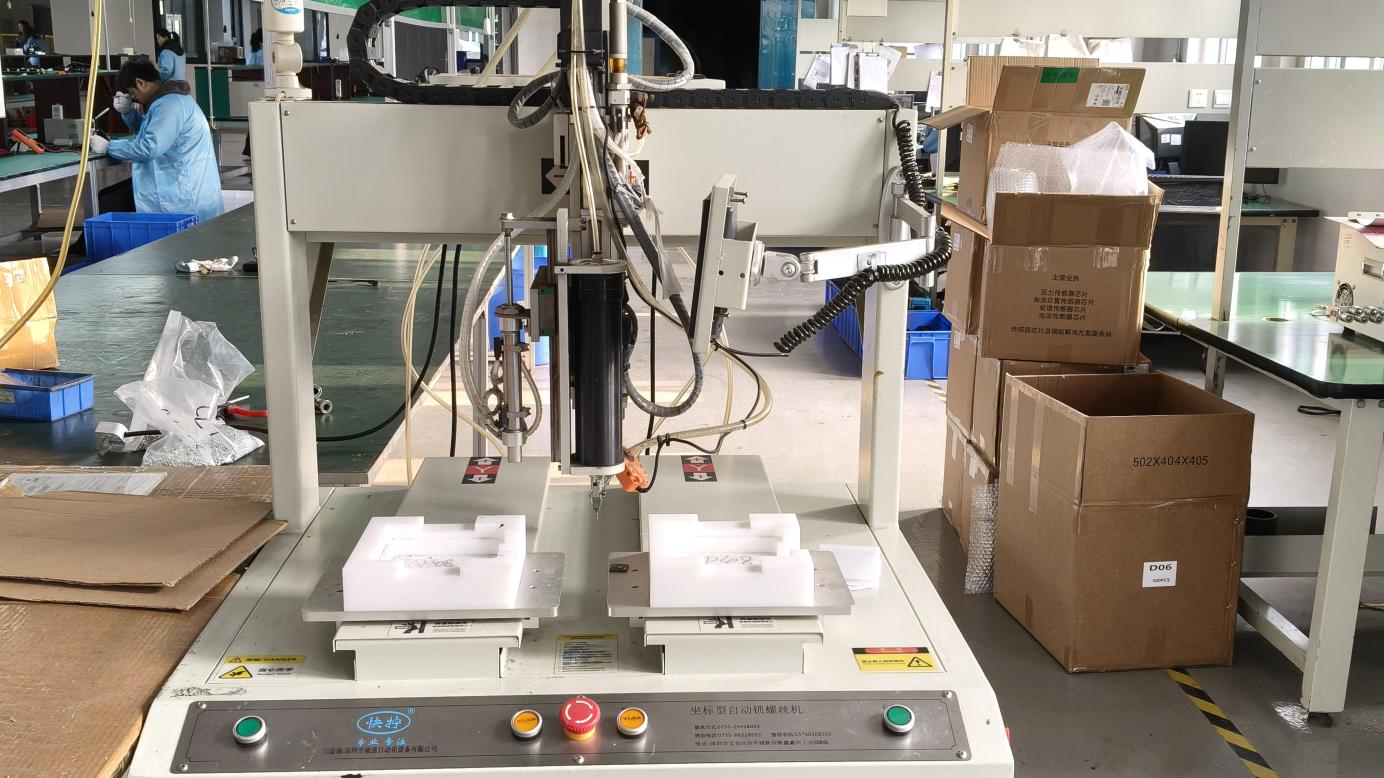
Solid-state lighting technology continues to improve energy efficiency. The industry is moving from standard 120 lm/W modules to advanced 190 lm/W systems, which provide equivalent lux levels while using less electricity. For energy-sensitive markets in West Africa, this improvement helps lower operating costs and reduce grid dependency.
Our technical development focuses on integration, power efficiency, and long-term sustainability:
Procuring commercial lighting for projects in Ghana requires compliance with several key local and international standards:
Explore our full line of outdoor floodlights, sports projectors, marine searchlights, and solar-compatible systems designed for industrial applications.
Technical answers to key questions from project managers and municipal buyers in Ghana.
 OneAll Lights